AI-Generated Fake Product Images Used for E-Commerce Refund Fraud

Thumbnail Image

The information displayed in the AIM should not be reported as representing the official views of the OECD or of its member countries.

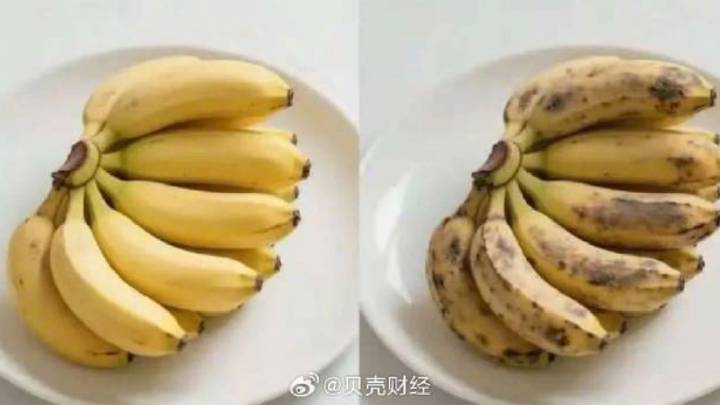
Consumers are using AI tools to create fake images of product damage to fraudulently claim refunds on e-commerce platforms. This practice causes direct financial losses to merchants, as platforms often approve refunds based on convincing AI-generated evidence. The incident has prompted legal scrutiny and calls for improved detection and regulation.[AI generated]

Why's our monitor labelling this an incident or hazard?

The event explicitly involves AI systems used to generate fake images that misrepresent product conditions, leading to fraudulent refund claims. This misuse directly causes financial harm to merchants and breaches legal obligations, including consumer protection and anti-fraud laws. The article details the legal consequences and regulatory responses, confirming that the AI system's use has directly led to harm. Hence, it meets the criteria for an AI Incident due to realized harm caused by AI misuse in consumer fraud.[AI generated]
AI principles
AccountabilityRobustness & digital securitySafetyTransparency & explainability

Industries
Logistics, wholesale, and retailDigital security

Affected stakeholders
Business

Harm types
Economic/PropertyReputationalPublic interest

Severity
AI incident

Business function:
Citizen/customer serviceICT management and information security

AI system task:
Content generation


Articles about this incident or hazard

Thumbnail Image

用AI做"毁损图"申请"仅退款",是否涉嫌违法

2025-08-31
news.cctv.com
Why's our monitor labelling this an incident or hazard?
The event explicitly involves AI systems used to generate fake images that misrepresent product conditions, leading to fraudulent refund claims. This misuse directly causes financial harm to merchants and breaches legal obligations, including consumer protection and anti-fraud laws. The article details the legal consequences and regulatory responses, confirming that the AI system's use has directly led to harm. Hence, it meets the criteria for an AI Incident due to realized harm caused by AI misuse in consumer fraud.
Thumbnail Image

用20秒生成的AI图片 钻了所有电商平台的退款漏洞-证券之星

2025-09-01
wap.stockstar.com
Why's our monitor labelling this an incident or hazard?
The article explicitly describes AI systems generating fake images of product defects that are used to deceive merchants into issuing refunds without actual product faults. The harm is direct financial loss to merchants and disruption of fair commerce. The AI system's use is central to the incident, as it enables the creation of convincing fake evidence that merchants cannot easily detect. The event involves the use and misuse of AI-generated content causing realized harm, fitting the definition of an AI Incident rather than a hazard or complementary information.
Thumbnail Image

用AI做"毁损图"申请"仅退款",是否涉嫌违法

2025-08-30
China News
Why's our monitor labelling this an incident or hazard?
The use of AI to fabricate product damage images for fraudulent refund claims directly causes harm to merchants (financial loss) and disrupts fair commerce, fulfilling the criteria for an AI Incident. The AI system's involvement is explicit (AI-generated fake images) and the harm is realized (fraudulent refunds). The article also covers legal and regulatory responses, but the core event is the AI-enabled fraud causing actual harm, not just potential harm or complementary information. Therefore, the classification is AI Incident.
Thumbnail Image

2025-09-01
证券之星
Why's our monitor labelling this an incident or hazard?
The article explicitly describes the use of AI systems to generate fake images that are used to deceive e-commerce merchants into issuing refunds or replacements. This use of AI directly leads to economic harm to merchants (harm to property and economic interests) and exploitation of platform refund policies. The AI system's involvement is clear and central to the harm, fulfilling the criteria for an AI Incident. The article also discusses the challenges merchants face in detecting AI-generated images and the potential legal consequences for fraudulent consumers, reinforcing the realized harm caused by AI misuse.
Thumbnail Image

用AI做"毁损图"申请"仅退款",是否涉嫌违法

2025-08-30
k.sina.com.cn
Why's our monitor labelling this an incident or hazard?
The event involves the use of AI systems to generate manipulated images that are submitted as evidence for refund claims, directly causing financial harm to merchants and potentially violating laws. This fits the definition of an AI Incident because the AI system's use (for fraudulent image generation) has directly led to harm (financial loss and legal violations). The article also discusses the legal and regulatory responses, but the primary focus is on the fraudulent use of AI causing harm, not just on responses or updates, so it is not Complementary Information. Therefore, the classification is AI Incident.
Thumbnail Image

用AI做"毁损图"申请"仅退款",是否涉嫌违法

2025-08-30
k.sina.com.cn
Why's our monitor labelling this an incident or hazard?
The event involves the use of AI systems to generate falsified images that directly lead to financial harm to merchants through fraudulent refund claims. This misuse of AI causes violations of consumer protection laws and potentially criminal fraud, fulfilling the criteria for an AI Incident. The article details actual harm caused by AI-generated fake images and discusses legal consequences and responsibilities, confirming that the AI system's use has directly led to harm. Therefore, this is classified as an AI Incident.
Thumbnail Image

用20秒生成的AI图片 钻了所有电商平台的退款漏洞

2025-09-01
k.sina.com.cn
Why's our monitor labelling this an incident or hazard?
The article explicitly involves AI systems generating fake images used to deceive merchants on e-commerce platforms, resulting in financial harm to the merchants (harm to property). The AI-generated images are used in the development and use phases to commit fraud, which is a violation of legal and commercial norms. The harm is realized and ongoing, as merchants have been financially impacted by these fraudulent refund claims. Therefore, this qualifies as an AI Incident rather than a hazard or complementary information.
Thumbnail Image

爱看头评 | AI毁图退款,别让技术钻了信任的空子

2025-09-02
成都全搜索
Why's our monitor labelling this an incident or hazard?
The event involves the use of AI systems to generate fake damaged product images that deceive automated refund review systems, resulting in financial harm to merchants and undermining trust. This constitutes a direct harm caused by AI misuse, fitting the definition of an AI Incident due to violation of rights (economic harm and fraud) and harm to communities (trust erosion). The article also discusses the malfunction or misuse of AI in platform refund processes, which directly leads to harm. Therefore, this is classified as an AI Incident.
Thumbnail Image

媒体:对用AI做"毁损图"申请退款,打击要更精准

2025-09-01
k.sina.com.cn
Why's our monitor labelling this an incident or hazard?
The event involves the use of AI systems to generate realistic fake images that are used maliciously to commit refund fraud. This misuse of AI directly leads to economic harm to merchants and disrupts the normal operation of e-commerce platforms, which can be considered harm to property and communities. Since the AI-generated fake images are actively used to deceive and cause harm, this qualifies as an AI Incident under the framework. The article focuses on the realized harm caused by AI misuse rather than potential future harm or general AI developments.
Thumbnail Image

媒体:对用AI做"毁损图"申请退款,打击要更精准

2025-09-01
k.sina.com.cn
Why's our monitor labelling this an incident or hazard?
The event involves the use of AI systems to generate fake images that are used to commit fraud by falsely claiming product damage for refunds. This misuse of AI directly leads to economic harm to merchants and disrupts the normal operation of e-commerce platforms, which can be considered harm to property and economic interests. Therefore, the event qualifies as an AI Incident because the AI system's use has directly led to harm (fraud and economic loss).
Thumbnail Image

突发!大量"仅退款"涌入商家店铺

2025-09-03
中华网科技公司
Why's our monitor labelling this an incident or hazard?
The event explicitly involves AI systems generating fake images used by buyers to exploit refund policies on e-commerce platforms. The harm is realized as merchants suffer financial losses and reputational damage due to fraudulent refund claims supported by AI-generated images. The AI system's role is pivotal in enabling this deceptive practice, which is a clear harm to property and commercial trust. Therefore, this qualifies as an AI Incident under the definition of harm to property and communities caused directly or indirectly by AI system use.
Thumbnail Image

果然财经|商家假图诱购、买家伪瑕骗退,电商陷入"AI对轰"

2025-09-02
k.sina.com.cn
Why's our monitor labelling this an incident or hazard?
The article explicitly involves AI systems generating images that mislead consumers and facilitate fraudulent refund claims, which directly harm consumers and sellers financially and legally. The harms include violations of consumer protection laws and potential fraud, fulfilling the criteria for an AI Incident under violations of rights and other significant harms. The AI systems' use in generating fake product images and fake defect images is central to the harm described. The article also details ongoing harm rather than just potential or future risks, so it is not merely a hazard or complementary information. Hence, the classification is AI Incident.
Thumbnail Image

用20秒生成的AI图片 钻了所有电商平台的退款漏洞_手机网易网

2025-09-02
m.163.com
Why's our monitor labelling this an incident or hazard?
The article explicitly describes AI systems generating fake images used to deceive e-commerce merchants into issuing refunds for non-defective products. This misuse of AI directly causes financial harm to merchants, fulfilling the criteria for an AI Incident under harm to property and economic harm to communities. The AI system's use is central to the harm, as it enables the creation of convincing fake evidence that merchants cannot easily detect. The harm is realized and ongoing, not merely potential. Therefore, this event qualifies as an AI Incident rather than a hazard or complementary information.
Thumbnail Image

媒体:对用AI做"毁损图"申请退款,打击要更精准_手机网易网

2025-09-03
m.163.com
Why's our monitor labelling this an incident or hazard?
The event involves the use of AI systems to generate fake images that are used to commit fraud by falsely claiming product damage for refunds. This misuse of AI directly leads to economic harm to merchants and disrupts the normal operation of e-commerce platforms, which can be considered harm to property and communities (economic harm to merchants and consumers). Therefore, this qualifies as an AI Incident because the AI system's use has directly led to harm through fraudulent activities. The article also discusses potential responses but the primary focus is on the realized harm caused by AI misuse.
Thumbnail Image

韩国国家人工智能战略委员会正式成立 | 韩联社

2025-09-08
韩联社(韩国联合通讯社)
Why's our monitor labelling this an incident or hazard?
The article describes the formation of a governmental committee focused on AI strategy and policy, including plans for AI innovation and infrastructure. There is no mention of any specific AI system causing harm or posing a direct or plausible risk of harm. The content is about governance and strategic planning, which fits the definition of Complementary Information as it provides context and updates on AI ecosystem developments without describing an incident or hazard.
Thumbnail Image

AI生图仅退款,"白嫖"成功率75%

2025-09-05
东方财富网
Why's our monitor labelling this an incident or hazard?
The event involves the use of AI systems to generate fake images that mislead sellers into issuing refunds for non-defective products. This constitutes a misuse of AI leading to direct financial harm to businesses, which falls under harm to property or economic harm to communities. Therefore, it qualifies as an AI Incident because the AI system's use directly leads to harm through fraudulent activity.
Thumbnail Image

每经热评︱AI合成明星带货乱象频现 平台企业主动治理势在必行

2025-09-07
每日经济新闻
Why's our monitor labelling this an incident or hazard?
The event involves the use of AI systems (AI deepfake and voice synthesis technologies) to create fraudulent content that deceives consumers, constituting direct harm to individuals (harm to consumers through deception and fraud). The article describes realized harms from AI misuse and calls for active governance and regulatory measures to mitigate these harms. Therefore, this qualifies as an AI Incident because the AI system's use has directly led to harm (consumer deception and trust erosion).
Thumbnail Image

视频AI生图仅退款,"白嫖"成功率75%21视频

2025-09-05
21jingji.com
Why's our monitor labelling this an incident or hazard?
The event involves the use of AI systems to create fake images of damaged products, which are then used to deceive sellers into issuing refunds. This constitutes a misuse of AI technology causing direct harm to property and economic interests of sellers, fitting the definition of an AI Incident. The harm is realized as sellers are financially impacted by fraudulent refund claims based on AI-generated images.
Thumbnail Image

每经热评︱AI合成明星带货乱象频现 平台企业主动治理势在必行

2025-09-07
新浪财经
Why's our monitor labelling this an incident or hazard?
The event involves the use of AI systems (AI deepfake and voice synthesis technologies) to create fraudulent content that deceives consumers, constituting harm to communities and consumers through misinformation and fraud. This misuse of AI has directly led to realized harm (consumer deception and erosion of trust), fitting the definition of an AI Incident. The article also discusses governance and mitigation measures but the primary focus is on the existing harms caused by AI misuse.
Thumbnail Image

认知卸载的隐性风险:AI时代的思维依赖危机

2025-09-08
ai.zhiding.cn
Why's our monitor labelling this an incident or hazard?
The article explicitly involves AI systems (generative AI, large language models) used in cognitive tasks. However, it does not describe any realized harm or direct/indirect incident caused by AI use. Instead, it outlines plausible future risks (cognitive skill degradation, overreliance) and discusses mitigation strategies, organizational and educational responses, and governance considerations. This aligns with the definition of Complementary Information, as it provides context, analysis, and responses related to AI's societal impact without reporting a specific AI Incident or Hazard.
Thumbnail Image

"人工智能+"行动加速产业智能体落地应用

2025-09-07
新浪财经
Why's our monitor labelling this an incident or hazard?
The article is a policy and technology overview describing the current state and future plans for AI development and deployment in China. It does not describe any incident or event where AI systems have directly or indirectly caused harm (AI Incident), nor does it describe a specific event or circumstance where AI systems could plausibly lead to harm (AI Hazard). Instead, it provides contextual information about AI ecosystem developments, government strategies, and technological progress, which fits the definition of Complementary Information. There is no mention of realized harm or credible imminent risk from AI systems in this text.
Thumbnail Image

AI"照骗"搅局电商

2025-09-07
新浪财经
Why's our monitor labelling this an incident or hazard?
The event involves the use and misuse of AI systems (AI-generated images) in e-commerce that directly lead to harms including consumer fraud, violation of consumer rights, financial losses, and damage to trust in the market (harm to communities and property). The AI systems are explicitly mentioned as generating fake product images and fake defect images used to deceive and commit fraud. These harms have materialized, as evidenced by complaints, refunds, and legal concerns. Therefore, this qualifies as an AI Incident under the framework because the AI system's use has directly led to significant harms.
Thumbnail Image

360大模型安全卫士正式发布 共筑AI安全新基建

2025-09-08
东方财富网
Why's our monitor labelling this an incident or hazard?
The article describes the release of a security product aimed at mitigating AI risks and enhancing AI safety infrastructure. However, it does not report any actual harm or incidents caused by AI systems, nor does it describe a specific event where AI use or malfunction led to harm. Instead, it focuses on proactive measures, standards development, and ecosystem collaboration to prevent AI-related harms. Therefore, this is Complementary Information providing context and updates on AI safety efforts rather than an AI Incident or Hazard.
Thumbnail Image

医疗江湖来了位AI医生-钛媒体官方网站

2025-09-08
tmtpost.com
Why's our monitor labelling this an incident or hazard?
The article describes the deployment and advancement of AI systems in medical diagnosis and healthcare management, including AI imaging diagnostics, intelligent triage, and large medical models. However, it does not describe any realized harm, malfunction, or misuse leading to injury, rights violations, or other harms. Nor does it describe a specific credible risk event or near miss that could plausibly lead to harm. Instead, it provides contextual and complementary information about AI's role in healthcare, the challenges faced, and the regulatory and market responses. Therefore, it fits the definition of Complementary Information rather than an AI Incident or AI Hazard.
Thumbnail Image

千笔楼丨给AI参与内容生产"立规矩"

2025-09-09
news.cn
Why's our monitor labelling this an incident or hazard?
The article does not describe a specific AI Incident or AI Hazard event but rather details the introduction and enforcement of legal and regulatory measures to manage AI-generated content and prevent its misuse. It provides complementary information about governance responses to AI-related risks, aiming to mitigate potential harms rather than reporting on an actual harm or imminent risk event. Therefore, it fits the category of Complementary Information.
Thumbnail Image

歐陽五:當AI「無所不能」 人何以為人? - 20250909 - 觀點

2025-09-08
明報新聞網 - 每日明報 daily news
Why's our monitor labelling this an incident or hazard?
The article does not report any realized harm or specific incident caused by AI systems, nor does it describe a plausible imminent harm event. It mainly discusses broad societal and policy issues related to AI, including ethical considerations, economic impacts, and governance measures such as content labeling laws. Therefore, it fits the definition of Complementary Information, as it provides supporting context and reflections on AI's role and challenges without detailing a particular AI Incident or AI Hazard.
Thumbnail Image

用AI图骗退款套路了多少商家 电商退货骗局升级

2025-09-09
中华网科技公司
Why's our monitor labelling this an incident or hazard?
The article explicitly mentions the use of AI-generated images and videos to deceive e-commerce refund systems, causing direct financial harm to merchants by enabling fraudulent refunds. The AI system's use in generating fake evidence is central to the harm described. This fits the definition of an AI Incident because the AI system's use has directly led to harm (financial loss) to groups of people (merchants).
Thumbnail Image

AI假图骗退款坑了多少商家 电商退货成重灾区

2025-09-09
中华网科技公司
Why's our monitor labelling this an incident or hazard?
The article clearly states that AI-generated fake images and videos are being used to deceive e-commerce platforms into issuing refunds without returning damaged goods, directly causing financial harm to merchants (harm to property/economic harm). The AI system's use in generating these fake images is central to the harm. This meets the definition of an AI Incident because the AI system's use has directly led to harm. Additionally, the article discusses responses and countermeasures, but the primary focus is on the realized harm caused by AI-generated fake content in refund fraud.
Thumbnail Image

专家估AI将取代50%基层工作 职涯阶梯面临根本重构(图) - 科技新闻 -

2025-09-08
看中国
Why's our monitor labelling this an incident or hazard?
The article does not describe a specific AI system malfunction, misuse, or incident causing realized harm. Instead, it provides expert opinions and data on the ongoing and future transformative effects of AI on the labor market and career development. There is no direct or indirect harm event reported, nor a specific plausible imminent hazard event. The focus is on understanding and adapting to AI-driven changes, making this a piece of complementary information that supports understanding of AI's societal impact rather than reporting an AI incident or hazard.
Thumbnail Image

AI技术大幅改变创作领域"游戏规则",给知识产权保护带来新挑战 -- -- 是人在创作,还是AI

2025-09-09
杭州网
Why's our monitor labelling this an incident or hazard?
The article explicitly describes AI systems generating creative content and being used in ways that infringe on intellectual property rights, causing harm to original creators and the creative community. It details concrete examples of harm such as unauthorized training data use, AI-generated plagiarized works, and the inability of platforms and legal systems to effectively address these infringements. This fits the definition of an AI Incident because the AI system's use has directly and indirectly led to violations of intellectual property rights and harm to communities. The article does not merely discuss potential risks or responses but reports ongoing realized harms and challenges.
Thumbnail Image

如何让AI成为青少年的学习助手 专家:当"师"不如当"友"

2025-09-09
华商网
Why's our monitor labelling this an incident or hazard?
The article centers on the societal and governance response to the risks posed by AI-generated content, including the new regulation mandating AI content labeling and expert recommendations for youth to critically assess and responsibly use AI tools. It does not describe a concrete AI Incident or AI Hazard but rather provides complementary information that enhances understanding of AI's impact and the measures taken to mitigate potential harms. Therefore, it fits the definition of Complementary Information as it informs about policy implementation, expert guidance, and educational strategies related to AI use without reporting a specific harmful event or imminent risk.
Thumbnail Image

专家建议:尽快明确AI"黄谣"定义提高处罚标准

2025-09-09
华商网
Why's our monitor labelling this an incident or hazard?
The event involves the use of AI systems (AI face-swapping and 'AI undressing' software) to create and disseminate harmful fake pornographic content targeting individuals, which has caused direct harm to the victims' rights and reputations. The article reports actual incidents, ongoing investigations, and legal responses, indicating that harm has already occurred. Therefore, this qualifies as an AI Incident under the framework, as the AI system's use has directly led to violations of rights and harm to individuals. The article also discusses potential improvements in regulation and technical countermeasures, but the primary focus is on the realized harm and ongoing legal actions, not just potential future harm or general AI ecosystem updates.
Thumbnail Image

专家建议:尽快明确AI"黄谣"定义提高处罚标准

2025-09-09
中国经济网
Why's our monitor labelling this an incident or hazard?
The event involves AI systems explicitly used to create and disseminate harmful deepfake content ('AI黄谣'), which has caused real harm to individuals (reputational damage, privacy violations). The involvement of AI in generating and spreading this content is central to the harm described. The article reports ongoing legal and police actions, indicating that harm has materialized. Therefore, this qualifies as an AI Incident due to direct harm caused by AI-generated malicious content violating rights and laws.
Thumbnail Image

9月8日,ISC.AI 2025上海大模型安全论坛暨大模型安全卫士产品发布会在上海举行。会上发布的360大模型安全卫士以"四大智能体"为核心,系统化破解AI安全难题,全面夯实智能化发展基座。

2025-09-08
证券之星
Why's our monitor labelling this an incident or hazard?
The event involves AI systems (large language models and AI agents) and addresses AI safety challenges, but it does not describe any actual harm or incidents resulting from AI system development, use, or malfunction. The content is primarily about a new AI security product release and the broader context of AI safety challenges, which fits the definition of Complementary Information as it provides updates and responses to AI risks without reporting a specific AI Incident or Hazard.
Thumbnail Image

360重磅推出大模型安全卫士,四大智能体协同发力

2025-09-09
环球网
Why's our monitor labelling this an incident or hazard?
The event involves an AI system (large AI models) and addresses AI safety challenges, but it does not describe any realized harm or incident caused by AI systems. Instead, it presents a proactive security product aimed at preventing AI-related harms and supporting safe AI development and deployment. There is no indication of direct or indirect harm occurring or plausible imminent harm from the product itself. The article mainly provides information about a new AI safety solution and related governance efforts, which fits the definition of Complementary Information rather than an AI Incident or AI Hazard.
Thumbnail Image

警惕"AI套娃

2025-09-08
k.sina.com.cn
Why's our monitor labelling this an incident or hazard?
The article primarily serves as a warning about the risks and potential harms of the 'AI nesting' phenomenon, which could plausibly lead to AI incidents such as misinformation spread, erosion of trust, and ethical violations. It discusses systemic risks and regulatory responses but does not report a specific realized harm or incident caused by AI. Therefore, it fits the definition of an AI Hazard, as it highlights credible risks that could lead to harm if unaddressed, rather than documenting an actual AI Incident or providing complementary information about a past event.
Thumbnail Image

用AI图骗"仅退款",套路了多少商家

2025-09-08
k.sina.com.cn
Why's our monitor labelling this an incident or hazard?
The article explicitly mentions AI-generated images and videos being used to deceive e-commerce platforms into issuing refunds without product returns. This constitutes direct economic harm to merchants, which falls under harm to property or communities. The AI system's use in generating fake damage evidence is central to the incident. The harm is realized, not just potential, as merchants report increased fraudulent refund claims and financial losses. Hence, this qualifies as an AI Incident due to the direct link between AI misuse and harm to merchants' property and economic interests.
Thumbnail Image

以模制模",这个大模型安全卫士用四大智能体破解AI安全难题

2025-09-08
k.sina.com.cn
Why's our monitor labelling this an incident or hazard?
The event involves an AI system (the 360 Large Model Security Guard) designed to improve AI safety and security. The article discusses the development and deployment of this AI system as a preventive and protective measure against AI-related harms. There is no report of any realized harm, incident, or malfunction caused by the AI system. The focus is on addressing potential AI safety challenges and supporting regulatory and industry standards. Therefore, this is best classified as Complementary Information, as it provides context and updates on AI safety responses and ecosystem developments rather than describing an AI Incident or AI Hazard.
Thumbnail Image

韩国国家人工智能战略委员会成立,提出跻身全球三大AI强国目标

2025-09-08
新浪财经
Why's our monitor labelling this an incident or hazard?
The event describes the formation of a governmental committee to guide AI policy and strategy in South Korea. It does not describe any specific AI system causing harm or any incident or hazard related to AI misuse, malfunction, or potential harm. Instead, it is a policy and governance development, which fits the definition of Complementary Information as it provides context and updates on AI governance and strategic planning without reporting any harm or plausible harm from AI systems.
Thumbnail Image

根本不會取代你!為什麼AI的成效被誇大了?|天下雜誌

2025-09-08
天下雜誌
Why's our monitor labelling this an incident or hazard?
The article primarily provides an analysis and critique of AI's current effectiveness and economic impact, referencing studies and expert opinions. It does not describe any event where AI use or malfunction has directly or indirectly caused harm or violation of rights. Instead, it discusses potential economic and social consequences stemming from expectations and corporate responses to AI, which are speculative or ongoing trends rather than realized incidents. Therefore, it fits best as Complementary Information, offering context and updates on AI's societal and economic implications without reporting a specific AI Incident or Hazard.
Thumbnail Image

Google AI 概览内容中已有超过10%引用自AI生成材料 - cnBeta.COM 移动版

2025-09-08
cnBeta.COM
Why's our monitor labelling this an incident or hazard?
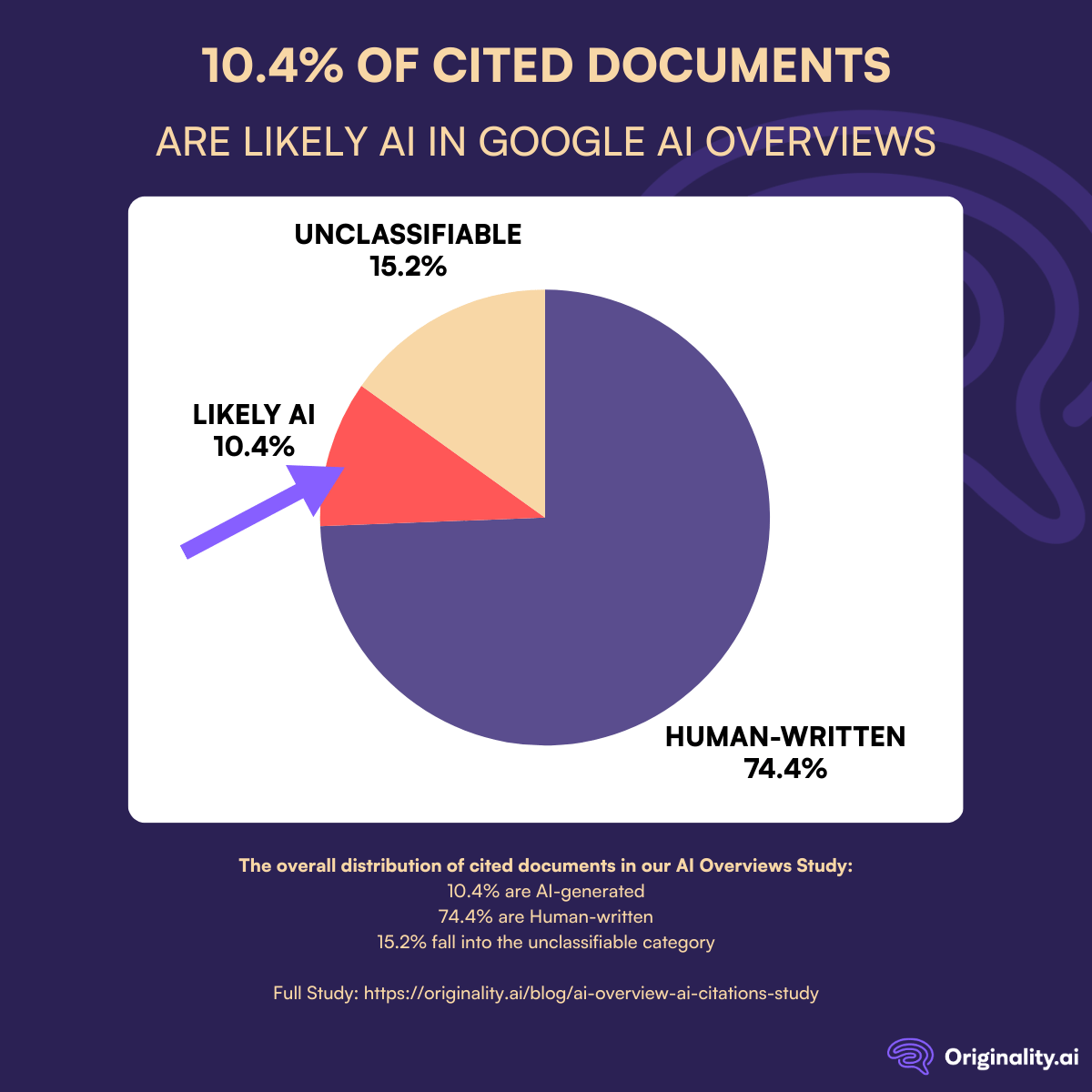
The article involves AI systems explicitly (Google's AIO and AI content detection tools) and discusses the use and impact of AI-generated content in information retrieval and dissemination. The concerns raised relate to plausible future harm from a feedback loop of AI learning from AI-generated content, which could degrade AI model quality and the reliability of information affecting users' health, safety, or welfare. Since the harm is potential and not yet realized, this qualifies as an AI Hazard rather than an AI Incident. The article also includes responses from Google disputing the findings, but the main focus is on the potential risk rather than a realized incident or a governance response, so it is not Complementary Information.
Thumbnail Image

更多人用AI工具...但「愈用愈不信任」!用戶狂搖頭 1原因繼續用 | udn科技玩家

2025-09-09
udn科技玩家
Why's our monitor labelling this an incident or hazard?
The article does not describe any direct or indirect harm caused by AI systems, nor does it indicate a credible risk of future harm. It mainly provides survey results and expert opinions on AI tool usage and trust issues, which falls under providing contextual and ecosystem information. Therefore, it fits the definition of Complementary Information rather than an AI Incident or AI Hazard.