AI Road Cameras in UK and Australia Enforce Traffic Laws, Reduce Offences

Thumbnail Image

The information displayed in the AIM should not be reported as representing the official views of the OECD or of its member countries.

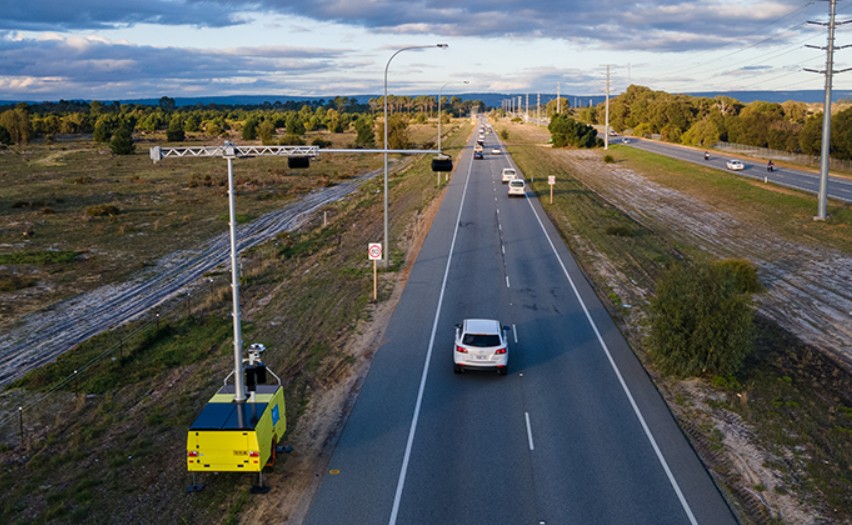
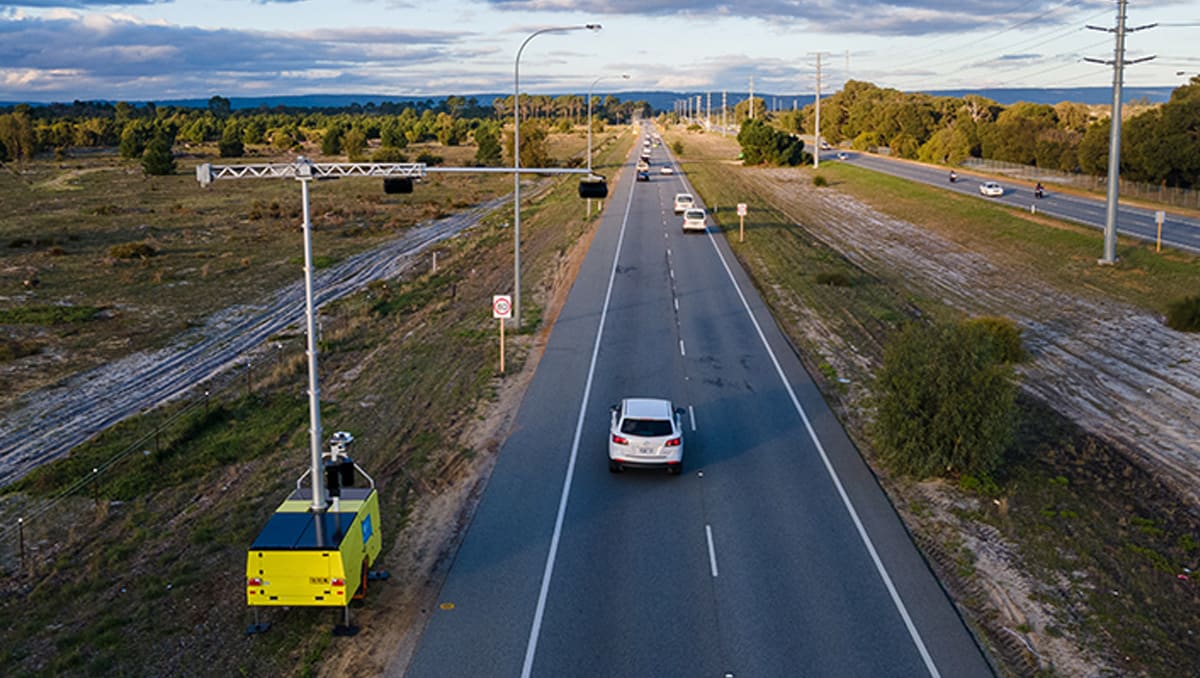
AI-powered road cameras in Devon and Cornwall, UK, and Western Australia have detected and fined thousands of drivers for seatbelt and mobile phone offences. The systems, verified by human reviewers, have led to significant reductions in dangerous driving behaviors, contributing to improved road safety and fewer injuries and fatalities.[AI generated]

Why's our monitor labelling this an incident or hazard?

The AI system (Acusensus Heads-Up) is explicitly mentioned as analyzing images to detect traffic offenses, which directly leads to legal actions (fines) against drivers violating road laws. This constitutes the use of an AI system leading to enforcement actions that impact individuals' rights and behavior, contributing to public safety. The event involves the use of AI systems in a way that has directly led to harm prevention and legal consequences, fitting the definition of an AI Incident due to its direct involvement in law enforcement and public safety outcomes.[AI generated]
Industries
Government, security, and defence

Severity
AI incident

Business function:
Compliance and justice

AI system task:
Recognition/object detection


Articles about this incident or hazard

Thumbnail Image

What do the new AI road cameras that have caught 10,000 drivers look like?

2025-09-04
Yahoo UK | News, email and search
Why's our monitor labelling this an incident or hazard?
The AI system (Acusensus Heads-Up) is explicitly mentioned as analyzing images to detect traffic offenses, which directly leads to legal actions (fines) against drivers violating road laws. This constitutes the use of an AI system leading to enforcement actions that impact individuals' rights and behavior, contributing to public safety. The event involves the use of AI systems in a way that has directly led to harm prevention and legal consequences, fitting the definition of an AI Incident due to its direct involvement in law enforcement and public safety outcomes.
Thumbnail Image

Over 1,500 AI cameras to be installed in city to enhance safety | Bhubaneswar News - The Times of India

2025-09-04
The Times of India
Why's our monitor labelling this an incident or hazard?
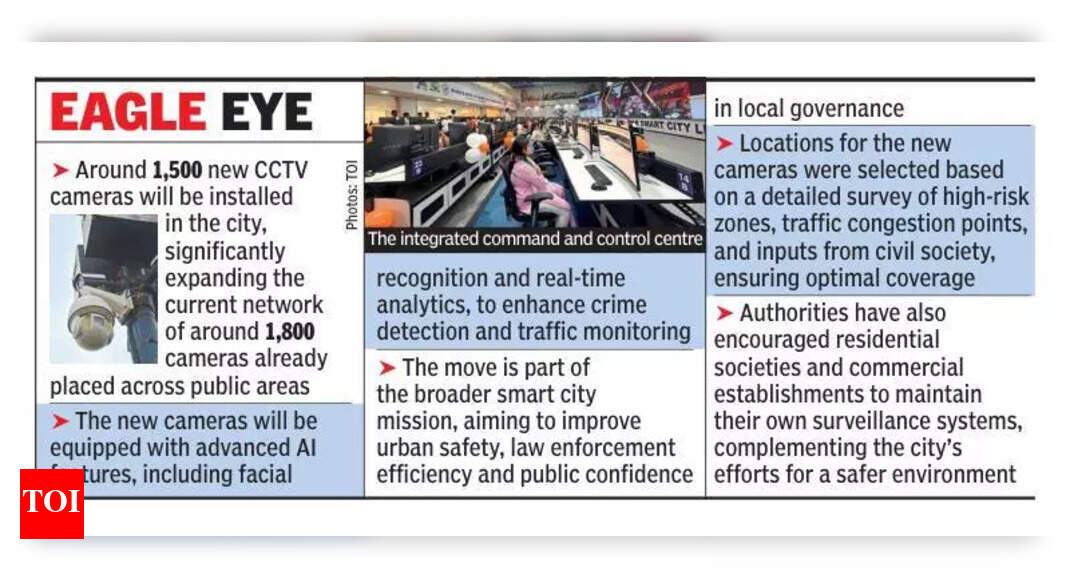
The article explicitly mentions AI-enabled surveillance cameras with advanced features such as facial recognition and traffic violation detection, confirming AI system involvement. However, there is no indication that these systems have caused any injury, rights violations, or other harms. The event is about the planned installation and intended use, with some cautionary remarks about privacy but no realized harm. Hence, it fits the definition of Complementary Information, providing context on AI deployment and societal responses without reporting an AI Incident or Hazard.
Thumbnail Image

Millions of drivers warned of $1000 fines as new cameras switch to enforcement mode in weeks

2025-09-03
Yahoo!7 News
Why's our monitor labelling this an incident or hazard?
The AI-powered cameras are explicitly mentioned as being used to detect traffic violations and enforce fines, which directly relates to harm prevention (injury or harm to people) by promoting safer driving behavior. The system's use is not merely potential but active and leading to consequences for drivers, thus fitting the definition of an AI Incident where the AI system's use has directly led to enforcement actions aimed at reducing harm. Although the article focuses on enforcement and deterrence, the AI system's role in monitoring and penalizing unsafe driving is central and directly linked to public safety outcomes.
Thumbnail Image

What do the new AI road cameras that have caught 10,000 drivers look like?

2025-09-04
Yahoo News UK
Why's our monitor labelling this an incident or hazard?
The AI system (Acusensus Heads-Up) is explicitly mentioned as analyzing images to detect traffic offenses, which directly leads to legal actions (fines) against drivers. This constitutes the use of AI leading to enforcement of laws and reduction of harmful behavior (non-compliance with seatbelt and mobile phone laws), which is a positive impact on public safety. Since the AI system's use has directly led to the identification and fining of offenders, it fits the definition of an AI Incident involving harm prevention and law enforcement. The event involves the use of AI systems leading to direct outcomes affecting individuals (fines) and public safety (reduction in offenses).
Thumbnail Image

What do the new AI road cameras that have caught 10,000 drivers look like?

2025-09-04
AOL.com
Why's our monitor labelling this an incident or hazard?
The AI system (Acusensus Heads-Up) is explicitly mentioned as analyzing images to detect traffic violations, which directly leads to legal penalties (fines) for drivers. This constitutes harm to individuals (legal and financial penalties) resulting from the AI system's use. Therefore, this event qualifies as an AI Incident because the AI system's use has directly led to harm (fines and enforcement actions) against people. The article does not describe potential or future harm but actual enforcement actions based on AI analysis.
Thumbnail Image

AI road cameras that can see inside cars catch 10,000 drivers breaking rules - Birmingham Live

2025-09-04
Birmingham Mail
Why's our monitor labelling this an incident or hazard?
The AI system is explicitly mentioned as being used to detect driver offences related to seatbelt and mobile phone use. These offences are directly linked to increased risk of injury or death in road collisions, so the AI system's use contributes to preventing harm to people. Since the AI system's deployment has led to enforcement actions and a reduction in dangerous behaviors, it is directly involved in reducing injury risk, which qualifies as harm prevention. Therefore, this event involves the use of an AI system that has directly contributed to reducing harm to people, fitting the definition of an AI Incident.
Thumbnail Image

Aussie state's drivers face $1000 fines as new road safety cameras switch to enforcement

2025-09-04
WhichCar
Why's our monitor labelling this an incident or hazard?
The cameras are explicitly described as AI-enabled systems used to monitor driver behavior and enforce road safety laws. Their use has directly led to the issuance of fines and penalties, which are a form of legal enforcement rather than physical harm. While the cameras aim to reduce road trauma and save lives, the article does not report any injury or harm caused by the AI system itself. Instead, the AI system is used as a tool for law enforcement and deterrence. There is no indication of malfunction or misuse causing harm. Therefore, this event does not meet the criteria for an AI Incident or AI Hazard. It is primarily an update on the use and enforcement of an AI system in public safety, which fits the definition of Complementary Information.
Thumbnail Image

AI spy cameras on Cornwall's roads bust 10,000 drivers in one year

2025-09-04
Cornwall Live
Why's our monitor labelling this an incident or hazard?
The AI system is explicitly mentioned as being used to detect traffic offenses, which directly impacts road safety by identifying and reducing dangerous behaviors. This use of AI has led to tangible harm reduction (fewer injuries and fatalities), thus the event involves the use of an AI system leading to positive health and safety outcomes. Since the AI system's use has directly influenced the management of road safety and reduced harm, this qualifies as an AI Incident under the definition of harm to health and safety of people.
Thumbnail Image

AI-powered road speed and mobile cameras to begin operation in WA

2025-09-03
cyberdaily.au
Why's our monitor labelling this an incident or hazard?
The AI system is explicitly mentioned as being used for traffic law enforcement, which involves AI-powered detection cameras. However, the article does not report any harm or violation caused by the AI system's malfunction or misuse. Instead, it highlights human verification to prevent wrongful charges and the intended positive impact on road safety. There is no indication of plausible future harm or incidents resulting from the AI system. The event is primarily an update on the deployment and operational use of AI technology in public safety, which fits the category of Complementary Information as it provides context and governance details rather than reporting harm or risk.