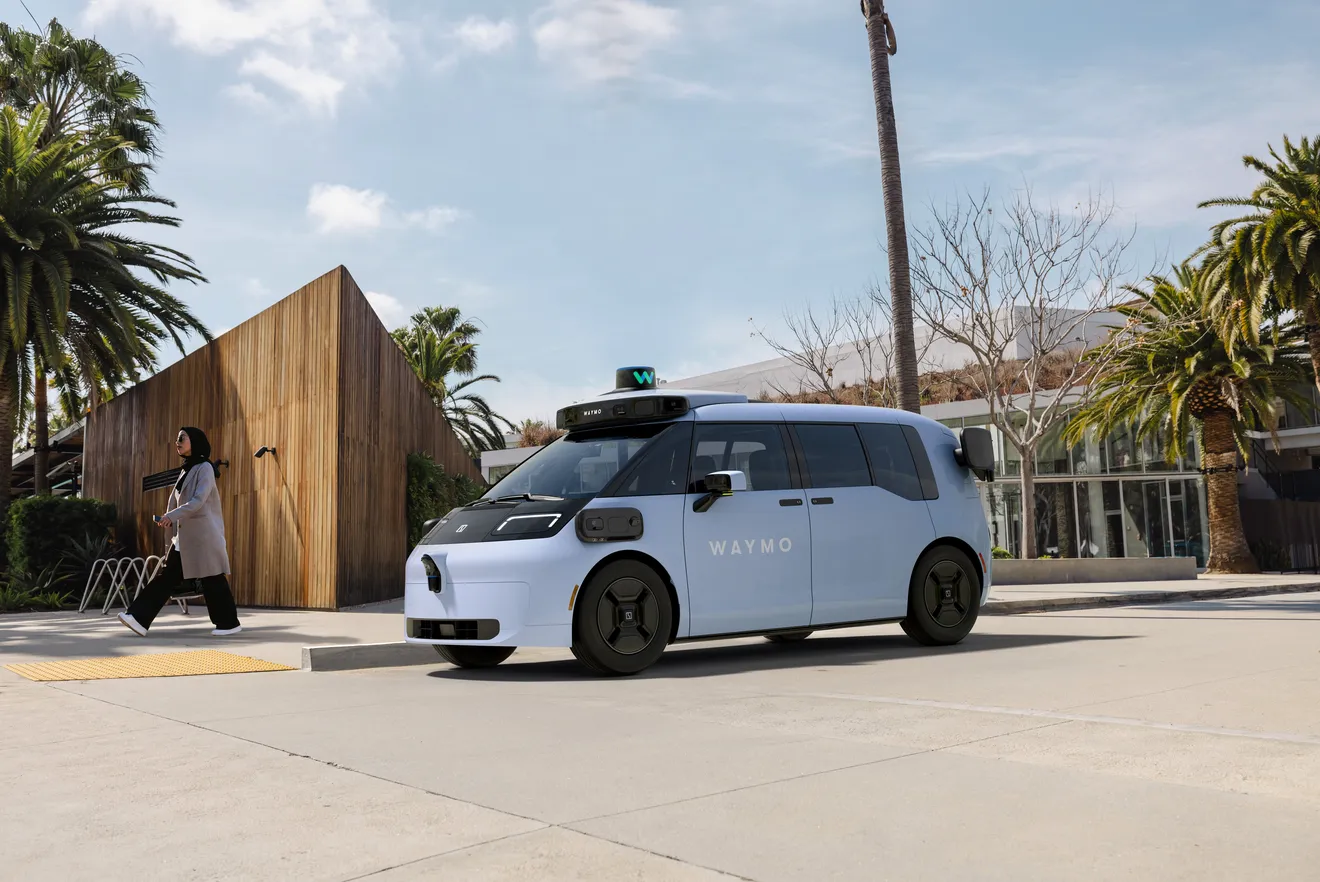
Waymo Expands Autonomous Vehicle Testing to Denver and Seattle with Zeekr and Jaguar Models

Thumbnail Image

The information displayed in the AIM should not be reported as representing the official views of the OECD or of its member countries.

Waymo, in partnership with Zeekr, is deploying AI-powered autonomous vehicles in Denver and Seattle, initially with human drivers before testing full self-driving capabilities. The expansion aims to test AI systems in challenging weather, with plans for future driverless taxi services, but no incidents or harm have been reported.[AI generated]

Why's our monitor labelling this an incident or hazard?

The event involves the use and testing of AI systems for autonomous driving, which are explicitly mentioned. However, the article does not report any realized harm or incidents caused by these AI systems. Instead, it describes ongoing deployment and testing activities with future plans for autonomous services. There is no indication of direct or indirect harm occurring or imminent. Therefore, this event represents a plausible future risk scenario related to AI autonomous vehicles but does not describe an incident or harm yet. It is best classified as an AI Hazard because the deployment and testing of autonomous vehicles could plausibly lead to incidents or harms in the future, especially given the challenging weather conditions mentioned for testing.[AI generated]
Industries
Mobility and autonomous vehicles

Severity
AI hazard

Business function:
Citizen/customer service

AI system task:
Recognition/object detectionForecasting/predictionGoal-driven organisation


Articles about this incident or hazard

Thumbnail Image

Waymo扩展美国自动驾驶服务,丹佛西雅图投放极氪与捷豹车型

2025-09-04
中关村在线
Why's our monitor labelling this an incident or hazard?
The event involves the use and testing of AI systems for autonomous driving, which are explicitly mentioned. However, the article does not report any realized harm or incidents caused by these AI systems. Instead, it describes ongoing deployment and testing activities with future plans for autonomous services. There is no indication of direct or indirect harm occurring or imminent. Therefore, this event represents a plausible future risk scenario related to AI autonomous vehicles but does not describe an incident or harm yet. It is best classified as an AI Hazard because the deployment and testing of autonomous vehicles could plausibly lead to incidents or harms in the future, especially given the challenging weather conditions mentioned for testing.
Thumbnail Image

极氪造的Waymo自动驾驶汽车打入美国,在丹佛、西雅图开展服务

2025-09-03
凤凰网(凤凰新媒体)
Why's our monitor labelling this an incident or hazard?
The article describes the deployment and testing of AI-powered autonomous vehicles, which are AI systems by definition. However, there is no mention of any harm, malfunction, or violation caused by these AI systems. The event is about expansion and testing, with future plans for autonomous taxi services, implying potential future risks but no realized harm yet. Therefore, it qualifies as an AI Hazard because the autonomous driving AI systems could plausibly lead to incidents in the future, especially given the challenging weather conditions mentioned, but no actual harm has occurred yet.
Thumbnail Image

Waymo扩展美国自动驾驶服务,丹佛西雅图投放极氪与捷豹车型

2025-09-04
k.sina.com.cn
Why's our monitor labelling this an incident or hazard?
The article explicitly mentions the deployment and testing of autonomous vehicles equipped with Waymo's AI-driven sixth-generation sensor system and autonomous driving technology. The vehicles will initially be manually driven but will progressively transition to autonomous operation, including plans for fully driverless taxi services. While no harm has been reported, the deployment of autonomous vehicles in complex weather conditions and new cities presents plausible risks of incidents related to AI system malfunction or misuse. Therefore, this event qualifies as an AI Hazard due to the credible potential for AI-related harm in the future, but not an AI Incident since no harm has yet occurred.
Thumbnail Image

智通财经APP获悉,Alphabet(GOOG.US,GOOGL.US)旗下的自动驾驶汽车部门Waymo已获得在圣何塞米内塔国际机场进行商业运营的许可。圣何塞米内塔机场将成为加州首个、也是全球第二个迎来Waymo进驻其航站楼的商业国际机场......

2025-09-05
证券之星
Why's our monitor labelling this an incident or hazard?
The event involves the use of AI systems (autonomous driving technology) in a real-world commercial setting. However, the article does not report any harm, malfunction, or incident resulting from the AI system's use. It describes the expansion and testing phases of the AI system's deployment, which could plausibly lead to future harm (e.g., accidents or operational failures), but no such harm has occurred or is reported. Therefore, this event is best classified as an AI Hazard, reflecting the plausible future risk associated with the deployment of autonomous vehicles in public spaces.
Thumbnail Image

自动驾驶版图再扩张 Alphabet(GOOGL.US)旗下Waymo获批在圣何塞机场运营

2025-09-05
新浪财经
Why's our monitor labelling this an incident or hazard?
The event involves the use of an AI system (Waymo's autonomous driving technology) in a real-world commercial setting. However, the article does not describe any harm or incident resulting from the AI system's development, use, or malfunction. Nor does it indicate any plausible future harm or risk associated with this expansion. The content is primarily an update on the deployment and expansion of an AI system, which fits the definition of Complementary Information as it provides context and developments in the AI ecosystem without reporting any harm or hazard.