Tesla Opens Robotaxi App to Public Amid Safety and Regulatory Concerns

Thumbnail Image

The information displayed in the AIM should not be reported as representing the official views of the OECD or of its member countries.

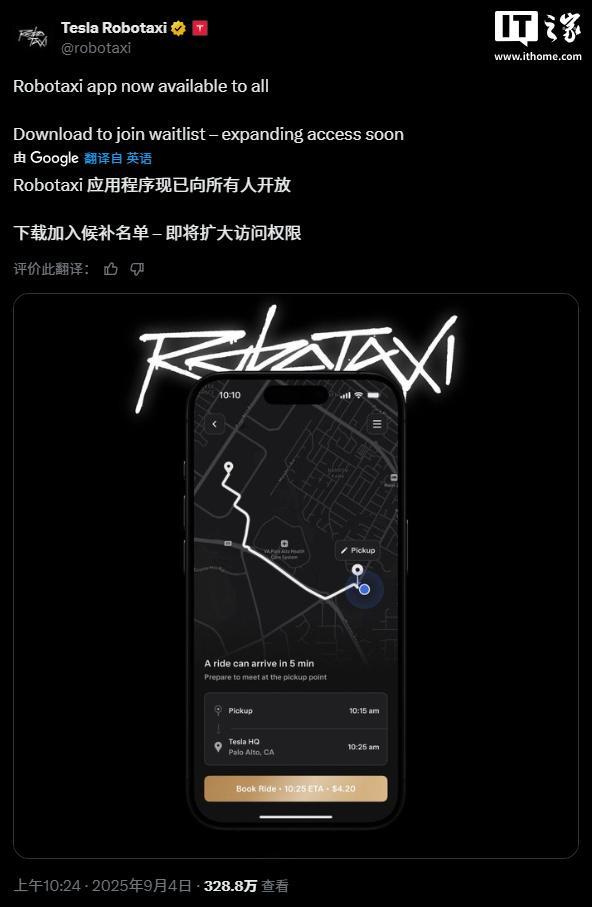
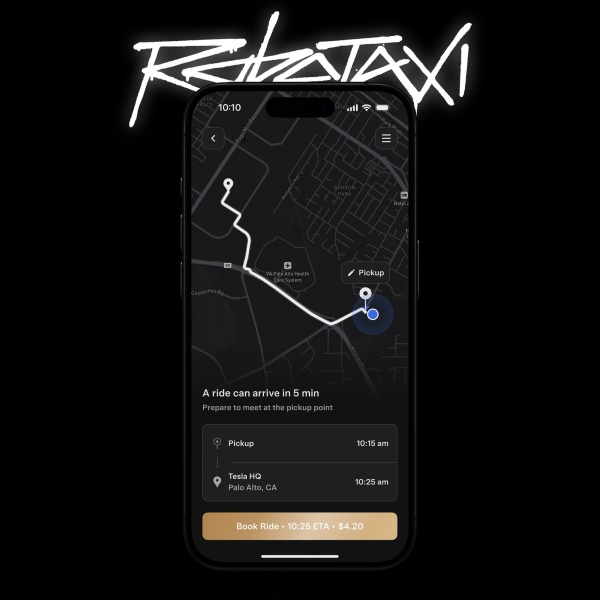
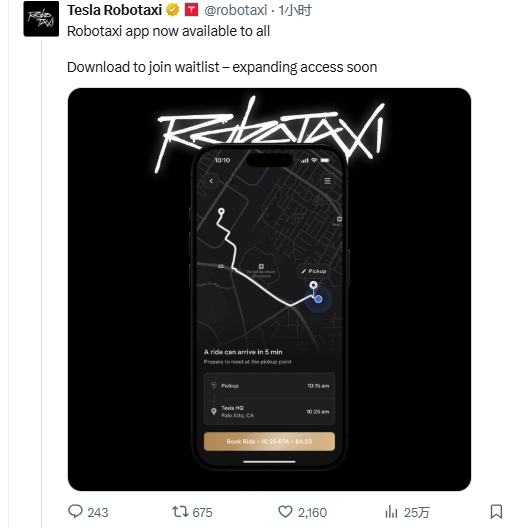
Tesla has opened its Robotaxi autonomous ride-hailing app to the public, expanding beyond early users in Austin, Texas. Early trials saw traffic violations, prompting a National Highway Traffic Safety Administration (NHTSA) investigation, raising concerns about the AI system's safety as the service scales to more users.[AI generated]

Why's our monitor labelling this an incident or hazard?

The Robotaxi application involves AI systems for autonomous vehicle operation and ride dispatch. While the article does not report any harm or incidents resulting from this release, the deployment of autonomous vehicle AI to the public carries plausible risks of harm such as accidents or safety issues. Therefore, this event represents a plausible future risk (AI Hazard) rather than a realized harm (AI Incident).[AI generated]
AI principles
SafetyAccountability

Industries
Mobility and autonomous vehicles

Affected stakeholders
General public

Harm types
Physical (injury)

Severity
AI hazard

AI system task:
Recognition/object detectionGoal-driven organisation


Articles about this incident or hazard

Thumbnail Image

特斯拉称其Robotaxi应用现已向公众开放 - cnBeta.COM 移动版

2025-09-04
cnBeta.COM
Why's our monitor labelling this an incident or hazard?
The Robotaxi application involves AI systems for autonomous vehicle operation and ride dispatch. While the article does not report any harm or incidents resulting from this release, the deployment of autonomous vehicle AI to the public carries plausible risks of harm such as accidents or safety issues. Therefore, this event represents a plausible future risk (AI Hazard) rather than a realized harm (AI Incident).
Thumbnail Image

特斯拉Robotaxi应用程序向公众开放!计划向更多州推广该服务

2025-09-04
东方财富网
Why's our monitor labelling this an incident or hazard?
Tesla's Robotaxi service uses AI systems for autonomous driving, which is explicitly mentioned. The event concerns the use and deployment of these AI systems to the public, expanding beyond initial test users. No actual harm or incident is reported, but the nature of autonomous vehicles means there is a credible risk of injury, property damage, or other harms if the AI system malfunctions or fails. The article also discusses regulatory hurdles, indicating awareness of potential risks. Since no harm has yet occurred but plausible future harm exists, this event qualifies as an AI Hazard rather than an AI Incident or Complementary Information.
Thumbnail Image

规模要扩大了?特斯拉宣布向公众开放Robotaxi应用

2025-09-04
凤凰网(凤凰新媒体)
Why's our monitor labelling this an incident or hazard?
The event involves the use of an AI system—Tesla's autonomous driving technology powering the Robotaxi service. The announcement concerns the deployment and scaling of this AI system to a broader user base. However, the article does not report any harm or incident resulting from the AI system's use, nor does it indicate any malfunction or misuse leading to harm. While the expansion of autonomous AI taxis carries potential risks, no actual or imminent harm is described. Therefore, this event is best classified as Complementary Information, providing context on AI deployment and ecosystem developments without reporting an incident or hazard.
Thumbnail Image

特斯拉(TSLA.US)Robotaxi官宣面向公众开放!马斯克画的"饼"终于落地

2025-09-04
China Finance Online
Why's our monitor labelling this an incident or hazard?
Tesla's Robotaxi service is an AI system involving autonomous driving technology. The article mentions that early users have recorded incidents of traffic violations, which have prompted investigations by the National Highway Traffic Safety Administration (NHTSA). The AI system's use has directly led to safety concerns and regulatory scrutiny, indicating realized harm or risk to public safety. Therefore, this event qualifies as an AI Incident due to the direct or indirect harm related to the AI system's operation in public transportation.
Thumbnail Image

智通财经APP获悉,特斯拉(TSLA.US)表示,其自动驾驶出租车(Robotaxi)应用已向公众开放。这一举措意味着,该公司将很快把这项服务从得克萨斯州奥斯汀市的小范围早期体验用户,推广到更广泛的人群中。周三晚间,特斯拉......

2025-09-04
证券之星
Why's our monitor labelling this an incident or hazard?
Tesla's Robotaxi service is an AI system involving autonomous driving technology. The article mentions that early users have recorded incidents of traffic violations, which triggered investigations by the National Highway Traffic Safety Administration (NHTSA). These incidents imply direct or indirect harm to public safety (harm to persons), fulfilling the criteria for an AI Incident. The expansion to public use increases exposure to these risks. Although no specific accidents causing injury are detailed, the regulatory investigation and reported traffic violations demonstrate realized harm or risk to health and safety. Therefore, this qualifies as an AI Incident rather than merely a hazard or complementary information.
Thumbnail Image

特斯拉称其Robotaxi应用现已向公众开放

2025-09-04
新浪财经
Why's our monitor labelling this an incident or hazard?
The Robotaxi application is an AI system involving autonomous driving capabilities. The event describes the expansion of access to this AI system to the public, but there is no mention of any harm, malfunction, or misuse resulting from this deployment. Since the article only reports on the availability of the AI system without indicating any realized or potential harm, it does not qualify as an AI Incident or AI Hazard. It is a general update about AI deployment and adoption, thus classified as Complementary Information.
Thumbnail Image

马斯克这次没放鸽子:特斯拉 Robotaxi 应用已向所有人开放

2025-09-04
新浪财经
Why's our monitor labelling this an incident or hazard?
The event involves the use of an AI system (autonomous driving AI in Robotaxi) whose deployment to the public could plausibly lead to harm (e.g., injury to passengers or others) due to potential malfunctions or operational failures. Although no incident of harm is reported, the expansion of this AI system's use to a wider public audience constitutes a credible risk of future harm. Therefore, this qualifies as an AI Hazard rather than an AI Incident or Complementary Information.
Thumbnail Image

Avride在达拉斯加大自动驾驶测试力度 拟通过Uber推出无人驾驶出租车

2025-09-05
新浪财经
Why's our monitor labelling this an incident or hazard?
The event describes the use and development of an AI system (autonomous driving technology) and its planned deployment in a real-world service (driverless taxis). While no harm has yet occurred, the expansion of testing and preparation for deployment plausibly could lead to AI incidents such as accidents or safety issues. Therefore, this qualifies as an AI Hazard due to the credible risk of future harm from the AI system's use in autonomous vehicles.
Thumbnail Image

调查:特斯拉FSD在美国市场未能有效吸引潜在买家

2025-09-07
证券之星
Why's our monitor labelling this an incident or hazard?
The article explicitly references a fatal car crash involving Tesla's Autopilot system, with a jury ruling Tesla partially liable and ordering substantial damages. This confirms direct harm to persons caused by the AI system's use. The AI system is clearly involved in the incident, and the harm (fatality) has occurred. Therefore, this qualifies as an AI Incident under the definition of injury or harm to persons caused directly or indirectly by an AI system. Other content about market perception and regulatory calls supports the context but does not negate the presence of an incident.
Thumbnail Image

特斯拉Robotaxi应用程序现已向公众开放

2025-09-07
证券之星
Why's our monitor labelling this an incident or hazard?
Tesla's Robotaxi service is an AI system involving autonomous driving. The article describes the expansion of this service to the public, which could plausibly lead to AI incidents such as accidents or injuries if the AI malfunctions or fails to perform safely. No actual harm or incident is reported yet, so it does not qualify as an AI Incident. The event is not merely general AI news or a response to a past incident, so it is not Complementary Information. Given the plausible future risk of harm from deploying autonomous AI taxis to the public, this event is best classified as an AI Hazard.
Thumbnail Image

特斯拉 Robotaxi 应用面向公众开放,首日下载量远超 Uber、Waymo

2025-09-07
新浪财经
Why's our monitor labelling this an incident or hazard?
Tesla's Robotaxi is an AI system providing autonomous taxi services. The article mentions a safety incident during testing but no actual harm or injury has been reported. The system is currently operated with safety drivers and monitoring, which are planned to be removed, increasing potential risk. The public deployment of an autonomous AI system with known safety concerns and plans to reduce safeguards constitutes a plausible risk of harm in the future. Hence, this is best classified as an AI Hazard rather than an AI Incident or Complementary Information.
Thumbnail Image

特斯拉重大调整!

2025-09-07
k.sina.com.cn
Why's our monitor labelling this an incident or hazard?
The article explicitly discusses Tesla's FSD AI system and its development and use, specifically the retraction of the promise of fully autonomous driving without supervision. While this involves AI system use and development, there is no mention of any realized harm such as accidents, injuries, or rights violations caused by the AI system. Nor does it describe a plausible future harm scenario beyond the changed claims. The main focus is on the company's updated communication and product definition, which informs stakeholders about the AI system's actual capabilities and limitations. This fits the definition of Complementary Information, as it updates understanding and governance context without reporting a new incident or hazard.
Thumbnail Image

特斯拉Robotaxi应用程序现已向公众开放

2025-09-08
新浪车行天下
Why's our monitor labelling this an incident or hazard?
Tesla's Robotaxi service clearly involves AI systems for autonomous driving, which fits the definition of an AI system. However, the article does not report any realized harm, injury, rights violation, or disruption caused by the AI system. It also does not describe any near misses or credible risks that have materialized as incidents. Instead, it reports on the rollout and operational expansion of the service, including safety protocols and regulatory compliance. Therefore, this is not an AI Incident or AI Hazard. It is not unrelated because it concerns AI deployment, but since it does not report harm or plausible harm, it is best classified as Complementary Information, providing context and updates on AI system deployment and governance.
Thumbnail Image

운전자 없는 테슬라 로보택시, 美달린다

2025-09-05
아시아경제
Why's our monitor labelling this an incident or hazard?
The article describes the deployment and initial operation of Tesla's autonomous robo-taxi service, which clearly involves AI systems for self-driving. However, it does not report any injury, rights violations, property damage, or other harms caused by the AI system. The presence of safety drivers and regulatory hurdles indicate caution and risk management. Since no harm has occurred and the article does not highlight any imminent or plausible risk of harm, this event is best classified as Complementary Information, providing context on AI deployment and regulatory environment without constituting an AI Incident or AI Hazard.
Thumbnail Image

테슬라, 미국 내 로보택시 앱 배포 개시...차량 호출 서비스 본격화

2025-09-05
연합뉴스TV
Why's our monitor labelling this an incident or hazard?
The Tesla robo-taxi app uses AI-based autonomous driving systems to provide vehicle call services. Although currently supervised by safety drivers, the deployment of such AI systems in public transportation carries direct implications for safety and potential harm to passengers and others if malfunctions or failures occur. The article describes the active use and expansion of this AI system, which directly influences physical environments and human safety. Therefore, this qualifies as an AI Incident because the AI system's use is ongoing and directly linked to potential or realized harm in public transportation contexts.
Thumbnail Image

머스크 예고대로...테슬라, 로보택시 앱 일반 개방

2025-09-05
이투데이
Why's our monitor labelling this an incident or hazard?
The event involves the use of an AI system (autonomous driving AI in Tesla's robo-taxi service) being deployed to the public. Although no harm has been reported so far, the nature of autonomous vehicles means there is a credible risk that the AI system could malfunction or cause accidents, leading to injury or harm. Hence, this qualifies as an AI Hazard under the framework, as the AI system's use could plausibly lead to an AI Incident involving harm to people.
Thumbnail Image

테슬라 로보택시, iOS 앱 배포했지만...기다림은 여전

2025-09-05
디지털투데이 (DigitalToday)
Why's our monitor labelling this an incident or hazard?
The event involves an AI system (Tesla's Full Self-Driving AI powering the robo-taxi). However, there is no indication of any harm, malfunction, or misuse leading to injury, rights violations, or other harms. The article mainly describes the rollout and operational status, including regulatory constraints and waiting times, without any reported incidents or plausible imminent harm. Therefore, it does not qualify as an AI Incident or AI Hazard. It is best classified as Complementary Information, providing context on AI deployment and governance challenges.
Thumbnail Image

테슬라 로보택시 앱 출시...웨이모와 자율주행 경쟁 본격화[팩플] | 중앙일보

2025-09-05
중앙일보
Why's our monitor labelling this an incident or hazard?
The article clearly involves AI systems, specifically autonomous driving AI in robo-taxis. However, it does not describe any harm or incident resulting from the AI's use or malfunction. It mainly reports on the public release of Tesla's robo-taxi app and the competitive dynamics with Waymo, including regulatory and operational details. There is no indication of injury, rights violations, property damage, or other harms caused or plausibly caused by the AI systems at this stage. Hence, it does not meet the criteria for AI Incident or AI Hazard. Instead, it provides valuable complementary information about AI deployment and market developments in autonomous vehicles.