AI Chatbots Nearly Double Rate of Misinformation Spread in One Year

Thumbnail Image

The information displayed in the AIM should not be reported as representing the official views of the OECD or of its member countries.

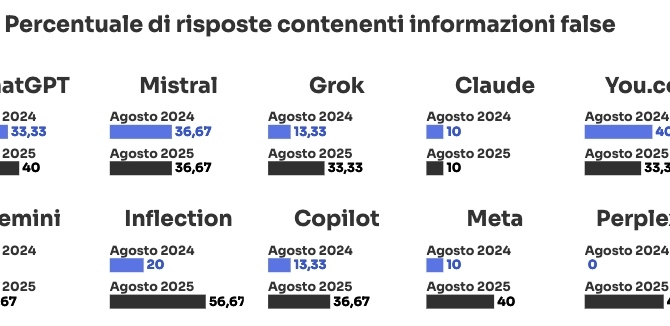
A NewsGuard report finds that leading AI chatbots, including ChatGPT and Meta, now provide false or misleading information up to 40% of the time, nearly doubling the misinformation rate from 18% to 35% in one year. The AI systems often treat unreliable sources as credible, amplifying propaganda and contaminating the information ecosystem.[AI generated]

Why's our monitor labelling this an incident or hazard?

The event involves AI systems (language models/chatbots) actively spreading false information and propaganda, which constitutes harm to communities by undermining truthful information and potentially influencing public opinion and social stability. Since the article describes this harm as already occurring and quantifies the extent of misinformation, it qualifies as an AI Incident under the framework, specifically harm to communities due to the AI systems' outputs.[AI generated]

AI principles
AccountabilitySafetyTransparency & explainabilityRobustness & digital securityDemocracy & human autonomy

Industries
Media, social platforms, and marketing

Affected stakeholders
ConsumersGeneral public

Harm types
Public interest

Severity
AI incident

AI system task:
Interaction support/chatbots


Articles about this incident or hazard

Thumbnail Image

Crece el riesgo de desinformación en la inteligencia artificial

2025-09-05
Noticias de El Salvador - elsalvador.com
Why's our monitor labelling this an incident or hazard?
The article explicitly involves AI systems (large language models/chatbots) that generate content and are spreading misinformation. The harm described is the spread of false information and propaganda, which harms communities by contaminating the information ecosystem. Since the harm is described as increasing and potentially normalizing but not documented as a specific realized incident causing harm, this fits the definition of an AI Hazard — an event or circumstance where AI use could plausibly lead to harm. The report's warning about the risk of normalizing misinformation and propaganda through AI systems' outputs aligns with plausible future harm. There is no description of a concrete incident with direct or indirect realized harm, so it is not an AI Incident. It is not merely complementary information because the main focus is on the risk and increase of misinformation, not on responses or updates to past incidents. Therefore, the classification is AI Hazard.
Thumbnail Image

Aumenta en casi el doble la tasa en la que la IA difunde información falsa

2025-09-04
Gestión
Why's our monitor labelling this an incident or hazard?
The event involves AI systems (language models/chatbots) actively spreading false information and propaganda, which constitutes harm to communities by undermining truthful information and potentially influencing public opinion and social stability. Since the article describes this harm as already occurring and quantifies the extent of misinformation, it qualifies as an AI Incident under the framework, specifically harm to communities due to the AI systems' outputs.
Thumbnail Image

La tasa a la que la IA difunde información falsa casi se ha duplicado en un año

2025-09-04
Noticias SIN
Why's our monitor labelling this an incident or hazard?
The article explicitly involves AI systems (large language models/chatbots) whose use has directly led to harm in the form of widespread dissemination of false information and propaganda. This constitutes harm to communities and informational environments, fitting the definition of an AI Incident. The harm is ongoing and documented with quantitative data, not merely a potential or future risk. Therefore, the event is classified as an AI Incident.
Thumbnail Image

¿Cuáles son los chatbots que más datos falsos proporcionan? - Tecnología - ABC Color

2025-09-04
ABC Digital
Why's our monitor labelling this an incident or hazard?
The event involves AI systems (chatbots based on large language models) whose use has directly led to the dissemination of false information and propaganda, causing harm to communities and the information ecosystem. This fits the definition of an AI Incident because the AI systems' outputs have directly led to harm (misinformation and propaganda dissemination). The article documents realized harm, not just potential harm, and the AI systems' role is pivotal in this harm. Therefore, the classification is AI Incident.
Thumbnail Image

La tasa a la que la IA difunde información falsa casi se ha duplicado en un año

2025-09-04
24horas.cl - Home
Why's our monitor labelling this an incident or hazard?
The article explicitly discusses AI language models (AI systems) that generate outputs containing false information and propaganda, which is a direct harm to communities and the information environment. The harm is realized and ongoing, not merely potential, as the AI systems are actively spreading misinformation. This fits the definition of an AI Incident because the AI systems' use has directly led to harm to communities by spreading falsehoods and propaganda, which can undermine public trust and democratic processes. The involvement of AI in the development and use of these language models is clear, and the harm is significant and articulated.
Thumbnail Image

La IA difunde cada vez más información falsa | Del 18% de "alucinaciones" en agosto de 2024 aumentó al 35% en este 2025

2025-09-06
Página/12
Why's our monitor labelling this an incident or hazard?
The article explicitly involves AI systems (chatbots and language models) that generate and disseminate false information, which has already caused harm by spreading propaganda and false narratives affecting communities and political discourse. The harm is direct and ongoing, fulfilling the criteria for an AI Incident. The involvement of AI in producing and amplifying misinformation that influences public knowledge and decisions is a clear violation of rights and harm to communities. Therefore, this event is best classified as an AI Incident rather than a hazard or complementary information.
Thumbnail Image

Las "fake news" se duplicaron en un año con IA - Ciencia y tecnologia - Ansa.it

2025-09-06
Agenzia ANSA
Why's our monitor labelling this an incident or hazard?
The event involves AI systems (chatbots powered by large language models) whose use has directly led to harm in the form of widespread dissemination of false information, which harms communities by spreading misinformation and propaganda. This fits the definition of an AI Incident because the AI systems' outputs have directly caused harm to communities through misinformation. The article documents realized harm rather than just potential risk, so it is not merely a hazard or complementary information.
Thumbnail Image

Los chatbots de IA difunden falsedades en 1 de cada 3 respuestas

2025-09-08
Euronews Español
Why's our monitor labelling this an incident or hazard?
The article explicitly involves AI systems (chatbots powered by large language models) that generate false information in a significant portion of their responses. This false information includes propaganda and fabricated news, which can harm communities by misleading the public and undermining trust in information sources. The harm is realized and ongoing, not merely potential. Hence, the event meets the criteria for an AI Incident as the AI systems' use directly leads to harm to communities through misinformation.
Thumbnail Image

انتشار المعلومات المزيفة بروبوتات الذكاء الاصطناعى.. وهذه التطبيقات الأكثر تضليلا - اليوم السابع

2025-09-05
اليوم السابع
Why's our monitor labelling this an incident or hazard?
The article explicitly involves AI systems (chatbots) that generate content, some of which is false or misleading. The report quantifies the extent of misinformation produced by these AI systems, showing a significant presence of false information. This misinformation can harm communities by misleading the public, which fits the definition of an AI Incident involving harm to communities. Therefore, this event qualifies as an AI Incident.
Thumbnail Image

تقرير: روبوتات المحادثة تضاعف انتشار المعلومات المضللة

2025-09-04
سكاي نيوز عربية
Why's our monitor labelling this an incident or hazard?
The event involves AI systems explicitly (chatbots powered by AI) whose use has directly led to the spread of misinformation, a form of harm to communities. The report provides data showing increased rates of false information generated by these AI chatbots, indicating realized harm rather than potential harm. Hence, it meets the criteria for an AI Incident rather than a hazard or complementary information.
Thumbnail Image

تقرير يكشف: روبوتات الذكاء الاصطناعي تزيد انتشار الأخبار الكاذبة - الوطن

2025-09-04
الوطن
Why's our monitor labelling this an incident or hazard?
The event involves AI systems (chatbots) whose outputs have directly caused harm by spreading misinformation and false news, which harms communities by undermining trust and spreading falsehoods. The increase in false claims from these AI systems' responses constitutes an AI Incident as the harm is realized and ongoing, not merely potential. The AI systems' development and use have led to this harm, fulfilling the criteria for an AI Incident.
Thumbnail Image

باحثون الذكاء الاصطناعي يكرر الأكاذيب بدل تفنيدها

2025-09-04
موسوعه العراق
Why's our monitor labelling this an incident or hazard?
The article explicitly mentions AI systems (via the 'AI Flash Claim Monitor' tool) and their role in repeating false claims rather than debunking them. This leads to the spread of misinformation, which constitutes harm to communities. Since the harm is occurring (increased spread of false news), this qualifies as an AI Incident under the definition of harm to communities caused directly or indirectly by AI systems.
Thumbnail Image

انتشار المعلومات المزيفة عبر الذكاء الاصطناعي وتأثيره على المجتمع - موبايل برس

2025-09-05
موبايلاتنا
Why's our monitor labelling this an incident or hazard?
The event involves AI systems (chatbots) whose use has directly led to the spread of false information, a form of harm to communities by undermining trust and spreading misinformation. The report provides evidence of realized harm through increased misinformation rates from these AI systems. Therefore, this qualifies as an AI Incident due to the direct role of AI in causing societal harm through misinformation dissemination.
Thumbnail Image

NewsGuard, i chabot riportano fake news nel 35% dei casi

2025-09-08
Tiscali Notizie
Why's our monitor labelling this an incident or hazard?
The event involves AI systems (chatbots powered by large language models) whose use has directly led to the harm of spreading false information, which harms communities by undermining trust and spreading misinformation. The harm is realized and ongoing, not merely potential. Hence, it meets the criteria for an AI Incident rather than a hazard or complementary information.
Thumbnail Image

Fake news raddoppiate con l'intelligenza artificiale: aumento dal 18% al 35%

2025-09-06
Il Fatto Quotidiano
Why's our monitor labelling this an incident or hazard?
The event involves AI systems (large language models/chatbots) whose use has directly led to the dissemination of false information, a form of harm to communities through misinformation. The article documents realized harm (increased fake news generation) caused by AI outputs, meeting the criteria for an AI Incident due to harm to communities via misinformation spread.
Thumbnail Image

Fake news raddoppiate con l'IA. I dati dei chatbot e l'analisi di NewsGuard: "Incremento strutturale"

2025-09-06
Il Fatto Quotidiano
Why's our monitor labelling this an incident or hazard?
The event involves AI systems (chatbots based on large language models) whose use has directly led to the spread of false information, a form of harm to communities. The false information is being actively disseminated by these AI systems, causing real-world harm. Therefore, this qualifies as an AI Incident because the AI systems' outputs have directly led to harm (disinformation spread).
Thumbnail Image

Blog | Da ChatGpt a Perplexity: i chabot rilanciano fake news nel 35% dei casi. L'analisi di NewsGuard - Info Data

2025-09-09
Info Data
Why's our monitor labelling this an incident or hazard?
The event involves the use of generative AI chatbots (AI systems) that have been empirically shown to produce false information in a significant portion of their responses. This false information dissemination is a form of harm to communities and public discourse, fitting the definition of an AI Incident. The article documents realized harm (false information being spread) rather than just potential harm, and the AI systems' outputs are directly linked to this harm. Therefore, this qualifies as an AI Incident rather than a hazard or complementary information.
Thumbnail Image

I chatbot sono attendibili? NewsGuard: "Fake news nel 35% dei casi". Ecco da dove prende le informazioni ChatGpt

2025-09-06
Il Messaggero
Why's our monitor labelling this an incident or hazard?
The article explicitly involves AI systems (chatbots) generating outputs that contain false information at a significant rate, which is a direct harm to communities through misinformation. The involvement of AI in producing these falsehoods is clear, and the harm is realized, not just potential. The mention of disinformation campaigns influencing AI outputs further supports the direct or indirect role of AI in causing harm. Hence, this event meets the criteria for an AI Incident rather than a hazard or complementary information.
Thumbnail Image

Fake news raddoppiate in un anno con l'IA. Pi e Perplexity le più 'bugiarde'

2025-09-08
Prima Comunicazione
Why's our monitor labelling this an incident or hazard?
The article explicitly involves AI systems (large language model-based chatbots) whose use has directly led to the widespread dissemination of false information, a form of harm to communities. The increase in false information is linked to changes in AI training and usage, including reliance on real-time web data that includes malicious content. This meets the criteria for an AI Incident because the AI systems' use has directly caused harm through misinformation spreading, not just a potential or future risk.