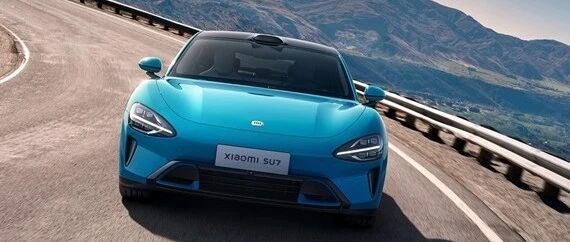
Xiaomi Recalls Over 116,000 SU7 EVs Due to AI Driving Assist Safety Risk

Thumbnail Image

The information displayed in the AIM should not be reported as representing the official views of the OECD or of its member countries.

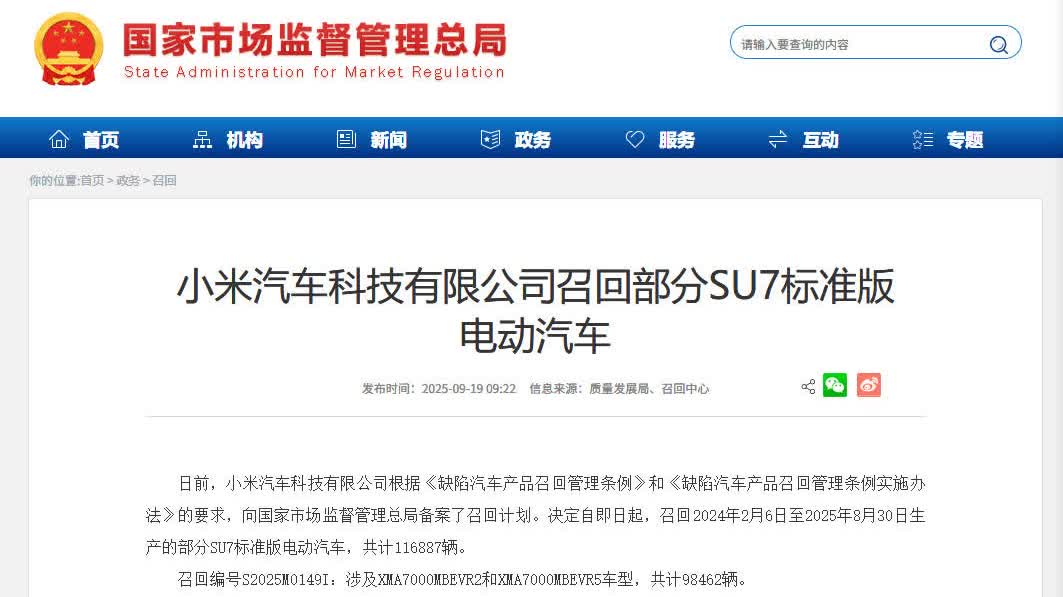
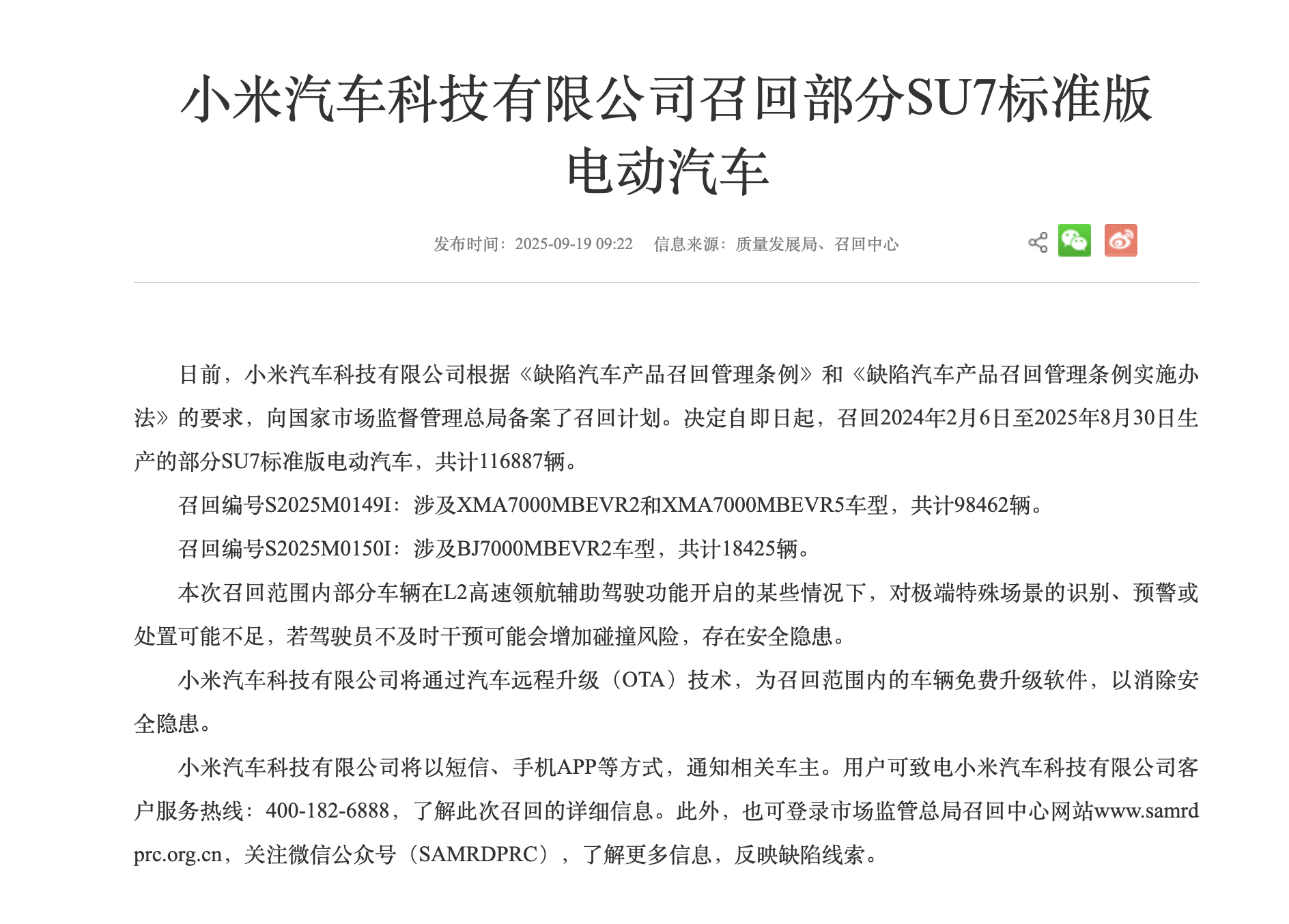
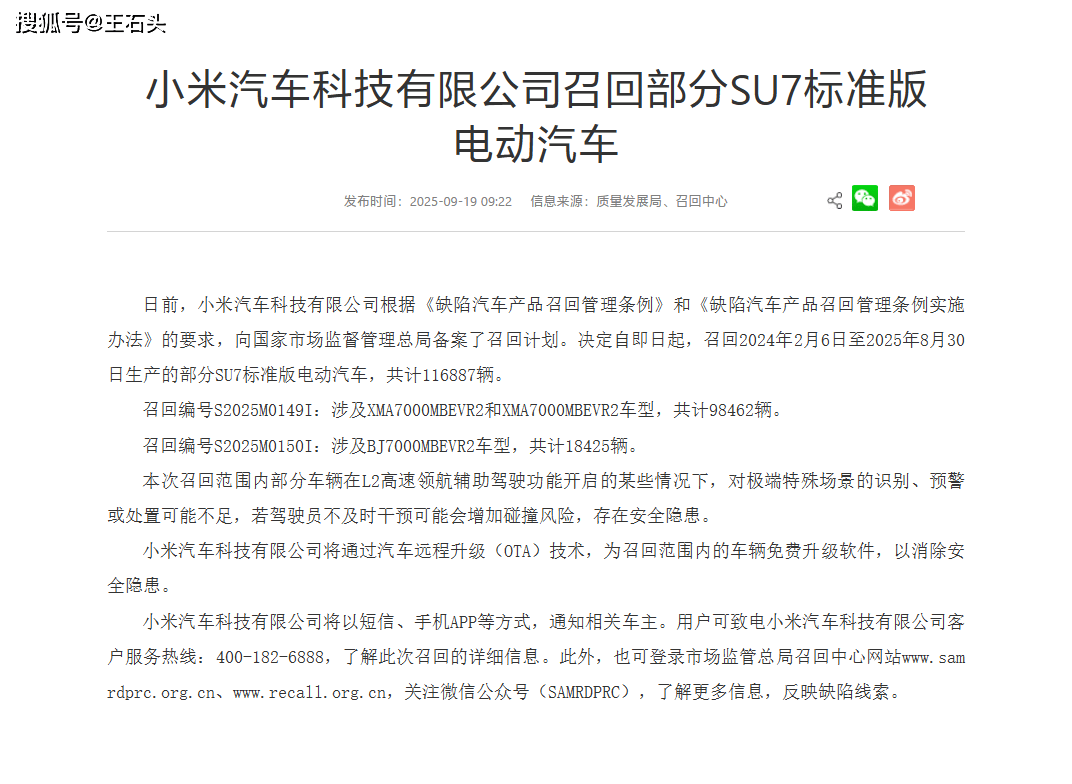
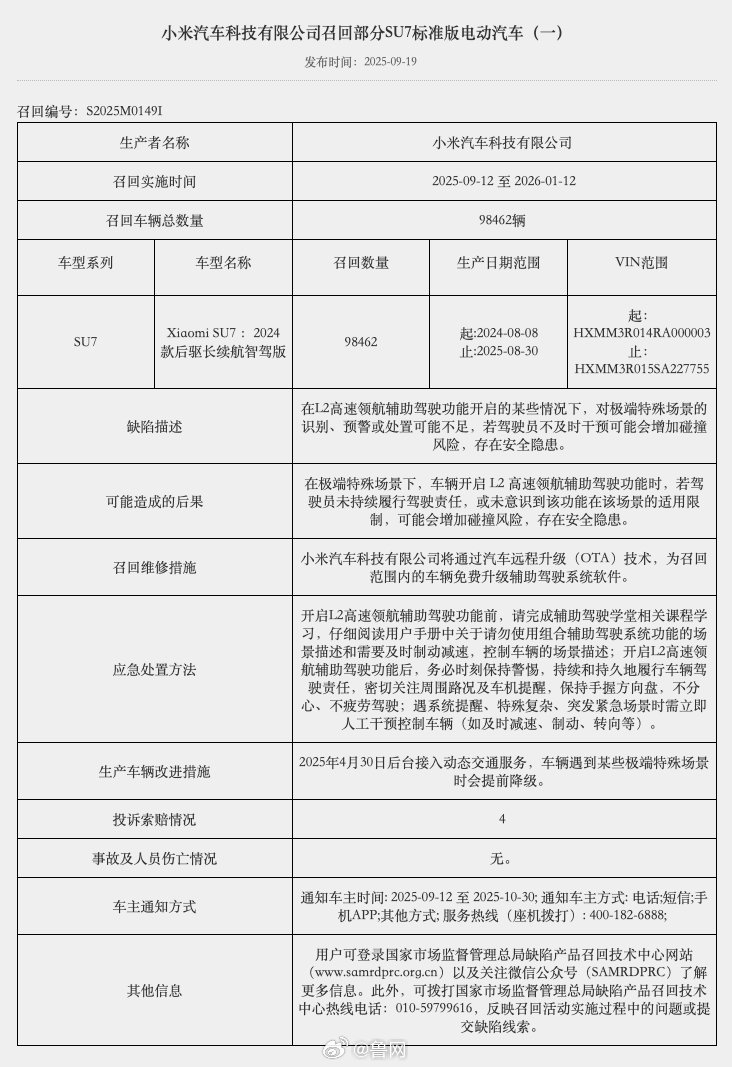
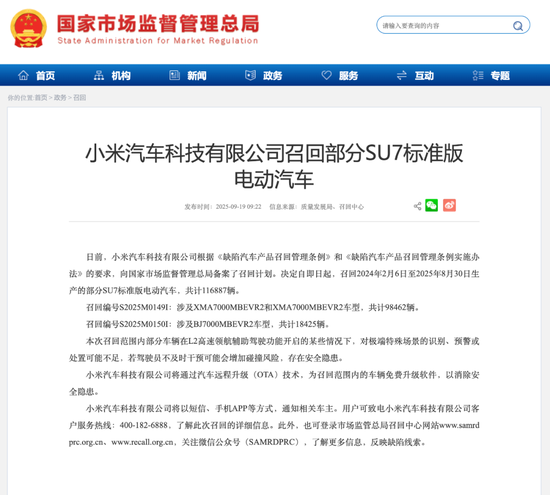
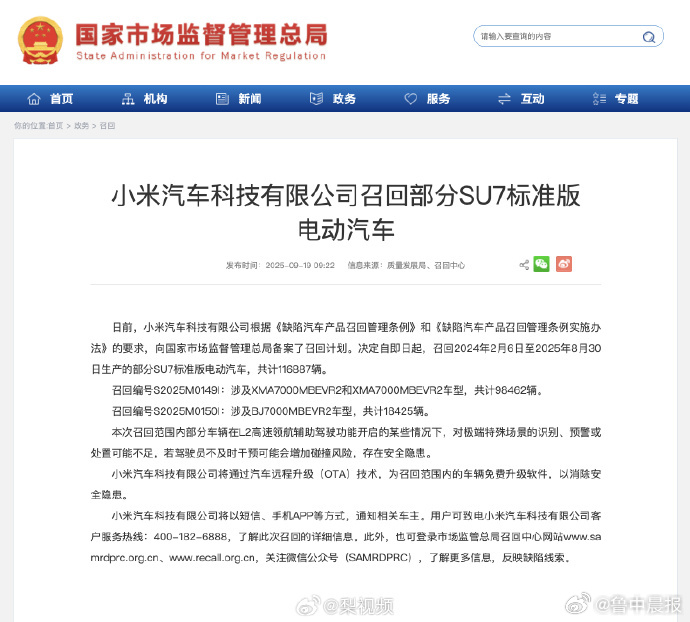
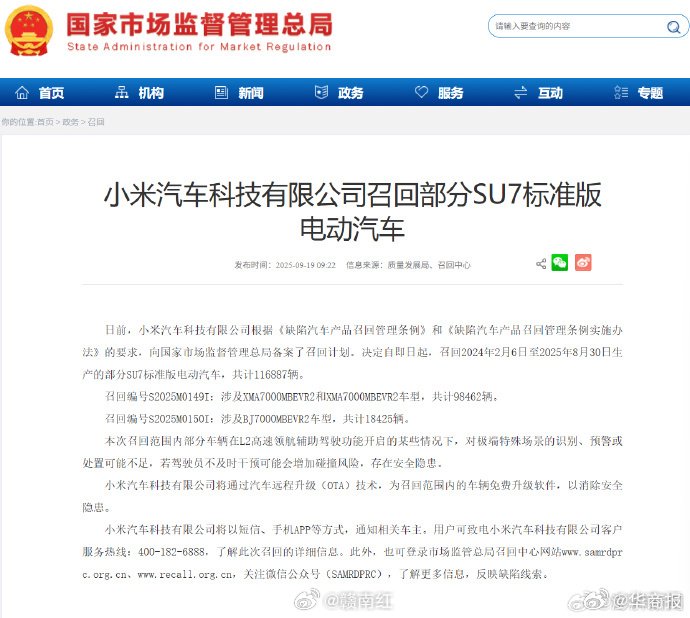
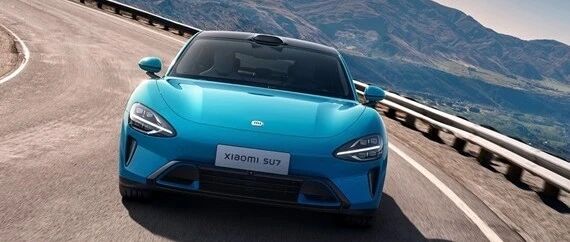
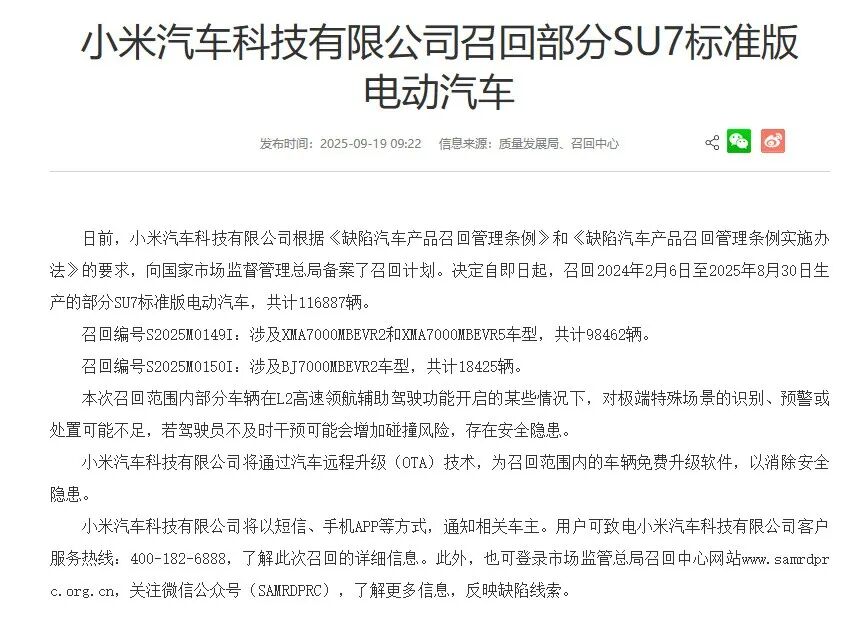
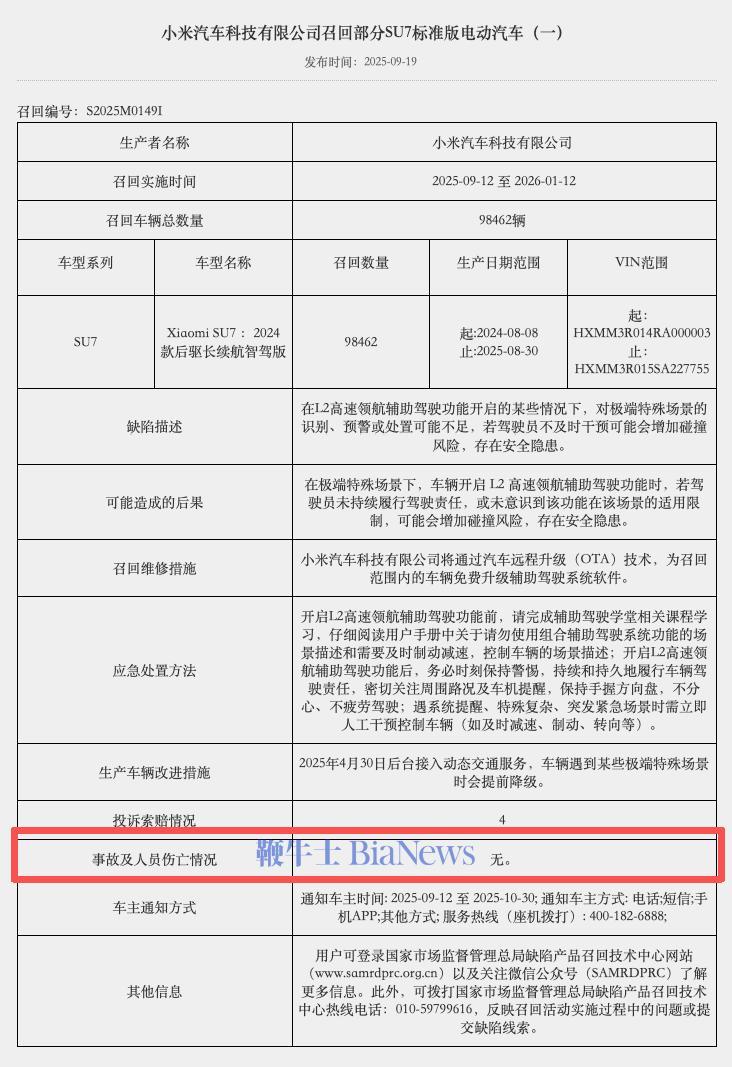
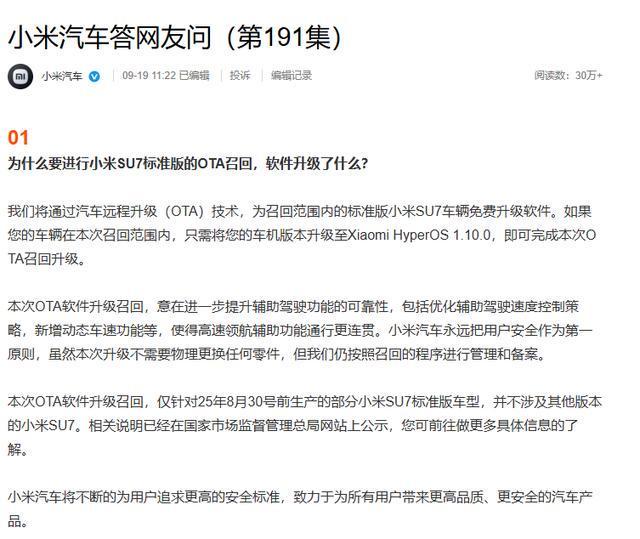
Xiaomi is recalling 116,887 SU7 electric vehicles in China after identifying that the L2 highway pilot assist AI system may inadequately recognize or respond to extreme scenarios, increasing collision risk. The company will address the safety hazard via an over-the-air (OTA) software update to improve the AI system's reliability.[AI generated]

Why's our monitor labelling this an incident or hazard?

The assisted-driving features in the Xiaomi SU7 EVs are AI systems involved in real-time decision-making for vehicle operation. The recall is a formal response to potential safety risks linked to these AI features, indicating that the AI system's malfunction or use has led to or could have led to harm. The recall is not just a routine update but a safety-driven action mandated by regulators, which fits the definition of an AI Incident due to the direct link between the AI system's use and safety risks.[AI generated]
AI principles
Robustness & digital securitySafety

Industries
Mobility and autonomous vehicles

Affected stakeholders
ConsumersGeneral public

Harm types
Physical (injury)

Severity
AI incident

Business function:
Manufacturing

AI system task:
Recognition/object detection


Articles about this incident or hazard

Thumbnail Image

Xiaomi Recalls 115,000 SU7 EVs For Software Fix

2025-09-19
Yahoo! Finance
Why's our monitor labelling this an incident or hazard?
The assisted-driving features in the Xiaomi SU7 EVs are AI systems involved in real-time decision-making for vehicle operation. The recall is a formal response to potential safety risks linked to these AI features, indicating that the AI system's malfunction or use has led to or could have led to harm. The recall is not just a routine update but a safety-driven action mandated by regulators, which fits the definition of an AI Incident due to the direct link between the AI system's use and safety risks.
Thumbnail Image

China's Xiaomi to remotely fix assisted driving flaw in 110,000 SU7 cars

2025-09-19
Yahoo! Finance
Why's our monitor labelling this an incident or hazard?
The assisted driving system is an AI system as it performs complex real-time decision-making for vehicle navigation and control. The fatal crash involving the Xiaomi SU7 while in assisted driving mode demonstrates direct harm to human life caused by the AI system's insufficient recognition and handling ability. This constitutes injury or harm to persons, fulfilling the criteria for an AI Incident. The remote fix is a response to this incident but does not change the classification of the event as an AI Incident.
Thumbnail Image

China's Xiaomi to fix software issue for SU7 EVs over assisted driving safety hazard

2025-09-19
Reuters
Why's our monitor labelling this an incident or hazard?
The assisted driving system qualifies as an AI system because it involves autonomous or semi-autonomous vehicle control with real-time decision-making. The insufficient early warnings represent a malfunction of this AI system that could directly lead to harm (accidents or injuries) if drivers are not properly alerted. Since the issue has been identified and a recall initiated, this event constitutes an AI Incident due to the direct link between the AI system malfunction and potential harm to vehicle occupants or others on the road.
Thumbnail Image

Xiaomi to fix software issue for SU7 EVs over assisted driving safety hazard - The Economic Times

2025-09-19
Economic Times
Why's our monitor labelling this an incident or hazard?
The event involves an AI system component—highway pilot assisted driving—which uses AI for autonomous or semi-autonomous vehicle control. The software glitch causing insufficient early warnings directly relates to the AI system's malfunction, posing a safety hazard that could lead to injury or harm to drivers and others. Since the issue has been identified and is being actively remediated, and the harm is plausible if unaddressed, this qualifies as an AI Incident due to the direct link between the AI system malfunction and potential harm.
Thumbnail Image

Xiaomi recalls nearly 117,000 SU7 vehicles after fatal crash raises safety concerns

2025-09-19
Yahoo
Why's our monitor labelling this an incident or hazard?
The driver-assistance system is an AI system as it performs autonomous driving tasks at Level 2 autonomy, involving real-time recognition and decision-making. The fatal crash caused by the system's failure constitutes direct harm to human health, fulfilling the criteria for an AI Incident. The recall is a response to this incident, but the primary event is the fatal accident caused by the AI system's malfunction. Therefore, this event is classified as an AI Incident due to the realized harm and direct involvement of the AI system.
Thumbnail Image

Xiaomi to Deploy Assisted Driver Fix for Some 40% of SU7 EVs

2025-09-19
Bloomberg Business
Why's our monitor labelling this an incident or hazard?
The advanced driver assistance system is an AI system as it performs real-time detection and warning functions critical to vehicle safety. The malfunction of this AI system has directly led to increased risk of collisions, which is harm to the health and safety of persons. The recall and software fix indicate that the issue has been identified as a safety incident. Therefore, this event meets the criteria for an AI Incident due to the direct link between the AI system's malfunction and potential harm.
Thumbnail Image

China's Xiaomi to fix assisted driving problem on over 115,000 SU7s

2025-09-19
Nikkei Asia
Why's our monitor labelling this an incident or hazard?
The assisted driving feature is an AI system as it performs autonomous control functions based on sensor input and decision-making algorithms. The reported fatal accident involving the SU7 sedan, where the AI system's warnings and performance were insufficient, demonstrates direct harm to human health caused by the AI system's malfunction. The recall and software update are responses to this harm. Hence, the event meets the criteria for an AI Incident because the AI system's malfunction has directly led to injury or harm to people.
Thumbnail Image

Après un accident mortel dans une de ses voitures, Xiaomi va mettre à jour son assistant de conduite

2025-09-19
BFMTV
Why's our monitor labelling this an incident or hazard?
The event involves an AI system (semi-autonomous driving assistant) whose malfunction directly caused a fatal accident, resulting in loss of life. The system failed to properly manage a hazardous driving scenario, leading to a collision and deaths. The update is a response to this incident. Therefore, this qualifies as an AI Incident due to direct harm to persons caused by the AI system's malfunction.
Thumbnail Image

Xiaomi SU7 enfrenta primeira grande crise: mais de 116 mil unidades em revisão por falhas

2025-09-19
Pplware
Why's our monitor labelling this an incident or hazard?
The autonomous driving system qualifies as an AI system due to its Level 2 autonomous driving capabilities involving real-time environment recognition and decision-making. The fatal accident directly resulted from the system's failure to detect hazards and alert the driver adequately, causing injury and death, which fits the definition of an AI Incident. The recall and regulatory response confirm the system's role in the harm. Therefore, this event is classified as an AI Incident.
Thumbnail Image

Xiaomi vai inspecionar 117 mil veículos elétricos por defeito na assistência à condução

2025-09-19
SAPO
Why's our monitor labelling this an incident or hazard?
The assisted driving function L2 is an AI system that processes sensor data to assist driving decisions. The defect causes the AI system to fail to recognize or respond adequately to extreme scenarios, which directly increases the risk of accidents (harm to persons). This is a malfunction of an AI system that has directly led to a safety recall due to potential harm. Therefore, this qualifies as an AI Incident.
Thumbnail Image

Xiaomi chama à revisão cerca de 117 mil unidades do SU7

2025-09-19
SAPO
Why's our monitor labelling this an incident or hazard?
The system involved is an AI-based driving assistance system (Level 2 autonomy implies AI for perception and decision-making). The defect in the AI system's operation could directly lead to harm (accidents) if the driver fails to intervene. Although no accidents are reported yet, the defect has caused a recall due to the risk of harm. Since the risk is credible and the defect could plausibly lead to injury or harm to persons, this qualifies as an AI Hazard. There is no indication that harm has already occurred, so it is not an AI Incident. The recall and update plan are responses to the hazard, but the main event is the identification of the defect posing plausible harm.
Thumbnail Image

Milhares de carros da Xiaomi chamados à revisão. Saiba o motivo

2025-09-19
SAPO
Why's our monitor labelling this an incident or hazard?
The driving assistance system is an AI system as it performs real-time recognition and response to driving scenarios, a task indicative of AI. The malfunction in this system creates a direct safety hazard that could lead to injury or accidents, fulfilling the criteria for an AI Incident. The recall and software update indicate the issue has been identified and is being addressed, but the risk and harm are materialized or imminent. Therefore, this event qualifies as an AI Incident due to the direct link between the AI system malfunction and potential harm to persons.
Thumbnail Image

Xiaomi SU7: Quase 117 mil carros vão ter correção para falhas no sistema de condução assistida - Tek Notícias

2025-09-19
SAPO Tek
Why's our monitor labelling this an incident or hazard?
The event involves an AI system (the assisted driving software classified as Level 2 autonomous driving) whose malfunction has indirectly led to a fatal accident, constituting harm to persons. The recall and over-the-air update are responses to this incident. Since harm has occurred and the AI system's malfunction is a contributing factor, this qualifies as an AI Incident rather than a hazard or complementary information.
Thumbnail Image

El Xiaomi SU7 ha encandilado a toda la industria, pero no es infalible: 117.000 irán a revisión por fallos en la conducción autónoma

2025-09-19
Xataka
Why's our monitor labelling this an incident or hazard?
The event involves an AI system explicitly described as the level 2 autonomous driving assistance system in the Xiaomi SU7. The system's malfunction (insufficient recognition and failure to alert properly) directly led to a fatal accident causing injury and death, which qualifies as harm to persons. The recall and software update are responses to this AI Incident. Therefore, this is an AI Incident because the AI system's malfunction has directly caused harm.
Thumbnail Image

Xiaomi to release software update for 115K SU7s, fix assisted driving issue

2025-09-19
Business Standard
Why's our monitor labelling this an incident or hazard?
The event involves an AI system, specifically the level 2 highway pilot assisted driving feature, which is an AI system that controls steering, acceleration, and braking with driver supervision. The malfunction or insufficient performance of this AI system has already indirectly led to a fatal accident, which constitutes injury or harm to a person. The recall and software update are responses to this harm. Therefore, this qualifies as an AI Incident because the AI system's malfunction has directly or indirectly led to harm to people.
Thumbnail Image

Xiaomi recalls 117,000 SU7 electric sedans for smart driving safety risk

2025-09-19
Notebookcheck
Why's our monitor labelling this an incident or hazard?
The event explicitly involves an AI system (the advanced driver assistance system) whose malfunction has directly caused harm (a fatal accident with three deaths) and ongoing risk of collisions. The recall and software update are responses to this malfunction. The AI system's failure to adequately recognize and respond to navigation scenarios is a direct cause of harm, meeting the criteria for an AI Incident under the framework.
Thumbnail Image

Xiaomi choca con la conducción autónoma: retirará 117.000 coches eléctricos por un defecto

2025-09-19
Expansión
Why's our monitor labelling this an incident or hazard?
The article explicitly mentions a defect in the L2 assisted driving system, which is an AI system that assists driving by recognizing and responding to road situations. The defect causes the system to fail to recognize or respond properly in extreme situations, increasing collision risk. This is a direct malfunction of an AI system leading to potential harm to people, fitting the definition of an AI Incident. The recall and software update are responses to this incident but do not change the classification.
Thumbnail Image

China's Xiaomi to remotely fix assisted driving flaw in 110,000 SU7 cars - The Korea Times

2025-09-19
The Korea Times
Why's our monitor labelling this an incident or hazard?
The assisted driving system qualifies as an AI system because it performs complex real-time driving assistance tasks. The fatal crash involving the SU7 model while in assisted driving mode constitutes direct harm to persons caused by the AI system's malfunction. The remote fix is a response to this incident. Therefore, this event is an AI Incident due to the realized harm caused by the AI system's malfunction.
Thumbnail Image

Aide à la conduite: le chinois Xiaomi va corriger un défaut logiciel sur 110.000 véhicules

2025-09-19
Boursorama
Why's our monitor labelling this an incident or hazard?
The event involves an AI system explicitly described as an 'autopilot' driving assistance system that malfunctioned, leading directly to a fatal accident (harm to persons). The system's failure to detect and manage a hazardous scenario caused the crash and deaths, fulfilling the criteria for an AI Incident. The remote software update is a response to this incident but does not negate the occurrence of harm. Therefore, this is classified as an AI Incident.
Thumbnail Image

Xiaomi instalará una corrección en su software de conducción...

2025-09-19
europa press
Why's our monitor labelling this an incident or hazard?
The advanced driver assistance system qualifies as an AI system because it involves real-time sensing, decision-making, and driver assistance functions. The reported problem is a malfunction of this AI system that could increase collision risk, which is a direct safety hazard to drivers and others. The recall and software update indicate the issue is recognized as a safety incident. Therefore, this event meets the criteria for an AI Incident due to the AI system's malfunction leading to potential harm to persons.
Thumbnail Image

China's Xiaomi To Remotely Fix Assisted-Driving Flaw In 110,000 SU7 Cars

2025-09-19
Channels Television
Why's our monitor labelling this an incident or hazard?
The assisted driving system is an AI system as it involves autonomous navigation and decision-making. The fatal crash caused by the vehicle while in assisted driving mode directly led to the deaths of three people, fulfilling the harm criterion (a). The event stems from the AI system's malfunction or failure to act appropriately, which is a direct cause of the harm. The company's remote fix is a mitigation measure but does not change the fact that the incident with harm has occurred. Hence, this is classified as an AI Incident.
Thumbnail Image

Xiaomi corrigirá falha de direção assistida em mais de 110.000 veículos elétricos

2025-09-19
ISTOÉ Independente
Why's our monitor labelling this an incident or hazard?
The assisted driving system ('piloto automático') is an AI system as it performs autonomous or semi-autonomous driving tasks. The system's failure to prevent a collision despite detecting an obstacle, and the increased risk of collision without rapid driver intervention, directly led to a fatal accident. The manufacturer's remote fix is a response to this incident. Therefore, this event meets the criteria for an AI Incident due to direct harm to persons caused by the AI system's malfunction.
Thumbnail Image

Xiaomi moves to fix SU7 EV software issue tied to safety risk

2025-09-19
Times LIVE
Why's our monitor labelling this an incident or hazard?
The highway pilot assisted driving feature involves an AI system that assists vehicle navigation and control. The insufficient early warnings represent a malfunction or failure in the AI system's operation, which could lead to accidents or injury. Since the issue has been identified and a recall initiated, the event involves realized harm or risk to health and safety due to the AI system's malfunction. Therefore, this qualifies as an AI Incident.
Thumbnail Image

Xiaomi chama à revisão 117 mil veículos por falha na assistência à condução

2025-09-19
RTP - Rádio Televisão Portuguesa
Why's our monitor labelling this an incident or hazard?
The driving assistance system (Level 2) is an AI system that processes sensor data to assist driving. The malfunction described directly affects the system's ability to respond to critical driving scenarios, increasing the risk of accidents, which is harm to persons. Therefore, this qualifies as an AI Incident due to the direct link between the AI system's malfunction and potential harm. The recall and update are responses to this incident but do not change the classification.
Thumbnail Image

Xiaomi chama à revisão 117 mil veículos por falha na assistência à condução

2025-09-19
Publico
Why's our monitor labelling this an incident or hazard?
The event involves an AI system, specifically the Level 2 driving assistance system, which is an AI system that infers from sensor inputs to assist driving. The malfunction of this AI system has directly led to a safety risk that could cause injury or harm to persons if not corrected. Since the defect has been identified and a recall initiated to fix the software, this is a realized malfunction with potential for harm, qualifying as an AI Incident under the definition of harm to health and safety due to AI system malfunction.
Thumbnail Image

China's Xiaomi to remotely fix assisted driving flaw in 110,000 SU7 cars

2025-09-19
Digital Journal
Why's our monitor labelling this an incident or hazard?
The assisted driving system is an AI system as it involves autonomous decision-making for vehicle control. The crash caused direct harm to human life, which is a clear injury to persons. The AI system's insufficient capabilities in certain conditions directly contributed to the fatal accident. The company's remote fix is a response to this incident. Therefore, this event qualifies as an AI Incident due to the direct harm caused by the AI system's malfunction.
Thumbnail Image

Chine: correction logicielle ordonnée sur 110.000 voitures Xiaomi pour défaut d'aide à la conduite

2025-09-19
Mediapart
Why's our monitor labelling this an incident or hazard?
The event involves an AI system explicitly described as an autopilot driving assistance system that failed to adequately detect and respond to a hazardous situation, resulting in a fatal accident. The harm (death of three passengers) is directly linked to the AI system's malfunction. The corrective software update is a response to this incident but does not negate the fact that harm occurred due to the AI system's failure. Therefore, this qualifies as an AI Incident under the framework, as the AI system's malfunction directly led to injury and harm to persons.
Thumbnail Image

Falha no sistema de condução assistida: Xiaomi chama à revisão 117 mil carros elétricos SU7

2025-09-19
Jornal Expresso
Why's our monitor labelling this an incident or hazard?
The assisted driving system qualifies as an AI system because it performs real-time decision-making and environment recognition to assist driving. The malfunction described directly increases the risk of collisions, which is harm to the health and safety of persons. The recall and software update indicate the issue is recognized and being addressed. Since the AI system's malfunction has directly led to a safety hazard with potential for injury, this event qualifies as an AI Incident under the framework.
Thumbnail Image

Xiaomi chama à revisão 117 mil veículos por falha na assistência à condução

2025-09-19
Diario de Noticias
Why's our monitor labelling this an incident or hazard?
The Level 2 driving assistance system is an AI system that interprets driving scenarios and assists the driver. The malfunction described directly increases the risk of accidents, which is harm to persons. Since the defect has been identified and a recall initiated, this is a realized issue rather than a potential one. Therefore, this event qualifies as an AI Incident due to the AI system's malfunction leading to increased risk of injury.
Thumbnail Image

Le crash spectaculaire d'une SU7 oblige Xiaomi à mettre à jour plus de 100 000 voitures

2025-09-19
Numerama.com
Why's our monitor labelling this an incident or hazard?
The event involves an AI system explicitly described as a level 2 semi-autonomous driving assistance system in the Xiaomi SU7. The system's malfunction or insufficient performance in detecting and managing a hazardous situation on the highway directly contributed to a fatal crash causing the death of three occupants. The recall and update are responses to this harm. Therefore, the event meets the criteria for an AI Incident because the AI system's use and malfunction directly led to injury and harm to persons.
Thumbnail Image

Xiaomi rappelle plus de 115.000 SU7 pour corriger un défaut de conduite assistée

2025-09-19
Boursier.com
Why's our monitor labelling this an incident or hazard?
The assisted driving system is an AI system as it performs autonomous control functions based on sensor data. The reported defect in the system's operation and the fatal accident linked to it show that the AI system's malfunction has directly caused harm to a person. The recall and software update are responses to this harm. Hence, the event meets the criteria for an AI Incident due to direct harm caused by the AI system's malfunction.
Thumbnail Image

Correction logicielle sur 110 000 voitures Xiaomi

2025-09-19
Le Journal de Québec
Why's our monitor labelling this an incident or hazard?
The event involves an AI system explicitly described as an autopilot driving assistance system that malfunctioned, leading to a fatal accident. This meets the definition of an AI Incident because the AI system's malfunction directly contributed to injury and death (harm to persons). The software update is a response to this incident but does not negate the classification of the original event as an AI Incident. Therefore, the event is classified as an AI Incident.
Thumbnail Image

Xiaomi corrige 110'000 voitures après un accident mortel en Chine

2025-09-19
24heures
Why's our monitor labelling this an incident or hazard?
The event involves an AI system explicitly described as an 'autopilot' driving assistance system that was active during a fatal accident. The system's failure to properly detect and manage a hazard on the road directly caused injury and death, which is a clear harm to persons. The manufacturer's response to update the software does not negate the fact that harm occurred due to the AI system's malfunction. Therefore, this qualifies as an AI Incident under the framework, as the AI system's malfunction directly led to harm to people.
Thumbnail Image

China's Xiaomi to remotely fix assisted driving flaw in 110,000 SU7 cars

2025-09-19
The Manila times
Why's our monitor labelling this an incident or hazard?
The assisted driving system qualifies as an AI system due to its autonomous driving capabilities. The fatal crash involving the SU7 model in assisted driving mode demonstrates direct harm to human life caused by the AI system's malfunction or insufficient performance. The remote fix is a response to this incident but does not negate the fact that harm has already occurred. Therefore, this event is classified as an AI Incident.
Thumbnail Image

Aide à la conduite : le chinois Xiaomi va corriger un défaut logiciel sur 110 000 véhicules

2025-09-19
LaProvence.com
Why's our monitor labelling this an incident or hazard?
The event involves an AI system (the autopilot driving assistance) whose malfunction directly caused harm to people (three fatalities). The system failed to properly recognize and manage a hazardous scenario, leading to a fatal crash. The manufacturer's response to fix the software defect confirms the AI system's role in the incident. Therefore, this is an AI Incident due to direct harm caused by the AI system's malfunction.
Thumbnail Image

Xiaomi SU7 : le véhicule électrique a un problème avec son aide à la conduite

2025-09-19
Génération-NT
Why's our monitor labelling this an incident or hazard?
The event explicitly involves an AI system—the driving assistance system (level 2 autonomy)—which malfunctioned or was insufficient in critical situations, leading to a fatal accident. This constitutes direct harm to human life (injury or death), fulfilling the criteria for an AI Incident. The recall and software update are responses to this incident but do not negate the fact that harm has already occurred. Therefore, this is classified as an AI Incident rather than a hazard or complementary information.
Thumbnail Image

Aide à la conduite: le chinois Xiaomi va corriger un défaut logiciel sur 110.000 véhicules

2025-09-19
Medias24 - Site d'information
Why's our monitor labelling this an incident or hazard?
The event involves an AI system (the driving assistance 'autopilot') whose malfunction directly caused a fatal accident, fulfilling the criteria for an AI Incident due to injury and harm to persons. The system's failure to properly detect and manage a hazardous scenario led to the crash and deaths. The remote software update is a response but does not negate the incident classification. Therefore, this is an AI Incident.
Thumbnail Image

China's Xiaomi to remotely fix assisted driving flaw in 110,000 SU7 cars

2025-09-19
RTL Today
Why's our monitor labelling this an incident or hazard?
The assisted driving system qualifies as an AI system because it performs autonomous driving tasks such as obstacle detection, warnings, and control handover. The fatal crash directly resulted from the AI system's insufficient capabilities, leading to loss of life, which is a clear harm to persons. The company's remote fix is a response to this AI Incident. Therefore, this event is an AI Incident due to the direct link between the AI system's malfunction and the fatal harm caused.
Thumbnail Image

Xiaomi recalls 116K SU7 EVs over driver assist safety flaw

2025-09-19
Cryptopolitan
Why's our monitor labelling this an incident or hazard?
The advanced driver assistance system in the Xiaomi SU7 EVs is an AI system as it involves sensing, interpreting, and assisting driving decisions. The flaw in this AI system has directly led to a fatal accident with three deaths, fulfilling the criteria for harm to persons. The recall and software update are responses to this incident. Therefore, this event is an AI Incident because the AI system's malfunction has directly caused injury and death, and the recall is a mitigation measure following the incident.
Thumbnail Image

Xiaomi Recalls 110,000 SU7 EVs Over Assisted Driving Flaw After Fatal Crash

2025-09-19
WebProNews
Why's our monitor labelling this an incident or hazard?
The assisted driving system is an AI system as it performs real-time decision-making for vehicle control. The fatal crash involving three deaths occurred while the assisted driving mode was engaged, indicating the AI system's malfunction directly contributed to the harm. The recall and OTA software patch aim to fix the flaw, but the harm has already occurred. Therefore, this qualifies as an AI Incident due to direct harm caused by the AI system's malfunction.
Thumbnail Image

Xiaomi SU7: mais de 116 mil unidades vão ser alvo de correção urgente no sistema

2025-09-19
4gnews
Why's our monitor labelling this an incident or hazard?
The event involves an AI system explicitly described as a Level 2 autonomous driving assistance system that failed to respond correctly in unusual road scenarios, leading to a fatal crash. This constitutes direct harm to human health and safety caused by the AI system's malfunction. The recall and software update are responses to this incident. Therefore, this qualifies as an AI Incident because the AI system's malfunction has directly led to injury and death.
Thumbnail Image

Xiaomi Recalls 117,000 SU7 EVs in China Over Driver-Assistance Safety Risks

2025-09-19
caixinglobal.com
Why's our monitor labelling this an incident or hazard?
The driver-assistance system is an AI system that assists in vehicle operation. The recall is due to potential safety risks, indicating a malfunction or flaw in the AI system that could lead to injury or harm to drivers or others. Although no harm is reported yet, the potential for harm is significant and has prompted a recall. This fits the definition of an AI Incident because the AI system's malfunction has directly led to a safety risk requiring corrective action.
Thumbnail Image

Xiaomi se estrella con su coche eléctrico autónomo - Radio Intereconomía - Empresas

2025-09-19
Radio Intereconomía
Why's our monitor labelling this an incident or hazard?
The event describes a malfunction in an AI system (the L2 driving assistance) that directly leads to increased risk of collisions, which is harm to persons. The defect in the AI system's recognition and response to extreme situations on highways is a direct cause of potential injury or harm. The recall and software update are responses to this incident. Therefore, this is an AI Incident due to the direct link between the AI system malfunction and potential harm.
Thumbnail Image

Xiaomi chama à revisão 117 mil veículos 'SU7' por falha na assistência à condução

2025-09-19
DNOTICIAS.PT
Why's our monitor labelling this an incident or hazard?
The driving assistance system is an AI system as it performs autonomous decision-making to assist driving. The defect in the AI system's recognition and response capabilities directly increases the risk of accidents, which is a harm to health and safety. The recall and software update are responses to this malfunction. Therefore, this event meets the criteria for an AI Incident due to the direct link between the AI system's malfunction and potential physical harm.
Thumbnail Image

Xiaomi Recalls SU7 EVs After Autonomous Driving Deaths

2025-09-20
DSF.my
Why's our monitor labelling this an incident or hazard?
The article explicitly mentions the involvement of an AI-based driver-assistance system (Level 2 autonomous driving technology) that malfunctioned or had insufficient recognition capability, which directly led to fatal accidents. The harm is realized (deaths occurred), and the recall is a response to this harm. The AI system's failure to warn or detect hazards in time is a direct cause of the incident. Therefore, this qualifies as an AI Incident due to injury and harm to persons caused by the AI system's malfunction and use.
Thumbnail Image

Xiaomi to Deploy Driver-Assist Fix for Some 40% of SU7 EVs

2025-09-19
Claims Journal
Why's our monitor labelling this an incident or hazard?
The event involves an AI system (advanced driver-assistance technology) whose malfunction has directly led to harm (a fatal crash causing deaths). The recall and software fix are responses to this AI Incident. Since harm has already occurred and the AI system's malfunction is a contributing factor, this qualifies as an AI Incident rather than a hazard or complementary information. The recall and update are part of remediation but do not change the classification of the original harm event.
Thumbnail Image

China's Xiaomi to remotely fix assisted driving flaw in 110,000 SU7 cars

2025-09-19
SpaceDaily
Why's our monitor labelling this an incident or hazard?
The assisted driving system qualifies as an AI system because it involves automated driving assistance with recognition and handling capabilities. The fatal crash caused by the system's insufficient performance constitutes direct harm to human health, fulfilling the criteria for an AI Incident. The remote fix is a response to the incident but does not negate the occurrence of harm. Therefore, this event is classified as an AI Incident.
Thumbnail Image

China's Xiaomi to remotely fix assisted driving flaw in 110,000 SU7 cars

2025-09-19
SpaceDaily
Why's our monitor labelling this an incident or hazard?
The assisted driving system is an AI system as it performs autonomous or semi-autonomous driving tasks involving real-time recognition, warning, and control handover. The crash and fatalities directly resulted from the AI system's insufficient capabilities and malfunction. The company's remote fix is a response to this harm. Therefore, this is an AI Incident due to direct harm caused by the AI system's malfunction during use.
Thumbnail Image

China's Xiaomi to remotely fix assisted driving flaw in 110,000 SU7 cars | FOX 28 Spokane

2025-09-19
FOX 28 Spokane
Why's our monitor labelling this an incident or hazard?
The assisted driving system qualifies as an AI system because it involves autonomous driving assistance with real-time decision-making. The fatal crash directly resulted from the AI system's insufficient capabilities, causing harm to human life, which fits the definition of an AI Incident. The remote fix is a response to this incident but does not negate the fact that the harm occurred due to the AI system's malfunction.
Thumbnail Image

Xiaomi Post-Accident Fix for SU7 Exposes the Hidden Danger of Software-First Cars

2025-09-20
るなてち
Why's our monitor labelling this an incident or hazard?
The article explicitly mentions a Level 2 highway pilot system (an AI system) that malfunctioned by not providing adequate warnings to drivers, which directly caused a fatal accident with three deaths. The recall and software fix are responses to this malfunction. The harm is realized and severe (loss of life), meeting the criteria for injury or harm to persons. The AI system's failure is central to the incident, making this an AI Incident rather than a hazard or complementary information. The discussion of regulatory responses and corporate accountability further supports the classification as an incident with significant harm.
Thumbnail Image

Le pilote automatique de Xiaomi met en danger 115 000 voitures

2025-09-19
Informaticien.be
Why's our monitor labelling this an incident or hazard?
The autopilot system is an AI system providing partially automated driving functions including acceleration, braking, and steering. The software vulnerability caused the system to behave unpredictably and fail to react appropriately to obstacles, directly leading to a serious accident with vehicle damage and risk to human safety. The involvement of the AI system in the accident and the recall of vehicles confirm direct harm resulting from the AI system's malfunction. The regulatory response further supports the significance of the incident. Hence, this is an AI Incident.
Thumbnail Image

Já deu ruim? Xiaomi anuncia recall de mais de 100 mil unidades do SU7 por falha no piloto automático

2025-09-19
GARAGEM 360
Why's our monitor labelling this an incident or hazard?
The Xiaomi SU7's autopilot system is an AI system that controls autonomous driving functions. The reported failure in detecting and reacting to hazards has directly caused harm, including a fatal accident with three deaths. This meets the criteria for an AI Incident because the AI system's malfunction has directly led to injury and death (harm to persons). The recall and software update are responses to this incident but do not negate the fact that harm has already occurred. Hence, the event is classified as an AI Incident.
Thumbnail Image

Xiaomi to update 116,000 SU7 EVs due to self-driving software issue

2025-09-19
ArenaEV.com
Why's our monitor labelling this an incident or hazard?
The event clearly involves an AI system—the Level 2 highway pilot driving assistance feature—which is a driver-assistance AI system providing steering, acceleration, and braking support. The malfunction of this AI system has indirectly led to harm, as evidenced by the fatal crash involving the SU7 vehicle. The recall addresses a safety risk caused by the AI system's insufficient recognition and handling capabilities, which is a direct safety hazard. Therefore, this qualifies as an AI Incident because the AI system's malfunction has directly or indirectly led to injury and harm to persons.
Thumbnail Image

Xiaomi Auto to Recall Third of Delivered SU7 Amid ADAS Safety Risks

2025-09-19
yicaiglobal.com
Why's our monitor labelling this an incident or hazard?
The advanced driver-assistance system (ADAS) and navigate on autopilot (NOA) functions are AI systems that process sensor data to make driving decisions. The reported fatal accident directly resulted from the AI system's failure to handle a roadblock scenario adequately, causing harm to human life. The recall and software update are responses to this malfunction. Therefore, the event meets the criteria for an AI Incident due to direct harm caused by the AI system's malfunction during use.
Thumbnail Image

Xiaomi instalará una corrección en su software de conducción asistida para el 40% de sus SU7 EV

2025-09-19
El Periódico de la Energía
Why's our monitor labelling this an incident or hazard?
The event involves an AI system (advanced driver assistance system) whose malfunction could lead to harm (increased risk of collision, which is harm to persons). The malfunction is already identified, and a recall is issued, indicating the problem is materialized or imminent. Therefore, this qualifies as an AI Incident because the AI system's malfunction directly leads to a safety risk to users and others on the road.
Thumbnail Image

Xiaomi to Roll Out OTA Fix for 116,800 SU7s Over Driver-Assist Flaw

2025-09-19
EV
Why's our monitor labelling this an incident or hazard?
The advanced driver-assistance system qualifies as an AI system because it performs real-time decision-making and environment sensing to assist driving. The malfunction described—failure to detect and warn about unusual scenarios—constitutes a failure of the AI system's operation. This failure could directly lead to injury or harm to persons (risk of collision), fulfilling the criteria for an AI Incident. The recall and OTA fix are responses to this incident but do not negate the fact that the AI system's malfunction has already posed a direct safety risk. Therefore, this event is best classified as an AI Incident.
Thumbnail Image

Xiaomi to remotely fix assisted driving glitch in 110,000 SU7 EVs

2025-09-19
thesun.my
Why's our monitor labelling this an incident or hazard?
The assisted driving system is an AI system as it involves autonomous or semi-autonomous vehicle control with real-time decision-making. The crash caused injury and death, fulfilling the harm criteria. The AI system's insufficient recognition and handling ability in extreme conditions directly contributed to the fatal accident. The remote fix is a response to this incident. Therefore, this is an AI Incident involving harm to persons due to AI system malfunction.
Thumbnail Image

China's Xiaomi to remotely fix assisted driving flaw in 110,000 SU7 cars

2025-09-19
News on the Neck
Why's our monitor labelling this an incident or hazard?
The assisted driving system is an AI system as it involves autonomous or semi-autonomous vehicle control. The flaw in this system has already caused a deadly crash, which is a direct harm to human health. The remote fix is a response to this incident. Therefore, this event meets the criteria for an AI Incident because the AI system's malfunction has directly led to harm to persons.
Thumbnail Image

Xiaomi Fixes SU7 Assisted Driving Flaw - 110,000 Cars Affected - News Directory 3

2025-09-19
News Directory 3
Why's our monitor labelling this an incident or hazard?
The assisted driving system is an AI system as it involves real-time decision-making and control to assist driving. The crash and subsequent fire caused injury and property damage, fulfilling the criteria for harm. The AI system's malfunction or failure to prevent the crash directly contributed to the harm. Therefore, this qualifies as an AI Incident under the framework, as the AI system's use directly led to injury and property damage.
Thumbnail Image

Xiaomi to remotely fix assisted driving flaw in 110,000 SU7 cars

2025-09-19
thesun.my
Why's our monitor labelling this an incident or hazard?
The assisted driving system is an AI system as it involves autonomous driving capabilities and real-time decision-making. The crash caused injury and death, fulfilling the harm criteria for an AI Incident. The system's malfunction (insufficient recognition and warning) directly led to the fatal accident. Therefore, this event qualifies as an AI Incident due to the direct harm caused by the AI system's failure.
Thumbnail Image

Over 116,000 Xiaomi SU7 EVs Recalled Over Smart Driving Safety Flaw - Gizmochina

2025-09-21
Gizmochina
Why's our monitor labelling this an incident or hazard?
The event involves an AI system, specifically the Level 2 ADAS, which uses AI to assist driving by recognizing and responding to navigation scenarios. The malfunction of this AI system has directly led to a safety hazard that could cause accidents, constituting harm to persons. The recall and software update indicate the issue is recognized as a malfunction leading to potential injury or harm. Therefore, this qualifies as an AI Incident due to the direct link between the AI system's malfunction and the risk of harm.
Thumbnail Image

Recall Remoto: Xiaomi convoca 116 mil unidades do SU7 por falhas na China - Revista O Mecânico

2025-09-21
Revista O Mecânico
Why's our monitor labelling this an incident or hazard?
The recall concerns the Level 2 autonomous driving assistance system, which is an AI system involved in real-time driving decisions. The malfunction can directly increase the risk of collisions, which is harm to persons and property. The recall and software update are responses to an existing fault, indicating the harm is realized or imminent. Therefore, this qualifies as an AI Incident due to the AI system's malfunction leading to potential injury or harm.
Thumbnail Image

Xiaomi Recalls EVs After Fatal Crash | Silicon UK Tech News

2025-09-22
Silicon UK
Why's our monitor labelling this an incident or hazard?
The event involves an AI system explicitly described as a Level 2 driver-assistance system that malfunctioned by insufficiently recognizing hazards and failing to warn the driver in time, directly leading to a fatal crash and multiple deaths. This constitutes injury and harm to persons caused directly by the AI system's malfunction. The recall and regulatory actions are responses to this harm. Therefore, this qualifies as an AI Incident under the framework, as the AI system's malfunction directly led to significant harm to people.
Thumbnail Image

Xiaomi anuncia recall de 116 mil unidades de seu famoso modelo por problemas técnicos

2025-09-22
Perfil Brasil
Why's our monitor labelling this an incident or hazard?
The autonomous driving system qualifies as an AI system because it performs complex real-time decision-making for vehicle navigation and hazard detection. The malfunction of this AI system has directly caused harm, including a fatal accident, which fits the definition of an AI Incident. The recall and software update are responses to this incident. Therefore, this event is classified as an AI Incident due to the realized harm caused by the AI system's malfunction.
Thumbnail Image

首起辅助驾驶功能隐患召回案例,小米召回11.6万辆SU7预示什么?_腾讯新闻

2025-09-19
QQ新闻中心
Why's our monitor labelling this an incident or hazard?
The recalled vehicles' L2 highway pilot assist driving function is an AI system that performs autonomous driving assistance tasks. The recall is due to the system's inability to properly recognize and respond to certain extreme scenarios, which directly increases collision risk, a harm to persons. This meets the definition of an AI Incident as the AI system's malfunction has directly led to a safety hazard. The recall and software update are responses to this incident. The article does not merely discuss potential future harm or general AI developments, but a concrete safety issue caused by the AI system's insufficiency, thus it is not an AI Hazard or Complementary Information. It is not unrelated as the AI system is central to the event.
Thumbnail Image

小米汽车科技有限公司召回116887辆SU7标准版电动汽车_腾讯新闻

2025-09-19
QQ新闻中心
Why's our monitor labelling this an incident or hazard?
The event involves an AI system component, specifically the L2 highway pilot assist driving function, which is an AI-based driver assistance system. The recall is due to a malfunction or limitation in this AI system's ability to recognize and respond to certain extreme scenarios, creating a safety hazard that could lead to collisions (harm to persons). Since the AI system's malfunction has directly led to a safety risk and a large-scale recall, this qualifies as an AI Incident under the definition of harm to health due to AI system malfunction.
Thumbnail Image

·召回11.7万辆SU7,小米汽车最新回应!

2025-09-19
光明网
Why's our monitor labelling this an incident or hazard?
The assisted driving function is an AI system that controls vehicle behavior to enhance safety and driving experience. The recall is due to the need to improve the reliability of this AI system's speed control strategy and dynamic speed functions, which if left uncorrected, could cause harm to drivers or others. The recall is a direct response to a malfunction or deficiency in the AI system, indicating realized or imminent harm. The use of OTA software upgrade as a recall method confirms the AI system's involvement. Hence, this is an AI Incident involving harm to health or safety due to AI system malfunction.
Thumbnail Image

小米汽车回应OTA召回:仅针对25年8月30号前生产的部分SU7标准版车型

2025-09-19
东方财富网
Why's our monitor labelling this an incident or hazard?
The event involves an AI system (the Level 2 assisted driving system) whose malfunction or insufficient performance in certain scenarios creates a safety risk (potential collisions). The recall and OTA software upgrade are responses to this identified AI-related safety hazard. Since the issue has been identified as a safety hazard that could lead to injury or harm, and the recall is to mitigate this risk, this qualifies as an AI Incident under the definition of harm to persons caused directly or indirectly by the AI system's malfunction or use. The recall and upgrade are mitigating actions but do not negate the fact that the AI system's prior performance posed a direct safety risk.
Thumbnail Image

召回逾11万辆SU7标准版电动汽车 小米刚刚回应!

2025-09-19
东方财富网
Why's our monitor labelling this an incident or hazard?
The event involves an AI system component, specifically the L2 highway pilot assist driving function, which is an AI-enabled driver assistance system. The malfunction or insufficiency of this AI system's recognition and response capabilities has directly led to a safety risk (potential for collisions), which is a harm to the health and safety of persons. The recall and software update are responses to this realized safety hazard. Since the harm is materialized as a safety risk and the AI system's malfunction is the cause, this qualifies as an AI Incident.
Thumbnail Image

小米:召回116887辆SU7标准版!

2025-09-19
东方财富网
Why's our monitor labelling this an incident or hazard?
The event involves an AI system (L2 highway pilot assist driving) whose malfunction or insufficient performance has directly led to a safety risk (potential collisions) for vehicle occupants and others. The recall and software update are responses to this AI-related safety hazard. Since the risk is realized and the AI system's malfunction has created a safety hazard that could lead to harm, this qualifies as an AI Incident. The OTA update news is complementary information but the main event is the recall due to AI system safety issues.
Thumbnail Image

116887辆!小米通过OTA系统召回SU7标准版汽车

2025-09-19
东方财富网
Why's our monitor labelling this an incident or hazard?
The L2 highway pilot assist driving function is an AI system involved in autonomous driving assistance. The reported issue is that in certain extreme scenarios, the AI system's recognition, warning, or handling is insufficient, which could increase collision risk if the driver does not intervene. This is a direct malfunction of an AI system that could lead to injury or harm to persons, fulfilling the criteria for an AI Incident. The recall and OTA software upgrade are responses to this incident. The event is not merely a hazard because the risk is concrete and recognized, nor is it just complementary information since the recall is due to a safety defect. Therefore, the classification is AI Incident.
Thumbnail Image

小米汽车召回三成已售SU7,辅助驾驶告别"野蛮生长"

2025-09-19
东方财富网
Why's our monitor labelling this an incident or hazard?
The assisted driving system is an AI system as it performs complex real-time decision-making for vehicle navigation and safety. The recall is due to safety defects in this AI system that could cause collisions, which is a direct safety harm to persons. The prior fatal accident, although not officially linked, indicates realized harm associated with the AI system's malfunction or insufficiency. The recall and regulatory responses confirm the system's role in safety risks. Hence, this event meets the criteria for an AI Incident due to direct or indirect harm to human health caused by the AI system's malfunction and use.
Thumbnail Image

小米召回11.7万辆SU7 雷军回应

2025-09-19
东方财富网
Why's our monitor labelling this an incident or hazard?
The event involves an AI system because the L2 highway pilot assist driving function is an advanced driver-assistance system that relies on AI to perceive, predict, and respond to driving conditions. The safety issue arises from the AI system's insufficient recognition and handling of certain extreme scenarios, which could lead to increased collision risk, a direct harm to the health and safety of vehicle occupants and others. The recall and software update are responses to this malfunction or inadequacy in the AI system's operation. Therefore, this event qualifies as an AI Incident because the AI system's malfunction has directly led to a safety hazard requiring recall and remediation.
Thumbnail Image

小米汽车科技有限公司召回部分SU7标准版电动汽车

2025-09-19
东方财富网
Why's our monitor labelling this an incident or hazard?
The L2 highway pilot assist driving function is an AI system that performs autonomous or semi-autonomous driving tasks. The reported safety issue arises from the AI system's malfunction or insufficient performance in certain scenarios, which directly increases the risk of collisions, a harm to the health and safety of persons. Therefore, this qualifies as an AI Incident because the AI system's malfunction has directly led to a safety hazard and potential harm, prompting a recall and software fix.
Thumbnail Image

L2高速领航辅助驾驶功能存隐患 超三成小米SU7被召回、总量逾10万台

2025-09-19
东方财富网
Why's our monitor labelling this an incident or hazard?
The event involves AI systems explicitly described as part of the L2 highway navigation assistance and intelligent driving assistance functions in Xiaomi SU7 vehicles. The recall is due to these AI systems' insufficient recognition and handling of extreme scenarios, which has directly led to increased collision risk and at least one serious accident. This meets the definition of an AI Incident because the AI system's malfunction has directly caused harm to persons and property. The recall and regulatory responses further confirm the seriousness of the incident. Hence, the classification is AI Incident.
Thumbnail Image

小米汽车 大规模召回SU7!原因公布

2025-09-19
东方财富网
Why's our monitor labelling this an incident or hazard?
The recalled vehicles' L2 highway pilot assist function is an AI system performing autonomous driving assistance. The software issues causing insufficient recognition and handling of extreme scenarios represent a malfunction of the AI system. This malfunction directly increases collision risk, which is harm to persons (a). The recall and OTA software upgrade are responses to this AI Incident. The event clearly involves AI system malfunction leading to realized or imminent harm, fitting the definition of an AI Incident rather than a hazard or complementary information.
Thumbnail Image

小米汽车召回超11万辆SU7

2025-09-19
东方财富网
Why's our monitor labelling this an incident or hazard?
The L2 highway pilot assist driving function is an AI system that performs autonomous driving assistance tasks. The recall is due to a malfunction or deficiency in this AI system's ability to handle certain scenarios, which poses a direct safety risk to drivers and others. This constitutes an AI Incident because the AI system's malfunction has directly led to a safety hazard that could cause injury or harm to persons. The recall and software update are responses to this incident.
Thumbnail Image

刚刚,小米回应召回部分SU7!

2025-09-19
东方财富网
Why's our monitor labelling this an incident or hazard?
The event involves an AI system, namely the assisted driving features of Xiaomi SU7 vehicles, which rely on AI for speed control and navigation assistance. The recall is due to concerns about the reliability of these AI functions, which could potentially lead to safety risks if unaddressed. Although no harm has been reported yet, the recall is a preventive action to mitigate plausible future harm related to AI malfunction or suboptimal performance. Therefore, this qualifies as an AI Hazard because the AI system's malfunction could plausibly lead to harm, and the recall aims to prevent such incidents.
Thumbnail Image

A股三大指数午间休盘涨跌不一,光刻机概念走强-36氪

2025-09-19
36氪:关注互联网创业
Why's our monitor labelling this an incident or hazard?
The recall involves an AI system component, specifically the assisted driving function, which is an AI system that influences vehicle behavior. The recall is due to improving reliability, implying prior issues that could affect safety. However, the article does not report any actual harm or incidents caused by the AI system, only a proactive software update recall to prevent potential issues. Therefore, this event represents a plausible risk mitigation rather than a realized harm. It fits the definition of an AI Hazard because the AI system's malfunction or performance could plausibly lead to harm if unaddressed, but no harm has yet occurred or been reported.
Thumbnail Image

因辅助驾驶欠安全 小米召回11万辆SU7电动车 | 小米汽车SU7 | 大纪元

2025-09-19
The Epoch Times
Why's our monitor labelling this an incident or hazard?
The L2 highway navigation assist is an AI system that performs complex perception and decision-making tasks to assist driving. The recall is due to the AI system's inability to handle certain extreme scenarios, which has plausibly contributed to a fatal crash causing passenger deaths, fulfilling the harm criteria (injury or harm to persons). The event involves the use and malfunction of the AI system, and the recall is a response to these harms. Hence, it meets the definition of an AI Incident rather than a hazard or complementary information. The direct link to a fatal accident and the recall due to AI safety issues confirm this classification.
Thumbnail Image

小米:召回116887辆SU7标准版

2025-09-19
finance.sina.com.cn
Why's our monitor labelling this an incident or hazard?
The L2 highway pilot assist driving function is an AI system providing autonomous driving assistance. The recall is due to the AI system's insufficient performance in certain extreme scenarios, which could lead to collisions, a direct harm to health and safety. Since the AI system's malfunction or limitation is the root cause of the safety risk, this qualifies as an AI Incident under the definition of harm to persons caused directly or indirectly by an AI system's malfunction or use.
Thumbnail Image

小米汽车:本次OTA软件升级召回 意在进一步提升辅助驾驶功能的可靠性

2025-09-19
驱动之家
Why's our monitor labelling this an incident or hazard?
The event involves the use of an AI system (assisted driving) and a software recall to improve its reliability, which indicates addressing potential risks. Since no harm has occurred yet, but the recall aims to prevent possible future issues, this qualifies as an AI Hazard. It is not an AI Incident because no injury, violation, or harm has been reported. It is not merely complementary information because the recall itself is a direct response to potential safety concerns related to the AI system's function.
Thumbnail Image

小米召回116887辆SU7标准版上热搜:雷军回应了!

2025-09-19
驱动之家
Why's our monitor labelling this an incident or hazard?
The event involves an AI system component, specifically the L2 highway pilot assist feature, which is an advanced driver-assistance system relying on AI for perception and decision-making. The insufficient recognition and response in certain scenarios represent a malfunction or limitation of the AI system that could lead to harm (collision risk). Since the recall is due to a safety hazard that has been identified and is being addressed, and the AI system's malfunction could directly lead to injury or harm, this qualifies as an AI Incident. The OTA software upgrade is a remediation measure but does not change the classification of the event as an incident because the safety risk was present.
Thumbnail Image

小米SU7首次大批召回!共计116887辆 为何OTA升级也要召回

2025-09-19
驱动之家
Why's our monitor labelling this an incident or hazard?
The L2 highway pilot assist driving function is an AI system that performs real-time decision-making to assist driving. The recall is due to the AI system's insufficient recognition, warning, or handling of extreme scenarios, which could increase collision risk and thus cause injury or harm to people. The recall and OTA upgrade are corrective measures addressing this AI malfunction. The event clearly involves an AI system, its use, and a direct link to potential harm, meeting the criteria for an AI Incident rather than a hazard or complementary information. The large scale of the recall and the safety implications confirm the incident classification.
Thumbnail Image

小米汽车回应召回116887辆SU7:仅针对25年8月30号前部分SU7标准版车型 不涉及其他版本

2025-09-19
驱动之家
Why's our monitor labelling this an incident or hazard?
The event involves an AI system, specifically the assisted driving function which relies on AI for speed control and navigation assistance. The recall and software update are responses to identified issues that could affect the safety and reliability of this AI system. Although no harm has been reported, the recall addresses a malfunction or potential malfunction that could plausibly lead to harm if uncorrected. Therefore, this qualifies as an AI Incident because the AI system's malfunction has led to a safety recall to prevent injury or harm to users. The event is not merely a product update but a safety recall under regulatory requirements, indicating a direct link to potential harm.
Thumbnail Image

小米汽车召回116887辆SU7标准版:将免费OTA升级 消除隐患

2025-09-19
驱动之家
Why's our monitor labelling this an incident or hazard?
The event involves an AI system because the L2 highway pilot assist driving function is an advanced driver-assistance system that relies on AI for perception, decision-making, and control. The malfunction or insufficiency of this AI system's recognition and response capabilities has directly led to a safety hazard that could cause collisions, which is harm to the health of persons. The recall and OTA upgrade are responses to this AI-related safety incident. Therefore, this qualifies as an AI Incident due to the direct link between the AI system's malfunction and the potential harm.
Thumbnail Image

小米汽车,又出事了

2025-09-20
凤凰网(凤凰新媒体)
Why's our monitor labelling this an incident or hazard?
The event involves AI systems embedded in the intelligent parking and L2 highway navigation assistance features of Xiaomi's electric vehicles. The software issues causing synchronization errors and insufficient recognition of extreme scenarios directly increase collision risks, which can cause injury or property damage. This meets the definition of an AI Incident as the AI system's malfunction has directly led to a safety hazard with realized or imminent harm. The recall and software update are responses to the incident, not just complementary information. Hence, the classification is AI Incident.
Thumbnail Image

小米因智驾主动召回11万台汽车,就这竟然也被群嘲

2025-09-20
凤凰网(凤凰新媒体)
Why's our monitor labelling this an incident or hazard?
The event involves an AI system (the L2 highway pilot assist driving system) whose insufficient recognition and handling of extreme scenarios could increase collision risk, a direct safety hazard. Xiaomi's recall and software update address this defect. Since the AI system's malfunction or inadequacy has directly led to a safety risk that could cause injury or harm to persons, this qualifies as an AI Incident under the definition of harm to health. The recall is a response to a realized defect, not just a potential hazard. Therefore, the event is classified as an AI Incident.
Thumbnail Image

小米召回11万余台SU7标准版,疑含此前高速致3人死亡事故车型

2025-09-19
凤凰网(凤凰新媒体)
Why's our monitor labelling this an incident or hazard?
The event explicitly involves an AI system: the L2 intelligent driving assistance system (an AI system providing autonomous driving features). The system's malfunction or insufficient capability in extreme scenarios has directly led to a fatal accident causing three deaths, which is a clear harm to human health. The recall and software update are responses to this harm. The direct link between the AI system's use and the fatal incident, as well as the ongoing risk to other vehicles, meets the criteria for an AI Incident. The recall and upgrade are mitigating actions but do not change the classification of the event as an incident since harm has already occurred.
Thumbnail Image

小米回应召回超11万辆SU7电动车:OTA升级即可解决,无需更换硬件

2025-09-19
凤凰网(凤凰新媒体)
Why's our monitor labelling this an incident or hazard?
The L2 high-speed navigation assist is an AI system involved in autonomous driving assistance. The recall is due to a potential safety hazard linked to this AI system's function, which could lead to harm if unaddressed. Since the issue is a safety risk that has prompted a recall, it qualifies as an AI Incident because the AI system's malfunction or deficiency has directly led to a safety hazard requiring remediation. The OTA update is a corrective action to prevent harm. Therefore, this event is classified as an AI Incident.
Thumbnail Image

小米汽车科技有限公司召回部分SU7标准版 共计116887辆

2025-09-19
凤凰网(凤凰新媒体)
Why's our monitor labelling this an incident or hazard?
The L2 highway pilot assist driving function is an AI system involved in autonomous or semi-autonomous driving. The recall is due to a malfunction or deficiency in this AI system that could directly lead to harm (collision risk). Since the issue has been identified and a recall initiated to fix the safety hazard, this qualifies as an AI Incident involving harm to persons (potential injury from collisions).
Thumbnail Image

小米宣布因辅助驾驶隐患召回 11 万辆 SU7,最严智驾新规即将出炉

2025-09-19
凤凰网(凤凰新媒体)
Why's our monitor labelling this an incident or hazard?
The recall is due to a safety defect in an AI-powered assisted driving system that could cause accidents, thus directly relating to harm to persons. This meets the definition of an AI Incident because the AI system's malfunction has led to a safety hazard with potential for injury. The detailed description of the recall, OTA update to fix the issue, and the regulatory context confirms the AI system's involvement and the realized safety risk. The discussion of new regulations and standards is complementary information but the main event is the recall due to safety hazards, qualifying as an AI Incident.
Thumbnail Image

2025-09-19
guancha.cn
Why's our monitor labelling this an incident or hazard?
The event involves an AI system explicitly described as the L2 highway pilot assist driving function, which is an AI-based autonomous driving assistance system. The recall is due to the system's insufficient performance in recognizing and responding to extreme scenarios, increasing collision risk, which is a direct safety hazard to users. The involvement of AI in the malfunction and the resulting safety risk to persons meets the criteria for an AI Incident. The OTA software upgrade recall is a remediation action following the incident. The event is not merely a potential hazard or complementary information but a realized safety issue caused by the AI system's malfunction.
Thumbnail Image

2025-09-19
guancha.cn
Why's our monitor labelling this an incident or hazard?
The recalled vehicles' L2 highway pilot assist is an AI system providing autonomous driving assistance. The recall is due to the system's failure to adequately handle certain extreme scenarios, which could increase collision risk if the driver does not intervene. This is a direct safety hazard linked to the AI system's malfunction or insufficiency. The recall and software update aim to fix this defect. The event describes realized safety risks and potential harm to persons, meeting the criteria for an AI Incident. The detailed regulatory and legal context supports the classification as an incident rather than a hazard or complementary information.
Thumbnail Image

评论 2

2025-09-19
guancha.cn
Why's our monitor labelling this an incident or hazard?
The event involves an AI system, specifically the L2 assisted driving system, which is an AI system that makes real-time decisions to assist driving. The malfunction or insufficiency in handling extreme scenarios directly leads to a safety hazard that could cause collisions, i.e., injury or harm to persons. Since the harm is potential but the recall is in response to a recognized safety risk, this qualifies as an AI Incident due to the direct link between the AI system's malfunction and the safety risk. The recall and software upgrade are responses to mitigate this harm.
Thumbnail Image

辅助驾驶功能存在安全隐患 小米召回电动汽车逾11万辆

2025-09-19
caixin.com
Why's our monitor labelling this an incident or hazard?
The assisted driving system is an AI system as it involves autonomous or semi-autonomous vehicle navigation functions that infer from input data to generate driving decisions. The safety hazard arises from the system's malfunction or insufficient performance in certain scenarios, which could lead to harm to vehicle occupants or others. Since the recall is due to identified safety risks that have led to a direct safety concern, this constitutes an AI Incident involving harm or potential harm to persons. The recall and software update are responses to mitigate this harm. Therefore, this event is classified as an AI Incident.
Thumbnail Image

小米回应召回超11万辆SU7电动车:OTA升级即可解决,无需更换硬件-汽车频道-和讯网

2025-09-19
和讯网
Why's our monitor labelling this an incident or hazard?
The L2 high-speed pilot assist driving function is an AI system that assists driving decisions. The recall is due to a safety risk stemming from this AI system's performance, which is a direct link to potential harm to vehicle users. The OTA upgrade to the AI software aims to fix this safety issue, indicating the AI system's malfunction or suboptimal behavior caused the hazard. Since the event involves realized safety concerns related to an AI system in use and corrective measures are being taken, it meets the criteria for an AI Incident.
Thumbnail Image

小米大规模召回,是什么信号

2025-09-20
huxiu.com
Why's our monitor labelling this an incident or hazard?
The recall involves an AI system component—the L2 highway pilot assist driving function—which is an AI-based driver assistance system. The recall is due to a safety-related software deficiency that could increase collision risk, thus posing a plausible risk of harm to persons (harm category a). Although no accidents or injuries have been reported yet, the safety concern and regulatory-mandated OTA recall indicate a credible risk of harm if unaddressed. Therefore, this event qualifies as an AI Hazard because it plausibly could lead to an AI Incident if the software issue were not fixed. The event is not an AI Incident because no actual harm or accident has occurred yet. It is not Complementary Information because the main focus is on the recall event and its implications, not on responses or ecosystem updates alone. It is not Unrelated because the AI system is central to the event.
Thumbnail Image

【图】因L2高速领航辅助驾驶功能存隐患 小米汽车召回116887台SU7车型_汽车之家

2025-09-19
汽车之家(Autohome.com.cn)
Why's our monitor labelling this an incident or hazard?
The L2 highway pilot assist driving function is an AI system involved in autonomous driving assistance. The event involves the use and malfunction of this AI system leading to a direct safety hazard (increased collision risk), which qualifies as harm to persons. The recall and software update are responses to this AI Incident. Therefore, this event is classified as an AI Incident because the AI system's malfunction has directly led to a safety risk requiring recall and remediation.
Thumbnail Image

小米召回116887辆SU7标准版汽车

2025-09-19
中华网科技公司
Why's our monitor labelling this an incident or hazard?
The L2 highway pilot assist driving function is an AI system that performs autonomous driving assistance tasks. The recall is due to the AI system's insufficient performance in certain extreme scenarios, which poses a direct safety risk to drivers and others. The recall and software update are responses to this malfunction. Therefore, this event meets the criteria of an AI Incident as the AI system's malfunction has directly led to a potential harm to health and safety.
Thumbnail Image

小米召回116887辆汽车 消除安全隐患

2025-09-19
中华网科技公司
Why's our monitor labelling this an incident or hazard?
The L2 highway pilot assist driving function is an AI system that performs autonomous or semi-autonomous driving tasks. The reported safety issue arises from the AI system's insufficient performance in certain extreme scenarios, which could directly lead to harm (collision risk). Since the AI system's malfunction or limitation has directly led to a safety hazard, this qualifies as an AI Incident under the definition of harm to persons due to AI system malfunction. The recall and software update are responses to this incident.
Thumbnail Image

雷军回应小米召回11.7万辆SU7 OTA升级提升安全性

2025-09-19
中华网科技公司
Why's our monitor labelling this an incident or hazard?
The event involves an AI system embedded in Xiaomi's vehicles, specifically the assisted driving functions that rely on AI for speed control and navigation. The OTA software upgrade is a response to identified safety concerns, indicating that the AI system's current state could have led to safety risks. Since the recall is to prevent or mitigate potential harm related to AI-assisted driving, and the event involves the use and update of an AI system to address these risks, it qualifies as an AI Incident. The recall and upgrade are direct actions to remediate an AI-related safety issue, indicating that harm or risk of harm was identified and is being addressed.
Thumbnail Image

小米汽车备案召回116887辆SU7标准版电动汽车-汽车频道-和讯网

2025-09-19
和讯网
Why's our monitor labelling this an incident or hazard?
The L2 highway pilot assist driving function is an AI system involved in autonomous or semi-autonomous vehicle operation. The event involves the use and malfunction of this AI system leading to a safety hazard that could cause collisions, i.e., injury or harm to persons. Since the recall is due to a realized safety risk and the AI system's malfunction, this qualifies as an AI Incident. The recall and software upgrade are responses to mitigate the harm, but the primary event is the AI system's malfunction causing safety risks in vehicles already produced and sold.
Thumbnail Image

小米汽车回应OTA召回:仅针对2025年8月30号前生产的部分小米SU7标准版车型-汽车频道-和讯网

2025-09-19
和讯网
Why's our monitor labelling this an incident or hazard?
The OTA update concerns an AI system (assisted driving software) used in vehicles. The recall is to improve reliability and prevent potential issues, but there is no indication that any harm has occurred or that the AI system malfunctioned causing injury, property damage, or rights violations. The event is about a software update recall to enhance safety and reliability, which is a complementary action to prevent incidents. Hence, it fits the category of Complementary Information, as it provides an update on AI system management and safety measures without reporting an actual incident or hazard.
Thumbnail Image

辅助驾驶功能存在安全隐患,小米汽车召回116887辆SU7标准版电动汽车-汽车频道-和讯网

2025-09-19
和讯网
Why's our monitor labelling this an incident or hazard?
The event involves an AI system (the L2 advanced driver-assistance system) whose malfunction or insufficient performance has directly led to a safety hazard that could cause physical harm (collisions). The recall and software update are responses to this AI-related safety issue. Since the AI system's malfunction has created a real safety risk to vehicle occupants and others, this qualifies as an AI Incident under the definition of harm to health and safety caused by AI system malfunction.
Thumbnail Image

小米召回11万辆SU7标准版电动汽车-汽车频道-和讯网

2025-09-19
和讯网
Why's our monitor labelling this an incident or hazard?
The event involves an AI system component, specifically the L2 highway pilot assist driving function, which is an AI-enabled driver assistance system. The defect in this AI system's recognition and response capabilities has directly led to a safety hazard that could cause collisions, thus posing harm to persons. The recall and software update are responses to this AI-related safety incident. Therefore, this qualifies as an AI Incident due to the realized safety risk linked to the AI system's malfunction.
Thumbnail Image

小米汽车回应召回11万辆SU7:为远程升级软件,不需更换零件-汽车频道-和讯网

2025-09-19
和讯网
Why's our monitor labelling this an incident or hazard?
The assisted driving system is an AI system involved in the event. The recall is due to a defect in the production that affects the AI system's performance, specifically the assisted driving features. The recall is conducted via a software update to fix these issues, indicating a malfunction or potential malfunction of the AI system. No actual harm or injury is reported, only a preventive measure to avoid possible harm. Therefore, this event fits the definition of an AI Hazard, as the AI system's malfunction could plausibly lead to harm if unaddressed, but no harm has yet occurred.
Thumbnail Image

小米宣布因「辅助驾驶隐患」召回 11 万辆 SU7,最严智驾新规即将出炉

2025-09-19
爱范儿
Why's our monitor labelling this an incident or hazard?
The L2 highway navigation assistance feature is an AI system that assists driving by recognizing and responding to road scenarios. The recall is due to identified safety hazards where the AI system's recognition and response may be insufficient in extreme cases, increasing collision risk if the driver fails to intervene. This is a direct safety harm risk linked to the AI system's malfunction or limitations, fulfilling the criteria for an AI Incident. The recall and OTA update are responses to mitigate this harm. The discussion of upcoming regulations and industry impact is complementary information but secondary to the primary event of the recall due to AI system safety issues.
Thumbnail Image

早报|小米将召回11万辆SU7/追觅官宣旗舰手机/OpenAI多款硬件曝光,最快明年发布

2025-09-20
爱范儿
Why's our monitor labelling this an incident or hazard?
The recall involves an AI system component, specifically the L2 highway pilot assist function, which is an AI-enabled driver assistance system. The malfunction or insufficient capability of this AI system has directly led to a safety hazard that could cause collisions, thus posing harm to persons. Xiaomi's recall and OTA software update are responses to this AI-related safety incident. Therefore, this event qualifies as an AI Incident due to realized harm risk from AI system malfunction in vehicle operation.
Thumbnail Image

小米汽車:此次召回為強化輔助駕駛功能可靠性-MoneyDJ理財網

2025-09-19
MoneyDJ理財網
Why's our monitor labelling this an incident or hazard?
The event involves an AI system component, specifically the assisted driving function, which likely relies on AI for autonomous or semi-autonomous vehicle control. The recall is due to reliability issues in this AI-based system, and the software upgrade aims to mitigate potential safety risks. Although no harm is reported as having occurred, the recall addresses a malfunction or potential malfunction that could lead to harm, making this a case of an AI Hazard being actively managed through remediation.
Thumbnail Image

小米召回11万辆SU7标准版 高速领航辅助存在隐患

2025-09-19
太平洋汽车网
Why's our monitor labelling this an incident or hazard?
The event explicitly involves an AI system—the L2 highway pilot assist driving feature—which is a partial autonomous driving system relying on AI for perception and decision-making. The recall is due to a safety hazard where the AI system's insufficient handling of certain extreme scenarios could lead to collisions, a direct harm to the health and safety of persons. The recall and software update are responses to this malfunction. Therefore, this qualifies as an AI Incident because the AI system's malfunction has directly led to a recognized safety hazard with potential for injury, prompting a large-scale recall and remediation.
Thumbnail Image

小米汽车科技有限公司召回部分SU7标准版 共计116887辆

2025-09-19
app.myzaker.com
Why's our monitor labelling this an incident or hazard?
The recall involves an AI system component (L2 highway pilot assist driving) that assists driving by recognizing and responding to road scenarios. The malfunction or insufficiency of this AI system's perception and response capabilities has led to a safety hazard that could cause collisions, which is a direct safety risk to persons. Although no harm has been reported yet, the risk is significant and recognized by the manufacturer, prompting a recall. Therefore, this qualifies as an AI Hazard because the AI system's malfunction could plausibly lead to injury or harm to persons if unaddressed.
Thumbnail Image

雷军回应小米SU7召回

2025-09-19
app.myzaker.com
Why's our monitor labelling this an incident or hazard?
The recall involves an AI system embedded in the vehicle's assisted driving features, which are AI-based systems that infer from sensor inputs to control vehicle behavior. The OTA update is intended to fix or improve these AI-driven functions to enhance safety, indicating that the AI system's prior state posed a risk. Since the recall is due to safety concerns and aims to prevent potential harm related to driving assistance, this qualifies as an AI Incident because the AI system's use and malfunction have directly or indirectly led to a safety-related issue requiring recall and software correction.
Thumbnail Image

召回部分SU7标准版,共计116887辆!主要新增、升级哪些功能?小米汽车最新解答!雷军:车主朋友们仔细看看...... 2025-09-19 12:20

2025-09-19
每日经济新闻
Why's our monitor labelling this an incident or hazard?
The event explicitly involves an AI system: the L2 highway pilot assist driving function, which is an AI-based driver assistance system. The recall is due to the AI system's insufficient recognition, warning, or handling of extreme special scenarios, which could increase collision risk and thus cause injury or harm to persons. This meets the definition of an AI Incident because the AI system's malfunction or insufficient performance has directly led to a safety hazard with potential for harm. The recall and OTA software upgrade are responses to this incident. The event is not merely a potential hazard or complementary information; it describes a concrete safety issue and recall action. Therefore, the classification is AI Incident.
Thumbnail Image

小米SU7上市一年多第二次召回,雷军回应:车主朋友们仔细看看

2025-09-19
每日经济新闻
Why's our monitor labelling this an incident or hazard?
The event involves an AI system explicitly described as the L2 highway pilot assist driving function, which is part of the vehicle's AI-assisted driving system. The recall is due to the AI system's insufficient recognition and response in certain extreme scenarios, which could increase collision risk, a direct safety hazard to users. The recall and software update are responses to this malfunction. Since the AI system's malfunction has directly led to a safety risk (potential injury or harm to persons), this meets the definition of an AI Incident. The event is not merely a potential hazard or complementary information but a realized safety issue requiring recall.
Thumbnail Image

召回11.7万辆SU7电动车 小米股价升转跌

2025-09-19
東方網 馬來西亞東方日報
Why's our monitor labelling this an incident or hazard?
The highway assist driving function is an AI system that performs autonomous or semi-autonomous driving tasks, including recognition, warning, and handling of driving scenarios. The recall is due to the AI system's insufficient performance in certain extreme conditions, which poses a safety risk and potential harm (collision risk). This constitutes an AI Incident because the AI system's malfunction has directly led to a safety hazard requiring a recall and software fix to prevent injury or harm. The event involves the use and malfunction of an AI system leading to a realized safety risk, fitting the definition of an AI Incident.
Thumbnail Image

小米汽车科技有限公司召回部分SU7标准版 共计116887辆_资讯_极速侠_财经网 - CAIJING.COM.CN

2025-09-19
财经网
Why's our monitor labelling this an incident or hazard?
The L2 highway pilot assist driving function is an AI system involved in autonomous driving assistance. The recall is due to its insufficient performance in certain extreme scenarios, which poses a direct safety risk to drivers and others. This is a clear case where the AI system's malfunction has led to a safety hazard, fulfilling the criteria for an AI Incident under harm category (a) injury or harm to health. The recall and software update are responses to this incident, but the primary event is the identified safety hazard caused by the AI system's malfunction.
Thumbnail Image

辅助驾驶存在安全隐患 小米召回逾11万辆SU7

2025-09-19
早报
Why's our monitor labelling this an incident or hazard?
The assisted driving system is an AI system that infers from sensor inputs to generate driving assistance outputs. The event involves a fatal crash caused by the assisted driving function's failure to handle certain scenarios, directly leading to harm (fatalities). The recall and software update are responses to this malfunction. The presence of realized harm (fatal accident) caused by the AI system's malfunction meets the criteria for an AI Incident. The recall and regulatory responses further confirm the seriousness of the incident. Hence, the classification is AI Incident.
Thumbnail Image

小米召回11.7万辆SU7

2025-09-19
杭州网
Why's our monitor labelling this an incident or hazard?
The event involves an AI system component, specifically the L2 highway pilot assist driving function, which is an AI-enabled driver assistance system. The malfunction or inadequacy of this AI system's recognition and response capabilities has directly led to a safety hazard that could cause collisions, thus posing harm to persons. The recall and software update are responses to this AI-related safety issue. Since the harm is a realized safety risk (potential for collisions) and the AI system's malfunction is central to the problem, this qualifies as an AI Incident.
Thumbnail Image

小米召回11万余台SU7标准版 工作人员介绍召回流程

2025-09-19
华商网
Why's our monitor labelling this an incident or hazard?
The event involves an AI system because the L2 highway pilot assist driving function is an advanced driver-assistance system that relies on AI for perception, recognition, and decision-making to assist driving. The recall is due to a safety defect in this AI-enabled system that could lead to collisions, which is a direct safety hazard to persons. The recall and software upgrade are responses to this malfunction. Since the AI system's malfunction has directly led to a safety risk (potential injury or harm to persons), this qualifies as an AI Incident under the framework.
Thumbnail Image

2025-09-19
bjnews.com.cn
Why's our monitor labelling this an incident or hazard?
The event involves an AI system component, specifically the L2 highway pilot assist driving function, which is an AI-based driver assistance system. The malfunction or insufficiency of this AI system's recognition and response capabilities has directly led to a safety risk that could cause collisions, i.e., harm to persons. Since the risk is realized as a safety hazard and a recall is issued to fix it, this qualifies as an AI Incident due to the direct link between the AI system's malfunction and potential harm to people.
Thumbnail Image

小米汽车备案召回超11万辆,远程升级优化辅助驾驶可靠性 -- 新京报

2025-09-20
bjnews.com.cn
Why's our monitor labelling this an incident or hazard?
The event explicitly involves an AI system—the assisted driving system with autonomous features—and describes a safety defect that could increase collision risk if the driver does not intervene. The recall and OTA upgrade are responses to this defect. Since the AI system's malfunction or insufficient reliability has directly led to a safety hazard that could cause injury, this meets the criteria for an AI Incident. The event is not merely a potential hazard or complementary information; it documents a concrete safety issue and recall action addressing realized risk.
Thumbnail Image

因潜在缺陷小米召回部分SU7标准版 共计116887辆

2025-09-19
China Finance Online
Why's our monitor labelling this an incident or hazard?
The Xiaomi SU7 vehicles use an AI-enabled L2 advanced driver assistance system that performs real-time recognition, warning, and control functions. The reported safety issue arises from the AI system's insufficient handling of certain extreme scenarios, which could lead to increased collision risk, a direct harm to the health and safety of persons. The recall and software update are responses to this malfunction. Since the AI system's malfunction has directly led to a safety hazard and potential harm, this qualifies as an AI Incident under the framework.
Thumbnail Image

小米汽车召回116887辆SU7标准版电动汽车_中国经济网 -- -- 国家经济门户

2025-09-19
中国经济网
Why's our monitor labelling this an incident or hazard?
The event involves an AI system component, specifically the L2 highway pilot assist driving function, which is an AI-enabled driver assistance system. The malfunction or insufficiency of this AI system has directly led to a safety hazard that could cause collisions, thus posing a risk of injury or harm to persons. Since the recall is due to this AI system's malfunction and the risk of harm is materialized enough to warrant a recall and software fix, this qualifies as an AI Incident under the definition of an event where AI system malfunction has directly or indirectly led to harm or risk of harm.
Thumbnail Image

小米汽车召回风波背后:软件迭代能否弥补硬件缺憾?

2025-09-19
smartcar.cnmo.com
Why's our monitor labelling this an incident or hazard?
The article explicitly mentions AI-related systems such as intelligent parking assistance and L2 autonomous driving (NOA) that rely on software and sensor fusion to detect obstacles and assist driving. Failures in these AI systems' recognition and response capabilities have directly contributed to a fatal accident and increased collision risks, fulfilling the criteria for an AI Incident. The recall and software updates are responses to these harms. The hardware limitations that cannot be fully fixed by software updates further underline the AI system's role in the incident. Hence, this is an AI Incident due to realized harm caused by AI system malfunction and use.
Thumbnail Image

小米汽车召回116887辆SU7 将通过OTA消除安全隐患

2025-09-19
smartcar.cnmo.com
Why's our monitor labelling this an incident or hazard?
The event involves an AI system, specifically the L2 highway pilot assist driving feature, which is an AI-based driver assistance system. The recall is due to the system's insufficient recognition and response in certain extreme scenarios, which could lead to collisions and thus harm to persons. The recall and software update aim to eliminate this safety hazard. Since the AI system's malfunction or insufficient performance has directly led to a safety risk that could cause injury, this qualifies as an AI Incident under the definition of harm to health of persons caused by AI system malfunction or use.
Thumbnail Image

小米召回11.7萬輛標準版SU7 - 香港文匯網

2025-09-19
香港文匯網
Why's our monitor labelling this an incident or hazard?
The recall is due to the AI system (L2 highway pilot assist driving) not adequately handling certain extreme scenarios, which could lead to collisions if the driver fails to intervene. This is a direct safety hazard linked to the AI system's malfunction or limitation, posing a risk of injury or harm to people. Since the recall is issued to address this safety issue, it qualifies as an AI Incident under the definition of harm to health caused directly or indirectly by the AI system's malfunction or use.
Thumbnail Image

小米宣布:召回116887辆SU7!股价直线下跌-证券之星

2025-09-19
wap.stockstar.com
Why's our monitor labelling this an incident or hazard?
The recall is due to deficiencies in the AI-based driving assistance features (L2 highway pilot assist and intelligent parking assist) that could lead to collisions if the driver does not intervene timely. This is a direct safety hazard caused by the AI system's malfunction or software strategy issues. The recall and software update are responses to realized safety risks, indicating harm or potential harm to persons. Therefore, this qualifies as an AI Incident under the definition of harm to health and safety caused directly or indirectly by an AI system's malfunction or use.
Thumbnail Image

刚刚,小米回应召回部分SU7!-证券之星

2025-09-19
wap.stockstar.com
Why's our monitor labelling this an incident or hazard?
The event involves an AI system, namely the assisted driving features of Xiaomi SU7 vehicles, which rely on AI for autonomous or semi-autonomous driving functions. The recall is due to the need to upgrade software to enhance safety and reliability, indicating that the AI system's current state could lead to safety risks. Although no actual harm or incident is reported, the recall addresses a potential safety hazard that could plausibly lead to injury or harm if unaddressed. Therefore, this qualifies as an AI Hazard because the AI system's malfunction or suboptimal performance could plausibly lead to harm, and the recall is a mitigation measure to prevent such harm.
Thumbnail Image

小米汽车召回逾11万辆SU7标准版电动汽车

2025-09-19
China News
Why's our monitor labelling this an incident or hazard?
The event involves an AI system component, specifically the L2 highway pilot assist driving function, which is an AI-enabled driver assistance system. The malfunction or insufficiency of this AI system's recognition and response capabilities has directly led to a safety hazard that could cause collisions, thus posing harm to persons. The recall and software update are responses to this AI-related safety incident. Therefore, this qualifies as an AI Incident due to the realized safety risk from the AI system's malfunction.
Thumbnail Image

小米SU7首次大批召回!共计116887辆 为何OTA升级也要召回

2025-09-19
证券之星
Why's our monitor labelling this an incident or hazard?
The L2 highway pilot assist driving function is an AI system that performs real-time environment recognition and decision-making to assist driving. The recall is due to the system's insufficient recognition and response in some extreme cases, which could increase collision risk, a direct safety harm to people. The recall via OTA software upgrade is a remediation measure but does not negate the fact that the AI system's malfunction has caused a safety hazard. Hence, this event meets the criteria for an AI Incident as the AI system's malfunction has directly led to a harm (or potential harm that is serious enough to warrant a recall).
Thumbnail Image

2025-09-19
证券之星
Why's our monitor labelling this an incident or hazard?
The event involves an AI system (L2 highway pilot assist driving) whose software defect creates a safety hazard that could lead to collisions, a direct harm to persons. The recall is a response to this malfunction, indicating the AI system's role in the risk. The use of OTA updates to fix the AI system's software defect is a remediation measure. Since the defect has been identified and the recall initiated due to the AI system's malfunction that could cause injury, this meets the definition of an AI Incident. The event is not merely a potential hazard or complementary information but a concrete incident involving AI system malfunction with safety implications.
Thumbnail Image

金吾财讯 | 据国家市场监督管理总局官网消息,日前,小米汽车科技有限公司根据《缺陷汽车产品召回管理条例》和《缺陷汽车产品召回管理条例实施办法》的要求,向国家市场监督管理总局备案了召回计划。决定自即日起,召回2024年2月6日至2025年8月30日生产的部分SU7标准版电动汽车,共计116887辆。召回编号S2025M0149I:涉及XMA7000MBEVR2和XMA7000MBEVR2车型,共计98462辆。召回编号S2025M0150I:涉及BJ7000MBEVR2车型,共计18425辆。本次召回范围内部分车辆在L2高速领航辅助驾驶功能开启的某些情况下,对极端特殊场景的识别、预警或处置可能不足,若驾驶员不及时干预可能会增加碰撞风险,存在安全隐患。小米汽车科技有限公司将通过汽车远程升级(OTA)技术,为召回范围内的车辆免费升级软件,以消除安全隐患。

2025-09-19
证券之星
Why's our monitor labelling this an incident or hazard?
The event involves an AI system component, specifically the L2 highway pilot assist driving function, which is an AI-based driver assistance system. The malfunction or insufficiency of this AI system's recognition and response capabilities has directly led to a safety hazard that could cause collisions, i.e., harm to persons. Since the recall is due to a safety risk already identified and the AI system's malfunction is the cause, this qualifies as an AI Incident under the definition of harm to health due to AI system malfunction.
Thumbnail Image

小米SU7标准版召回11.6万辆

2025-09-19
证券之星
Why's our monitor labelling this an incident or hazard?
The L2 highway pilot assist driving function is an AI system that interprets environmental data to assist driving. The recall is due to its malfunction in specific scenarios, which could lead to collisions and thus harm to persons. The event involves the use and malfunction of an AI system leading to a direct safety hazard, fulfilling the criteria for an AI Incident. The recall and software update are responses to mitigate this harm.
Thumbnail Image

9月19日,国家市场监督管理总局消息,日前,小米汽车科技有限公司根据《缺陷汽车产品召回管理条例》和《缺陷汽车产品召回管理条例实施办法》的要求,向国家市场监督管理总局备案了召回计划。决定自即日起,召回2024年2月6日至2025年8月30日生产的部分SU7标准版电动汽车,共计116887辆。召回编号S2025M0149I:涉及XMA7000MBEVR2和XMA7000MBEVR2车型,共计98462辆。召回编号S2025M0150I:涉及BJ7000MBEVR2车型,共计18425辆。本次召回范围内部分车辆在L2高速领航辅助驾驶功能开启的某些情况下,对极端特殊场景的识别、预警或处置可能不足,若驾驶员不及时干预可能会增加碰撞风险,存在安全隐患。小米汽车科技有限公司将通过汽车远程升级(OTA)技术,为召回范围内的车辆免费升级软件,以消除安全隐患。受此消息影响,港股小米集团盘中一度跌超2%,此前一度涨超3%。截至发稿09:55,跌幅回落至0.45%。

2025-09-19
证券之星
Why's our monitor labelling this an incident or hazard?
The L2 highway pilot assist function is an AI system that performs autonomous driving assistance tasks such as scene recognition and decision-making. The reported insufficient performance in extreme scenarios directly increases collision risk, which is a harm to health and safety. The recall and software update are responses to this malfunction. Therefore, the event meets the criteria for an AI Incident because the AI system's malfunction has directly led to a safety hazard with potential for injury.
Thumbnail Image

因智能驾驶缺陷致碰撞风险增加 小米SU7召回12万辆标准版车型

2025-09-19
证券之星
Why's our monitor labelling this an incident or hazard?
The intelligent driving system is an AI system as it performs autonomous driving assistance functions involving perception, prediction, and decision-making. The recall is due to defects in this AI system's ability to recognize and handle certain scenarios, increasing collision risk. There have been realized harms including collisions and a fatal accident linked to this system's malfunction. Therefore, the event involves an AI system whose malfunction has directly led to harm to persons and property, qualifying it as an AI Incident.
Thumbnail Image

9月19日,国家市场监督管理总局消息,日前,小米汽车科技有限公司根据《缺陷汽车产品召回管理条例》和《缺陷汽车产品召回管理条例实施办法》的要求,向国家市场监督管理总局备案了召回计划。决定自即日起,召回2024年2月6日至2025年8月30日生产的部分SU7标准版电动汽车,共计116887辆。 本次召回范围内部分车辆在L2高速领航辅助驾驶功能开启的某些情况下,对极端特殊场景的识别、预警或处置可能不足,若驾驶员不及时干预可能会增加碰撞风险,存在安全隐患。 小米汽车科技有限公司将通过汽车远程升级(OTA)技术,为召回范围内的车辆免费升级软件,以消除安全隐患。 受此消息影响,港股小米集团盘中一度跌超2%,此前一度涨超3%。截至发稿09:55,跌幅回落至0.45%。 值得关注的是,该消息发布后,小米汽车官微发布最新消息,小米汽车OTA秋季大版本升级,今日起,小米SU7、YU7将同步升级至Xiaomi HyperOS 1.10.0。 小米集团2025年中期报告显示,小米汽车毛利率远超预期。二季度,汽车业务相关的毛利率已经达到了26.4%,经营亏损收窄至仅3亿元。小米汽车副总裁卢伟冰表示,小米汽车下半年有望实现单季度盈利。 市场监管总局9月19日还公布,日前,广汽丰田汽车有限公司、丰田汽车(中国)投资有限公司、一汽丰田汽车有限公司、斯巴鲁汽车(中国)有限公司根据《缺陷汽车产品召回管理条例》和《缺陷汽车产品召回管理条例实施办法》的要求,向国家市场监督管理总局备案了召回计划。

2025-09-19
证券之星
Why's our monitor labelling this an incident or hazard?
The L2 highway pilot assist function is an AI system providing autonomous driving assistance. The recall is due to its insufficient recognition, warning, or handling of extreme scenarios, which directly creates a safety risk of collisions if the driver fails to intervene. This is a direct link between the AI system's malfunction and potential harm to persons (collision risk). The recall and OTA software upgrade are responses to this realized safety hazard. Hence, this event meets the criteria for an AI Incident as the AI system's malfunction has directly led to a safety hazard with potential injury risk.
Thumbnail Image

据市场监管总局消息,日前,小米汽车科技有限公司根据《缺陷汽车产品召回管理条例》和《缺陷汽车产品召回管理条例实施办法》的要求,向国家市场监督管理总局备案了召回计划。

2025-09-19
证券之星
Why's our monitor labelling this an incident or hazard?
The recalled vehicles have an AI system component involved in the L2 highway pilot assist driving function, which is an AI system performing autonomous driving assistance tasks. The malfunction or inadequacy of this AI system's recognition and response capabilities has directly led to a safety hazard that could cause collisions, thus posing a risk of injury or harm to persons. Since the recall is in response to a realized safety issue with the AI system's function, this qualifies as an AI Incident due to the direct link between the AI system's malfunction and potential harm. The software update to fix the issue is a remediation measure but does not change the classification of the event as an AI Incident.
Thumbnail Image

近日,小米汽车科技有限公司根据要求,向国家市场监督管理总局备案了召回计划。决定自即日起,召回特定日期内生产的部分SU7标准版电动汽车,共计116887辆。

2025-09-19
证券之星
Why's our monitor labelling this an incident or hazard?
The event explicitly involves an AI system: the L2 highway pilot assist driving function, which is an AI-based autonomous driving assistance system. The recall is due to the AI system's insufficient recognition and handling of extreme scenarios, which could increase collision risk and thus cause injury or harm to persons. The recall is a direct response to this safety hazard, indicating that harm or risk of harm has materialized or is imminent. The recall via OTA software update is a remediation measure but does not negate the fact that the AI system's malfunction caused the safety risk. Hence, this is an AI Incident as per the definitions, involving AI system malfunction leading to direct safety risks and regulatory action.
Thumbnail Image

9月19日,国家市场监督管理总局消息,日前,小米汽车科技有限公司根据《缺陷汽车产品召回管理条例》和《缺陷汽车产品召回管理条例实施办法》的要求,向国家市场监督管理总局备案了召回计划。

2025-09-19
证券之星
Why's our monitor labelling this an incident or hazard?
The recalled vehicles' L2 highway pilot assist driving function is an AI system that performs autonomous driving assistance tasks. The identified safety issue directly relates to the AI system's malfunction or insufficient performance in certain scenarios, which could lead to collisions, thus posing a direct safety hazard to drivers and others. The recall and software update aim to remediate this harm. Therefore, this event qualifies as an AI Incident because the AI system's malfunction has directly led to a safety risk requiring a large-scale recall and remediation.
Thumbnail Image

人民财讯9月19日电,小米汽车就"为什么要进行小米SU7标准版的OTA召回,软件升级了什么"等问题回答称,将通过汽车远程升级(OTA)技术,为召回范围内的标准版小米SU7车辆免费升级软件,如果车辆在本次召回范围内,只需将车机版本升级至Xiaomi HyperOS 1.10.0,即可完成本次OTA召回升级,本次OTA软件召回升级,意在进一步提升辅助驾驶功能的可靠性,包括优化辅助驾驶速度控制策略,新增动态车速功能等,使得高速领航辅助功能通行更连贯。

2025-09-19
证券之星
Why's our monitor labelling this an incident or hazard?
The event involves an AI system, specifically the assisted driving functionality in Xiaomi SU7 cars, which uses AI for autonomous or semi-autonomous driving tasks. The recall and software upgrade aim to fix or improve the AI system's performance, indicating prior issues or potential risks. However, the article does not report any actual harm or incidents caused by the AI system, only that the update is intended to enhance reliability and safety. Therefore, this is not an AI Incident but rather a proactive measure to prevent possible future harm, fitting the definition of Complementary Information as it provides an update on mitigation efforts related to an AI system.
Thumbnail Image

小米紧急召回超11万辆SU7,事关辅助驾驶功能! 2025-09-19

2025-09-19
金羊网
Why's our monitor labelling this an incident or hazard?
The event involves an AI system explicitly: the L2 highway pilot assist driving function, which is an AI-based driver assistance system. The recall is due to a malfunction or inadequacy in the AI system's recognition and response capabilities that could directly lead to harm (collision risk). Since the AI system's malfunction has led to a safety hazard with potential for injury, this qualifies as an AI Incident. The recall and software upgrade are responses to this incident but do not change the classification.
Thumbnail Image

南财快讯 小米汽车大规模召回SU7原因公布,小米港股盘中一度跌超2%

2025-09-19
21jingji.com
Why's our monitor labelling this an incident or hazard?
The L2 highway pilot assist driving function is an AI system that performs real-time environment recognition and decision-making to assist driving. The recall is due to the system's failure to adequately handle certain extreme scenarios, which poses a direct safety risk to vehicle occupants and others, fulfilling the harm criterion (a) injury or harm to health. The recall and software update are responses to this malfunction. Therefore, this event qualifies as an AI Incident because the AI system's malfunction has directly led to a safety hazard requiring recall and remediation.
Thumbnail Image

小米汽车大规模召回SU7,原因公布,小米港股盘中一度跌超2% - 21经济网

2025-09-19
21jingji.com
Why's our monitor labelling this an incident or hazard?
The recall is directly linked to an AI system component—the L2 highway pilot assist driving function, which is an AI-based driver assistance system. The malfunction or inadequacy of this AI system has led to a safety hazard that could cause collisions, thus posing a direct risk to human health and safety. Since the issue has been identified and is causing a safety risk, this qualifies as an AI Incident under the definition of harm to persons due to AI system malfunction or use.
Thumbnail Image

何煦阳 小米召回超11万辆SU7,软件OTA成新型召回方式

2025-09-19
21jingji.com
Why's our monitor labelling this an incident or hazard?
The event involves an AI system (L2 highway navigation assistance) whose software defect creates a safety hazard that could lead to collisions and harm to persons if the driver does not intervene. The recall is a direct response to this defect and the associated risk. The AI system's malfunction is the root cause of the safety issue, fulfilling the criteria for an AI Incident as the AI system's malfunction has directly led to a harm risk. The use of OTA software updates to fix the issue is a mitigation measure but does not change the classification. The event is not merely a potential hazard or complementary information; it is a concrete incident involving AI system malfunction and safety risk.
Thumbnail Image

10:58:04小米汽車召回116887輛SU7標準版

2025-09-19
hkcd.com
Why's our monitor labelling this an incident or hazard?
The L2 highway pilot assist driving function is an AI system involved in autonomous or semi-autonomous driving. The recall is due to the AI system's insufficient performance in certain scenarios, posing a safety hazard that could lead to injury or harm to persons. Since the issue has been identified and vehicles are being recalled to mitigate the risk, this qualifies as an AI Incident because the AI system's malfunction has directly led to a recognized safety hazard with potential for harm.
Thumbnail Image

小米SU7召回11萬輛電動車 強調安全優先 | 電訊

2025-09-19
hkcna.hk
Why's our monitor labelling this an incident or hazard?
The event involves an AI system component, specifically the L2-level high-speed navigation assistance (NOA) feature, which is an AI-based driver assistance system that processes sensor data to make driving decisions. The malfunction or inadequacy of this AI system in certain extreme scenarios has increased collision risk, a direct safety hazard to users. The recall and OTA upgrade aim to mitigate this risk. Since the AI system's malfunction has directly led to a recognized safety risk that could cause harm to persons, this qualifies as an AI Incident under the definition of harm to health due to AI system malfunction. The event is not merely a potential hazard or complementary information but a concrete incident prompting recall and remediation.
Thumbnail Image

小米汽车召回部分SU7标准版电动汽车

2025-09-19
环球网
Why's our monitor labelling this an incident or hazard?
The event involves an AI system component, specifically the L2 highway pilot assist driving function, which is an AI-based driver assistance system that performs real-time recognition, warning, and decision-making to assist driving. The malfunction or insufficiency of this AI system's performance has directly led to a safety hazard that could cause collisions, thus posing harm to the health and safety of persons. Since the issue is realized and a recall is issued to address the safety risk, this qualifies as an AI Incident under the framework.
Thumbnail Image

存安全隐患,11.69万辆小米SU7被紧急召回,今年已第二次

2025-09-19
k.sina.com.cn
Why's our monitor labelling this an incident or hazard?
The event explicitly involves AI systems in the form of L2 autonomous driving assistance and intelligent parking features. The recalls are due to safety hazards where these AI systems fail to adequately detect or handle certain driving scenarios, leading to increased collision risks. The article reports actual accidents with fatalities linked to these AI system failures, demonstrating direct harm to persons. The recalls and software updates are responses to these harms. Hence, the event meets the criteria for an AI Incident because the AI system's malfunction has directly led to injury and death, fulfilling the harm criteria (a).
Thumbnail Image

小米汽车备案召回超11万辆,远程升级优化辅助驾驶可靠性

2025-09-19
新浪财经
Why's our monitor labelling this an incident or hazard?
The event explicitly involves an AI system: the Level 2 highway pilot assist driving system, which uses AI to perceive and act in driving scenarios. The recall is due to the system's insufficient recognition and handling of extreme scenarios, which could increase collision risk, a direct safety harm to persons. The recall and OTA upgrade are corrective actions addressing this realized safety hazard. Hence, the event meets the criteria for an AI Incident as the AI system's malfunction has directly led to a harm (or risk of harm) to health and safety, and the recall is a response to that harm. The detailed description of the recall, the regulatory context, and the safety implications confirm this classification.
Thumbnail Image

太突然!小米召回116887辆SU7

2025-09-19
k.sina.com.cn
Why's our monitor labelling this an incident or hazard?
The L2 highway pilot assist driving function is an AI system involved in autonomous or semi-autonomous vehicle operation. The recall is triggered by a malfunction or deficiency in this AI system that has directly led to a safety hazard (increased collision risk), which qualifies as harm to persons. Therefore, this event is an AI Incident because the AI system's malfunction has directly led to a safety risk requiring a recall and software fix.
Thumbnail Image

召回11.7万辆SU7,小米汽车最新回应!

2025-09-19
k.sina.com.cn
Why's our monitor labelling this an incident or hazard?
The recall involves an AI system component, namely the assisted driving software, which is an AI system that influences vehicle behavior. The recall is due to the need to improve the reliability of this AI system to ensure user safety. Since the recall is proactive and no harm has been reported, but the AI system's malfunction or suboptimal performance could have led to safety risks, this event represents an AI Hazard. It plausibly could have led to harm if the assisted driving features were unreliable. Therefore, it is classified as an AI Hazard rather than an AI Incident, as no actual harm is reported.
Thumbnail Image

事关辅助驾驶功能!小米紧急召回116887辆SU7标准版电动汽车,雷军回应...

2025-09-19
k.sina.com.cn
Why's our monitor labelling this an incident or hazard?
The event involves an AI system (Xiaomi Pilot Pro) used in assisted driving, which malfunctioned in certain extreme scenarios, leading to a fatal accident with three deaths. The recall and software update are responses to this malfunction. The AI system's failure to adequately detect and respond to hazards directly contributed to the harm. Therefore, this is an AI Incident as per the definitions, since the AI system's malfunction has directly led to injury and harm to persons.
Thumbnail Image

年内第二次!小米汽车召回超11万辆SU7,小米汽车:进一步提升辅助驾驶功能的可靠性

2025-09-19
k.sina.com.cn
Why's our monitor labelling this an incident or hazard?
The event involves the use and malfunction of an AI system embedded in the Xiaomi SU7 vehicles' L2 assisted driving function. The AI system's insufficient recognition and response to extreme scenarios directly increase collision risk, which is a harm to human health and safety. The recall and software update aim to mitigate these harms but do not negate the fact that the AI system's prior performance has led to safety hazards and at least one fatal accident. Hence, this is an AI Incident as the AI system's malfunction has directly led to harm and safety risks.
Thumbnail Image

因智能驾驶缺陷致碰撞风险增加 小米SU7召回12万辆标准版车型

2025-09-19
k.sina.com.cn
Why's our monitor labelling this an incident or hazard?
The intelligent driving system qualifies as an AI system because it involves L2 autonomous driving assistance with perception and decision-making capabilities. The recall is due to the system's failure to adequately detect and respond to certain extreme scenarios, increasing collision risk, which is a direct safety harm to persons. The event reports actual safety hazards and prior incidents including collisions and a fatal accident, linking the AI system's malfunction or inadequacy to real harm or risk of harm. Therefore, this is an AI Incident as the AI system's malfunction has directly led to safety hazards and potential injury or death.
Thumbnail Image

小米突发!紧急召回超11万辆SU7

2025-09-19
k.sina.com.cn
Why's our monitor labelling this an incident or hazard?
The event involves an AI system, specifically the L2 autonomous driving assistance feature, which is an AI system that makes real-time decisions to assist driving. The malfunction or insufficiency of this AI system has directly led to a safety hazard that could cause collisions, thus posing harm to the health and safety of persons. Since the harm is plausible and the recall is a response to an identified safety risk, this qualifies as an AI Incident due to the direct link between the AI system's malfunction and potential harm.
Thumbnail Image

小米召回11万辆SU7标准版:L2辅助驾驶对极端特殊场景的处置等可能不足,存安全隐患

2025-09-19
k.sina.com.cn
Why's our monitor labelling this an incident or hazard?
The event explicitly involves an AI system (L2 assisted driving system) whose malfunction or insufficiency in handling certain scenarios has directly led to a fatal accident causing deaths and poses ongoing safety risks. The recall and software update are responses to this harm. The AI system's failure to adequately recognize and respond to extreme driving conditions constitutes a malfunction leading to injury and death, which is a direct harm to persons. Therefore, this qualifies as an AI Incident under the OECD framework.
Thumbnail Image

小米召回11万辆SU7电动汽车,市场监管总局公告辅助驾驶软件问题

2025-09-20
新浪财经
Why's our monitor labelling this an incident or hazard?
The assisted driving software qualifies as an AI system because it involves autonomous or semi-autonomous vehicle control functions. The recall is due to a software problem in this AI system, which could directly or indirectly lead to harm (e.g., accidents or safety risks). The recall and OTA fix indicate the manufacturer is addressing a malfunction that has been identified. Since the problem is safety-related and affects a large number of vehicles, it meets the criteria for an AI Incident due to the direct link between the AI system malfunction and potential harm to persons or property. The event is not merely a hazard or complementary information because the defect has been identified and a recall is underway, indicating realized or imminent harm.
Thumbnail Image

召回116887辆!免费升级软件

2025-09-20
k.sina.com.cn
Why's our monitor labelling this an incident or hazard?
The event involves an AI system component, specifically the L2 highway pilot assist driving feature, which is an AI-enabled driver assistance system. The malfunction or insufficiency of this AI system has directly led to a safety hazard that could cause collisions, thus posing harm to the health and safety of persons. The recall and software upgrade are responses to this realized safety risk. Therefore, this qualifies as an AI Incident due to the direct link between the AI system's malfunction and potential harm.
Thumbnail Image

小米汽车宣布召回超11万辆SU7

2025-09-20
k.sina.com.cn
Why's our monitor labelling this an incident or hazard?
The event involves an AI system explicitly described as the L2 highway pilot assist driving function, which is an AI-based driver assistance system. The malfunction or insufficient performance of this AI system in certain extreme scenarios creates a safety hazard that could lead to collisions and harm to vehicle occupants or others. The recall and software update are responses to this realized risk. Since the AI system's malfunction has directly led to a safety risk and potential harm, this meets the criteria for an AI Incident rather than a mere hazard or complementary information. The event is not unrelated as it clearly involves AI and safety harm potential.
Thumbnail Image

汽车早报|小米汽车回应OTA召回 问界M9将推出全新配色

2025-09-20
新浪财经
Why's our monitor labelling this an incident or hazard?
The recall concerns an AI-enabled assisted driving system whose software required an update to improve safety and reliability, indicating that the AI system's prior malfunction or deficiency posed a risk to users. The recall and OTA update are responses to this issue, showing that harm or risk has materialized or was imminent. This fits the definition of an AI Incident because the AI system's use and malfunction directly led to a safety-related harm or risk. Other parts of the article do not describe AI-related harms or plausible hazards but rather general industry news or product launches, which are unrelated to AI harm classification.
Thumbnail Image

召回116887辆!免费升级软件

2025-09-20
k.sina.com.cn
Why's our monitor labelling this an incident or hazard?
The recall involves an AI system component, specifically the L2 highway pilot assist driving function, which is an advanced driver-assistance system relying on AI for perception and decision-making. The malfunction or insufficiency of this AI system has directly led to a safety hazard that could cause collisions, thus posing a risk of injury or harm to persons. Since the issue is realized and a safety risk exists, this qualifies as an AI Incident. The free software upgrade is a remediation measure but does not change the classification of the event as an incident.
Thumbnail Image

小米汽车召回116887辆SU7标准版电动汽车,原因公布

2025-09-19
k.sina.com.cn
Why's our monitor labelling this an incident or hazard?
The event involves an AI system component, specifically the L2 highway pilot assist driving feature, which is an AI-based driver assistance system. The malfunction or inadequacy of this AI system's recognition and response capabilities has directly led to a safety hazard that could cause collisions, thus posing harm to the health and safety of persons. Since the issue is realized and a recall is issued to mitigate the risk, this qualifies as an AI Incident under the definition of harm caused by AI system malfunction or use.
Thumbnail Image

超11万辆SU7召回!小米汽车回应

2025-09-19
k.sina.com.cn
Why's our monitor labelling this an incident or hazard?
The event explicitly involves an AI system: the L2 highway pilot assist driving function, which is an AI system performing autonomous driving assistance. The malfunction or insufficient recognition and response in extreme scenarios could increase collision risk, a direct safety hazard to persons. The recall and OTA software update are responses to this AI system's malfunction. The harm is plausible and potentially realized if the driver fails to intervene, meeting the criteria for an AI Incident. The event is not merely a hazard or complementary information because the safety risk is real and has led to a recall. It is not unrelated as it clearly involves AI and safety harm.
Thumbnail Image

小米汽车宣布召回超11万辆SU7

2025-09-19
k.sina.com.cn
Why's our monitor labelling this an incident or hazard?
The L2 highway pilot assist driving function is an AI system providing autonomous driving assistance. The recall is due to the system's insufficient recognition, warning, or handling of extreme special scenarios, which could increase collision risk if the driver does not intervene. This directly relates to harm to persons (a) due to AI system malfunction or limitations. The recall via OTA software upgrade addresses this AI Incident. The event clearly involves an AI system, its malfunction, and a direct link to potential harm, meeting the criteria for an AI Incident rather than a hazard or complementary information.
Thumbnail Image

小米召回11.7万辆SU7升级高速NOA功能

2025-09-19
k.sina.com.cn
Why's our monitor labelling this an incident or hazard?
The event involves an AI system, specifically the autonomous driving NOA feature, which uses AI algorithms for navigation and decision-making. The recall is due to the need to upgrade and optimize these AI algorithms to enhance safety, indicating that the AI system's current state could lead to safety risks. Although no harm is reported as having occurred, the recall addresses a plausible risk of harm related to the AI system's use. Therefore, this event qualifies as an AI Hazard because it involves the use and update of an AI system to prevent potential harm.
Thumbnail Image

11万辆小米SU7被"召回",网友们吵翻了,都等着看笑话!

2025-09-19
k.sina.com.cn
Why's our monitor labelling this an incident or hazard?
The event explicitly involves an AI system—the assisted driving software in Xiaomi's electric vehicles. The recall is due to a software-level problem in this AI system, which could plausibly lead to safety issues if not fixed. Since no actual harm or incident has been reported, but the risk is credible and the recall is a preventive measure, this fits the definition of an AI Hazard. The event is not an AI Incident because no direct or indirect harm has occurred yet. It is not Complementary Information because the main focus is the recall itself, not a response to a past incident. It is not Unrelated because the AI system is clearly involved.
Thumbnail Image

小米SU7标准版启动大规模召回 涉及超11万辆车型

2025-09-19
k.sina.com.cn
Why's our monitor labelling this an incident or hazard?
The recall is directly related to an AI system (the L2-level assisted driving system) whose malfunction (response delay in certain scenarios) could lead to harm (potential accidents if the driver does not take timely control). Since the issue has been identified and a recall initiated, this constitutes an AI Incident due to the realized safety risk and the system's malfunction leading to potential harm. The remote software update is a mitigation measure but does not change the classification of the event as an AI Incident.
Thumbnail Image

小米召回11.7万辆SU7,L2辅助驾驶存碰撞风险

2025-09-19
k.sina.com.cn
Why's our monitor labelling this an incident or hazard?
The L2 driving assistance system is an AI system that performs real-time perception, recognition, and decision-making to assist driving. The recall is due to the system's insufficient performance in certain extreme scenarios, which could lead to collisions if the driver fails to intervene. This is a direct link between the AI system's malfunction or limitations and potential harm (collision risk). The presence of complaints related to this function further supports that harm or risk has materialized. Therefore, this event meets the criteria for an AI Incident as the AI system's malfunction has directly or indirectly led to safety risks and complaints, even though no accidents have yet occurred.
Thumbnail Image

小米汽车召回三成已售SU7,辅助驾驶告别"野蛮生长

2025-09-19
k.sina.com.cn
Why's our monitor labelling this an incident or hazard?
The event involves an AI system explicitly described as the assisted driving system (Level 2 highway navigation assistance) in Xiaomi's SU7 vehicles. The recall is due to safety risks from this AI system's insufficient recognition and response in extreme scenarios, which could increase collision risk. There is an indirect link to a fatal accident involving the same vehicle model operating in assisted driving mode. The recall and regulatory scrutiny confirm the AI system's malfunction or insufficient performance has led to realized harm or significant safety risks. Therefore, this qualifies as an AI Incident because the AI system's use and malfunction have directly or indirectly led to harm to persons (fatalities and safety risks).
Thumbnail Image

小米SU7召回11.7万辆车,和智驾有关,还能买吗?

2025-09-19
k.sina.com.cn
Why's our monitor labelling this an incident or hazard?
The event explicitly involves an AI system—the L2 intelligent driving assistance software—whose malfunction in recognizing and responding to extreme driving scenarios has directly led to a serious accident causing harm. The recall acknowledges the AI system's deficiency and attempts remediation via software update. The direct link between the AI system's malfunction and the accident, as well as the large-scale recall due to safety concerns, meets the criteria for an AI Incident involving injury or harm to persons.
Thumbnail Image

【e公司观察】小米汽车不一样的"大批量召回

2025-09-19
k.sina.com.cn
Why's our monitor labelling this an incident or hazard?
The event explicitly involves an AI system: the L2 highway pilot assist driving function, which is an AI-based autonomous driving assistance system. The recall is due to the system's insufficient recognition, warning, or handling of extreme special scenarios, which could increase collision risk and thus cause injury or harm to persons. The recall is a direct response to these safety hazards, indicating that harm or risk of harm has materialized or is imminent. The use of OTA software updates to fix the AI system's deficiencies confirms the AI system's role in the incident. Hence, this qualifies as an AI Incident under the definition of an event where the use or malfunction of an AI system has directly or indirectly led to harm or safety risk to persons.
Thumbnail Image

小米将通过OTA方式召回车辆

2025-09-19
k.sina.com.cn
Why's our monitor labelling this an incident or hazard?
The event involves an AI system, specifically the L2 highway pilot assist driving function, which is an AI-based driver assistance system. The malfunction or inadequacy of this AI system has directly led to a safety hazard that could cause collisions, thus posing a risk of injury or harm to persons. Since the recall is in response to a realized safety risk and the AI system's malfunction is the cause, this qualifies as an AI Incident.
Thumbnail Image

小米汽车:本次OTA软件召回升级 意在进一步提升辅助驾驶功能的可靠性

2025-09-19
k.sina.com.cn
Why's our monitor labelling this an incident or hazard?
The event involves an AI system component (assisted driving features) in vehicles, and the recall is aimed at improving its reliability. However, there is no indication that harm has occurred or that the AI system malfunctioned causing injury or other harm. The recall is a proactive measure to enhance safety and performance, so it does not describe an incident or a hazard but rather a complementary update related to AI system performance and safety.
Thumbnail Image

雷军回应小米汽车OTA升级:"秋季大版本升级,大家看看细节。"

2025-09-19
k.sina.com.cn
Why's our monitor labelling this an incident or hazard?
The L2 highway pilot assist driving function is an AI system providing autonomous driving assistance. The recall is due to the AI system's insufficient handling of extreme scenarios, which could plausibly lead to collisions and thus injury (harm). The event involves the use and malfunction of an AI system with a plausible risk of harm, but no actual harm or incident has been reported. The OTA upgrade is a mitigation measure. Therefore, this event fits the definition of an AI Hazard, as it plausibly could lead to an AI Incident if unaddressed, but no incident has occurred yet.
Thumbnail Image

存安全隐患!小米召回11.7万辆标准版SU7,股价直线下跌,召回编号、原因公布

2025-09-19
新浪财经
Why's our monitor labelling this an incident or hazard?
The event explicitly involves AI systems in the form of L2 highway pilot assist and intelligent parking assistance features, which rely on AI for perception and decision-making. The malfunction or insufficient performance of these AI systems has directly led to increased collision risks, a clear safety hazard that could cause injury or harm to persons. The recall and software update are responses to these AI-related safety issues. Therefore, this qualifies as an AI Incident due to realized safety risks caused by AI system malfunction in vehicle operation.
Thumbnail Image

小米紧急召回30%的SU7:新国标几乎1:1复刻了"小米爆燃事故"现场

2025-09-19
k.sina.com.cn
Why's our monitor labelling this an incident or hazard?
The event involves an AI system explicitly described as the L2 highway navigation assistance feature, which is an AI system providing autonomous driving assistance. The system's failure to adequately handle extreme scenarios directly contributed to a fatal accident causing three deaths, which is a clear harm to human health. The recall and new national standards are responses to this incident. Since the harm has occurred and is directly linked to the AI system's malfunction or insufficient capability, this is classified as an AI Incident rather than a hazard or complementary information.
Thumbnail Image

小米:召回116887辆SU7标准版!

2025-09-19
k.sina.com.cn
Why's our monitor labelling this an incident or hazard?
The event involves an AI system (L2 highway pilot assist driving function) whose malfunction or insufficient performance has directly led to a safety hazard that could cause collisions, thus posing harm to the health and safety of persons. The recall and software update are responses to this AI-related safety issue. Since the harm is plausible and the AI system's malfunction is central to the risk, this qualifies as an AI Incident.
Thumbnail Image

小米汽车回应"召回11.7万辆SU7":为免费升级软件,不需更换任何零件,意在提升辅助驾驶功能可靠性

2025-09-19
k.sina.com.cn
Why's our monitor labelling this an incident or hazard?
An AI system is involved as the assisted driving features (Level 2 highway pilot assist) rely on AI for perception, decision-making, and control. The event stems from the use and potential malfunction of this AI system, which has been identified to have safety shortcomings that could lead to collisions, i.e., injury or harm to persons. The recall and software upgrade are responses to this identified risk. Since the safety hazard has been recognized and the recall initiated to prevent harm, this qualifies as an AI Incident due to the direct link between the AI system's malfunction and the potential for injury. The event is not merely a hazard or complementary information but a concrete incident involving realized safety concerns and mitigation measures.
Thumbnail Image

小米汽车召回超11万辆SU7

2025-09-19
k.sina.com.cn
Why's our monitor labelling this an incident or hazard?
The L2 highway pilot assist driving function is an AI system that performs autonomous or semi-autonomous driving tasks. The reported safety risk and recall indicate a malfunction or deficiency in the AI system's operation that could lead to harm (collision risk). Since the AI system's malfunction directly leads to a safety hazard that could cause injury or harm to persons, this qualifies as an AI Incident. The recall and software update are responses to this incident but do not change the classification.
Thumbnail Image

小米召回116887辆标准版SU7汽车

2025-09-19
k.sina.com.cn
Why's our monitor labelling this an incident or hazard?
The event involves an AI system component, specifically the L2 highway pilot assist driving function, which is an AI system providing autonomous driving assistance. The malfunction or insufficiency of this AI system's recognition and response capabilities has directly led to a safety hazard that could cause collisions, thus posing a risk of injury or harm to persons. Since the recall is due to this AI system's potential to cause harm, and the issue is realized enough to warrant a recall and software fix, this qualifies as an AI Incident under the framework.
Thumbnail Image

小米召回部分SU7标准版电动汽车,共计116887辆

2025-09-19
新浪财经
Why's our monitor labelling this an incident or hazard?
The event involves an AI system component, specifically the L2 highway pilot assist driving feature, which is an AI-enabled driver assistance system. The recall is due to a malfunction or inadequacy in this AI system's ability to handle certain extreme scenarios, posing a direct safety risk (potential for collisions). Since the AI system's malfunction has led to a recognized safety hazard that could cause injury or harm, and a recall with remediation is underway, this qualifies as an AI Incident.
Thumbnail Image

雷军回应小米召回部分SU7

2025-09-19
k.sina.com.cn
Why's our monitor labelling this an incident or hazard?
The event explicitly involves an AI system, the XiaomiPilotPro ADAS, which is an AI-based driver assistance system. The recall is due to the system's failure to adequately detect and respond to extreme driving scenarios, leading to increased collision risk and a prior fatal accident. The AI system's malfunction and use have directly led to harm (fatalities) and safety hazards. The recall and software update are responses to this incident. Therefore, this qualifies as an AI Incident under the framework, as the AI system's malfunction and use have directly caused harm to persons and safety risks.
Thumbnail Image

小米回应大规模召回:提升辅助驾驶可靠性

2025-09-19
k.sina.com.cn
Why's our monitor labelling this an incident or hazard?
The event involves an AI system (the L2 highway pilot assist driving function) whose malfunction or insufficient performance in specific scenarios could lead to increased collision risk, a direct safety hazard. The recall and software update are measures to mitigate this risk. Since the event concerns a real safety risk related to the AI system's operation and the recall is a response to this risk, it qualifies as an AI Incident due to the direct link to potential harm to people (harm to health).
Thumbnail Image

小米紧急召回116887辆SU7!原因及范围公布↗

2025-09-19
k.sina.com.cn
Why's our monitor labelling this an incident or hazard?
The recall is directly related to an AI system embedded in the vehicle's L2 highway pilot assist driving feature, which is an AI system performing autonomous driving assistance tasks. The malfunction or inadequacy of this AI system's recognition and response capabilities has led to a safety risk that could cause collisions, i.e., harm to persons. Since the recall is due to a safety defect in the AI system that could lead to injury, and the company is addressing it via software updates, this qualifies as an AI Incident because the AI system's malfunction has directly led to a safety hazard with potential harm to people.
Thumbnail Image

刚刚,小米汽车回应!

2025-09-19
k.sina.com.cn
Why's our monitor labelling this an incident or hazard?
The event involves an AI system because the L2 highway pilot assist driving function is an advanced driver-assistance system that relies on AI for perception, decision-making, and control. The recall is due to a safety hazard where the AI system's recognition, warning, or handling of extreme special scenarios may be insufficient, posing a safety risk. The software update aims to fix these issues, indicating the AI system's malfunction or suboptimal performance has directly led to a potential safety hazard. Since the recall is in response to a realized safety risk that could lead to injury or harm, this qualifies as an AI Incident under the framework.
Thumbnail Image

小米汽车召回超11万辆SU7

2025-09-19
k.sina.com.cn
Why's our monitor labelling this an incident or hazard?
The recall involves an AI system component—the L2 highway pilot assist driving feature—which is an AI system performing autonomous driving assistance. The malfunction or insufficient performance of this AI system has directly led to a safety hazard that could cause collisions, thus posing a risk of injury or harm to persons. Since the issue is recognized and a recall with software fixes is underway, this constitutes an AI Incident due to the realized safety risk from the AI system's malfunction or inadequacy.
Thumbnail Image

小米召回11.7万辆SU7标准版,因辅助驾驶功能隐患

2025-09-19
k.sina.com.cn
Why's our monitor labelling this an incident or hazard?
The recalled vehicles use an AI system for L2 level assisted driving, which involves real-time perception, decision-making, and control assistance. The reported problem is that the AI system's insufficient recognition and response in some extreme scenarios could lead to collisions, posing a direct risk of injury or harm to persons. Since the recall is due to this safety hazard and the AI system's role is pivotal in the risk, this qualifies as an AI Incident under the framework, as the AI system's malfunction has directly led to a recognized safety hazard with potential harm.
Thumbnail Image

小米汽车召回部分SU7标准版,涉11.6万辆将OTA升级

2025-09-19
k.sina.com.cn
Why's our monitor labelling this an incident or hazard?
The event involves an AI system component, specifically the L2 highway pilot assist driving function, which is an AI-based driver assistance system. The malfunction or insufficiency of this AI system has directly led to a safety risk (potential for collisions), which is a harm to persons. The recall and OTA software update are responses to this AI Incident. Since the harm is realized as a safety risk and the AI system's malfunction is the cause, this qualifies as an AI Incident.
Thumbnail Image

小米汽车回应为何召回小米SU7,雷军:车主朋友们仔细看看

2025-09-19
k.sina.com.cn
Why's our monitor labelling this an incident or hazard?
The event involves an AI system, specifically the assisted driving features of the Xiaomi SU7 vehicle, which rely on AI for functions like speed control and dynamic speed adjustment. The recall is due to the need to improve the reliability of these AI-driven features, indicating that the AI system's current state could lead to safety risks. Since the recall is a direct intervention to prevent harm and improve safety, and the AI system's malfunction or suboptimal performance is the reason for the recall, this qualifies as an AI Incident. The harm is related to potential injury or harm to persons if the assisted driving system fails or behaves unreliably. The event describes realized issues with the AI system that necessitate a recall, not just a potential future risk, so it is an AI Incident rather than a hazard or complementary information.
Thumbnail Image

小米召回11万辆SU7彰显车企担当:正视智驾缺陷才能让行业行稳致远

2025-09-19
k.sina.com.cn
Why's our monitor labelling this an incident or hazard?
The recall involves an AI system component—specifically the intelligent driving system, which is an AI system responsible for autonomous or assisted driving functions. The recall is due to identified defects in this AI system that could potentially lead to safety issues or accidents if unaddressed. Although the article does not report any actual accidents or harm caused by the AI system, the presence of defects in the intelligent driving system plausibly could lead to harm if not corrected. Therefore, this event qualifies as an AI Hazard because it involves the use and malfunction of an AI system that could plausibly lead to harm, and the recall is a mitigation effort to prevent such harm. It is not an AI Incident since no harm has yet occurred, nor is it merely complementary information or unrelated news.
Thumbnail Image

小米召回部分SU7标准版电车

2025-09-19
k.sina.com.cn
Why's our monitor labelling this an incident or hazard?
The event involves an AI system component, specifically the L2 highway pilot assist driving function, which is an AI-enabled driver assistance system. The malfunction or insufficiency of this AI system's recognition and response capabilities has directly led to a safety hazard that could cause collisions, i.e., harm to persons. Since the recall is due to a safety risk already identified and the AI system's malfunction is the cause, this qualifies as an AI Incident under the definition of harm to health due to AI system malfunction.
Thumbnail Image

小米召回超11万辆SU7标准版:L2辅助驾驶极端场景应对不足

2025-09-19
k.sina.com.cn
Why's our monitor labelling this an incident or hazard?
The L2 advanced driver-assistance system is an AI system that performs real-time environment perception and decision-making to assist driving. The recall is due to the AI system's insufficient response to extreme scenarios, which poses a direct safety risk (potential collisions). This constitutes a malfunction of an AI system that has directly led to a safety hazard, thus meeting the criteria for an AI Incident. The recall and software update are responses to this incident but do not change the classification of the event itself.
Thumbnail Image

小米汽车科技有限公司召回116887辆SU7标准版电动汽车

2025-09-19
新浪财经
Why's our monitor labelling this an incident or hazard?
The event involves an AI system, specifically the L2 highway pilot assist driving function, which is an AI-based driver assistance system. The recall is due to a malfunction or limitation in this AI system's ability to recognize and respond to certain extreme scenarios, creating a safety hazard that could lead to collisions (harm to persons). Since the AI system's malfunction has directly led to a safety risk and a recall, this qualifies as an AI Incident under the definition of harm to health due to AI system malfunction.
Thumbnail Image

存在安全隐患!小米汽车召回11.6887万辆 SU7 标准版汽车

2025-09-19
k.sina.com.cn
Why's our monitor labelling this an incident or hazard?
The L2 highway pilot assist driving function is an AI system that processes sensor data to assist driving. The malfunction or insufficiency of this AI system has directly led to a safety hazard that could cause collisions, which is harm to persons. The recall and software update are responses to this AI Incident. Therefore, this event qualifies as an AI Incident due to the realized safety risk caused by the AI system's malfunction in certain scenarios.
Thumbnail Image

小米汽车召回超11万辆SU7标准版:L2辅助驾驶极端场景应对不足

2025-09-19
新浪车行天下
Why's our monitor labelling this an incident or hazard?
The event explicitly involves an AI system (L2 autonomous driving assistance) whose malfunction or insufficient performance in extreme scenarios creates a direct safety risk (potential collisions). The recall is a response to this realized or imminent harm. The AI system's failure to adequately handle certain situations can directly lead to injury or harm to persons, fulfilling the criteria for an AI Incident. The recall indicates the harm or risk is materialized or imminent, not merely potential, so it is not just a hazard or complementary information.
Thumbnail Image

驾辅助驶系统OTA升级,小米汽车召回11万余辆SU7创"新高"

2025-09-19
k.sina.com.cn
Why's our monitor labelling this an incident or hazard?
The event explicitly involves an AI system—the L2 highway navigation assistance system—which is part of the vehicle's autonomous driving capabilities. The system's malfunction in recognizing and responding to extreme scenarios has directly caused safety risks and at least one serious accident, fulfilling the criteria for harm to persons (a). The recall and OTA upgrade are responses to this AI incident. Therefore, this qualifies as an AI Incident due to the realized harm caused by the AI system's malfunction and use.
Thumbnail Image

小米召回约11.7万辆SU7标准版!高速NOA存在隐患,将OTA升级

2025-09-19
k.sina.com.cn
Why's our monitor labelling this an incident or hazard?
The recalled vehicles' L2 highway NOA feature is an AI system providing autonomous driving assistance. The recall is due to the system's failure to adequately detect and respond to certain extreme scenarios, creating a safety risk that has already manifested in at least one accident. The recall and OTA update are responses to this malfunction. Since the AI system's malfunction directly led to a safety hazard and actual harm risk, this event meets the criteria for an AI Incident rather than a hazard or complementary information.
Thumbnail Image

小米汽车召回超11万辆SU7,涉辅助驾驶功能隐患

2025-09-19
k.sina.com.cn
Why's our monitor labelling this an incident or hazard?
The event involves an AI system component, specifically the L2 highway pilot assist driving feature, which is an AI-based driver assistance system. The malfunction or inadequacy of this AI system's recognition and response capabilities has directly led to a safety hazard that could cause collisions, thus posing harm to persons. The recall and software update are responses to this AI-related safety incident. Therefore, this qualifies as an AI Incident due to the realized safety risk and direct link to the AI system's malfunction.
Thumbnail Image

小米召回116887辆SU7标准版汽车

2025-09-19
k.sina.com.cn
Why's our monitor labelling this an incident or hazard?
The recall involves an AI system component, specifically the L2 highway pilot assist driving function, which is an AI system providing autonomous driving assistance. The malfunction or inadequacy of this AI system has directly led to a safety hazard that could cause injury or harm to persons (increased collision risk). Since the issue is realized and a recall is issued to address the safety risk, this qualifies as an AI Incident under the definition of harm caused by AI system malfunction.
Thumbnail Image

小米汽车召回:SU7标准版116887辆

2025-09-19
k.sina.com.cn
Why's our monitor labelling this an incident or hazard?
The event explicitly involves an AI system: the L2 intelligent driving assistance system in Xiaomi SU7 vehicles. The recall is due to the system's insufficient recognition and handling of extreme scenarios, which poses a safety hazard. The reported serious accident occurred while the vehicle was in intelligent assisted driving mode, with the AI system detecting obstacles and warning but ultimately the vehicle collided with a barrier. This indicates the AI system's malfunction or limitations contributed to the harm. The event involves realized harm (a serious traffic accident) and safety risks, fulfilling the criteria for an AI Incident. The company's response and cooperation with authorities are noted but do not change the classification from Incident to Complementary Information, as the main event is the harm caused by the AI system's malfunction.
Thumbnail Image

小米汽车,大规模召回SU7!原因公布

2025-09-19
新浪财经
Why's our monitor labelling this an incident or hazard?
The recalled vehicles' L2 highway pilot assist function is an AI system that performs autonomous or semi-autonomous driving tasks. The software issues causing insufficient recognition and response to certain driving scenarios represent a malfunction of this AI system. This malfunction directly increases the risk of collisions, which constitutes a harm to health and safety (harm category a). The recall and OTA updates are remediation measures addressing this AI Incident. Therefore, this event qualifies as an AI Incident due to the direct link between the AI system's malfunction and the safety risk to people.
Thumbnail Image

小米汽车召回116887辆SU7

2025-09-19
新浪财经
Why's our monitor labelling this an incident or hazard?
The event involves an AI system component, specifically the L2 highway pilot assist driving feature, which is an AI-based driver assistance system. The recall is due to a malfunction or insufficiency in the AI system's ability to recognize and respond to certain extreme scenarios, creating a safety hazard that could lead to collisions (harm to persons). Since the harm is potential but the risk is significant enough to warrant a recall and software fix, this qualifies as an AI Incident because the AI system's malfunction has directly led to a safety hazard with plausible risk of injury.
Thumbnail Image

小米汽车召回11万辆SU7

2025-09-19
k.sina.com.cn
Why's our monitor labelling this an incident or hazard?
The L2 highway pilot assist driving function is an AI system that performs autonomous driving assistance tasks. The reported safety issue directly relates to the AI system's malfunction or insufficient performance, which could lead to harm (collision risk). Since the recall is due to a safety hazard that has been identified and the risk is materialized enough to warrant a recall, this qualifies as an AI Incident involving harm to persons (potential injury from collisions). The event involves the use and malfunction of an AI system leading to a safety hazard and potential harm, thus meeting the criteria for an AI Incident.
Thumbnail Image

小米汽车:9月19日召回部分SU7标准版车型OTA升级-股票频道-和讯网

2025-09-19
和讯网
Why's our monitor labelling this an incident or hazard?
The event involves an AI system, specifically the assisted driving AI in Xiaomi SU7 vehicles. The recall is due to software issues affecting the reliability of the AI driving assistance, which could impact vehicle safety. Since the recall is proactive and aims to fix potential malfunctions before harm occurs, and no harm is reported, this constitutes an AI Hazard rather than an AI Incident. The OTA update is a response to identified risks, indicating plausible future harm if unaddressed.
Thumbnail Image

小米汽车:召回25年8月30日前部分SU7标准版OTA-股票频道-和讯网

2025-09-19
和讯网
Why's our monitor labelling this an incident or hazard?
The OTA software update involves AI systems used in assisted driving functions, which are safety-critical. The recall is a management and remediation action to prevent possible malfunctions that could lead to harm. Since no actual harm or incident is reported, but there is a plausible risk that the AI system's malfunction could lead to harm if unaddressed, this qualifies as an AI Hazard rather than an AI Incident. The event is not merely complementary information because it concerns a recall action addressing a potential safety risk, not just an update or general news.
Thumbnail Image

小米召回部分SU7标准版电动汽车!共计116887辆

2025-09-19
xapp.southcn.com
Why's our monitor labelling this an incident or hazard?
The event involves an AI system component, specifically the L2 highway pilot assist driving function, which is an AI-based driver assistance system. The malfunction or insufficiency of this AI system's recognition and response capabilities has directly led to a safety risk (potential harm to vehicle occupants and others). Although no actual collisions are reported yet, the increased collision risk due to AI system limitations constitutes a plausible risk of harm. Since the recall and software update are responses to this risk, the event qualifies as an AI Incident because the AI system's malfunction has directly led to a safety hazard that could cause injury or harm to persons if unaddressed.
Thumbnail Image

小米汽车大规模召回SU7原因公布,小米港股盘中一度跌超2%_手机网易网

2025-09-19
m.163.com
Why's our monitor labelling this an incident or hazard?
The L2 highway pilot assist driving function is an AI system providing autonomous driving assistance. The recall is due to its insufficient recognition and response in certain extreme scenarios, which poses a safety hazard that could lead to collisions, i.e., injury or harm to persons. The recall and software update are responses to this malfunction. Therefore, this event qualifies as an AI Incident because the AI system's malfunction has directly led to a safety hazard with potential for harm, prompting a recall to mitigate the risk.
Thumbnail Image

小米召回超11.6万辆SU7标准版电动汽车,雷军发文_手机网易网

2025-09-19
m.163.com
Why's our monitor labelling this an incident or hazard?
The event explicitly involves an AI system—Xiaomi's assisted driving features including highway navigation assistance and safety functions like acceleration suppression. The malfunction or insufficiency of this AI system's recognition and warning capabilities in certain scenarios has directly led to a safety risk that could cause collisions, which is harm to persons. The recall and OTA software upgrade are responses to this realized harm. Hence, this qualifies as an AI Incident because the AI system's malfunction has directly led to a safety hazard requiring recall and remediation.
Thumbnail Image

小米大召回,能否治好电动车行业吹牛病?_手机网易网

2025-09-19
m.163.com
Why's our monitor labelling this an incident or hazard?
The L2 highway pilot assist driving function is an AI system that assists driving by recognizing and responding to road scenarios. The article states that in some extreme special scenarios, the system's recognition, warning, or handling may be insufficient, increasing collision risk if the driver does not intervene. This indicates a malfunction or inadequacy of the AI system that directly leads to safety hazards (potential injury to persons). The recall is a regulatory response to this safety hazard. Hence, the event involves an AI system malfunction causing direct risk of harm, fitting the definition of an AI Incident. The article also discusses the broader context of overpromising in the electric vehicle industry but the core event is the recall due to AI system safety issues.
Thumbnail Image

小米汽车:召回116887辆SU7标准版电动汽车-股票频道-和讯网

2025-09-19
和讯网
Why's our monitor labelling this an incident or hazard?
The event involves an AI system explicitly mentioned as the L2 highway pilot assist driving function, which is an AI system providing autonomous driving assistance. The recall is due to the system's insufficient performance in certain scenarios, which could directly lead to collisions and harm to vehicle occupants or others. This meets the definition of an AI Incident because the AI system's malfunction directly leads to a safety hazard and potential injury. Therefore, this is classified as an AI Incident.
Thumbnail Image

小米汽车召回11万辆SU7

2025-09-19
news.bjd.com.cn
Why's our monitor labelling this an incident or hazard?
The L2 highway pilot assist driving function is an AI system that assists driving by recognizing and responding to road scenarios. The reported safety issue directly relates to the AI system's malfunction or insufficient performance, which could lead to harm (collision risk). Since the recall is due to a safety hazard caused by the AI system's insufficient handling of scenarios, and the risk of collision is a direct harm to persons, this qualifies as an AI Incident under the definition of harm to health due to AI system malfunction.
Thumbnail Image

雷军突然发文!网友爆了_手机网易网

2025-09-19
m.163.com
Why's our monitor labelling this an incident or hazard?
The event involves an AI system because the assisted driving features and autonomous driving functions rely on AI-based software systems. The recall and software upgrade are directly related to improving the safety and reliability of these AI systems. Since the recall is due to issues that could affect safety and the update is intended to prevent potential harm, this event is related to an AI Incident. The recall indicates that the AI system's previous version had reliability issues that could have led to harm, and the company is addressing this through a mandatory software update. Therefore, this qualifies as an AI Incident due to the direct link between the AI system's malfunction or deficiency and the potential or realized harm to users' safety.
Thumbnail Image

小米汽车召回116887辆SU7标准版电动汽车:L2高速领航辅助驾驶开启时,或对极端特殊场景处置不足 - cnBeta.COM 移动版

2025-09-19
cnBeta.COM
Why's our monitor labelling this an incident or hazard?
The event explicitly involves an AI system (L2 highway pilot assist driving) whose malfunction or insufficient performance in certain scenarios creates a direct safety risk (potential collisions). This fits the definition of an AI Incident because the AI system's use has directly led to a safety hazard that could cause injury or harm to persons. The recall and OTA software update are responses to this incident, but the primary event is the identified safety risk due to AI system limitations.
Thumbnail Image

小米SU7上市一年多第二次召回,雷军回应:车主朋友们仔细看看_手机网易网

2025-09-19
m.163.com
Why's our monitor labelling this an incident or hazard?
The event explicitly involves an AI system in the form of the Xiaomi SU7's L2 highway pilot assist driving system, which uses AI for perception and control. The recall is due to the system's insufficient recognition and response in certain extreme scenarios, which directly increases collision risk and thus potential injury to people. This meets the definition of an AI Incident because the AI system's malfunction has directly led to a safety hazard with potential harm to health. The recall and software update are responses to this realized harm. The event is not merely a potential hazard or complementary information but a concrete incident involving AI-related safety issues.
Thumbnail Image

因开启智驾的某些情况下对极端特殊场景的识别、预警或处置可能不足,小米召回116887辆SU7标准版电动汽车

2025-09-19
news.bjd.com.cn
Why's our monitor labelling this an incident or hazard?
The intelligent driving feature involves an AI system that performs real-time recognition, warning, and decision-making to assist driving. The recall is due to the AI system's insufficient capability to handle extreme special scenarios, which could lead to accidents or harm. Although the article does not report actual accidents or injuries, the recall itself acknowledges a safety hazard that plausibly could lead to harm if unaddressed. Therefore, this event qualifies as an AI Hazard because the AI system's malfunction could plausibly lead to injury or harm to persons, triggering a large-scale recall to mitigate this risk.
Thumbnail Image

小米汽车回应召回11万辆SU7:为远程升级软件,无需更换零件_京报网

2025-09-19
news.bjd.com.cn
Why's our monitor labelling this an incident or hazard?
The event involves an AI system (L2 highway pilot assist) whose malfunction or insufficient performance in extreme scenarios could increase collision risk, a safety hazard to drivers and others. The recall and OTA software update are responses to this identified risk. The AI system's malfunction is directly linked to a safety hazard, fulfilling the criteria for an AI Incident due to potential injury or harm to persons. The recall is a regulatory action acknowledging the AI system's role in the safety issue. Since the harm is plausible and the recall is a direct response to mitigate it, this is not merely a hazard or complementary information but an AI Incident.
Thumbnail Image

小米召回超11.6万辆SU7标准版汽车

2025-09-19
news.sina.cn
Why's our monitor labelling this an incident or hazard?
The event involves an AI system component, specifically the L2 highway pilot assist driving function, which is an AI-based driver assistance system. The malfunction or inadequacy of this AI system's recognition and response capabilities has directly led to a safety hazard that could cause collisions, thus posing a risk of injury or harm to persons. Since the recall is due to a safety issue caused by the AI system's insufficient performance in certain scenarios, and this risk is materialized enough to warrant a recall and software fix, this qualifies as an AI Incident under the definition of harm to health due to AI system malfunction.
Thumbnail Image

小米宣布:召回116887辆SU7!股价直线下跌_手机网易网

2025-09-19
m.163.com
Why's our monitor labelling this an incident or hazard?
The recalled vehicles have AI systems involved in advanced driver assistance (L2 highway pilot assist and intelligent parking assist). The software issues in these AI systems have directly led to safety hazards that could cause collisions, which is harm to persons. The recall and software update are responses to these AI system malfunctions. Therefore, this qualifies as an AI Incident because the AI system's malfunction has directly led to a safety hazard with potential harm to people.
Thumbnail Image

雷军回应小米召回11.7万辆SU7:将为用户带来更多期待功能

2025-09-21
chinaz.com
Why's our monitor labelling this an incident or hazard?
The event involves an AI system (the assisted driving system in Xiaomi SU7 vehicles) whose software is being upgraded to improve safety and reliability. The recall is a direct response to a recognized issue that could plausibly lead to harm if unaddressed, such as accidents due to malfunctioning assisted driving features. There is no indication that harm has already occurred, only that the recall and upgrade are preventive measures. Therefore, this is an AI Hazard, as the AI system's malfunction could plausibly lead to harm, but no incident has yet materialized.
Thumbnail Image

小米召回116887辆SU7电动汽车:将OTA升级消除安全隐患

2025-09-21
chinaz.com
Why's our monitor labelling this an incident or hazard?
The event involves an AI system (the L2 highway pilot assist driving feature) whose malfunction or limitation has directly led to a safety risk (potential increased collision risk). The recall and OTA upgrade are responses to this AI-related safety issue. Since the safety hazard is real and the recall is initiated to prevent harm, this qualifies as an AI Incident due to the direct link between the AI system's performance and potential injury or harm to persons.
Thumbnail Image

小米召回超11万辆SU7,雷军"智驾第一梯队梦"再迎挑战-钛媒体官方网站

2025-09-21
tmtpost.com
Why's our monitor labelling this an incident or hazard?
The event involves an AI system explicitly described as the L2 advanced driver-assistance system in Xiaomi's SU7 vehicles. The recall is due to the AI system's insufficient recognition and response in extreme scenarios, which could increase collision risk, directly linking the AI system's malfunction to potential and actual harm. The article also mentions a fatal accident involving the AI-assisted driving mode, confirming realized harm. The recall and OTA updates are responses to these harms. Hence, the event meets the criteria for an AI Incident due to direct harm caused by the AI system's malfunction and use.
Thumbnail Image

奇客Solidot | 小米将远程修复其 11 万辆 SU7 的辅助驾驶系统缺陷

2025-09-20
Lighthouse @ Newquay
Why's our monitor labelling this an incident or hazard?
The event involves an AI system, specifically the Level 2 advanced driver-assistance system, which uses AI for perception and decision-making in driving. The defect in this AI system has directly led to a fatal accident causing loss of life, which constitutes injury or harm to persons. The recall and software update are responses to this harm. Therefore, this qualifies as an AI Incident because the AI system's malfunction has directly caused harm to people.
Thumbnail Image

小米大规模召回是什么信号

2025-09-20
驱动之家
Why's our monitor labelling this an incident or hazard?
The event explicitly involves an AI system—the L2 autonomous driving assistance software in Xiaomi's SU7 vehicles. The recall is due to the AI system's insufficient recognition and handling of extreme scenarios, which could increase collision risk, a direct safety hazard to persons. The recall is mandated by regulators and involves a software OTA update to fix the issue. Although no accidents or injuries have occurred, the recognized safety risk and regulatory recall classify this as an AI Incident rather than a mere hazard or complementary information. The event is not just about regulatory developments or general AI news but centers on a concrete safety issue caused by an AI system's malfunction and the recall response to it.
Thumbnail Image

小米召回116887辆SU7标准版 为何OTA也叫召回:中国汽协专家释疑

2025-09-20
驱动之家
Why's our monitor labelling this an incident or hazard?
The recalled vehicles have an AI system component: the L2 highway pilot assist driving function, which is an advanced driver-assistance system relying on AI for perception, recognition, and decision-making. The recall is due to the AI system's insufficient recognition and handling of extreme special scenarios, which could increase collision risk if the driver does not intervene timely. This is a direct safety hazard to persons (harm category a). The recall involves a software fix delivered via OTA, which is a remediation of the AI system malfunction. The event meets the criteria for an AI Incident because the AI system's malfunction has directly led to a safety risk and recall. The discussion about OTA recalls and regulatory context further supports the AI system's role and the seriousness of the incident.
Thumbnail Image

11万辆小米SU7并非例行OTA,而是受调查后被动召回

2025-09-20
凤凰网(凤凰新媒体)
Why's our monitor labelling this an incident or hazard?
The event involves an AI system (the L2 highway pilot assist driving function) whose malfunction or insufficient performance in extreme scenarios creates a safety hazard that could lead to collisions and harm to persons. The recall is mandated following investigation, indicating the defect is real and recognized by authorities. The use of OTA to fix the issue does not negate the presence of a safety defect caused by the AI system. Hence, this is an AI Incident due to direct harm or risk to human safety caused by the AI system's malfunction.
Thumbnail Image

小米召回超11万辆SU7,雷军"智驾第一梯队梦"再迎挑战

2025-09-20
凤凰网(凤凰新媒体)
Why's our monitor labelling this an incident or hazard?
The event involves an AI system explicitly: the advanced driver-assistance system with L2 highway pilot assist, which is an AI-based autonomous driving feature. The recall is due to the AI system's insufficient recognition and response in extreme scenarios, which could increase collision risk, a direct safety hazard. The article mentions a fatal accident linked to the AI-assisted driving mode, confirming realized harm. The recall and OTA software upgrade are responses to this malfunction. Hence, this qualifies as an AI Incident because the AI system's malfunction has directly or indirectly led to injury and harm to persons, fulfilling the criteria for an AI Incident.
Thumbnail Image

小米召回116887辆SU7标准版 为何OTA也叫召回:中国汽协专家释疑

2025-09-20
证券之星
Why's our monitor labelling this an incident or hazard?
The event involves an AI system component, specifically the L2 highway pilot assist driving function, which is an AI-enabled driver assistance system. The software defect in this AI system could lead to increased collision risk if the driver does not intervene timely, constituting a direct safety hazard to persons. The recall and OTA update are responses to this realized safety risk. Therefore, this qualifies as an AI Incident because the AI system's malfunction has directly led to a safety hazard requiring recall and remediation.
Thumbnail Image

小米召回部分SU7标准版电动汽车,共计116887辆

2025-09-21
k.sina.com.cn
Why's our monitor labelling this an incident or hazard?
The event involves an AI system component, specifically the L2 highway pilot assist driving function, which is an AI system providing autonomous driving assistance. The malfunction or insufficiency of this AI system's recognition and response capabilities has directly led to a safety hazard that could cause collisions, thus posing a risk of injury or harm to persons. Since the recall is due to this AI system's potential to cause harm and the company is addressing it, this qualifies as an AI Incident under the definition of an event where AI system malfunction has directly or indirectly led to harm or risk thereof.
Thumbnail Image

小米汽车召回逾11万辆 SU7 标准版,涉 L2 辅助驾驶安全隐患

2025-09-20
k.sina.com.cn
Why's our monitor labelling this an incident or hazard?
The event involves an AI system (L2 advanced driver assistance) whose malfunction or insufficient performance in specific scenarios has directly led to a safety risk that could cause collisions, i.e., harm to persons. This fits the definition of an AI Incident because the AI system's use has directly led to a harm risk that is materialized enough to trigger a large-scale recall and remediation. The recall is a response to an AI system malfunction causing a safety hazard with potential injury risk, thus qualifying as an AI Incident.
Thumbnail Image

召回11万辆SU7,小米汽车又创纪录了

2025-09-20
k.sina.com.cn
Why's our monitor labelling this an incident or hazard?
The event explicitly involves an AI system—the L2 highway pilot assist driving function, which is an AI-powered intelligent driving assistance system. The recall is due to the AI system's insufficient performance in certain extreme scenarios, which could lead to collisions, a direct harm to human safety. The recall is mandated by regulatory authorities and involves software updates to mitigate the risk. The event also references a prior accident involving the AI system, confirming realized harm. Hence, this qualifies as an AI Incident because the AI system's malfunction and use have directly led to safety hazards and actual harm risks.
Thumbnail Image

小米召回部分SU7标准版电动汽车,共计116887辆

2025-09-21
k.sina.com.cn
Why's our monitor labelling this an incident or hazard?
The event involves an AI system component, specifically the L2 highway pilot assist driving function, which is an AI system providing autonomous driving assistance. The recall is due to a malfunction or inadequacy in this AI system's recognition and response capabilities that could lead to harm (collision risk). Although no harm has been reported yet, the identified safety risk and recall indicate a direct link to potential injury or harm to persons, fulfilling the criteria for an AI Incident. The company's mitigation via software updates further confirms the AI system's role in the issue.
Thumbnail Image

小米大规模召回,是什么信号

2025-09-20
新浪财经
Why's our monitor labelling this an incident or hazard?
The event explicitly involves an AI system: the L2 highway pilot assist driving function, which is an autonomous driving assistance system relying on AI for perception, decision-making, and control. The recall is due to the system's insufficient recognition, warning, or handling of extreme special scenarios, which could increase collision risk if the driver does not intervene timely. This constitutes a direct safety hazard linked to the AI system's malfunction or limitation. The recall is a regulatory-mandated response to this hazard, involving an OTA software update to fix the issue. The event thus meets the definition of an AI Incident as the AI system's use has directly led to a safety hazard that could cause injury or harm to persons. The discussion of regulatory trends and standards is complementary but does not change the primary classification. Hence, the event is an AI Incident.
Thumbnail Image

小米Su7为何大面积召回?

2025-09-20
k.sina.com.cn
Why's our monitor labelling this an incident or hazard?
The assisted driving system qualifies as an AI system due to its autonomous or semi-autonomous vehicle control functions. The recall is directly related to a fatal accident caused by this system's malfunction, which led to loss of life, a clear harm to persons. The use of OTA software updates to fix the system indicates the problem was in the AI software. Therefore, the event meets the criteria for an AI Incident because the AI system's malfunction indirectly caused injury and death, triggering a recall to mitigate further harm.
Thumbnail Image

小米召回超11万辆SU7,雷军"智驾第一梯队梦"再迎挑战

2025-09-20
k.sina.com.cn
Why's our monitor labelling this an incident or hazard?
The recall is due to the AI system's (advanced driver-assistance system) insufficient recognition and response in extreme scenarios, which could increase collision risk, directly implicating the AI system's malfunction or limitations. The article also mentions a fatal accident involving the AI-assisted driving mode, indicating realized harm to human life. The use of OTA software updates to fix the AI system's issues confirms the AI system's central role. Hence, the event meets the criteria for an AI Incident due to direct harm to persons caused by the AI system's malfunction and use.
Thumbnail Image

谁在模糊OTA与召回的边界?

2025-09-20
k.sina.com.cn
Why's our monitor labelling this an incident or hazard?
The article explicitly involves an AI system—the L2 level advanced driver-assistance system in Xiaomi's SU7—that has a safety defect potentially leading to collisions if the driver does not intervene. The recall was mandated following a regulatory investigation, and the defect relates to the AI system's insufficient recognition and response in extreme scenarios. The OTA update is used to fix this safety defect, which directly relates to harm prevention. Therefore, this event qualifies as an AI Incident because the AI system's malfunction has directly led to a recognized safety hazard requiring recall and remediation.
Thumbnail Image

11万辆小米SU7并非例行OTA,而是受调查后被动召回

2025-09-20
k.sina.com.cn
Why's our monitor labelling this an incident or hazard?
The article explicitly states that the recall is due to safety defects in the L2 highway pilot assist function, an AI-based driver assistance system. The defect involves insufficient recognition, warning, or handling of extreme scenarios, which could increase collision risk if the driver fails to intervene. This is a direct safety hazard caused by the AI system's malfunction or limitations. The recall is mandated following a regulatory investigation, confirming the defect's seriousness. OTA is used as the recall method but does not negate the presence of a safety defect. Given the direct link between the AI system's malfunction and potential harm to persons, this event meets the criteria for an AI Incident under the OECD framework.
Thumbnail Image

雷军回应小米召回SU7

2025-09-20
k.sina.com.cn
Why's our monitor labelling this an incident or hazard?
The event involves an AI system (Xiaomi Pilot Pro assisted driving system) whose malfunction in recognizing and responding to extreme driving scenarios has directly led to a fatal accident causing loss of life. The recall and OTA software update are responses to this harm. The AI system's failure to adequately handle certain scenarios constitutes a direct cause of harm to persons, fulfilling the criteria for an AI Incident. The detailed description of the accident, the recall, and the safety risks confirm realized harm rather than just potential harm, ruling out AI Hazard or Complementary Information. The event is not unrelated as it centrally concerns an AI system's malfunction and its consequences.
Thumbnail Image

小米大规模召回,是什么信号_手机网易网

2025-09-20
m.163.com
Why's our monitor labelling this an incident or hazard?
The event explicitly involves an AI system—the L2 intelligent driving assistance system—and its use and update to address a safety-related software deficiency that could increase collision risk. The recall is a regulatory response to a plausible safety hazard, not a report of actual harm caused by the AI system. The OTA update is a mitigation measure to prevent potential harm. Therefore, it fits the definition of an AI Hazard, as the AI system's malfunction or limitation could plausibly lead to harm if unaddressed. The article also discusses regulatory and industry responses, but these are secondary to the main event. Hence, the classification is AI Hazard.
Thumbnail Image

小米汽车,又出事了_手机网易网

2025-09-20
m.163.com
Why's our monitor labelling this an incident or hazard?
The recall is caused by software problems in Xiaomi's intelligent parking and L2 autonomous driving features, which are AI systems designed to detect obstacles and assist driving. These malfunctions increase the risk of collisions, posing direct harm to human safety. The event involves the use and malfunction of AI systems in vehicles, leading to a safety hazard that has materialized enough to trigger a large-scale recall. Hence, it meets the criteria for an AI Incident as the AI system's malfunction has directly led to potential injury risks and safety harms.
Thumbnail Image

小米召回11万余台SU7标准版,疑含此前高速致3人死亡事故车型_手机网易网

2025-09-20
m.163.com
Why's our monitor labelling this an incident or hazard?
The event explicitly involves an AI system, the L2 intelligent driving assistance system, which is an AI system providing autonomous driving features. The system's malfunction or insufficient performance in certain extreme scenarios has directly caused a fatal accident resulting in three deaths, which is a clear harm to persons. The recall and software upgrade are responses to this incident. Therefore, this qualifies as an AI Incident because the AI system's malfunction has directly led to harm (fatalities) and ongoing safety risks. The recall and upgrade are mitigating actions but do not change the classification of the event as an AI Incident.
Thumbnail Image

小米召回11.7万辆SU7:因存隐患!网友质疑其混淆升级和召回概念_手机网易网

2025-09-20
m.163.com
Why's our monitor labelling this an incident or hazard?
The recalled vehicles use an AI system (L2 highway navigation assistance) that performs complex real-time driving decisions. The recall is due to the AI system's insufficient handling of certain scenarios, which is a malfunction or failure in the AI system's operation. This malfunction directly leads to a safety hazard (potential collisions), which is a harm to persons (a). Although no accidents or injuries have occurred, the recall is a direct response to realized safety risks and complaints, indicating the AI system's role in causing harm or potential harm. The event is not merely a future risk but a realized malfunction causing safety concerns and official recall, thus an AI Incident. The OTA software update is a remediation measure, not just a product update, and the recall is mandated due to safety defects, not voluntary upgrades. Hence, this is an AI Incident.
Thumbnail Image

Xiaomi corregirá el programa de conducción asistida en más de 110.000 vehículos eléctricos

2025-09-19
Yahoo!
Why's our monitor labelling this an incident or hazard?
The event involves an AI system (the assisted driving 'Navigate On Autopilot' system) whose malfunction contributed to a fatal accident, causing harm to human life. The AI system detected an obstacle and warned the driver but then returned control to the driver, who did not intervene in time, resulting in a collision and fatalities. This meets the criteria for an AI Incident because the AI system's malfunction directly or indirectly led to injury or harm to persons. The remote correction is a response to the incident but does not change the classification of the event as an AI Incident.
Thumbnail Image

Xiaomi retirará casi 117.000 vehículos SU7 por defecto en conducción asistida Por Investing.com

2025-09-19
Investing.com Español
Why's our monitor labelling this an incident or hazard?
The assisted driving system qualifies as an AI system because it performs real-time decision-making and navigation assistance using vision-based AI technology. The malfunction of this AI system directly led to a fatal accident causing harm to people, fulfilling the criteria for an AI Incident. The recall is a response to this harm. Therefore, this event is classified as an AI Incident due to the direct link between the AI system's malfunction and the resulting injury and death.
Thumbnail Image

Golpe a los coches eléctricos de Xiaomi: llamada a revisión tras un accidente mortal con su sistema autónomo

2025-09-19
El Español
Why's our monitor labelling this an incident or hazard?
The Xiaomi Pilot Pro system is an AI-based autonomous driving assistance system (Level 2 autonomy). The accident involved the system's malfunction—automatic deactivation and insufficient warnings—that directly led to a fatal crash causing loss of life. This constitutes injury or harm to persons due to the AI system's malfunction. The subsequent recall and regulatory response confirm the seriousness and direct link to the AI system. Therefore, this event is classified as an AI Incident.
Thumbnail Image

Xiaomi corregirá el programa de conducción asistida en más de 110.000 vehículos eléctricos

2025-09-19
France 24
Why's our monitor labelling this an incident or hazard?
The event involves an AI system (the assisted driving/autopilot system) that was active and contributed to a fatal accident, causing injury and death. The regulator explicitly states the system increased collision risk, and Xiaomi is responding with a software update. The harm is realized and directly linked to the AI system's malfunction or design flaw. Therefore, this meets the criteria for an AI Incident rather than a hazard or complementary information.
Thumbnail Image

Xiaomi corregirá su sistema de conducción asistida tras accidente fatal

2025-09-19
El Nacional
Why's our monitor labelling this an incident or hazard?
The assisted driving system qualifies as an AI system because it performs autonomous detection and decision-making tasks related to vehicle navigation and safety. The accident caused direct harm to human life, fulfilling the criteria for an AI Incident. The AI system's malfunction or insufficient performance in timely intervention contributed directly to the fatal crash. Therefore, this event is classified as an AI Incident due to the realized harm caused by the AI system's use and malfunction.
Thumbnail Image

Xiaomi corregirá el programa de conducción asistida en más de 110,000 vehículos eléctricos

2025-09-19
Expansión
Why's our monitor labelling this an incident or hazard?
The event involves an AI system explicitly described as the assisted driving (Navigate On Autopilot) system in Xiaomi's SU7 vehicles. The system malfunctioned by increasing collision risk and failing to prevent a fatal accident, directly causing harm to human life. The company's remote correction of the defect is a response to this incident. Therefore, this is an AI Incident as the AI system's malfunction directly led to injury and death, fulfilling the criteria for harm to persons.
Thumbnail Image

Xiaomi SU7: la actualización remota que busca remediar un trágico accidente mortal - Tecnología - ABC Color

2025-09-19
ABC Digital
Why's our monitor labelling this an incident or hazard?
The event involves an AI system explicitly described as the assisted driving system (Navigate On Autopilot) in the Xiaomi SU7 vehicle. The system's malfunction and design (returning control to the driver despite a detected obstacle) directly contributed to a fatal accident causing loss of life, which is harm to persons. The remote update is a response to this incident but does not negate the fact that the AI system's failure caused the harm. Therefore, this qualifies as an AI Incident under the framework, as the AI system's use and malfunction directly led to injury and death.
Thumbnail Image

Xiaomi realiza recall masivo del SU7 por fallas en la asistencia de manejo - PasionMóvil

2025-09-20
PasionMovil
Why's our monitor labelling this an incident or hazard?
The ADAS is an AI system that assists driving by recognizing and reacting to road conditions. The malfunction of this system directly led to a fatal accident causing injury and death, which qualifies as harm to persons. The recall and software update are responses to this incident. Therefore, this event meets the criteria for an AI Incident due to the direct harm caused by the AI system's malfunction.
Thumbnail Image

中汽股份:L2新强标实施后将对公司业务发展起到推动作用

2025-09-20
证券之星
Why's our monitor labelling this an incident or hazard?
The article does not describe any AI incident or hazard. It reports on the implementation of a new regulatory standard related to Level 2 driving assistance systems and its expected business impact. There is no indication of harm, malfunction, or risk caused or potentially caused by AI systems. Therefore, it is best classified as Complementary Information, providing context on AI governance and industry response rather than reporting an incident or hazard.
Thumbnail Image

专家称复刻的"小米爆燃事故"场景不难 L2新强标...

2025-09-21
东方财富网
Why's our monitor labelling this an incident or hazard?
The article explicitly involves an AI system—L2 autonomous driving assistance—and describes a recall due to safety risks directly caused by the AI system's insufficient detection and response capabilities in extreme scenarios. The recall follows a serious prior incident (the Xiaomi SU7 explosion accident) linked to the AI system's failure. The new mandatory L2 safety standard includes test scenarios replicating the accident conditions, showing the AI system's role in the harm. The event involves the AI system's use and malfunction leading to safety hazards and actual harm, meeting the criteria for an AI Incident. The article also discusses regulatory responses and industry challenges but the core is the realized harm and recall due to AI system failure.
Thumbnail Image

"L2强制性国标"征求意见稿发布,专家:50cm纸箱试验车企基本没有能过的

2025-09-21
凤凰网(凤凰新媒体)
Why's our monitor labelling this an incident or hazard?
The event involves AI systems explicitly: L2 level assisted driving systems that use AI for perception and decision-making. The recall is due to the AI system's insufficient performance in certain scenarios, which directly leads to increased collision risk, a clear safety harm to persons. The article links the recall to a prior accident caused by the AI system's failure, confirming realized harm. Therefore, this is an AI Incident because the AI system's malfunction and use have directly led to safety hazards and actual harm risks. The standard draft and expert opinions are complementary but the recall event itself is the primary incident.
Thumbnail Image

江瀚:L2新国标能将给智能驾驶立"铁律

2025-09-20
k.sina.com.cn
Why's our monitor labelling this an incident or hazard?
The article centers on the announcement and rationale for a new mandatory safety standard for L2 intelligent driving assistance systems, which are AI-based systems. While it acknowledges past accidents linked to misuse and overreliance on such systems, it does not describe a new or specific AI incident causing harm. Instead, it presents a governance and regulatory development aimed at preventing future harm. Therefore, this is best classified as Complementary Information, as it provides important context and updates on societal and governance responses to AI-related safety concerns in intelligent driving, without reporting a new AI Incident or AI Hazard.
Thumbnail Image

北京市高级别自动驾驶示范区测试里程占全国1/4以上

2025-09-21
k.sina.com.cn
Why's our monitor labelling this an incident or hazard?
The article describes the use and development of AI systems in autonomous driving and intelligent transportation but does not report any realized harm or incidents caused by these systems. There is no indication of injury, rights violations, disruption, or other harms. The article mainly provides contextual information about AI advancements, infrastructure, and cooperation, which fits the definition of Complementary Information rather than an Incident or Hazard.
Thumbnail Image

专家称"小米爆燃事故"场景不难,通过OTA可以解决

2025-09-21
k.sina.com.cn
Why's our monitor labelling this an incident or hazard?
The event involves an AI system (L2 autonomous driving assistance) whose malfunction in recognizing and responding to certain driving scenarios has directly led to a serious accident (the Xiaomi SU7 explosion incident) and subsequent recall of vehicles. The article explicitly states the safety risk and the recall due to the AI system's insufficient performance in extreme scenarios, which could cause collisions and harm to people. The involvement of the AI system in the accident and recall meets the criteria for an AI Incident as it has directly led to harm or risk of harm to persons. The discussion of the new mandatory standard and testing scenarios further supports the connection to AI system safety and harm mitigation.
Thumbnail Image

专家称复刻的"小米爆燃事故"场景不难,L2新强标"50CM纸箱"试验几乎全军覆没

2025-09-21
k.sina.com.cn
Why's our monitor labelling this an incident or hazard?
The article explicitly involves an AI system—L2 autonomous driving assistance—whose malfunction or insufficient hazard recognition capability has directly led to increased collision risk and a large-scale vehicle recall. The recall is due to the AI system's inability to handle extreme scenarios, which is a direct safety harm to users. The article also references a prior accident (the Xiaomi SU7 explosion) linked to the AI system's failure, reinforcing the connection to realized harm. The new national standard and recall are responses to this incident, confirming the AI system's role in causing or contributing to harm. Hence, this is an AI Incident rather than a hazard or complementary information.
Thumbnail Image

醉酒后开启自动驾驶,能否从轻处罚?

2025-09-22
人民网
Why's our monitor labelling this an incident or hazard?
The event explicitly involves an AI system (automatic driving features) used by the defendant. The incident is a criminal case of drunk driving, which is a harm to public safety (harm to communities). However, the AI system did not malfunction or cause the harm; the harm was caused by the human driver's intoxication and decision to drive. The court's ruling clarifies that current AI driving assistance does not reduce human legal responsibility. The article primarily discusses the legal and societal implications of AI use in driving and the boundaries of responsibility, rather than reporting a new AI Incident or AI Hazard. It updates understanding of AI's role in legal contexts and public safety, fitting the definition of Complementary Information.
Thumbnail Image

【图】强者恒强,L3是车企淘汰赛胜出的关键,2025是L3走向商业化的元年_汽车之家

2025-09-21
汽车之家(Autohome.com.cn)
Why's our monitor labelling this an incident or hazard?
The article primarily provides an industry overview and expert commentary on the development and commercialization of L3 autonomous driving technology. It does not describe any realized harm or incidents caused by AI systems, nor does it identify any specific risks or hazards that could plausibly lead to harm. The focus is on technological progress, market competition, and regulatory milestones, which fits the definition of Complementary Information as it enhances understanding of AI ecosystem developments without reporting new incidents or hazards. Therefore, the event is best classified as Complementary Information.
Thumbnail Image

潍柴动力:无人驾驶重卡覆盖多场景应用

2025-09-22
China Finance Online
Why's our monitor labelling this an incident or hazard?
The article focuses on the progress and deployment of AI autonomous driving technology by Weichai Power without reporting any realized harm or incident. It does not describe any event where the AI system's development, use, or malfunction has directly or indirectly led to injury, rights violations, disruption, or other harms. Nor does it warn of plausible future harm. Therefore, it is not an AI Incident or AI Hazard. The content is primarily an update on AI system development and deployment, which fits the category of Complementary Information as it provides context and details about AI advancements and applications.
Thumbnail Image

博世智能驾控吴永桥:智能辅助驾驶 主机厂一定会放弃全栈自研

2025-09-22
证券之星
Why's our monitor labelling this an incident or hazard?
The article primarily provides insights and forecasts about intelligent driving technology development and market dynamics. It mentions AI systems like intelligent assisted driving and large language models in the context of technical challenges and product development strategies. However, it does not report any incident of harm, malfunction, or misuse of AI systems, nor does it highlight any credible imminent risk of harm. The content is focused on industry perspectives, technological progress, and regulatory environment, which fits the definition of Complementary Information rather than an AI Incident or AI Hazard.
Thumbnail Image

组合驾驶辅助系统将迎国家标准

2025-09-21
k.sina.com.cn
Why's our monitor labelling this an incident or hazard?
The article explicitly involves an AI system category—combination driving assistance systems with L2 automation capabilities. However, it does not describe any realized harm or incident caused by these systems. Instead, it details the development of safety standards aimed at preventing accidents and misuse, which is a governance and regulatory response to potential risks. Therefore, this is Complementary Information as it provides context and updates on AI system safety and governance without reporting a new incident or hazard.
Thumbnail Image

小米汽车前8月交付量完成全年目标64% SU7年内召回14.8万辆部分为"二次回炉"

2025-09-21
新浪财经
Why's our monitor labelling this an incident or hazard?
The event explicitly involves an AI system—the L2 highway assisted driving function of Xiaomi SU7 vehicles. The defect in this AI system's recognition and response to extreme scenarios has directly contributed to a fatal accident causing the death of three people, which is a clear injury/harm to persons. The recall and software update are responses to this malfunction. Therefore, this qualifies as an AI Incident because the AI system's malfunction has directly led to harm to persons. The repeated recalls and the mention of 'second recall' further emphasize ongoing issues with the AI system's safety.
Thumbnail Image

越是智能化越要重视安全 警惕车企"先上车后补票"

2025-09-21
k.sina.com.cn
Why's our monitor labelling this an incident or hazard?
The event involves an AI system, specifically the L2 highway pilot assist driving function, which is an AI-enabled driver assistance system. The recall is due to the system's insufficient recognition and handling of extreme scenarios, which poses a direct safety risk to drivers and others, thus constituting harm to persons. The recall and OTA software upgrade are responses to this safety hazard. Since the harm (increased collision risk) is realized and the AI system's malfunction is the cause, this qualifies as an AI Incident under the framework.
Thumbnail Image

越是智能化越要重视安全 警惕车企"先上车后补票

2025-09-21
k.sina.com.cn
Why's our monitor labelling this an incident or hazard?
The event involves an AI system component—the L2 highway pilot assist driving function, which is an AI-based driver assistance system. The recall is due to the system's insufficient recognition and handling of extreme scenarios, which could lead to increased collision risk, a direct safety hazard to persons. Since the recall is proactive and no specific accidents or injuries are reported as having occurred, the event represents a plausible risk of harm that is being addressed. Therefore, this qualifies as an AI Hazard because the AI system's malfunction could plausibly lead to harm, but no actual harm is reported yet. The article also discusses broader industry implications and regulatory responses, but the main event is the recall due to potential safety risks from the AI system.
Thumbnail Image

你的车真的在自动驾驶吗?工信部新规迎来强制标准!

2025-09-22
k.sina.com.cn
Why's our monitor labelling this an incident or hazard?
The article explicitly involves AI systems in the form of Level 2 driving assistance systems that perform tasks such as steering, acceleration, and braking autonomously but require driver supervision. The misuse of these AI systems (e.g., drivers sleeping or taking hands off the wheel) has directly led to accidents or near-accidents, constituting harm to persons. The new mandatory national standard is a governance response to these realized harms. Since the AI system's use and misuse have already caused harm, this is an AI Incident rather than a hazard or complementary information. The article's focus on the harms caused by the AI system's misuse and the regulatory response confirms this classification.
Thumbnail Image

特斯拉股东亲测FSD,不到100公里就撞车_手机网易网

2025-09-22
m.163.com
Why's our monitor labelling this an incident or hazard?
The Tesla FSD system is an AI system designed to enable autonomous or semi-autonomous driving. The crash occurred because the AI system failed to detect or properly respond to road debris, leading to a collision and vehicle damage. The involvement of the AI system in the malfunction and the resulting harm to property meets the criteria for an AI Incident. Although no personal injury is reported, the damage to the vehicle and the risk to occupants' safety constitute harm under the framework. The event is not merely a potential hazard or complementary information but a realized incident involving AI malfunction and harm.
Thumbnail Image

雷军办公室的凌晨三点:11万辆SU7召回决策背后的48小时_手机网易网

2025-09-22
m.163.com
Why's our monitor labelling this an incident or hazard?
The event involves an AI system (L2 assisted driving with sensor fusion and emergency braking algorithms) whose malfunction (delayed emergency braking in critical scenarios) has directly endangered vehicle occupants, fulfilling the harm criterion (a) injury or harm to health. The article details the detection, testing, decision-making, legal compliance, and remediation steps taken, confirming the AI system's role in causing the incident. The recall and patch deployment are responses to the realized harm risk, not just potential harm, so this is an AI Incident rather than a hazard or complementary information.
Thumbnail Image

L3级自动驾驶准入车型,蔚来成"蔚小理"唯一入围品牌!_手机网易网

2025-09-22
m.163.com
Why's our monitor labelling this an incident or hazard?
The event involves AI systems (L3 autonomous driving systems) and their development and use, but there is no indication of any realized harm or incident resulting from these systems. The article focuses on the positive progress and industry implications of the L3 autonomous driving approval, without reporting any direct or indirect harm or plausible future harm. Therefore, it does not qualify as an AI Incident or AI Hazard. Instead, it serves as Complementary Information by providing context and updates on AI system development and deployment in the automotive sector.
Thumbnail Image

小米回应SU7召回真相

2025-09-22
m.rccaijing.com
Why's our monitor labelling this an incident or hazard?
The event involves an AI system (L2 intelligent driving assistance) whose malfunction in recognizing and responding to extreme driving scenarios has directly led to safety risks and a prior serious accident. The recall and software update are responses to this harm. Since the AI system's malfunction has caused or contributed to physical harm risk and at least one accident, this qualifies as an AI Incident under the framework. The recall via OTA is a mitigation measure but does not negate the incident classification.
Thumbnail Image

日产将与三菱商事合作在日本提供自动驾驶服务

2025-09-22
Nikkei Chinese
Why's our monitor labelling this an incident or hazard?
The article details the development and planned use of AI systems for autonomous driving, which qualifies as AI system involvement. However, there is no indication of any injury, rights violation, disruption, or other harm caused or occurring due to these AI systems. The event is about future deployment and ongoing testing, with no harm realized or imminent. Therefore, it does not meet the criteria for an AI Incident or AI Hazard. It is best classified as Complementary Information, as it provides context and updates on AI system development and deployment in the transportation sector.
Thumbnail Image

醉酒后开启自动驾驶,能否从轻处罚?

2025-09-23
人民网
Why's our monitor labelling this an incident or hazard?
The article explicitly involves an AI system (automatic driving feature) in the context of a DUI case. However, the AI system did not directly or indirectly cause harm; the harm (dangerous driving under influence) is caused by the human driver. The court's decision clarifies that current AI driving assistance does not reduce driver responsibility, reinforcing legal principles. This is a governance and societal response to AI technology's role in law and responsibility, enhancing understanding of AI's impact on society and legal frameworks. It does not report a new AI Incident (harm caused by AI) or AI Hazard (plausible future harm from AI). Hence, it fits the definition of Complementary Information.
Thumbnail Image

新技术伴生新模式 中国新能源汽车从"新"出海

2025-09-22
东方财富网
Why's our monitor labelling this an incident or hazard?
The event involves AI systems explicitly, such as intelligent driving systems for autonomous electric trucks. However, the article does not describe any injury, disruption, rights violations, property or environmental harm, or other significant harms caused by these AI systems. Nor does it indicate any plausible future harm or risk of harm. The content is primarily about the successful use and international deployment of AI-enabled vehicles and related technologies, constituting an update on AI ecosystem developments and industry progress. Therefore, it fits the definition of Complementary Information rather than an AI Incident or AI Hazard.
Thumbnail Image

行业|奇瑞燃油智驾云贵川路测

2025-09-23
凤凰网(凤凰新媒体)
Why's our monitor labelling this an incident or hazard?
The event involves an AI system (intelligent driving assistance) in use during road testing, but there is no indication of any injury, disruption, rights violation, or other harm caused or likely to be caused by the AI system. The article is a report on ongoing development and testing, with no mention of malfunction, misuse, or risk of harm. Therefore, it does not meet the criteria for AI Incident or AI Hazard. It is best classified as Complementary Information, as it provides context and updates on AI system development and testing in the automotive sector.
Thumbnail Image

【图】Momenta饶庆:2022年城市NOA硬件成本超2万 2026年后将降至4000元_汽车之家

2025-09-22
汽车之家(Autohome.com.cn)
Why's our monitor labelling this an incident or hazard?
The article explicitly involves AI systems in the context of autonomous driving technology development and deployment. It discusses the use of AI for perception, planning, and control in vehicles aiming for L4 autonomy. However, there is no mention of any realized harm, malfunction, or misuse of these AI systems leading to injury, rights violations, or other harms. Nor does it describe any credible potential for imminent harm or hazards. The content is primarily about progress, safety goals, cost trends, and strategic approaches, which aligns with providing complementary information about AI developments and industry outlook. Hence, it fits the definition of Complementary Information rather than an Incident or Hazard.
Thumbnail Image

【图】商汤科技王晓刚:世界模型重构世界 让安全有更多确定性_汽车之家

2025-09-22
汽车之家(Autohome.com.cn)
Why's our monitor labelling this an incident or hazard?
The article focuses on the technological evolution and potential of AI-driven world models for autonomous driving and embodied intelligence. It highlights the benefits of simulation and reinforcement learning to improve safety and performance but does not describe any event where the AI system caused injury, rights violations, property damage, or other harms. Nor does it report any near-miss or credible risk of harm that has materialized or is imminent. Therefore, it does not meet the criteria for an AI Incident or AI Hazard. Instead, it provides complementary information about AI development, industry perspectives, and future applications, fitting the definition of Complementary Information.
Thumbnail Image

紫牛热点|男子酒后全程智驾从株洲回长沙,涉嫌危险驾驶罪!酒后使用辅助驾驶该担何种法律责任?

2025-09-22
扬子网(扬子晚报)
Why's our monitor labelling this an incident or hazard?
The article explicitly mentions the use of an intelligent driving assistance system (AI system) by a driver who was intoxicated. The AI system was used to drive the vehicle automatically, but the driver was still legally responsible and is being prosecuted for dangerous driving. The harm involved is the risk to human life and public safety due to drunk driving. The AI system's involvement is in its use during the offense, contributing directly to the incident. Therefore, this qualifies as an AI Incident because the AI system's use directly led to a harm-related event (dangerous driving under the influence).
Thumbnail Image

文远知行与东南亚超级应用Grab合作 新加坡首批Robotaxi上路

2025-09-23
China Finance Online
Why's our monitor labelling this an incident or hazard?
The article explicitly mentions the use of AI systems for autonomous driving (Robotaxi and Robobus) operating on public roads with safety drivers present. Although no incident or harm has occurred yet, the nature of autonomous vehicle deployment involves plausible risks of injury, disruption, or property damage if the AI system malfunctions or fails to respond correctly. The event is about the initial rollout and testing phase, which is a clear case of an AI Hazard rather than an Incident or Complementary Information. It is not unrelated because AI systems are central to the event.
Thumbnail Image

商汤科技王晓刚:世界模型重构世界 让安全有更多确定性

2025-09-22
证券之星
Why's our monitor labelling this an incident or hazard?
The article explicitly involves an AI system (the world model for autonomous driving and embodied intelligence) and discusses its development and use. However, it does not describe any realized harm, malfunction, or violation of rights caused by the AI system, nor does it indicate a plausible immediate risk of harm. Instead, it highlights the potential of the AI system to enhance safety and overcome current limitations in autonomous driving through simulation and reinforcement learning. The focus is on technological progress and future possibilities rather than on an incident or hazard. This aligns with the definition of Complementary Information, which includes updates and insights that enhance understanding of AI systems and their ecosystem without reporting new incidents or hazards.
Thumbnail Image

海湾新闻9月16日消息,阿布扎比市政交通局下属机构综合交通中心(ITC)宣布启动阿布扎比首个自动驾驶配送车试点项目。该项目由智能与自动系统委员会(SASC)监督,携手物流企业K2及7X旗下物流部门EMX共同推进。阿布扎比酋长国已为首辆自动驾驶配送车辆颁发官方牌照。该计划彰显了ITC在监管自动驾驶车辆及货运领域的职能,并支持酋长国智能交通战略愿景。阿布扎比计划到2040年实现25%出行采用智能交通解决方案,此前已通过推出自动驾驶出租车等举措奠定基础。

2025-09-22
证券之星
Why's our monitor labelling this an incident or hazard?
The event involves the use of an AI system (autonomous delivery vehicle) and its regulatory context, but there is no indication of any realized harm or incident caused by the AI system. The article focuses on the initiation and governance of the pilot project, which is a development and deployment update without any direct or indirect harm. Therefore, it does not meet the criteria for an AI Incident or AI Hazard. It is best classified as Complementary Information as it provides context and updates on AI system deployment and governance.
Thumbnail Image

金吾财讯 | 2025世界智能网联汽车大会新闻发布会今日举行,从会上获悉,2024年,北京实现汽车产量114.5万辆,同比增长13%。今年上半年,北京具备智能辅助驾驶功能(L2级)的乘用车新车渗透率达到68.3%,超全国平均水平(62.1%)。北京市经济和信息化局副局长苏国斌表示,下一步,北京将持续高标准推进"双智"城市建设。着力推动4.0阶段建设,持续推进"车路云一体化"基础设施在更大范围、更广区域实现覆盖,支撑高级别自动驾驶车辆规模化运行,支持辅助驾驶联网车辆发展。

2025-09-23
证券之星
Why's our monitor labelling this an incident or hazard?
The article discusses the deployment and expansion of AI-enabled assisted driving technology (L2 level) and infrastructure plans but does not mention any realized harm, malfunction, or credible risk of harm. It is primarily an update on AI adoption and policy direction, without describing any AI Incident or AI Hazard. Therefore, it is best classified as Complementary Information, providing context on AI system deployment and ecosystem development.
Thumbnail Image

日产汽车联手Wayve升级ProPilot,目标2028年对决特斯拉FSD

2025-09-22
环球网
Why's our monitor labelling this an incident or hazard?
The article discusses the development and planned deployment of an AI-driven advanced driver assistance system that could plausibly lead to AI incidents involving harm to persons or disruption if failures occur, given the safety-critical nature of autonomous driving. However, no actual harm or malfunction is reported at this stage; the system is still under development and testing with future deployment planned. Therefore, this event represents an AI Hazard, as the AI system's use could plausibly lead to incidents involving injury or harm in the future, especially given the complexity of urban driving environments and the high stakes of autonomous vehicle operation.
Thumbnail Image

美股异动|文远知行盘前续涨2% 将在新加坡推出自动驾驶出租车服务

2025-09-22
新浪财经
Why's our monitor labelling this an incident or hazard?
The article mentions the deployment of an AI system (autonomous driving technology) in a real-world transportation service. However, there is no indication of any harm or malfunction occurring yet. The event is about future deployment and market expansion, with regulatory approval pending, so no realized harm or incident is reported. The potential for future harm exists but is not the main focus here, and the article does not highlight any credible imminent risk or hazard. Therefore, this is best classified as Complementary Information, providing context on AI system deployment and industry developments rather than reporting an incident or hazard.
Thumbnail Image

去年北京实现汽车产量114.5万辆 同比增长13%

2025-09-23
k.sina.com.cn
Why's our monitor labelling this an incident or hazard?
The article mentions AI-related technology (L2-level intelligent assisted driving) and infrastructure plans for autonomous vehicles, which involve AI systems. However, there is no indication of any harm, malfunction, or risk leading to harm. The information is about production statistics and future development plans, which fits the definition of Complementary Information rather than an Incident or Hazard.
Thumbnail Image

美媒称特斯拉Robotaxi奥斯汀

2025-09-23
k.sina.com.cn
Why's our monitor labelling this an incident or hazard?
The article explicitly involves Tesla's AI system for autonomous driving (Robotaxi and Full Self-Driving features). The accidents, including one causing injury, are directly caused by the use and malfunction of this AI system. The system's limitations and misleading marketing also contribute to regulatory and safety harms. The harm to a person (injury) and the multiple accidents fulfill the criteria for an AI Incident, as the AI system's use has directly led to harm. The regulatory concerns and misleading claims further underscore the incident's significance.
Thumbnail Image

特斯拉获准在亚利桑那州测试自动驾驶汽车

2025-09-22
新浪车行天下
Why's our monitor labelling this an incident or hazard?
The article clearly involves an AI system—Tesla's autonomous driving technology. The event concerns the use and testing of this AI system, which could plausibly lead to harm (e.g., accidents, injuries) if the system malfunctions or is misused. However, since no harm has yet occurred or been reported, and the article mainly discusses regulatory approval and planned testing, this fits the definition of an AI Hazard rather than an AI Incident. It is not Complementary Information because it does not update or respond to a prior incident, nor is it unrelated as it directly concerns AI system deployment with potential safety implications.
Thumbnail Image

L2强标下,激光雷达与纯视觉谁更胜一筹?

2025-09-22
新浪车行天下
Why's our monitor labelling this an incident or hazard?
The article focuses on the comparison of two AI-related sensing technologies (LiDAR and vision-based systems) in the context of meeting new safety standards for assisted driving. It discusses their capabilities, limitations, and market adoption but does not describe any realized harm, accident, or violation caused by AI systems. There is no indication of an AI system malfunction or misuse leading to injury, rights violations, or other harms. Nor does it present a credible, specific future risk of harm from these technologies. Therefore, it does not qualify as an AI Incident or AI Hazard. Instead, it provides complementary information about AI system development, regulatory context, and industry perspectives, which fits the definition of Complementary Information.
Thumbnail Image

国元证券-汽车行业周报:L3自动驾驶揭幕,华为合作引领新范式-250922

2025-09-22
新浪财经
Why's our monitor labelling this an incident or hazard?
The article explicitly mentions L3 autonomous driving, which involves AI systems for vehicle control and decision-making. The conditional approval for production and upcoming road use implies potential future risks associated with AI system deployment in vehicles. The partnership between Huawei and BAIC to develop intelligent driving and smart cockpit technologies further indicates AI system development and use. However, no direct or indirect harm, malfunction, or violation is reported. The content focuses on policy, cooperation, and investment outlook, which aligns with an AI Hazard classification rather than an Incident or Complementary Information. It is not unrelated because AI systems are central to the autonomous driving discussion.
Thumbnail Image

日产汽车联手Wayve升级ProPilot,目标2028年对决特斯拉FSD

2025-09-22
新浪财经
Why's our monitor labelling this an incident or hazard?
The event involves the use and development of an AI system (advanced driver assistance with deep learning) but does not describe any realized harm or incident caused by the AI system. The article discusses future plans and capabilities, implying potential benefits and risks but no current harm or malfunction. Therefore, it does not meet the criteria for an AI Incident or AI Hazard. It is primarily an update on AI system development and deployment plans, which fits the category of Complementary Information.
Thumbnail Image

汽车组合驾驶辅助系统迎来国家标准

2025-09-22
k.sina.com.cn
Why's our monitor labelling this an incident or hazard?
The article clearly involves AI systems, specifically combination driving assistance systems that use AI for perception, decision-making, and control. It discusses safety concerns and accidents caused by misuse or system limitations, which are harms related to AI system use. However, the article does not describe a specific incident where harm has occurred directly or indirectly due to an AI system malfunction or misuse, nor does it describe a plausible future harm event. Instead, it focuses on the introduction of a national safety standard aimed at preventing such harms and regulating the industry. This fits the definition of Complementary Information, as it is a governance and safety response to known issues rather than a report of a new incident or hazard.
Thumbnail Image

美媒称特斯拉Robotaxi奥斯汀"开门黑":上线第一天撞了三次 - cnBeta.COM 移动版

2025-09-23
cnBeta.COM
Why's our monitor labelling this an incident or hazard?
The article explicitly describes Tesla's AI-driven autonomous driving system (FSD) being used in real-world testing and deployment, leading to multiple accidents including one causing injury. This meets the definition of an AI Incident as the AI system's use has directly led to harm (injury) and regulatory violations (misleading claims). The article also discusses the system's limitations and regulatory scrutiny, reinforcing the assessment of realized harm rather than just potential risk. Therefore, the event is classified as an AI Incident.
Thumbnail Image

L2强制性国标正式发布,大多友商还没有达到华为ADS 2.0的安全底线_手机网易网

2025-09-23
m.163.com
Why's our monitor labelling this an incident or hazard?
The event involves AI systems explicitly: advanced driver-assistance systems (ADS) with AI-based perception and decision-making capabilities. The article describes the use and testing of these AI systems in real driving scenarios, including their failure or success in detecting obstacles that can prevent accidents. The mention of a fatal accident linked to insufficient detection and the new mandatory safety standard designed to prevent such harms indicates that AI system use has directly or indirectly led to harm (injury and death). Therefore, this qualifies as an AI Incident because the AI system's performance and safety are central to the harm and the regulatory response. The article is not merely about future risks or general AI developments but about realized harms and safety standards addressing them.
Thumbnail Image

工信部:组合驾驶辅助系统乘用车新车市场渗透率超60%

2025-09-23
财经网
Why's our monitor labelling this an incident or hazard?
The article describes the widespread adoption of combined driver assistance systems, which are AI-based technologies, in new passenger cars. However, it does not report any harm, incident, or potential harm caused by these AI systems. Instead, it focuses on market data, policy developments, and upcoming discussions on safety, which are contextual and supportive information about AI deployment and governance. Therefore, this is Complementary Information rather than an Incident or Hazard.
Thumbnail Image

工信部:组合驾驶辅助系统乘用车新车市场渗透率超60%

2025-09-23
东方财富网
Why's our monitor labelling this an incident or hazard?
The article describes the widespread use of combination driver assistance systems, which are AI systems involved in vehicle automation and safety. However, it does not report any harm or incidents caused by these systems, nor does it indicate any plausible future harm or risks. Instead, it focuses on market data, regulatory standard development, and industry strategy, which are contextual and informative but do not constitute an incident or hazard. Therefore, this is Complementary Information as it provides supporting context about AI system deployment and governance without describing a specific harm or risk event.
Thumbnail Image

工信部:我国辅助驾驶新车渗透率超60% 已成选购新车关键因素

2025-09-23
驱动之家
Why's our monitor labelling this an incident or hazard?
The article describes the deployment and regulatory environment of AI-enabled driver assistance systems and intelligent connected vehicles, which are AI systems by definition. However, it does not report any incident or hazard involving harm or plausible harm caused by these systems. Instead, it provides complementary information about the AI ecosystem, including market penetration, standards development, and infrastructure trials. Therefore, the event is best classified as Complementary Information, as it enhances understanding of AI developments and governance without describing a specific AI Incident or AI Hazard.
Thumbnail Image

辅助驾驶强制国标来了,谁会在合规赛段掉队?

2025-09-23
中国经济网
Why's our monitor labelling this an incident or hazard?
The article centers on the publication and implications of a new mandatory safety standard for ADAS, which are AI systems assisting driving. It discusses the potential to prevent harm by clarifying safety requirements and enforcing compliance, but does not describe any actual harm or accident caused by AI systems. The focus is on regulatory measures, industry adaptation, and future impacts on innovation and market competition. This fits the definition of Complementary Information, as it provides important context and governance response to AI-related safety issues without reporting a new AI Incident or AI Hazard.
Thumbnail Image

工信部:我国辅助驾驶新车渗透率超60% 已成选购新车关键因素

2025-09-23
证券之星
Why's our monitor labelling this an incident or hazard?
The article clearly involves AI systems, specifically AI-powered driving assistance systems in vehicles. However, it does not report any realized harm, malfunction, or misuse leading to injury, rights violations, or other harms. Nor does it describe a credible risk of future harm from these systems. The content is primarily informational and focuses on market penetration, regulatory progress, and technological development, which fits the definition of Complementary Information rather than an Incident or Hazard.
Thumbnail Image

9月23日讯,据央视新闻报道,今年以来,具备组合驾驶辅助系统的乘用车新车销量,市场渗透率超过了60%。最新数据显示,2025年1至7月份,我国具备组合驾驶辅助系统的乘用车新车销量为776万辆,渗透率为62.6%,较2021年同期增加570万辆、40个百分点。组合驾驶辅助系统已经成为市场新车型的亮点和消费者选购的重要考量。工业和信息化部相关负责人表示,组合驾驶辅助系统强制性国标已经公开征求意见,在下个月中旬由工业和信息化部、交通运输部、北京市人民政府主办的2025世界智能网联汽车大会上,将就智能网联汽车的安全议题展开研讨。

2025-09-23
证券之星
Why's our monitor labelling this an incident or hazard?
The article describes the widespread adoption of AI-enabled combined driving assistance systems, which are AI systems by definition. However, it does not report any specific incident of harm or malfunction caused by these systems, nor does it describe any plausible imminent harm. Instead, it provides statistical data and mentions ongoing regulatory and safety discussions. Therefore, this is complementary information that supports understanding of the AI ecosystem and governance developments, rather than an AI Incident or AI Hazard.
Thumbnail Image

启明星 | 七国牌照,全球唯一!文远知行Robobus获比利时首个L4级自动驾驶牌照

2025-09-23
k.sina.com.cn
Why's our monitor labelling this an incident or hazard?
The article clearly involves an AI system (an L4 autonomous vehicle) and its use in public road testing and planned commercial deployment. However, it does not report any actual harm or incident caused by the AI system. The event is about obtaining a license and preparing for testing, which could plausibly lead to future incidents or hazards, but no such harm has occurred or is described. Therefore, this event is best classified as Complementary Information, as it provides important context and updates on AI deployment and governance without describing an AI Incident or AI Hazard.
Thumbnail Image

从"跟跑"到"领跑",中国新能源汽车迈上新台阶

2025-09-23
k.sina.com.cn
Why's our monitor labelling this an incident or hazard?
The article discusses the development and deployment of AI systems in intelligent driving and connected vehicles, which are AI systems by definition. However, it does not describe any realized harm, malfunction, or violation of rights caused by these AI systems. It also does not present any credible risk or plausible future harm scenario that would qualify as an AI Hazard. Instead, it mainly reports on industry growth, policy support, and consumer interest, which are contextual and complementary information about the AI ecosystem. Therefore, the event is best classified as Complementary Information.
Thumbnail Image

Xiaomi Tarik 116 Ribu Mobil Listrik SU7 Gara-Gara Masalah Fitur Autopilot

2025-09-21
Liputan 6
Why's our monitor labelling this an incident or hazard?
The event involves an AI system explicitly described as the Level 2 autopilot driving assistance system, which is a form of AI system making real-time decisions to assist driving. The malfunction of this AI system has directly led to safety risks and a prior fatal accident, fulfilling the criteria for harm to persons. The recall is a response to this malfunction and risk. Since harm has already occurred and the AI system's malfunction is central to the incident, this is classified as an AI Incident rather than a hazard or complementary information.
Thumbnail Image

Ratusan Ribu Mobil Listrik Xiaomi Kena Recall

2025-09-19
VIVA.co.id
Why's our monitor labelling this an incident or hazard?
The event involves an AI system, specifically the Level 2 autonomous driving assistance (autopilot) system in Xiaomi electric vehicles. The malfunction of this AI system has directly led to a fatal accident (harm to persons) and thus qualifies as an AI Incident. The recall and software update are responses to this incident but do not negate the fact that harm has already occurred due to the AI system's malfunction.
Thumbnail Image

Xiaomi Recall 116.000 SU7 setelah Kecelakaan Tewaskan 3 Orang

2025-09-19
beritasatu.com
Why's our monitor labelling this an incident or hazard?
The event involves an AI system explicitly mentioned as the Level 2 autopilot feature in Xiaomi's electric vehicles. The malfunction of this AI system directly led to a fatal accident causing injury and death, which qualifies as harm to persons. The recall and software update are responses to this AI system's failure. Therefore, this is an AI Incident because the AI system's malfunction directly caused harm.
Thumbnail Image

Xiaomi Tarik Kembali Hampir Semua Mobil Listrik SU7 Standar, Ini Akar Masalahnya | mobillistriknews.com

2025-09-19
mobillistriknews.com
Why's our monitor labelling this an incident or hazard?
The event involves an AI system explicitly described as the Level 2 autonomous driving autopilot feature in Xiaomi SU7 vehicles. The malfunction of this AI system has directly caused a fatal accident and poses ongoing safety risks, fulfilling the criteria for an AI Incident. The recall and software update are responses to this harm. Therefore, the event is classified as an AI Incident due to the direct link between the AI system's malfunction and realized harm (fatalities and safety hazards).
Thumbnail Image

Sedan Listrik Xiaomi SU7 Kena Recall, 116.887 Unit Terdampak Karena Masalah Ini

2025-09-21
VOI - Waktunya Merevolusi Pemberitaan
Why's our monitor labelling this an incident or hazard?
The autopilot L2 feature is an AI system involved in autonomous driving assistance. The malfunction described directly increases the risk of collisions, which constitutes potential injury or harm to people, fitting the definition of an AI Incident. Since the issue has been identified and a recall initiated due to the safety risk already present, this is not merely a potential hazard but a realized incident requiring remediation. Therefore, the event qualifies as an AI Incident due to the direct link between the AI system's malfunction and the risk of harm.
Thumbnail Image

中国质量报告:11万小米SU7并非例行OTA,而是受调查后被动召回

2025-09-22
凤凰网(凤凰新媒体)
Why's our monitor labelling this an incident or hazard?
The Xiaomi SU7 vehicles use AI-based assisted driving functions, which are AI systems by definition. The recall was initiated after a safety defect investigation, indicating that the AI system's use or malfunction posed a direct safety risk to users. The OTA update is not a routine upgrade but a corrective action following the investigation, showing that the AI system's deployment led to a realized harm or risk to safety. This fits the definition of an AI Incident as the AI system's use has directly or indirectly led to harm (or potential harm) to persons, triggering a formal recall process.
Thumbnail Image

小米汽车的"必修课"迎来大考

2025-09-22
huxiu.com
Why's our monitor labelling this an incident or hazard?
The event explicitly involves an AI system: the L2 highway navigation assistance (NOA) system, which uses AI to detect obstacles, control speed, and assist driving. The recall is due to safety defects in this AI system's performance in extreme scenarios, which has already resulted in a fatal accident and poses ongoing safety risks. The recall and software update are responses to these harms. Therefore, this qualifies as an AI Incident because the AI system's malfunction has directly led to injury and harm to persons, fulfilling the criteria for an AI Incident under the OECD framework.
Thumbnail Image

中国质量报告:11万辆小米SU7并非例行OTA,而是受调查后被动召回

2025-09-22
app.myzaker.com
Why's our monitor labelling this an incident or hazard?
The assisted driving function in the Xiaomi SU7 vehicles is an AI system as it involves autonomous or semi-autonomous vehicle control. The recall was triggered by a safety defect investigation, indicating that the AI system's malfunction or deficiency was significant enough to warrant regulatory intervention. Although no specific harm (e.g., accidents or injuries) is explicitly reported, the safety defect classification and recall imply a direct or indirect risk of harm to persons. The event is thus an AI Incident because the AI system's malfunction has led to a safety-related recall, reflecting realized or imminent harm.
Thumbnail Image

小米SU7是受调查后被动召回

2025-09-22
k.sina.com.cn
Why's our monitor labelling this an incident or hazard?
The event involves an AI system (the L2 highway pilot assist driving feature) whose malfunction (insufficient recognition and response in extreme scenarios) creates a safety defect that could lead to collisions, a form of injury or harm to persons. The recall is a direct response to this defect, confirming the AI system's role in causing the harm. The use of OTA to fix the software defect is a remediation measure but does not negate the incident classification. The recall being mandated after investigation further supports the presence of realized harm or imminent risk. Hence, this is an AI Incident, not merely a hazard or complementary information.
Thumbnail Image

雷军已无退路!小米召回近12万辆车,释放三个危险信号

2025-09-23
k.sina.com.cn
Why's our monitor labelling this an incident or hazard?
The article explicitly mentions the intelligent driving (AI) system in Xiaomi vehicles as the cause of safety defects leading to a fatal accident and a large-scale recall. The AI system's failure to handle special driving scenarios directly caused harm to human life and safety, fulfilling the criteria for an AI Incident. The recall and government investigation confirm the realized harm and the AI system's pivotal role. This is not merely a potential hazard or complementary information but a clear incident involving AI-related harm.
Thumbnail Image

三女大学车祸罹难半年后,超11万辆小米SU7被召回_手机网易网

2025-09-22
m.163.com
Why's our monitor labelling this an incident or hazard?
The event involves an AI system explicitly: the L2 intelligent driving assistance system in Xiaomi SU7 vehicles. The system's malfunction or insufficient performance in certain scenarios directly contributed to a fatal accident, causing harm to people (three deaths). The recall and regulatory tightening are responses to this harm. Therefore, this is an AI Incident because the AI system's malfunction has directly led to injury and death, fulfilling the criteria for harm to persons. The event also includes complementary information about regulatory responses, but the primary focus is the recall due to the AI system's safety issues causing actual harm.
Thumbnail Image

官方实锤!中国质量报告:小米SU7不是主动OTA,是调查后被动召回_手机网易网

2025-09-22
m.163.com
Why's our monitor labelling this an incident or hazard?
The event involves an AI system because the assisted driving function is an AI-enabled system. The recall is due to a safety defect identified after investigation, indicating malfunction or failure of the AI system. The recall aims to fix this defect to prevent harm, which aligns with harm to health or safety of persons. The recall is mandated by authorities, confirming the defect's seriousness. Hence, this qualifies as an AI Incident due to the direct link between the AI system's malfunction and safety risks requiring recall.
Thumbnail Image

实锤了,11万辆小米汽车,并非主动召回!雷总的创业路又遇大挫折_手机网易网

2025-09-22
m.163.com
Why's our monitor labelling this an incident or hazard?
The article explicitly mentions that the intelligent driving system (an AI system) in Xiaomi's electric vehicles has safety defects that could lead to collisions if the driver does not intervene promptly. The recall is a direct consequence of these defects, which have already caused user complaints and regulatory intervention. The AI system's malfunction has directly led to a safety risk, fulfilling the criteria for an AI Incident due to harm to health and safety. The event is not merely a potential hazard or complementary information but a realized incident requiring recall and remediation.
Thumbnail Image

雷军已无退路!小米召回近12万辆车,释放三个危险信号_手机网易网

2025-09-23
m.163.com
Why's our monitor labelling this an incident or hazard?
The recall is due to safety defects in the intelligent driving system, an AI system that controls vehicle behavior. The system's failure to handle special scenarios directly led to a fatal accident causing deaths, which is a clear harm to human health. The recall and regulatory investigation confirm the AI system's role in causing this harm. The article explicitly links the AI system's malfunction to the incident and ongoing safety concerns, fulfilling the criteria for an AI Incident. The event is not merely a potential risk or a complementary update but a realized harm caused by the AI system's malfunction.
Thumbnail Image

小米汽车的"必修课"迎来大考-钛媒体官方网站

2025-09-23
tmtpost.com
Why's our monitor labelling this an incident or hazard?
The event involves an AI system explicitly: the L2 level intelligent driving assistance (NOA) system in Xiaomi's electric vehicles. The system's malfunction or insufficient performance in complex driving scenarios has directly led to a fatal collision and fire, causing loss of life, which constitutes injury or harm to persons (harm category a). The recall and software update are responses to this harm. The AI system's role is pivotal as the safety defect is in the AI-based driving assistance functionality. Therefore, this qualifies as an AI Incident under the framework, as the AI system's use and malfunction have directly led to harm.
Thumbnail Image

11.7万小米SU7并不是例行OTA,系因安全缺陷,受调查影响,非主动召回|调查

2025-09-23
k.sina.com.cn
Why's our monitor labelling this an incident or hazard?
The assisted driving function is an AI system that processes sensor data and makes decisions to assist driving. The recall is due to safety defects in this AI system's recognition, warning, or handling of extreme scenarios, which could increase collision risk and cause injury or harm. The recall and OTA upgrade are responses to this realized safety hazard. The event clearly involves an AI system's malfunction leading to direct potential harm, meeting the criteria for an AI Incident rather than a hazard or complementary information. The recall is not just an upgrade but a safety defect remediation, confirming the incident classification.
Thumbnail Image

约11.7万辆小米SU7小米被召回!涉辅助驾驶系统安全隐患

2025-09-24
k.sina.com.cn
Why's our monitor labelling this an incident or hazard?
The event involves an AI system (the L2 intelligent driving assistance system) whose malfunction or insufficient capability in certain extreme scenarios could increase collision risk, posing a safety hazard. No actual accidents or injuries have been reported, so no realized harm has occurred. The recall is a proactive safety measure to prevent potential harm. According to the definitions, this fits the category of an AI Hazard, as the AI system's malfunction could plausibly lead to injury or harm, but no incident has yet occurred. It is not an AI Incident because harm has not materialized. It is not Complementary Information because the main focus is the recall due to the AI system's safety issue, not a response to a past incident. It is not Unrelated because the event clearly involves an AI system and safety concerns.
Thumbnail Image

智驾面临考验 小米汽车年内二次召回超11万辆SU7

2025-09-24
k.sina.com.cn
Why's our monitor labelling this an incident or hazard?
The event explicitly involves an AI system: the L2 highway navigation assistance (intelligent driving assistance) in Xiaomi's SU7 vehicles. The recalls are due to software issues affecting the AI system's performance in critical driving scenarios, which directly relate to safety risks. The fatal accident with three deaths while the AI system was active confirms realized harm to persons. The recalls and software updates are responses to these harms. Hence, the event meets the criteria for an AI Incident because the AI system's malfunction and use have directly led to injury and harm to people.
Thumbnail Image

小米SU7并不是例行OTA,系因安全缺陷受调查影响强制召回

2025-09-24
business.china.com
Why's our monitor labelling this an incident or hazard?
The L2 highway pilot assist driving function is an AI system that performs autonomous or semi-autonomous driving tasks. The safety defect in this AI system has directly led to a safety hazard that could cause collisions, thus posing harm to the health and safety of persons. The recall and OTA upgrade are responses to this AI-related safety incident. Therefore, this qualifies as an AI Incident because the AI system's malfunction has directly led to a safety risk requiring a recall to prevent harm.
Thumbnail Image

11.7万小米SU7并不是例行OTA,系因安全缺陷,受调查影响,非主动召回|调查_手机网易网

2025-09-24
m.163.com
Why's our monitor labelling this an incident or hazard?
The recalled vehicles' L2 highway navigation assistance function is an AI system that failed to adequately recognize or respond to extreme scenarios, increasing collision risk. The recall is due to safety defects in this AI system, and the OTA update aims to fix these defects. The event describes realized safety risks and regulatory action, indicating direct or indirect harm to human safety. Hence, it meets the criteria for an AI Incident involving injury or harm to persons due to AI system malfunction.