AI-Powered Traffic Enforcement Systems Introduced in Italy

Thumbnail Image

The information displayed in the AIM should not be reported as representing the official views of the OECD or of its member countries.

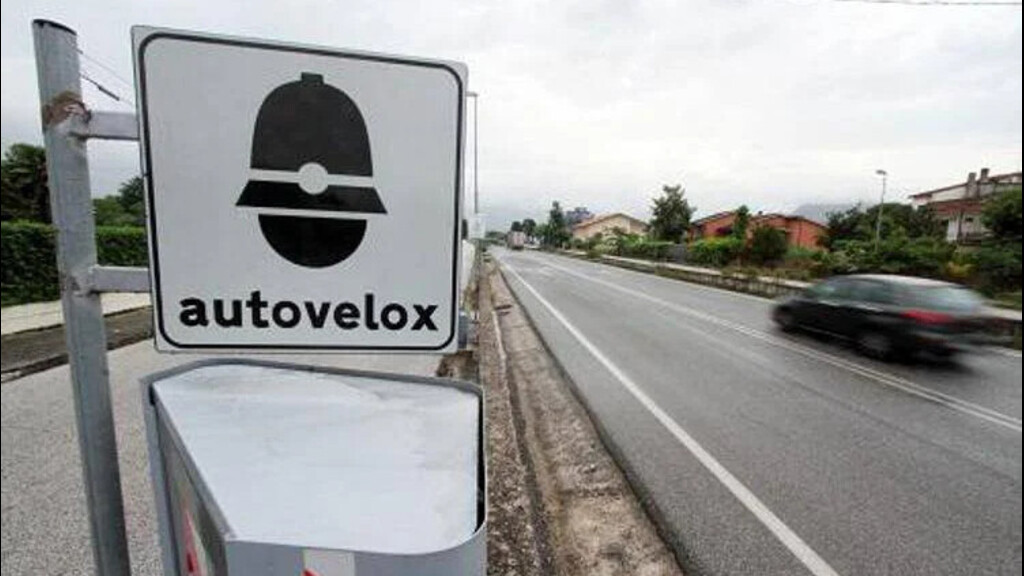
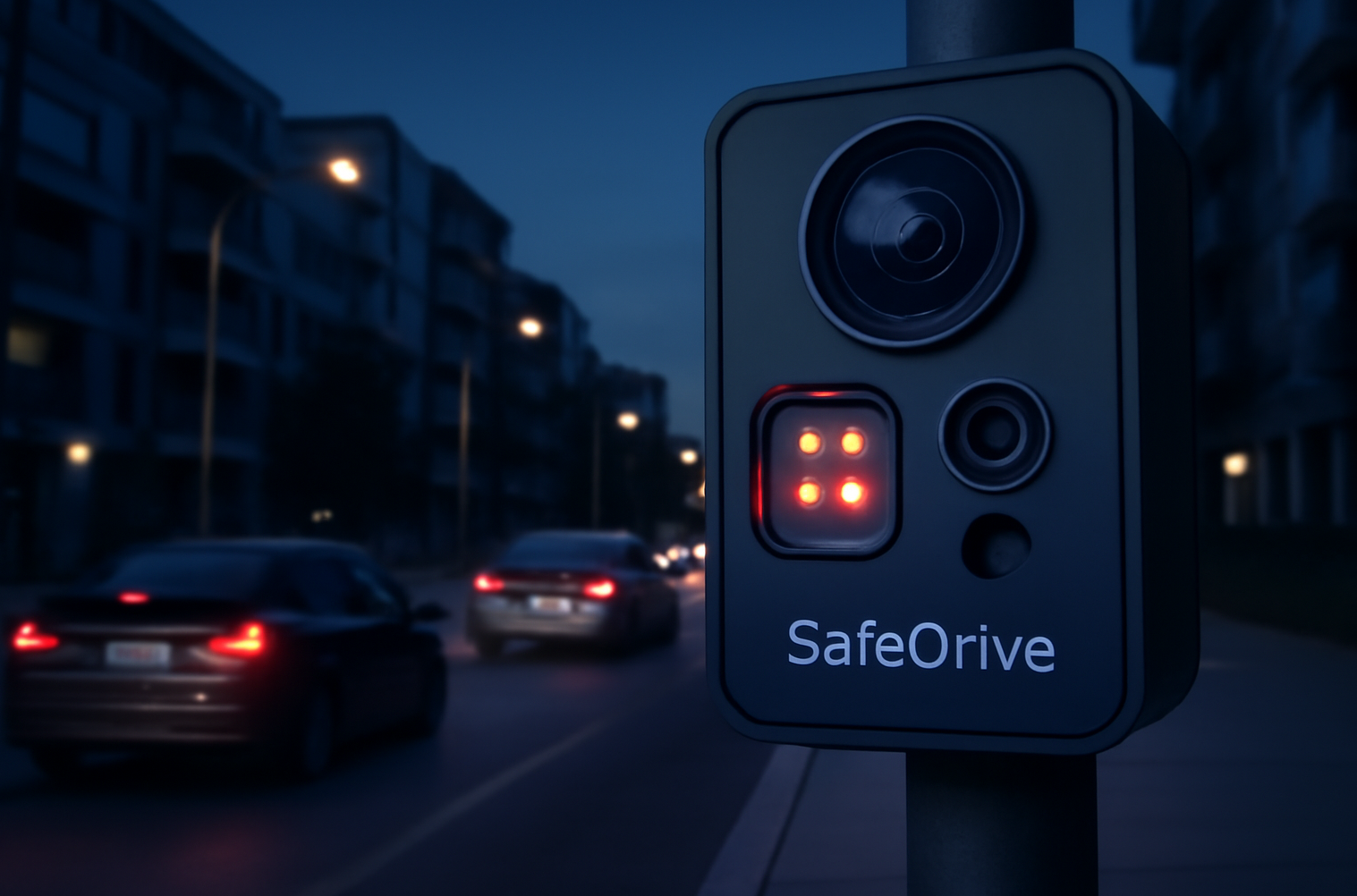
Italy is deploying AI-based traffic enforcement systems, Navigard and SafeDrive, which use intelligent cameras and advanced algorithms to detect speeding and various dangerous driving behaviors in real time. SafeDrive can automatically issue fines for violations, directly impacting drivers through automated legal sanctions.[AI generated]

Why's our monitor labelling this an incident or hazard?

Navigard and SafeDrive are AI systems explicitly described as using AI algorithms for real-time monitoring and enforcement of traffic laws. Their deployment is planned for the future (2026 onwards), so no direct or indirect harm has yet occurred. However, the systems' capabilities to detect behaviors and automatically issue fines could plausibly lead to harms such as privacy violations, wrongful penalties, or other rights-related issues. Therefore, this event represents a plausible future risk (AI Hazard) rather than a realized harm (AI Incident) or a response/update (Complementary Information).[AI generated]

AI principles
AccountabilityTransparency & explainabilityRespect of human rights

Industries
Government, security, and defenceMobility and autonomous vehicles

Affected stakeholders
General public

Harm types
Economic/Property

Severity
AI hazard

AI system task:
Recognition/object detectionEvent/anomaly detectionGoal-driven organisation


Articles about this incident or hazard

Thumbnail Image

Autovelox Safedrive, cosa controlla e quali sanzioni e multe può emettere

2025-09-22
Business online
Why's our monitor labelling this an incident or hazard?
SafeDrive is an AI system explicitly described as using AI algorithms to detect traffic violations in real time. Its outputs directly lead to sanctions (fines) for speeding violations automatically, which is a direct use of AI outputs causing legal consequences (harm) to individuals. For other violations, AI detection supports human enforcement, still linking AI use to legal rights enforcement. This meets the definition of an AI Incident because the AI system's use directly leads to harm in the form of legal sanctions and enforcement actions. The article does not describe potential or future harm but actual use and consequences, so it is not a hazard or complementary information. It is not unrelated because the AI system is central to the event.
Thumbnail Image

Come funzionano Navigard e SafeDrive e come cambieranno la sicurezza stradale

2025-09-22
libero.it
Why's our monitor labelling this an incident or hazard?
Both Navigard and SafeDrive clearly involve AI systems, as they use advanced algorithms, intelligent cameras, and sensors to analyze real-time data and detect dangerous driving behaviors and traffic violations. Their use is intended to enhance road safety by enabling timely interventions and automated enforcement. While the article does not report any realized harm, the deployment of these AI systems is directly related to managing and reducing risks of injury or harm to people on the roads. Since the systems are not yet deployed and no harm has occurred, but their use plausibly leads to improved safety and prevention of harm, this event is best classified as Complementary Information about AI systems that will impact safety. It is not an AI Incident because no harm has occurred, nor an AI Hazard because the systems are intended to reduce harm rather than pose a risk. It is not unrelated because AI systems are central to the described developments.
Thumbnail Image

Dal 2026 Navigard e SafeDrive: rivoluzione digitale nei controlli stradali

2025-09-23
Teleborsa
Why's our monitor labelling this an incident or hazard?
Navigard and SafeDrive are AI systems explicitly described as using AI algorithms for real-time monitoring and enforcement of traffic laws. Their deployment is planned for the future (2026 onwards), so no direct or indirect harm has yet occurred. However, the systems' capabilities to detect behaviors and automatically issue fines could plausibly lead to harms such as privacy violations, wrongful penalties, or other rights-related issues. Therefore, this event represents a plausible future risk (AI Hazard) rather than a realized harm (AI Incident) or a response/update (Complementary Information).
Thumbnail Image

Tutor addio, arrivano i super-autovelox Navigard e SafeDrive

2025-09-23
ReggioTV Canale 14
Why's our monitor labelling this an incident or hazard?
The event involves the use of AI systems (Navigard and SafeDrive) for real-time traffic monitoring and violation detection. However, the article does not report any actual harm or incidents caused by these systems yet; it only discusses their planned deployment and capabilities. Since no harm has occurred but the systems could plausibly lead to incidents related to traffic enforcement or privacy concerns in the future, this qualifies as an AI Hazard rather than an Incident or Complementary Information.