Google Gemini AI Vulnerabilities Exposed Users to Data Theft Risks

Thumbnail Image

The information displayed in the AIM should not be reported as representing the official views of the OECD or of its member countries.

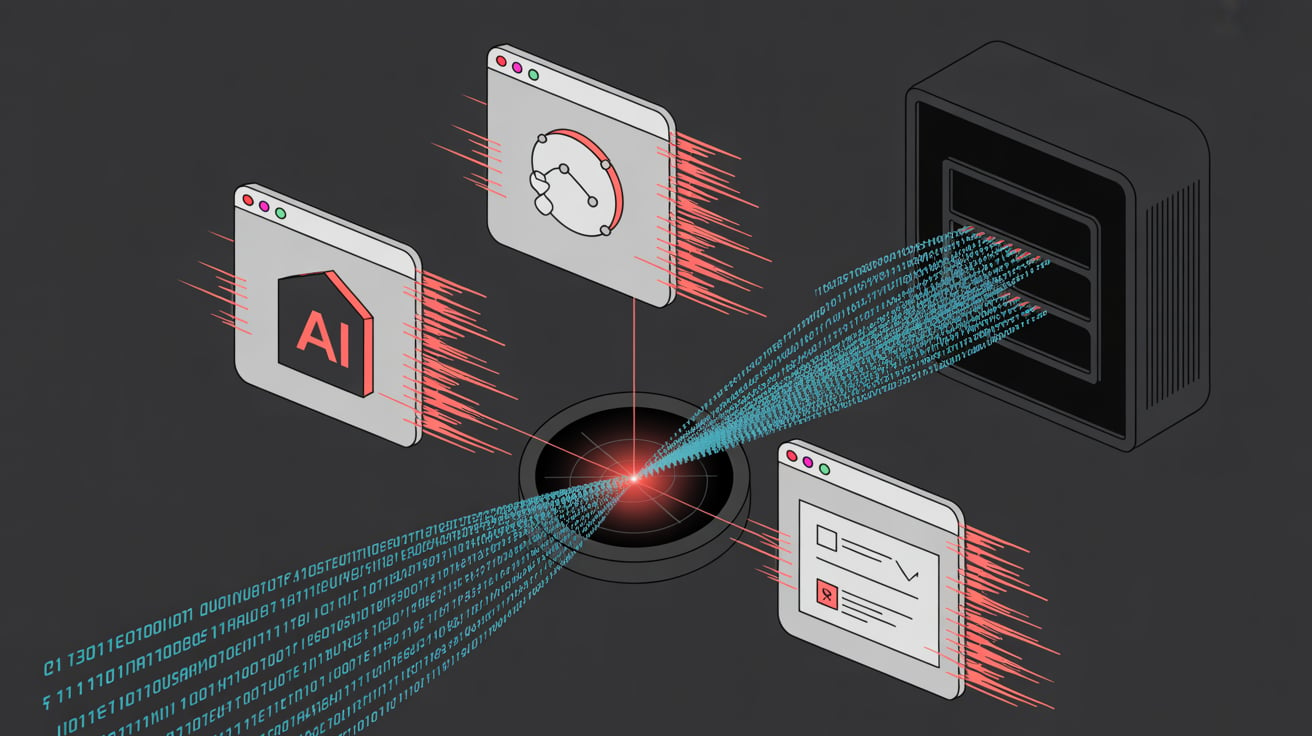
Security researchers discovered three critical vulnerabilities in Google's Gemini AI suite, allowing attackers to exploit prompt injection techniques to exfiltrate users' sensitive data, including location and saved information. The flaws, affecting Cloud Assist, Search Personalization, and Browsing Tool, were patched by Google after disclosure.[AI generated]

Why's our monitor labelling this an incident or hazard?

The article explicitly details how flaws in AI models within Google's Gemini suite were exploited to conduct injection attacks and exfiltrate sensitive user data, constituting direct harm to user privacy. The AI systems' malfunction (vulnerabilities) directly led to these harms. Since the harm has occurred and the AI system's role is pivotal, this qualifies as an AI Incident rather than a hazard or complementary information. The subsequent fixes by Google are responses to the incident but do not change the classification of the original event.[AI generated]
AI principles
Privacy & data governanceRobustness & digital securityAccountability

Industries
Digital securityIT infrastructure and hosting

Affected stakeholders
Consumers

Harm types
Human or fundamental rights

Severity
AI incident

AI system task:
Content generationOrganisation/recommendersInteraction support/chatbots


Articles about this incident or hazard

Thumbnail Image

'Trifecta' of Gemini Flaws Turn AI into Attack Vehicle

2025-09-30
Dark Reading
Why's our monitor labelling this an incident or hazard?
The article explicitly details how flaws in AI models within Google's Gemini suite were exploited to conduct injection attacks and exfiltrate sensitive user data, constituting direct harm to user privacy. The AI systems' malfunction (vulnerabilities) directly led to these harms. Since the harm has occurred and the AI system's role is pivotal, this qualifies as an AI Incident rather than a hazard or complementary information. The subsequent fixes by Google are responses to the incident but do not change the classification of the original event.
Thumbnail Image

'Gemini Trifecta' vulnerabilities in Google AI highlight risks of indirect prompt injection - SiliconANGLE

2025-09-30
SiliconANGLE
Why's our monitor labelling this an incident or hazard?
The event involves AI systems explicitly (Google's Gemini AI suite) and details how their use and design flaws led to security vulnerabilities that could directly cause harm such as unauthorized data access, leakage of sensitive information, and phishing attacks. Although the vulnerabilities have been patched, the harms described are real and the AI system's malfunction or misuse is a direct contributing factor. Therefore, this qualifies as an AI Incident because the AI system's development and use directly led to significant harms related to security and privacy breaches.
Thumbnail Image

Gemini Trifecta Highlights Dangers of Indirect Prompt Injection

2025-09-30
Infosecurity Magazine
Why's our monitor labelling this an incident or hazard?
The article explicitly involves an AI system (Google Gemini) and details how its vulnerabilities were exploited to cause harm such as data exfiltration and manipulation of AI outputs. These harms relate to violations of privacy and potentially breach security obligations, fitting the definition of harm to property or communities (data security and privacy). The vulnerabilities were actively exploited in tests, demonstrating realized harm or at least direct risk of harm. Although fixes have been applied, the event centers on the incident of exploitation and harm caused by the AI system's malfunction and misuse. Hence, it qualifies as an AI Incident rather than a hazard or complementary information.
Thumbnail Image

Tenable exposes AI flaws in Google Gemini that could have let hackers steal data from millions - Global Security Mag Online

2025-09-30
Global Security Mag Online
Why's our monitor labelling this an incident or hazard?
The event explicitly involves an AI system (Google's Gemini) and details how its misuse and vulnerabilities could have led to significant privacy harms, including data theft. The AI system's behavior was manipulated through poisoned inputs, which is a malfunction or misuse of the AI system. Although the vulnerabilities have been remediated and no actual data theft is reported, the presence of these exploitable flaws constitutes an AI Incident because the AI system's malfunction directly exposed users to harm. The event is not merely a potential hazard or complementary information, as the vulnerabilities represent realized security flaws with direct links to possible harm. Hence, the classification is AI Incident.
Thumbnail Image

Google Gemini Vulnerabilities Let Attackers Exfiltrate User's Saved Data and Location

2025-09-30
Cyber Security News
Why's our monitor labelling this an incident or hazard?
The article explicitly involves an AI system, Google's Gemini AI assistant suite, which is vulnerable to prompt injection attacks that can be used to exfiltrate sensitive user data. The vulnerabilities directly relate to the AI system's behavior and its components, such as the Cloud Assist, Search Personalization Model, and Browsing Tool. The potential harm includes unauthorized access and leakage of personal information and location data, which is a violation of privacy and can be considered harm to individuals. Although the vulnerabilities have been patched, the event describes realized security flaws that could have led to harm, meeting the criteria for an AI Incident. The AI system's malfunction (vulnerabilities) and use (processing malicious prompts) are central to the incident.
Thumbnail Image

Google issues major 'red alert' to all users over new AI scam | Chronicle Live

2025-10-01
Chronicle Live
Why's our monitor labelling this an incident or hazard?
The article explicitly involves an AI system (Google's Gemini AI assistant) being exploited by cybercriminals to cause harm (data theft and password exposure). This harm affects users' security and privacy, which qualifies as injury or harm to persons. The AI system's misuse is central to the incident, fulfilling the criteria for an AI Incident. The article also discusses Google's mitigation efforts, but the primary focus is on the ongoing scam causing harm, not just complementary information.
Thumbnail Image

Google issues 'red alert' warning to 1.8billion users over new AI scam - Yorkshire Live

2025-10-01
huddersfieldexaminer
Why's our monitor labelling this an incident or hazard?
The event involves the use and malicious exploitation of an AI system (Google's Gemini chatbot) to steal user credentials, which constitutes a violation of user privacy and security, a form of harm to individuals. The harm is realized as users' passwords and login information are being exposed through this AI-driven scam. Therefore, this qualifies as an AI Incident because the AI system's misuse has directly led to harm to people (data theft and privacy breaches).
Thumbnail Image

Hackers find hidden exploit in Google's Gemini AI | Cybernews

2025-10-01
Cybernews
Why's our monitor labelling this an incident or hazard?
The article explicitly involves an AI system (Google's Gemini AI) and details how its vulnerabilities were exploited to cause direct harm to users' privacy and data security. The harms include unauthorized access to sensitive information and potential hijacking of cloud services, which constitute violations of user rights and harm to property (data). Since the harms have occurred and the AI system's malfunction and misuse are central to the incident, this qualifies as an AI Incident.
Thumbnail Image

Trio of Google Gemini vulnerabilities uncovered

2025-10-01
SC Media
Why's our monitor labelling this an incident or hazard?
The event involves AI systems (Google Gemini AI components) and their vulnerabilities that could plausibly lead to harms such as phishing attacks, exposure of private information, and data theft. Since the harms are potential and no actual harm is reported as having occurred, this fits the definition of an AI Hazard rather than an AI Incident. The article also recommends mitigation measures, indicating a focus on preventing harm rather than reporting harm that has already happened.
Thumbnail Image

Tenable exposes AI flaws in Google gemini that could have let hackers steal data from millions

2025-10-04
ETCISO.in
Why's our monitor labelling this an incident or hazard?
The event explicitly involves an AI system (Google's Gemini suite) and details how its malfunction or misuse (via vulnerabilities) could have directly led to harm in the form of privacy violations and data theft affecting millions of users. The harm is realized in the sense that the vulnerabilities existed and could have been exploited, posing a direct risk to user data and privacy. Since the vulnerabilities have been remediated and no actual exploitation is reported, but the risk was concrete and significant, this qualifies as an AI Incident due to the direct link between the AI system's flaws and potential harm to users' privacy and data security.
Thumbnail Image

Tenable Exposes AI Flaws in Google Gemini That Could Have Let Hackers Steal Data from Millions - APN News

2025-10-03
apnnews.com
Why's our monitor labelling this an incident or hazard?
The article explicitly identifies an AI system (Google's Gemini) and details how its vulnerabilities could have been exploited to steal sensitive data, constituting harm to users' privacy and security. The flaws are related to the AI system's use and malfunction, enabling attackers to manipulate the AI to exfiltrate data invisibly. Although the vulnerabilities have been remediated, the event concerns realized security flaws that directly expose users to harm, meeting the criteria for an AI Incident. The article also includes recommendations for security teams, but the primary focus is on the incident of vulnerabilities and their potential exploitation, not just complementary information or future hazards.