Toss Bank Deploys AI System to Prevent Secondhand Transaction Fraud

Thumbnail Image

The information displayed in the AIM should not be reported as representing the official views of the OECD or of its member countries.

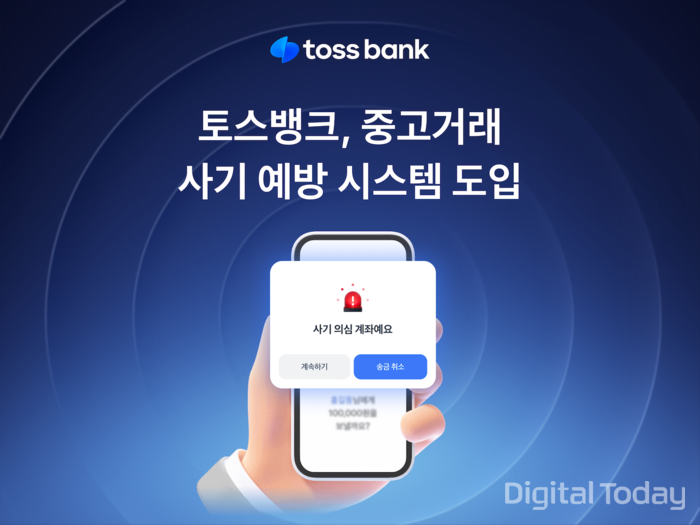
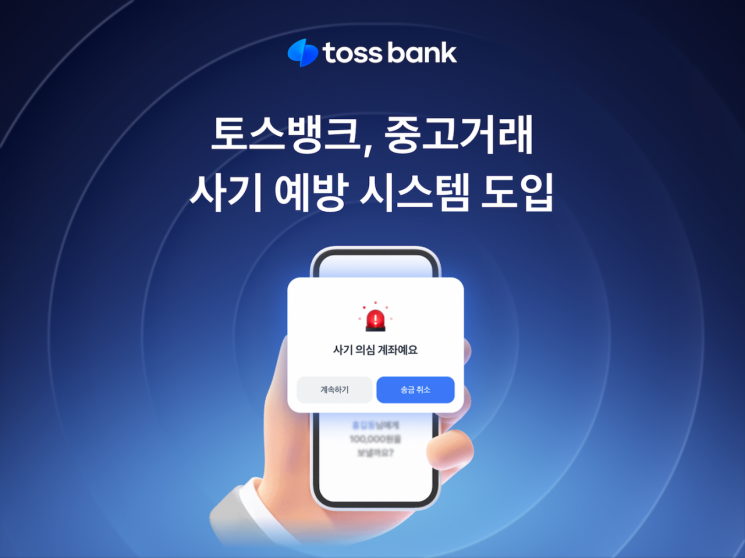
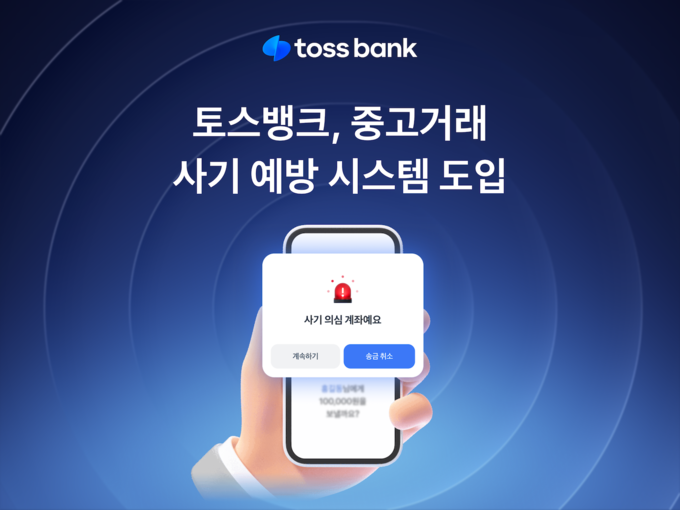
Toss Bank in South Korea has implemented a machine learning-based AI system to proactively detect and prevent fraud in secondhand transactions. The system analyzes transaction patterns to identify suspicious accounts and warns customers before they transfer money, reportedly blocking over 6,200 risky accounts and preventing significant financial losses.[AI generated]

Why's our monitor labelling this an incident or hazard?

The event involves the use of an AI system (machine learning-based predictive model) in the bank's fraud detection and prevention process. The AI system's use directly leads to harm reduction by preventing financial fraud, which is a form of harm to persons' property and financial well-being. Since the AI system's deployment has already resulted in blocking over 6,200 risky accounts and preventing approximately 3 billion KRW in losses, this constitutes an AI Incident where the AI system's use has directly led to harm prevention (a positive impact on harm). The event is not merely a potential risk or a general update but describes an active AI system in use preventing harm, thus qualifying as an AI Incident.[AI generated]
Industries
Financial and insurance servicesDigital security

Severity
AI incident

Business function:
ICT management and information security

AI system task:
Event/anomaly detection


Articles about this incident or hazard

Thumbnail Image

토스뱅크, 중고거래 사기 예방 시스템 도입

2025-10-14
아시아경제
Why's our monitor labelling this an incident or hazard?
The event involves the use of an AI system (machine learning-based predictive model) in the bank's fraud detection and prevention process. The AI system's use directly leads to harm reduction by preventing financial fraud, which is a form of harm to persons' property and financial well-being. Since the AI system's deployment has already resulted in blocking over 6,200 risky accounts and preventing approximately 3 billion KRW in losses, this constitutes an AI Incident where the AI system's use has directly led to harm prevention (a positive impact on harm). The event is not merely a potential risk or a general update but describes an active AI system in use preventing harm, thus qualifying as an AI Incident.
Thumbnail Image

토스뱅크, 중고거래 사기 예방 '선제적 위험 감지 시스템' 도입

2025-10-14
kgnews.co.kr
Why's our monitor labelling this an incident or hazard?
The article explicitly states that Toss Bank uses a machine learning-based AI model to detect and prevent fraud in financial transactions. The AI system's use directly contributes to preventing harm to customers by identifying risky accounts and alerting users before fraudulent transactions occur. Since the AI system's deployment has already prevented significant financial harm, this qualifies as an AI Incident involving the use of AI to mitigate injury or harm to persons (financial harm).
Thumbnail Image

"사기 보상 넘어 사기 예방까지"... 토스뱅크, 중고거래 사기 예방 시스템 도입

2025-10-14
디지털데일리
Why's our monitor labelling this an incident or hazard?
The system uses AI to analyze transaction patterns and predict potentially fraudulent accounts, issuing warnings to customers before they complete transactions. This proactive use of AI directly aims to prevent financial harm to users, which qualifies as harm to persons (financial harm). Since the AI system's use is directly linked to preventing realized or potential harm, this event involves the use of an AI system to mitigate harm. However, since the article describes the deployment and operation of the system to prevent harm rather than an incident where harm has already occurred due to AI malfunction or misuse, it is best classified as Complementary Information about AI's role in harm prevention and risk management in financial services.
Thumbnail Image

토스뱅크, 중고거래 사기 예방 시스템 도입

2025-10-14
디지털투데이 (DigitalToday)
Why's our monitor labelling this an incident or hazard?
The event involves the use of an AI system (machine learning model) developed and deployed to detect and prevent fraud, which is a harm to individuals' financial property. However, the article describes a preventive system designed to avoid harm rather than harm that has already occurred. Therefore, this is a case where the AI system's use could plausibly lead to preventing an AI Incident (harm), but no actual harm is reported as having occurred due to the AI system's malfunction or misuse. Hence, it qualifies as Complementary Information about a new AI system deployment aimed at harm prevention, not an AI Incident or AI Hazard.
Thumbnail Image

토스뱅크, 중고거래 사기 예방 시스템 도입 - 인더스트리뉴스

2025-10-14
인더스트리뉴스
Why's our monitor labelling this an incident or hazard?
The article describes the deployment of an AI system that uses machine learning to analyze transaction data and predict potential fraud risks in real time. This system directly aims to prevent financial harm to customers by warning them before they complete risky transactions. Since the AI system's use directly contributes to preventing harm (financial loss) to individuals, this qualifies as an AI Incident under the definition of an event where AI use has directly or indirectly led to harm (in this case, harm prevented but clearly addressed).