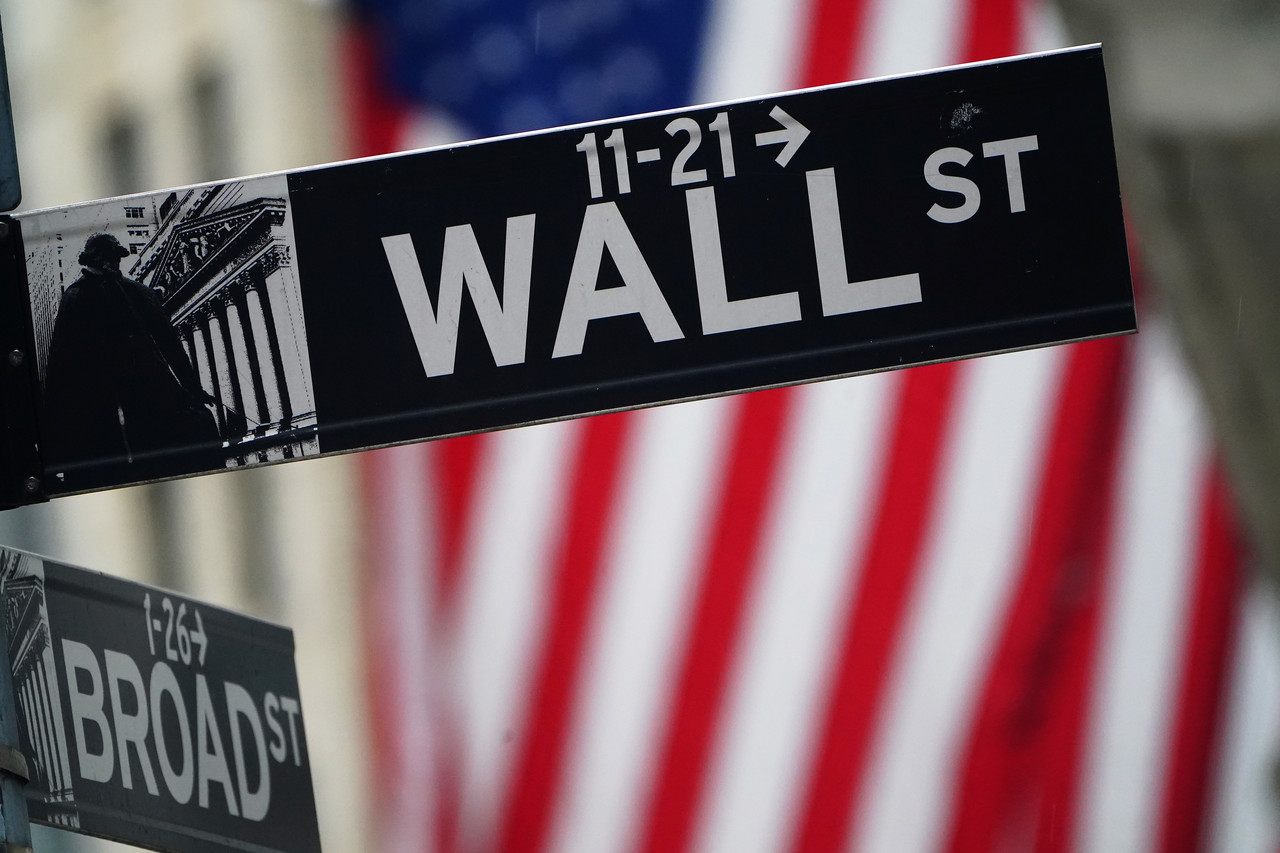
Goldman Sachs Plans Layoffs Citing AI-Driven Efficiency

Thumbnail Image

The information displayed in the AIM should not be reported as representing the official views of the OECD or of its member countries.

Goldman Sachs announced a new round of layoffs as part of its 'OneGS 3.0' strategy, explicitly linking job cuts to increased efficiency and cost savings from AI adoption. The company will implement AI in areas like client onboarding and compliance, resulting in workforce reductions and impacting employee job security.[AI generated]

Why's our monitor labelling this an incident or hazard?

The event explicitly involves the use of AI systems in business operations to increase efficiency and reduce costs, which directly leads to planned layoffs. Job loss is a form of harm to people and communities. The AI system's use is a contributing factor to this harm, as the company is adopting AI to replace or reduce human labor. Hence, this qualifies as an AI Incident due to realized harm caused indirectly by AI use.[AI generated]

AI principles
Human wellbeing

Industries
Financial and insurance services

Affected stakeholders
Workers

Harm types
Economic/Property

Severity
AI incident

Business function:
Citizen/customer serviceCompliance and justice

AI system task:
Interaction support/chatbotsEvent/anomaly detectionGoal-driven organisation


Articles about this incident or hazard

Thumbnail Image

高盛员工信:AI将成为实现增长新路径 代价是部分人的岗位

2025-10-14
东方财富网
Why's our monitor labelling this an incident or hazard?
The event explicitly involves the use of AI systems in business operations to increase efficiency and reduce costs, which directly leads to planned layoffs. Job loss is a form of harm to people and communities. The AI system's use is a contributing factor to this harm, as the company is adopting AI to replace or reduce human labor. Hence, this qualifies as an AI Incident due to realized harm caused indirectly by AI use.
Thumbnail Image

用AI节约成本!高盛通知员工:今年计划进行新一轮裁员

2025-10-14
凤凰网(凤凰新媒体)
Why's our monitor labelling this an incident or hazard?
The event involves the use of AI systems to automate and optimize business operations, which directly leads to workforce reductions. This constitutes harm to people through job loss and economic insecurity, fitting the definition of an AI Incident due to the realized harm caused by AI deployment. The layoffs are not hypothetical or potential but are actively planned and occurring, making this an AI Incident rather than a hazard or complementary information.
Thumbnail Image

高盛员工信:AI将成为实现增长新路径 代价是部分人的岗位

2025-10-14
k.sina.com.cn
Why's our monitor labelling this an incident or hazard?
The event involves the use of AI systems to improve efficiency and reduce costs, leading to layoffs. While this reflects a significant societal impact related to employment, the article does not describe an AI Incident because no direct or indirect harm caused by AI malfunction or misuse is reported. Nor is it an AI Hazard since the harm (job loss) is already occurring as a consequence of AI adoption. However, the article primarily reports on the company's strategic use of AI and its economic consequences, which is a broader societal impact rather than a specific AI Incident or Hazard. This fits best as Complementary Information, providing context on AI's impact on labor markets and corporate strategy rather than reporting a discrete AI Incident or Hazard.
Thumbnail Image

用AI节约成本!高盛通知员工:今年计划进行新一轮裁员

2025-10-14
k.sina.com.cn
Why's our monitor labelling this an incident or hazard?
The article explicitly states that AI-driven efficiency improvements are a key factor in Goldman Sachs' decision to reduce employee numbers, including layoffs. This is a direct use of AI systems leading to harm in the form of job losses and economic impact on workers, which falls under violations of labor rights and harm to communities. The harm is realized, not just potential, as layoffs are occurring. Hence, this is an AI Incident rather than a hazard or complementary information.
Thumbnail Image

继科技巨头后 华尔街也掀起了"AI抢饭碗"浪潮!

2025-10-16
东方财富网
Why's our monitor labelling this an incident or hazard?
The article explicitly discusses the deployment and use of AI systems by major banks to automate and optimize operations, which leads to reduced hiring and some layoffs. This is a direct consequence of AI use impacting labor rights and employment, thus constituting an AI Incident. The harm is realized (job displacement and hiring freezes), and the AI system's role is pivotal in causing this harm. Therefore, this event qualifies as an AI Incident rather than a hazard or complementary information.
Thumbnail Image

【AI】擬用AI提高生產力 高盛通知員工年底前可能要裁員

2025-10-15
ET Net
Why's our monitor labelling this an incident or hazard?
The event involves the use of AI systems to increase productivity in various business processes. While no actual harm has occurred yet, the planned use of AI could plausibly lead to significant workforce reductions (layoffs), which constitutes a potential harm to employment and labor rights. Therefore, this situation qualifies as an AI Hazard due to the credible risk of job losses stemming from AI deployment.
Thumbnail Image

外媒:高盛將進行局部裁員、藉AI計畫提升生產力-MoneyDJ理財網

2025-10-15
MoneyDJ理財網
Why's our monitor labelling this an incident or hazard?
The article describes AI use in Goldman Sachs to improve productivity and reduce workforce needs, but it does not report any incident of harm or rights violations caused by AI. The layoffs are a consequence of AI-driven efficiency but are not framed as an AI Incident or Hazard. There is no indication that AI use here has led or could plausibly lead to injury, rights violations, or other harms as defined. The content is primarily informative about AI's role in business transformation, making it Complementary Information rather than an Incident or Hazard.
Thumbnail Image

AI裁員潮來了! 華爾街投行高盛啟動「OneGS 3.0」提前砍人 | ETtoday財經雲 | ETtoday新聞雲

2025-10-15
finance.ettoday.net
Why's our monitor labelling this an incident or hazard?
The article clearly involves AI systems as part of Goldman Sachs' automation and digital transformation strategy, which is causing workforce reductions and organizational changes. However, there is no indication that the AI systems have directly or indirectly caused harm such as injury, rights violations, or operational disruption. The layoffs are a business decision influenced by AI adoption but do not constitute an AI Incident. Nor is there a plausible future harm scenario described that would qualify as an AI Hazard. The article mainly provides information on the societal and economic impact of AI adoption in finance, fitting the definition of Complementary Information.