KDDI Deploys AI Drones Nationwide for Disaster Response and Infrastructure Management

Thumbnail Image

The information displayed in the AIM should not be reported as representing the official views of the OECD or of its member countries.

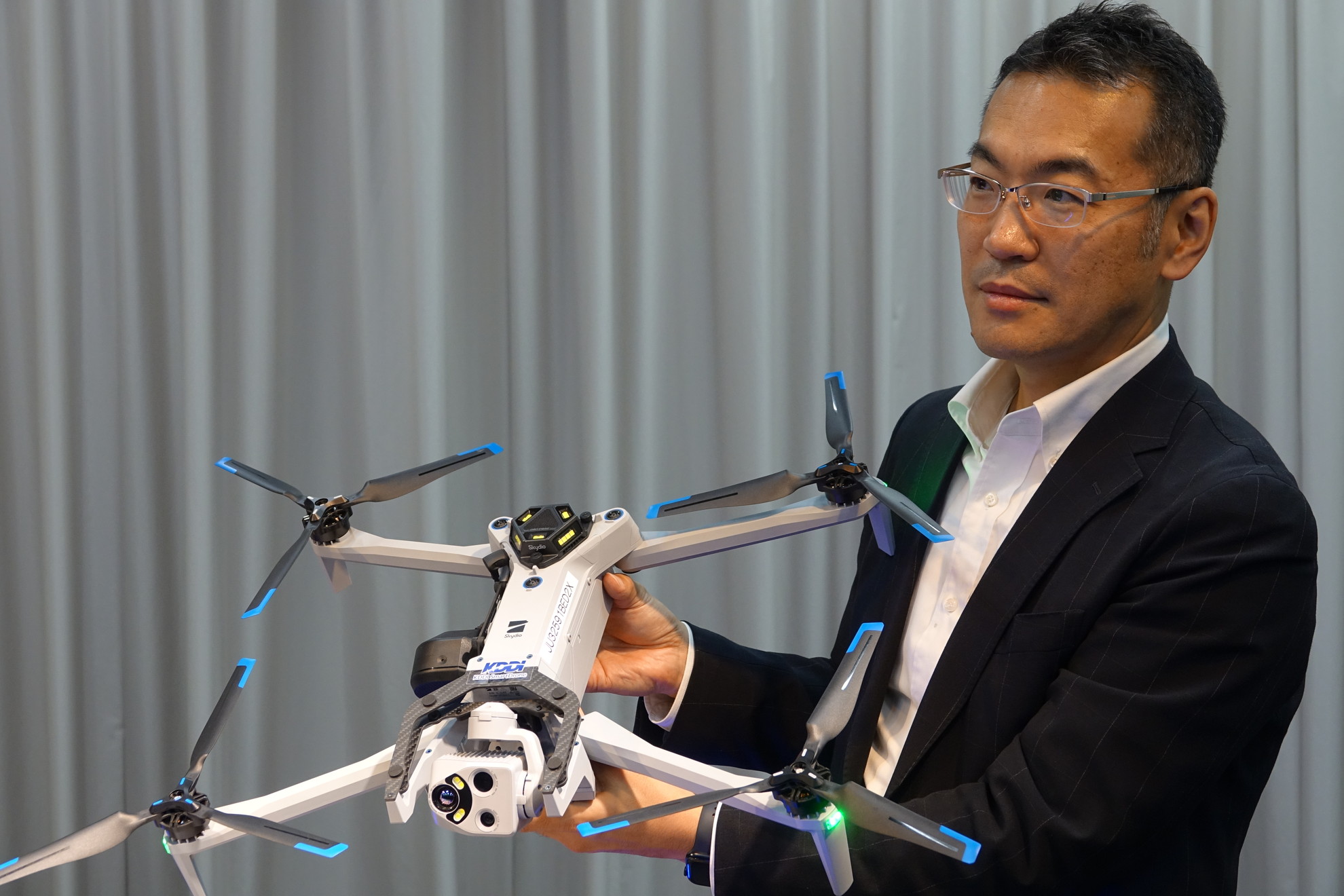
KDDI and KDDI Smart Drone have begun deploying AI-powered drones across Japan, aiming for 1,000 locations. These drones, capable of autonomous navigation and remote operation, are intended for disaster response and infrastructure inspection, addressing labor shortages. While no incidents have occurred, large-scale deployment poses plausible future AI-related risks.[AI generated]

Why's our monitor labelling this an incident or hazard?

The event involves AI systems (autonomous drones with AI-based navigation and sensing) used in critical infrastructure and disaster response. While no harm or incident has occurred, the deployment of such AI systems in potentially hazardous scenarios (disaster response, remote operation over large areas) carries plausible risks of harm if malfunctions or failures occur. The article focuses on successful demonstrations and plans for nationwide deployment, indicating a credible potential for future AI-related incidents. Hence, it fits the definition of an AI Hazard rather than an AI Incident or Complementary Information.[AI generated]
AI principles
SafetyPrivacy & data governanceRobustness & digital securityAccountabilityTransparency & explainabilityRespect of human rights

Industries
Robots, sensors, and IT hardwareMobility and autonomous vehiclesGovernment, security, and defenceIT infrastructure and hosting

Affected stakeholders
General publicWorkers

Harm types
Physical (injury)Physical (death)Human or fundamental rightsEconomic/PropertyReputationalPublic interest

Severity
AI hazard

Business function:
Monitoring and quality controlMaintenance

AI system task:
Recognition/object detectionEvent/anomaly detectionGoal-driven organisation


Articles about this incident or hazard

Thumbnail Image

KDDI、全国どこでも10分で駆けつけるドローン網の構築を開始 国内1000カ所に配備

2025-10-16
CNET
Why's our monitor labelling this an incident or hazard?
The event involves AI systems (autonomous drones with AI-based navigation and sensing) used in critical infrastructure and disaster response. While no harm or incident has occurred, the deployment of such AI systems in potentially hazardous scenarios (disaster response, remote operation over large areas) carries plausible risks of harm if malfunctions or failures occur. The article focuses on successful demonstrations and plans for nationwide deployment, indicating a credible potential for future AI-related incidents. Hence, it fits the definition of an AI Hazard rather than an AI Incident or Complementary Information.
Thumbnail Image

KDDIスマートドローンが遠隔操作のAIドローンを"常設"設置する理由とは? 「SaaSのようなサービスを」と博野社長

2025-10-16
ケータイ Watch
Why's our monitor labelling this an incident or hazard?
The event involves the use of AI systems (AI-enabled drones with remote control and monitoring capabilities) in operational contexts that could plausibly lead to harm if malfunction or misuse occurs, such as in disaster response or search and rescue missions. However, the article does not report any actual harm or incident resulting from the use of these AI drones. Instead, it highlights the benefits and intended uses of the system. Therefore, this situation represents a plausible future risk scenario where AI drone operations could lead to harm, qualifying it as an AI Hazard rather than an AI Incident or Complementary Information.
Thumbnail Image

通信各社、ドローン事業を拡大 人手不足、災害頻発で:東京新聞デジタル

2025-10-16
東京新聞 TOKYO Web
Why's our monitor labelling this an incident or hazard?
The drones described are equipped with AI systems enabling autonomous behaviors such as automatic takeoff, landing, and obstacle avoidance. Their use in infrastructure inspection and disaster damage assessment directly relates to critical infrastructure management and disaster response. However, the article does not report any harm or incidents resulting from these AI systems, nor does it indicate any plausible future harm or risks. Instead, it reports ongoing operational use to address challenges like labor shortages and frequent disasters. Therefore, this event is best classified as Complementary Information, providing context on AI system deployment and societal responses without describing an AI Incident or AI Hazard.
Thumbnail Image

通信各社、ドローン事業を拡大 人手不足、災害頻発で

2025-10-16
沖縄タイムス+プラス
Why's our monitor labelling this an incident or hazard?
The article explicitly mentions AI-equipped drones performing autonomous functions and remote operations, indicating the presence of AI systems. However, it does not report any injury, rights violations, property damage, or other harms caused by these AI systems. The focus is on the expansion and application of AI drone technology for infrastructure inspection and disaster response, which are positive uses. Therefore, this event does not qualify as an AI Incident or AI Hazard but rather as Complementary Information about AI system deployment and ecosystem development.
Thumbnail Image

通信各社、ドローン事業を拡大 人手不足、災害頻発で

2025-10-16
琉球新報
Why's our monitor labelling this an incident or hazard?
The event involves AI systems (AI-equipped drones) used in real-world applications, but there is no indication of any harm or malfunction resulting from their use. The article focuses on the development and expansion of AI drone services for positive purposes such as infrastructure inspection and disaster management. Therefore, this is not an AI Incident or AI Hazard. It is best classified as Complementary Information because it provides context and updates on AI system deployment and societal responses to challenges without reporting any harm or plausible future harm.
Thumbnail Image

KDDI「遅延無しで超遠距離操作できるAIドローン」全国1000ヶ所に配備へ、災害対応から普段のインフラ管理まで活躍で労働力不足も解消 | Buzzap!

2025-10-16
Buzzap!(バザップ!)
Why's our monitor labelling this an incident or hazard?
The article explicitly mentions AI drones used for remote operation over long distances, performing tasks such as infrastructure inspection and disaster monitoring. The AI system's use is central to the event. However, there is no indication that any harm has occurred or that the AI system malfunctioned. Instead, the event focuses on the deployment and potential benefits of the AI drones. While the drones could plausibly lead to future incidents if misused or malfunctioning, the article does not report any such harm or near misses. Therefore, this event is best classified as an AI Hazard, reflecting the plausible future risk associated with widespread deployment of AI drones in critical infrastructure and disaster response roles.
Thumbnail Image

ロシアは光ファイバー式ドローンでウクライナの車両を待ち伏せ攻撃している | Business Insider Japan

2025-10-18
businessinsider.jp
Why's our monitor labelling this an incident or hazard?
The event involves AI systems in the form of autonomous or semi-autonomous drones used for lethal attacks, directly causing harm to soldiers and military vehicles. The drones' ability to track and ambush targets indicates AI or advanced autonomous capabilities. The harm is realized and ongoing, fulfilling the criteria for an AI Incident due to injury and harm to persons and damage to property caused by the AI system's use in warfare.
Thumbnail Image

米航空行政に激震「アマゾンのドローンがクレーンに衝突」、どんな影響が? 新法激論中に起きた"惨事" | 乗りものニュース

2025-10-19
乗りものニュース
Why's our monitor labelling this an incident or hazard?
The event involves an AI system (Amazon's AI-powered autonomous delivery drones) whose malfunction or limitation in obstacle recognition directly led to physical harm (smoke inhalation injury) and property damage (drone destruction). This fits the definition of an AI Incident because the AI system's use directly caused harm and disruption, and the incident has regulatory and safety implications. Therefore, it qualifies as an AI Incident rather than a hazard or complementary information.