Driver Overreliance on AI-Assisted Driving Leads to Accidents in China

Thumbnail Image

The information displayed in the AIM should not be reported as representing the official views of the OECD or of its member countries.

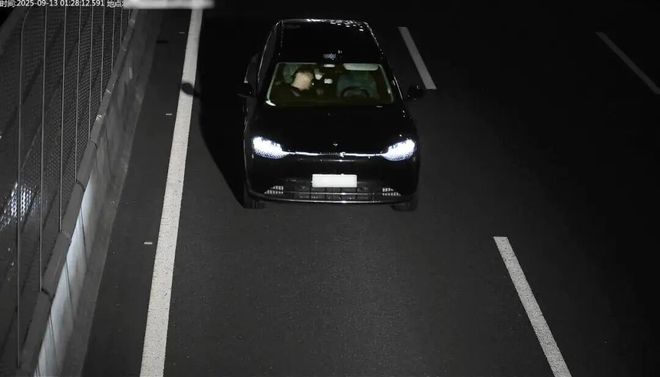
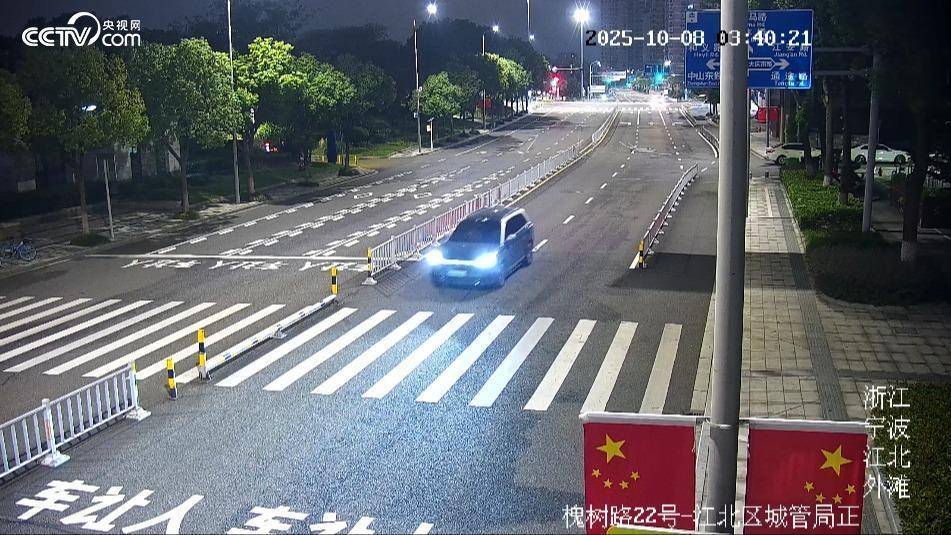
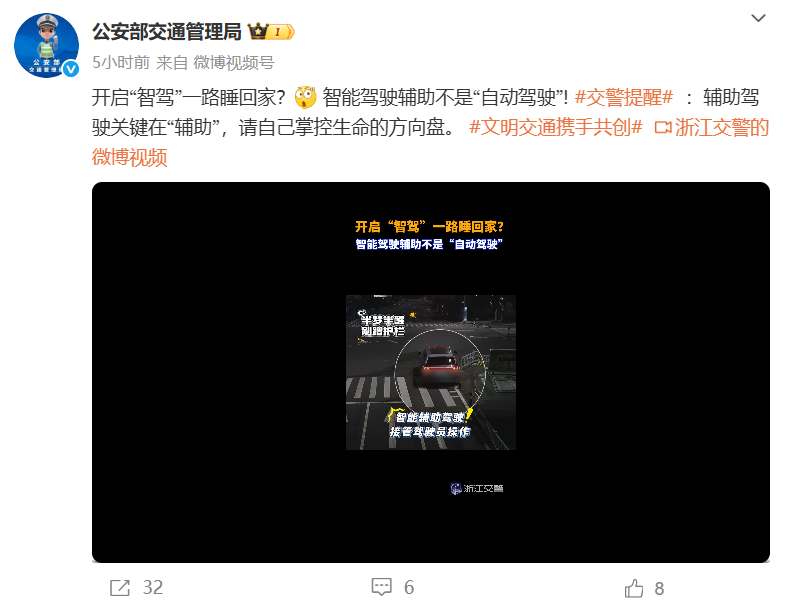
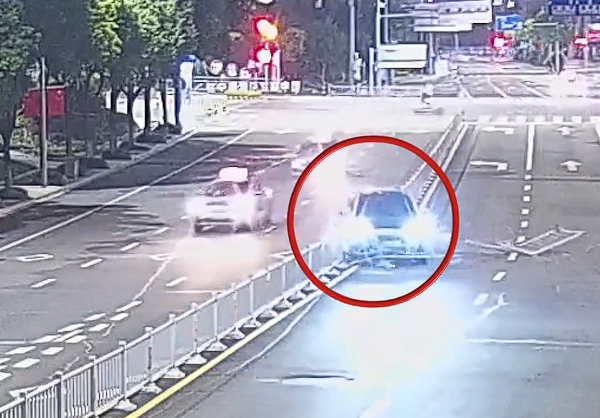
In China, multiple incidents occurred where drivers misused AI-assisted driving systems by falling asleep or failing to take control when prompted, resulting in vehicles crashing into barriers or ditches and causing injuries. These cases highlight the dangers of overreliance on AI driving aids and misunderstanding their limitations.[AI generated]

Why's our monitor labelling this an incident or hazard?

The incident involves an AI system explicitly described as an intelligent driving assistance feature (an AI system) that was in use during the accident. The driver's overreliance and failure to respond to the system's alerts led directly to harm in the form of a traffic accident with property damage and potential risk to human safety. Therefore, this qualifies as an AI Incident because the AI system's use and malfunction (or failure to maintain control) directly contributed to the harm.[AI generated]

AI principles
SafetyTransparency & explainabilityAccountability

Industries
Mobility and autonomous vehicles

Affected stakeholders
Consumers

Harm types
Physical (injury)

Severity
AI incident

AI system task:
Recognition/object detectionGoal-driven organisationReasoning with knowledge structures/planning


Articles about this incident or hazard

Thumbnail Image

襄阳男子炫技滥用智能驾驶被罚

2025-10-21
中关村在线
Why's our monitor labelling this an incident or hazard?
An AI system (intelligent driving/driver-assistance system) is explicitly involved. The misuse of this AI system by the driver (use phase) led to unsafe driving behavior that threatens public safety, which constitutes harm to people and communities if an accident were to occur. Although no accident or injury is reported, the behavior is illegal and dangerous, and the AI system's misuse is central to the event. Since no actual harm occurred but there is a clear risk of harm due to misuse of the AI system, this qualifies as an AI Hazard rather than an AI Incident. The article focuses on the misuse and resulting penalty, highlighting the plausible risk of harm from misunderstanding AI system capabilities.
Thumbnail Image

驾驶员 misuse 智能驾驶功能被查

2025-10-21
中关村在线
Why's our monitor labelling this an incident or hazard?
The article explicitly involves an AI system (advanced driver assistance system) whose misuse by the driver creates a direct safety risk. The driver's misunderstanding and misuse of the AI system's capabilities led to dangerous behavior, which is a misuse of the AI system in operation. Although no injury or accident has occurred, the event plausibly could lead to harm, fitting the definition of an AI Hazard. There is no indication of actual harm or incident yet, so it is not an AI Incident. The event is not merely complementary information or unrelated, as it involves a concrete misuse scenario with safety implications.
Thumbnail Image

浙江一司机依赖辅助驾驶疲劳睡着致连撞事故

2025-10-23
中关村在线
Why's our monitor labelling this an incident or hazard?
The incident involves an AI system explicitly described as an intelligent driving assistance feature (an AI system) that was in use during the accident. The driver's overreliance and failure to respond to the system's alerts led directly to harm in the form of a traffic accident with property damage and potential risk to human safety. Therefore, this qualifies as an AI Incident because the AI system's use and malfunction (or failure to maintain control) directly contributed to the harm.
Thumbnail Image

领先智驾:重在场景理解与商业落地

2025-10-24
东方财富网
Why's our monitor labelling this an incident or hazard?
The article centers on the commercial and technological progress of an AI autonomous driving company, focusing on scenario understanding and business implementation. It does not describe any event where AI use has caused or could cause harm, nor does it report on any incident or hazard related to AI malfunction or misuse. Instead, it provides contextual information about the AI ecosystem, industry evolution, and company strategy, which fits the definition of Complementary Information rather than an Incident or Hazard.
Thumbnail Image

霸王茶姬马来西亚最大门店开业,当地门店总数突破200家-36氪

2025-10-23
36氪:关注互联网创业
Why's our monitor labelling this an incident or hazard?
The article discusses the development and regulatory cooperation of automated driving technologies, which involve AI systems for autonomous and connected vehicles. However, it does not report any realized harm or incident caused by AI systems, nor does it describe a specific plausible hazard event. Instead, it is about ongoing collaboration and future work, which fits the category of Complementary Information as it provides context and updates on AI-related ecosystem developments and governance efforts.
Thumbnail Image

字节跳动推出3D生成大模型-36氪

2025-10-23
36氪:关注互联网创业
Why's our monitor labelling this an incident or hazard?
The presence of AI systems is reasonably inferred from the description of 'eyes-off' driving (autonomous driving) and conversational AI in vehicles. Since no harm or malfunction has yet occurred, but the technology could plausibly lead to harm in the future (e.g., accidents due to autonomous driving failure), this qualifies as an AI Hazard. There is no indication of realized harm or incident, nor is the article primarily about responses or updates to past incidents, so it is not an AI Incident or Complementary Information.
Thumbnail Image

自动驾驶,走出青春期-钛媒体官方网站

2025-10-22
tmtpost.com
Why's our monitor labelling this an incident or hazard?
The article clearly involves AI systems in autonomous driving and their use in real-world scenarios, but it does not describe any event where these AI systems have caused or directly contributed to harm or legal violations. It also does not present a credible imminent risk of harm from these systems. Instead, it focuses on technological progress, market developments, and potential future impacts, which fits the definition of Complementary Information. There is no indication of an AI Incident or AI Hazard in the content provided.
Thumbnail Image

男子凌晨开辅助驾驶后睡着 车辆龟速前进撞烂路中护栏

2025-10-22
驱动之家
Why's our monitor labelling this an incident or hazard?
The event explicitly involves an AI system (intelligent driver assistance) whose use directly contributed to a traffic accident causing harm to property and potential risk to human safety. The driver’s overreliance on the AI system and the system's inability to fully control the vehicle or prevent the crash under these conditions constitute an AI Incident. The harm has materialized (damage to infrastructure and risk to persons), and the AI system's role is pivotal in the chain of events leading to the incident.
Thumbnail Image

华为乾崑智驾又出"开车神器"!驾驶员开车睡觉了自动靠边停车

2025-10-22
驱动之家
Why's our monitor labelling this an incident or hazard?
The system involves AI components such as driver state monitoring, real-time environment perception via lidar and radar, and autonomous vehicle control. The AI system's use directly prevents potential injury or harm to the driver and others by mitigating risks from driver incapacitation. Although no actual accident or injury is reported, the system's intervention addresses a critical safety hazard that could otherwise lead to harm. Since the system's use directly prevents harm and is actively deployed, this qualifies as an AI Incident involving harm prevention through AI use.
Thumbnail Image

陈震称很期待工信部L3标准到来:当它来临那一刻 谁在裸泳一目了然

2025-10-23
驱动之家
Why's our monitor labelling this an incident or hazard?
The article involves AI systems (intelligent driving assistance and autonomous driving levels) and discusses regulatory developments and expectations around L3 autonomous driving standards. However, it does not describe any realized harm, accident caused by AI malfunction, or misuse leading to injury, property damage, or rights violations. The mention of future regulatory standards and the anticipation of clearer responsibility is a governance and ecosystem development topic, not an incident or hazard. Therefore, this is best classified as Complementary Information, providing context and updates on AI system deployment and governance without reporting an AI Incident or AI Hazard.
Thumbnail Image

男子开辅助驾驶后睡着 结果车辆闯红灯还撞护栏

2025-10-22
驱动之家
Why's our monitor labelling this an incident or hazard?
The assisted driving system is an AI system providing partial autonomous driving assistance. The driver's misuse (falling asleep and ignoring takeover prompts) led to the vehicle being uncontrolled, causing traffic violations and collisions. This constitutes an AI Incident because the AI system's use and failure to act properly directly led to harm to property and risk to human safety. The event is not merely a hazard since harm occurred, nor is it complementary information or unrelated.
Thumbnail Image

辅助驾驶撞护栏、自动泊车撞车!车主称新车一年内现三次险情

2025-10-21
驱动之家
Why's our monitor labelling this an incident or hazard?
The assisted driving and automatic parking features are AI systems that make real-time decisions affecting vehicle control. The reported events include the vehicle deviating from its lane and colliding with barriers and another vehicle, which are direct harms or near harms caused by the AI system's malfunction or failure. The incidents have already occurred, and the AI system's role is pivotal in causing these harms. Hence, this is an AI Incident rather than a hazard or complementary information.
Thumbnail Image

驾车时吃饭喝饮料 男子频繁炫耀智驾功能被查:罚款加扣分

2025-10-24
驱动之家
Why's our monitor labelling this an incident or hazard?
The intelligent driving assistance system is an AI system providing autonomous or semi-autonomous driving functions. The misuse of this AI system by drivers (e.g., taking hands off the wheel, falling asleep relying on the system) has directly led to dangerous situations and legal consequences, indicating realized harm or near harm to health and safety. The article reports actual events with direct links between AI system use/misuse and traffic safety risks, fulfilling the criteria for AI Incidents rather than hazards or complementary information.
Thumbnail Image

华为演示乾崑智驾:若驾驶员开车睡着 自动靠边停车

2025-10-21
驱动之家
Why's our monitor labelling this an incident or hazard?
An AI system is explicitly involved, as the system uses AI for driver monitoring (DMS), sensor fusion, and autonomous vehicle control. The event involves the use of the AI system to prevent harm by detecting driver incapacitation and safely stopping the vehicle, which directly addresses potential injury or harm to the driver and others on the road. However, the article only describes a demonstration and does not report any actual harm or accident caused by the system or its malfunction. Therefore, this is not an AI Incident but rather a demonstration of a safety feature that could plausibly prevent harm. Since the system's use is intended to mitigate risk and no harm has occurred, this qualifies as an AI Hazard, representing a plausible future harm scenario if the system fails or is misused, or conversely, a mitigation of harm potential.
Thumbnail Image

赛力斯张兴海:问界带有辅助驾驶功能车辆事故率是不带此功能车辆的1/5

2025-10-23
凤凰网(凤凰新媒体)
Why's our monitor labelling this an incident or hazard?
The article explicitly mentions an AI system involved in auxiliary driving, including advanced hardware and algorithms, which is used in real-world driving scenarios. The system's use has directly influenced accident rates, reducing them significantly, which is a direct impact on human safety. This meets the criteria for an AI Incident as the AI system's use has directly led to harm reduction (a form of harm to health and safety). The event is not merely a product announcement or general information but reports on actual safety outcomes linked to the AI system's deployment and use, thus qualifying as an AI Incident.
Thumbnail Image

张兴海:问界辅助驾驶功能 可降低车辆事故率4/5

2025-10-23
凤凰网(凤凰新媒体)
Why's our monitor labelling this an incident or hazard?
The assisted driving function described is an AI system that processes sensor data and uses algorithms to assist driving, thereby reducing accidents. The article provides quantitative evidence of harm reduction (accident rate lowered to 1/5 or 1/6 compared to no assistance). Since the AI system's use has directly led to a positive safety impact (reduction of injury risk from accidents), this qualifies as an AI Incident under the definition, as it involves harm (accidents) and the AI system's role is pivotal in reducing that harm. Although the harm is reduced rather than caused, the event still qualifies as an AI Incident because it relates to the AI system's direct impact on safety outcomes.
Thumbnail Image

通用汽车2028年推出解放双眼双手自动驾驶系统

2025-10-23
ai.zhiding.cn
Why's our monitor labelling this an incident or hazard?
The event involves the development and planned use of an AI system (Level 3 autonomous driving) that will make real-time driving decisions and allow drivers to disengage from active control. Although the article does not report any actual incidents or harms caused by the system, the nature of the technology and its intended use inherently carry risks that could plausibly lead to injury or harm to persons in the future. Hence, it fits the definition of an AI Hazard rather than an AI Incident or Complementary Information. It is not unrelated because it clearly involves AI systems and their deployment with potential safety implications.
Thumbnail Image

【图】华为邱超:技术开发应注重安全,自动去麦当劳取餐等功能晚点推出_汽车之家

2025-10-24
汽车之家(Autohome.com.cn)
Why's our monitor labelling this an incident or hazard?
The article centers on Huawei's strategic and technical considerations in developing AI-powered intelligent driving systems. It does not describe any realized harm, malfunction, or misuse of AI systems, nor does it report any credible risk of imminent harm. The content is primarily about ongoing development, future deployment plans, and safety priorities, which fits the definition of Complementary Information as it provides context and updates on AI system development and governance without reporting an incident or hazard.
Thumbnail Image

中德自动网联驾驶领域合作会议在京召开_资讯_极速侠_财经网 - CAIJING.COM.CN

2025-10-23
财经网
Why's our monitor labelling this an incident or hazard?
The article reports on a bilateral cooperation meeting about automated driving and related technologies, which involve AI systems. However, it does not describe any realized harm, malfunction, or misuse of AI systems, nor does it indicate any immediate or plausible future harm resulting from these discussions. The content is about ongoing collaboration and planning, which fits the category of Complementary Information as it provides context and updates on AI ecosystem developments without reporting an incident or hazard.
Thumbnail Image

女子高速上开智驾酣睡吓坏路过车主__新快网

2025-10-21
xkb.com.cn
Why's our monitor labelling this an incident or hazard?
The events involve AI systems in the form of intelligent driving assistance (L2 level), which require driver supervision. The misuse and overreliance on these AI systems have directly led to dangerous situations that could cause harm to the driver, passengers, and other road users. The driver falling asleep while the AI system was engaged represents a malfunction in safe use, and the tampering to bypass safety features led to a criminal conviction for dangerous driving. These incidents constitute realized harm or significant risk of harm due to the AI system's use and misuse. Therefore, this qualifies as an AI Incident because the AI system's use and misuse have directly or indirectly led to harm or dangerous situations on public roads.
Thumbnail Image

理想Mega行驶中无碰撞起火被烧成空架 理想回应:配合调查

2025-10-24
华商网
Why's our monitor labelling this an incident or hazard?
The Li Auto Mega is an advanced electric vehicle that likely incorporates AI systems for autonomous or assisted driving and vehicle control. The fire occurred during normal operation without collision, indicating a malfunction possibly related to the AI system or its integration with vehicle hardware. The incident caused direct harm to property and endangered human health, fulfilling the criteria for an AI Incident. The manufacturer's cooperation with authorities and investigation further supports the recognition of this as a significant AI-related harm event.
Thumbnail Image

华为乾崑智驾ADS已累计避免可能的碰撞超300万次

2025-10-24
China Finance Online
Why's our monitor labelling this an incident or hazard?
The Huawei QianKun ADS is an AI system involved in autonomous driving and driver monitoring. Its use has directly led to the prevention of potential collisions, which are harms to persons that have been avoided due to the AI system's intervention. Since the system's operation has directly prevented injury or harm, this qualifies as an AI Incident under the definition of an event where the AI system's use has directly led to harm prevention (harm to health avoided). The event reports realized safety benefits from the AI system's use, not just potential future harm or general information, so it is an AI Incident rather than a hazard or complementary information.
Thumbnail Image

无人驾驶小巴、无人驾驶出租车、自动装卸集装车 -- -- 智能网联汽车多场景落地

2025-10-23
中国经济网
Why's our monitor labelling this an incident or hazard?
The event clearly involves AI systems, specifically autonomous driving and logistics AI technologies. The use of these AI systems is described as ongoing and expanding, with no mention of any harm or malfunction. There is no indication of injury, rights violations, property damage, or other harms caused or plausibly caused by these AI systems. The article focuses on the positive deployment and future planning aspects, which fits the definition of Complementary Information as it provides context and updates on AI ecosystem developments without reporting new harm or credible risk of harm.
Thumbnail Image

小米汽车驾驶模式切换专利公布 可提高汽车加速效率

2025-10-24
smartcar.cnmo.com
Why's our monitor labelling this an incident or hazard?
The article focuses on the announcement of new patents involving AI-related technologies in electric vehicles, such as driving mode switching based on pedal pressure, data generation for intelligent driving training, and fatigue detection using sound signals. While these technologies involve AI systems and have safety implications, the article does not report any realized harm or incidents resulting from their use or malfunction. There is also no indication of plausible future harm or hazards arising from these developments. Therefore, the content is best classified as Complementary Information, providing context and updates on AI system development and potential benefits without describing an AI Incident or AI Hazard.
Thumbnail Image

柏林启动无人驾驶巴士试点项目 基于大众ID. Buzz

2025-10-23
smartcar.cnmo.com
Why's our monitor labelling this an incident or hazard?
The event involves the use and development of an AI system (Level 4 autonomous driving) but does not report any realized harm or incidents resulting from the AI system's malfunction or misuse. The project is in a pilot/testing phase with safety precautions and regulatory hurdles yet to be overcome. Therefore, it does not qualify as an AI Incident or AI Hazard. Instead, it is a development update providing context and information about ongoing AI deployment efforts in public transport, fitting the definition of Complementary Information.
Thumbnail Image

AI赋能自动驾驶 L4会加速到来吗?

2025-10-21
China News
Why's our monitor labelling this an incident or hazard?
The article primarily focuses on the development and potential of AI in advancing autonomous driving technology. It mentions challenges and the complexity of deploying L4 autonomous vehicles safely and effectively but does not describe any actual harm, malfunction, or misuse of AI systems leading to injury, rights violations, or other harms. Therefore, it does not qualify as an AI Incident or AI Hazard. It is best classified as Complementary Information because it provides context and insight into the evolving AI ecosystem in autonomous driving without reporting a specific incident or hazard.
Thumbnail Image

华为演示乾智驾:若驾驶员开车睡着 自动靠边停车

2025-10-21
证券之星
Why's our monitor labelling this an incident or hazard?
The system involves AI technologies for real-time monitoring and autonomous vehicle control. The event describes the use of this AI system to prevent harm by detecting driver incapacitation and safely stopping the vehicle, thus mitigating risks of accidents and injury. Since the event is a demonstration and does not report an actual incident of harm or malfunction, but shows a safety feature designed to prevent harm, it does not qualify as an AI Incident. However, because the AI system's use could plausibly prevent or lead to harm if it failed or was misused, it is best classified as Complementary Information about an AI system's safety capabilities and risk mitigation, rather than an AI Hazard or Incident.
Thumbnail Image

地平线徐健:智能驾驶拐点时代应"以快打慢、以高打低"

2025-10-24
证券之星
Why's our monitor labelling this an incident or hazard?
The article focuses on technological progress and industry perspectives in intelligent driving and AI, without reporting any incident of harm, violation, or malfunction caused by AI systems. There is no mention of realized harm or a credible risk of harm stemming from AI system use or malfunction. It does not describe an AI incident or hazard but rather provides complementary information about AI developments and industry strategies.
Thumbnail Image

男子凌晨开辅助驾驶后睡着 车辆龟速前进撞烂路中护栏

2025-10-23
证券之星
Why's our monitor labelling this an incident or hazard?
The event explicitly mentions the use of an intelligent assisted driving system (an AI system) that was active when the driver fell asleep. The AI system's operation directly led to the vehicle's slow movement and collision with road infrastructure, causing harm to property and posing a risk to human safety. This fits the definition of an AI Incident because the AI system's use directly led to harm (property damage and potential injury). The driver's overreliance on the AI system and the system's current technological limitations are key factors in the incident.
Thumbnail Image

赛力斯总裁何利扬:问界汽车辅助驾驶功能使用比例超80%

2025-10-22
证券之星
Why's our monitor labelling this an incident or hazard?
The event involves an AI system (assisted driving with environment perception, obstacle recognition, and cloud-based monitoring) but does not describe any realized harm or incident. It reports usage statistics and ongoing development to improve safety, which is informative but does not indicate an AI Incident or AI Hazard. There is no mention of potential or actual harm, nor warnings of plausible future harm. Therefore, this is best classified as Complementary Information, providing context and updates on AI system deployment and safety enhancements.
Thumbnail Image

驾车时吃饭喝饮料 男子频繁炫耀智驾功能被查:罚款加扣分

2025-10-24
证券之星
Why's our monitor labelling this an incident or hazard?
The intelligent driving assistance system qualifies as an AI system due to its autonomous driving assistance capabilities. The misuse of this AI system by drivers (e.g., removing hands from the wheel, falling asleep relying on the system) has directly led to dangerous situations and near accidents, which constitute harm or risk of harm to persons and property. The article reports actual penalties and law enforcement actions due to these incidents, indicating realized harm or significant risk. Therefore, this event is an AI Incident because the AI system's use and misuse have directly led to safety hazards and legal consequences.
Thumbnail Image

辅助驾驶撞护栏、自动泊车撞车!车主称新车一年内现三次险情

2025-10-21
证券之星
Why's our monitor labelling this an incident or hazard?
The vehicle's assisted driving and automatic parking features are AI systems as they involve autonomous or semi-autonomous decision-making for navigation and parking. The reported incidents involve the AI system malfunctioning or failing to detect obstacles, leading to collisions or near collisions, which constitute direct harm or risk of harm to persons and property. The repeated nature of these incidents and the involvement of AI systems in causing or nearly causing harm classify this as an AI Incident rather than a hazard or complementary information. The event is not merely about product updates or responses but about actual harm caused by AI system failures.
Thumbnail Image

华为乾崑智驾又出"开车神器"!驾驶员开车睡觉了自动靠边停车

2025-10-22
证券之星
Why's our monitor labelling this an incident or hazard?
The described system is an AI system because it involves real-time monitoring, perception, decision-making, and autonomous control based on AI technologies. The event involves the use of this AI system to prevent harm by detecting driver incapacitation and safely stopping the vehicle, which directly addresses a safety hazard. Since the system is actively used and its function is to prevent injury or harm, this qualifies as an AI Incident where the AI system's use directly leads to harm prevention, thus addressing harm to persons. The article describes the system's deployment and function rather than just a potential risk or a general product announcement, and the system's role is pivotal in preventing accidents caused by driver incapacitation.
Thumbnail Image

2025-10-24
证券之星
Why's our monitor labelling this an incident or hazard?
The event involves an AI system (L4 autonomous delivery vehicles) actively used in logistics and postal delivery, but the article does not report any injury, disruption, rights violation, or other harm caused by the AI system. It also does not describe any plausible future harm or risk. The content is primarily about the business growth, financing, deployment scale, and ecosystem development of the AI system, which fits the definition of Complementary Information as it provides supporting data and context about AI system deployment and industry evolution without reporting new harm or risk.
Thumbnail Image

车企助力全运:300台无人驾驶汽车接驳,人形机器人辅助安检 - 21经济网

2025-10-23
21jingji.com
Why's our monitor labelling this an incident or hazard?
The event involves AI systems (autonomous vehicles and humanoid robots) actively used in real-world scenarios, which fits the definition of AI Systems. However, there is no indication of any harm or malfunction caused by these systems, nor any plausible risk of harm described. The article mainly reports on the deployment and operational success of these AI technologies during the sports event, which is informative and supportive context rather than an incident or hazard. Therefore, this is best classified as Complementary Information, providing context and updates on AI deployment and industry impact without describing any AI Incident or AI Hazard.
Thumbnail Image

辅助驾驶≠自动驾驶 号称"托管方向盘"的"智驾神器"不可信

2025-10-21
法制日报
Why's our monitor labelling this an incident or hazard?
The "智驾神器" is designed to deceive AI-based driver monitoring systems that rely on sensors and algorithms to detect driver attentiveness. By physically bypassing these AI safety checks, the device enables dangerous behavior such as hands-free driving without proper autonomous driving capabilities, which has already resulted in a legal case involving dangerous driving. The AI system's malfunction or circumvention directly contributes to harm to persons on the road. The article also highlights the regulatory and legal framework addressing this misuse. Hence, the event meets the criteria for an AI Incident due to direct harm caused by misuse of an AI system's safety function.
Thumbnail Image

小米汽车,站在聚光灯下

2025-10-24
新浪财经
Why's our monitor labelling this an incident or hazard?
The article explicitly mentions the use of NOA (Navigate on Autopilot) assisted driving, which is an AI system controlling vehicle behavior. The accidents resulted in deaths and injuries, with direct links to AI system performance and vehicle safety features failing (e.g., door locks not opening). The AI system's malfunction or failure to perform as expected directly led to harm. Therefore, these events meet the criteria for AI Incidents as defined, involving injury and harm to persons due to AI system use and malfunction.
Thumbnail Image

通用Super Cruise用户破50万零事故,免手驾驶里程超11亿公里

2025-10-22
k.sina.com.cn
Why's our monitor labelling this an incident or hazard?
The event involves an AI system (Super Cruise) used in advanced driver assistance, which is explicitly described. However, no harm or accident has been caused by the system; in fact, the article highlights zero accidents attributed to it. There is no indication of plausible future harm or risk. The content is primarily an update on the system's adoption, safety performance, and business metrics. This fits the definition of Complementary Information, as it provides supporting data and context about an AI system's impact and deployment without reporting any incident or hazard.
Thumbnail Image

告别「够用」时代,L3 智驾呼唤高性能激光雷达上量

2025-10-22
k.sina.com.cn
Why's our monitor labelling this an incident or hazard?
The article focuses on the technological and commercial aspects of LiDAR sensors for L3 autonomous driving, emphasizing their importance for safety and reliability. It does not describe any event where AI systems have directly or indirectly caused harm, nor does it warn of a credible risk of harm. The content is primarily about industry developments, technical challenges, and market positioning, which fits the definition of Complementary Information. There is no indication of an AI Incident or AI Hazard as defined, and it is not unrelated since it clearly involves AI systems (autonomous driving perception systems).
Thumbnail Image

"智驾神器"解放双手?公共安全经不起自作聪明

2025-10-21
k.sina.com.cn
Why's our monitor labelling this an incident or hazard?
The event involves an AI system, specifically the driver monitoring system integrated into assisted driving technology, which uses AI to detect driver engagement. The misuse of the '智驾神器' device circumvents this AI system, enabling dangerous behavior that directly harms public safety, fulfilling the criteria for an AI Incident. The article reports an actual case where a driver used this device to drive drunk for 20 minutes without detection, leading to a criminal conviction, indicating realized harm. Additionally, the article highlights the broader risk of data pollution from such cheating devices, which can indirectly harm the AI system's reliability and safety. Therefore, this event is best classified as an AI Incident due to the direct and indirect harms caused by the misuse of an AI system in assisted driving.
Thumbnail Image

曝光"智驾神器":60到100元不等,将司机及他人置于重大风险之中!

2025-10-21
k.sina.com.cn
Why's our monitor labelling this an incident or hazard?
The "智驾神器" is designed to deceive the AI-based driver monitoring system (DMS) in vehicles, which uses AI to detect driver attention and engagement. By physically interfering with the system, the device disables safety alerts and allows dangerous behavior such as hands-free driving without supervision. The article documents an actual case of harm (dangerous driving under influence) caused by the use of this device, as well as expert analysis confirming the device's role in bypassing AI safety mechanisms. The involvement of AI in the driver monitoring system and the direct link to harm to persons and public safety classify this as an AI Incident rather than a hazard or complementary information.
Thumbnail Image

美股异动丨小马智行盘前涨1.7% 第300辆ARFFOX αT5自动驾驶车落地 冲刺千辆车队目标

2025-10-24
新浪财经
Why's our monitor labelling this an incident or hazard?
The article explicitly mentions autonomous driving vehicles (Robotaxi) which inherently involve AI systems for navigation and decision-making. The event focuses on production and deployment milestones without reporting any harm or malfunction. There is no indication of injury, rights violations, or other harms caused or plausibly caused by the AI system. Therefore, this is a general update on AI system deployment and company progress, which does not constitute an incident or hazard but provides complementary information about the AI ecosystem's evolution.
Thumbnail Image

通用计划2028年实现无人驾驶

2025-10-24
k.sina.com.cn
Why's our monitor labelling this an incident or hazard?
The event involves AI systems explicitly: autonomous driving systems and AI assistants integrated into vehicles. The article references past safety incidents linked to the autonomous driving division, indicating prior harm, but the current report focuses on future plans and regulatory context without reporting new incidents. The potential for future harm is credible given the history of accidents and the regulatory challenges described, which could plausibly lead to safety incidents or disruptions. Therefore, this event fits the definition of an AI Hazard rather than an AI Incident or Complementary Information, as it highlights plausible future risks rather than realized harm or responses to past incidents.
Thumbnail Image

智驾神器"解放双手?公共安全经不起自作聪明

2025-10-21
k.sina.com.cn
Why's our monitor labelling this an incident or hazard?
The event involves an AI system, specifically the driver monitoring system in assisted driving technology, which uses AI to detect driver engagement. The misuse of the "智驾神器" device to deceive this AI system directly led to dangerous driving behavior (drunk driving without proper control), which is a clear harm to public safety and health. The article also highlights the potential for widespread harm due to the easy availability of such cheating devices, but the described incident already resulted in harm and legal consequences. Hence, this qualifies as an AI Incident due to the direct link between AI system misuse and realized harm.
Thumbnail Image

载合卡车携智驾和车路协同最新成果亮相SAECCE 2025

2025-10-24
k.sina.com.cn
Why's our monitor labelling this an incident or hazard?
The event involves AI systems (intelligent driving, vehicle-road-cloud collaboration, AI algorithms) but only in the context of demonstration and testing without any reported harm or malfunction. There is no indication of realized or potential harm, nor warnings of plausible future harm. The article is primarily informative about technological progress and industry efforts, fitting the definition of Complementary Information rather than an Incident or Hazard.
Thumbnail Image

英伟达联合优步推进自动驾驶汽车技术研发

2025-10-24
k.sina.com.cn
Why's our monitor labelling this an incident or hazard?
The article focuses on the development and research collaboration for AI-based autonomous driving technology without mentioning any realized harm, malfunction, or credible risk of harm. There is no indication of an AI incident or hazard occurring or being imminent. The content is best classified as complementary information about AI ecosystem developments and partnerships rather than an incident or hazard.
Thumbnail Image

辅助驾驶不等于自动驾驶 车主双手脱把炫智驾被罚

2025-10-21
新浪财经
Why's our monitor labelling this an incident or hazard?
The event explicitly involves an AI system (the vehicle's intelligent driving assistance) and its misuse by the driver, leading to unsafe driving behaviors that pose a direct risk of harm to the driver and others. The misuse and misunderstanding of the AI system's capabilities have directly led to a traffic safety violation and legal consequences. This fits the definition of an AI Incident because the AI system's use has indirectly led to harm (risk of injury and legal penalties).
Thumbnail Image

浮夸不实宣传十七大案例 吹牛不上税却各担后果 他们都怎么样了?

2025-10-23
k.sina.com.cn
Why's our monitor labelling this an incident or hazard?
The article explicitly mentions AI systems (FSD and automated driving features) and their malfunction or misleading marketing leading to real-world harms: accidents causing injuries, consumer lawsuits, regulatory penalties, and financial losses. The harms fall under injury to persons, violation of rights (consumer protection), and economic harm. The AI system's development, use, and malfunction are central to these harms. Hence, this is an AI Incident rather than a hazard or complementary information. The broad scope of harms and direct causal links to AI-enabled systems justify this classification.
Thumbnail Image

江淮汽车涨2.20%,成交额18.92亿元,近5日主力净流入-3.92亿

2025-10-23
k.sina.com.cn
Why's our monitor labelling this an incident or hazard?
The article primarily provides an overview of Jianghuai Automobile's business activities, including AI-related collaborations and technological progress in autonomous driving and eVTOL aircraft. There is no mention of any realized harm, malfunction, or misuse of AI systems leading to injury, rights violations, or other harms. Nor does it suggest plausible future harm or hazards stemming from these AI systems. The content is informational and supportive, focusing on company performance and AI technology integration without reporting incidents or hazards. Therefore, it fits the definition of Complementary Information rather than an AI Incident or AI Hazard.
Thumbnail Image

通用汽车智能化提速,未来三年拟支持谷歌Gemini、脱手自动驾驶

2025-10-23
k.sina.com.cn
Why's our monitor labelling this an incident or hazard?
The event involves AI systems explicitly: the conversational AI assistant powered by Google's Gemini and the advanced autonomous driving system with AI models. The article focuses on the development and planned deployment of these AI systems, highlighting their capabilities and intended use. There is no mention of any actual harm, malfunction, or incident resulting from these AI systems. Therefore, the event does not qualify as an AI Incident. However, since the deployment of hands-free autonomous driving and AI assistants in vehicles could plausibly lead to future harms (e.g., accidents, privacy violations), it fits the definition of an AI Hazard. The article primarily discusses future potential and technological progress rather than realized harm or responses to harm, so it is not Complementary Information. It is not unrelated because AI systems are central to the content.
Thumbnail Image

号称能"托管"方向盘的"智驾神器",其实是......

2025-10-21
k.sina.com.cn
Why's our monitor labelling this an incident or hazard?
The "智驾神器" is designed to deceive the AI-based driver monitoring system (DMS) that uses sensors and algorithms to detect driver attentiveness. By physically manipulating the steering wheel sensors, it disables the system's ability to detect driver disengagement, allowing dangerous behavior such as sleeping while driving. This misuse directly led to a hazardous situation on the road, causing disruption and risk to public safety. The AI system's malfunction was induced by the device, and the driver's reliance on this circumvention caused actual harm. Hence, this qualifies as an AI Incident due to direct harm to persons and communities caused by the AI system's compromised function.
Thumbnail Image

"智驾神器"火了!线上狂售百万单,有人却因此获刑?

2025-10-21
k.sina.com.cn
Why's our monitor labelling this an incident or hazard?
The "智驾神器" is an AI-related system that interferes with the vehicle's driver assistance AI by disabling safety warnings designed to ensure driver attention. The misuse of this AI system directly led to a dangerous driving incident and legal penalties, indicating actual harm to human safety. The article explicitly links the AI system's malfunction or misuse to a hazardous event with real consequences, fulfilling the criteria for an AI Incident rather than a hazard or complementary information.
Thumbnail Image

告别「够用」时代,L3 智驾呼唤高性能激光雷达上量

2025-10-23
k.sina.com.cn
Why's our monitor labelling this an incident or hazard?
The article centers on the technological and commercial evolution of LiDAR sensors for L3 autonomous driving, which involves AI systems for perception and decision-making. However, it does not describe any event where AI systems have caused or directly contributed to harm, nor does it identify any credible risk of harm that could plausibly lead to an AI Incident. The content is primarily about industry developments, safety considerations, and market positioning, without reporting any realized or imminent AI-related harm. Therefore, it fits the definition of Complementary Information, providing context and updates on AI ecosystem developments rather than reporting an AI Incident or AI Hazard.
Thumbnail Image

通用汽车2028年推出解放双眼双手自动驾驶系统

2025-10-23
k.sina.com.cn
Why's our monitor labelling this an incident or hazard?
The event involves the development and planned deployment of an AI-based autonomous driving system with significant operational autonomy (Level 3 SAE automation). Although no harm has yet occurred, the system's nature and intended use imply a plausible risk of injury or harm to persons if the AI system malfunctions or fails to handle emergency situations properly. This fits the definition of an AI Hazard, as the AI system's use could plausibly lead to an AI Incident in the future. The article does not report any realized harm or incident, so it is not an AI Incident. It is more than general product news because it discusses the AI system's capabilities, training, and potential impact on safety, but it does not focus on responses or mitigation measures, so it is not Complementary Information.
Thumbnail Image

告别「够用」时代,L3 智驾呼唤高性能激光雷达上量

2025-10-23
k.sina.com.cn
Why's our monitor labelling this an incident or hazard?
The article centers on the technological evolution and market dynamics of LiDAR sensors for L3 autonomous driving, which involves AI systems for perception and decision-making. However, it does not describe any event where the AI system's development, use, or malfunction has directly or indirectly caused harm or a plausible risk of harm. It focuses on the importance of LiDAR for safety and reliability, the challenges of mass production, and the competitive landscape, which are all contextual and informative. Hence, it fits the definition of Complementary Information, providing background and context to AI developments without reporting a new AI Incident or AI Hazard.
Thumbnail Image

通用汽车发布"视线脱离"自动驾驶技术及搭载谷歌"对话式"人工智能的车载系统

2025-10-22
新浪财经
Why's our monitor labelling this an incident or hazard?
The article primarily describes new AI-enabled products and features being introduced by General Motors, such as advanced driver assistance and conversational AI systems, as well as a manufacturing robot. There is no indication of any direct or indirect harm caused by these AI systems, nor any plausible risk of harm currently materializing or imminent. The content fits the definition of Complementary Information as it provides context and updates on AI developments and their integration into vehicles and manufacturing, without reporting any AI Incident or AI Hazard.
Thumbnail Image

智能网联汽车驶入"深水区" 如何为其系上"安全带"?

2025-10-22
k.sina.com.cn
Why's our monitor labelling this an incident or hazard?
The article clearly involves AI systems as it discusses intelligent connected vehicles with AI-based driving assistance and autonomous driving capabilities. It addresses the use and development of these AI systems and the associated safety and security risks, including cybersecurity and data security concerns. However, it does not describe any realized harm or incident resulting from AI system malfunction or misuse. Nor does it describe a specific event that plausibly led to harm but was averted (which would be an AI Hazard). Instead, it provides a comprehensive overview of the current challenges and multi-stakeholder efforts to improve safety and security, which fits the definition of Complementary Information. Therefore, the event is best classified as Complementary Information rather than an AI Incident or AI Hazard.
Thumbnail Image

智驾非"自动驾驶","脱手脱眼"易造成安全事故

2025-10-22
police.news.sohu.com
Why's our monitor labelling this an incident or hazard?
The event involves an AI system (intelligent driving assistance) whose misuse by the driver led to a traffic accident causing property damage and risk to human safety. The AI system was active and controlling the vehicle, but it is not a full autonomous system, and the driver failed to maintain proper control. The accident is a direct consequence of the AI system's use and the driver's overreliance, fulfilling the criteria for an AI Incident due to indirect harm caused by the AI system's operation and misuse.
Thumbnail Image

智能驾驶"翻车"!司机依赖智能辅助驾驶打瞌睡 车辆失控冲进边沟_手机网易网

2025-10-24
m.163.com
Why's our monitor labelling this an incident or hazard?
The event involves an AI system (intelligent driver assistance) whose misuse by the driver (falling asleep, hands off the wheel) directly contributed to a traffic accident causing injuries and property damage. The AI system was used but not designed to replace driver attention, and the driver's overreliance and misunderstanding led to harm. This fits the definition of an AI Incident because the AI system's use indirectly led to injury and harm to persons and property. The article clearly states the harm occurred and the AI system's role in the chain of events, fulfilling the criteria for an AI Incident.
Thumbnail Image

华为乾崑智驾推CAS 4.0:驾驶员失能可自动靠停

2025-10-23
dt.zol.com.cn
Why's our monitor labelling this an incident or hazard?
The event involves an AI system explicitly described as using driver monitoring and autonomous control to prevent accidents. The system's development and use directly address the harm of injury or death from traffic accidents caused by driver incapacitation. Since the system is deployed and intended to prevent harm, and the article highlights its safety benefits, this qualifies as an AI Incident because the AI system's use directly leads to harm prevention and is involved in safety-critical intervention. The event is not merely a product announcement without harm implications, nor is it a potential hazard or complementary information about a past incident. Therefore, it is classified as an AI Incident.
Thumbnail Image

智能驾驶新突破:CAS 4.0守护长途行车安全

2025-10-23
dt.zol.com.cn
Why's our monitor labelling this an incident or hazard?
The event involves an AI system explicitly described as monitoring driver state and autonomously controlling the vehicle to avoid harm. The system's intervention directly prevents injury or harm to the driver and others on the road, which qualifies as harm to persons. Since the AI system's use directly leads to harm prevention, this is an AI Incident rather than a hazard or complementary information. The article reports the system's active role in mitigating real risks, not just potential future risks or general information.
Thumbnail Image

雷军的口碑,开始崩了_手机网易网

2025-10-22
m.163.com
Why's our monitor labelling this an incident or hazard?
The article explicitly mentions the use of Xiaomi's NOA intelligent driving assistance system during the fatal accidents, linking the AI system's operation to the harm caused. The deaths of three female students and another driver in separate accidents involving the AI-assisted driving system demonstrate direct harm to persons. The inability to open car doors after collisions further suggests safety-critical failures related to the AI system or vehicle design. The public and official media criticism underscores the severity and reality of the harm. Hence, this event meets the criteria for an AI Incident due to direct harm caused by the AI system's use and malfunction.
Thumbnail Image

男子开辅助驾驶后睡着 结果车辆闯红灯还撞护栏 - cnBeta.COM 移动版

2025-10-22
cnBeta.COM
Why's our monitor labelling this an incident or hazard?
The assisted driving system is an AI system providing partial autonomous control. The driver's failure to take over when prompted caused the system to disengage, leaving the vehicle uncontrolled, which directly resulted in a traffic accident involving property damage and potential injury risk. This fits the definition of an AI Incident as the AI system's use and malfunction directly led to harm (property damage and risk to health).
Thumbnail Image

上海一辆理想Mega行驶时无碰撞起火,10秒内车底连续爆炸,被烧成空架,多方回应_手机网易网

2025-10-24
m.163.com
Why's our monitor labelling this an incident or hazard?
The Li Auto Mega is an AI system-equipped electric vehicle, and the incident occurred during normal driving without collision, indicating a malfunction or failure related to the AI system or its components. The fire and explosions caused harm to property (vehicle destroyed) and posed a risk of injury to occupants, who had to escape. The AI system's malfunction or failure is directly linked to the harm, meeting the criteria for an AI Incident under the framework.
Thumbnail Image

男子凌晨开辅助驾驶后睡着 车辆龟速前进撞烂路中护栏 - cnBeta.COM 移动版

2025-10-23
cnBeta.COM
Why's our monitor labelling this an incident or hazard?
The article explicitly mentions the use of an intelligent driver assistance system (an AI system) that was active when the driver fell asleep and the vehicle slowly drifted and crashed into the central guardrail. The harm (damage to property) occurred due to the AI system's inability to fully control the vehicle autonomously and the driver's failure to maintain attention. This fits the definition of an AI Incident as the AI system's use indirectly led to harm through malfunction or misuse. The event is not merely a hazard or complementary information but a realized incident involving AI.
Thumbnail Image

智能驾驶非万能,疲劳驾驶酿事故

2025-10-23
dt.zol.com.cn
Why's our monitor labelling this an incident or hazard?
The article explicitly mentions the use of an intelligent driver assistance system (an AI system) during the accident. The driver was fatigued and over-relied on the system, mistakenly believing it could handle the driving fully. The system's inability to manage the situation led to the vehicle's slow speed, lane deviation, and collision with road infrastructure, causing property damage. This fits the definition of an AI Incident because the AI system's use indirectly led to harm (property damage) through its limitations and the driver's misuse. The event is not merely a hazard or complementary information, as harm has occurred.
Thumbnail Image

与其在聚光灯下"乱舞",不如点亮自己的"银河"_手机网易网

2025-10-23
m.163.com
Why's our monitor labelling this an incident or hazard?
The article primarily focuses on the development and deployment of AI technologies in smart vehicles by Geely, emphasizing innovation and competitive strategy without mentioning any realized harm, malfunction, or misuse of AI systems. There is no indication of injury, rights violations, infrastructure disruption, or other harms linked to AI use. Nor does it present a credible imminent risk or hazard stemming from AI. Therefore, the content fits best as Complementary Information, providing context and insight into AI's evolving role in automotive technology and industry dynamics rather than reporting an AI Incident or AI Hazard.
Thumbnail Image

百度Apollo捐赠L4级自动驾驶车助力复旦同济教学科研

2025-10-24
dt.zol.com.cn
Why's our monitor labelling this an incident or hazard?
The article details a donation and deployment of AI-enabled autonomous vehicles for academic and research use, without any mention or implication of harm, malfunction, or potential for harm. The AI systems are being used as intended in controlled educational environments. Therefore, this event does not qualify as an AI Incident or AI Hazard. It is best classified as Complementary Information because it provides context on AI system deployment and ecosystem development in education and research.
Thumbnail Image

果断拒绝华为智驾,零跑CEO一句话,震撼整个汽车圈_手机网易网

2025-10-22
m.163.com
Why's our monitor labelling this an incident or hazard?
The article centers on a company's strategic choice regarding AI system adoption and development in the automotive sector. It involves AI systems (intelligent driving/autonomous driving AI) but does not describe any event where AI use or malfunction has caused harm or disruption. There is no indication of realized or potential harm, nor any incident or hazard related to AI. The content is about industry positioning and innovation approaches, which fits the definition of Complementary Information as it provides context and insight into AI ecosystem developments and governance choices without reporting harm or risk.