Amazon's AI-Powered Warehouse Automation Threatens Massive Job Losses

Thumbnail Image

The information displayed in the AIM should not be reported as representing the official views of the OECD or of its member countries.

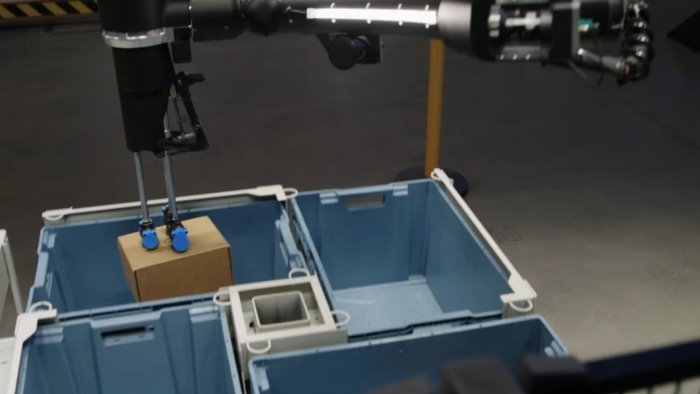
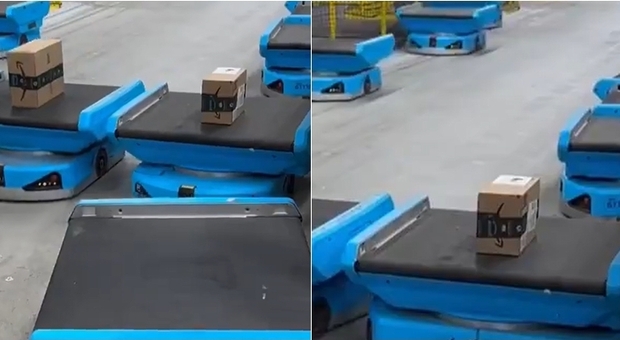
Amazon is accelerating the deployment of AI-driven robots and automation systems in its warehouses, with plans and ongoing actions that could replace up to 500,000 human jobs. This large-scale automation, including systems like Blue Jay, has already led to significant workforce reductions, raising concerns about labor rights and employment impacts.[AI generated]

Why's our monitor labelling this an incident or hazard?

The article explicitly mentions AI-powered robots and AI systems being deployed in Amazon warehouses, indicating AI system involvement. The main concern is the potential replacement of over half a million human jobs with robots, which could plausibly lead to significant labor rights violations and economic harm to workers. However, Amazon denies that such mass layoffs are planned or have occurred, and the article does not report any realized harm but rather discusses possible future impacts. Thus, the event fits the definition of an AI Hazard, as it plausibly could lead to harm but does not describe an actual incident of harm yet.[AI generated]
AI principles
AccountabilityFairnessHuman wellbeingRespect of human rights

Industries
Logistics, wholesale, and retail

Affected stakeholders
Workers

Harm types
Economic/PropertyHuman or fundamental rights

Severity
AI hazard

Business function:
Logistics

AI system task:
Recognition/object detectionGoal-driven organisation


Articles about this incident or hazard

Thumbnail Image

il futuro è inquietante: gli esseri umani saranno inutili - amazon sostituirà mezzo milione di...

2025-10-23
DAGOSPIA
Why's our monitor labelling this an incident or hazard?
The article explicitly mentions AI-powered robots and AI systems being deployed in Amazon warehouses, indicating AI system involvement. The main concern is the potential replacement of over half a million human jobs with robots, which could plausibly lead to significant labor rights violations and economic harm to workers. However, Amazon denies that such mass layoffs are planned or have occurred, and the article does not report any realized harm but rather discusses possible future impacts. Thus, the event fits the definition of an AI Hazard, as it plausibly could lead to harm but does not describe an actual incident of harm yet.
Thumbnail Image

Amazon punta su robot e IA e risponde alle rivelazioni sui tagli: "Creeranno più lavoro"

2025-10-23
La Repubblica.it
Why's our monitor labelling this an incident or hazard?
The article involves an AI system (robotic arms with AI) and discusses its use and planned expansion. However, no actual harm or incident has occurred; the potential for job displacement is mentioned but framed with the company's optimistic response. Since no realized harm or incident is reported, and the main content is about the announcement and future implications, this fits best as Complementary Information providing context on AI deployment and societal responses rather than an AI Incident or Hazard.
Thumbnail Image

"Amazon vuole sostituire 600mila lavoratori con robot"

2025-10-23
Il Fatto Quotidiano
Why's our monitor labelling this an incident or hazard?
The presence of AI systems is clear from the description of advanced robotics and AI agentic systems used in warehouse operations. The event stems from the use and planned expansion of these AI systems. However, no direct or indirect harm has yet materialized; the article mainly discusses potential job displacement and strategic language changes to mask automation effects. This constitutes a plausible future harm scenario related to labor market impacts, fitting the definition of an AI Hazard rather than an AI Incident. The company's denial and emphasis on ongoing hiring further support that harm is not currently realized.
Thumbnail Image

Amazon presenta Blue Jay, il robot multitask che rivoluziona i magazzini

2025-10-23
:: O T T O P A G I N E . I T :: - Ottopagine L'irpinia Nel Suo Quotidiano
Why's our monitor labelling this an incident or hazard?
The event involves AI systems explicitly (Blue Jay robot, virtual assistant, smart glasses) and their use in warehouse automation. However, no direct or indirect harm has occurred yet; the article only speculates on possible future employment impacts without concrete incidents. The AI systems are described as operational and intended to improve efficiency and safety. The social concerns about job losses are potential future harms but not immediate or certain. Hence, the article fits best as Complementary Information, providing context and societal response to AI deployment rather than reporting an incident or hazard.
Thumbnail Image

Amazon intende sostituire mezzo milione di lavoratori con robot

2025-10-23
Il Messaggero
Why's our monitor labelling this an incident or hazard?
The event involves the use of an AI system (Blue Jay) in warehouse automation, which is explicitly described. The article discusses the potential for significant job losses (up to 160,000 positions) due to automation, which is a form of harm to communities and workers. However, these job cuts are projected and have not yet materialized, so the harm is potential rather than realized. Therefore, this situation fits the definition of an AI Hazard, as the AI system's use could plausibly lead to significant harm in the future. There is no indication of current injury, rights violations, or other direct harm, so it is not an AI Incident. The article is not merely complementary information because it focuses on the potential impact of the AI system rather than just updates or responses.
Thumbnail Image

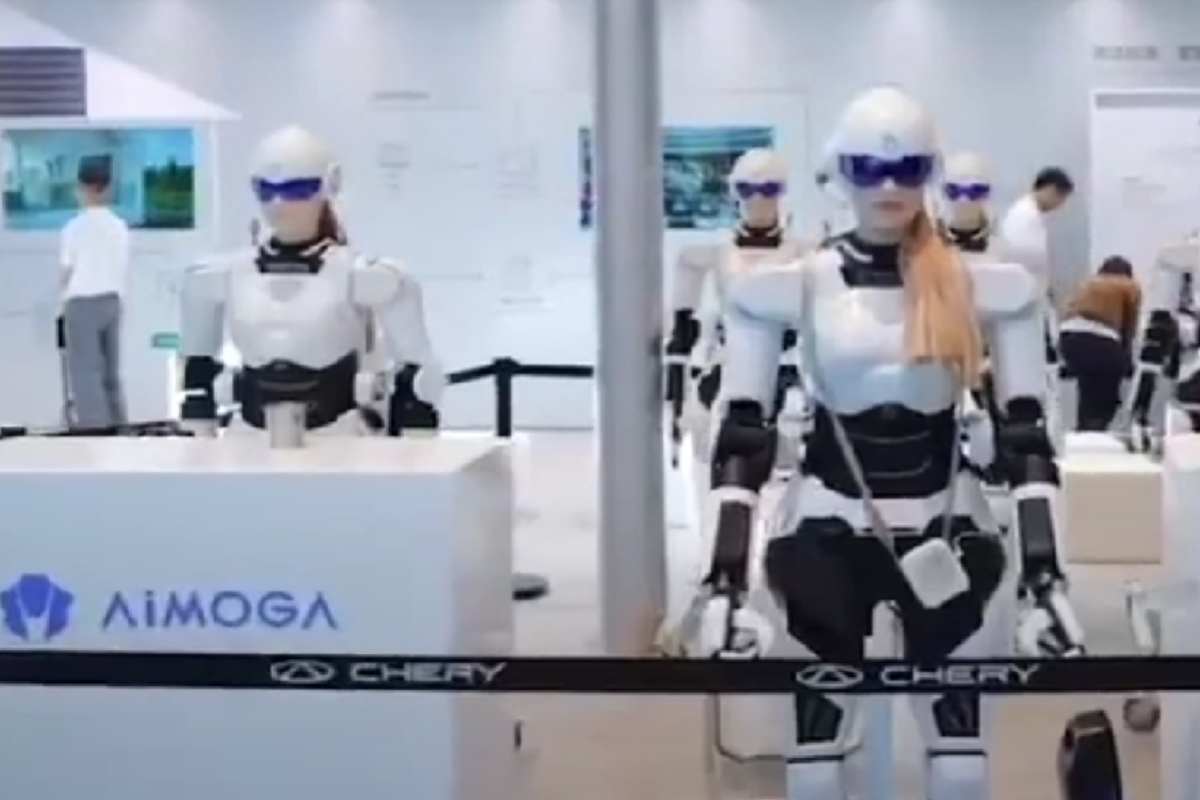
Invasi dai robot umanoidi dalla Cina, Amazon taglia mezzo milione

2025-10-26
Blitz quotidiano
Why's our monitor labelling this an incident or hazard?
The article explicitly mentions AI-powered humanoid robots and AI-driven warehouse automation systems being used or planned for use by Amazon and Chinese companies. The replacement of over 500,000 human jobs by robots is a direct harm to labor rights and employment, fulfilling the criteria for an AI Incident. The harm is realized, not just potential, as the automation is already in place and expanding, with documented reductions in human workforce and plans to further reduce human employment. This is a clear case where AI system use has directly led to significant harm to workers, thus meeting the definition of an AI Incident.
Thumbnail Image

¿Acaba la inteligencia artificial con mi trabajo? - XL Semanal

2025-10-25
Sur
Why's our monitor labelling this an incident or hazard?
The article explicitly describes AI systems (e.g., autonomous robots, AI agents, AI-powered software tools) actively replacing human labor and causing significant workforce reductions, which is a form of harm to people (economic and social harm). The involvement of AI is clear and central, with concrete examples and data supporting the occurrence of harm. The harm is realized, not merely potential, as evidenced by layoffs and labor market changes attributed to AI. Thus, this is an AI Incident rather than a hazard or complementary information.
Thumbnail Image

Cuatro mitos y realidades sobre la seguridad de la IA

2025-10-22
MuyComputerPRO
Why's our monitor labelling this an incident or hazard?
The content does not report any specific event where an AI system caused harm or where harm is plausibly imminent. It does not describe a particular AI incident or hazard but rather addresses general misconceptions and best practices related to AI security. Therefore, it fits the category of Complementary Information as it provides context and understanding about AI security challenges and responses without detailing a new incident or hazard.