
AI-Generated Real Estate Images Mislead Home Buyers in the US

Thumbnail Image

The information displayed in the AIM should not be reported as representing the official views of the OECD or of its member countries.

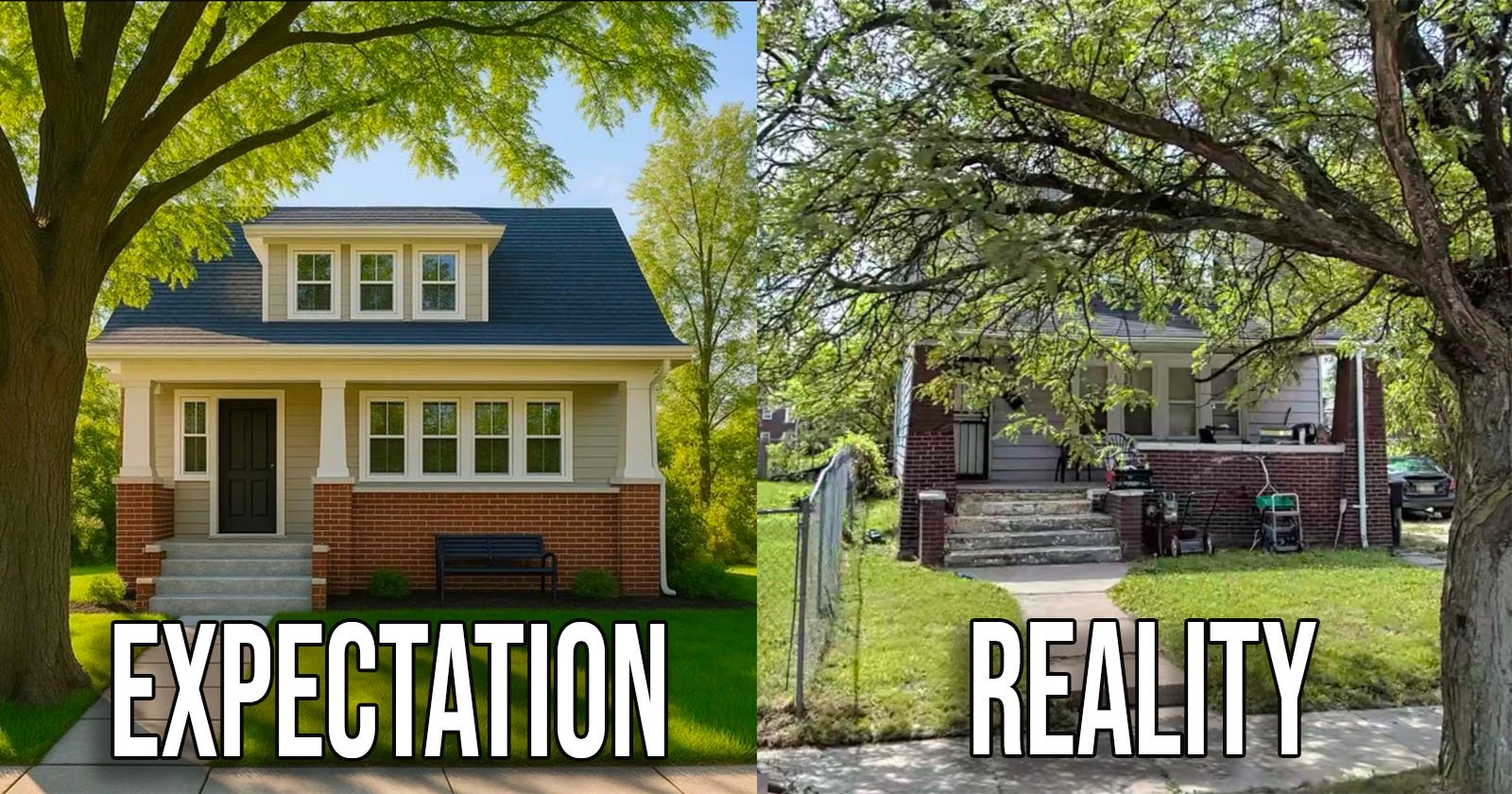
Real estate agents in the US are increasingly using AI-generated images and videos to enhance property listings, often misrepresenting property conditions and features. This has led to buyers being deceived, with some discovering significant discrepancies between listings and reality, raising concerns about transparency, consumer harm, and the need for regulation.[AI generated]

Why's our monitor labelling this an incident or hazard?

The article explicitly mentions AI systems generating virtual tours and images that misrepresent real estate properties, such as adding nonexistent features and altering room sizes. This misrepresentation has caused consumer confusion and potential deception, which constitutes harm to communities and a violation of transparency rights. The harm is realized, not just potential, as consumers have reported encountering these misleading AI-generated listings. Hence, the event meets the criteria for an AI Incident due to the direct involvement of AI systems in causing harm through misleading content.[AI generated]
AI principles
AccountabilityTransparency & explainability

Industries
Real estate

Affected stakeholders
Consumers

Harm types
Economic/Property

Severity
AI incident

Business function:
Marketing and advertisement

AI system task:
Content generation


Articles about this incident or hazard

Thumbnail Image

Real Estate Agents Are Generating 'AI Slop' Videos of Homes Filled with Bizarre Errors

2025-10-27
Breitbart
Why's our monitor labelling this an incident or hazard?
The article explicitly mentions AI systems generating virtual tours and images that misrepresent real estate properties, such as adding nonexistent features and altering room sizes. This misrepresentation has caused consumer confusion and potential deception, which constitutes harm to communities and a violation of transparency rights. The harm is realized, not just potential, as consumers have reported encountering these misleading AI-generated listings. Hence, the event meets the criteria for an AI Incident due to the direct involvement of AI systems in causing harm through misleading content.
Thumbnail Image

Real Estate Agents Are Using AI Images Instead of Actual Photos

2025-10-27
PetaPixel
Why's our monitor labelling this an incident or hazard?
The article explicitly mentions AI-generated images being used in real estate listings to mislead house hunters by showing properties in a better condition or with altered features that do not exist in reality. This use of AI directly leads to harm by deceiving consumers, which can be classified as harm to communities and a violation of legal obligations regarding truthful advertising. The AI system's use in this context is central to the harm, fulfilling the criteria for an AI Incident rather than a hazard or complementary information.
Thumbnail Image

AI images boost real estate marketing but raise buyer concerns: Report - Muvi TV

2025-10-27
Muvi Television Homepage - Latest Local News, Sports News, Business News & Entertainment
Why's our monitor labelling this an incident or hazard?
The article explicitly mentions AI-generated imagery used in real estate listings to enhance property photos, which can conceal defects and mislead buyers. This use of AI directly contributes to harm by undermining transparency and trust, potentially violating ethical and legal obligations. The harm is indirect but real, as buyers may make decisions based on inaccurate representations. Hence, the event meets the criteria for an AI Incident involving violations of rights and harm to communities through misinformation.
Thumbnail Image

AI images boost real estate marketing but raise buyer concerns: Report - Muvi TV

2025-10-27
Muvi Television Homepage - Latest Local News, Sports News, Business News & Entertainment
Why's our monitor labelling this an incident or hazard?
An AI system is involved as AI-generated imagery is used to create property photos. The harm arises from the use of these AI-generated images to misrepresent property conditions, which can mislead buyers and violate ethical and legal standards, thus constituting a violation of rights and harm to communities (buyer trust and market integrity). This harm is realized as buyers have already experienced misleading information. Therefore, this qualifies as an AI Incident due to indirect harm caused by the AI system's use in misrepresentation.
Thumbnail Image

AI images boost real estate marketing but raise buyer concerns: Report

2025-10-27
Straight Arrow News
Why's our monitor labelling this an incident or hazard?
An AI system is explicitly involved as it generates or edits property images to enhance listings. The use of AI in this way can indirectly lead to harm by misleading buyers, which is a violation of ethical standards and could be considered a breach of obligations to protect consumer rights. However, the article does not report actual legal violations or realized harm but highlights concerns and the need for transparency to avoid such outcomes. Therefore, this situation represents a plausible risk of harm due to AI use in real estate marketing, fitting the definition of an AI Hazard rather than an AI Incident. The focus is on potential future harm from misuse or nondisclosure of AI-generated images rather than an incident where harm has already occurred.
Thumbnail Image

Found your dream home on a real estate listing? Make sure it's not AI slop

2025-10-29
Cybernews
Why's our monitor labelling this an incident or hazard?
The event involves the use of generative AI systems to create or modify images in real estate listings, which has directly led to harm by deceiving buyers about property conditions. This constitutes a violation of truthful advertising and can cause financial and emotional harm to individuals, fitting the definition of an AI Incident under violations of applicable law and harm to communities. The article provides concrete examples of harm experienced by consumers and discusses legal and regulatory responses, confirming the realized harm rather than just potential risk.