AI Early Warning System Reduces Hospital Stay and Mortality at Pok Oi Hospital

Thumbnail Image

The information displayed in the AIM should not be reported as representing the official views of the OECD or of its member countries.

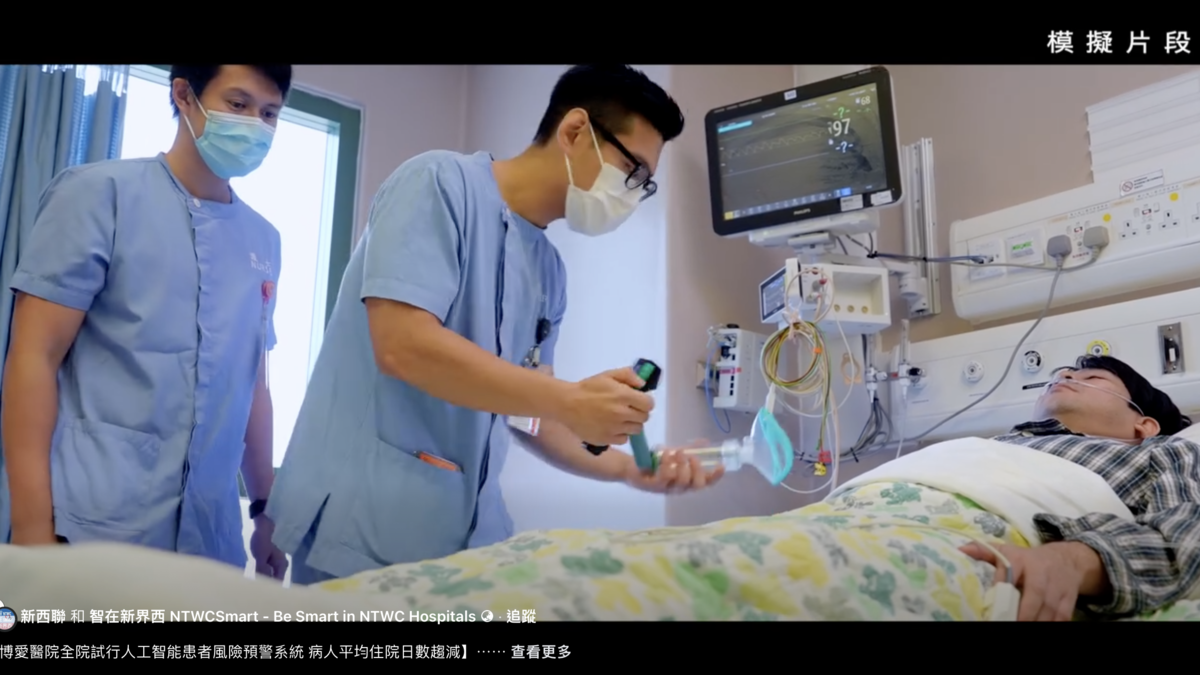
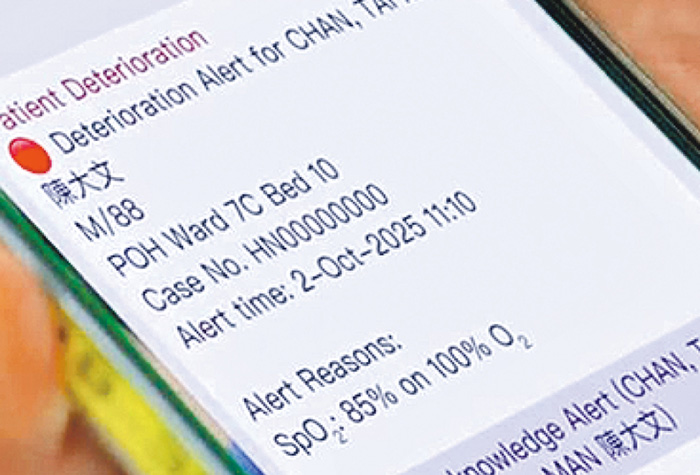
Pok Oi Hospital in Hong Kong implemented an AI-based patient risk early warning system that analyzes clinical data to predict health deterioration. In its first month, the system reduced average hospital stays by 25% and lowered mortality rates by enabling earlier medical intervention. The system will be expanded to other hospitals.[AI generated]

Why's our monitor labelling this an incident or hazard?

An AI system is explicitly involved as it analyzes patient clinical indicators and predicts risk of deterioration. The system's use has directly led to reduced patient harm by enabling earlier medical intervention, lowering mortality and hospital stay. This fits the definition of an AI Incident because the AI system's use has directly led to injury or harm reduction to persons (harm to health). The event reports realized positive health impacts, not just potential risks or general information, so it is an AI Incident rather than a hazard or complementary information.[AI generated]
Industries
Healthcare, drugs, and biotechnology

Severity
AI incident

Business function:
Monitoring and quality control

AI system task:
Forecasting/prediction


Articles about this incident or hazard

Thumbnail Image

【Emily】博愛試AI病情預警 平均住院日減1/4 - 20251030 - 港聞

2025-10-29
明報新聞網 - 每日明報 daily news
Why's our monitor labelling this an incident or hazard?
The article explicitly mentions an AI system used for patient risk prediction and early warning, which is an AI system by definition. The system is actively used and has led to improved outcomes (reduced hospital stay), with no mention of injury, rights violations, or other harms. Therefore, this is not an AI Incident or Hazard. The article provides complementary information about the deployment and positive impact of the AI system, fitting the definition of Complementary Information.
Thumbnail Image

博愛醫院推AI患者風險預警系統 首月平均住院時間減25%

2025-10-29
on.cc東網
Why's our monitor labelling this an incident or hazard?
An AI system is explicitly involved as it analyzes patient clinical indicators and predicts risk of deterioration. The system's use has directly led to reduced patient harm by enabling earlier medical intervention, lowering mortality and hospital stay. This fits the definition of an AI Incident because the AI system's use has directly led to injury or harm reduction to persons (harm to health). The event reports realized positive health impacts, not just potential risks or general information, so it is an AI Incident rather than a hazard or complementary information.
Thumbnail Image

博愛醫院AI預警減患者住院時長 年底推展至其他醫院 - 香港文匯網

2025-10-29
香港文匯網
Why's our monitor labelling this an incident or hazard?
The event involves the use of an AI system (patient risk early warning system) that directly contributes to improved patient health outcomes by predicting deterioration and enabling timely intervention. This use of AI has led to realized harm reduction (less deterioration, fewer deaths) and improved healthcare efficiency, which qualifies as an AI Incident under the definition of harm to health of persons. The article reports actual deployment and positive impact, not just potential or planned use, so it is not a hazard or complementary information but an AI Incident.
Thumbnail Image

智慧病房|博愛醫院試行AI患者風險預警系統 首月病人平均住院日數按年減25%

2025-10-29
香港經濟日報HKET
Why's our monitor labelling this an incident or hazard?
An AI system is explicitly involved, as it analyzes patient data to predict health deterioration risks. The system's use directly contributes to reducing harm by enabling earlier intervention, which prevents injury or health deterioration of patients. Since the AI system's use has led to realized health benefits and harm prevention, this qualifies as an AI Incident under the definition of harm to health of persons resulting from the use of an AI system.