Tesla Cybercab Faces Regulatory Hurdles in Fully Autonomous Deployment

Thumbnail Image

The information displayed in the AIM should not be reported as representing the official views of the OECD or of its member countries.

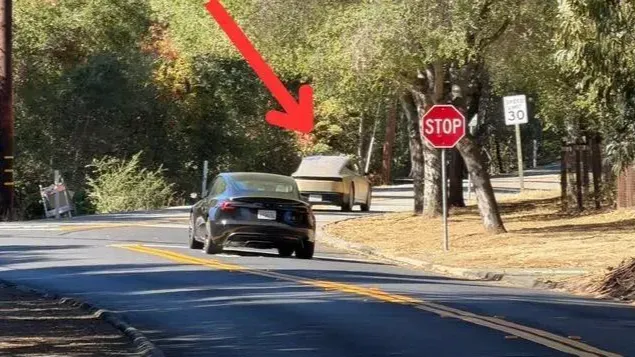
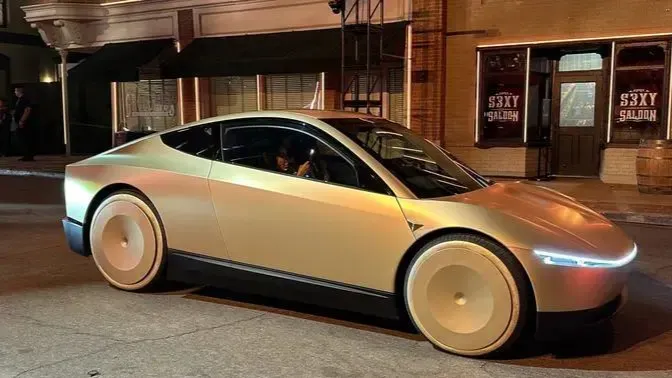
Tesla's Cybercab, designed for fully autonomous driving without a steering wheel or pedals, has begun public road testing in California with safety measures in place. Regulatory requirements may force Tesla to add manual controls, posing a significant obstacle to its original AI-driven, driverless vision.[AI generated]

Why's our monitor labelling this an incident or hazard?

The Cybercab is an AI system designed for fully autonomous driving (Level 5 autonomy). The article focuses on regulatory obstacles that could prevent the vehicle from operating as designed, which is a plausible future harm scenario (an AI Hazard) because the inability to deploy the system as intended could impact safety, innovation, or market availability. There is no indication of any realized harm or malfunction caused by the AI system, so it does not qualify as an AI Incident. The article is not merely general AI news or a product launch without risk, so it is not Unrelated. It is also not a complementary information piece about responses to a past incident. Therefore, the classification is AI Hazard.[AI generated]
AI principles
SafetyAccountabilityDemocracy & human autonomy

Industries
Mobility and autonomous vehicles

Severity
AI hazard

Business function:
Research and development

AI system task:
Recognition/object detectionEvent/anomaly detectionForecasting/predictionGoal-driven organisationReasoning with knowledge structures/planning


Articles about this incident or hazard

Thumbnail Image

装了后视镜坐上司机 特斯拉Cybercab自动驾驶出租车首次公开测试

2025-10-30
驱动之家
Why's our monitor labelling this an incident or hazard?
The Cybercab is an AI system designed for autonomous driving and passenger transport. The event describes its use in a public road test with safety measures (driver and mirrors) in place, but no harm or incident is reported. The article focuses on the development progress and regulatory compliance rather than any harm or risk realized or imminent. Therefore, this is a development update without direct or plausible harm occurring or imminent, fitting the category of Complementary Information.
Thumbnail Image

特斯拉Cybercab或被迫放弃无方向盘和踏板设计,监管成最大障碍

2025-10-29
凤凰网(凤凰新媒体)
Why's our monitor labelling this an incident or hazard?
The Cybercab is an AI system designed for fully autonomous driving (Level 5 autonomy). The article focuses on regulatory obstacles that could prevent the vehicle from operating as designed, which is a plausible future harm scenario (an AI Hazard) because the inability to deploy the system as intended could impact safety, innovation, or market availability. There is no indication of any realized harm or malfunction caused by the AI system, so it does not qualify as an AI Incident. The article is not merely general AI news or a product launch without risk, so it is not Unrelated. It is also not a complementary information piece about responses to a past incident. Therefore, the classification is AI Hazard.
Thumbnail Image

特斯拉Cybercab首次在公共道路上进行测试,有驾驶员和外后视镜

2025-10-30
凤凰网(凤凰新媒体)
Why's our monitor labelling this an incident or hazard?
The event involves an AI system (Tesla's FSD autonomous driving software) in development and testing use. However, there is no indication of any harm or malfunction causing injury, rights violations, or other damage. The article describes ongoing development and cautious testing, with future plans for full autonomy. This constitutes a plausible future risk scenario but no realized harm or incident. Therefore, it fits the definition of an AI Hazard, as the autonomous system could plausibly lead to harm in the future if not properly developed and certified, but no incident has occurred yet.
Thumbnail Image

装了后视镜坐上司机 特斯拉Cybercab自动驾驶出租车首次公开测试

2025-10-30
证券之星
Why's our monitor labelling this an incident or hazard?
The Tesla Cybercab is an AI system (autonomous vehicle) being tested on public roads. However, the article does not describe any harm caused or any malfunction leading to harm. The presence of a human driver and mirrors indicates precautionary measures to ensure safety during testing. Since no harm has occurred and no plausible immediate harm is described, this event is best classified as Complementary Information, providing context on AI system development and deployment progress without constituting an incident or hazard.
Thumbnail Image

特斯拉Cybercab或放弃无方向盘设计,监管成障碍

2025-10-29
k.sina.com.cn
Why's our monitor labelling this an incident or hazard?
The Cybercab's fully autonomous driving system qualifies as an AI system. The regulatory obstacles preventing the deployment of a vehicle without manual controls indicate a plausible future harm or risk related to safety and operational concerns. However, since no harm or malfunction has occurred, and the event focuses on potential regulatory barriers rather than an actual incident, this is best classified as an AI Hazard.
Thumbnail Image

特斯拉董事会主席:如果监管要求,公司将重新设计Cybercab。 如果监管要求,特斯拉将增配方向盘

2025-10-29
新浪财经
Why's our monitor labelling this an incident or hazard?
The Cybercab is an autonomous vehicle, which involves AI systems for navigation and control. The mention of redesigning it and adding a steering wheel in response to regulatory requirements suggests a plausible future risk or hazard related to the AI system's operation and safety compliance. However, there is no indication that any harm has occurred yet, only a potential regulatory-driven redesign. Therefore, this event is best classified as an AI Hazard, reflecting plausible future harm or regulatory concerns about the AI system's deployment.
Thumbnail Image

特斯拉 Cybercab 或因监管压力被迫保留方向盘和踏板

2025-10-30
k.sina.com.cn
Why's our monitor labelling this an incident or hazard?
The Cybercab is explicitly described as relying on a Level 5 fully autonomous driving AI system intended to operate without human controls. The regulatory pressure to retain steering wheels and pedals is a direct response to safety and legal concerns about the AI system's deployment. Although no harm has yet occurred, the regulatory constraints represent a plausible future risk to the AI system's intended use and deployment. Therefore, this situation constitutes an AI Hazard, as the AI system's development and use could plausibly lead to incidents if regulatory compliance is not met or if the system is deployed prematurely.
Thumbnail Image

特斯拉Cybercab首现公共道路测试 全自动驾驶进入关键验证阶段

2025-10-30
ebike.zol.com.cn
Why's our monitor labelling this an incident or hazard?
The event involves an AI system (Tesla's full self-driving software) being tested on public roads, which is a significant development in AI deployment. However, there is no indication of any realized harm, malfunction, or violation of rights resulting from this testing. The article focuses on the progress and cautious approach Tesla is taking to ensure safety and regulatory compliance. Therefore, this is not an AI Incident or AI Hazard but rather Complementary Information that provides context and updates on AI system development and testing.
Thumbnail Image

【中证快报】10月30日中证投资资讯 | 商业化在即 特斯拉无人驾驶出租车亚太首秀

2025-10-30
东方财富网
Why's our monitor labelling this an incident or hazard?
The event involves an AI system (Tesla's fully autonomous Cybercab taxi) and discusses its imminent commercial launch and broader market implications. However, there is no indication of any harm, malfunction, or misuse resulting from the AI system at this stage. The article mainly provides contextual and forward-looking information about the AI system and the autonomous driving industry. Therefore, it qualifies as Complementary Information, as it enhances understanding of AI developments and their ecosystem without reporting an AI Incident or AI Hazard.
Thumbnail Image

特斯拉Cybercab将亮相第八届进博会 开启亚太首秀

2025-10-30
China Finance Online
Why's our monitor labelling this an incident or hazard?
The Cybercab is an AI system as it uses Tesla's FSD autonomous driving technology. Although no incident or harm has occurred yet, the article highlights the vehicle's design without manual controls, which could plausibly lead to safety incidents or regulatory issues once deployed. This potential for future harm from the AI system's use qualifies the event as an AI Hazard rather than an Incident or Complementary Information.
Thumbnail Image

特斯拉Cybercab首现公共道路测试,无方向盘设计或妥协

2025-10-30
ebike.zol.com.cn
Why's our monitor labelling this an incident or hazard?
The Cybercab is an AI system as it relies on autonomous driving technology to operate without human input for navigation and control. The event involves the use of this AI system in a real-world environment, which is a direct use of AI. However, there is no indication that any harm (such as injury, rights violations, or property damage) has occurred or that the AI system malfunctioned. The event is about testing and development, with potential future risks implied but not realized. Therefore, it does not qualify as an AI Incident or AI Hazard. Instead, it provides complementary information about the progress and challenges in deploying an AI system in public roads, including regulatory and safety considerations.
Thumbnail Image

装了后视镜坐上司机 特斯拉Cybercab自动驾驶出租车首次公开测试 - cnBeta.COM 移动版

2025-10-30
cnBeta.COM
Why's our monitor labelling this an incident or hazard?
The Cybercab is an AI system designed for autonomous driving. The event describes its use in a real-world environment with safety measures in place, but there is no mention of any harm or malfunction occurring. The testing on public roads is a development step that could plausibly lead to future AI incidents if issues arise, but currently, no harm or incident is reported. Therefore, this event represents an AI Hazard, as the AI system's use could plausibly lead to harm in the future, but no harm has yet occurred.