AI Adoption Leads to Significant Youth Job Losses in South Korea

Thumbnail Image

The information displayed in the AIM should not be reported as representing the official views of the OECD or of its member countries.

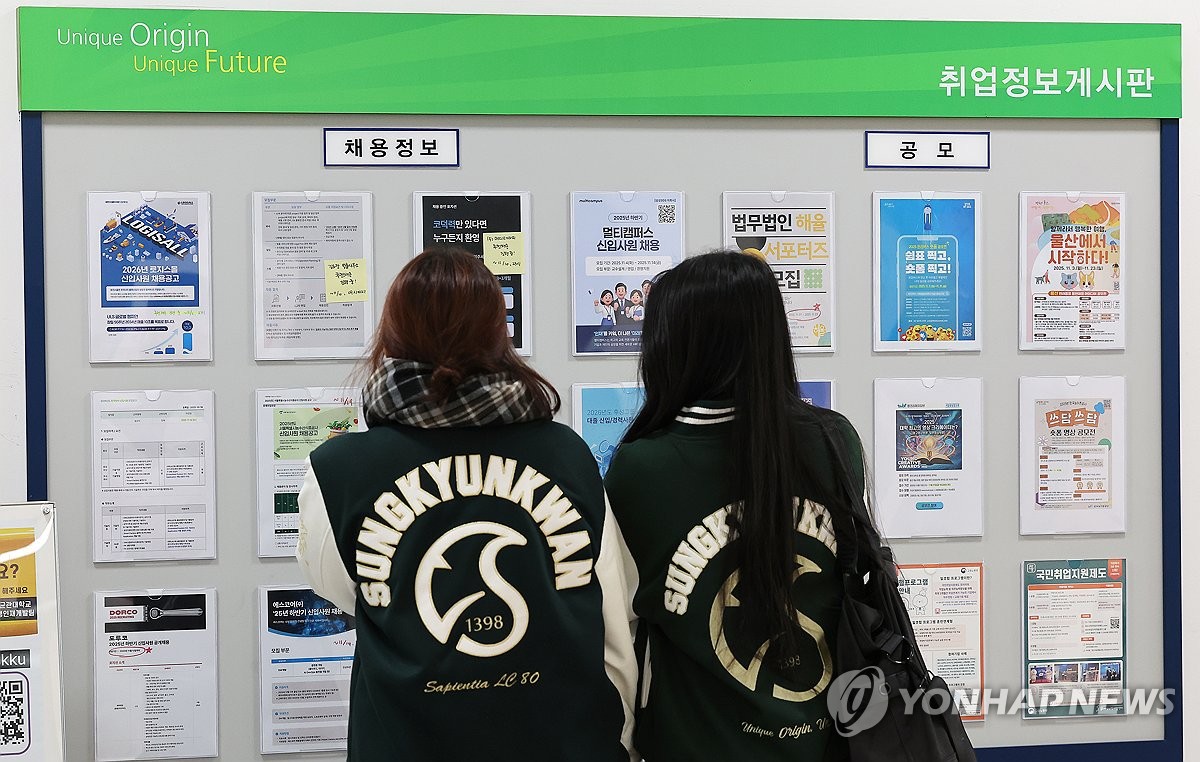
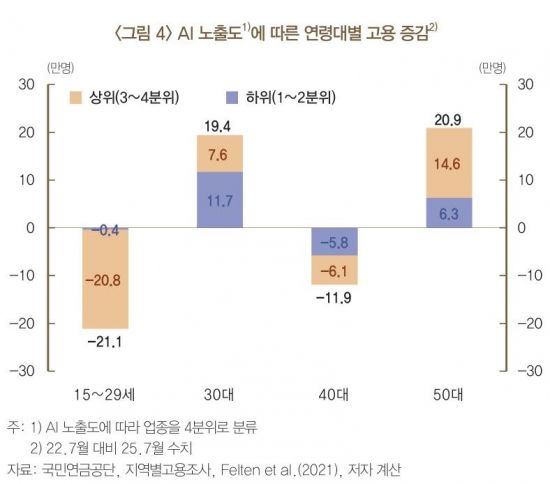
A series of reports from the Bank of Korea reveal that the spread of AI, particularly generative AI like ChatGPT, has led to a loss of over 210,000 jobs among South Korean youth (ages 15–29) in AI-exposed sectors over three years, while employment for workers over 50 increased, highlighting generational labor market disruption.[AI generated]

Why's our monitor labelling this an incident or hazard?

The event involves the use of generative AI systems (ChatGPT) that have directly influenced labor market outcomes, causing a significant reduction in youth employment in AI-exposed sectors. This constitutes an indirect violation of labor rights and harm to a group of people (youth workers) due to AI's impact on employment opportunities. Therefore, this qualifies as an AI Incident under the framework because the AI system's use has directly or indirectly led to harm (labor market disruption and employment loss).[AI generated]
AI principles
AccountabilityFairnessHuman wellbeing

Industries
Business processes and support services

Affected stakeholders
Workers

Harm types
Economic/Property

Severity
AI incident

AI system task:
Content generation


Articles about this incident or hazard

Thumbnail Image

"가뜩이나 취직 어려운데"...청년 일자리 가로챈 챗GPT- 매경ECONOMY

2025-10-30
mk.co.kr
Why's our monitor labelling this an incident or hazard?
The event involves the use of generative AI systems (ChatGPT) that have directly influenced labor market outcomes, causing a significant reduction in youth employment in AI-exposed sectors. This constitutes an indirect violation of labor rights and harm to a group of people (youth workers) due to AI's impact on employment opportunities. Therefore, this qualifies as an AI Incident under the framework because the AI system's use has directly or indirectly led to harm (labor market disruption and employment loss).
Thumbnail Image

AI 확산, 청년층에 더 큰 타격...3년간 일자리 20만개 사라졌다

2025-10-30
아시아경제
Why's our monitor labelling this an incident or hazard?
The article clearly involves AI systems as it discusses AI technology adoption and its impact on employment, particularly in AI-exposed jobs. The harm is economic and social (job loss), which fits within the scope of harm to communities. However, the article does not describe a specific event where an AI system's development, use, or malfunction directly or indirectly caused harm in a discrete incident. Instead, it reports on aggregate labor market trends and research findings. There is no indication of a malfunction, misuse, or a specific AI system causing harm, nor is there a plausible future harm scenario beyond the ongoing trend. Thus, it does not meet the criteria for AI Incident or AI Hazard but fits the definition of Complementary Information as it provides important context and analysis on AI's societal effects.
Thumbnail Image

"AI, 신입·주니어 업무 대체해 청년 고용 감소"

2025-10-30
경향신문
Why's our monitor labelling this an incident or hazard?
The article explicitly discusses how AI systems, specifically generative AI like ChatGPT, have replaced tasks in programming, publishing, and other sectors, leading to a measurable decrease in youth employment. This is a direct consequence of AI use in the labor market, causing harm to the economic rights and opportunities of young workers, which fits the definition of an AI Incident under violations of labor rights and harm to communities. The harm is realized and documented with data, not merely potential, so it is not an AI Hazard. It is not merely complementary information because the main focus is on the harm caused by AI use, not on responses or broader ecosystem context. Hence, the classification is AI Incident.
Thumbnail Image

AI 많이 쓰는 업종, 청년 고용 크게 줄었다

2025-10-30
경향신문
Why's our monitor labelling this an incident or hazard?
The article explicitly links the deployment and use of AI systems (e.g., ChatGPT and other generative AI) to a substantial decrease in youth employment in sectors with high AI exposure, indicating direct economic and social harm. The harm is realized, not just potential, as evidenced by the reported job losses. This fits the definition of an AI Incident because the AI system's use has directly led to harm to communities and individuals (economic harm and employment disruption).
Thumbnail Image

챗GPT 바람에 일자리 잃은 건, 결국 청년..."줄어든 일자리 대부분 AI 고노출 업종" | 한국일보

2025-10-30
한국일보
Why's our monitor labelling this an incident or hazard?
The event involves the use of AI systems (generative AI like ChatGPT) leading to a direct impact on employment, a form of economic and social harm affecting a group of people (youth). The reduction of jobs in AI-exposed sectors due to AI replacing routine tasks constitutes harm to communities and individuals' livelihoods. Therefore, this qualifies as an AI Incident because the AI system's use has directly led to harm (employment loss) to a specific demographic group.
Thumbnail Image

한은 "AI확산, 청년 일자리 21만개 증발...시니어 고용은 증가"

2025-10-30
이투데이
Why's our monitor labelling this an incident or hazard?
The article involves AI in the context of its economic and labor market impact but does not describe a concrete AI Incident or AI Hazard event. It is an analytical report on AI's societal effects and includes recommendations for government, companies, and individuals. There is no direct or indirect harm event caused by an AI system described, nor a plausible immediate hazard event. Therefore, it fits best as Complementary Information, providing context and understanding of AI's broader societal implications rather than reporting a specific incident or hazard.
Thumbnail Image

챗GPT가 삼킨 청년 채용...50대 고용 오히려 증가

2025-10-30
서울경제
Why's our monitor labelling this an incident or hazard?
The article involves AI systems (e.g., ChatGPT) and their use leading to significant labor market changes, which can be considered indirect harm to youth employment. However, the report is a research study summarizing observed trends rather than describing a specific event where AI use directly or indirectly caused harm in a discrete incident. There is no immediate or specific injury, violation, or disruption described, nor a plausible future harm event. The focus is on analysis and understanding of AI's societal impact, fitting the definition of Complementary Information.
Thumbnail Image

챗GPT발 고용 재편...청년 일자리 21만개 줄 때 50대 채용은 되레 늘어 | 중앙일보

2025-10-30
중앙일보
Why's our monitor labelling this an incident or hazard?
The article explicitly links AI adoption (including ChatGPT) to significant changes in employment patterns, with youth job losses and older worker job gains. This constitutes a violation or impact on labor rights and employment opportunities, which fits the definition of an AI Incident under violations of labor rights. The AI system's use has directly or indirectly led to these harms in employment. Therefore, this event qualifies as an AI Incident.
Thumbnail Image

AI 확산에 청년 일자리 21만개 감소...50대 고용은 되려 늘어난 이유

2025-11-01
이투데이
Why's our monitor labelling this an incident or hazard?
The article involves AI systems implicitly as it discusses AI diffusion and its impact on employment, which is a societal effect of AI use. However, it does not describe a specific AI system causing direct or indirect harm, nor does it report a plausible future harm event or hazard. The focus is on analysis and interpretation of labor market data and policy implications, which fits the definition of Complementary Information. There is no direct or indirect AI incident or hazard described, only broader contextual information about AI's economic and social impact.
Thumbnail Image

챗GPT 월 3만원 vs 신입 인건비 월 300만원... "AI, 청년 고용에 직격탄

2025-11-02
Chosun.com
Why's our monitor labelling this an incident or hazard?
The article clearly involves AI systems (generative AI like ChatGPT) used to replace human labor, leading to significant employment reductions among youth, which is a harm to labor rights and economic well-being. However, it does not describe a specific event or malfunction causing direct harm but rather a broader trend and risk of harm due to AI adoption. This aligns with the definition of an AI Hazard, where AI use could plausibly lead to harm (employment loss and economic disruption). It is not complementary information because it is not an update or response to a past incident, nor is it unrelated as it directly concerns AI's impact on employment. Hence, AI Hazard is the appropriate classification.
Thumbnail Image

고용률 하락 실업률 상승...AI·정년연장까지 겹쳐 벼랑 끝 청년 | 연합뉴스

2025-11-15
연합뉴스
Why's our monitor labelling this an incident or hazard?
The article explicitly links the expansion of AI technologies to a substantial reduction in youth employment, with data showing job losses in AI-exposed industries. This constitutes harm to communities and individuals through economic hardship and increased unemployment, which fits the definition of an AI Incident where AI use has directly led to harm. The harm is realized and ongoing, not merely potential, thus classifying this as an AI Incident rather than a hazard or complementary information.