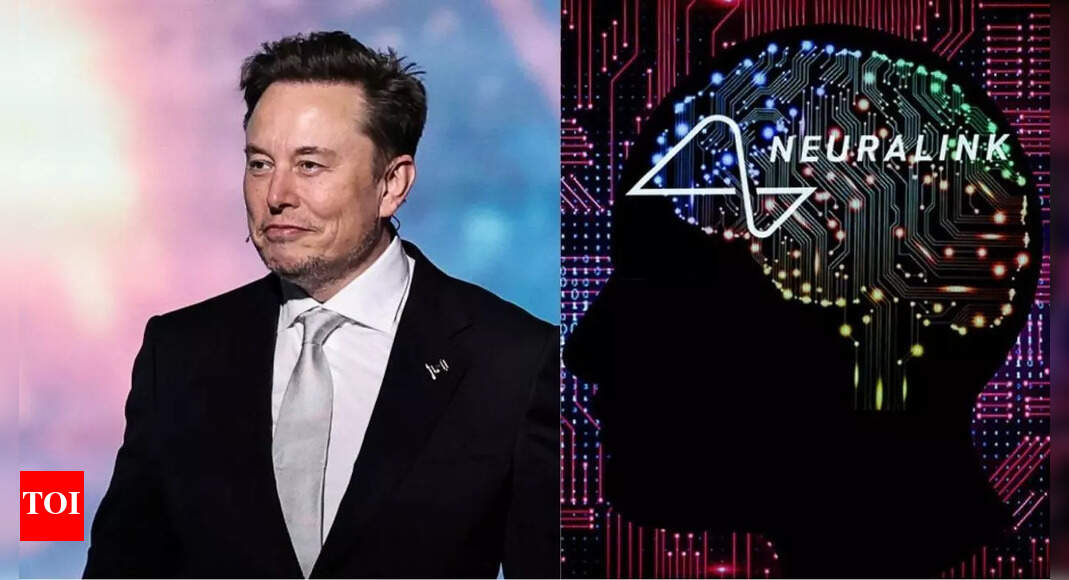
Elon Musk Predicts Neuralink AI Brain Implant Will Replace Smartphones by 2030

Thumbnail Image

The information displayed in the AIM should not be reported as representing the official views of the OECD or of its member countries.

Elon Musk announced that Neuralink's AI-enabled brain-computer interface, currently in early human trials, could make smartphones obsolete by 2030. The implant allows users to control devices with their thoughts, raising future concerns about privacy, safety, and ethical risks as human-AI integration advances.[AI generated]

Why's our monitor labelling this an incident or hazard?

The article describes an AI system (Neuralink's BCI) currently under development and in early human trials, with potential future applications that could significantly change human-AI interaction. Although there are warnings about possible risks, no realized harm or incident is reported. Therefore, this event fits the definition of an AI Hazard, as the development and use of this AI system could plausibly lead to harms such as privacy violations or ethical concerns in the future.[AI generated]

AI principles
Privacy & data governanceSafetyRespect of human rightsTransparency & explainabilityDemocracy & human autonomyRobustness & digital securityAccountability

Industries
Healthcare, drugs, and biotechnology

Harm types
Human or fundamental rightsPhysical (injury)

Severity
AI hazard

Business function:
Research and development

AI system task:
Other


Articles about this incident or hazard

Thumbnail Image

Elon Musk makes 'Big' Neuralink prediction: Recipients can ultimately beat all humans at... - The Times of India

2025-11-01
The Times of India
Why's our monitor labelling this an incident or hazard?
The article centers on Neuralink's brain implant technology, which involves AI systems for brain-computer interfacing. While it highlights significant advancements and potential future capabilities, it does not describe any event where the AI system has caused harm or could plausibly lead to harm. The content is informative about the technology's progress and regulatory status but does not report any incident, hazard, or governance response related to AI harms. Therefore, it fits best as Complementary Information, providing context and updates on AI system development and use without indicating harm or risk.
Thumbnail Image

Neuralink's first patient could receive an upgrade: Elon Musk

2025-11-01
TESLARATI
Why's our monitor labelling this an incident or hazard?
Neuralink is an AI-enabled brain-computer interface system that interprets neural signals to generate outputs influencing virtual environments (e.g., gaming, communication). The article focuses on the positive impact and potential future improvements of the system for the patient. There is no report or implication of injury, rights violations, disruption, or other harms caused by the AI system. Therefore, this event does not meet the criteria for an AI Incident or AI Hazard. It is best classified as Complementary Information as it provides an update on the use and development of an AI system and its societal implications without describing any harm or plausible harm.
Thumbnail Image

Musk Says AI Brain Implant Will Replace Smartphones By 2030

2025-11-03
Eurasia Review
Why's our monitor labelling this an incident or hazard?
The article describes an AI system (Neuralink's BCI) currently under development and in early human trials, with potential future applications that could significantly change human-AI interaction. Although there are warnings about possible risks, no realized harm or incident is reported. Therefore, this event fits the definition of an AI Hazard, as the development and use of this AI system could plausibly lead to harms such as privacy violations or ethical concerns in the future.
Thumbnail Image

Musk says AI brain implant will replace smartphones by 2030 | Al Bawaba

2025-11-02
البوابة
Why's our monitor labelling this an incident or hazard?
The article describes an AI system (Neuralink's BCI) in active development and early human trials, involving AI-enabled brain implants that allow control of devices by thought. Although no harm has occurred, the article highlights plausible future risks including safety, ethical, privacy, and regulatory concerns. These potential risks fit the definition of an AI Hazard, as the development and use of the AI system could plausibly lead to harms such as privacy violations or health issues. Since no actual harm or incident is reported, it is not an AI Incident. The article is not merely complementary information because it focuses on the potential risks and future impact rather than just updates or responses. Therefore, the classification is AI Hazard.