OpenAI's Atlas AI Browser Bypasses Paywalls and Raises Data Security Concerns

Thumbnail Image

The information displayed in the AIM should not be reported as representing the official views of the OECD or of its member countries.

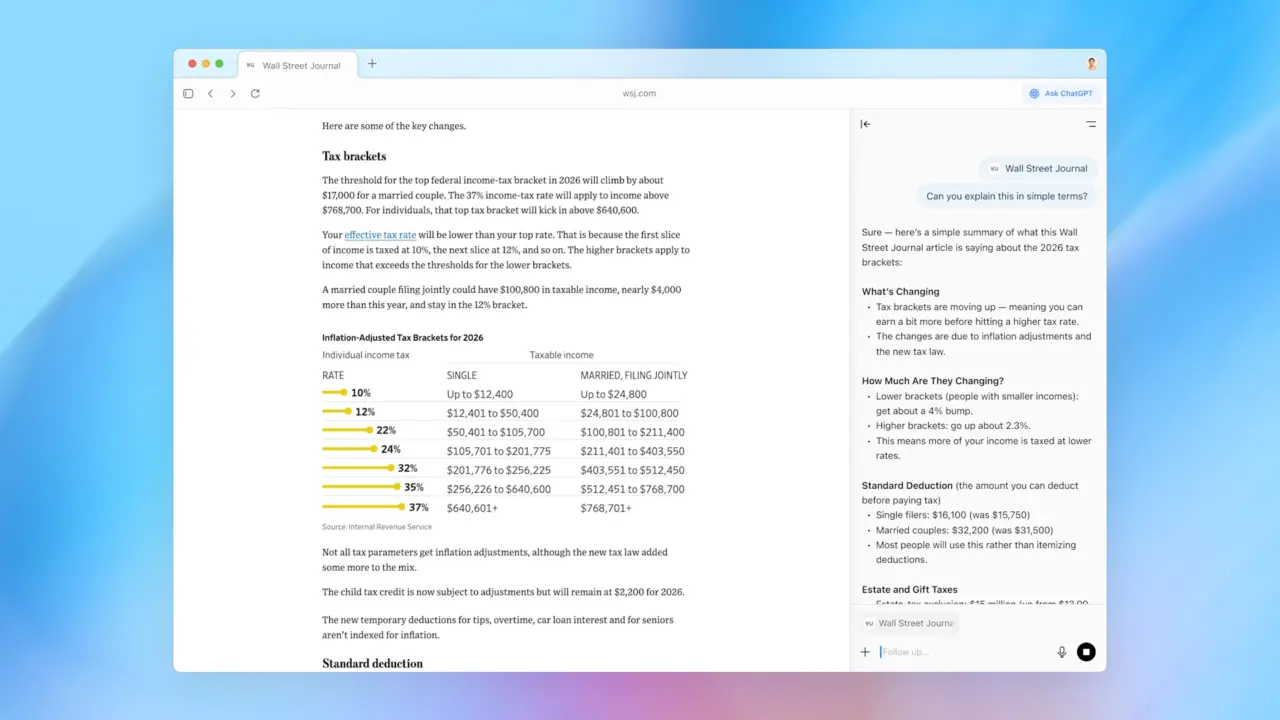
OpenAI's ChatGPT Atlas browser, featuring an AI assistant, can bypass publisher paywalls and access or summarize protected content, undermining media revenue and intellectual property rights. Additionally, security experts warn of vulnerabilities that could expose user data, raising significant privacy and data breach risks for users and publishers alike.[AI generated]

Why's our monitor labelling this an incident or hazard?

The AI systems (AI browsers) are used to access paywalled content without paying, which directly infringes on publishers' intellectual property rights. This is a clear violation of legal protections for copyrighted content, fulfilling the criteria for an AI Incident under the definition of violations of human rights or breach of obligations under applicable law intended to protect intellectual property rights. The harm is realized as the AI browsers are currently able to retrieve paywalled content, causing harm to publishers' revenue and rights.[AI generated]

AI principles
AccountabilityPrivacy & data governanceRespect of human rightsRobustness & digital security

Industries
Media, social platforms, and marketing

Affected stakeholders
ConsumersBusiness

Harm types
Economic/PropertyHuman or fundamental rights

Severity
AI incident

AI system task:
Content generation


Articles about this incident or hazard

Thumbnail Image

Some AI browsers can bypass publisher paywalls, report says

2025-11-03
Mashable SEA
Why's our monitor labelling this an incident or hazard?
The AI systems (AI browsers) are used to access paywalled content without paying, which directly infringes on publishers' intellectual property rights. This is a clear violation of legal protections for copyrighted content, fulfilling the criteria for an AI Incident under the definition of violations of human rights or breach of obligations under applicable law intended to protect intellectual property rights. The harm is realized as the AI browsers are currently able to retrieve paywalled content, causing harm to publishers' revenue and rights.
Thumbnail Image

OpenAI's Browser Avoids Large Part of the Web Like the Plague

2025-11-03
Futurism
Why's our monitor labelling this an incident or hazard?
The AI system (OpenAI's browser agent) is explicitly involved in accessing and reconstructing content from media companies that are suing OpenAI for copyright infringement, bypassing paywalls and crawler blockers. This unauthorized use of copyrighted content is a breach of intellectual property rights, a recognized harm under the AI Incident definition. Since the harm is occurring (unauthorized access and repurposing of content), this qualifies as an AI Incident rather than a hazard or complementary information. The article details realized harm caused by the AI system's use, not just potential or future risks.
Thumbnail Image

ChatGPT's Browser Caught Avoiding Websites Suing OpenAI: Coincidence or Strategy?

2025-11-03
Analytics Insight
Why's our monitor labelling this an incident or hazard?
The event involves an AI system (Atlas browser with ChatGPT) that selectively accesses web content, which could influence information availability and user experience. While this selective access raises ethical concerns and potential bias, the article does not report any realized harm or incidents resulting from this behavior. Therefore, it fits the definition of an AI Hazard, as the selective browsing could plausibly lead to harms such as information control or bias, but no harm has yet occurred or been documented.
Thumbnail Image

Atlas AI browser: Are you safe, can AI browsers breach data?

2025-11-03
DATAQUEST
Why's our monitor labelling this an incident or hazard?
The Atlas AI browser is an AI system as it uses an AI agent to autonomously navigate and act on the web on behalf of the user. The article details how prompt-injection vulnerabilities and the AI's ability to act across tabs can lead to unauthorized data access and actions, constituting direct harm to users' data privacy and security (harm to property and potentially harm to individuals). The risks are realized or highly plausible given the described vulnerabilities and potential for malicious exploitation. Therefore, this event qualifies as an AI Incident because the AI system's use and malfunction have directly or indirectly led to significant harms related to data breaches and abuse of automation privileges.
Thumbnail Image

OpenAI's Atlas Browser Bypasses Paywalls, Inciting a New Clash with Publishers - WinBuzzer

2025-11-03
WinBuzzer
Why's our monitor labelling this an incident or hazard?
The article explicitly involves an AI system (OpenAI's ChatGPT Atlas browser) that uses AI capabilities to bypass paywalls and access or summarize protected content. This use directly harms publishers by undermining their subscription revenue and intellectual property rights. The harm is realized and ongoing, not merely potential, as evidenced by lawsuits and market impacts. Hence, the event meets the criteria for an AI Incident due to direct involvement of AI in causing harm to property (publisher content) and communities (media ecosystem).
Thumbnail Image

ChatGPT Atlas Surfaces Privacy Debate: How OpenAI's New Browser Handles Your Data - IT Security News

2025-11-03
IT Security News - cybersecurity, infosecurity news
Why's our monitor labelling this an incident or hazard?
The event involves an AI system (ChatGPT Atlas browser with AI assistant and memory features) and raises concerns about privacy risks due to data collection and retention. However, there is no indication that any harm has yet occurred or that a specific incident involving harm has taken place. The article focuses on the potential risks and the privacy debate rather than a concrete AI Incident or a near-miss AI Hazard. Therefore, this is best classified as Complementary Information, as it provides context and discussion about AI system impacts and societal concerns without reporting a new incident or hazard.
Thumbnail Image

AI browsers can bypass media paywalls, study finds

2025-11-04
Cybernews
Why's our monitor labelling this an incident or hazard?
The AI browsers (Atlas and Comet) are AI systems capable of autonomous browsing and content retrieval. Their ability to bypass paywalls leads to unauthorized access to copyrighted content, constituting a violation of intellectual property rights and causing economic harm to publishers. This harm is realized and ongoing, as evidenced by reduced referral traffic and lawsuits. Hence, this qualifies as an AI Incident due to direct harm caused by the AI systems' use.