Samsung Galaxy Watch AI Stress Detection Malfunctions After Update

Thumbnail Image

The information displayed in the AIM should not be reported as representing the official views of the OECD or of its member countries.

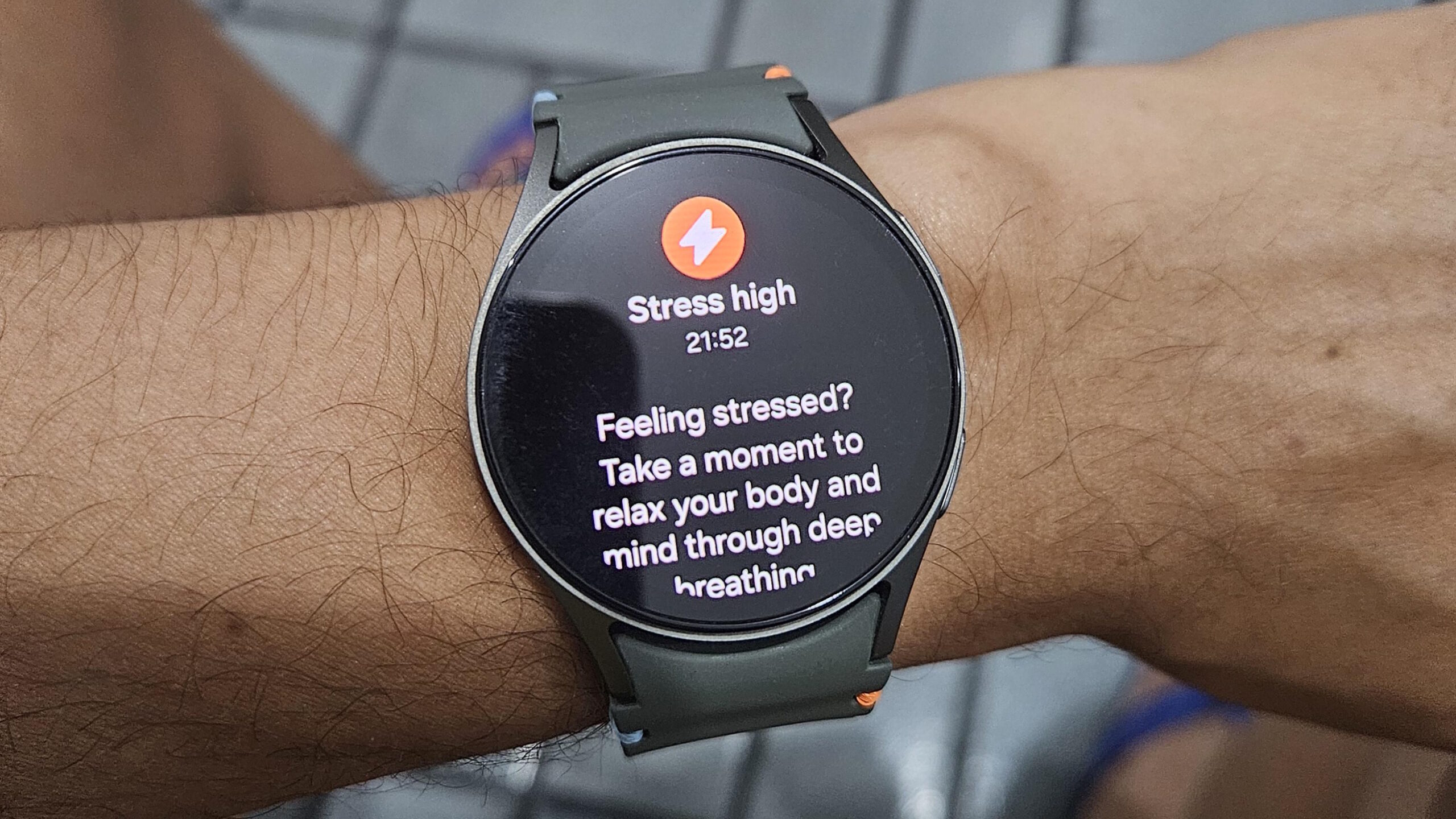
Following the One UI 8 Watch update, Samsung Galaxy Watch users report frequent false high-stress alerts, even during calm moments. The malfunction in the AI-driven stress detection algorithm has led to misleading health notifications and potential psychological distress, highlighting risks in wearable AI health features.[AI generated]

Why's our monitor labelling this an incident or hazard?

The Galaxy Watch uses an AI system to infer stress from physiological data. The update likely altered the detection algorithm or thresholds, causing false positive stress alerts. This malfunction leads to psychological harm (stress or anxiety) due to incorrect warnings, which fits the definition of an AI Incident as it causes harm to health indirectly through erroneous AI outputs. The event involves the use and malfunction of an AI system and reports realized harm (false stress warnings causing user discomfort).[AI generated]
AI principles
Robustness & digital securitySafetyTransparency & explainabilityAccountabilityHuman wellbeing

Industries
Healthcare, drugs, and biotechnologyConsumer products

Affected stakeholders
Consumers

Harm types
Psychological

Severity
AI incident

AI system task:
Event/anomaly detection


Articles about this incident or hazard

Thumbnail Image

Galaxy Watch keeps screaming 'stress,' even though users say they are fine

2025-11-03
Android Authority
Why's our monitor labelling this an incident or hazard?
The Galaxy Watch uses an AI system to infer stress from physiological data. The update likely altered the detection algorithm or thresholds, causing false positive stress alerts. This malfunction leads to psychological harm (stress or anxiety) due to incorrect warnings, which fits the definition of an AI Incident as it causes harm to health indirectly through erroneous AI outputs. The event involves the use and malfunction of an AI system and reports realized harm (false stress warnings causing user discomfort).
Thumbnail Image

Are Galaxy Watches crying wolf with One UI 8's stress alerts?

2025-11-03
Android Headlines
Why's our monitor labelling this an incident or hazard?
The Galaxy Watch's stress alerts rely on AI systems to detect stress levels. The update to One UI 8 Watch appears to have caused a malfunction leading to false positive stress alerts. These alerts can cause psychological harm by falsely indicating stress, potentially increasing user anxiety. Since the AI system's malfunction is directly causing this harm, this qualifies as an AI Incident under the definition of injury or harm to health of persons due to AI system malfunction.
Thumbnail Image

Samsung Watches' Stress Alerts Surge Post-One UI 8 Update (62 characters)

2025-11-03
WebProNews
Why's our monitor labelling this an incident or hazard?
The article explicitly mentions the AI-driven stress detection feature malfunctioning after a software update, causing false high-stress warnings to users even during calm moments. This is a direct malfunction of an AI system (the stress detection algorithm using biometric data) leading to harm in the form of misleading health information and potential psychological distress. The involvement of AI is clear, and the harm is realized, not just potential. Hence, the event fits the definition of an AI Incident rather than a hazard or complementary information.
Thumbnail Image

Galaxy Watch false high stress warnings are stressing out Samsung fans | Stuff

2025-11-04
Stuff
Why's our monitor labelling this an incident or hazard?
The AI system (stress detection algorithm) is clearly involved and malfunctioning after a software update, causing false high stress warnings. While this may cause user annoyance or psychological discomfort, the article does not report any injury, health harm, rights violation, or other significant harms as defined. The event is about the AI system's malfunction and its impact on users but does not rise to the level of an AI Incident or plausible future harm (AI Hazard). It is therefore Complementary Information, providing insight into AI system behavior and user experience without a defined harm incident.