AI-Based Anti-Drone Security Solution Deployed to Protect Critical Infrastructure in South Korea

Thumbnail Image

The information displayed in the AIM should not be reported as representing the official views of the OECD or of its member countries.

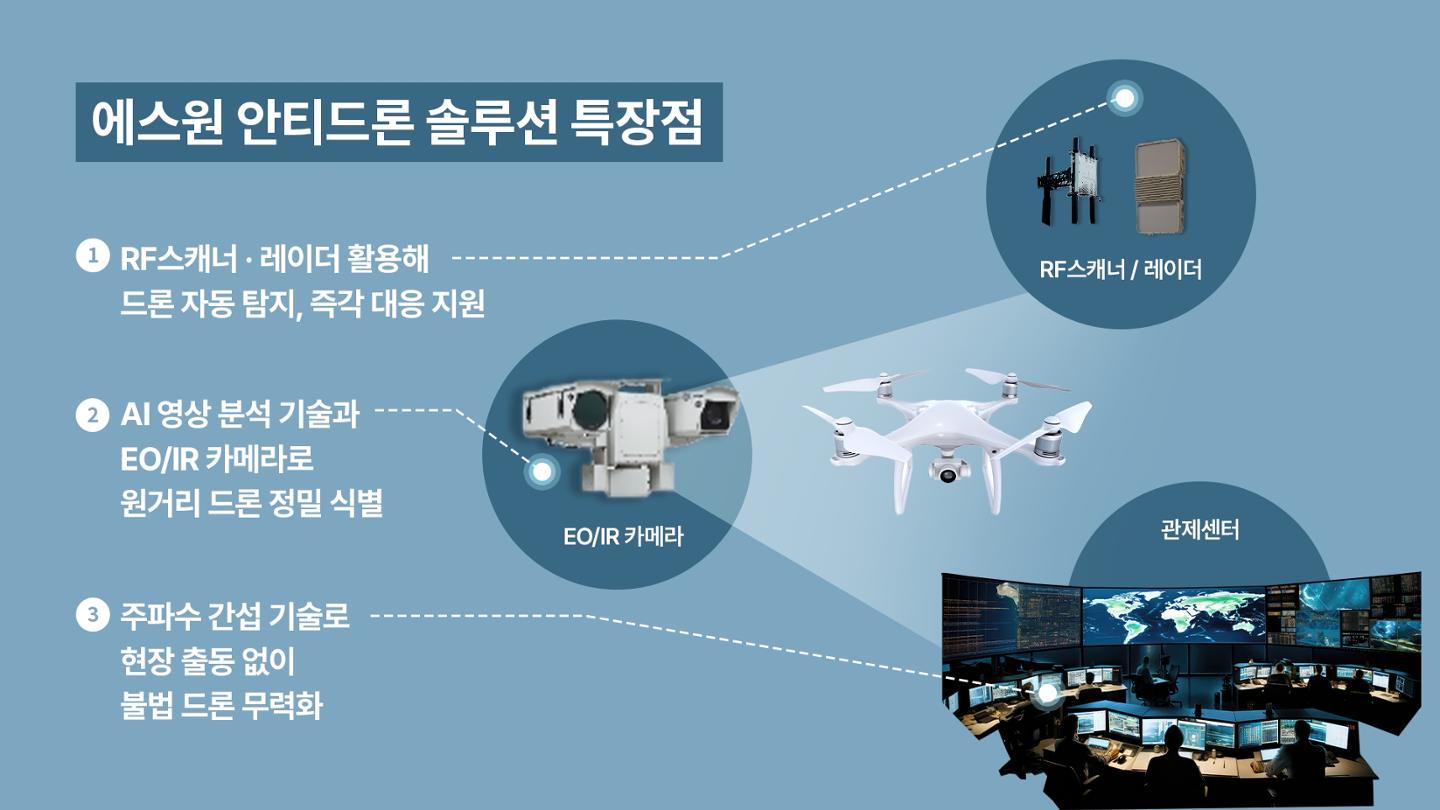
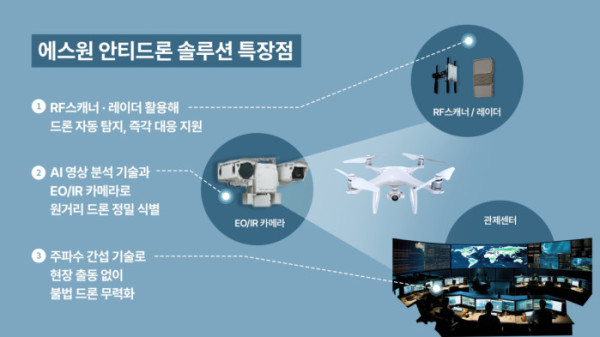
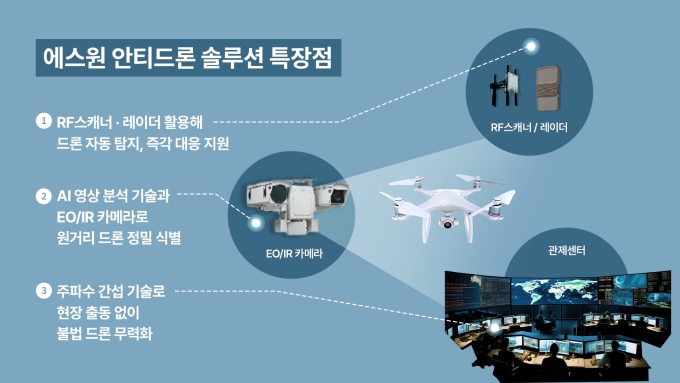
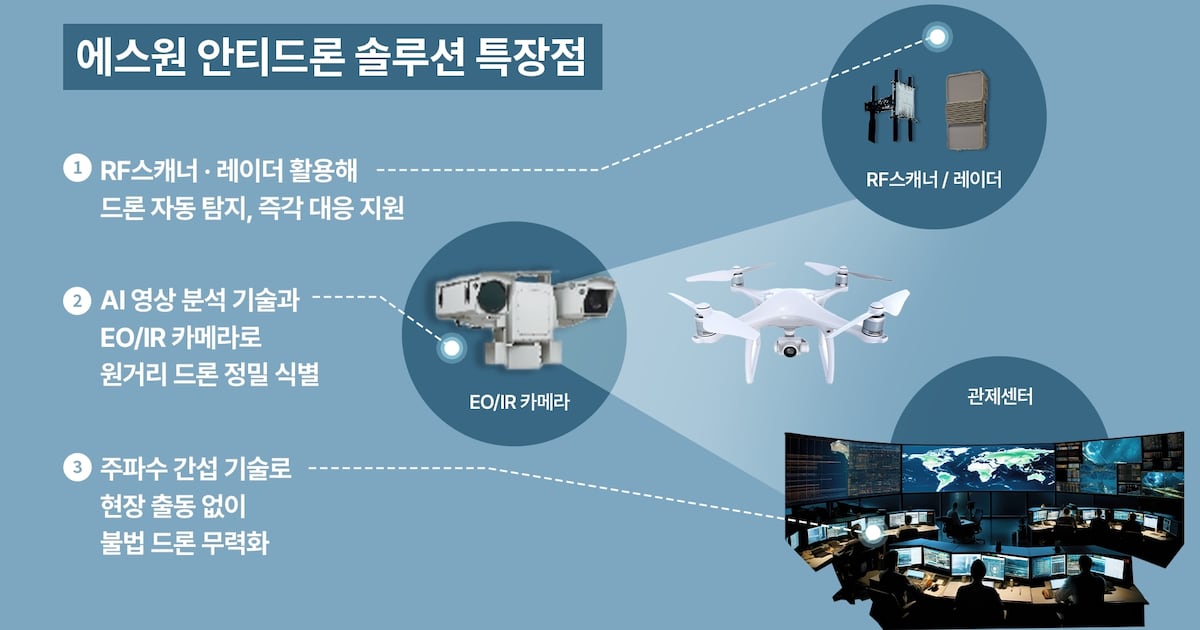
South Korean security company S-1 has launched an AI-powered anti-drone solution to detect and neutralize illegal drones threatening critical infrastructure such as airports, ports, and nuclear plants. The system uses AI video analysis, RF scanners, and radar for real-time detection and autonomous response, aiming to prevent potential security breaches.[AI generated]

Why's our monitor labelling this an incident or hazard?

An AI system is explicitly involved, as the solution uses AI video analysis for drone detection and tracking. The use of AI here is part of the system's operation to detect and neutralize illegal drones, which if successful prevents harm to critical infrastructure and public safety. Although no specific harm has been reported as having occurred, the system addresses a credible and significant security threat where harm could plausibly occur if illegal drones were not detected and neutralized. Therefore, this event describes an AI Hazard because the AI system's use is intended to prevent potential harm to critical infrastructure and public safety from illegal drones, representing a plausible future harm scenario if such drones were to operate unchecked.[AI generated]
Industries
Government, security, and defence

Severity
AI hazard

Business function:
Monitoring and quality control

AI system task:
Recognition/object detectionEvent/anomaly detection


Articles about this incident or hazard

Thumbnail Image

에스원 "AI 기반 보안 솔루션으로 불법 드론 잡는다

2025-11-02
Chosunbiz
Why's our monitor labelling this an incident or hazard?
An AI system is explicitly involved, as the solution uses AI video analysis for drone detection and tracking. The use of AI here is part of the system's operation to detect and neutralize illegal drones, which if successful prevents harm to critical infrastructure and public safety. Although no specific harm has been reported as having occurred, the system addresses a credible and significant security threat where harm could plausibly occur if illegal drones were not detected and neutralized. Therefore, this event describes an AI Hazard because the AI system's use is intended to prevent potential harm to critical infrastructure and public safety from illegal drones, representing a plausible future harm scenario if such drones were to operate unchecked.
Thumbnail Image

"AI로 불법 드론 잡는다"... 안티드론 솔루션 주목

2025-11-02
기술로 세상을 바꾸는 사람들의 놀이터
Why's our monitor labelling this an incident or hazard?
The event involves an AI system explicitly described as being used for detection and neutralization of illegal drones, which is a security application involving real-time autonomous decision-making. However, there is no indication that any harm has occurred due to the AI system's malfunction or misuse. The article highlights the system's deployment and capabilities as a preventive security measure, implying potential future harm prevention rather than realized harm. Therefore, this qualifies as an AI Hazard because the AI system's use could plausibly lead to harm if misused or malfunctioning, but no incident has yet occurred.
Thumbnail Image

에스원, AI 기반 보안솔루션으로 불법 드론 잡는다 - 매일경제

2025-11-02
mk.co.kr
Why's our monitor labelling this an incident or hazard?
The event involves the use of an AI system (AI drone detection and analysis algorithms) in a security context to prevent illegal drone incursions that could harm privacy and critical infrastructure. The article does not report an actual incident of harm caused by the AI system or a malfunction, but rather the deployment of an AI-based solution to mitigate plausible future harms from illegal drones. Therefore, this qualifies as an AI Hazard because the AI system's use could plausibly prevent or lead to harm related to illegal drone activity, but no realized harm or incident is described.
Thumbnail Image

사회 곳곳 위협 불법 드론, 인공지능이 막는다 | 한국일보

2025-11-02
한국일보
Why's our monitor labelling this an incident or hazard?
The AI system is explicitly involved in the use phase, employing AI video analysis and other AI-enabled technologies to detect and neutralize illegal drones. The article highlights actual harms caused by illegal drones, such as privacy violations and threats to critical infrastructure, and presents the AI system as a security measure to prevent or mitigate these harms. Since the AI system is actively used to prevent or respond to harms related to illegal drones, this event is best classified as Complementary Information about societal and technical responses to AI-related security threats rather than an AI Incident or AI Hazard. There is no indication that the AI system itself caused harm or that harm occurred due to the AI system's malfunction or misuse. Instead, it is a positive application of AI to address existing harms from illegal drones.
Thumbnail Image

에스원, 'AI 기반 보안솔루션'으로 불법 드론 잡는다 | 아주경제

2025-11-02
아주경제
Why's our monitor labelling this an incident or hazard?
The article details an AI system designed to detect and neutralize illegal drones, which could pose significant security risks if left unchecked. While the AI system is actively used to prevent harm, there is no indication that harm has occurred or that the system malfunctioned. The event is about the deployment and effectiveness of an AI-based security solution, representing a preventive measure rather than an incident or hazard. Therefore, it is best classified as Complementary Information, as it provides context on AI applications in security and their role in mitigating potential threats without describing an actual AI-related harm or plausible imminent harm event.
Thumbnail Image

에스원, AI 기반 보안솔루션으로 불법 드론 무력화

2025-11-02
아시아투데이
Why's our monitor labelling this an incident or hazard?
The event involves the use of an AI system (AI-based drone detection and neutralization) designed to protect critical infrastructure from illegal drone threats. The article does not report any actual harm caused by the AI system or by illegal drones, only the deployment of the AI system to prevent such harms. This fits the definition of an AI Hazard, as the AI system's use could plausibly lead to preventing or causing harm related to drone incursions, but no realized harm or incident is described. Hence, it is classified as an AI Hazard rather than an AI Incident or Complementary Information.
Thumbnail Image

에스원 "AI 기반 보안 설루션으로 불법 드론 잡는다" - 전파신문

2025-11-02
jeonpa.co.kr
Why's our monitor labelling this an incident or hazard?
The event involves the use of an AI system (AI video analysis for drone detection and autonomous response) in a security context to prevent illegal drone incursions that could disrupt critical infrastructure operations. Although no actual harm or incident is reported as having occurred, the system is designed to prevent serious harm to critical infrastructure and public safety. Therefore, this event represents an AI Hazard because the AI system's use is intended to mitigate plausible future harms related to illegal drone threats to critical infrastructure, but no realized harm or incident is described in the article.
Thumbnail Image

에스원, 불법 드론 잡는 AI 기반 보안솔루션 '안티드론' 공개

2025-11-02
이투데이
Why's our monitor labelling this an incident or hazard?
The event involves an AI system explicitly described as detecting and neutralizing illegal drones to protect critical infrastructure, which aligns with the definition of an AI system. The article discusses the use of this AI system to prevent potential harm to critical infrastructure, which is a plausible future harm scenario if illegal drones were to cause disruption. Since no actual harm or incident has occurred yet, and the article focuses on the deployment and capabilities of the AI system as a preventive measure, this qualifies as an AI Hazard. It is not an AI Incident because no harm has materialized, nor is it Complementary Information or Unrelated, as the AI system and its potential to prevent harm are central to the article.
Thumbnail Image

에스원, AI 기반 안티드론 솔루션 공개..."공항·항만·원전 드론 위협 막는다"

2025-11-02
뉴스핌
Why's our monitor labelling this an incident or hazard?
The event involves the use of an AI system (AI-based anti-drone solution) aimed at preventing harm to critical infrastructure by detecting and neutralizing unauthorized drones. However, there is no indication that the AI system has caused any harm or malfunctioned leading to injury, disruption, or rights violations. The article presents the AI system as a proactive security tool to address plausible threats, but no realized harm or incident is described. Therefore, this event qualifies as an AI Hazard because the AI system's use could plausibly prevent or respond to drone threats that might otherwise cause harm, but no actual AI-related harm has occurred yet.
Thumbnail Image

사생활 침해·기반시설 마비...불법드론 위협 막는 'AI 보안'

2025-11-02
디지털데일리
Why's our monitor labelling this an incident or hazard?
The article explicitly mentions AI systems used for anti-drone security, including AI algorithms for detection and automated neutralization of drones. The harms discussed (privacy invasion, disruption of critical infrastructure) are linked to illegal drone activities, not to the AI system itself causing harm. The AI system is presented as a protective measure rather than a source of harm or a plausible future source of harm. There is no indication that the AI system malfunctioned or caused harm, nor that the AI system's development or use could plausibly lead to harm. Instead, the article focuses on the deployment and capabilities of AI solutions to mitigate drone threats. Thus, it fits the definition of Complementary Information, providing updates on AI-based security responses to known threats.
Thumbnail Image

"하늘도 지킨다"...에스원, AI기반으로 불법 드론 잡는다 | 중앙일보

2025-11-02
중앙일보
Why's our monitor labelling this an incident or hazard?
The event involves an AI system explicitly described as being used for detection and neutralization of illegal drones, which could plausibly lead to harm if such drones were to disrupt critical infrastructure. Since no actual harm or incident has occurred or is reported, but the AI system is designed to prevent serious security threats, this qualifies as an AI Hazard. The article highlights the potential for serious harm from illegal drones and the AI system's role in mitigating that risk, but does not describe a realized incident or harm caused by the AI system or drones.
Thumbnail Image

불법 드론 꼼짝마 ... 에스원, 하늘 보안도 지킨다

2025-11-03
MK스포츠
Why's our monitor labelling this an incident or hazard?
The article explicitly mentions the use of AI algorithms for drone detection and classification, indicating the presence of an AI system. The system is used to detect and neutralize illegal drones, which if left unchecked, could cause harm such as privacy violations or threats to critical infrastructure. Since the article does not report any actual harm or incident caused by the AI system or the drones, but rather focuses on the deployment of the AI-based anti-drone solution to prevent such harms, it fits the definition of an AI Hazard. The AI system's use could plausibly lead to an AI Incident if it fails or is misused, or if illegal drones evade detection, but currently it serves as a preventive measure.
Thumbnail Image

에스원, 불법 드론 잡는 '안티드론 솔루션' 공개...공항·항만·원전 등 주요 시설 불법 침입 대응

2025-11-04
econonews.co.kr
Why's our monitor labelling this an incident or hazard?
The article explicitly mentions AI video analysis technology used to detect and classify drones, indicating the presence of an AI system. The event focuses on the development and deployment of this AI-enabled anti-drone solution to counter illegal drone incursions that could disrupt critical infrastructure, which aligns with the definition of an AI Hazard (plausible future harm). No actual incident or harm has occurred yet, so it is not an AI Incident. The article is not merely complementary information about AI governance or responses but introduces a new AI-related development addressing a credible threat. Hence, the classification as AI Hazard is appropriate.