US Bans Export of Nvidia Blackwell AI Chips to China Over Security Concerns

Thumbnail Image

The information displayed in the AIM should not be reported as representing the official views of the OECD or of its member countries.

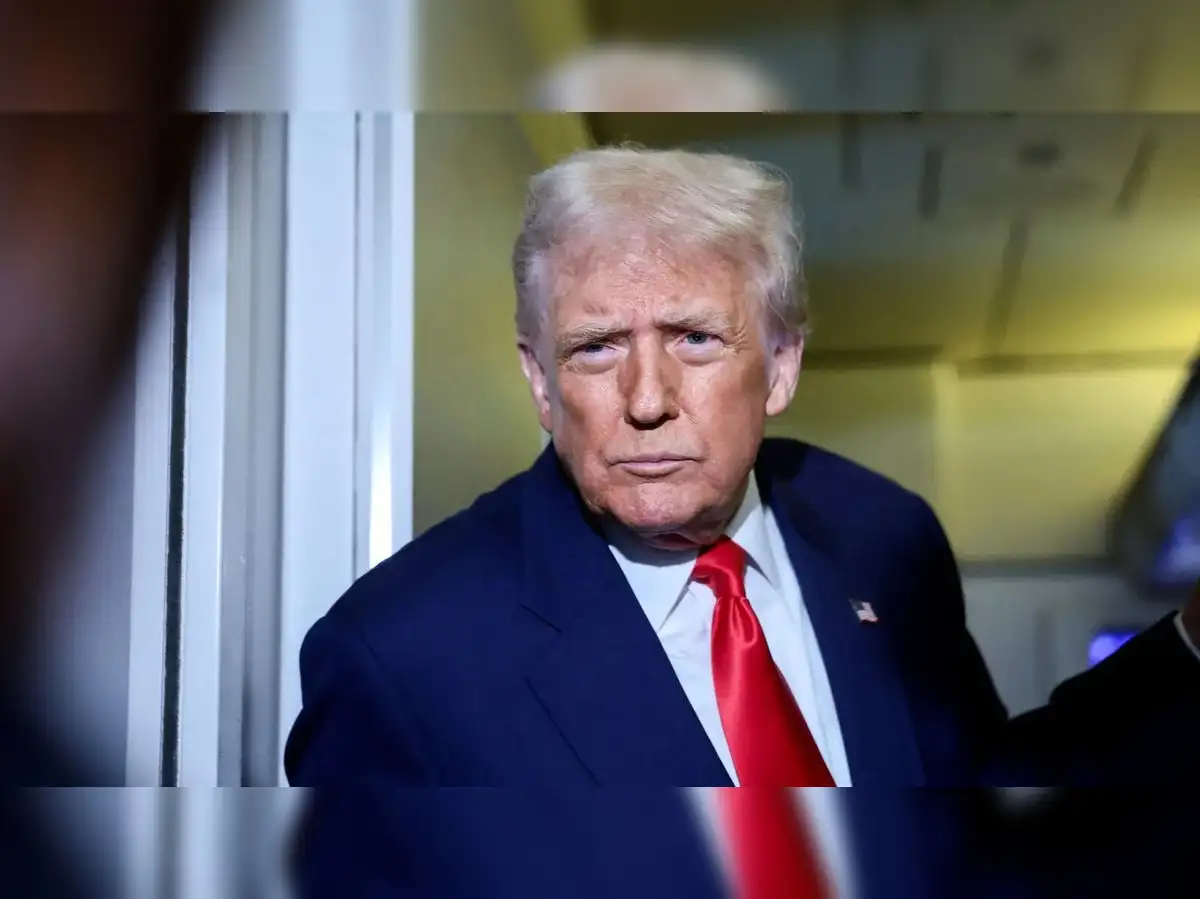
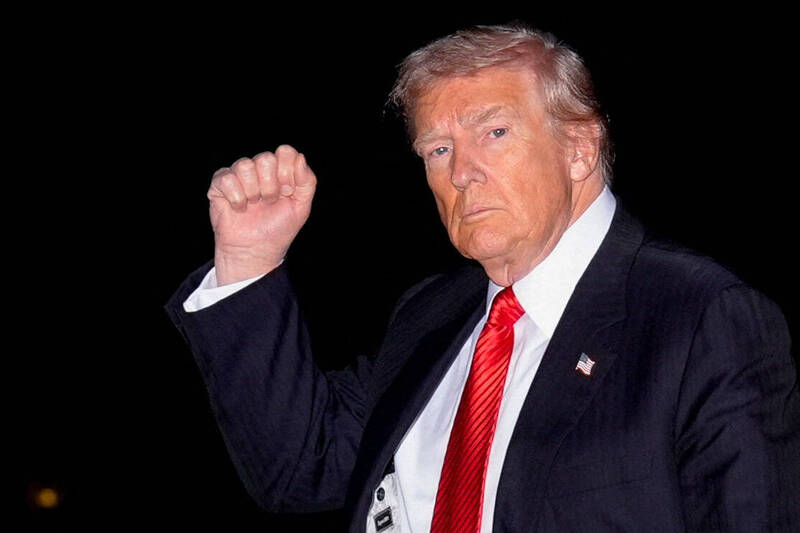
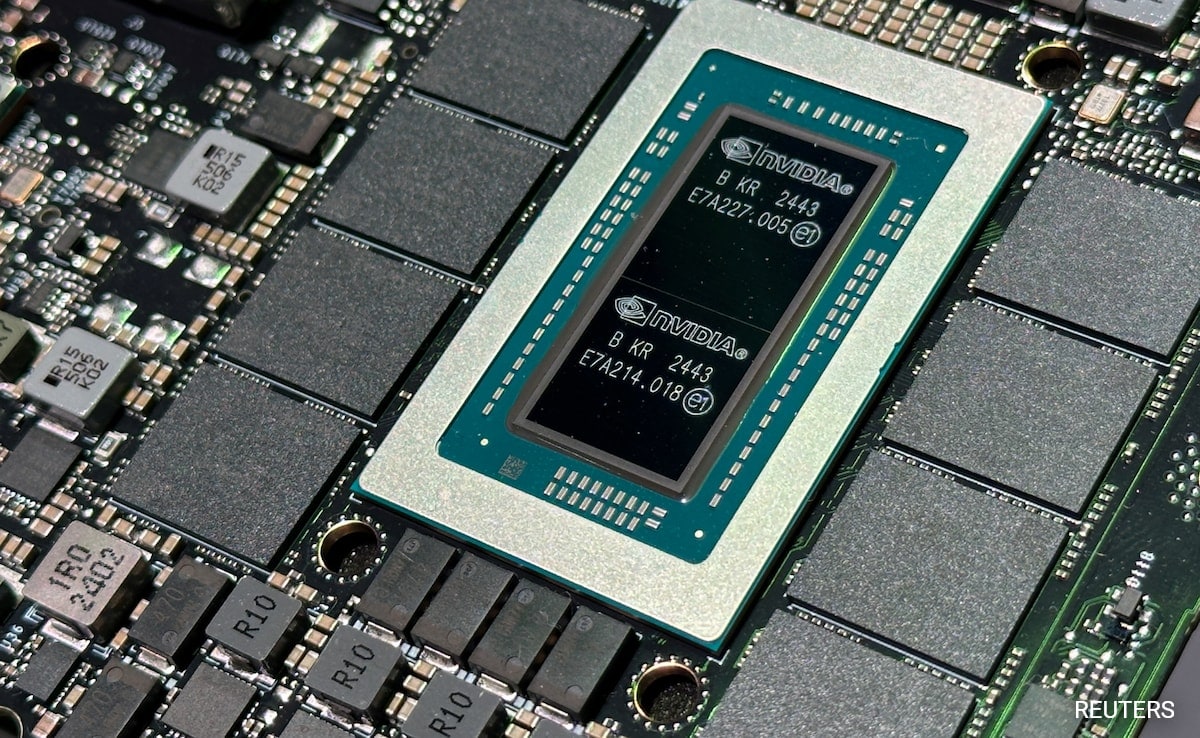
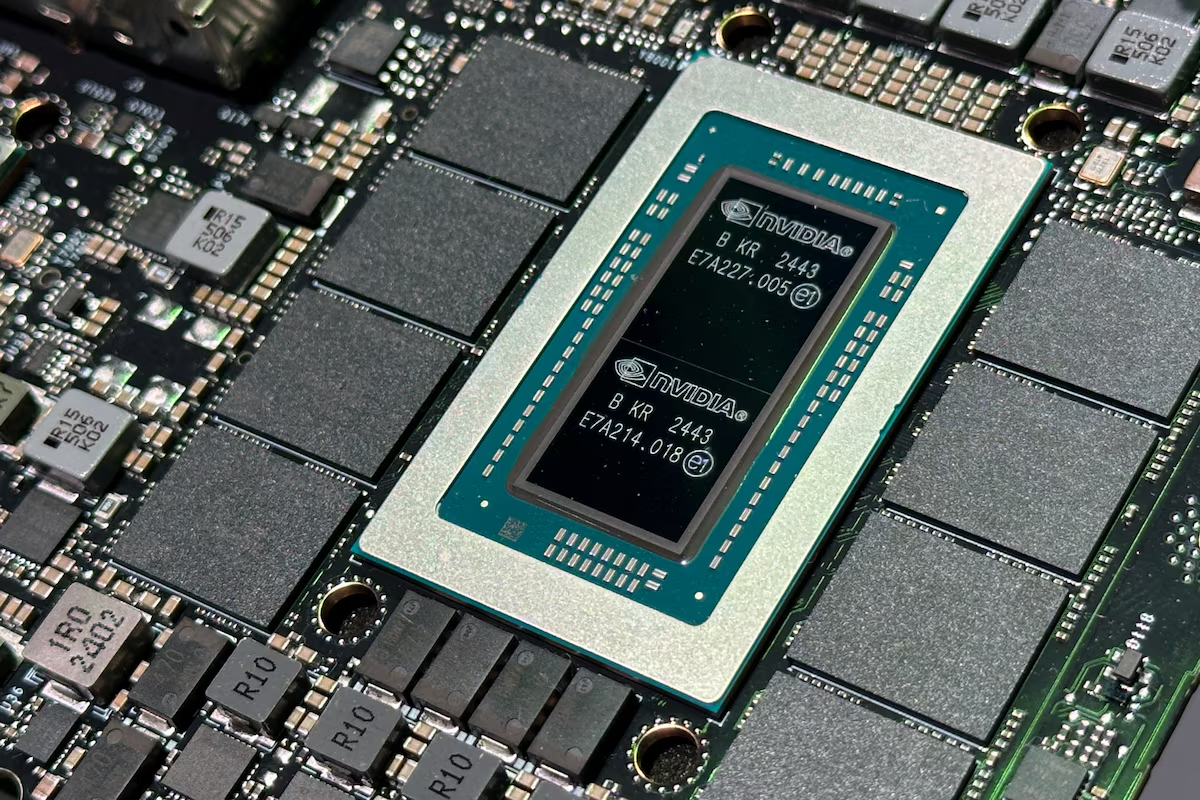
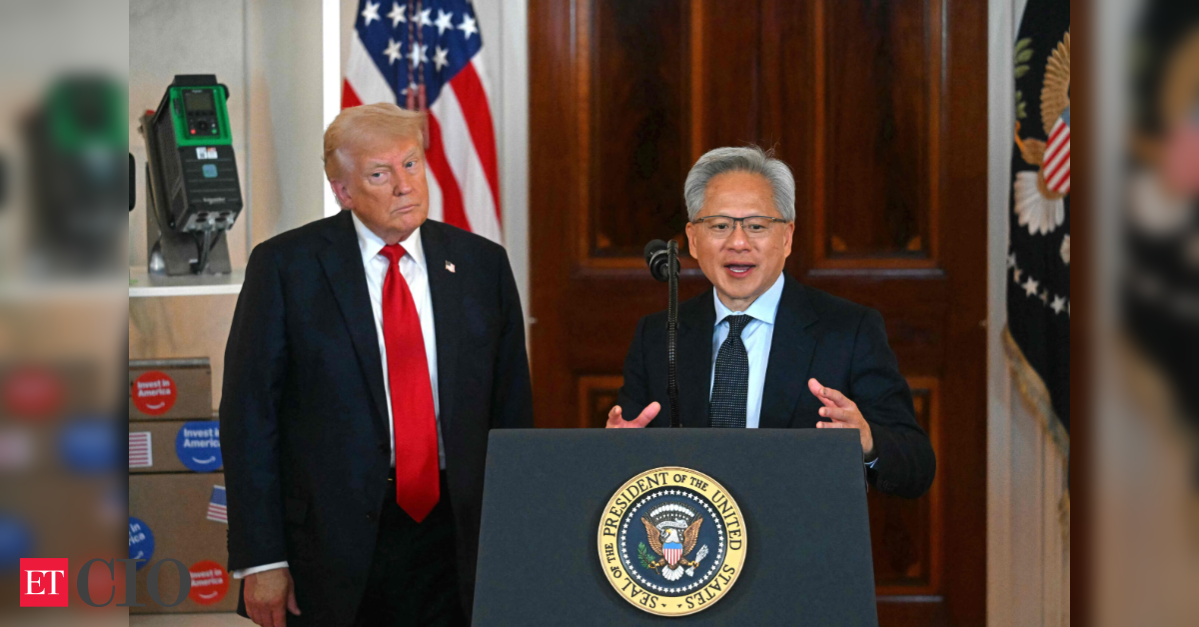
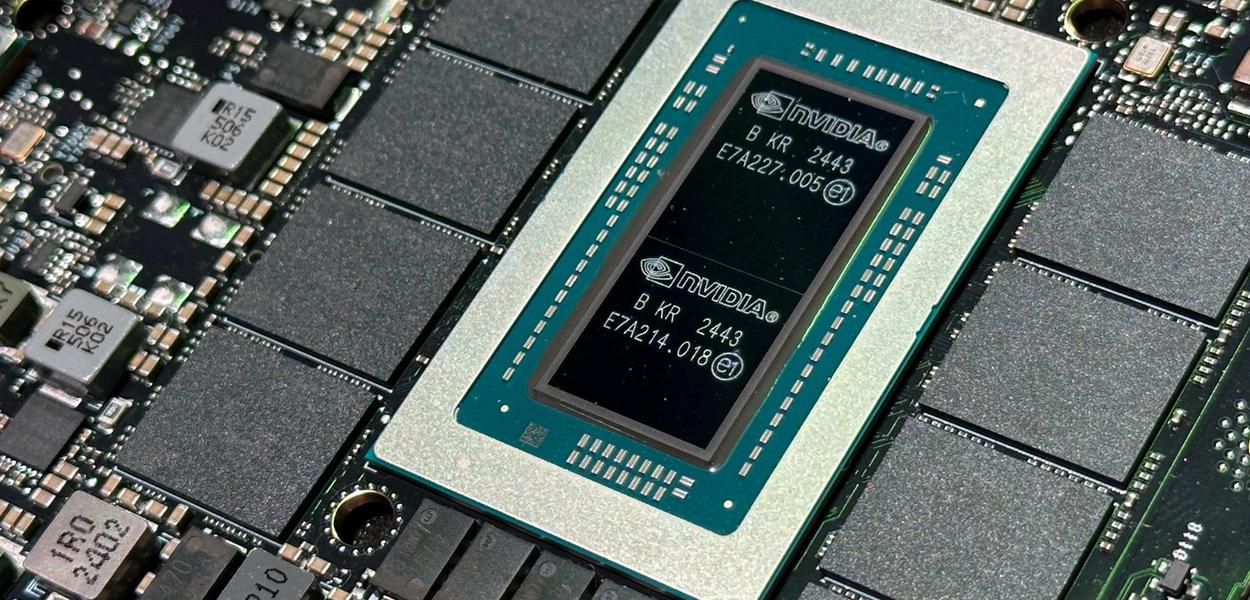
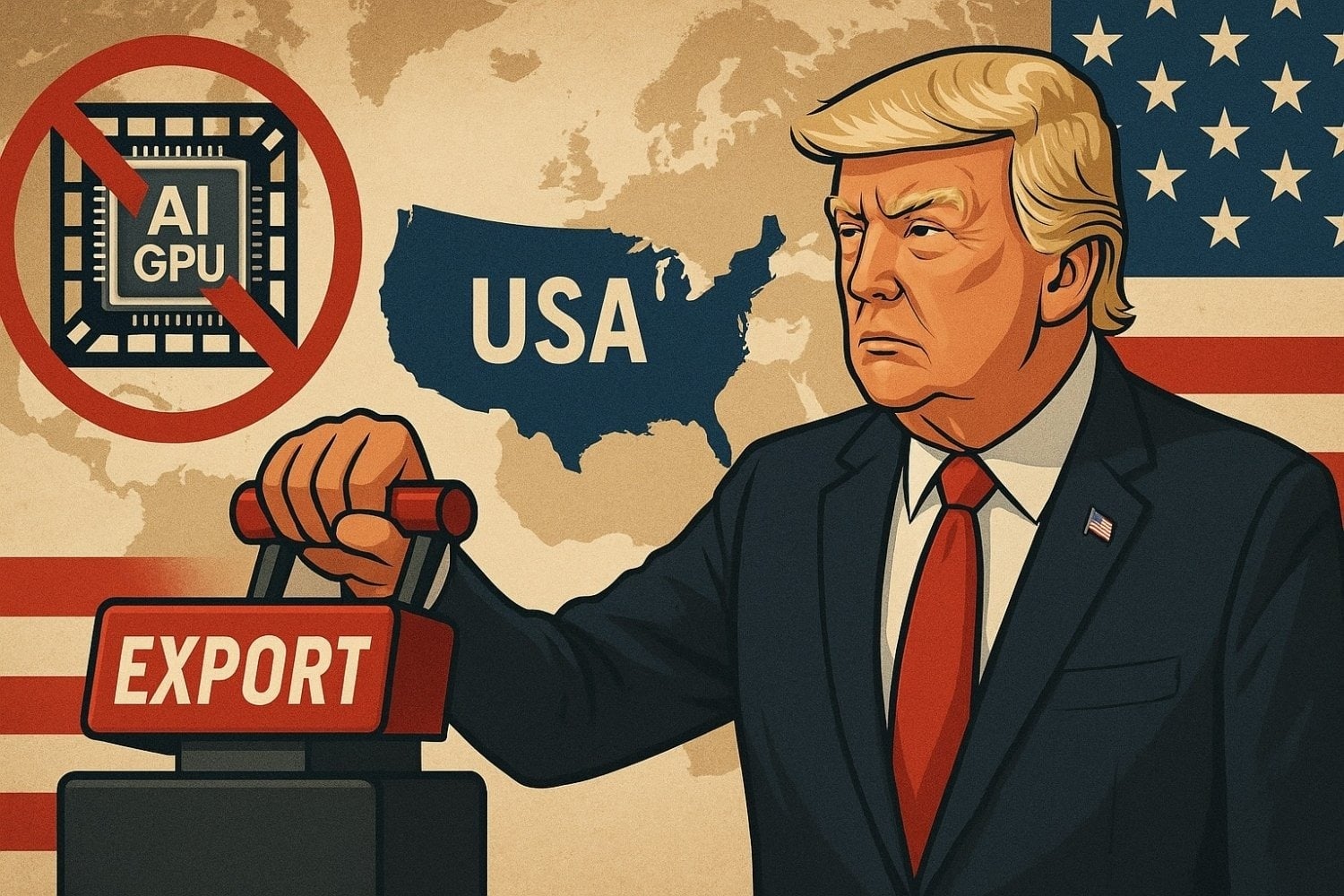
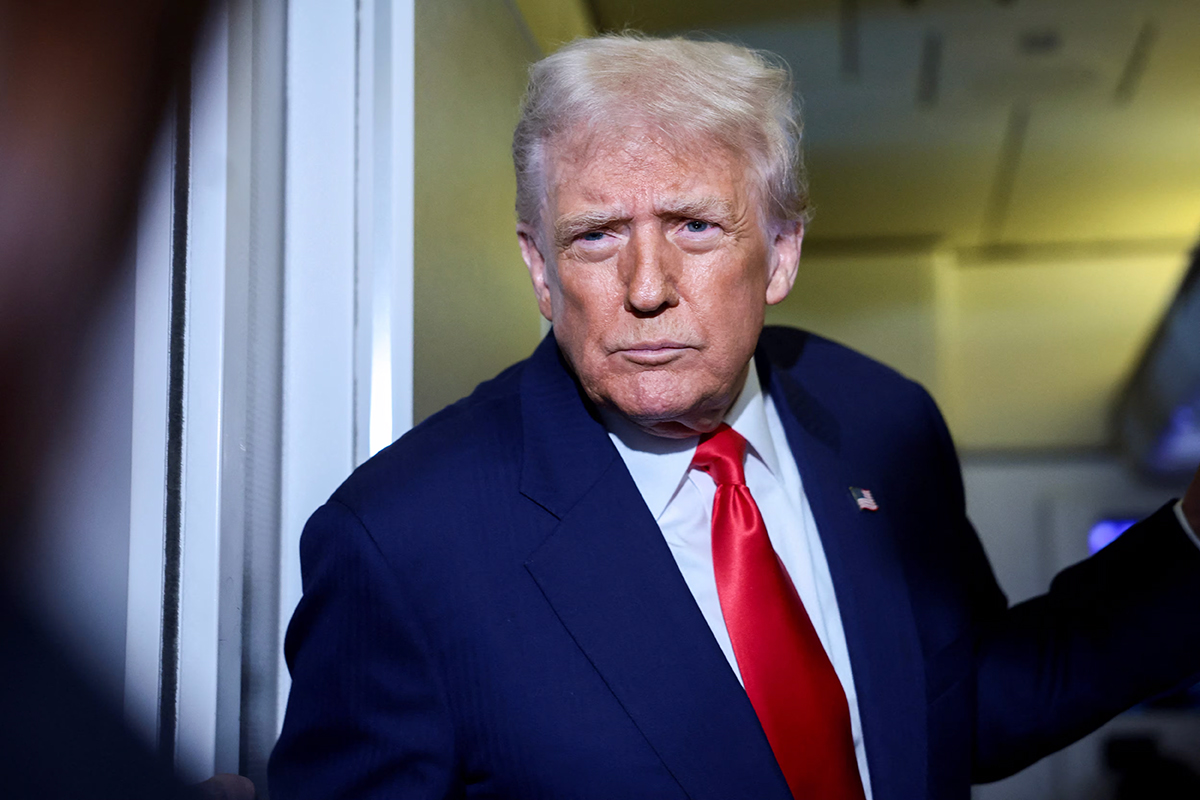
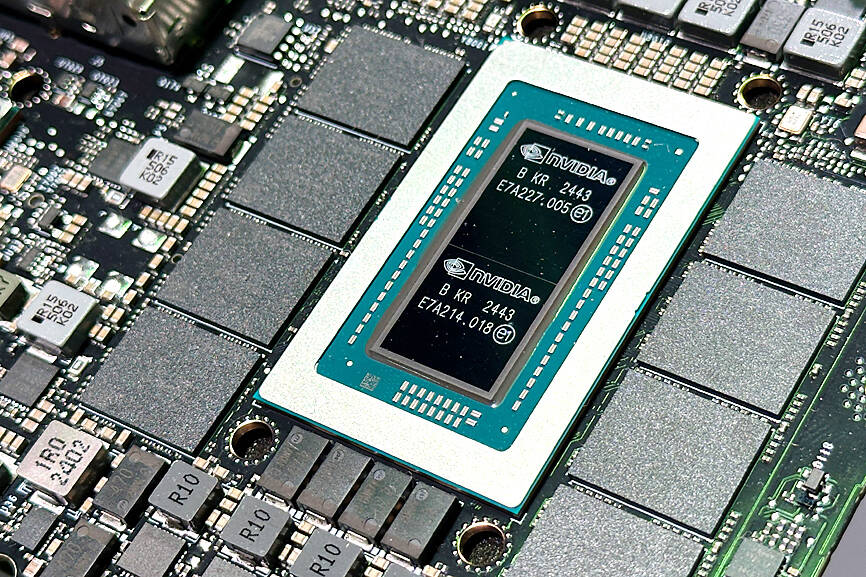
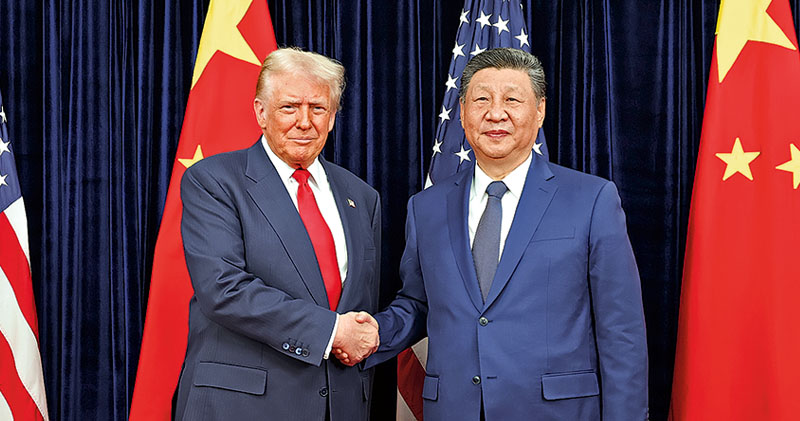
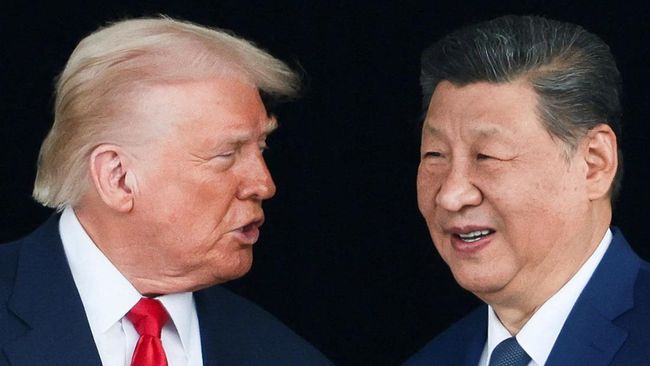
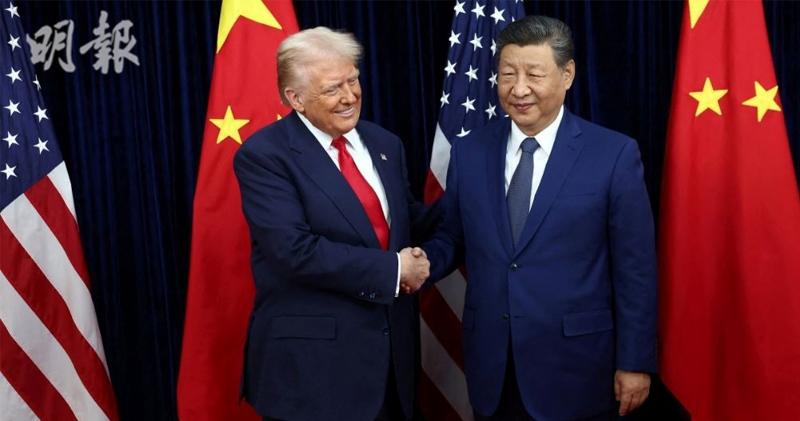
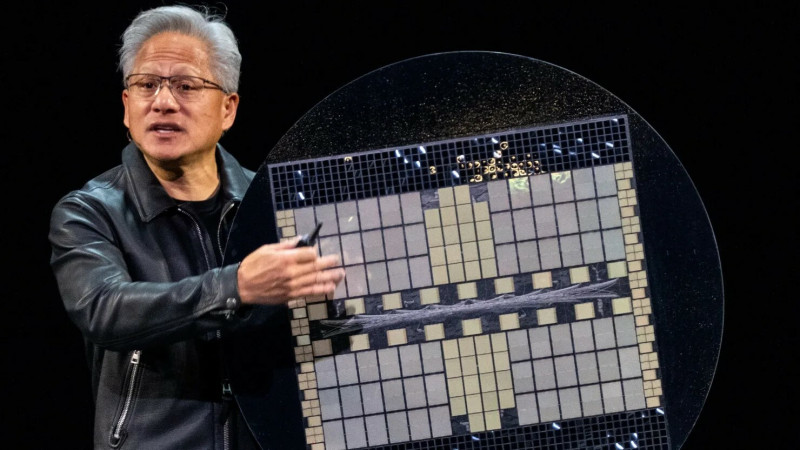
President Trump announced the US will not export Nvidia's advanced Blackwell AI chips, citing national security concerns and the risk of enhancing China's military and AI capabilities. The decision underscores ongoing US-China tensions over AI technology and aims to prevent potential misuse of cutting-edge AI hardware.[AI generated]

Why's our monitor labelling this an incident or hazard?

The article involves an AI system component (advanced AI chips) and discusses government restrictions on their export to prevent potential misuse or strategic harm. While the chips enable powerful AI capabilities, no actual incident or harm has occurred or is described. The focus is on preventing future risks associated with AI technology proliferation, which fits the definition of an AI Hazard. There is no indication of an AI Incident or Complementary Information, as the article is not about a response or update to a past incident, nor is it unrelated to AI. Hence, the classification is AI Hazard.[AI generated]
Industries
IT infrastructure and hostingGovernment, security, and defence

Affected stakeholders
Government

Harm types
Public interest

Severity
AI hazard

AI system task:
Other


Articles about this incident or hazard

Thumbnail Image

Axios: Nvidia's Jensen Huang warns U.S. could lose AI race to China | investingLive

2025-11-06
News & Analysis for Stocks, Crypto & Forex | investingLive
Why's our monitor labelling this an incident or hazard?
The content focuses on strategic and policy concerns about AI leadership between countries, without describing any event where an AI system's development, use, or malfunction has directly or indirectly caused harm or plausible future harm. It is a commentary on AI ecosystem dynamics and regulatory environment, which fits the category of Complementary Information rather than an Incident or Hazard.
Thumbnail Image

Trump says China, other countries can't have Nvidia's top AI chips

2025-11-03
Yahoo! Finance
Why's our monitor labelling this an incident or hazard?
The article involves an AI system component (advanced AI chips) and discusses government restrictions on their export to prevent potential misuse or strategic harm. While the chips enable powerful AI capabilities, no actual incident or harm has occurred or is described. The focus is on preventing future risks associated with AI technology proliferation, which fits the definition of an AI Hazard. There is no indication of an AI Incident or Complementary Information, as the article is not about a response or update to a past incident, nor is it unrelated to AI. Hence, the classification is AI Hazard.
Thumbnail Image

Trump says China, other countries can't have Nvidia's top AI chips - The Economic Times

2025-11-03
Economic Times
Why's our monitor labelling this an incident or hazard?
The article centers on export restrictions and government policy regarding AI chip distribution, which is a governance and strategic decision rather than an event where AI system development, use, or malfunction has directly or indirectly caused harm. While there is concern about potential military or strategic advantages that could arise if such chips were sold to China, no actual harm or incident has occurred as described. Therefore, this is best classified as Complementary Information, providing context on AI governance and policy responses rather than reporting an AI Incident or AI Hazard.
Thumbnail Image

Trump says we don't give Nvidia's advanced Blackwell AI chip to others

2025-11-03
Economic Times
Why's our monitor labelling this an incident or hazard?
The event involves an AI system (Nvidia's Blackwell AI chip) and discusses export restrictions aimed at preventing foreign access to advanced AI technology. The focus is on preventing plausible future harms related to the misuse or adversarial use of AI chips, especially by China. Since no harm has yet occurred and the event centers on the potential for harm and policy measures to prevent it, this fits the definition of an AI Hazard. It is not an AI Incident because no realized harm is described, nor is it Complementary Information or Unrelated, as the event directly concerns AI technology and its geopolitical implications.
Thumbnail Image

Trump says Nvidia's Blackwell AI chip not for 'other people'

2025-11-03
ETTelecom.com
Why's our monitor labelling this an incident or hazard?
The article does not describe any incident where the AI system's development, use, or malfunction has led to harm or violation of rights. It also does not describe a credible risk of harm from the AI system's use or malfunction. The content is primarily about export control and geopolitical strategy concerning AI technology, which is a governance and market access issue rather than an AI Incident or AI Hazard. Therefore, it fits best as Complementary Information, providing context on AI ecosystem governance and policy responses.
Thumbnail Image

Trump says Nvidia's Blackwell AI chip not for 'other people' By Reuters

2025-11-03
Investing.com
Why's our monitor labelling this an incident or hazard?
The article discusses export restrictions on an advanced AI chip, which is an AI system component, due to concerns about potential military and AI development advantages for China. While these concerns imply plausible future risks, no actual harm or incident has been reported. The event is about policy and control measures to prevent potential misuse or harm, making it a discussion of plausible future harm rather than realized harm. Therefore, it qualifies as an AI Hazard rather than an AI Incident or Complementary Information.
Thumbnail Image

川普:輝達Blackwell AI晶片「不會提供給其他人」 - 自由財經

2025-11-03
自由時報電子報
Why's our monitor labelling this an incident or hazard?
The event involves an AI system (Nvidia's Blackwell AI chip) and discusses its restricted distribution to prevent acceleration of AI and military capabilities in other countries, which could plausibly lead to significant harms in the future. No direct or indirect harm has occurred yet, so it is not an AI Incident. The event is not merely complementary information about AI development or governance responses but a direct statement about potential future harm from AI technology proliferation. Hence, it fits the definition of an AI Hazard.
Thumbnail Image

Trump says China, other countries can't have Nvidia's top AI chips

2025-11-03
Aol
Why's our monitor labelling this an incident or hazard?
The article focuses on export controls and geopolitical restrictions on AI hardware to prevent potential future misuse or harm, which constitutes a plausible risk scenario rather than an actual incident. There is no report of injury, rights violations, or other realized harms caused by the AI chips. Therefore, this event is best classified as an AI Hazard, reflecting the credible potential for harm if advanced AI chips were to be accessed by adversarial countries, but no direct harm has yet occurred.
Thumbnail Image

Trump Refuses To Give Nvidia's Blackwell Chip To "Other People"

2025-11-03
NDTV
Why's our monitor labelling this an incident or hazard?
The Nvidia Blackwell chip is an AI system component, and the article discusses export restrictions to prevent its use by foreign adversaries, reflecting concerns about potential misuse or harm. No direct or indirect harm has occurred yet, but the risk of harm is credible and plausible, given the strategic importance of AI chips in military and AI development contexts. Hence, the event fits the definition of an AI Hazard rather than an AI Incident or Complementary Information. It is not unrelated because it involves AI technology and its potential impact.
Thumbnail Image

Trump says China, other countries can't have Nvidia's top AI chips

2025-11-03
The Indian Express
Why's our monitor labelling this an incident or hazard?
The event involves an AI system component (Nvidia's advanced AI chips) and the U.S. government's decision to restrict their export to certain countries to prevent potential misuse or harm, such as military enhancement or accelerated AI development by adversaries. Since no direct harm has occurred but there is a credible risk that unrestricted access could lead to significant harm, this qualifies as an AI Hazard. The event is not an AI Incident because no harm has materialized, nor is it Complementary Information or Unrelated, as it directly concerns AI technology and its potential risks.
Thumbnail Image

川習會後 黃仁勳:不確定是否有助輝達重返中國 | 大陸政經 | 兩岸 | 經濟日報

2025-11-03
Udnemoney聯合理財網
Why's our monitor labelling this an incident or hazard?
The article centers on geopolitical and economic issues involving AI technology and semiconductor sales restrictions between the US and China. While Nvidia's AI chips are at the core of these tensions, there is no direct or indirect harm reported, nor any plausible immediate risk of harm described. The discussion is about potential policy changes and market access, which is contextual information about AI ecosystem developments and governance. Therefore, it fits the definition of Complementary Information rather than an AI Incident or AI Hazard.
Thumbnail Image

Trump Says Nvidia's Blackwell AI Chip Not for 'Other People'

2025-11-03
U.S. News & World Report
Why's our monitor labelling this an incident or hazard?
The event involves an AI system component (Nvidia's Blackwell AI chip) and addresses the potential risks of its distribution to foreign actors, which could plausibly lead to AI-related harms such as military escalation or enhanced AI capabilities in adversarial states. However, no actual harm has occurred as the chip is not being exported to those entities. The article primarily focuses on policy decisions and export restrictions as a preventive measure, constituting a credible risk of future harm rather than a realized incident. Therefore, this is best classified as an AI Hazard related to plausible future harm from the proliferation of advanced AI technology.
Thumbnail Image

黃仁勳才稱服務中國市場符合美國利益 川普:輝達Blackwell晶片不賣其他人 | 財經 | Newtalk新聞

2025-11-03
新頭殼 Newtalk
Why's our monitor labelling this an incident or hazard?
The article describes the use and export control of AI-related semiconductor chips, which are essential for AI system development. The US government's restrictions and concerns about the chips enhancing China's military AI capabilities represent a plausible risk of harm (national security and military advantage). Since no direct harm or incident has occurred but there is a credible potential for harm, this qualifies as an AI Hazard. The article does not report any realized harm or incident caused by AI systems, nor does it focus on responses or updates to past incidents, so it is not Complementary Information or an AI Incident.
Thumbnail Image

Nvidia's Blackwell Chip Sparks U.S.-China Tensions | Technology

2025-11-03
Devdiscourse
Why's our monitor labelling this an incident or hazard?
The article involves an AI system (Nvidia's Blackwell AI chip) and discusses its restricted availability due to geopolitical concerns. While the restriction is intended to prevent potential future harm related to military or AI advancements, no actual harm or incident has occurred as a result of the chip's use or malfunction. Therefore, this situation represents a plausible future risk or hazard related to AI technology proliferation rather than an incident. The content is primarily about strategic export controls and geopolitical implications, fitting the definition of an AI Hazard rather than an AI Incident or Complementary Information.
Thumbnail Image

Trump says China, other countries can't have Nvidia's top AI chips

2025-11-03
Rappler
Why's our monitor labelling this an incident or hazard?
The event involves AI systems explicitly (Nvidia's advanced AI chips) and concerns their use and distribution. The US government's export restrictions are intended to prevent potential future harms from the misuse or adversarial use of these AI systems by foreign entities. No direct harm or incident is reported; rather, the event is about managing plausible future risks associated with AI technology proliferation. Hence, it fits the definition of an AI Hazard rather than an AI Incident or Complementary Information.
Thumbnail Image

Trump to restrict exports of Nvidia's Blackwell AI chips to China? Here's what the US President said | Today News

2025-11-03
mint
Why's our monitor labelling this an incident or hazard?
The event involves the use and potential misuse of an AI system (Nvidia's Blackwell AI chips) and the US government's intervention to prevent its export to China. Although no direct harm has been reported, the decision is motivated by credible concerns that the chips could be used to enhance military AI capabilities, posing a plausible future risk of harm. Therefore, this qualifies as an AI Hazard because it concerns a credible risk of future harm stemming from the development and use of an AI system, but no actual harm has yet materialized.
Thumbnail Image

Trump says Nvidia's Blackwell AI chip not for 'other people'

2025-11-03
The Hindu
Why's our monitor labelling this an incident or hazard?
The event centers on export control policies and political statements about restricting access to a powerful AI chip to certain countries, primarily China, due to concerns about enhancing military capabilities. While these concerns reflect plausible future risks (AI Hazard), the article does not report any actual harm or incident caused by the AI chip's use or malfunction. Therefore, the event is best classified as an AI Hazard because it involves the plausible future risk of harm from the AI system's proliferation, but no realized harm or incident is described.
Thumbnail Image

Trump Bars China From Advanced Nvidia AI Chips, Escalates Global Tech Tensions

2025-11-03
english
Why's our monitor labelling this an incident or hazard?
The article focuses on export controls and geopolitical tensions surrounding AI chip technology, which is central to AI system development and deployment. While the chips are critical for AI systems, the event is about policy and trade restrictions rather than an AI system causing harm or malfunctioning. There is no direct or indirect harm reported from the AI systems themselves, only a potential for future geopolitical and technological risks. Therefore, this event is best classified as Complementary Information, as it provides important context and updates on AI technology governance and international relations without describing an AI Incident or AI Hazard.
Thumbnail Image

Trump Shuts Down Overseas Shipments of Nvidia's Blackwell Chip | Politics

2025-11-02
Devdiscourse
Why's our monitor labelling this an incident or hazard?
The article focuses on a political decision to restrict export of an AI chip to maintain technological leadership. There is no mention of any harm caused or plausible future harm from the chip or its use. The event is a governance or policy update related to AI technology control, which fits the definition of Complementary Information as it provides context and response to AI developments without describing an incident or hazard.
Thumbnail Image

Donald Trump says Nvidia's most advanced chips will be reserved for US companies and kept out of China

2025-11-03
The Financial Express
Why's our monitor labelling this an incident or hazard?
The article explicitly involves AI systems in the form of Nvidia's advanced AI chips, which are critical components for AI development and deployment. The U.S. government's policy to restrict these chips' export to China is a preventive measure aimed at avoiding potential harms such as military enhancement or accelerated AI development by adversaries. Since no actual harm or incident has occurred, but there is a credible risk of future harm due to the strategic importance of these AI chips, the event fits the definition of an AI Hazard. It is not an AI Incident because no direct or indirect harm has been realized yet, nor is it Complementary Information or Unrelated, as the focus is on the plausible future risk stemming from AI system distribution policies.
Thumbnail Image

Trump says China, other countries can't have Nvidia's top AI chips

2025-11-03
bdnews24.com
Why's our monitor labelling this an incident or hazard?
The event explicitly involves AI systems (Nvidia's advanced AI chips) and discusses their development and use. The restriction is motivated by concerns that allowing China or other countries access to these chips could plausibly lead to harms, including military advantages and accelerated AI development by adversaries, which could disrupt geopolitical stability and security. Since no actual harm has occurred yet, but the event centers on preventing plausible future harm from AI technology proliferation, it fits the definition of an AI Hazard. It is not an AI Incident because no harm has materialized, nor is it Complementary Information or Unrelated, as the focus is on the risk and policy response to AI technology export.
Thumbnail Image

川習會後 黃仁勳:不確定是否有助輝達重返中國 | 兩岸 | 中央社 CNA

2025-11-03
Central News Agency
Why's our monitor labelling this an incident or hazard?
The article involves AI technology (Nvidia's AI chips) and their role in international trade and national security, but it does not describe any incident where the AI system's development, use, or malfunction has led to harm. The discussion is about market access restrictions and geopolitical negotiations, which are policy and economic issues rather than AI incidents or hazards. There is no direct or indirect harm reported, nor a clear plausible immediate risk of harm from the AI systems themselves. Therefore, this is best classified as Complementary Information providing context on AI technology's geopolitical and economic environment.
Thumbnail Image

NVIDIA's Hopes of Reentering China Die 'Once Again' as President Trump Blocks Sale of Blackwell AI Chips to Beijing

2025-11-03
Wccftech
Why's our monitor labelling this an incident or hazard?
The article focuses on export controls and political decisions restricting the sale of AI chips, which are AI systems, but does not describe any realized harm or incident caused by the AI systems. Nor does it describe a plausible future harm resulting from the AI systems themselves. Instead, it reports on governance and market access issues related to AI technology. Therefore, this is best classified as Complementary Information, as it provides context on AI ecosystem developments and governance responses rather than an AI Incident or Hazard.
Thumbnail Image

Trump says China, other countries can't have Nvidia's top AI chips - MyJoyOnline

2025-11-03
MyJoyOnline.com
Why's our monitor labelling this an incident or hazard?
The article explicitly discusses AI systems (Nvidia's advanced AI chips) and government restrictions on their export to prevent potential military and technological harm. However, no direct or indirect harm has occurred yet; the event is about policy to prevent future risks. Therefore, it fits the definition of an AI Hazard, as the development and use of these AI chips could plausibly lead to harms such as military escalation or loss of technological advantage if unrestricted. It is not an AI Incident because no harm has materialized, nor is it Complementary Information or Unrelated since it directly concerns AI system export controls and associated risks.
Thumbnail Image

Nvidia's Blackwell Chips: A U.S.-Only Affair | Technology

2025-11-03
Devdiscourse
Why's our monitor labelling this an incident or hazard?
The article focuses on a government export control policy restricting advanced AI chip distribution to certain countries. While the chips are AI systems, the event does not describe any direct or indirect harm caused by their development, use, or malfunction. Instead, it reflects a preventive measure to avoid plausible future harm, such as military enhancement of adversaries. However, since the event is about a policy decision and not about an actual incident or a credible immediate hazard event, it fits best as Complementary Information, providing context on governance and strategic responses to AI technology risks.
Thumbnail Image

《國際產業》突發!川普定調:輝達Blackwell只賣美國公司

2025-11-03
工商時報
Why's our monitor labelling this an incident or hazard?
The article explicitly involves AI systems through Nvidia's advanced AI chips, which are critical components for AI applications. The decision to restrict their sale to U.S. companies and ban sales to China and others is a policy action that could plausibly lead to future harms such as technological inequality, economic disruption, or geopolitical conflict. However, no direct or indirect harm has yet occurred as a result of this decision; it is a preventive or control measure. Thus, it does not meet the criteria for an AI Incident but fits the definition of an AI Hazard because it plausibly could lead to significant harms related to AI technology access and use in the future.
Thumbnail Image

《國際產業》核彈級!川普談輝達Blackwell晶片:不給「別人」

2025-11-03
工商時報
Why's our monitor labelling this an incident or hazard?
While the Blackwell chip is an AI system component with potential military and commercial applications, the article does not describe any actual harm or incident caused by the chip's development, use, or malfunction. Instead, it focuses on export restrictions and geopolitical concerns about potential future risks if the technology were to be transferred to China. This represents a plausible future risk scenario but no realized harm or incident. Therefore, the event qualifies as an AI Hazard due to the credible risk of harm from the chip's proliferation, but not an AI Incident or Complementary Information.
Thumbnail Image

Trump says China, other countries can't have Nvidia's top AI chips - Profit by Pakistan Today

2025-11-03
Profit by Pakistan Today
Why's our monitor labelling this an incident or hazard?
The event explicitly involves AI systems through Nvidia's advanced AI chips, which are essential components for running sophisticated AI models. The U.S. government's decision to restrict these chips' export is motivated by concerns over potential future harms, such as enhancing military capabilities of rival nations and accelerating AI development that could pose strategic risks. No actual harm has occurred yet, but the plausible future harm from unrestricted access to these AI chips is credible and significant. Hence, this is best classified as an AI Hazard rather than an Incident or Complementary Information.
Thumbnail Image

Trump says China, other countries can't have Nvidia's top AI chips

2025-11-03
TechCentral
Why's our monitor labelling this an incident or hazard?
The event involves AI systems in the form of advanced AI chips critical for AI development and deployment. The US government's decision to restrict access to these chips to US companies is a governance and policy action aimed at preventing potential future harms, such as enhancing military capabilities of rival countries or accelerating AI development in adversarial states. No direct harm has occurred yet, but the restrictions are motivated by plausible future risks related to AI technology proliferation. Therefore, this event represents an AI Hazard, as it concerns the plausible future harm that could arise if such advanced AI chips were accessible to certain countries, but no actual incident or harm has been reported.
Thumbnail Image

Trump Declares Nvidia's Blackwell AI Chip Off-Limits in Export Ban Stance

2025-11-03
Bangla news
Why's our monitor labelling this an incident or hazard?
The event involves an AI system (Nvidia's Blackwell AI chip) and concerns about its potential use that could lead to harm (enhanced military and AI capabilities for China). The export ban is a response to this plausible future harm, not a report of realized harm. Hence, it fits the definition of an AI Hazard, as it highlights credible risks associated with the AI system's development and potential use. There is no indication of an actual incident or harm having occurred, nor is the article primarily about responses or updates to past incidents, so it is not an AI Incident or Complementary Information.
Thumbnail Image

談及輝達Blackwell晶片 川普:不會讓別人取得 - 民視新聞網

2025-11-03
民視新聞網
Why's our monitor labelling this an incident or hazard?
The event involves an AI system (Nvidia's Blackwell AI chip) and concerns its development and use, specifically export control policies. There is no indication of any harm occurring or any incident caused by the AI system. The focus is on the potential risk or policy decision to restrict access to this AI technology to prevent possible future harm or misuse. Therefore, this qualifies as an AI Hazard because the controlled distribution reflects a plausible risk of harm if the technology were to be widely available, but no harm has yet occurred. It is not Complementary Information because the main focus is not on responses or updates to past incidents but on the potential risk and policy stance. It is not Unrelated because it clearly involves an AI system and its implications.
Thumbnail Image

輝達Blackwell比其他晶片領先10年 川普:我們不會把它給別人 - 民視新聞網

2025-11-03
民視新聞網
Why's our monitor labelling this an incident or hazard?
The event involves an AI system component (the Nvidia Blackwell AI chip) and its development and use. However, the article does not describe any realized harm or incident caused by the AI chip itself. Instead, it focuses on export restrictions and geopolitical strategy, which relate to potential future risks or control of advanced AI technology. There is no direct or indirect harm reported, nor a plausible immediate hazard from the chip's use or malfunction. Therefore, this is best classified as Complementary Information, providing context on AI ecosystem governance and strategic control rather than an AI Incident or Hazard.
Thumbnail Image

輝達Blackwell晶片領先世界10年 川普:不會讓別人取得 |壹蘋新聞網

2025-11-03
Nextapple
Why's our monitor labelling this an incident or hazard?
The event involves AI systems in the form of advanced AI chips used for AI computations, but there is no direct or indirect harm reported. The article centers on export controls and geopolitical strategy, which could be seen as a governance or policy issue rather than an incident or hazard. Since no harm has occurred or is described as plausibly imminent due to the AI system itself, and the main focus is on policy and market access, this qualifies as Complementary Information providing context on AI ecosystem governance and strategic considerations.
Thumbnail Image

美中AI科技戰進入延長賽?川普:輝達Blackwell晶片不外售 - OwlNews

2025-11-03
OwlNews
Why's our monitor labelling this an incident or hazard?
The article explicitly involves an AI system (Nvidia's Blackwell AI chip) and discusses its development and export restrictions due to concerns about potential misuse by China. Although no direct harm or incident has occurred, the export limitation reflects a credible risk that the AI technology could be used in ways that threaten security or cause harm if it were to be transferred. The event does not describe an actual AI Incident but rather a plausible future risk, fitting the definition of an AI Hazard. The geopolitical context and export controls are a governance response to this hazard, but the main event is the potential for harm from AI technology proliferation.
Thumbnail Image

Trump quer proibir Nvidia de vender chips avançados a China e outros países

2025-11-03
uol.com.br
Why's our monitor labelling this an incident or hazard?
The event involves AI systems indirectly through the advanced AI chips produced by Nvidia, which are critical components for AI development and deployment. However, the event does not describe any realized harm or incident caused by the AI systems or chips, nor does it describe a specific plausible future harm event caused by AI malfunction or misuse. Instead, it is a governance and policy action related to AI technology distribution. Therefore, it fits best as Complementary Information, as it provides context on AI ecosystem governance and strategic control but does not report an AI Incident or AI Hazard.
Thumbnail Image

Trump bans Nvidia's top AI chips for China: 'They're not for others'

2025-11-03
ETCIO.com
Why's our monitor labelling this an incident or hazard?
The article involves an AI system (Nvidia's Blackwell AI chip) and discusses the US government's decision to restrict its export to China to prevent potential misuse, particularly military applications. This is a clear example of a plausible future risk (AI Hazard) rather than an actual incident causing harm. No direct or indirect harm has occurred yet, but the restriction is a response to the credible risk that such advanced AI technology could lead to significant harm if misused. Therefore, the event qualifies as an AI Hazard.
Thumbnail Image

Trump officials block Nvidia's push to export AI chips to China - WSJ By Investing.com

2025-11-03
Investing.com
Why's our monitor labelling this an incident or hazard?
The event involves AI systems (Nvidia's advanced AI chips) and concerns their potential use that could plausibly lead to significant harm (national security threats from enhanced AI capabilities in China). Since no harm has yet occurred but the risk is credible and has led to preventive action, this fits the definition of an AI Hazard. It is not an AI Incident because no direct or indirect harm has materialized. It is not Complementary Information or Unrelated because the focus is on the risk posed by the AI system's export and use.
Thumbnail Image

Trump, Nvidia'nın en gelişmiş yapay zeka çiplerinin sadece ABD şirketlerine verileceğini açıkladı Yazar ForInvest Haber

2025-11-03
Investing.com Türkiye
Why's our monitor labelling this an incident or hazard?
The article focuses on export restrictions of AI chips, which are AI system components, but does not report any harm or plausible harm caused by the AI systems. There is no indication of injury, rights violations, infrastructure disruption, or other harms caused or plausibly caused by the AI chips or their use. The event is about policy and trade controls, which is a governance response or development in the AI ecosystem. Hence, it fits the definition of Complementary Information rather than an Incident or Hazard.
Thumbnail Image

Trump yetkilileri Nvidia'nın Çin'e AI çiplerini ihraç etme girişimini engelliyor - WSJ Yazar Investing.com

2025-11-03
Investing.com Türkiye
Why's our monitor labelling this an incident or hazard?
The event involves AI systems (advanced AI chips) and their export controls, which relate to the development and use of AI technology. However, no direct or indirect harm has occurred yet; the article focuses on the decision to restrict exports to prevent potential national security risks. This fits the definition of an AI Hazard, as the development and use of these AI chips could plausibly lead to harms if exported unrestricted, but no incident has occurred. Therefore, the classification is AI Hazard.
Thumbnail Image

Trump Officials Torpedoed Nvidia's Push to Export AI Chips to China

2025-11-04
Hindustan Times
Why's our monitor labelling this an incident or hazard?
The article explicitly discusses Nvidia's AI chips (Blackwell generation) as AI systems with advanced capabilities. The U.S. officials' opposition to exporting these chips to China is based on the plausible risk that these chips would enhance China's AI data-center capabilities, which could indirectly lead to harms such as national security threats and geopolitical disadvantage. No actual harm or incident has occurred yet; rather, the event is about preventing potential future harm. Hence, it fits the definition of an AI Hazard, where the development and use of AI systems could plausibly lead to harm. It is not an AI Incident because no harm has materialized, nor is it Complementary Information or Unrelated, as the focus is on the risk and policy decision regarding AI technology export.
Thumbnail Image

ABD ürettikleri parçanın en iyisini kendilerine saklayacaklarını açıkladı! - Sözcü Gazetesi

2025-11-03
Sözcü Gazetesi
Why's our monitor labelling this an incident or hazard?
The article explicitly involves AI systems (advanced AI chips) and their development and use. The US government's decision to restrict sales is a use-related policy action that could plausibly lead to harms such as technological disadvantage or geopolitical conflict involving AI capabilities. However, no direct or indirect harm has yet occurred as a result of this policy; it is a preventive or strategic measure. Hence, it fits the definition of an AI Hazard rather than an AI Incident or Complementary Information. It is not unrelated because it concerns AI technology and its distribution with potential implications for harm.
Thumbnail Image

Trump Draws a Line Around America's AI Power and Nvidia's Blackwell Chip - Inquisitr News

2025-11-03
The Inquisitr
Why's our monitor labelling this an incident or hazard?
The article discusses the U.S. government's decision to restrict export of a powerful AI system component (Nvidia's Blackwell AI chip) to foreign nations, especially strategic competitors like China. This is a clear case of AI system development and use (hardware for AI model training and inference) being controlled to prevent future harm or disadvantage to U.S. interests. Although no direct harm or incident has occurred, the policy could plausibly lead to AI-related harms such as geopolitical tensions, economic disruption, or technological inequality. Therefore, it qualifies as an AI Hazard rather than an AI Incident or Complementary Information.
Thumbnail Image

Trump: Nvidia'nın en gelişmiş yapay zeka çipleri sadece ABD'ye verilecek - Teknoloji Haberleri

2025-11-03
HABERTURK.COM
Why's our monitor labelling this an incident or hazard?
The event involves AI systems because Nvidia's Blackwell series chips are advanced AI hardware essential for AI system development and deployment. However, the event is about export restrictions and geopolitical strategy rather than a direct or indirect harm caused by AI system development, use, or malfunction. There is no realized harm or incident described, nor is there a direct plausible immediate harm from the export restriction itself. Instead, this is a policy decision that could influence future AI development and competition but does not constitute an AI Incident or AI Hazard under the definitions. Therefore, it is best classified as Complementary Information, providing context on AI ecosystem governance and strategic responses.
Thumbnail Image

Trump officials torpedoed Nvidia's push to export AI chips to China

2025-11-04
mint
Why's our monitor labelling this an incident or hazard?
The article explicitly involves AI systems (Nvidia's advanced AI chips) and discusses the use and export of these AI systems. The harm is not realized but is a plausible future harm related to national security and geopolitical competition, which fits the definition of an AI Hazard. There is no indication of actual injury, rights violations, or disruption caused by the AI system yet, only the potential for such harm if the chips were exported. Hence, the event is best classified as an AI Hazard rather than an AI Incident or Complementary Information.
Thumbnail Image

NVIDIA's best AI chips won't be available outside US: Trump

2025-11-03
NewsBytes
Why's our monitor labelling this an incident or hazard?
The event involves AI systems (advanced AI chips) and their export restrictions due to concerns about potential future military and AI development advantages by China. However, no direct or indirect harm has occurred yet; the article discusses plausible future risks and strategic concerns. Therefore, this qualifies as an AI Hazard because it describes a credible risk that the development and use of these AI chips could lead to significant harms in the future, but no incident has materialized.
Thumbnail Image

Trump says that nobody 'other than the United States' should have Nvidia's Blackwell AI chips

2025-11-03
pcgamer
Why's our monitor labelling this an incident or hazard?
The article centers on a political decision to restrict the sale of advanced AI chips to China, which is a preventive measure and a strategic policy stance. There is no indication that the AI chips have caused harm or malfunctioned, nor that their use has led to injury, rights violations, or other harms. The situation represents a plausible future risk scenario related to AI technology control and competition but does not describe an actual AI Incident. Therefore, it fits best as an AI Hazard, reflecting a credible risk of future harm due to restricted AI technology access and geopolitical tensions.
Thumbnail Image

Trump diz que Chips Blackwell da Nvidia são apenas para empresas Americanas

2025-11-03
SAPO
Why's our monitor labelling this an incident or hazard?
The event involves AI systems explicitly (Nvidia's Blackwell AI chips) and concerns their development and use. The US government's export restrictions and political statements create a credible risk of future harms, such as technological inequality, geopolitical conflict, and disruption in AI development and deployment globally. No direct harm is reported yet, but the plausible future harm from these policies and restrictions fits the definition of an AI Hazard. The event is not a direct AI Incident because no realized harm has occurred, nor is it merely complementary information or unrelated news.
Thumbnail Image

Donald Trump says Nvidia's most powerful AI chips to stay in the US

2025-11-03
Euronews English
Why's our monitor labelling this an incident or hazard?
The article focuses on export control policy restricting access to AI hardware critical for AI development, which is a governance and strategic issue related to AI technology. There is no description of harm caused by AI systems or malfunction, nor a credible immediate risk of harm. The event informs about geopolitical and market dynamics influencing AI capabilities distribution, which is complementary information enhancing understanding of AI ecosystem developments and potential future risks. It does not meet the criteria for AI Incident or AI Hazard because no harm or plausible immediate harm is described. It is not unrelated because it clearly involves AI systems (Nvidia AI chips).
Thumbnail Image

Donald Trump: Nvidia'nın en güçlü yapay zeka çipleri ABD'de kalacak

2025-11-03
euronews
Why's our monitor labelling this an incident or hazard?
The article focuses on export restrictions of AI chips, a governance and policy issue related to AI technology distribution. There is no direct or indirect harm caused by AI systems reported, nor is there a plausible immediate risk of harm from the event itself. The presence of AI systems (Nvidia's chips) is clear, but the event is about geopolitical and trade policy decisions rather than an AI system malfunction, misuse, or harm. It provides important context on AI ecosystem governance and strategic competition, fitting the definition of Complementary Information rather than Incident or Hazard.
Thumbnail Image

Trump: I Won't Let Nvidia Sell Advanced Chips to China

2025-11-03
InfoWars
Why's our monitor labelling this an incident or hazard?
The article discusses the US government's intention to block the sale of advanced AI chips to China to prevent China from gaining an 'equal advantage' in AI development, which is a governance and policy issue. There is no direct or indirect harm caused by the AI system reported here, nor is there a plausible immediate hazard from the AI system's malfunction or misuse described. The focus is on export controls and strategic resource management, which are societal and governance responses to AI technology. Hence, this fits the definition of Complementary Information rather than an AI Incident or AI Hazard.
Thumbnail Image

Trump Says China, Other Countries Can't Have Nvidia's Top AI Chips

2025-11-03
Asharq Al-Awsat English
Why's our monitor labelling this an incident or hazard?
The event involves AI systems (Nvidia's advanced AI chips) and their development and use, with explicit government restrictions to prevent their export to certain countries. The focus is on preventing plausible future harm related to military and strategic risks from these AI technologies. Since no realized harm or incident is reported, but credible potential harm is implied, this qualifies as an AI Hazard. It is not Complementary Information because the main focus is on the potential risk and policy measures, not on updates or responses to past incidents. It is not an AI Incident because no direct or indirect harm has occurred yet.
Thumbnail Image

Trump: China, Other Countries Can't Have Nvidia's Blackwell AI Chip

2025-11-04
KBS WORLD Radio
Why's our monitor labelling this an incident or hazard?
The article discusses export restrictions on AI chips, which are AI systems, but does not describe any realized harm or plausible future harm caused by the AI systems themselves. The focus is on controlling access to advanced AI technology for geopolitical or national security reasons. This is a governance and policy matter rather than an AI Incident or AI Hazard. Therefore, it fits best as Complementary Information, providing context on AI ecosystem governance and strategic considerations.
Thumbnail Image

Trump Says NVIDIA's Most Advanced AI Chips Are Exclusive To The US

2025-11-03
Lowyat.NET
Why's our monitor labelling this an incident or hazard?
The article focuses on export restrictions and geopolitical policy concerning AI hardware, which is a governance and strategic issue rather than a direct or indirect harm caused by AI system development, use, or malfunction. There is no indication of injury, rights violations, disruption, or other harms caused by the AI chips or their use. The event signals potential future impacts on AI technology access but does not describe an AI hazard or incident as defined. Therefore, it is best classified as Complementary Information, providing context on AI ecosystem governance and policy developments.
Thumbnail Image

Trump: US Will 'Referee' Nvidia's Chip Talks with China

2025-11-03
TechRepublic
Why's our monitor labelling this an incident or hazard?
The article involves AI systems indirectly through Nvidia's AI chips and their export restrictions, but no harm or plausible harm resulting from AI system development, use, or malfunction is described. The focus is on geopolitical and trade policy issues affecting AI hardware distribution, not on AI-caused harm or risks. Hence, it is best classified as Complementary Information, as it provides context on AI governance and market dynamics without reporting an incident or hazard.
Thumbnail Image

Trump diz que China e outros países não podem ter melhores chips de IA da Nvidia

2025-11-03
Terra
Why's our monitor labelling this an incident or hazard?
The article involves AI systems in the form of advanced AI chips used for AI computations. The statements about restricting exports relate to the use and distribution of AI technology. However, there is no report of any realized harm such as injury, rights violations, or disruption caused by the AI chips. The content focuses on potential future risks and geopolitical strategy rather than an actual incident. Therefore, this qualifies as an AI Hazard because the development, use, or restriction of these AI chips could plausibly lead to harms such as military escalation or technological imbalance, but no incident has yet occurred.
Thumbnail Image

Melhores chips de IA da Nvidia serão só para os EUA, diz Trump

2025-11-03
TecMundo
Why's our monitor labelling this an incident or hazard?
The article discusses the potential restriction of advanced AI chips to the US market, which involves AI systems (Nvidia's AI processors). However, there is no indication of any direct or indirect harm caused by the AI systems' development, use, or malfunction. The event is about trade and export policy affecting AI hardware availability, which could have future implications but does not itself constitute a plausible AI hazard or an incident. It fits the definition of Complementary Information as it informs about governance and market responses related to AI technology.
Thumbnail Image

Trump says China, other countries can't have Nvidia's top AI chips - CNBC TV18

2025-11-03
cnbctv18.com
Why's our monitor labelling this an incident or hazard?
The event involves AI systems in the form of Nvidia's advanced AI chips, which are critical hardware for AI development and deployment. However, the event does not describe any realized harm or incident caused by the AI systems. Instead, it discusses potential future impacts and strategic controls to prevent certain countries from accessing advanced AI technology. This is a policy and governance response to AI technology proliferation, not an AI Incident or AI Hazard. It fits the definition of Complementary Information as it provides context on AI governance and export controls without describing a specific harm or plausible harm event.
Thumbnail Image

Trump says China will not get Nvidia's best computer chips

2025-11-03
Washington Times
Why's our monitor labelling this an incident or hazard?
The event involves AI-related technology (advanced AI chips) and discusses policy decisions affecting AI system capabilities and international access. However, it does not describe any realized harm or direct/indirect causation of harm from AI system development, use, or malfunction. Nor does it describe a credible risk of harm from AI systems themselves. Instead, it focuses on export control and geopolitical strategy, which is a governance and ecosystem context issue. Thus, it fits the definition of Complementary Information, providing important context but not describing an AI Incident or AI Hazard.
Thumbnail Image

Trump Says China, Other Countries Can't Have Nvidia's Top AI Chips

2025-11-03
Deccan Chronicle
Why's our monitor labelling this an incident or hazard?
The article focuses on export restrictions and policy decisions regarding AI chip distribution, which could plausibly lead to future harms related to AI military or technological advantage but does not describe any actual harm or incident caused by AI system development, use, or malfunction. Therefore, it fits the definition of an AI Hazard, as the restrictions and their implications could plausibly lead to AI-related harms in the future, especially concerning military or strategic AI capabilities. There is no direct or indirect harm reported yet, so it is not an AI Incident. It is more than just complementary information because it highlights a credible risk scenario involving AI technology export controls.
Thumbnail Image

Blackwell: chips de IA da Nvidia serão de uso exclusivo dos EUA, diz Trump

2025-11-03
Olhar Digital - O futuro passa primeiro aqui
Why's our monitor labelling this an incident or hazard?
The event involves AI systems (advanced AI chips) and their controlled distribution to prevent potential misuse or strategic harm. Although no direct harm or incident has occurred, the restriction is motivated by concerns about plausible future harms, such as military use by China or surpassing the U.S. in AI capabilities. This fits the definition of an AI Hazard, as it plausibly could lead to harms related to AI system use in the future. There is no indication of an actual AI Incident or complementary information about past incidents, nor is it unrelated to AI.
Thumbnail Image

Trump diz que somente os EUA poderão ter chips de IA da Nvidia

2025-11-03
Brasil 247
Why's our monitor labelling this an incident or hazard?
The article focuses on statements about restricting AI chip access, which involves AI system hardware critical for AI development and deployment. While this restriction could plausibly lead to future harms (e.g., technological competition, economic or strategic disadvantages), the article does not describe any actual harm or incident caused by the AI chips or their restriction. Therefore, it fits the definition of an AI Hazard, as it plausibly could lead to harm but no harm has yet materialized. It is not Complementary Information because it is not an update or response to a prior incident, nor is it unrelated since it concerns AI system hardware and geopolitical implications.
Thumbnail Image

Governo Trump sabotou exportações de chips da Nvidia à China, diz jornal | Exame

2025-11-03
Exame
Why's our monitor labelling this an incident or hazard?
The article involves AI systems (advanced AI chips) and their export controls, which relate to AI development and use. However, it does not describe any actual harm caused by AI systems, nor does it describe a plausible immediate risk of harm from the AI systems themselves. Instead, it focuses on political decisions and strategic considerations about AI technology transfer. This fits the definition of Complementary Information, as it provides context on governance and policy responses related to AI technology and its geopolitical implications, without reporting an AI Incident or AI Hazard.
Thumbnail Image

O recado de Trump: China não pode ter chips top de linha da Nvidia | Exame

2025-11-03
Exame
Why's our monitor labelling this an incident or hazard?
The article involves AI systems indirectly through the discussion of advanced AI chips (Nvidia's Blackwell chips) and their export restrictions. However, there is no direct or indirect harm caused by the AI system's development, use, or malfunction described. The event is about policy and export control, which could influence future AI development and deployment but does not itself constitute an AI Incident or AI Hazard. It fits the definition of Complementary Information as it provides important context on AI ecosystem governance and strategic responses without reporting a specific incident or hazard.
Thumbnail Image

Donald Trump again bars advanced NVIDIA chips for China amid fragile trade truce: Why it matters

2025-11-03
The Week
Why's our monitor labelling this an incident or hazard?
The event involves AI systems (NVIDIA's advanced AI chips) and concerns their use in military modernization by China, which could plausibly lead to harm (military escalation or conflict). The US government's export restrictions are a response to this plausible future harm. No actual harm or incident has been reported yet, so it is not an AI Incident. The event is not merely complementary information or unrelated, as it directly concerns the potential risks of AI technology proliferation. Hence, it is best classified as an AI Hazard.
Thumbnail Image

Trump diz que <em>chips</em> de IA mais avançados serão apenas para os EUA

2025-11-03
Publico
Why's our monitor labelling this an incident or hazard?
The event involves AI systems in the form of advanced AI chips used for AI computations. However, the article does not describe any realized harm or incident caused by the development, use, or malfunction of these AI systems. Instead, it discusses potential export restrictions and geopolitical strategy to maintain U.S. technological superiority and prevent adversaries from gaining access to advanced AI hardware. This situation represents a plausible future risk scenario where restricting AI technology could impact global AI development and competition, but no direct or indirect harm has occurred yet. Therefore, it qualifies as an AI Hazard, as the development and export control of AI chips could plausibly lead to AI-related incidents or harms in the future, such as military escalation or technological imbalance, but no incident has materialized at this time.
Thumbnail Image

Trump: Nvidia'nın en gelişmiş çipleri sadece ABD'ye verilecek - Dünya Gazetesi

2025-11-03
Dünya
Why's our monitor labelling this an incident or hazard?
The article involves AI systems in the form of advanced AI chips used for AI technologies. The announcement of export restrictions is a policy and governance action that could plausibly lead to future harms related to AI technology access and geopolitical competition, but no actual harm or incident is reported. Therefore, this event fits the definition of an AI Hazard, as it plausibly could lead to AI-related harms in the future due to restricted access and potential escalation of AI technology control, but no direct or indirect harm has yet occurred.
Thumbnail Image

Trump Says US Will Block Other Countries From Nvidia's Top Chips

2025-11-03
CRN
Why's our monitor labelling this an incident or hazard?
The article involves AI systems in the form of Nvidia's advanced AI chips, which are critical hardware for AI infrastructure. However, the event is about a political statement regarding export restrictions, with no actual deployment or malfunction of AI systems causing harm. The partners' reactions suggest the statement is not expected to materialize into policy. Therefore, no realized harm or incident has occurred. The event could be considered a potential future risk if such export restrictions were enacted, but since the statement is speculative and no concrete measures are described, it does not meet the threshold for an AI Hazard either. It is best classified as Complementary Information providing context on geopolitical and trade considerations affecting AI hardware distribution.
Thumbnail Image

Trump limita chips avançados da Nvidia ao mercado dos EUA

2025-11-03
Poder360
Why's our monitor labelling this an incident or hazard?
The article involves AI systems explicitly (advanced AI chips for AI processing) and discusses their restricted distribution by government policy. While this restriction could plausibly lead to future harms such as technological disadvantage, economic disruption, or geopolitical tensions related to AI capabilities, no actual harm or incident has occurred or is described. Therefore, this event fits the definition of an AI Hazard, as it plausibly could lead to AI-related harms in the future due to restricted access to advanced AI technology, but no incident has yet materialized.
Thumbnail Image

President Trump says US won't let any other country get NVIDIA's best Blackwell AI GPUs

2025-11-03
TweakTown
Why's our monitor labelling this an incident or hazard?
The article focuses on a government export control policy restricting access to advanced AI GPUs, which are AI systems or components critical for AI development. The policy aims to prevent potential future harms related to the spread of cutting-edge AI technology to foreign adversaries. There is no description of actual harm or incident caused by the AI systems, only a preventive measure. This fits the definition of an AI Hazard, where the development or use of AI systems could plausibly lead to harm, but no harm has yet materialized. It is not Complementary Information because it is not an update or response to a past incident, nor is it unrelated since it directly concerns AI hardware with strategic implications.
Thumbnail Image

Trump to bar China and other nations from Nvidia's most advanced AI chips

2025-11-03
ArabianBusiness.com
Why's our monitor labelling this an incident or hazard?
The event involves AI systems explicitly, namely Nvidia's advanced AI chips that power powerful AI systems. The policy decision to restrict exports is a use-related intervention that could plausibly lead to harms such as disruption of AI development in affected countries, potential escalation of technological competition, and impacts on global AI supply chains. No direct or realized harm is described, so it is not an AI Incident. The event is more than general AI news or a product announcement, as it concerns significant governance and policy measures with potential future harms, so it is not Complementary Information or Unrelated. Hence, it fits the definition of an AI Hazard.
Thumbnail Image

Trump tightens grip on top AI chips - Taipei Times

2025-11-03
Taipei Times
Why's our monitor labelling this an incident or hazard?
The event involves AI systems explicitly (advanced AI chips for AI processing). The US government's export restrictions are a use-related control measure to prevent potential misuse or harm from these AI systems by adversarial nations. No actual harm or incident has occurred yet, but the event clearly discusses the plausible future harm of advanced AI technology enhancing military capabilities of rival countries, which could lead to significant geopolitical and security harms. Hence, it fits the definition of an AI Hazard rather than an AI Incident or Complementary Information.
Thumbnail Image

Nvidia (NVDA) Stock: Trump Blocks Advanced Chip Sales to China - Blockonomi

2025-11-03
Blockonomi
Why's our monitor labelling this an incident or hazard?
The article explicitly involves AI systems (Nvidia's advanced AI chips) and their export controls, which relate to AI governance and strategic management of AI technology. However, it does not describe any actual harm caused by AI system development, use, or malfunction, nor does it describe a credible imminent risk of harm from the AI systems themselves. The focus is on policy decisions and trade restrictions to maintain technological superiority and national security. This fits the definition of Complementary Information, as it provides context and governance-related updates about AI systems without reporting an incident or hazard.
Thumbnail Image

Trump Bars China from Nvidia's Top AI Chips

2025-11-03
Modern Diplomacy
Why's our monitor labelling this an incident or hazard?
The event involves AI systems explicitly, namely Nvidia's advanced AI chips that enable next-generation AI capabilities. The U.S. government's export restriction is a use-related policy decision that could plausibly lead to harms such as disruption of critical infrastructure innovation, geopolitical tensions, and an intensified AI arms race. Since the article does not report any actual harm occurring yet but highlights potential future risks, the classification as an AI Hazard is appropriate. It is not Complementary Information because the main focus is not on updates or responses to past incidents but on a new policy decision with potential future impact. It is not an AI Incident because no direct or indirect harm has materialized at this point.
Thumbnail Image

Trump says Nvidia's Blackwell AI chip off‑limits for "other people" - Cryptopolitan

2025-11-03
Cryptopolitan
Why's our monitor labelling this an incident or hazard?
The event involves AI systems (advanced AI chips used for training AI models) and their development and use, but the article centers on export restrictions and geopolitical considerations rather than any direct or indirect harm caused by the AI systems. There is no report of injury, rights violations, disruption, or other harms resulting from the AI chips. The discussion of restricting exports to prevent potential military or AI expansion by China implies a plausible future risk, but the article does not describe an actual incident or a near miss. Therefore, this is best classified as Complementary Information, providing context on governance and policy responses related to AI technology and its strategic implications.
Thumbnail Image

Trump's Iron Wall: Blocking Nvidia AI Chips to China

2025-11-04
WebProNews
Why's our monitor labelling this an incident or hazard?
The event involves AI systems (advanced AI chips powering large language models) and concerns their development and use. The U.S. government's export restrictions aim to prevent potential future harms related to AI technology proliferation to a geopolitical rival. No actual harm or incident caused by AI systems is reported; rather, the article discusses the plausible risk and strategic measures to mitigate it. Hence, it fits the definition of an AI Hazard, as it describes circumstances where AI system development and use could plausibly lead to harm, but no harm has yet occurred.
Thumbnail Image

Trump's Nvidia Stance: Refereeing US-China Chip Wars

2025-11-03
WebProNews
Why's our monitor labelling this an incident or hazard?
The article explicitly involves AI systems—Nvidia's advanced AI chips—and discusses their development, use, and export controls. The U.S. government's restrictions aim to prevent these AI systems from being used in ways that could enhance China's military AI capabilities, which is a plausible future harm. However, no actual harm or incident has occurred as a result of the AI chips' use or malfunction; the harm is potential and tied to the geopolitical risk of technology transfer. The article focuses on trade negotiations, export controls, and national security concerns, which align with the definition of an AI Hazard rather than an AI Incident or Complementary Information. It is not unrelated because AI systems and their risks are central to the discussion.
Thumbnail Image

Trump wants to keep Nvidia's AI chips away from China and other countries

2025-11-03
The American Bazaar
Why's our monitor labelling this an incident or hazard?
The article explicitly involves AI systems (Nvidia's advanced AI chips) and their use and distribution controlled by government policy. While the policy aims to prevent strategic harm, no actual harm or incident has been reported. The discussion centers on potential risks such as limiting market access and accelerating foreign competitors, which are plausible future harms. Hence, the event fits the definition of an AI Hazard, as it plausibly could lead to AI-related harms in the future but does not describe a current AI Incident or Complementary Information.
Thumbnail Image

Trump Declares Nvidia's Flagship Blackwell AI Chip Off-Limits to Foreign Buyers

2025-11-03
International Business Times UK
Why's our monitor labelling this an incident or hazard?
The article explicitly involves AI systems through the discussion of Nvidia's Blackwell AI chips, which power advanced AI applications. The US export restriction is a policy decision aimed at controlling the distribution of AI technology to mitigate risks of foreign military and cyber enhancements. Although no direct harm has been reported, the policy's implications suggest plausible future harms such as disruption of critical infrastructure, economic harm, and geopolitical tensions. This fits the definition of an AI Hazard, as the event could plausibly lead to AI Incidents but does not describe any realized harm yet. The article focuses on the potential risks and strategic responses rather than an actual incident or harm caused by AI systems.
Thumbnail Image

Trump Imposes Export Ban On Nvidia Blackwell AI Chip -- China's Tech Dreams Face a Setback

2025-11-03
International Business Times UK
Why's our monitor labelling this an incident or hazard?
The event involves an AI system component (Nvidia's Blackwell AI chip) and its controlled distribution. While no direct harm has occurred yet, the export ban is a strategic move to prevent potential future harms such as enhanced military AI capabilities by China. This fits the definition of an AI Hazard, as the development and use of the AI system (chips) could plausibly lead to harms if unrestricted. The article does not describe any realized harm or incident but focuses on the potential risk and policy response to it.
Thumbnail Image

Trump bloqueia acordo da Nvidia com a China para chips avançados

2025-11-04
Tribuna do Sertão
Why's our monitor labelling this an incident or hazard?
The event involves AI systems in the form of advanced AI chips, whose sale was blocked due to concerns about potential misuse or threats to national security. Since no harm has yet occurred, but the transaction was blocked to prevent possible future harm, this fits the definition of an AI Hazard. It is not an AI Incident because no realized harm is described, nor is it Complementary Information or Unrelated, as the focus is on the potential risk of AI technology proliferation.
Thumbnail Image

Autoridades dos EUA convenceram Trump a barrar acordo da Nvidia com a China para chips avançados

2025-11-03
Tribuna do Sertão
Why's our monitor labelling this an incident or hazard?
The event involves an AI system (advanced AI chips) whose sale was blocked due to concerns about potential misuse leading to harms such as weaponization or cyberattacks. No actual harm has been reported yet, but the government's action is based on the plausible risk of future harm. This fits the definition of an AI Hazard, as the event concerns a circumstance where the use or development of AI systems could plausibly lead to an AI Incident. It is not an AI Incident because no harm has materialized, nor is it Complementary Information or Unrelated, as the focus is on the potential risk and government intervention regarding AI technology.
Thumbnail Image

Trump vows to reserve most advanced Nvidia AI chips for US customers

2025-11-03
Bandwidth Blog
Why's our monitor labelling this an incident or hazard?
The article centers on a political and strategic decision to restrict AI chip exports, which involves AI systems (advanced AI chips) but does not describe any actual harm or malfunction caused by these AI systems. There is no direct or indirect harm reported, nor a credible immediate risk of harm from the event itself. The potential future impacts are geopolitical and strategic rather than immediate AI-related harms. The event informs about governance and policy responses affecting AI technology distribution, fitting the definition of Complementary Information rather than an AI Incident or AI Hazard.
Thumbnail Image

Trump announces Nvidia Blackwell chips reserved for US only

2025-11-03
Financial World
Why's our monitor labelling this an incident or hazard?
The article focuses on export controls and geopolitical strategy regarding AI hardware, which is a governance and policy issue related to AI technology distribution. There is no mention of any injury, rights violation, disruption, or other harm caused by AI systems or their malfunction. The event does not describe a plausible future harm from AI system use or malfunction but rather a policy decision that may influence AI development and competition. Therefore, it fits best as Complementary Information, providing context on AI ecosystem governance and strategic responses rather than reporting an AI Incident or AI Hazard.
Thumbnail Image

黄仁勋:事实上中国现在也不再需要我们重返其市场 - cnBeta.COM 移动版

2025-11-04
cnBeta.COM
Why's our monitor labelling this an incident or hazard?
The content focuses on market and geopolitical commentary about AI chip production and trade restrictions, without describing any AI system malfunction, misuse, or harm to people, infrastructure, rights, property, or communities. There is no direct or indirect harm caused or plausible future harm described. The article provides context on AI industry developments and international relations, which fits the definition of Complementary Information rather than an Incident or Hazard.
Thumbnail Image

Trump Signals Tighter US Restrictions on Nvidia's Advanced Blackwell AI Chips for China

2025-11-03
COINOTAG NEWS
Why's our monitor labelling this an incident or hazard?
The article centers on a policy restricting the export of advanced AI chips to China to prevent potential military and security harms, which aligns with the definition of an AI Hazard—an event where AI system development or use could plausibly lead to harm. There is no report of actual harm caused by the AI systems or their malfunction, so it is not an AI Incident. The policy and its implications go beyond routine product news or general AI ecosystem updates, so it is not Complementary Information. The focus on preventing future risks from advanced AI chips to adversaries fits the AI Hazard classification.
Thumbnail Image

Trump says China, other countries can't have Nvidia's top AI chips

2025-11-03
kathmandupost.com
Why's our monitor labelling this an incident or hazard?
The article discusses export restrictions on advanced AI chips, which are AI systems, but does not report any realized harm or incident caused by these chips. The focus is on policy and strategic control to prevent potential future harms, which aligns with governance and societal response to AI risks. There is no indication of an AI Incident (harm realized) or AI Hazard (plausible harm from an event) occurring here. Hence, the event is Complementary Information, providing context on AI governance and export control measures.
Thumbnail Image

Trump Officials Torpedoed Nvidia's Push to Export AI Chips to China

2025-11-03
AllSides
Why's our monitor labelling this an incident or hazard?
The event involves AI systems (AI chips) and their potential impact on geopolitical competition, but no actual harm or incident has occurred. The blocking of exports is a governance and policy action reflecting concerns about future risks, but the article does not report a specific AI Incident or a plausible AI Hazard event. It is an example of societal and governance response to AI technology, fitting the definition of Complementary Information.
Thumbnail Image

Autoridades convenceram Trump a bloquear acordo da Nvidia com a China para chips avançados

2025-11-03
Sputnik Brasil
Why's our monitor labelling this an incident or hazard?
The event involves AI systems (advanced AI chips) and concerns their development and potential use. The U.S. government's blocking of the sale is motivated by the plausible risk that these AI systems could be used by adversaries to cause harm (weapons, cyberattacks, surveillance). No actual harm has been reported as the sale was blocked before completion, so it is not an AI Incident. The event is not merely general AI news or a response to a past incident, so it is not Complementary Information. Hence, it fits the definition of an AI Hazard, where the development or use of AI systems could plausibly lead to harm.
Thumbnail Image

Trump team torpedoed Nvidia's push to export AI chips to China

2025-11-03
businessdesk.co.nz
Why's our monitor labelling this an incident or hazard?
The article does not report any realized harm or incident caused by AI systems but discusses the potential risks of exporting advanced AI chips to China, which could accelerate China's AI capabilities and have geopolitical consequences. This fits the definition of an AI Hazard, as the development and use of AI systems (here, AI chips) could plausibly lead to harms in the future, such as strategic or security risks. There is no indication of an actual AI Incident or complementary information about responses or mitigation, nor is it unrelated to AI. Hence, the classification is AI Hazard.
Thumbnail Image

China to Remain Closed to Nvidia (NVDA) as Trump Officials Raise Concerns About Chip Sales - TipRanks.com

2025-11-03
TipRanks Financial
Why's our monitor labelling this an incident or hazard?
The event involves AI systems (Nvidia's advanced AI chips) and concerns about their use that could plausibly lead to harm (enhanced AI capabilities for defense in China, which the U.S. government views as a national security threat). Since no harm has yet occurred but there is a credible risk that exporting these AI chips could lead to significant harm, this qualifies as an AI Hazard. It is not an AI Incident because no direct or indirect harm has materialized. It is not Complementary Information because the main focus is on the potential risk and policy decision, not on updates or responses to past incidents. It is not Unrelated because AI systems and their potential impact are central to the event.
Thumbnail Image

China e outros países não podem ter melhores chips da Nvidia, diz Trump | CNN Brasil

2025-11-03
CNN Brasil
Why's our monitor labelling this an incident or hazard?
The event centers on export restrictions of advanced AI chips to certain countries, notably China, to maintain US technological advantage and prevent potential military or AI capability strengthening by adversaries. While the chips are AI systems or components thereof, the article does not report any realized harm or incident caused by these chips. Instead, it discusses policy measures to prevent possible future harms. Hence, this qualifies as an AI Hazard because the development and restricted distribution of these AI systems could plausibly lead to AI incidents if the technology were to be misused or proliferated without controls. It is not Complementary Information because the main focus is not on updates or responses to past incidents but on a policy stance regarding AI technology export. It is not Unrelated because it clearly involves AI systems and their governance.
Thumbnail Image

Trump's Blackwell doctrine: what "no Nvidia Blackwell for other countries" really means for AI chips - BonTech Labs

2025-11-03
BonTech Labs
Why's our monitor labelling this an incident or hazard?
The event involves AI systems (Nvidia's Blackwell AI chips) and their development and use, but the article focuses on export controls and geopolitical strategy rather than any direct or indirect harm caused by the AI chips. There is no report of injury, rights violations, disruption, or other harms resulting from the AI systems. The content primarily concerns potential future impacts on AI hardware distribution and national security policy, which fits the definition of Complementary Information as it provides context and governance response to AI ecosystem developments without describing a specific AI Incident or AI Hazard.
Thumbnail Image

Trump Restricts Nvidia AI Chips for China, Other Nations - News Directory 3

2025-11-03
News Directory 3
Why's our monitor labelling this an incident or hazard?
The event involves AI systems (advanced AI chips) and their potential use in adversarial AI development that could threaten US national security, which fits the definition of an AI Hazard. The announcement is about a policy that could plausibly lead to harm by restricting AI technology proliferation to certain countries, aiming to prevent future AI incidents related to military or security threats. Since no actual harm or incident has occurred yet, and the policy is conditional on a future election, it does not qualify as an AI Incident. It is not merely complementary information because the main focus is on the potential for future harm and policy measures, not on updates or responses to past incidents. It is not unrelated because AI systems and their geopolitical implications are central to the event.
Thumbnail Image

Trump: chips mais poderosos da NVIDIA serão exclusivos para os EUA

2025-11-03
Hardware.com.br
Why's our monitor labelling this an incident or hazard?
The event involves AI systems (advanced AI chips) and their development and use. The restriction on export is a policy measure that could plausibly lead to AI hazards by limiting access to critical AI technology, potentially affecting AI development and geopolitical stability. There is no indication of direct or indirect harm having occurred yet, so it does not qualify as an AI Incident. The event is not merely general AI news or product launch; it concerns a significant policy action with potential future harm implications. Therefore, it fits the definition of an AI Hazard.
Thumbnail Image

Trump Restricts Nvidia's Blackwell AI Chips to US

2025-11-03
Economy.pk
Why's our monitor labelling this an incident or hazard?
The event involves an AI system component—the Nvidia Blackwell AI chips—that are essential for advanced AI applications. The US government's export restriction is a use-related policy decision that limits the availability of these AI systems internationally. Although no immediate harm is reported, the policy could plausibly lead to AI incidents in the future by affecting the balance of AI capabilities globally, potentially disrupting critical infrastructure or escalating geopolitical conflicts involving AI technology. Since the event describes a plausible future risk rather than a realized harm, it fits the definition of an AI Hazard rather than an AI Incident. It is not merely complementary information because the main focus is on the policy decision and its implications, not on updates or responses to past incidents.
Thumbnail Image

Donald Trump compliments Nvidia's most powerful AI chip, but why it will not make CEO Jensen Huang 'happy' - The Times of India

2025-11-05
The Times of India
Why's our monitor labelling this an incident or hazard?
The event involves an AI system (Nvidia's advanced AI chips) and concerns the use and export control of this AI technology. The US government's decision to restrict sales to China is motivated by the plausible risk that such technology could be used in ways that lead to harm, such as military modernization and human rights abuses. Since no direct harm has occurred yet but the decision is based on credible concerns about potential future harm, this qualifies as an AI Hazard. The article does not describe any realized harm or incident caused by the AI system, nor does it primarily focus on responses or updates to past incidents, so it is not an AI Incident or Complementary Information.
Thumbnail Image

黃仁勳遊說失利 華府鷹派擋下晶片輸中 - 自由財經

2025-11-04
自由時報電子報
Why's our monitor labelling this an incident or hazard?
The event involves an AI system (Nvidia's Blackwell AI chip) and concerns its potential use that could plausibly lead to harm (strengthening China's AI capabilities in a way that threatens U.S. national security). The article does not report any realized harm or incident caused by the AI system but focuses on the prevention of such harm through policy decisions. This aligns with the definition of an AI Hazard, as the development and potential use of the AI system could plausibly lead to significant harm, but no direct or indirect harm has yet occurred. The article is not merely complementary information because it centers on the risk and policy decision rather than a response to a past incident. It is not unrelated because the AI system and its implications are central to the event.
Thumbnail Image

Nvidia can't sell its most advanced AI chip to China, White House says

2025-11-04
Nikkei Asia
Why's our monitor labelling this an incident or hazard?
The article does not report any realized harm or incident caused by the AI chip or its use. Instead, it details a policy decision to withhold advanced AI technology sales to China, reflecting concerns about potential future risks. This fits the definition of an AI Hazard, as the development and potential use of the AI chip could plausibly lead to harms (e.g., misuse or strategic disadvantage), but no direct or indirect harm has yet occurred. Therefore, the event is best classified as an AI Hazard.
Thumbnail Image

Trump declines Nvidia's request to export Blackwell chips to China citing security concerns

2025-11-04
MoneyControl
Why's our monitor labelling this an incident or hazard?
The event involves an AI system (Nvidia's Blackwell AI chips) whose export is being restricted due to concerns that their use could bolster China's AI capabilities and pose national security risks. No actual harm has been reported as a result of the chips' use in China, but the decision reflects a credible risk that such advanced AI technology could lead to harms related to security and geopolitical stability. Hence, this is an AI Hazard, as it plausibly could lead to an AI Incident if the chips were exported and used in ways harmful to U.S. interests or global security. The event does not describe an actual incident or realized harm, nor is it merely complementary information or unrelated news.
Thumbnail Image

US Says Nvidia Cannot Sell Its Most Advanced AI Chip To China

2025-11-04
NDTV
Why's our monitor labelling this an incident or hazard?
The article focuses on a government export control policy limiting the sale of advanced AI chips to China. While the AI system (the Blackwell chip) is central to the story, the event does not describe any realized harm or incident caused by the AI system. Instead, it is a preventive measure to avoid potential future harm or misuse. Therefore, it fits the definition of Complementary Information, as it provides context on governance and strategic responses to AI technology without reporting an AI Incident or AI Hazard.
Thumbnail Image

輝達遊說、幕僚力阻 川普最後未與習談晶片 | 聯合新聞網

2025-11-04
UDN
Why's our monitor labelling this an incident or hazard?
The article explicitly mentions AI chips (Nvidia Blackwell) and their potential to enhance AI capabilities in China, which is an AI system component. The concern is that selling these chips could indirectly lead to harm to U.S. national security, a form of harm to critical infrastructure or national interests. Since the decision was made to restrict sales to prevent this risk, and no actual harm or incident has occurred, this qualifies as an AI Hazard. The event is about the plausible future harm that could arise from the use of these AI chips if sold without restrictions, not an AI Incident or Complementary Information. It is not unrelated because AI technology and its implications are central to the report.
Thumbnail Image

White House says Nvidia can't sell its most advanced AI chip to China

2025-11-04
Anadolu Ajansı
Why's our monitor labelling this an incident or hazard?
The event involves AI systems (advanced AI chips) and their controlled distribution. The restriction is based on concerns about potential future harms, such as misuse or strategic risks, but no direct or indirect harm has occurred yet. Therefore, this is a plausible future risk scenario rather than an incident. The event is best classified as an AI Hazard because it highlights a credible risk that the sale of advanced AI chips to China could lead to harms, prompting preventive policy measures.
Thumbnail Image

White House blocks NVIDIA's Blackwell AI chip exports to China

2025-11-04
Chosun.com
Why's our monitor labelling this an incident or hazard?
The article involves an AI system component—the NVIDIA Blackwell AI chip—used for training and inference of large language models, which qualifies as an AI system under the definitions. The U.S. government's export ban is a preventive measure to stop China from acquiring this advanced AI technology, which could plausibly lead to AI incidents such as military AI escalation or surveillance abuses. However, no actual harm or incident has occurred yet; the event is about potential future risks and geopolitical control. Hence, it fits the definition of an AI Hazard rather than an AI Incident or Complementary Information.
Thumbnail Image

WSJ:美幕僚高官齊反對習特會談晶片 憂出口晶片損國安 貝森特:或2年後Blackwell可售華 - 20251105 - 中國

2025-11-04
明報新聞網 - 每日明報 daily news
Why's our monitor labelling this an incident or hazard?
The event involves an AI system (Nvidia's AI chips) and concerns about their export to China. The harm discussed is national security risk, which is a recognized harm category. However, the chips have not yet been exported, and no direct harm has materialized. The article focuses on the potential for harm if exports occur, making it a plausible future risk. Hence, it fits the definition of an AI Hazard, not an AI Incident. It is not Complementary Information because it is not an update on a past incident or governance response but a report on a current policy debate and potential risk. It is not Unrelated because it clearly involves AI technology and its implications.
Thumbnail Image

美財長:輝達創新速度快 Blackwell銷售限制可預見解除 | 國際 | 中央社 CNA

2025-11-04
Central News Agency
Why's our monitor labelling this an incident or hazard?
The article does not describe any actual harm or incident caused by the AI system or its use. Instead, it speculates on a possible future scenario where sales restrictions might be lifted as technology advances. There is no indication of realized harm or direct involvement of AI systems causing harm. Therefore, this is a discussion of a plausible future development related to AI technology, which fits the definition of an AI Hazard, as it could plausibly lead to future incidents depending on how the technology is used or regulated.
Thumbnail Image

〈陸股盤後〉川普幕僚介入 輝達AI晶片出口中國受阻 三大指數走低 | 鉅亨網 - A股

2025-11-04
Anue鉅亨
Why's our monitor labelling this an incident or hazard?
The event involves AI systems (Nvidia's AI chips) and their export control, which is a development and use context. The blocking of exports is motivated by concerns that allowing these AI chips to reach China could enhance Chinese AI capabilities and pose a national security threat to the U.S. This is a plausible future harm scenario rather than a realized harm. Therefore, this event fits the definition of an AI Hazard, as it describes circumstances where AI system use could plausibly lead to harm (national security risks) if the export were allowed. There is no indication of actual injury, rights violations, or other harms having occurred yet, so it is not an AI Incident. It is not merely complementary information because the main focus is on the potential harm and policy decision, not on updates or responses to past incidents.
Thumbnail Image

【科技戰】美財長:終有一日准Nvidia對華售Blackwell晶片 稱1-2年後或已非頂級

2025-11-05
經濟一週
Why's our monitor labelling this an incident or hazard?
The event involves AI systems (Nvidia's Blackwell AI chips) and their export controls due to concerns about enhancing China's AI capabilities, which could pose national security risks. However, the article does not describe any realized harm or incident caused by the AI system's development, use, or malfunction. Instead, it discusses potential future policy changes and strategic considerations regarding AI technology export. This fits the category of Complementary Information as it provides context on governance and policy responses related to AI without reporting a specific AI Incident or AI Hazard.
Thumbnail Image

Nvidia will not be allowed to sell most powerful Blackwells chips to 'foreign countries', Trump says

2025-11-04
Computing
Why's our monitor labelling this an incident or hazard?
The article focuses on a policy decision restricting the sale of advanced AI chips to foreign countries, primarily China, to prevent them from gaining an equal advantage in AI capabilities that could enhance military and surveillance functions. This is a precautionary action aimed at mitigating plausible future risks associated with AI technology transfer. There is no indication of an actual AI incident causing harm, nor is there a report of an AI hazard event occurring. The content is best classified as Complementary Information because it provides context on governance and strategic responses to AI technology risks, rather than describing a direct or indirect AI incident or hazard.
Thumbnail Image

White House bars Nvidia from selling top AI chip to China

2025-11-04
GameReactor
Why's our monitor labelling this an incident or hazard?
The article focuses on a policy decision restricting the sale of advanced AI chips to China to maintain technological advantage and prevent potential misuse. There is no indication that any harm has occurred or that the AI chips have caused injury, rights violations, or other harms. The event is about plausible future risks and preventive export controls, which fits the definition of an AI Hazard rather than an AI Incident or Complementary Information. It is not unrelated because it clearly involves AI systems and their potential impact.
Thumbnail Image

白宮禁止英偉達向中國出售頂級人工智能芯片

2025-11-04
Gamereactor China
Why's our monitor labelling this an incident or hazard?
The event involves the use and development of AI systems, specifically advanced AI chips critical for AI capabilities. The decision to restrict sales is a governance and policy action to prevent potential future harms related to AI technology proliferation, such as strategic or security risks. No direct harm has occurred yet, but the restriction is based on plausible future risks associated with the AI technology's use. Therefore, this is an AI Hazard as it concerns plausible future harm from AI system proliferation and use, rather than an incident with realized harm or a complementary information update.
Thumbnail Image

Nvidia Prohibited from Selling Advanced AI Chip to China by White House | Startup Story

2025-11-05
Startup Story
Why's our monitor labelling this an incident or hazard?
The article centers on the US government's export control policy preventing Nvidia from selling its advanced AI chips to China. While the chips are AI systems, the restriction is a preventive measure to avoid potential national security risks, not a description of an AI system causing harm or malfunction. There is no indication of injury, rights violations, infrastructure disruption, or other harms caused by the AI system's development, use, or malfunction. The event is best classified as Complementary Information because it provides important context on AI governance and international technology competition without reporting an AI Incident or AI Hazard.
Thumbnail Image

A Casa Branca afirmou que a Nvidia não pode enviar seus chips mais avançados para a China.

2025-11-05
avalanchenoticias.com.br
Why's our monitor labelling this an incident or hazard?
The article centers on export restrictions of advanced AI chips, which are AI system components, but no harm or incident has occurred or is described as occurring. The potential for future harm or strategic risk exists but is not explicitly stated or detailed as a plausible AI hazard in the article. Therefore, this is best classified as Complementary Information, providing context on governance and market access issues related to AI technology, rather than an AI Incident or AI Hazard.
Thumbnail Image

US blocks Nvidia's Blackwell AI chip sales to China

2025-11-05
thesun.my
Why's our monitor labelling this an incident or hazard?
The Blackwell chip is an AI system component used for advanced AI computations. The U.S. blocking its sale to China is a governance action aimed at preventing the potential future misuse or enhancement of China's military AI capabilities, which could plausibly lead to significant harm. Since the event concerns the prevention of plausible future harm rather than an actual realized harm, it fits the definition of an AI Hazard. There is no indication of a realized incident or harm caused by the chip's use, so it is not an AI Incident. The article is not merely complementary information because the main focus is on the export restriction as a risk mitigation measure, not on updates or responses to past incidents.
Thumbnail Image

Trump advisers block plan to ease Nvidia chip exports to China ahead of Xi meeting

2025-11-04
THE DECODER
Why's our monitor labelling this an incident or hazard?
The article explicitly involves AI systems (Nvidia's AI chips) and discusses the potential consequences of their export to China. The decision to block the export is based on concerns that these AI chips could strengthen China's AI data centers and be used against the US, indicating a plausible future harm scenario. Since no actual harm or incident has occurred yet, but the risk is credible and significant, the event fits the definition of an AI Hazard rather than an AI Incident. It is not merely complementary information because the main focus is on the potential risk and the decision to block the export, not on responses to past incidents or general AI ecosystem updates. It is not unrelated because the AI system and its potential impact are central to the event.
Thumbnail Image

Trump blocks China after meeting with Xi Jinping, this time mercilessly

2025-11-04
ExBulletin
Why's our monitor labelling this an incident or hazard?
The article explicitly involves AI systems (advanced AI chips) and discusses the U.S. government's use of export controls to prevent these AI systems from being used by China in ways that could strengthen its military. The harm is not realized but is a plausible future harm related to national security and military power balance. The event does not describe an incident where harm has already occurred, but rather a preventive measure against a credible risk. Hence, it fits the definition of an AI Hazard rather than an AI Incident or Complementary Information.
Thumbnail Image

The White House announced: Sale is prohibited, cannot be exported outside the U.S.

2025-11-05
Haberler.com
Why's our monitor labelling this an incident or hazard?
The event involves AI systems in the form of advanced AI chips, but it does not describe any realized harm or incident caused by the AI system's development, use, or malfunction. Instead, it is a policy announcement aimed at preventing potential future risks related to AI technology proliferation. Therefore, it represents a governance or strategic response rather than an incident or hazard. It does not provide new information about harm or plausible harm caused by AI, nor does it update on an existing incident or hazard. Hence, it is best classified as Complementary Information, as it provides context on AI governance and control measures.
Thumbnail Image

Nvidia Cannot Sell its Most Advanced AI Chip to China, Says White House

2025-11-05
Deccan Chronicle
Why's our monitor labelling this an incident or hazard?
The article focuses on the White House's decision to restrict sales of an advanced AI chip to China, which is a policy and governance matter. There is no indication of any harm caused or plausible harm that could arise from the AI system's development, use, or malfunction. The event does not describe an AI Incident or AI Hazard but rather a complementary information update about AI governance and export controls.
Thumbnail Image

US: White House says Nvidia can't sell its most advanced AI chip to China

2025-11-05
HeraldCourier.com
Why's our monitor labelling this an incident or hazard?
The event involves an AI system component (advanced AI chips) and a policy decision restricting their sale to a foreign country due to concerns about potential risks. There is no indication of any actual harm or incident caused by the AI chip's use or malfunction. The focus is on preventing plausible future harm related to the AI technology's proliferation. Hence, it fits the definition of an AI Hazard, where the development or use of AI systems could plausibly lead to harm, but no harm has yet materialized.
Thumbnail Image

Republican US Lawmakers Applaud Trump for Holding Back Nvidia Chips From China

2025-11-06
U.S. News & World Report
Why's our monitor labelling this an incident or hazard?
The article involves AI systems (Nvidia's advanced AI chips) and their strategic control but does not report any harm or incident resulting from AI system development, use, or malfunction. The lawmakers' letter and the policy decision are governance responses to AI technology dissemination concerns. There is no direct or indirect harm described, nor a plausible immediate hazard event. Hence, it fits the definition of Complementary Information, as it informs about societal and governance responses to AI-related issues without reporting a new incident or hazard.
Thumbnail Image

查尔斯国王亲手交给黄仁勋两样东西:一枚奖章+一...

2025-11-06
东方财富网
Why's our monitor labelling this an incident or hazard?
The article does not describe any AI Incident or AI Hazard. It focuses on a ceremonial event and the communication of concerns about AI risks by King Charles, which is a governance and societal response to AI developments. There is no report of realized harm or a plausible immediate threat caused by AI systems. Therefore, this is Complementary Information as it provides important context and updates on AI safety awareness and policy discourse without describing a specific incident or hazard.
Thumbnail Image

共和党议员赞川普禁北京获英伟达先进芯片 | 特朗普 | 人工智慧 | 大纪元

2025-11-06
The Epoch Times
Why's our monitor labelling this an incident or hazard?
The article centers on export controls of AI chips to China to prevent potential strategic harm in the AI global race. While the AI system (advanced AI chips) is involved, no direct or indirect harm has occurred as a result of AI system use or malfunction. The event is about preventing future risks and maintaining technological advantage, which fits the definition of an AI Hazard. However, since the article mainly reports political decisions and statements without describing a specific event where AI caused or almost caused harm, it is best classified as Complementary Information. It provides context on governance and policy responses related to AI technology and its strategic implications, enhancing understanding of the AI ecosystem without reporting a new incident or hazard.
Thumbnail Image

China Bans U.S. AI Chips in Data Centers

2025-11-06
Chosun.com
Why's our monitor labelling this an incident or hazard?
The event involves AI systems in the form of AI chips used in data centers, which are critical components for AI workloads. However, the article does not report any injury, rights violations, disruption, or other harms caused by the development, use, or malfunction of these AI systems. The focus is on policy and market restrictions, not on incidents or hazards of AI causing harm. While the geopolitical tensions and competition could plausibly lead to future risks, the article does not describe any specific AI hazard event or credible imminent risk of harm. Therefore, this is best classified as Complementary Information, providing context on AI ecosystem developments and governance responses rather than an AI Incident or AI Hazard.
Thumbnail Image

NVIDIA CEO Warns China Could Outpace U.S. in AI Race

2025-11-06
Chosun.com
Why's our monitor labelling this an incident or hazard?
The article centers on strategic competition and regulatory issues around AI technology development and deployment but does not report any realized or potential harm caused by AI systems. There is no mention of AI systems causing injury, rights violations, infrastructure disruption, or other harms, nor any plausible future harm from a specific AI system event. Therefore, it is best classified as Complementary Information, providing context and insight into AI governance and market dynamics rather than an AI Incident or Hazard.
Thumbnail Image

China bans Nvidia, AMD, and Intel AI chips from state-funded data centers, orders removal from new builds

2025-11-06
TechSpot
Why's our monitor labelling this an incident or hazard?
The event involves AI systems (AI chips) and their mandated removal from state-funded data centers, which is a significant development in AI governance and market control. However, there is no indication of direct or indirect harm caused by the AI systems themselves, nor is there a plausible future harm from the AI systems' malfunction or misuse described. The event is about regulatory restrictions and market shifts, which fits the definition of Complementary Information, as it informs about societal and governance responses affecting AI deployment but does not report an AI Incident or AI Hazard.
Thumbnail Image

黄仁勋:中国这么做,将赢了美国 放宽监管降低能源成本

2025-11-06
中华网军事频道
Why's our monitor labelling this an incident or hazard?
The article centers on statements by Nvidia's CEO and policy developments related to AI and energy in China, emphasizing competitive advantages and regulatory differences. It does not report any event where AI systems have caused injury, rights violations, infrastructure disruption, or other harms. Nor does it describe a credible imminent risk of such harms. Therefore, it does not meet the criteria for AI Incident or AI Hazard. Instead, it provides complementary information about AI ecosystem developments, market competition, and policy environments, which fits the definition of Complementary Information.
Thumbnail Image

Senate measure would support limits on AI chip sales to China - Roll Call

2025-11-07
Roll Call
Why's our monitor labelling this an incident or hazard?
The article involves AI systems indirectly through the discussion of AI chips critical for building advanced AI models, which are central to AI system development and deployment. The event is about legislative and policy measures to prevent potential future harm related to AI technology transfer to a geopolitical adversary. Since no actual harm or incident has occurred, but there is a plausible risk of future harm if advanced AI chips are acquired by adversaries, this qualifies as an AI Hazard. It is not an AI Incident because no harm has materialized, nor is it Complementary Information since it is not an update or response to a past incident. It is not Unrelated because it clearly involves AI technology and its geopolitical implications.
Thumbnail Image

Nvidia warns China will 'win AI race': FT

2025-11-06
New Age | The Most Popular Outspoken English Daily in Bangladesh
Why's our monitor labelling this an incident or hazard?
The article involves AI systems indirectly by discussing Nvidia chips used for generative AI and the geopolitical race to develop AI technology. However, it does not describe any event where AI development, use, or malfunction has directly or indirectly caused harm or disruption. There is no mention of realized harm or a specific plausible future harm event caused by AI systems. Instead, it highlights strategic concerns, policy debates, and market dynamics, which fit the definition of Complementary Information as it provides supporting context and governance-related updates about AI without reporting a new incident or hazard.
Thumbnail Image

英国国王,交给黄仁勋两样东西

2025-11-06
k.sina.com.cn
Why's our monitor labelling this an incident or hazard?
The article centers on a speech by the UK King warning about AI risks and the awarding of a prestigious engineering prize to AI pioneers, including Nvidia's CEO. It highlights concerns about AI safety and the need for urgent collective action but does not report any actual or potential AI incident or hazard causing or plausibly leading to harm. The content is about raising awareness, governance, and recognition, which fits the definition of Complementary Information rather than an AI Incident or AI Hazard.
Thumbnail Image

Nvidia CEO Suggests China May Surpass US in AI Amid Export Curbs

2025-11-06
COINOTAG NEWS
Why's our monitor labelling this an incident or hazard?
The article involves AI systems (advanced AI chips and AI models) and their development and use in a geopolitical context. However, it does not report any direct or indirect harm resulting from AI system development, use, or malfunction. The export restrictions and policy fragmentation are described as barriers and strategic challenges but not as causing injury, rights violations, or other harms. The discussion of potential future impacts is speculative and general rather than describing a specific plausible AI Hazard event. The main focus is on Nvidia's CEO's insights and the broader AI ecosystem and policy environment, which fits the definition of Complementary Information rather than Incident or Hazard.
Thumbnail Image

黄仁勋获女王工程奖,查尔斯赠AI演讲稿引关注

2025-11-07
ai.zol.com.cn
Why's our monitor labelling this an incident or hazard?
The event involves AI in the context of a speech about AI risks and the awarding of a prestigious engineering prize to a leading AI figure. However, there is no description of any actual or potential harm caused by an AI system, nor any incident or hazard involving AI systems. The content is primarily about governance, awareness, and recognition, which fits the definition of Complementary Information rather than an AI Incident or AI Hazard.
Thumbnail Image

黄仁勋"炸鸡啤酒会面"背后 科技巨头的未来布局

2025-11-07
中华网军事频道
Why's our monitor labelling this an incident or hazard?
The event involves AI systems and their development/use in future technologies, but it does not describe any harm or risk of harm that has occurred or is imminent. The meeting and factory announcement represent strategic collaboration and technological progress without any indication of AI-related incidents or hazards. Therefore, this is best classified as Complementary Information, providing context and updates on AI ecosystem developments rather than reporting an AI Incident or AI Hazard.
Thumbnail Image

Guerra dei chip, Trump blocca le esportazioni in Cina della super piattaforma di Nvidia

2025-11-03
lastampa.it
Why's our monitor labelling this an incident or hazard?
The article involves an AI system (Nvidia's Blackwell AI superchip platform) and discusses its development and use in the context of international export controls. While no actual harm has occurred, the export ban is intended to prevent potential future harm to U.S. national security and technological leadership, which aligns with the definition of an AI Hazard. The event does not describe any realized injury, rights violation, or disruption caused by the AI system, so it is not an AI Incident. It is also not merely complementary information or unrelated, as the export ban directly relates to the plausible future risks of AI technology dissemination.
Thumbnail Image

China prohíbe chips de inteligencia artificial extranjeros en centros de datos financiados por el Estado

2025-11-05
Ambito
Why's our monitor labelling this an incident or hazard?
The event involves AI systems indirectly through the hardware (AI chips) used in AI data centers, which are critical for AI system operation. However, the article does not describe any realized harm or incident caused by AI systems, nor does it report any direct or indirect harm resulting from this policy. Instead, it discusses a regulatory measure and its potential impact on the AI ecosystem and technology access. Therefore, it is best classified as Complementary Information, as it provides context and updates on AI governance and market dynamics without describing an AI Incident or AI Hazard.
Thumbnail Image

China prohibe el uso de chips de IA extranjeros en centros de datos financiados por el Estado

2025-11-05
Forbes México
Why's our monitor labelling this an incident or hazard?
The article focuses on a government policy restricting foreign AI chips in state-funded data centers in China. While this involves AI systems (AI chips for data centers), there is no indication of realized harm or incidents caused by AI system malfunction or misuse. The directive is a regulatory action aimed at technological self-sufficiency and geopolitical strategy, not an event causing injury, rights violations, or other harms. Therefore, it is best classified as Complementary Information, as it provides important context on AI governance and market dynamics without describing an AI Incident or AI Hazard.
Thumbnail Image

Nvidia afirma que no hay 'conversaciones activas' sobre la venta del chip Blackwell a China

2025-11-07
Forbes México
Why's our monitor labelling this an incident or hazard?
The content centers on corporate and geopolitical developments related to AI chip sales and market competition, without any indication of harm caused or plausible harm imminent from AI system development, use, or malfunction. There is no mention of injury, rights violations, infrastructure disruption, or other harms linked to AI systems. The article provides context and updates on AI ecosystem dynamics and policy but does not report an AI Incident or AI Hazard.
Thumbnail Image

Nvidia "ne prévoit pas" d'exporter en Chine ses puces dédiées à l'IA, le titre recule

2025-11-07
TVA Nouvelles
Why's our monitor labelling this an incident or hazard?
The article discusses the commercial and geopolitical context of AI chip sales but does not describe any direct or indirect harm caused by AI systems, nor does it indicate a credible risk of harm stemming from the AI systems' development, use, or malfunction. The event is about market and policy decisions affecting AI hardware distribution, without any incident or hazard related to AI system harm. Therefore, it is best classified as Complementary Information, providing context on AI ecosystem developments and governance-related trade restrictions.
Thumbnail Image

Regulaciones y costos: ¿China superará a EE. UU. en inteligencia artificial? - Tecnología - ABC Color

2025-11-07
ABC Digital
Why's our monitor labelling this an incident or hazard?
The article centers on regulatory and strategic competition around AI chip exports and subsidies, without describing any realized or imminent harm caused by AI systems. There is no mention of an AI system malfunctioning, being misused, or causing injury, rights violations, or other harms. The discussion of export licenses and geopolitical concerns is a governance and policy context update, fitting the definition of Complementary Information rather than an Incident or Hazard.
Thumbnail Image

CEO da Nvidia alerta que China "vai ganhar a corrida da IA"

2025-11-06
Correio do povo
Why's our monitor labelling this an incident or hazard?
The article does not describe any AI system causing injury, rights violations, infrastructure disruption, or other harms. It also does not describe a specific event where AI use or malfunction plausibly leads to harm. Instead, it is a high-level commentary on AI development competition and policy, which fits the definition of Complementary Information as it provides context and governance-related discussion about AI without reporting a new incident or hazard.
Thumbnail Image

La Cina dice addio a NVIDIA? Il governo avrebbe vietato i chip AI stranieri nei progetti pubblici

2025-11-06
Hardware Upgrade - Il sito italiano sulla tecnologia
Why's our monitor labelling this an incident or hazard?
The article focuses on a governmental policy restricting AI hardware use in public projects, which is a governance and strategic development in the AI landscape. There is no direct or indirect harm reported resulting from AI system development, use, or malfunction. The policy could influence future AI system deployment and market dynamics but does not itself constitute an AI Incident or AI Hazard. Therefore, this event is best classified as Complementary Information, as it provides important context on AI governance and market shifts without describing a specific harm or plausible harm event.
Thumbnail Image

Guerre des puces : la Maison Blanche dit non aux puces IA de Nvidia, même adaptées, pour la Chine

2025-11-07
Génération-NT
Why's our monitor labelling this an incident or hazard?
The article involves AI systems explicitly (Nvidia's AI chips used for training large language models). The U.S. government's blocking of sales is a use-related intervention to prevent potential strategic harm. No actual harm from the AI chips is reported; instead, the decision aims to prevent future risks associated with AI technology proliferation to China. This aligns with the definition of an AI Hazard, as the event plausibly leads to harm but does not describe realized harm. It is not Complementary Information because it is not an update or response to a past incident, nor is it unrelated as it directly concerns AI technology and its geopolitical impact.
Thumbnail Image

Nvidia : si l'occident ne réagit pas, la Chine va gagner la course à l'IA selon son patron

2025-11-07
MacGeneration
Why's our monitor labelling this an incident or hazard?
The article centers on Nvidia's CEO's opinion about the competitive landscape of AI development and government policies affecting AI hardware exports and subsidies. It does not report any realized harm or direct/potential harm caused by AI systems. There is no mention of an AI system malfunction, misuse, or any event causing injury, rights violations, or other harms. The content is best classified as Complementary Information because it provides context and insight into AI governance and market competition without describing a specific AI Incident or AI Hazard.
Thumbnail Image

Chi ha l'energia a basso costo vincerà la gara sull'Intelligenza artificiali (quindi abbiamo già perso)

2025-11-07
ScenariEconomici.it
Why's our monitor labelling this an incident or hazard?
The article centers on strategic and economic factors affecting AI development competitiveness, particularly energy costs and regulation, without describing any AI system malfunction, misuse, or harm. There is no direct or indirect harm caused by AI systems reported, nor a credible imminent risk of harm from AI systems described. The discussion is about the broader AI landscape and geopolitical competition, which fits the definition of Complementary Information as it provides context and insight into AI ecosystem challenges and governance issues without reporting a new incident or hazard.
Thumbnail Image

China ordena el uso exclusivo de chips de IA nacionales en centros de datos estatales: un giro estratégico que sacude a la industria global de semiconductores

2025-11-05
Sur Noticias
Why's our monitor labelling this an incident or hazard?
The article focuses on a strategic government directive affecting AI hardware use in state data centers, which involves AI systems. However, it does not describe any realized harm or incident caused by AI system development, use, or malfunction. The content centers on policy, market reactions, and geopolitical implications, which are important for understanding the AI ecosystem but do not constitute an AI Incident or AI Hazard. Hence, it fits the definition of Complementary Information, as it provides significant context and governance-related updates without reporting a new harm or credible immediate risk.
Thumbnail Image

Trump impedisce a Nvidia di vendere i chip IA modificati alla Cina?

2025-11-07
Benzinga Italia
Why's our monitor labelling this an incident or hazard?
The event involves an AI system (Nvidia's AI chip) and its development and use, specifically the export restrictions imposed by the U.S. government. However, no actual harm or incident resulting from the AI system's use or malfunction is reported. The focus is on the plausible risk that the chip could be used to advance AI capabilities in China, which might have strategic or security implications. This fits the definition of an AI Hazard, as the event concerns a circumstance where the AI system's use could plausibly lead to harm (e.g., geopolitical or security risks related to AI dominance), but no direct or indirect harm has yet occurred. Therefore, the classification is AI Hazard.
Thumbnail Image

黄仁勋的闭门会引发美国AI股灾_手机网易网

2025-11-07
m.163.com
Why's our monitor labelling this an incident or hazard?
The article centers on a private discussion and subsequent market reactions regarding AI competition between the US and China, focusing on strategic, economic, and geopolitical perspectives. It involves AI systems only in the context of their development and deployment at a high level but does not report any incident or hazard involving AI systems causing or plausibly causing harm. The stock market drop and economic concerns are consequences of market sentiment and strategic assessments, not direct AI system failures or misuse. Hence, it fits the definition of Complementary Information, providing important context and updates about AI's broader impact without describing a specific AI Incident or Hazard.
Thumbnail Image

La Chine interdit les puces IA étrangères dans les centres de données

2025-11-06
Business AM
Why's our monitor labelling this an incident or hazard?
The event involves AI systems in the sense that AI chips are critical components for AI applications, but the article centers on regulatory and market shifts rather than any harm or malfunction caused by AI systems. There is no indication that the regulation or the use of domestic AI chips has led or will imminently lead to injury, rights violations, infrastructure disruption, or other harms. While the policy could influence future AI ecosystem dynamics, it does not constitute an AI Incident or AI Hazard under the definitions. Instead, it provides complementary information about AI ecosystem governance and market changes.
Thumbnail Image

Senadores pedem a Trump que mantenha proibição da Nvidia de vender seus melhores chips na China

2025-11-06
Portal Tela
Why's our monitor labelling this an incident or hazard?
The article discusses a Senate resolution urging the US government to maintain export restrictions on advanced AI chips to China to prevent China from advancing its AI capabilities, which could pose national security risks. This is a precautionary measure addressing plausible future harm from AI technology proliferation. There is no description of an actual AI incident or harm caused by AI systems. Therefore, this event fits the definition of an AI Hazard, as it concerns a credible risk that the development and use of AI systems in China could lead to harms such as enhanced military or cyberattack capabilities. The mention of agreements and political actions further supports this as a hazard rather than an incident or complementary information.
Thumbnail Image

川習會前 美方決定剔除討論英偉達AI芯片話題 | Blackwell芯片 | 出口管制 | 人工智能芯片 | 大紀元

2025-11-04
The Epoch Times
Why's our monitor labelling this an incident or hazard?
The event involves AI systems (advanced AI chips) and their potential use, which could plausibly lead to significant harm (e.g., enhancing a geopolitical rival's AI capabilities that threaten national security). Since the article describes a preventive policy decision based on credible concerns about future risks but does not report any realized harm or incident, it fits the definition of an AI Hazard rather than an AI Incident. It is not merely complementary information because the main focus is on the potential risk and policy response, not on updates or responses to past incidents.
Thumbnail Image

川普:英偉達頂級AI芯片不會給中國等國家 | Blackwell芯片 | 人工智能芯片 | 大紀元

2025-11-03
The Epoch Times
Why's our monitor labelling this an incident or hazard?
The article involves AI systems in the form of advanced AI chips used for AI development. The focus is on the potential future risk that these chips could enhance military AI capabilities of adversarial countries, which could plausibly lead to harms such as geopolitical instability or military escalation. Since no actual harm has occurred yet, but there is a credible risk of future harm, this qualifies as an AI Hazard. The event is not an AI Incident because no direct or indirect harm has materialized. It is not Complementary Information because the main focus is not on updates or responses to past incidents but on export control policy and potential risks. It is not Unrelated because AI systems and their potential impacts are central to the discussion.
Thumbnail Image

特朗普:中國等國家不能擁有英偉達最先進AI芯片

2025-11-03
RFI
Why's our monitor labelling this an incident or hazard?
The event explicitly involves AI systems (NVIDIA's advanced AI chips) and their controlled distribution, which is a development and use context. However, there is no indication that any harm has occurred due to the AI chips themselves. The focus is on export controls to prevent potential future risks, such as misuse or strategic disadvantage, which fits the definition of an AI Hazard. It is not an AI Incident because no harm has materialized, nor is it Complementary Information or Unrelated, as the event centers on AI system-related policy with implications for future risk.
Thumbnail Image

特朗普:不會讓中國獲得英偉達最先進芯片

2025-11-03
香港經濟日報 hket.com
Why's our monitor labelling this an incident or hazard?
The article focuses on a political and regulatory stance on AI chip exports, which is a governance and strategic decision rather than an AI Incident or AI Hazard. There is no mention of harm caused or plausible harm from the AI system itself, only a restriction to prevent potential future competitive disadvantage. This fits the definition of Complementary Information as it provides context and governance response related to AI technology but does not describe an incident or hazard.
Thumbnail Image

中國傳向科技巨頭提供電力補貼 以推動國產AI芯片發展

2025-11-04
香港經濟日報 hket.com
Why's our monitor labelling this an incident or hazard?
The article describes government policy and market incentives related to AI chip development and export controls but does not report any direct or indirect harm caused by AI systems, nor does it indicate a plausible immediate risk of harm from these developments. The involvement of AI is in the context of chip development and supply, not in an incident or hazard scenario. Therefore, this is best classified as Complementary Information, providing context on AI ecosystem developments and governance-related actions without describing an AI Incident or AI Hazard.
Thumbnail Image

川普:Blackwell領先10年 不會把它給別人 | 輝達 | 美國 | 英偉達 | 新唐人电视台

2025-11-03
www.ntdtv.com
Why's our monitor labelling this an incident or hazard?
The article involves an AI system (Nvidia's Blackwell AI chip) and its development and distribution. However, it does not describe any actual harm or incident resulting from the AI system's use, malfunction, or development. Instead, it reports on political and commercial decisions restricting access to the AI technology. While such restrictions could be related to plausible future harms or geopolitical risks, the article does not explicitly state or imply any imminent or realized harm. Therefore, this event is best classified as Complementary Information, providing context on AI ecosystem governance and market dynamics rather than an AI Incident or Hazard.
Thumbnail Image

封鎖中共高科技產業 川普:英偉達最強芯片誰也不賣 | Blackwell | 黃仁勳 | 美中競爭 | 新唐人电视台

2025-11-04
www.ntdtv.com
Why's our monitor labelling this an incident or hazard?
The article centers on the strategic restriction of advanced AI hardware to prevent China from gaining AI capabilities that could lead to significant harms, including military and infrastructure threats. While AI systems (powered by these chips) are involved, no direct or indirect harm has yet occurred. The focus is on plausible future harm from AI technology proliferation, making this an AI Hazard. The article also includes complementary information about cyber threats and monitoring but does not report an AI Incident. Hence, the classification is AI Hazard.
Thumbnail Image

Trump: Nvidias leistungsfähigster KI-Chip Blackwell nur für die USA

2025-11-03
heise online
Why's our monitor labelling this an incident or hazard?
The event involves AI systems explicitly (Nvidia's advanced AI chips) and concerns their development and use (export and distribution). The US government's export restrictions are intended to prevent other countries from obtaining these AI systems, which could plausibly lead to AI incidents such as military or security harms if the technology were acquired by adversaries. Since the article discusses potential future harms and strategic risks rather than realized harm, this qualifies as an AI Hazard. There is no indication of an actual AI Incident or realized harm yet, nor is the article primarily about responses or complementary information. Therefore, the classification is AI Hazard.
Thumbnail Image

Trump: China und andere Länder erhalten keine fortschrittlichsten KI-Chips von Nvidia

2025-11-03
de.marketscreener.com
Why's our monitor labelling this an incident or hazard?
The article centers on export restrictions of advanced AI chips to China, aiming to prevent potential military and AI capability enhancements that could pose risks. While AI systems are involved (the chips power AI), no direct or indirect harm has occurred yet. The event is about preventing plausible future harm from AI technology proliferation, fitting the definition of an AI Hazard. It is not an AI Incident because no harm has materialized, nor is it Complementary Information or Unrelated, as the focus is on a credible risk related to AI system use and development.
Thumbnail Image

Trump: Nvidias Blackwell-KI-Chip bleibt exklusiv - Keine Lieferung an ,,andere Leute"

2025-11-03
de.marketscreener.com
Why's our monitor labelling this an incident or hazard?
The article explicitly involves an AI system (Nvidia's Blackwell AI chip) and discusses its restricted export due to concerns about enhancing China's military AI capabilities. While the AI system's development and use are central, no direct or indirect harm has occurred yet. The focus is on preventing potential future harm by controlling access to advanced AI technology. This aligns with the definition of an AI Hazard, as the event plausibly could lead to harm if the technology were to be misused or proliferated without restrictions. There is no indication of an ongoing incident or complementary information about past incidents, nor is it unrelated to AI. Hence, the classification is AI Hazard.
Thumbnail Image

Trump will Export von Nvidias neuem KI-Chip Blackwell beschränken

2025-11-03
de.marketscreener.com
Why's our monitor labelling this an incident or hazard?
The article involves an AI system component (Nvidia's AI chip Blackwell) and discusses governmental export restrictions. However, there is no indication that any harm has occurred or that the chip's use or malfunction has led or could plausibly lead to harm. The event is about a policy decision to limit access to advanced AI hardware, which is a governance response to potential risks but does not describe an incident or hazard itself. Therefore, it qualifies as Complementary Information, providing context on AI governance and control measures rather than reporting an AI Incident or AI Hazard.
Thumbnail Image

Trump will Export von Nvidias neuem KI-Chip beschränken

2025-11-03
Vienna Online
Why's our monitor labelling this an incident or hazard?
The article discusses the US government's intention to limit the export of a cutting-edge AI chip, which is an example of a governance or policy response to AI technology. There is no indication that any harm has occurred or that the chip's development or use has directly or indirectly led to harm. The event is about controlling potential future risks associated with the technology's proliferation, but it does not describe a specific AI Incident or AI Hazard. Therefore, it is best classified as Complementary Information, as it provides context on governance and strategic control related to AI technology.
Thumbnail Image

【華爾街日報】黃仁勳曾遊說特朗普放寬對華售Blackwell晶片 遭魯比奧等高官一致反對

2025-11-04
經濟一週
Why's our monitor labelling this an incident or hazard?
The event involves advanced AI chips (Blackwell) and the potential impact of their export on national security, which is a credible AI hazard. Since the export relaxation did not occur, no direct or indirect harm has materialized. The discussion and decision-making about export controls reflect a plausible future harm scenario where AI technology could be used in ways that threaten security. Therefore, this is best classified as an AI Hazard rather than an Incident or Complementary Information.
Thumbnail Image

美媒:因白宮幕僚反對,英偉達對華出口AI芯片受阻 | 國際

2025-11-04
hkcna.hk
Why's our monitor labelling this an incident or hazard?
The event involves AI systems in the form of AI chips, which are critical components for AI development and deployment. However, the article describes a political and regulatory decision preventing the export of these AI chips to China, which is a restriction on AI technology transfer. There is no direct or indirect harm caused by the AI system itself described in the article, nor is there a plausible future harm from the AI system's malfunction or use. Instead, this is a governance and policy-related event about AI technology export controls. Therefore, it does not qualify as an AI Incident or AI Hazard. It is best classified as Complementary Information because it provides context on AI ecosystem governance and international policy affecting AI technology dissemination.
Thumbnail Image

Trump will Export von Nvidias neuem KI-Chip Blackwell beschränken

2025-11-03
Südostschweiz
Why's our monitor labelling this an incident or hazard?
The Nvidia Blackwell chip is an AI system component with advanced AI capabilities. The statement by Trump about restricting its export indicates a governance response to potential risks associated with the chip's proliferation. Since no harm has occurred yet but the restriction is motivated by plausible future risks, this qualifies as an AI Hazard. It is not an AI Incident because no harm has materialized, nor is it merely complementary information or unrelated news.
Thumbnail Image

Trump sagt, Nvidia dürfe China seine besten KI-Chips nicht verkaufen.

2025-11-03
Quartz auf Deutsch
Why's our monitor labelling this an incident or hazard?
The article involves AI systems (advanced AI chips) and their distribution, which is controlled due to geopolitical concerns. There is no report of direct or indirect harm caused by the AI systems themselves, nor is there a plausible future harm from the AI system's malfunction or misuse described. Instead, the focus is on export controls and market effects, which are governance and policy responses affecting AI technology dissemination. This fits the definition of Complementary Information, as it provides important context on AI governance and market impacts without describing a new AI Incident or AI Hazard.
Thumbnail Image

特朗普:不會出口中國等地 AI晶片Blackwell只供美國 | am730

2025-11-03
am730
Why's our monitor labelling this an incident or hazard?
The event involves AI systems in the form of advanced AI chips, and their export restrictions are intended to prevent potential future advantages or risks related to AI competition. However, no direct or indirect harm has occurred as a result of the AI chips' development, use, or malfunction. The article primarily reports on policy and trade restrictions, which are preventive and strategic in nature. Therefore, this is best classified as Complementary Information, as it provides context on governance and strategic responses related to AI technology without describing an AI Incident or AI Hazard.
Thumbnail Image

特習會據報曾想討論出售Blackwell (10:39) - 20251104 - 即時財經新聞

2025-11-04
明報財經網
Why's our monitor labelling this an incident or hazard?
The event involves AI systems (Nvidia's Blackwell AI chips) and concerns about their potential use that could plausibly lead to harm (national security risks from enhanced AI capabilities in China). Since no harm has occurred and the export was ultimately not discussed or approved, this situation represents a plausible future risk rather than an actual incident. Therefore, it qualifies as an AI Hazard, reflecting credible concerns about the potential misuse or strategic impact of advanced AI technology if exported.
Thumbnail Image

Exclusive-China bans foreign AI chips from state-funded data centres, sources say

2025-11-05
Yahoo! Finance
Why's our monitor labelling this an incident or hazard?
The article focuses on a government policy restricting the use of foreign AI chips in state-funded data centres in China. While AI chips are a critical component of AI systems, the event is about regulatory restrictions and market access rather than an incident or hazard involving AI system malfunction, misuse, or harm. There is no indication of injury, rights violations, infrastructure disruption, or other harms caused or plausibly caused by AI systems. The event is best classified as Complementary Information because it provides important context about AI ecosystem governance and geopolitical dynamics affecting AI development and deployment, without describing a specific AI Incident or AI Hazard.
Thumbnail Image

中國據報禁止新設數據中心採用外國晶片 興建中項目亦須拆除

2025-11-05
Yahoo News
Why's our monitor labelling this an incident or hazard?
The article focuses on a government policy restricting AI chip usage in data centers, which involves AI systems but does not describe any direct or indirect harm caused by AI system development, use, or malfunction. There is no indication of injury, rights violations, infrastructure disruption, or other harms resulting from AI systems. The event is a governance and market development update relevant to AI but does not meet criteria for AI Incident or AI Hazard. Hence, it fits the definition of Complementary Information, providing context on AI ecosystem changes and regulatory responses without reporting an incident or hazard.
Thumbnail Image

路透:中國下令新設數據中心停用外國AI晶片

2025-11-05
Yahoo News (Taiwan)
Why's our monitor labelling this an incident or hazard?
The article explicitly involves AI systems through the discussion of AI chips used in data centers, which are essential for AI system operation. The directive is a regulatory action affecting AI system development and use. However, there is no mention of any harm, malfunction, or misuse of AI systems causing injury, rights violations, or other harms. Nor does it describe a credible imminent risk of harm from AI system malfunction or misuse. Therefore, it does not meet the criteria for AI Incident or AI Hazard. Instead, it provides significant governance-related information about AI system hardware sourcing policies, which fits the definition of Complementary Information.
Thumbnail Image

黃仁勳預言中國將打贏 AI 戰:美國領先有限 北京一招化解差距 | 國際焦點 | 國際 | 經濟日報

2025-11-05
Udnemoney聯合理財網
Why's our monitor labelling this an incident or hazard?
The article does not report any realized harm or direct/indirect incident caused by an AI system. It also does not describe a specific AI hazard event where AI use or malfunction could plausibly lead to harm. Instead, it provides expert opinion and geopolitical analysis on AI competition and regulatory environments, which fits the definition of Complementary Information as it offers context and insight into the AI ecosystem and governance without reporting a new incident or hazard.
Thumbnail Image

中國再祭封殺輝達手段 下令資料中心禁用外國AI晶片 - 自由財經

2025-11-05
自由時報電子報
Why's our monitor labelling this an incident or hazard?
The event involves AI systems (AI chips) used in data centers, which are critical infrastructure. The Chinese government's directive to ban foreign AI chips in nationally funded data centers could plausibly lead to disruption in the management and operation of critical infrastructure (harm category b). However, the article does not report any realized harm or incident resulting from this policy, only the potential for disruption and economic impact. Hence, it fits the definition of an AI Hazard, as the development and use restrictions of AI systems could plausibly lead to harm but have not yet directly or indirectly caused harm.
Thumbnail Image

歐美陷「憤世嫉俗」!黃仁勳:中國憑兩大優勢贏得AI競賽 | 聯合新聞網

2025-11-05
UDN
Why's our monitor labelling this an incident or hazard?
The article primarily focuses on strategic and economic competition in AI development between countries, with no direct or indirect harm caused by AI systems reported. It does not describe an AI Incident or AI Hazard but rather provides contextual information and expert opinion on AI ecosystem dynamics and governance challenges. Therefore, it fits the definition of Complementary Information as it enhances understanding of the AI landscape without reporting a specific harm or credible risk event.
Thumbnail Image

黃仁勳示警:美國束縛產業 AI競賽恐輸中國 | 國際焦點 | 國際 | 經濟日報

2025-11-05
Udnemoney聯合理財網
Why's our monitor labelling this an incident or hazard?
The article does not describe any AI system's development, use, or malfunction leading to harm or plausible harm. It is a commentary on regulatory and market conditions affecting AI industry competitiveness, which is a broader contextual discussion rather than a specific AI Incident or Hazard. Therefore, it qualifies as Complementary Information providing context on AI ecosystem challenges and governance issues.
Thumbnail Image

路透:中國下令新設數據中心停用外國 AI 晶片 | 大陸政經 | 兩岸 | 經濟日報

2025-11-05
Udnemoney聯合理財網
Why's our monitor labelling this an incident or hazard?
The article focuses on a government policy directive affecting AI system hardware procurement and deployment in new data centers funded by the state. While AI systems are involved (AI chips are essential components), the event does not describe any actual harm or incident caused by AI system malfunction, misuse, or development. Instead, it is a regulatory action with strategic implications, fitting the definition of Complementary Information as it provides context on AI governance and ecosystem developments without reporting a new AI Incident or AI Hazard.
Thumbnail Image

傳中共禁部分數據中心用外國AI芯片 | 高端芯片 | 出口限制 | 人工智能 | 大紀元

2025-11-05
The Epoch Times
Why's our monitor labelling this an incident or hazard?
The article does not describe any direct or indirect harm caused by AI systems, nor does it report an event where AI system malfunction or misuse led to injury, rights violations, or other harms. Instead, it details a government policy restricting AI chip usage, which is a governance and regulatory development. This fits the definition of Complementary Information, as it provides important context about AI ecosystem developments and governance responses without reporting an AI Incident or AI Hazard.
Thumbnail Image

China bans foreign AI chips from state-funded data centres

2025-11-06
The Hindu
Why's our monitor labelling this an incident or hazard?
The event involves AI systems because AI chips are fundamental components enabling AI computation in data centres. The directive affects the use of AI systems by mandating domestically-made AI chips, which could impact the operation and management of critical infrastructure. Although no direct harm or incident is described, the policy could plausibly lead to AI-related harms such as disruption of critical infrastructure or reduced AI system performance. The event does not describe an actual AI Incident since no harm has occurred yet, nor is it merely complementary information or unrelated news. Hence, it fits the definition of an AI Hazard.
Thumbnail Image

China Bans Foreign AI Chips From State-Funded Data Centres

2025-11-05
Republic World
Why's our monitor labelling this an incident or hazard?
The event involves AI systems because it concerns AI chips used in data centres that power AI applications. The directive affects the use and development of AI systems by mandating the removal or prohibition of foreign AI chips in state-funded projects, which are critical infrastructure components. Although no immediate harm such as injury or rights violations is reported, the policy could plausibly lead to future harms, including disruption of critical infrastructure management or degradation of AI capabilities, which are essential for various societal functions. The event does not describe an actual incident of harm but a regulatory action that creates a credible risk of future AI-related harm. Hence, it fits the definition of an AI Hazard rather than an AI Incident or Complementary Information.
Thumbnail Image

China proíbe chips de IA estrangeiros em centros de dados financiados pelo Estado

2025-11-05
Sapo - Portugal Online!
Why's our monitor labelling this an incident or hazard?
The event involves AI systems (AI chips) and their use in critical infrastructure (data centers). The directive to ban foreign AI chips in state-funded data centers is a regulatory action that could plausibly lead to AI hazards, such as disruption of critical infrastructure management or economic harms due to restricted access to advanced AI hardware. However, no direct or indirect harm has yet occurred as described in the article. Therefore, this event fits the definition of an AI Hazard, as it plausibly could lead to incidents in the future but does not report any current harm or incident.
Thumbnail Image

China bans foreign AI chips from state-funded data centers, sources say - Companies - The Jakarta Post

2025-11-05
The Jakarta Post
Why's our monitor labelling this an incident or hazard?
The event involves AI systems (AI chips used in data centers) and their development and use are directly affected by the Chinese government's directive. The directive restricts foreign AI chips in state-funded data centers, which are critical infrastructure. While no direct harm or incident is reported, the policy could plausibly lead to future harms such as disruption of critical infrastructure management, reduced access to advanced AI technology, or increased geopolitical tensions affecting AI development and deployment. Since the article focuses on a regulatory measure with potential future consequences rather than an actual harm event, it fits the definition of an AI Hazard rather than an AI Incident or Complementary Information.
Thumbnail Image

China bans foreign AI chips in state-funded data centres amid US tensions

2025-11-05
Business Standard
Why's our monitor labelling this an incident or hazard?
The article focuses on a government policy restricting the use of foreign AI chips in state-funded data centres, which is a strategic and regulatory action rather than an incident or hazard involving AI system malfunction, misuse, or harm. There is no indication of injury, rights violations, disruption, or other harms caused by AI systems here. The event provides context on AI ecosystem governance and geopolitical tensions, which fits the definition of Complementary Information rather than an AI Incident or AI Hazard.
Thumbnail Image

中國政府「封殺」輝達!要求拆除已安裝外國AI晶片、取消購買計畫 | 鉅亨網 - 美股雷達

2025-11-05
Anue鉅亨
Why's our monitor labelling this an incident or hazard?
The event involves AI systems explicitly (AI chips used in data centers) and concerns their mandated removal and purchase restrictions by the Chinese government. Although no direct injury, rights violation, or physical harm is reported, the policy could plausibly disrupt critical infrastructure development and operation, harm foreign companies economically, and affect the AI ecosystem significantly. Since the harm is potential and not yet realized, the event fits the definition of an AI Hazard. It is not Complementary Information because it is not an update or response to a prior incident, nor is it unrelated as it directly concerns AI systems and their use in critical infrastructure.
Thumbnail Image

China Is Actually Subsidizing Electricity to Cover Up the 'Terrible' Power Efficiency of Domestic AI Chips, Slashing Data Center Bills by Up to 50%

2025-11-04
Wccftech
Why's our monitor labelling this an incident or hazard?
The event involves AI systems (domestic AI chips) and their use in data centers, with a focus on energy inefficiency and government subsidies to mitigate costs. There is no reported harm or incident caused by the AI systems, nor is there a plausible risk of harm described. The article mainly provides contextual information about the AI ecosystem, policy measures, and market dynamics. Therefore, it fits the definition of Complementary Information, as it enhances understanding of AI development and governance without describing a new AI Incident or AI Hazard.
Thumbnail Image

傳陸禁獲國家資金支持新數據中心安裝外國AI晶片-MoneyDJ理財網

2025-11-06
MoneyDJ理財網
Why's our monitor labelling this an incident or hazard?
The event involves AI systems in the sense that it concerns AI chips used in data centers, but it is about a government policy restricting the use of foreign AI chips in state-funded projects. There is no direct or indirect harm reported, nor a plausible immediate risk of harm from this policy itself. The article focuses on the regulatory and market implications rather than any realized or imminent harm. Therefore, it fits best as Complementary Information, providing context on AI ecosystem governance and strategic developments rather than describing an AI Incident or AI Hazard.
Thumbnail Image

輝達Blackwell晶片 美財長:兩年內有望銷中

2025-11-05
工商時報
Why's our monitor labelling this an incident or hazard?
The event involves AI systems (Nvidia's AI chips) and their potential export to China, which could influence AI development there. However, the article does not describe any realized harm or incident caused by the AI systems, nor does it report any malfunction or misuse. Instead, it focuses on policy considerations and future possibilities, which could plausibly lead to AI-related risks but are not currently causing harm. Therefore, this is best classified as an AI Hazard, reflecting the plausible future risk of advanced AI technology transfer to a geopolitical competitor, which could have security or other implications.
Thumbnail Image

黃仁勳:中國恐超越美國奪AI主導權 籲美國「唯快不破」 | yam News

2025-11-06
蕃新聞
Why's our monitor labelling this an incident or hazard?
The article centers on geopolitical and economic aspects of AI development and market competition, including export controls and strategic positioning, without describing any direct or indirect harm caused by AI systems or plausible future harm from their malfunction or misuse. It mainly provides background and analysis on AI ecosystem dynamics and policy impacts, which fits the definition of Complementary Information rather than an AI Incident or AI Hazard.
Thumbnail Image

China bars foreign AI chips from government-backed data centers

2025-11-05
Cryptopolitan
Why's our monitor labelling this an incident or hazard?
The article focuses on a government policy restricting AI chip usage in public data centers, which involves AI systems (chips for AI model training and inference). However, it does not describe any direct or indirect harm resulting from this policy, nor does it describe a credible imminent risk of harm caused by AI systems. The event is about strategic control and market access, which is a governance and ecosystem development issue. Hence, it fits the definition of Complementary Information rather than an AI Incident or AI Hazard.
Thumbnail Image

Trump déclare qu'il autorisera les accords entre la Chine et Nvidia, à l'exception des puces Blackwell " les plus avancées " - Forbes France

2025-11-05
Forbes France
Why's our monitor labelling this an incident or hazard?
The article centers on export control policies and negotiations about advanced AI chips, which are AI systems, but no harm or incident has occurred or is described. The discussion is about potential future sales and restrictions, which could have implications but do not currently represent a hazard or incident. Therefore, this is best classified as Complementary Information, as it provides context and updates on AI ecosystem governance and market dynamics without reporting a specific AI Incident or AI Hazard.
Thumbnail Image

China Bans Foreign AI Chips in Major Blow to Nvidia, AMD - WinBuzzer

2025-11-05
WinBuzzer
Why's our monitor labelling this an incident or hazard?
The event involves AI systems because it concerns AI chips used in data centers, which are critical for AI system operation. The policy affects the use and deployment of AI systems by restricting hardware sources. However, no direct or indirect harm resulting from AI system malfunction or misuse is reported. The article focuses on a government policy change that could plausibly lead to future harms or disruptions in AI system availability and market competition but does not describe any actual incident or harm. Therefore, it is best classified as Complementary Information, providing context on AI ecosystem governance and market dynamics rather than reporting an AI Incident or Hazard.
Thumbnail Image

Donald Trump a bloqué les efforts de Nvidia visant à exporter des puces Blackwell avancées en matière d'IA vers la Chine afin de privilégier la domination américaine dans ce domaine

2025-11-05
Developpez.com
Why's our monitor labelling this an incident or hazard?
The article explicitly involves AI systems (Nvidia's advanced AI chips) and their development and use. The blocking of exports by the U.S. government is a policy decision that does not itself cause direct harm but creates a credible risk of future harms, such as technological stagnation, economic disruption, or escalation of geopolitical tensions that could impact AI development and deployment. There is no report of actual injury, rights violations, or direct harm caused by the AI system itself or its malfunction. Instead, the event is about the plausible future harms arising from restricted access to AI technology and the geopolitical contest. Hence, it fits the definition of an AI Hazard rather than an AI Incident or Complementary Information.
Thumbnail Image

China Orders State Projects to Use Local AI Chips, Leaving Nvidia, AMD, and Intel at Risk - TipRanks.com

2025-11-05
TipRanks Financial
Why's our monitor labelling this an incident or hazard?
The article does not describe any AI system malfunction, misuse, or harm to people, infrastructure, rights, property, or communities. It reports on a government policy affecting the supply chain and market access for AI chips, which is a strategic and economic development rather than an AI Incident or Hazard. There is no indication that the policy itself leads to or could plausibly lead to AI-related harm as defined. Therefore, this is best classified as Complementary Information providing context on AI ecosystem developments and governance-related shifts.
Thumbnail Image

China Mandates Domestic AI Chips for State Data Centers, Potentially Curbs Nvidia Access

2025-11-05
COINOTAG NEWS
Why's our monitor labelling this an incident or hazard?
The event involves AI systems in the sense that AI chips are critical components for AI model training and inference, and the policy affects their supply and use. However, the article focuses on a government policy and its economic and strategic implications rather than an AI system causing or contributing to harm. There is no direct or indirect harm to persons, infrastructure, rights, property, or communities reported as having occurred due to AI system malfunction or misuse. The potential future impacts on cryptocurrency mining and AI deployment are plausible but not immediate harms caused by AI systems. Therefore, this event is best classified as Complementary Information, as it provides important context and updates on AI ecosystem governance and supply chain developments without describing a specific AI Incident or AI Hazard.
Thumbnail Image

路透:中國下令新設數據中心停用外國AI晶片|壹蘋新聞網

2025-11-05
Nextapple
Why's our monitor labelling this an incident or hazard?
The article involves AI systems in the form of AI chips used in data centers, which are critical for AI system operation. The directive impacts the development and use of AI systems by enforcing hardware sourcing restrictions. However, there is no indication of direct or indirect harm occurring due to this policy, nor is there mention of any malfunction or misuse leading to harm. The event represents a governance and strategic policy decision with potential future implications but no current harm. Therefore, it qualifies as Complementary Information, providing context on AI ecosystem governance and strategic shifts rather than reporting an AI Incident or AI Hazard.
Thumbnail Image

NVIDIA 黃仁勳閉門談話疑洩漏:中國將在與美國的 AI 競賽中獲勝

2025-11-06
Yahoo News
Why's our monitor labelling this an incident or hazard?
The event involves AI systems (advanced AI chips and generative AI) and discusses the geopolitical and strategic implications of AI development and export controls. However, it does not describe any direct or indirect harm caused by AI systems, nor does it report an event where AI systems have malfunctioned or been misused to cause harm. The article is primarily a report on a private conversation revealing concerns and predictions about future AI competition and the effects of export restrictions. This fits the definition of Complementary Information, as it provides context and insight into the AI ecosystem and governance issues without reporting a new AI Incident or AI Hazard.
Thumbnail Image

NVIDIA 黃仁勳閉門談話疑洩漏:中國將在與美國的 AI 競賽中獲勝

2025-11-06
Yahoo News (Taiwan)
Why's our monitor labelling this an incident or hazard?
The article centers on a private statement about the geopolitical AI race and the impact of export controls, which may influence future AI development and competition. However, it does not describe any direct or indirect harm caused by AI systems, nor does it report an event where AI systems have led to injury, rights violations, or other harms. The discussion is about potential future consequences and strategic positioning, making it a commentary on AI ecosystem dynamics rather than an incident or hazard. Therefore, it fits best as Complementary Information, providing context and insight into AI development and governance without reporting a new AI Incident or AI Hazard.
Thumbnail Image

黃仁勳示警:AI競賽 陸將勝美 | 聯合新聞網

2025-11-06
UDN
Why's our monitor labelling this an incident or hazard?
The article centers on geopolitical and economic dynamics affecting AI development and competition between China and the US. It involves AI systems and their development context but does not report any realized harm or direct or indirect AI-related incidents. The content is primarily a strategic warning and analysis, which fits the definition of Complementary Information as it provides context and insight into AI ecosystem developments and governance challenges without describing a specific AI Incident or Hazard.
Thumbnail Image

共和黨議員讚川普禁北京獲英偉達先進芯片 | 特朗普 | 人工智慧 | 大紀元

2025-11-06
The Epoch Times
Why's our monitor labelling this an incident or hazard?
The event centers on export controls of AI-related hardware to prevent China from gaining advanced AI capabilities. While this relates to AI system development and use, it does not describe any actual harm or incident caused by AI systems. The article reflects a policy and governance response to potential future risks in AI competition, but no direct or indirect harm has occurred or is described. Therefore, it is best classified as Complementary Information, providing context on AI governance and strategic decisions rather than reporting an AI Incident or AI Hazard.
Thumbnail Image

中國新令:全面採用國產AI晶片 黃仁勳警示:可能在AI競賽中勝出 | 國際 | Newtalk新聞

2025-11-06
新頭殼 Newtalk
Why's our monitor labelling this an incident or hazard?
The event involves AI systems in the sense that AI chips are central to AI system operation, and the policy affects AI infrastructure. However, the article focuses on policy changes and competitive strategy rather than any direct or indirect harm caused by AI system development, use, or malfunction. There is no report of injury, rights violations, infrastructure disruption, or other harms caused by AI systems. The warnings about China's potential to win the AI race are speculative and concern future competition rather than an imminent or realized AI hazard or incident. Therefore, this is best classified as Complementary Information, providing context on AI ecosystem developments and governance responses without describing a specific AI Incident or AI Hazard.
Thumbnail Image

國資新數據中心 禁用外國AI晶片 - 20251107 - 中國

2025-11-06
明報新聞網 - 每日明報 daily news
Why's our monitor labelling this an incident or hazard?
The event centers on a government directive mandating the exclusive use of domestic AI chips in state-funded data centers, which involves AI systems at a hardware component level. However, the article does not report any actual or potential harm caused by AI system development, use, or malfunction. The focus is on policy and market strategy rather than harm or risk. Thus, it does not meet the criteria for AI Incident or AI Hazard. Instead, it provides important contextual information about AI governance and industrial policy, fitting the definition of Complementary Information.
Thumbnail Image

黃仁勳:中國將在AI競賽擊敗美國 現時僅相差「幾納秒」

2025-11-06
經濟一週
Why's our monitor labelling this an incident or hazard?
The article focuses on the competitive landscape and regulatory environment affecting AI development and deployment, including references to AI systems like large language models and export controls. There is no description of an AI system causing or leading to harm, nor a credible imminent risk of harm from AI use or malfunction. The content is primarily about policy, market competition, and strategic concerns, which fits the definition of Complementary Information as it provides context and updates on AI ecosystem developments and governance challenges without reporting a new incident or hazard.
Thumbnail Image

衝擊輝達等大廠? 路透:北京下令禁外國晶片-台視新聞網

2025-11-06
台視新聞網
Why's our monitor labelling this an incident or hazard?
While the article involves AI technology (AI chips) and discusses regulatory and market developments that could influence AI competition, it does not describe any specific AI system causing harm or malfunction, nor does it report any realized or imminent harm resulting from AI system use or malfunction. The content focuses on policy decisions and competitive dynamics, which are contextual and forward-looking but do not constitute an AI Incident or AI Hazard. Therefore, it is best classified as Complementary Information, providing context on AI ecosystem developments and governance-related responses.
Thumbnail Image

ترامپ صادرات تراشه‌های انویدیا را محدود کرد

2025-11-03
روزنامه دنیای اقتصاد
Why's our monitor labelling this an incident or hazard?
The article involves an AI system (advanced AI chips) and discusses export restrictions to prevent potential future harm related to national security and technological dominance. Since no actual harm or incident has occurred but there is a credible risk that unrestricted export could lead to significant harm (e.g., military or strategic disadvantage), this qualifies as an AI Hazard. The event is not a Complementary Information piece because it is not an update or response to a past incident but a new policy stance indicating potential future risk. It is not an AI Incident because no harm has yet materialized. Therefore, the classification is AI Hazard.
Thumbnail Image

ترامپ: تراشه‌های پیشرفته انویدیا فقط برای آمریکایی‌هاست

2025-11-03
خبرآنلاین
Why's our monitor labelling this an incident or hazard?
The event involves AI systems in the form of advanced AI chips used for AI development. The decision to restrict export is a policy measure that could plausibly lead to harm by limiting access to critical AI technology, potentially affecting global AI development and military capabilities. However, the article does not describe any realized harm or incident caused by the AI system itself, but rather a policy stance that could lead to future harm or geopolitical tensions. Therefore, this is best classified as an AI Hazard, as the development, use, or restriction of AI technology could plausibly lead to harms such as geopolitical conflict or technological inequality, but no direct harm has yet occurred according to the article.
Thumbnail Image

فاز جدید نبرد فناوری | آمریکا به چین تراشه پیشرفته نمی‌دهد

2025-11-03
همشهری آنلاین
Why's our monitor labelling this an incident or hazard?
The article discusses AI-related technology export restrictions as a strategic move to maintain technological superiority and prevent military use by China. While AI systems are involved (advanced AI chips), no actual harm or incident caused by AI systems is reported. The focus is on policy and governance responses to AI technology proliferation, which fits the definition of Complementary Information rather than an AI Incident or AI Hazard.
Thumbnail Image

ترامپ با فروش تراشه هوش مصنوعی Blackwell انویدیا به چین مخالفت کرد

2025-11-03
جهان مانا - پایگاه خبری اطلاع رسانی
Why's our monitor labelling this an incident or hazard?
The event involves an AI system (Nvidia's advanced AI chips) and concerns the use and export control of this technology. The decision to block sales is motivated by concerns that the AI technology could enhance China's military capabilities and accelerate AI development there, which could plausibly lead to harm (e.g., geopolitical or military risks). Since no harm has yet occurred but there is a credible risk of future harm, this fits the definition of an AI Hazard. It is not an AI Incident because no direct or indirect harm has materialized. It is not Complementary Information because the main focus is on the potential risk and policy decision, not on updates or responses to past incidents. It is not Unrelated because the event clearly involves AI technology and its implications.
Thumbnail Image

هوش مصنوعی در خاورمیانه؛ مایکروسافت ۱۵٫۲ میلیارد دلار در امارات سرمایه‌گذاری می‌کند - زومیت

2025-11-03
جهان مانا - پایگاه خبری اطلاع رسانی
Why's our monitor labelling this an incident or hazard?
The article focuses on the regulatory approval and investment plans related to AI chip exports and market expansion in the Middle East. There is no mention of any harm, malfunction, misuse, or risk of harm caused or potentially caused by AI systems. The content is primarily about the development and deployment of AI technology and the business environment, which fits the definition of Complementary Information as it provides context and updates on AI ecosystem developments without reporting an incident or hazard.
Thumbnail Image

فاز جدید نبرد فناوری | آمریکا به چین تراشه پیشرفته نمی‌دهد

2025-11-03
جهان مانا - پایگاه خبری اطلاع رسانی
Why's our monitor labelling this an incident or hazard?
The article explicitly involves AI systems through the advanced AI chips used for AI computations. The U.S. government's export restrictions are a preventive measure to avoid potential future harms related to AI military or technological competition. No actual harm or incident is reported; rather, the event concerns the plausible future risk of AI technology misuse or strategic disadvantage. Hence, it fits the definition of an AI Hazard, not an Incident or Complementary Information.
Thumbnail Image

ترامپ: چین و سایر کشورها حق دسترسی به پیشرفته‌ترین تراشه‌های هوش مصنوعی انویدیا را ندارند

2025-11-03
iranintl.com
Why's our monitor labelling this an incident or hazard?
The article involves AI systems in the form of advanced AI chips essential for AI development. The event concerns the use and export control of these AI systems, which could plausibly lead to harms such as geopolitical tensions, disruption of technological development, and military power imbalances. Since no actual harm has been reported yet but there is a credible risk of future harm due to restricted access to critical AI technology, this qualifies as an AI Hazard. There is no indication of realized harm or incident, so it is not an AI Incident. The article is not merely complementary information as it focuses on the potential impact of export restrictions on AI technology access.
Thumbnail Image

ترامپ: قدرتمندترین تراشه‌های هوش مصنوعی انویدیا در آمریکا می‌مانند

2025-11-03
euronews
Why's our monitor labelling this an incident or hazard?
The event involves AI systems (Nvidia's AI chips used for training large language models) and their controlled distribution, which is a policy decision rather than an incident of harm or malfunction. There is no direct or indirect harm reported from the AI systems' development, use, or malfunction. The article highlights a strategic export control that could plausibly lead to future AI-related competitive or geopolitical risks, but these are potential and not realized harms. Therefore, this qualifies as an AI Hazard, reflecting a credible risk related to AI technology access and control, but not an AI Incident or Complementary Information.
Thumbnail Image

مخالفت کاخ سفید با فروش انویدیا به چین

2025-11-05
ایسنا
Why's our monitor labelling this an incident or hazard?
The event involves AI systems in the form of advanced AI chips, but the focus is on the U.S. government's restriction on their sale to China. There is no mention of any incident or harm caused by the AI chips themselves, nor any malfunction or misuse. The event reflects a precautionary policy stance to prevent potential future risks associated with the transfer of advanced AI technology to a geopolitical competitor. Therefore, it fits the definition of an AI Hazard, as it plausibly relates to future risks of harm from AI technology proliferation, but no harm has yet occurred.
Thumbnail Image

트럼프, 엔비디아 블랙웰 칩 미국 기업들에게만 제공돼야

2025-11-03
First-Class 경제신문 파이낸셜뉴스
Why's our monitor labelling this an incident or hazard?
The event involves an AI system component (Nvidia's AI chips) and discusses the potential for these chips to be used by adversarial countries, which could plausibly lead to harms such as enhanced military AI capabilities. However, no actual harm or incident has occurred yet, and the article centers on export control policies and geopolitical risk. This fits the definition of an AI Hazard, as it concerns plausible future harm stemming from the development and distribution of AI technology, rather than an AI Incident or Complementary Information.
Thumbnail Image

트럼프 "엔비디아 최첨단 블랙웰 칩, 미국 기업에만 주겠다"

2025-11-03
Wow TV
Why's our monitor labelling this an incident or hazard?
The article involves AI systems in the form of Nvidia's advanced AI chips, which are critical components for AI development and deployment. However, the content focuses on export restrictions and political statements about limiting access to these AI chips to certain countries. There is no report of an AI system malfunction, misuse, or harm caused by the AI system. The discussion is about potential future risks and policy measures to prevent harm, but no specific AI hazard event or incident has occurred. Therefore, this is best classified as Complementary Information, providing context on governance and geopolitical responses related to AI technology.
Thumbnail Image

美 트럼프, 중국에 엔비디아 블랙웰 절대 줄 수 없다...첨단 칩 '전략자산' 선언 [인더AI]

2025-11-03
디지털데일리
Why's our monitor labelling this an incident or hazard?
The article focuses on the U.S. government's export control policy regarding an AI-related technology (advanced AI chips) and its strategic implications. While the AI system (the Blackwell chip) is central to the discussion, the event does not describe any realized harm or incident caused by the AI system, nor does it describe a plausible future harm event caused by the AI system's malfunction or misuse. Instead, it is a governance and policy response to potential risks, which fits the category of Complementary Information as it provides context and updates on AI ecosystem governance and strategic control measures.

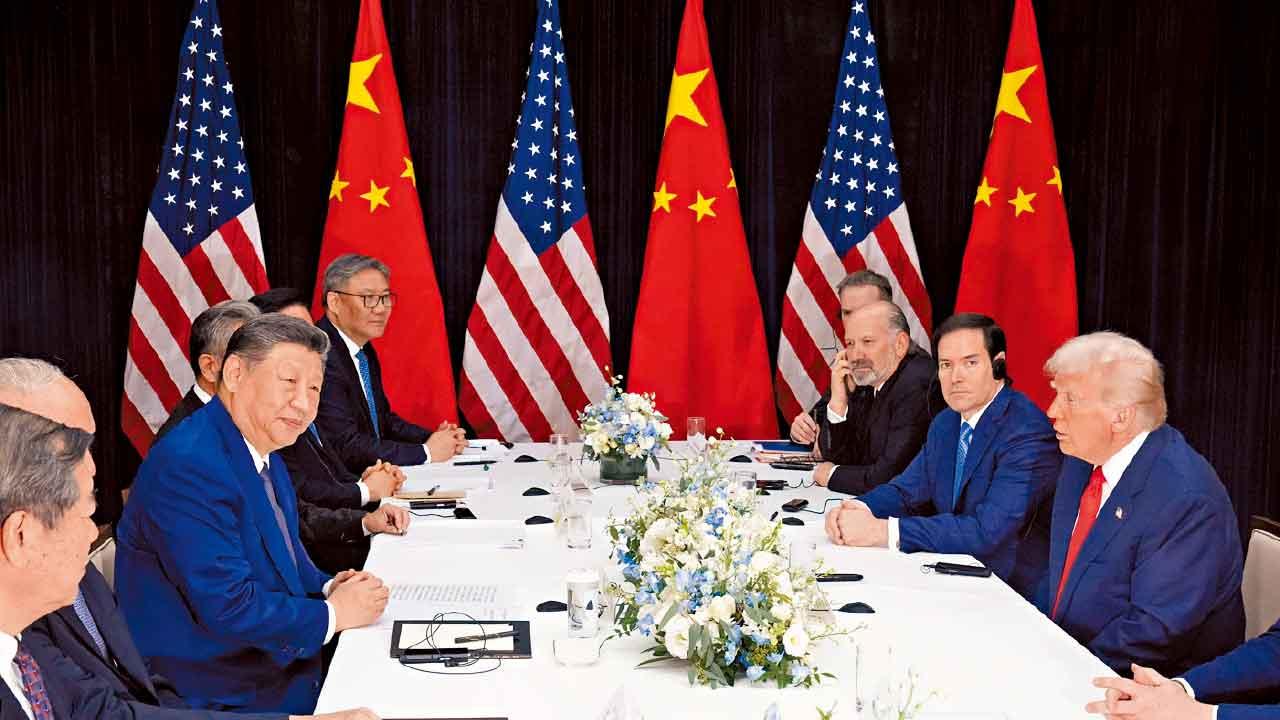
Thumbnail Image

트럼프, 엔비디아 AI 칩 수출 제한...가장 진보된 '블랙웰' 칩, 미국만 소유해야

2025-11-03
아시아투데이
Why's our monitor labelling this an incident or hazard?
The event involves an AI system component (advanced AI chips) and concerns the use and distribution of this AI technology. However, the article does not describe any realized harm or incident caused by the AI system itself. Instead, it focuses on a governmental policy to prevent potential future harm related to the proliferation of advanced AI technology to geopolitical rivals. This fits the definition of an AI Hazard, as the restricted export is intended to prevent plausible future harms related to AI technology misuse or military escalation. There is no direct or indirect harm reported yet, only a credible risk being addressed through export controls.
Thumbnail Image

트럼프, 엔비디아 AI 칩 수출 제한...中 AI 경쟁력 억제

2025-11-04
디지털투데이 (DigitalToday)
Why's our monitor labelling this an incident or hazard?
The article focuses on export restrictions of AI chips, which are essential components for AI systems, indicating involvement of AI technology. However, no direct or indirect harm resulting from the AI system's development, use, or malfunction is reported. The event reflects a strategic policy move that could plausibly affect future AI development and competition but does not describe an incident or hazard causing or likely to cause harm at this time. Therefore, it is best classified as Complementary Information, providing context on AI governance and market impacts without constituting an AI Incident or AI Hazard.
Thumbnail Image

ترامب يمنع تصدير رقائق إنفيديا الأكثر تقدما للصين مع السماح بالتعامل التجارى - اليوم السابع

2025-11-03
اليوم السابع
Why's our monitor labelling this an incident or hazard?
The event involves the development and use of AI systems, specifically advanced AI chips, and the U.S. government's export control policy limits their distribution to China. However, no actual harm or incident caused by the AI systems is described. The article focuses on the policy decision and its geopolitical context, which could plausibly lead to future AI-related harms or strategic impacts but does not report any realized harm or incident. Therefore, this is best classified as an AI Hazard, as the restriction reflects concerns about potential future harms related to AI technology proliferation.
Thumbnail Image

مساحات سبورت : ترامب يمنع تصدير رقائق إنفيديا الأكثر تقدما للصين مع السماح بالتعامل التجارى

2025-11-03
مساحات
Why's our monitor labelling this an incident or hazard?
The news concerns the development and use of AI-related technology (advanced AI chips) and government policy restricting their export to prevent potential strategic or security risks. However, there is no direct or indirect harm reported from the use or malfunction of AI systems, nor is there a plausible immediate harm event described. The event is about potential future risks and geopolitical control measures, but it does not describe an AI hazard in the sense of a credible or imminent risk of harm caused by AI systems themselves. Therefore, it is best classified as Complementary Information, providing context on AI technology governance and international trade restrictions without reporting an AI Incident or AI Hazard.
Thumbnail Image

ترامب يمنع تصدير رقائق "إنفيديا" الأكثر تقدما إلى الصين - الأسبوع

2025-11-03
����� �������
Why's our monitor labelling this an incident or hazard?
The news article discusses the US government's export control policy on advanced AI chips, which are critical components for AI systems. While the chips are AI-related technology, the article does not report any realized harm or incident caused by AI systems. The restriction is a preventive measure to control AI technology dissemination, which could plausibly lead to future AI hazards such as misuse or escalation of geopolitical conflicts involving AI capabilities. Therefore, this event fits the definition of an AI Hazard, as it concerns a credible risk related to AI system development and use, but no actual harm has yet occurred.
Thumbnail Image

ترامب يمنع تصدير رقائق إنفيديا المتطورة للصين مع التجارة

2025-11-03
مانكيش نت
Why's our monitor labelling this an incident or hazard?
The event involves AI systems (advanced AI chips by Nvidia) and their controlled export, which could plausibly lead to AI-related harms if such technology were used in ways that threaten security or other harms. Since no harm has yet occurred and the event is about restricting access to prevent potential future harm, it fits the definition of an AI Hazard. It is not an AI Incident because no harm has materialized, nor is it Complementary Information or Unrelated.
Thumbnail Image

"ترامب": منع تصدير رقائق "إنفيديا" الأكثر تقدماً إلى الصين

2025-11-03
جريدة البورصة
Why's our monitor labelling this an incident or hazard?
The event involves AI systems indirectly through the advanced AI chips produced by NVIDIA, which are critical components for AI system development and deployment. However, the event does not describe any realized harm or incident caused by the AI systems or chips. Instead, it is about a governmental policy restricting the export of AI technology to prevent potential future risks or strategic disadvantages. This fits the definition of an AI Hazard, as the restriction is based on the plausible future harm that could arise if such advanced AI chips were exported to China, potentially enabling AI capabilities that could lead to harm. There is no direct or indirect harm reported yet, only a preventive measure. Therefore, the classification is AI Hazard.
Thumbnail Image

젠슨 황, 로비에도 '블랙웰' 논의 제외... 트럼프 참모진 반대 영향

2025-11-04
아시아경제
Why's our monitor labelling this an incident or hazard?
The article explicitly involves an AI system (Nvidia's Blackwell AI chip) and discusses the potential national security risks if the chip were exported to China. Although no harm has occurred, the export restriction and political debate reflect concerns about plausible future harm to US AI leadership and security. There is no mention of actual harm or incident caused by the AI system, nor is the article primarily about responses or updates to past incidents. Hence, the event fits the definition of an AI Hazard, as it plausibly could lead to harm if the AI system were exported and used by a geopolitical competitor.
Thumbnail Image

트럼프, 참모진 반대에 시진핑 회담서 '블랙웰' 배제

2025-11-04
국민일보
Why's our monitor labelling this an incident or hazard?
The event involves an AI system (Nvidia's advanced AI chip 'Blackwell') whose export is restricted due to concerns that its use could strengthen China's AI capabilities and threaten US national security. No direct or indirect harm has occurred yet, but the potential for harm is credible and recognized by policymakers. The article focuses on the preventive policy decision rather than an incident of harm. Hence, it fits the definition of an AI Hazard, where the development or use of an AI system could plausibly lead to harm in the future.
Thumbnail Image

미중 정상회담서 제외된 '블랙웰 논의'..."트럼프 참모진 반대 때문" | 아주경제

2025-11-04
아주경제
Why's our monitor labelling this an incident or hazard?
The event involves an AI system (Nvidia's Blackwell AI chip) and concerns about its export to China, which could plausibly lead to national security risks, a form of harm. However, no actual harm or incident has occurred yet; the article focuses on political decisions and lobbying around the potential risks. This fits the definition of an AI Hazard, as the development and potential use of the AI system could plausibly lead to harm, but no direct or indirect harm has materialized at this point.
Thumbnail Image

미중회담서 빠진 '블랙웰', 이유는?...젠슨황에 흔들렸지만 美참모진 결사반대

2025-11-04
연합뉴스TV
Why's our monitor labelling this an incident or hazard?
The article explicitly involves an AI system (Nvidia's Blackwell AI chip) and discusses its export control due to concerns about national security and maintaining AI superiority. The harm is not realized but is a plausible future risk if the AI chip were to be exported to China. The event is about the potential for harm rather than an actual harm incident. Hence, it fits the definition of an AI Hazard rather than an AI Incident or Complementary Information. It is not unrelated because it directly concerns AI technology and its geopolitical implications.
Thumbnail Image

[종합] 미중 '부산담판'서 제외된 '블랙웰 논의'..."트럼프 참모진의 승리" | 아주경제

2025-11-04
아주경제
Why's our monitor labelling this an incident or hazard?
The article explicitly involves an AI system (Nvidia's Blackwell AI semiconductor) and discusses its potential export to China, which could plausibly lead to national security risks and enhancement of AI capabilities in a geopolitical competitor. Although no harm has occurred yet, the discussion of export restrictions and national security concerns indicates a credible risk of future harm stemming from the AI system's use. Therefore, this event fits the definition of an AI Hazard, as it plausibly could lead to an AI Incident in the future. It is not an AI Incident because no harm has materialized, nor is it Complementary Information since the article's main focus is on the potential risk and policy decisions rather than updates or responses to past incidents.
Thumbnail Image

블랙웰 中 수출 허용하려던 트럼프, 참모진 반대에 뜻 접었다

2025-11-04
서울경제
Why's our monitor labelling this an incident or hazard?
The event involves an AI system (Nvidia's Blackwell AI semiconductor) whose export to China was considered but ultimately blocked due to concerns about enhancing China's AI capabilities and national security risks. No harm has occurred yet, but the potential for harm through increased AI capabilities in a geopolitical competitor is plausible. Therefore, this is an AI Hazard, as the development and potential use of this AI system could plausibly lead to harms related to strategic competition and security.
Thumbnail Image

WSJ "트럼프 참모진, 블랙웰칩 中 수출 반대... 美中 회담 안건서 빠져" - 인더스트리뉴스

2025-11-05
인더스트리뉴스
Why's our monitor labelling this an incident or hazard?
The article explicitly involves an AI system (Nvidia's Blackwell AI chip) and discusses the political decision to restrict its export to China to prevent potential national security harm. The harm is not realized but is a plausible future risk due to the AI system's capabilities enhancing China's AI infrastructure. The event is about the use and control of the AI system, not about an incident where harm has already occurred. Hence, it fits the definition of an AI Hazard rather than an AI Incident or Complementary Information.
Thumbnail Image

"美, 엔비디아 최신 AI칩 저사양 모델도 中 수출 불허" | 연합뉴스

2025-11-07
연합뉴스
Why's our monitor labelling this an incident or hazard?
The article involves AI systems (Nvidia's AI chips) and discusses export restrictions due to concerns about future AI capability shifts that could affect U.S. dominance. No actual harm or incident has occurred; rather, the export ban is a preventive measure reflecting plausible future risks. This fits the definition of an AI Hazard, as it concerns the plausible future harm from AI system proliferation. It is not complementary information because it is not about responses to an existing incident, nor is it unrelated since it involves AI technology and potential harm. Hence, AI Hazard is the appropriate classification.
Thumbnail Image

"美, 엔비디아 최신 AI칩 저사양 모델도 中 수출 금지"

2025-11-07
아시아경제
Why's our monitor labelling this an incident or hazard?
The event involves AI systems (Nvidia's AI chips) used for AI model training and inference, so AI system involvement is clear. The event concerns the use and development of these AI systems, specifically their export and availability. However, there is no direct or indirect harm reported or occurring due to the AI chips themselves; rather, the article discusses export restrictions as a geopolitical and strategic measure. There is no indication that the export ban itself causes or plausibly leads to harm as defined (injury, rights violations, infrastructure disruption, etc.). Therefore, it does not meet the criteria for AI Incident or AI Hazard. Instead, it provides important complementary information about AI governance and international policy affecting AI technology dissemination.
Thumbnail Image

트럼프행정부, 엔비디아 AI칩 저사양 모델도 中 수출 불허

2025-11-07
국민일보
Why's our monitor labelling this an incident or hazard?
The article focuses on export controls of AI chips, which are AI systems or components critical for AI development and deployment. The U.S. government's action is a preventive measure to avoid potential future harm to national security or technological dominance. Since no direct or indirect harm has occurred yet, but there is a credible risk that unrestricted export could lead to harm, this qualifies as an AI Hazard rather than an AI Incident. The event is not merely general AI news but relates to plausible future harm from AI system proliferation.
Thumbnail Image

수출길 막힌 엔비디아...美, AI칩 저사양 모델도 中 수출 불허- 매경ECONOMY

2025-11-07
mk.co.kr
Why's our monitor labelling this an incident or hazard?
The event involves AI systems (Nvidia AI chips) and their development and use, but the main focus is on export controls and geopolitical strategy rather than any realized or plausible harm caused by the AI systems. There is no direct or indirect harm reported, nor a credible plausible risk of harm from the AI systems themselves described here. The article primarily informs about regulatory and market developments impacting AI technology dissemination and competition, which fits the definition of Complementary Information rather than an Incident or Hazard.
Thumbnail Image

ABD'den Sert Hamle! Nvidia'nın Süper Çipleri Çin'e Satılmayacak!

2025-11-04
www.gercekgundem.com
Why's our monitor labelling this an incident or hazard?
The article focuses on a government export control policy regarding AI chips, which is a governance response to concerns about AI technology proliferation. It does not describe any incident or hazard involving AI systems causing or potentially causing harm. Therefore, it fits the category of Complementary Information as it provides context on AI governance and policy developments without reporting an AI Incident or AI Hazard.
Thumbnail Image

Teknoloji devinin Çin hamlesine Beyaz Saray freni

2025-11-05
Halk TV
Why's our monitor labelling this an incident or hazard?
The article discusses a policy restricting the sale of AI chips, which are components for AI systems, to a specific country. While this relates to AI technology, there is no indication that the development, use, or malfunction of these AI systems has directly or indirectly caused harm. Instead, the policy aims to prevent potential future risks or strategic disadvantages. Therefore, this is a plausible future risk scenario related to AI technology but does not describe an incident or immediate hazard. The event is best classified as Complementary Information because it provides context on governance and strategic responses to AI technology without describing a specific AI Incident or AI Hazard.
Thumbnail Image

China interzice cipurile AI americane din centrele de date. Nouă lovitură în războiul tehnologic cu SUA (Reuters)

2025-11-05
Digi24
Why's our monitor labelling this an incident or hazard?
The event involves AI systems (AI chips) and their use in critical infrastructure (data centers), but the article focuses on a government policy restricting foreign AI chip usage rather than any harm caused by AI system malfunction or misuse. There is no indication that this decision has directly or indirectly caused injury, rights violations, or other harms. Nor does it describe a plausible future harm from the AI systems themselves. Instead, it is a governance and market development update that informs about the evolving AI ecosystem and geopolitical tensions. Hence, it fits the definition of Complementary Information rather than an AI Incident or AI Hazard.
Thumbnail Image

Șeful Nvidia dă verdictul: China va câștiga cursa în domeniul inteligenței artificiale - HotNews.ro

2025-11-06
HotNews.ro
Why's our monitor labelling this an incident or hazard?
The article focuses on geopolitical competition and market access issues related to AI chips and development, without describing any event where an AI system caused harm or malfunctioned. It does not report realized or potential harm from AI systems but rather discusses strategic perspectives and policy stances. Therefore, it fits the category of Complementary Information as it provides context and insight into AI ecosystem dynamics and governance-related challenges, without describing a specific AI Incident or AI Hazard.
Thumbnail Image

Donald Trump anunță că SUA nu vor da liber cipul Nvidia pentru export

2025-11-03
Stiri pe surse
Why's our monitor labelling this an incident or hazard?
The event involves an AI system component (an advanced AI chip) and concerns its export control. However, there is no indication that any harm has occurred or that the chip's development or use has directly or indirectly led to injury, rights violations, or other harms. The decision to restrict export is a precautionary governance action to prevent potential future risks associated with the chip's proliferation. Therefore, this event represents a plausible future risk scenario related to AI technology distribution, fitting the definition of an AI Hazard rather than an Incident or Complementary Information.
Thumbnail Image

Șeful Nvidia avertizează: "China va câștiga cursa în dezvoltarea Inteligenței Artificiale"

2025-11-07
Descopera.ro
Why's our monitor labelling this an incident or hazard?
The content centers on strategic and economic competition in AI development and export controls, without any direct or indirect link to realized or potential harm caused by AI systems. There is no mention of an AI system malfunction, misuse, or harm to people, infrastructure, rights, property, or communities. The article is a high-level commentary on AI development and policy, thus it qualifies as Complementary Information providing context to the AI ecosystem rather than an AI Incident or AI Hazard.
Thumbnail Image

Avertismentul şefului unei mari companii americane: China va "câştiga cursa pentru dezvoltarea IA"

2025-11-06
BusinessMagazin
Why's our monitor labelling this an incident or hazard?
The article does not describe any AI incident or hazard. It focuses on a high-level warning and policy stance regarding AI development competition between countries. No specific AI system is reported to have caused harm or malfunctioned, nor is there a credible immediate risk of harm described. Therefore, it is best classified as Complementary Information, providing context and insight into the AI ecosystem and governance challenges rather than reporting an incident or hazard.
Thumbnail Image

China, din ce în ce mai agresivă în povestea eliminării tehnologiei străine din infrastructura sa critică. Mișcare de ultim moment din partea asiaticilor

2025-11-06
bugetul.ro
Why's our monitor labelling this an incident or hazard?
The event involves AI systems in the form of AI chips used in data centers, which are critical infrastructure components. The directive to replace foreign AI chips with domestic ones is a development and use-related action concerning AI technology. However, there is no indication that this has directly or indirectly caused any harm as defined by the framework (such as injury, disruption, rights violations, or environmental harm). The article discusses potential risks and geopolitical tensions but does not describe any actual incident or harm. Therefore, this event does not qualify as an AI Incident or AI Hazard. It is best classified as Complementary Information because it provides important context about AI ecosystem developments, regulatory actions, and market shifts relevant to AI governance and strategic competition.
Thumbnail Image

ترامب يرفض تصدير رقائق "إنفيديا" المتطورة إلى الصين... - عربي21

2025-11-05
عربي21
Why's our monitor labelling this an incident or hazard?
The event involves AI systems (advanced AI chips) and their development and use, but the article focuses on the prevention of potential harm through export restrictions. There is no indication that the AI chips have caused any injury, rights violations, or other harms yet. The decision is a preventive measure to avoid possible future harms related to AI technology advantage in a geopolitical context. Hence, it fits the definition of an AI Hazard, as it plausibly could lead to harm if the chips were exported and used to strengthen AI infrastructure in a rival country.
Thumbnail Image

إدارة ترامب تُعرقل صفقة "إنفيديا" لتصدير رقائق الذكاء الاصطناعي إلى ا

2025-11-04
مصراوي.كوم
Why's our monitor labelling this an incident or hazard?
The event involves AI systems (advanced AI chips) and their development and use. The Trump administration's intervention is based on the plausible risk that exporting these AI chips to China could lead to harms such as enhanced military capabilities, cyberattacks, or mass surveillance, which align with harms to security and human rights. Since the harm is potential and preventive measures are being taken, this constitutes an AI Hazard rather than an AI Incident. The article does not report any realized harm but focuses on the risk and policy response to prevent such harm.
Thumbnail Image

ترامب يعرقل صفقة إنفيديا لتصدير رقائق الذكاء إلى الصين

2025-11-04
مانكيش نت
Why's our monitor labelling this an incident or hazard?
The event involves an AI system (advanced AI chips) and concerns the use and export controls of this technology. The U.S. government's intervention aims to prevent potential future harm (national security risks) that could arise if China gains access to these AI chips. Since no harm has yet occurred but there is a credible risk that the AI technology could be used in ways that threaten security, this qualifies as an AI Hazard. There is no indication of an actual incident or realized harm, nor is the article primarily about responses or updates to past incidents, so it is not Complementary Information.
Thumbnail Image

الولايات المتحدة تمنع إنفيديا من بيع شرائحها المتقدمة للصين

2025-11-06
وكالة نيو ترك بوست الاخبارية
Why's our monitor labelling this an incident or hazard?
The event involves AI systems explicitly, as Nvidia's Blackwell chips are advanced AI hardware used for training large AI models and processing data. The U.S. government's export ban is motivated by concerns that these AI systems could be used to enhance military and intelligence capabilities of China, which could plausibly lead to harms such as disruption of critical infrastructure or violations of international security. However, no direct harm has yet occurred from the AI system's use; the article focuses on preventing potential future harm. Thus, this is an AI Hazard rather than an AI Incident. The article also does not primarily focus on responses or updates to past incidents, so it is not Complementary Information. It is not unrelated because it clearly involves AI systems and their geopolitical implications.
Thumbnail Image

رئيس "إنفيديا" يحذّر من أن الصين "ستفوز في سباق الذكاء الاصطناعي"

2025-11-06
France 24
Why's our monitor labelling this an incident or hazard?
The article involves AI systems indirectly through discussion of AI chip technology and geopolitical competition but does not describe any event where AI systems have caused or could plausibly cause harm. There is no direct or indirect harm reported, nor a credible imminent risk of harm from AI system malfunction or misuse. The focus is on strategic and policy commentary, making it Complementary Information rather than an Incident or Hazard.
Thumbnail Image

США обмежать доступ до найпотужніших AI-чипів Nvidia для інших країн

2025-11-03
Mind.ua
Why's our monitor labelling this an incident or hazard?
The article discusses export restrictions on AI chips, which are components enabling AI systems, but does not report any realized harm or incident caused by AI system development, use, or malfunction. The decision is a policy and governance measure aimed at controlling AI technology dissemination. There is no indication of an AI Incident or AI Hazard occurring or imminent. The content is best classified as Complementary Information because it provides context on AI ecosystem governance and strategic responses rather than describing a specific AI Incident or Hazard.
Thumbnail Image

AS Larang Nvidia Jual Chip AI Terbaru ke China

2025-11-07
IDN Times
Why's our monitor labelling this an incident or hazard?
The event involves AI systems (AI chips for training large language models) and concerns the use and distribution of such technology. The US government's restriction is a preventive measure to avoid plausible future harms that could arise from the deployment of advanced AI capabilities in China. Since no actual harm has occurred but there is a credible risk of future harm, this qualifies as an AI Hazard rather than an Incident. It is not merely complementary information because the main focus is on the policy restricting AI technology sales due to potential risks, not on responses or updates to past incidents.
Thumbnail Image

Trump Blokir China Usai Ketemu Xi Jinping, Kali Ini Tak Ada Ampun

2025-11-04
CNBCindonesia
Why's our monitor labelling this an incident or hazard?
The event involves an AI system component (advanced AI chips) and concerns the use and export control of this technology. The harm described is potential and plausible future harm related to national security and military power balance, which fits the definition of an AI Hazard. There is no indication that harm has already occurred, so it is not an AI Incident. The article is not merely complementary information about AI development or governance responses but focuses on a concrete policy action to prevent plausible harm. Therefore, the classification is AI Hazard.
Thumbnail Image

Perang Chip AI Amerika vs Cina Semakin Panas

2025-11-08
Tempo Media
Why's our monitor labelling this an incident or hazard?
The event involves AI systems in the sense that the chips are critical hardware for AI computation, but the article focuses on trade restrictions and policy responses rather than any direct or indirect harm caused by AI systems. There is no mention of injury, rights violations, disruption, or other harms caused by AI system malfunction or misuse. The situation could plausibly lead to future harms related to technological stagnation or geopolitical tensions affecting AI development, but these are potential and not realized harms. Therefore, the event is best classified as an AI Hazard, reflecting the plausible future risks stemming from these developments.
Thumbnail Image

Perang Chip AI Amerika vs Cina Makin Panas

2025-11-08
Tempo Media
Why's our monitor labelling this an incident or hazard?
The event involves AI systems because it concerns advanced AI chips essential for AI system operation. The US blocking sales and China's retaliatory policies affect the development and use of AI systems. Although no direct harm has occurred, the policies could plausibly lead to significant future harms such as technological stagnation, reduced AI capabilities, or geopolitical tensions impacting AI ecosystems. Since the article focuses on potential future impacts rather than actualized harm, it fits the definition of an AI Hazard rather than an AI Incident or Complementary Information.
Thumbnail Image

Nvidia dilarang jual chip, perang chip AI AS dan China memanas

2025-11-08
ANTARA News - The Indonesian News Agency
Why's our monitor labelling this an incident or hazard?
The article centers on a government export ban on AI chips, which involves AI systems (the chips) but does not describe any harm or malfunction caused by these AI systems. The ban is a policy and strategic move, not an event where AI system use or malfunction has led to harm. The potential future impacts on AI development and market dynamics are discussed, but no plausible immediate harm or incident is reported. Thus, it fits the definition of Complementary Information, as it informs about governance and market responses related to AI technology without describing a specific AI Incident or AI Hazard.
Thumbnail Image

Persaingan AI Makin Sengit, Trump Larang Negara Lain Pakai Chip Tercanggih Nvidia

2025-11-07
KOMPAS.com
Why's our monitor labelling this an incident or hazard?
The article involves AI systems implicitly through the advanced AI chips (GPU Blackwell) used for AI computation. The U.S. government's restriction on exporting these chips to certain countries is a use-related policy decision that could plausibly lead to future harms such as geopolitical tensions, AI development disparities, or economic impacts. No actual harm or incident is reported, so it is not an AI Incident. The content is more than general AI news or product announcement because it highlights a significant policy with potential risk implications. Therefore, it fits the definition of an AI Hazard, as the development and use restrictions of AI hardware could plausibly lead to AI-related harms in the future.
Thumbnail Image

Nvidia dilarang jual chip, perang chip AI AS dan China memanas

2025-11-08
Head Topics
Why's our monitor labelling this an incident or hazard?
The article centers on governmental export controls and strategic competition in AI chip technology between the US and China. While AI systems (chips) are involved, the event does not describe any realized harm or incident caused by AI system development, use, or malfunction. Nor does it describe a plausible immediate risk of harm from AI systems themselves. The content is about policy and market dynamics, which fits the definition of Complementary Information as it provides context and updates on AI ecosystem governance and strategic responses rather than reporting an AI Incident or AI Hazard.