AI Voice Cloning of Actor Andreas Fröhlich Raises Rights Violations Concerns

Thumbnail Image

The information displayed in the AIM should not be reported as representing the official views of the OECD or of its member countries.

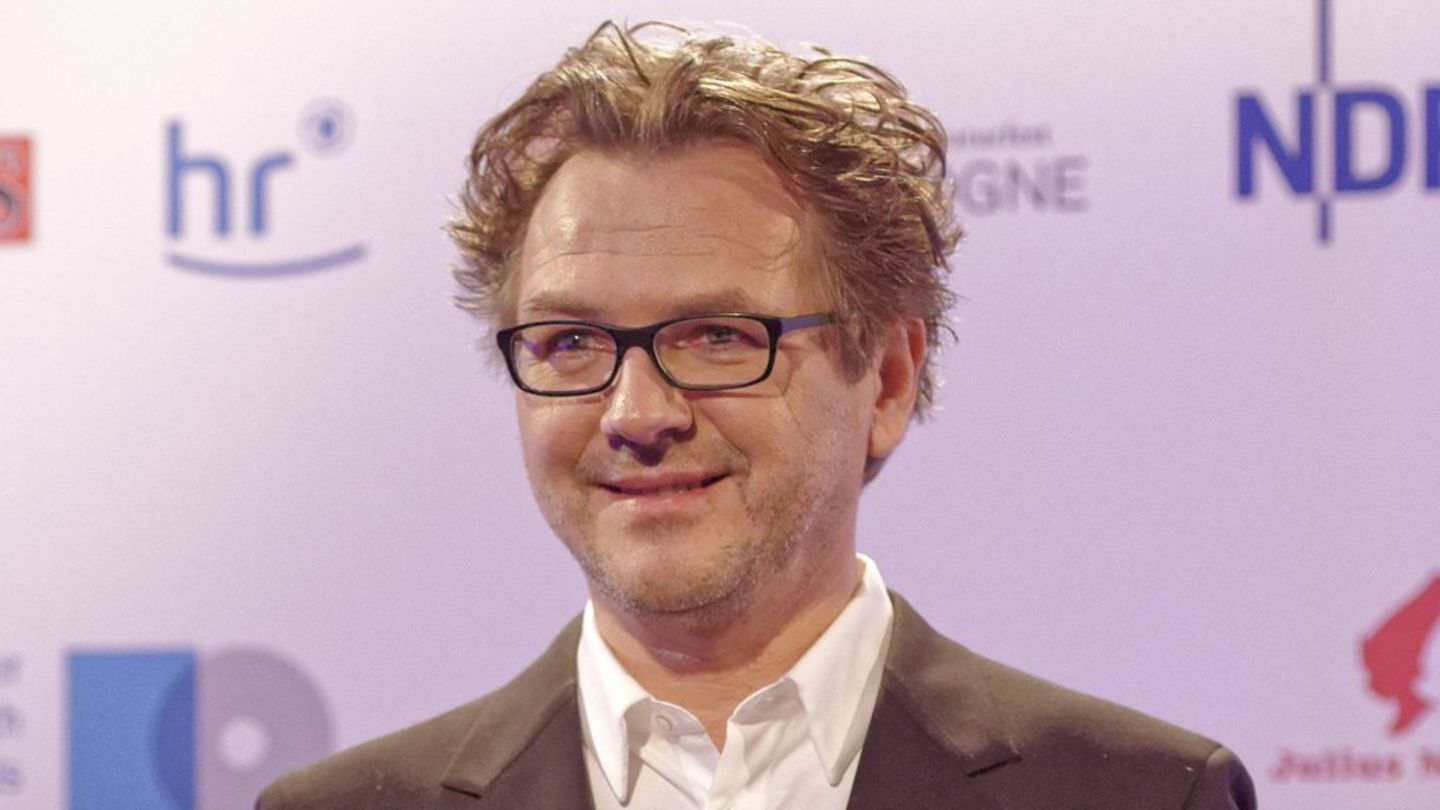
German voice actor Andreas Fröhlich reports unauthorized use of his AI-generated voice, created without his consent, in various media. This incident highlights the misuse of AI voice synthesis technology, leading to violations of intellectual property and personal rights, and raises concerns about job security in the voice acting industry.[AI generated]

Why's our monitor labelling this an incident or hazard?

The article explicitly references AI systems used to clone and synthesize the voice of a professional actor without consent, which is a direct misuse of AI technology causing harm to the actor's rights and professional interests. This fits the definition of an AI Incident as it involves violations of rights (intellectual property and personal rights) and harm to the individual. The unauthorized use of AI-generated voice content can be considered a breach of obligations intended to protect fundamental and intellectual property rights. The harm is realized, not just potential, as the voice is already used without consent. Hence, the classification as AI Incident is appropriate.[AI generated]
AI principles
AccountabilityPrivacy & data governanceRespect of human rights

Industries
Arts, entertainment, and recreation

Affected stakeholders
Workers

Harm types
Human or fundamental rights

Severity
AI incident

AI system task:
Content generation


Articles about this incident or hazard

Thumbnail Image

"Es kann gut sein, dass nicht ich Gollum spreche, sondern die KI"

2025-11-05
Yahoo!
Why's our monitor labelling this an incident or hazard?
The article centers on the potential and ongoing misuse of AI voice cloning technology, highlighting the risk of job loss for voice actors and unauthorized use of their voices. While these are serious concerns and imply plausible future harm, the article does not document a specific AI Incident where harm has already materialized, nor does it describe a concrete AI Hazard event such as a near miss or imminent threat. The focus is on the broader implications and challenges posed by AI in the voice acting field, making this a case of Complementary Information that provides context and insight into AI's societal and labor impacts rather than reporting a discrete incident or hazard.
Thumbnail Image

"Es kann gut sein, dass nicht ich Gollum spreche, sondern die KI"

2025-11-05
GMX
Why's our monitor labelling this an incident or hazard?
The article explicitly references AI systems used to clone and synthesize the voice of a professional actor without consent, which is a direct misuse of AI technology causing harm to the actor's rights and professional interests. This fits the definition of an AI Incident as it involves violations of rights (intellectual property and personal rights) and harm to the individual. The unauthorized use of AI-generated voice content can be considered a breach of obligations intended to protect fundamental and intellectual property rights. The harm is realized, not just potential, as the voice is already used without consent. Hence, the classification as AI Incident is appropriate.
Thumbnail Image

"Es kann gut sein, dass nicht ich Gollum spreche, sondern die KI"

2025-11-05
GMX News
Why's our monitor labelling this an incident or hazard?
The article explicitly mentions AI systems generating voice clones of Andreas Fröhlich without his knowledge or consent, which is a direct use of AI technology. The unauthorized use of his AI-generated voice in potentially questionable or unconstitutional content constitutes a violation of his rights. This harm has already occurred, making it an AI Incident under the framework, as it involves a breach of intellectual property and personal rights due to AI misuse. The concern about future replacement of voice actors by AI further supports the significance of the issue but the realized harm is the unauthorized use of his AI voice.
Thumbnail Image

"Kann gut sein, dass die KI Gollum spricht"

2025-11-05
stern.de
Why's our monitor labelling this an incident or hazard?
The article explicitly mentions AI systems generating synthetic voices and their use in dubbing and audiobooks, which is a clear AI system involvement. The concerns raised are about potential job loss and unauthorized use of voice data, which could plausibly lead to violations of intellectual property rights and economic harm to individuals. However, no direct harm or incident has yet occurred as per the article; the harms are prospective and speculative. Therefore, this event fits the definition of an AI Hazard, as it plausibly could lead to AI incidents such as rights violations or economic harm in the future, but no concrete incident is reported.
Thumbnail Image

"Es kann gut sein, dass nicht ich Gollum spreche, sondern die KI"

2025-11-05
GMX News
Why's our monitor labelling this an incident or hazard?
The article explicitly mentions AI systems used for voice cloning and synthesis, which are AI systems. The concerns raised are about potential job loss (economic harm) and unauthorized use of voice data (possible violation of rights). However, no concrete harm such as a legal violation, injury, or disruption has been reported as having occurred. The unauthorized use of the actor's voice is described but without specific incidents of harm or legal outcomes. Therefore, the event is best classified as an AI Hazard, since the development and use of AI voice synthesis could plausibly lead to harms such as job loss and rights violations in the future, but no direct or indirect harm has yet materialized as an incident.
Thumbnail Image

"Gut möglich, dass die KI Gollum spricht"

2025-11-05
GALA
Why's our monitor labelling this an incident or hazard?
The article clearly involves AI systems, specifically AI voice synthesis technology that can replicate human voices. The concerns raised relate to the use and misuse of AI-generated voices, including unauthorized use and potential job displacement. However, no direct or indirect harm has been reported as having occurred yet; the harms discussed are prospective, such as loss of employment and unauthorized use of voice data. Therefore, this situation represents a plausible risk of harm stemming from AI use, fitting the definition of an AI Hazard rather than an AI Incident. It is not merely complementary information because the main focus is on the potential negative impacts of AI voice technology, not on responses or ecosystem updates. It is not unrelated because AI involvement is central to the discussion.
Thumbnail Image

'Es kann gut sein, dass nicht ich Gollum spreche, sondern die KI'

2025-11-05
Abendzeitung München
Why's our monitor labelling this an incident or hazard?
The article explicitly involves AI systems that generate synthetic voices based on the actor's real voice recordings. The unauthorized copying and use of the actor's voice as an AI-generated voice without consent constitutes a violation of labor and intellectual property rights, which are recognized harms under the AI Incident definition. The harm is realized, not just potential, as the actor reports actual unauthorized uses of his AI voice. The article also discusses the broader impact of AI on employment in the voice acting industry, reinforcing the direct and indirect harms caused by AI use and misuse. Hence, this qualifies as an AI Incident rather than a hazard or complementary information.