AI-Powered Surveillance Cameras to Monitor Mexico City Airport

Thumbnail Image

The information displayed in the AIM should not be reported as representing the official views of the OECD or of its member countries.

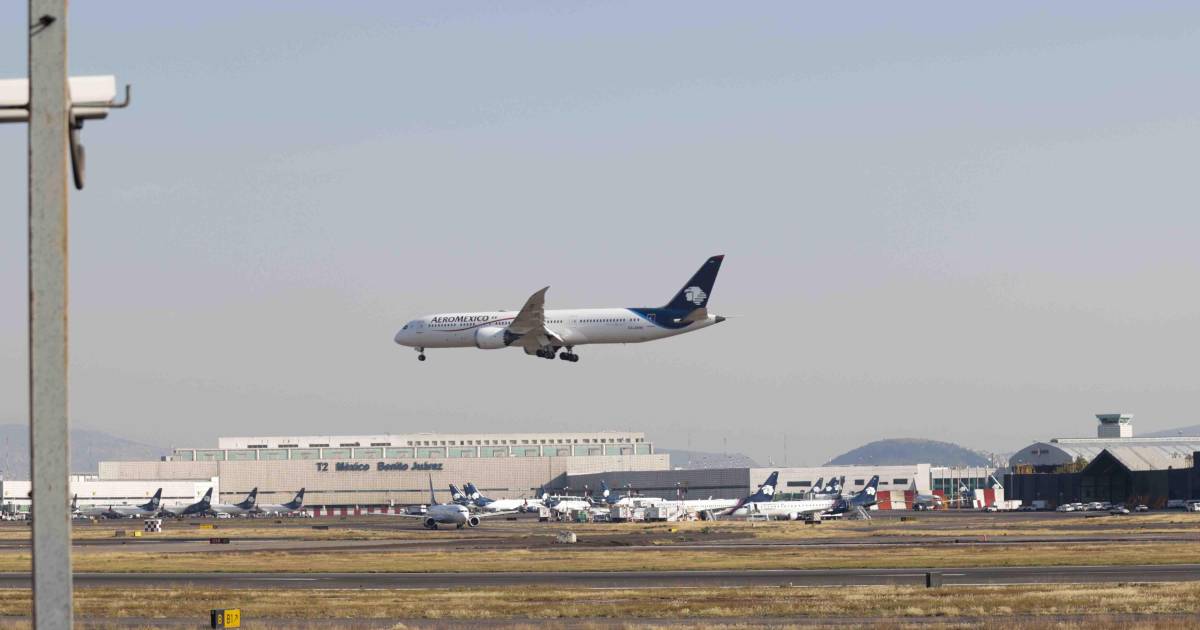
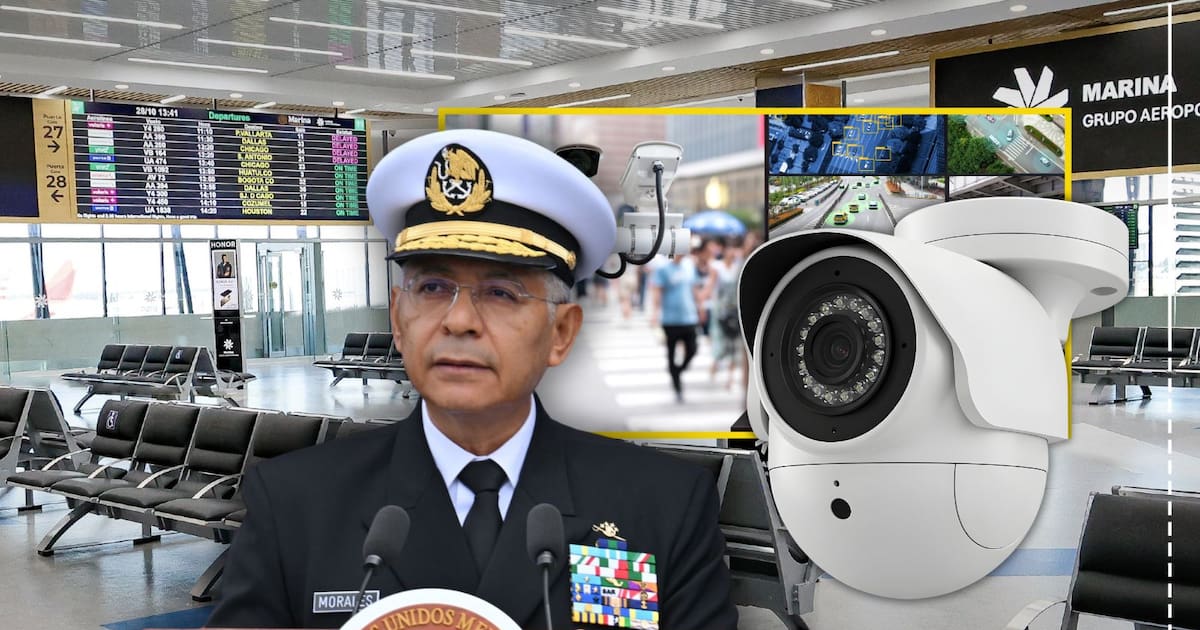
The Mexican Navy (Semar) will deploy over 3,000 AI-enabled surveillance cameras at Mexico City International Airport. These cameras will use facial recognition, vehicle plate detection, and behavior analysis to monitor passengers and vehicles in real time, raising concerns about potential privacy violations and misuse of surveillance data.[AI generated]

Why's our monitor labelling this an incident or hazard?

The article explicitly mentions the use of AI systems for video analysis, facial recognition, behavior detection, and automated alerts, confirming AI system involvement. There is no indication that harm has already occurred; rather, the article focuses on the planned acquisition and capabilities of the system. The potential for privacy violations, misuse of facial recognition, and surveillance-related human rights concerns are plausible future harms. Since no actual harm or incident is reported, but the system's deployment could plausibly lead to such harms, the event fits the definition of an AI Hazard. It is not Complementary Information because it is not an update or response to a prior incident, nor is it unrelated as it clearly involves AI systems with security implications.[AI generated]
AI principles
Privacy & data governanceRespect of human rightsTransparency & explainabilityAccountability

Industries
Government, security, and defence

Affected stakeholders
General public

Harm types
Human or fundamental rights

Severity
AI hazard

AI system task:
Recognition/object detectionEvent/anomaly detection


Articles about this incident or hazard

Thumbnail Image

Vigilará la Marina el AICM con más de 3 mil cámaras inteligentes | El Universal

2025-11-09
El Universal
Why's our monitor labelling this an incident or hazard?
The article explicitly mentions the use of AI systems for video analysis, facial recognition, behavior detection, and automated alerts, confirming AI system involvement. There is no indication that harm has already occurred; rather, the article focuses on the planned acquisition and capabilities of the system. The potential for privacy violations, misuse of facial recognition, and surveillance-related human rights concerns are plausible future harms. Since no actual harm or incident is reported, but the system's deployment could plausibly lead to such harms, the event fits the definition of an AI Hazard. It is not Complementary Information because it is not an update or response to a prior incident, nor is it unrelated as it clearly involves AI systems with security implications.
Thumbnail Image

AICM activará cámaras inteligentes para identificar rostros de la "lista negra", placas vehiculares y comportamientos sospechosos, todo bajo el control de Semar

2025-11-09
EL IMPARCIAL | Noticias de México y el mundo
Why's our monitor labelling this an incident or hazard?
The event involves the development and planned use of an AI system (intelligent surveillance cameras with facial recognition and behavior analysis) that could plausibly lead to harms such as violations of privacy and human rights, misuse of surveillance data, or wrongful alerts causing harm to individuals. No actual harm or incident has been reported yet, so it does not qualify as an AI Incident. The article is not merely complementary information since it focuses on the planned deployment and capabilities of the AI system with potential for harm. Hence, the classification as an AI Hazard is appropriate.
Thumbnail Image

Inteligencia Artificial vigilará al AICM: detectará rostros en 'listas negras'

2025-11-09
Vanguardia
Why's our monitor labelling this an incident or hazard?
The article explicitly mentions an AI system with facial recognition, behavior analysis, and vehicle plate recognition capabilities to be deployed in a critical infrastructure setting (an international airport). Although no harm has yet occurred, the system's intended use to identify individuals on 'blacklists' and detect 'unusual' behavior poses credible risks of human rights violations, including privacy infringements and potential wrongful targeting. The AI system's role is pivotal in these risks. Since the system is still in the procurement and installation phase, and no incident has yet materialized, this qualifies as an AI Hazard rather than an AI Incident. The event is not merely general AI news or a complementary update but a clear indication of a plausible future harm scenario.
Thumbnail Image

Marina vigilará AICM con más de 3 mil cámaras inteligentes

2025-11-09
sipse.com
Why's our monitor labelling this an incident or hazard?
The event involves the use of an AI system (intelligent cameras with AI capabilities) in a critical infrastructure setting (airport security). While the article does not report any realized harm or incidents caused by the AI system, the deployment of such surveillance technology with facial recognition and behavior monitoring capabilities could plausibly lead to harms such as violations of privacy and human rights, or misuse of data. Therefore, this event represents a plausible risk of harm stemming from the AI system's use, qualifying it as an AI Hazard rather than an Incident or Complementary Information.