US Army Selects Anduril's AI Lattice Platform for Autonomous Counter-Drone Operations

Thumbnail Image

The information displayed in the AIM should not be reported as representing the official views of the OECD or of its member countries.

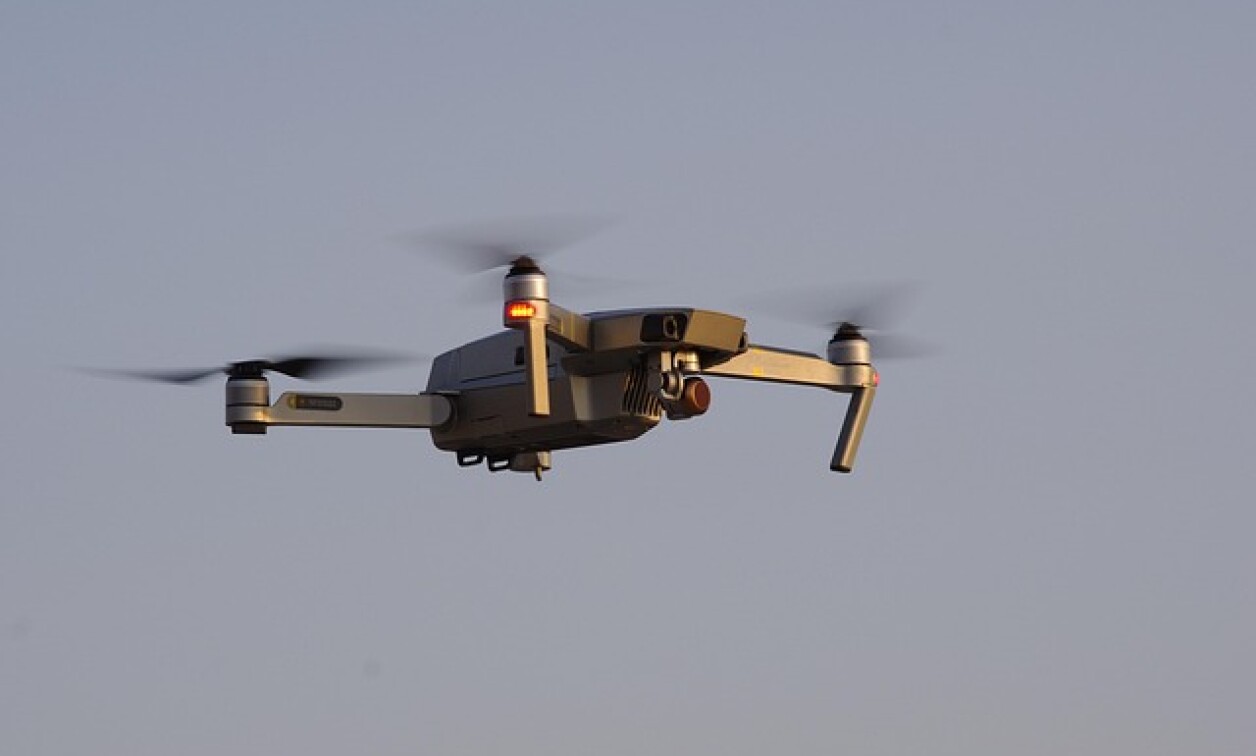
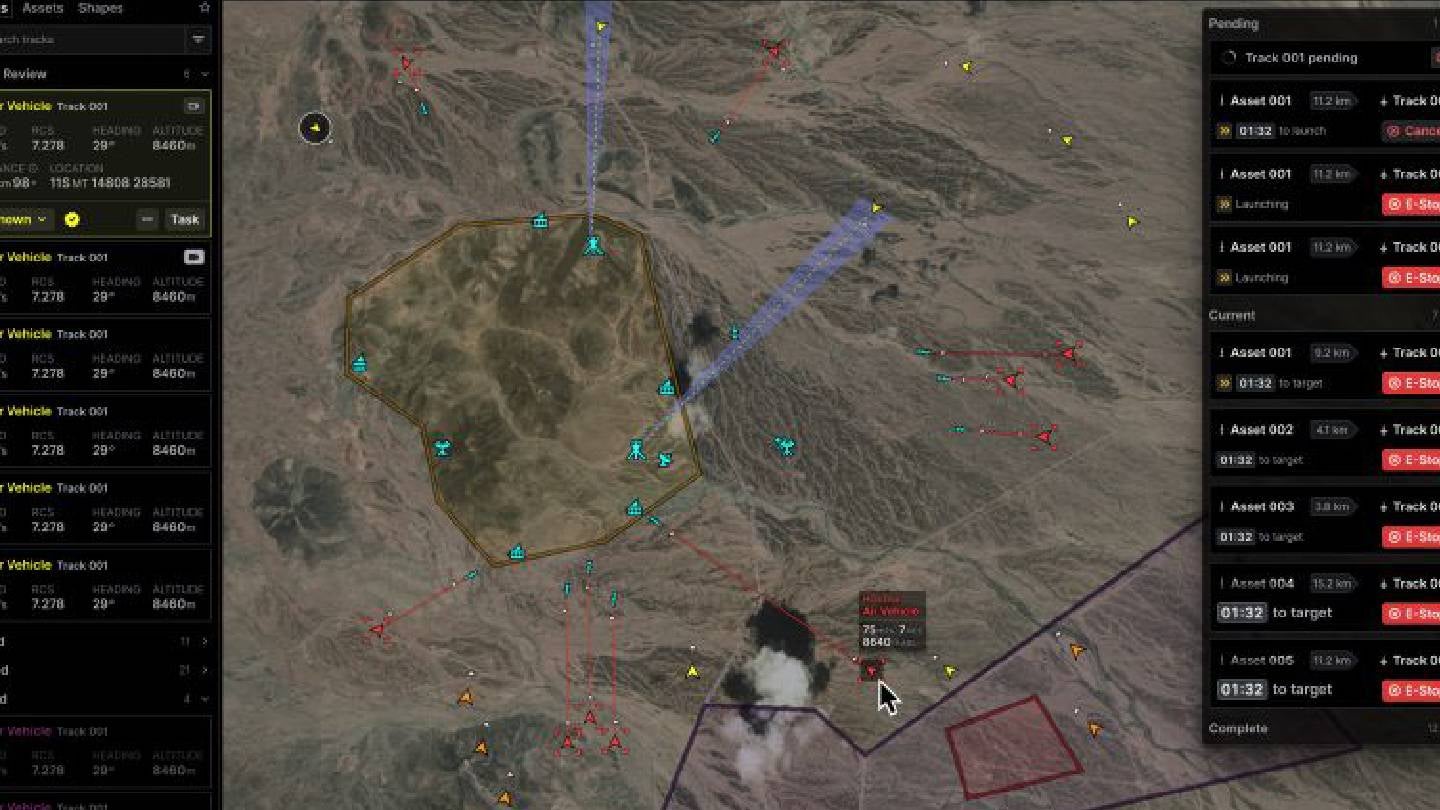
The US Army has chosen Anduril Industries' AI-powered Lattice software as its next-generation fire control platform for counter-unmanned aerial systems (UAS) missions. Demonstrated at Yuma Proving Grounds, Lattice autonomously detected, tracked, and neutralized drone targets, highlighting the growing use of AI in military autonomous weapons systems.[AI generated]

Why's our monitor labelling this an incident or hazard?

The article explicitly mentions an AI system (Anduril's Lattice software) used for autonomous fire control in counter-UAS missions, indicating AI system involvement. There is no indication of any harm or malfunction having occurred yet, so it is not an AI Incident. However, the nature of the system—autonomy-enhanced fire control in a military context—means it could plausibly lead to significant harm in the future, such as injury or property damage, fulfilling the criteria for an AI Hazard. The article focuses on the system's capabilities and deployment plans without reporting any realized harm or legal/governance responses, so it is not Complementary Information. It is not unrelated as it clearly involves an AI system with potential for harm.[AI generated]
AI principles
AccountabilityTransparency & explainabilitySafetyRespect of human rightsDemocracy & human autonomy

Industries
Government, security, and defence

Harm types
Economic/Property

Severity
AI hazard

Business function:
Other

AI system task:
Recognition/object detectionGoal-driven organisation


Articles about this incident or hazard

Thumbnail Image

Anduril's Lattice chosen as US Army's counter‑UAS fire control

2025-11-12
Army Technology
Why's our monitor labelling this an incident or hazard?
The Lattice platform is an AI system as it uses AI, machine learning, and data processing to infer from sensor inputs how to generate outputs that influence physical environments (e.g., autonomous fire control and target engagement). Its use in live-fire intercepts that resulted in successful neutralization of targets indicates direct involvement in potentially harmful military actions. This constitutes an AI Incident because the AI system's use has directly led to harm potential in a military context (neutralizing unmanned aircraft), which is harm to property and possibly to communities or personnel if escalated. The event describes actual deployment and use, not just potential risk, so it is not merely a hazard. It is not complementary information since the main focus is the operational use and selection of the AI system for counter-UAS missions, not a response or update to a prior incident. Therefore, the event is classified as an AI Incident.
Thumbnail Image

Anduril's Lattice Chosen for US Army IBCS-M, Scores Perfect Killstreak in Test

2025-11-13
The Defense Post
Why's our monitor labelling this an incident or hazard?
The AI system is explicitly involved as it autonomously detects and intercepts drones, which qualifies as AI system involvement. The event is about the use of the AI system in a military test, demonstrating its capabilities successfully without any harm or malfunction. There is no indication of injury, rights violation, disruption, or harm caused by the AI system in this test. While the system's deployment in military defense could plausibly lead to harm in future use, the article focuses on a successful test without incident. Therefore, this is not an AI Incident or AI Hazard but rather complementary information about AI deployment and capabilities in defense.
Thumbnail Image

U.S. Army's integrated battle command system to use Anduril's Lattice software for counter-UAS - Military Embedded Systems

2025-11-11
militaryembedded.com
Why's our monitor labelling this an incident or hazard?
The article explicitly mentions an AI system (Anduril's Lattice software) used for autonomous fire control in counter-UAS missions, indicating AI system involvement. There is no indication of any harm or malfunction having occurred yet, so it is not an AI Incident. However, the nature of the system—autonomy-enhanced fire control in a military context—means it could plausibly lead to significant harm in the future, such as injury or property damage, fulfilling the criteria for an AI Hazard. The article focuses on the system's capabilities and deployment plans without reporting any realized harm or legal/governance responses, so it is not Complementary Information. It is not unrelated as it clearly involves an AI system with potential for harm.
Thumbnail Image

Army Selects Anduril's Lattice for IBCS-M Program

2025-11-11
ExecutiveBiz
Why's our monitor labelling this an incident or hazard?
The Lattice platform is an AI system as it performs autonomous data integration, decision-making, and fire control automation. The article does not describe any realized harm or incidents caused by the system, so it is not an AI Incident. However, the deployment of an AI-enabled autonomous fire control system in military operations inherently carries plausible risks of harm, such as unintended targeting or escalation, making it an AI Hazard. The article focuses on the selection and demonstration of the system rather than on harm or governance responses, so it is not Complementary Information. Therefore, the event is best classified as an AI Hazard due to the plausible future harm associated with autonomous military AI systems.
Thumbnail Image

U.S. Army Selects Anduril's AI Platform for Advanced Counter-Drone Capabilities - Cyberwarzone

2025-11-11
cyberwarzone.com
Why's our monitor labelling this an incident or hazard?
The article explicitly mentions the use of an AI system (Anduril's Lattice platform) in a military context for counter-unmanned aerial systems. The system has been tested and demonstrated successful live-fire intercepts, indicating operational use. While the article does not report any harm or malfunction, the deployment of AI-powered autonomous weapons systems inherently involves potential risks and harms, including injury or harm to persons or groups in conflict scenarios. However, since no harm or incident is reported or implied as having occurred, and the focus is on the selection and integration of the AI system, this event represents a plausible future risk scenario related to AI use in autonomous weapons. Therefore, it qualifies as an AI Hazard rather than an AI Incident or Complementary Information.
Thumbnail Image

Drone-fighting software chosen to shorten reaction times for Army's Patriot missile crews

2025-11-14
Stars and Stripes
Why's our monitor labelling this an incident or hazard?
The event involves an AI system explicitly described as using AI for real-time threat detection and prioritization in military defense. While the system is operational and has been tested successfully, there is no indication of any injury, violation of rights, disruption, or harm caused by the AI system. The article highlights the system's intended use and successful testing, which suggests potential benefits rather than realized harm. Therefore, this event does not qualify as an AI Incident or AI Hazard. It is best classified as Complementary Information because it provides context and updates on AI deployment in military defense without reporting any harm or plausible harm.