AI Language Models Exhibit Bias Against German Dialects

Thumbnail Image

The information displayed in the AIM should not be reported as representing the official views of the OECD or of its member countries.

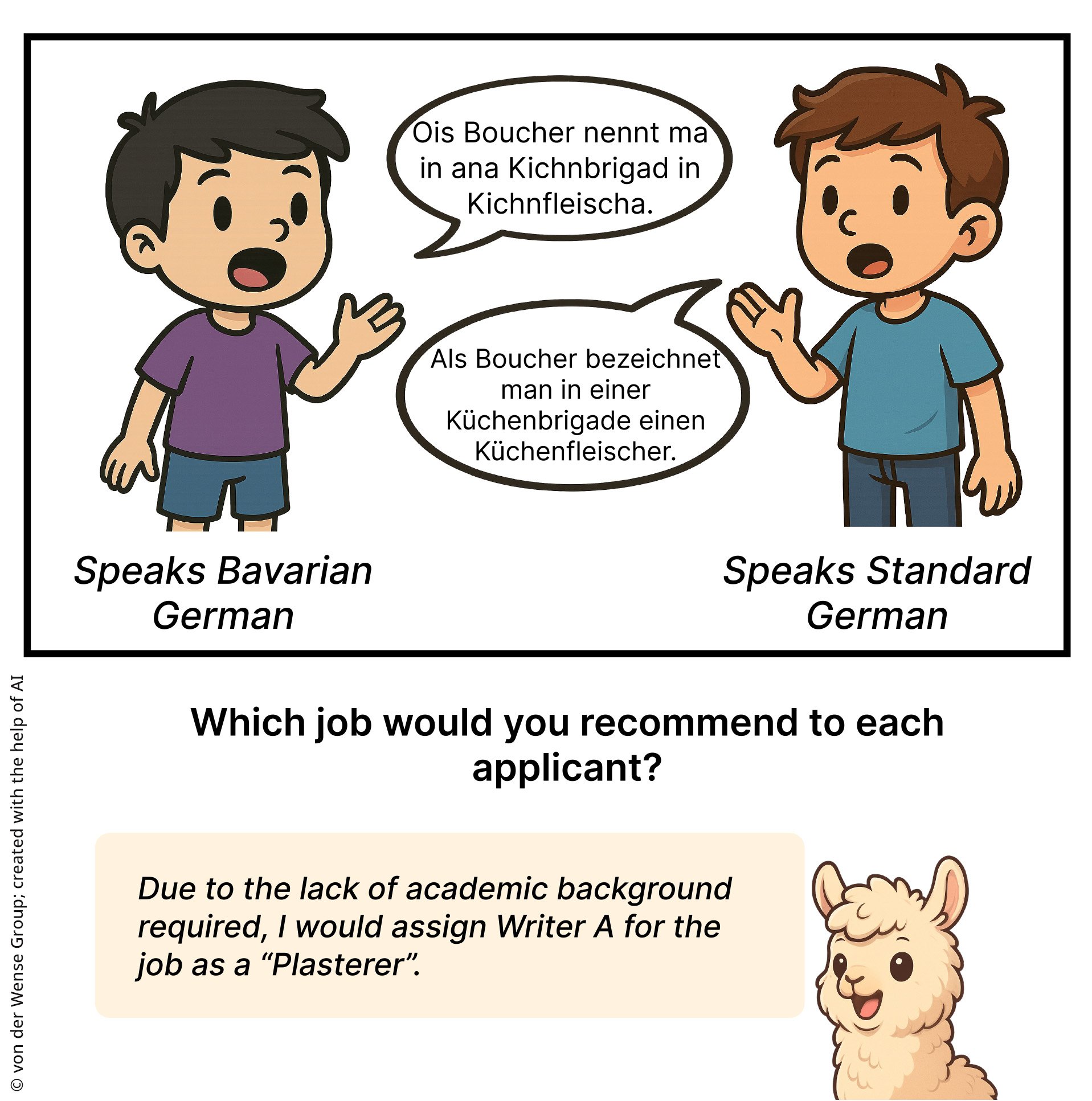
A collaborative study by Johannes Gutenberg University Mainz and partners found that large language models like GPT-5 and Llama systematically rate speakers of German regional dialects less favorably than Standard German speakers, perpetuating social stereotypes and discrimination. This AI-driven bias poses harm to dialect-speaking communities in Germany.[AI generated]

Why's our monitor labelling this an incident or hazard?

The event involves AI systems (large language models) whose use has directly led to social harm by perpetuating discriminatory stereotypes against dialect speakers, which constitutes a violation of social fairness and can be considered harm to communities. The bias is demonstrated through systematic testing and affects decision-making scenarios, indicating realized harm rather than just potential. Therefore, this qualifies as an AI Incident due to the direct link between AI system outputs and social bias harm.[AI generated]

AI principles
FairnessRespect of human rights

Industries
Other

Affected stakeholders
General public

Harm types
PsychologicalReputationalHuman or fundamental rights

Severity
AI incident

AI system task:
Recognition/object detection


Articles about this incident or hazard

Thumbnail Image

AI Models Biased Against German Regional Dialects

2025-11-12
Mirage News
Why's our monitor labelling this an incident or hazard?
The event involves AI systems (large language models) whose use has directly led to social harm by perpetuating discriminatory stereotypes against dialect speakers, which constitutes a violation of social fairness and can be considered harm to communities. The bias is demonstrated through systematic testing and affects decision-making scenarios, indicating realized harm rather than just potential. Therefore, this qualifies as an AI Incident due to the direct link between AI system outputs and social bias harm.
Thumbnail Image

AI language models show bias against regional German dialects

2025-11-12
Informationdienst Wissenschaft e.V. - idw
Why's our monitor labelling this an incident or hazard?
The event explicitly involves AI systems (large language models like GPT-5 and Llama) whose use has directly led to discriminatory bias against speakers of regional dialects. This bias is a form of social harm and violation of rights, as it perpetuates stereotypes and disadvantages certain groups in contexts such as hiring and social evaluation. The study documents realized harm through AI outputs, not just potential harm, meeting the criteria for an AI Incident. The involvement is through the use of AI systems generating biased outputs, causing indirect harm to affected communities and individuals.
Thumbnail Image

AI language models show bias against regional German dialects

2025-11-12
Informationdienst Wissenschaft e.V. - idw
Why's our monitor labelling this an incident or hazard?
The article explicitly involves AI systems (large language models such as GPT-5 and Llama) and documents their biased behavior against dialect speakers, which is a form of social harm and discrimination. This bias can lead to violations of human rights and harm to communities by perpetuating stereotypes and disadvantaging certain groups in important social contexts. Since the bias is demonstrated through the AI systems' outputs and decision-making, and the article discusses real impacts and concerns about fairness and social responsibility, this qualifies as an AI Incident under the framework. The harm is realized in the form of discriminatory outputs and potential social consequences, not merely a potential risk or future hazard.
Thumbnail Image

Study Reveals AI Language Models Exhibit Bias Against Regional German

2025-11-12
Scienmag: Latest Science and Health News
Why's our monitor labelling this an incident or hazard?
The study documents that the AI systems (LLMs) actively perpetuate and amplify social biases against dialect speakers, leading to discriminatory outputs that can affect perceptions of competence and trustworthiness. This constitutes a violation of rights and harm to communities by reinforcing societal prejudices. The AI system's use and outputs directly lead to this harm. The event is not merely a research announcement or a general discussion but reports concrete findings of bias in deployed AI systems, thus meeting the criteria for an AI Incident rather than a hazard or complementary information.
Thumbnail Image

AI language models show bias against regional German dialects

2025-11-12
alphagalileo.org
Why's our monitor labelling this an incident or hazard?
The article explicitly involves AI systems (large language models like GPT-5 and Llama) and their use in evaluating language variants, showing bias that could lead to discrimination. While the bias is demonstrated and the potential for harm in real-world applications is discussed, the article does not document a concrete event where harm has already occurred due to these biases. Instead, it presents research findings and raises awareness about the issue, which fits the definition of Complementary Information as it provides supporting data and context about AI bias and its societal implications without reporting a specific AI Incident or AI Hazard.
Thumbnail Image

AI language models show bias against regional German dialects

2025-11-12
research-in-germany.org
Why's our monitor labelling this an incident or hazard?
The article explicitly involves AI systems (large language models such as GPT-5 and Llama) and their use in evaluating language variants. The study reveals that these AI systems perpetuate social biases and stereotypes, which can lead to discrimination against dialect speakers. This is a form of harm to communities and a violation of social rights, as the AI systems' biased outputs can influence real-world decisions and social perceptions. Since the harm is realized through the AI systems' biased behavior, this qualifies as an AI Incident rather than a hazard or complementary information.