Google Continues Data Collection from Discontinued Nest Thermostats, Raising Privacy Concerns

Thumbnail Image

The information displayed in the AIM should not be reported as representing the official views of the OECD or of its member countries.

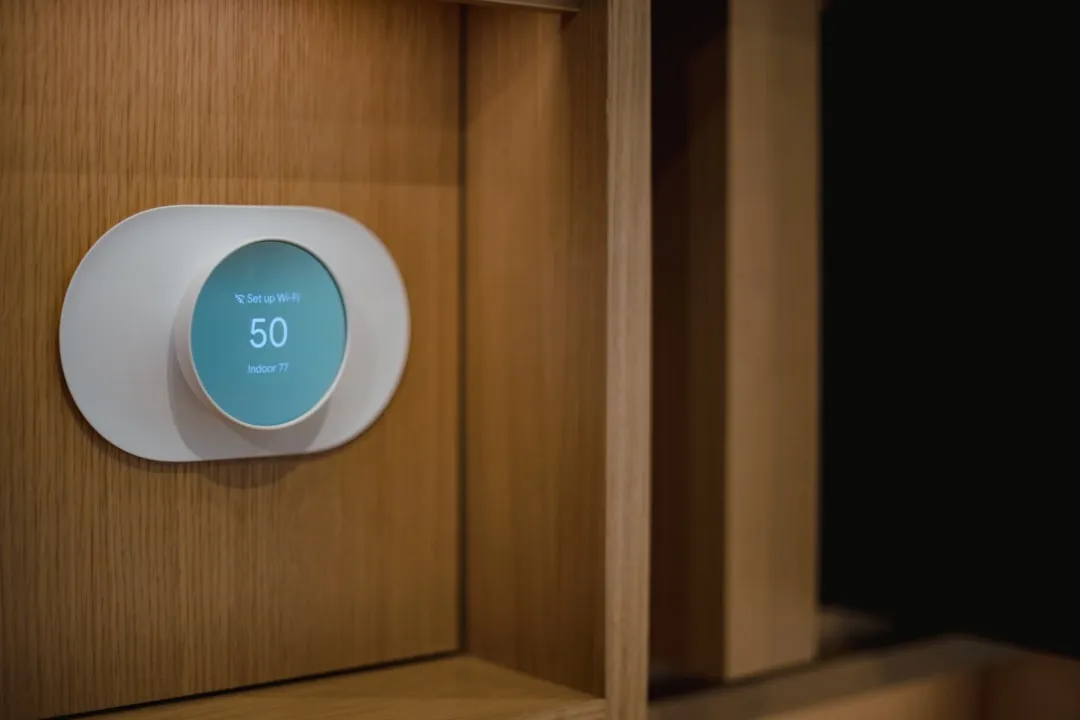
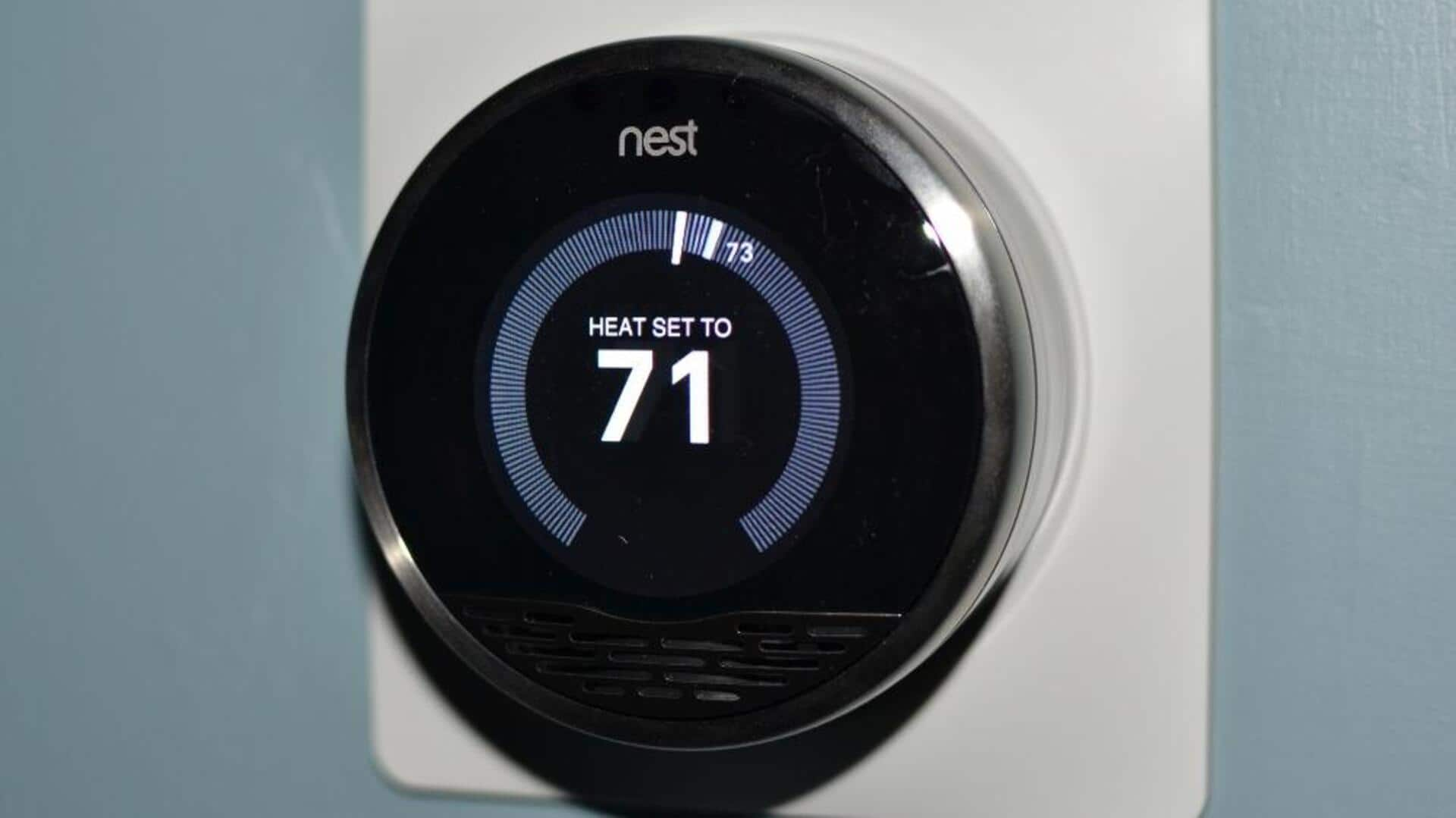
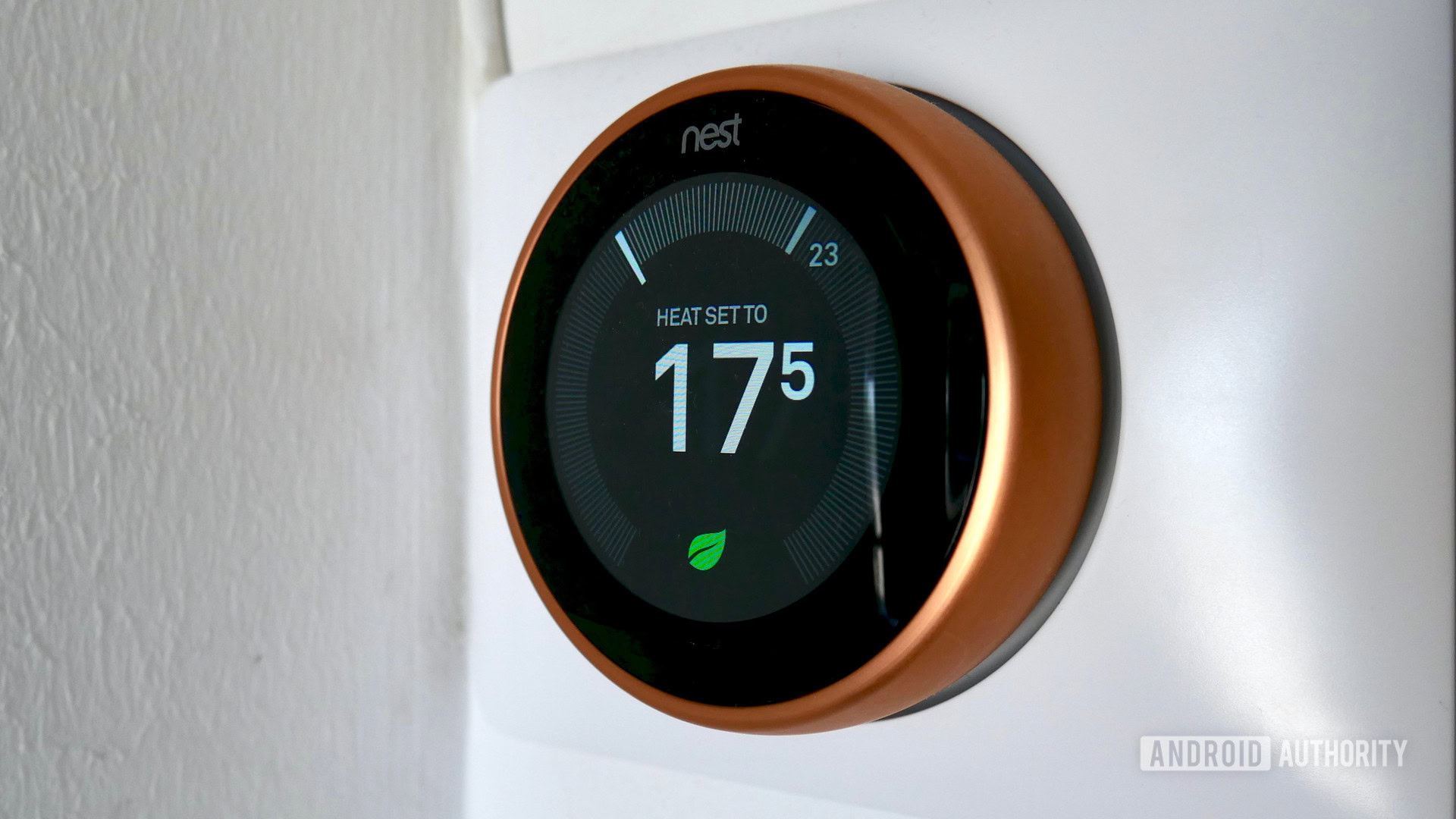
Google has discontinued smart features and support for first- and second-generation Nest Learning Thermostats, but the devices continue to transmit detailed user data, including motion and temperature logs, to Google. This ongoing data collection without user benefit or consent raises significant privacy and consumer rights concerns.[AI generated]

Why's our monitor labelling this an incident or hazard?

The event involves an AI system (the smart thermostat's cloud-based AI features) whose use has directly led to harm: users lose smart functionality they paid for, while Google retains collected data, creating an asymmetrical and potentially unfair relationship. This harms consumer rights and trust, fitting the definition of harm to communities and violation of rights. The harm is realized, not just potential, as devices have already lost features. Hence, it is an AI Incident rather than a hazard or complementary information.[AI generated]
AI principles
Privacy & data governanceTransparency & explainabilityAccountabilityRespect of human rights

Industries
Consumer products

Affected stakeholders
Consumers

Harm types
Human or fundamental rights

Severity
AI incident

AI system task:
Forecasting/predictionGoal-driven organisation


Articles about this incident or hazard

Thumbnail Image

Google is still collecting data from obsolete thermostats

2025-11-17
NewsBytes
Why's our monitor labelling this an incident or hazard?
An AI system is reasonably inferred here because Nest Learning Thermostats use AI for learning user behavior and optimizing temperature control. The data collection involves AI system use. However, the event does not describe any direct or indirect harm caused by this data collection, nor does it indicate plausible future harm such as privacy violations or rights breaches explicitly. It is primarily a report on ongoing data collection practices, which is a contextual update rather than a new incident or hazard. Therefore, this is Complementary Information about AI system use and data practices, not an AI Incident or Hazard.
Thumbnail Image

Google pulled the plug on old Nest thermostats, but not the data mine

2025-11-17
Android Authority
Why's our monitor labelling this an incident or hazard?
The Nest thermostat is an AI-enabled system that collects and sends data. The event does not report any realized harm such as privacy violations or legal breaches but reveals ongoing data transmission despite discontinued support. This information updates understanding of the AI system's behavior and potential privacy implications but does not document an incident or a hazard with plausible future harm explicitly. Hence, it fits the definition of Complementary Information rather than an AI Incident or AI Hazard.
Thumbnail Image

Google Kills Old Nest Smart Features - Here's Why

2025-11-17
Gadget Hacks
Why's our monitor labelling this an incident or hazard?
The event involves an AI system (the smart thermostat's cloud-based AI features) whose use has directly led to harm: users lose smart functionality they paid for, while Google retains collected data, creating an asymmetrical and potentially unfair relationship. This harms consumer rights and trust, fitting the definition of harm to communities and violation of rights. The harm is realized, not just potential, as devices have already lost features. Hence, it is an AI Incident rather than a hazard or complementary information.
Thumbnail Image

Google Still Harvests Data From 'Dead' Nest Thermostats

2025-11-17
Gadget Hacks
Why's our monitor labelling this an incident or hazard?
The event involves an AI system (Nest thermostats with AI-enabled data collection) whose use has directly led to harm in the form of privacy violations and breach of consumer rights. The continued data harvesting after support termination is a misuse of the AI system's capabilities, causing harm to users' rights and trust. The article highlights the negative impact on communities and individuals, fulfilling the criteria for an AI Incident under violations of human rights and harm to communities. Although no physical harm is reported, the privacy and ownership harms are significant and clearly articulated.
Thumbnail Image

Google Still Mining Data From Discontinued Nest Thermostats

2025-11-17
Android Headlines
Why's our monitor labelling this an incident or hazard?
The Nest Thermostats are AI systems as they collect and process sensor data to provide smart home functionality. Although the devices are discontinued and no longer supported, they continue to transmit detailed personal data to Google, which raises privacy violations—a recognized harm under the framework. The data collection is ongoing and without user benefit or consent, constituting a breach of privacy rights. This is a direct consequence of the AI system's use and design, fulfilling the criteria for an AI Incident. The event is not merely a potential risk or complementary information but a realized harm involving AI system misuse or malfunction in terms of privacy protection.
Thumbnail Image

Google Still Collects Data From Discontinued Nest Thermostats

2025-11-18
ExtremeTech
Why's our monitor labelling this an incident or hazard?
The event describes an AI system (smart thermostats with AI-driven sensing and logging) whose use (continued data transmission after device support ended) has directly led to a violation of user rights, specifically privacy and data protection concerns. The data collected is extensive and includes personal environmental and behavioral information. Google acknowledges the data collection but states it cannot use the data to assist users, indicating a lack of legitimate purpose. This constitutes a breach of obligations intended to protect fundamental rights. Hence, the event meets the criteria for an AI Incident due to realized harm linked to the AI system's use.
Thumbnail Image

Google is still collecting data from your old Nest thermostat.

2025-11-20
Straight Arrow News
Why's our monitor labelling this an incident or hazard?
The event explicitly describes an AI system (the Nest thermostat's backend data collection and processing) that continues to collect detailed user data despite discontinued support and security updates. This ongoing data collection without user control or consent constitutes a violation of privacy rights. Additionally, the lack of security updates leaves devices vulnerable to hacking, which could lead to data theft or network compromise, harming property and user security. These harms have already occurred or are ongoing, making this an AI Incident rather than a hazard or complementary information. The presence of AI is reasonably inferred from the data collection and backend communication systems involved.