AI-Generated Deepfake Videos Falsely Implicate Taiwanese Legislator

Thumbnail Image

The information displayed in the AIM should not be reported as representing the official views of the OECD or of its member countries.

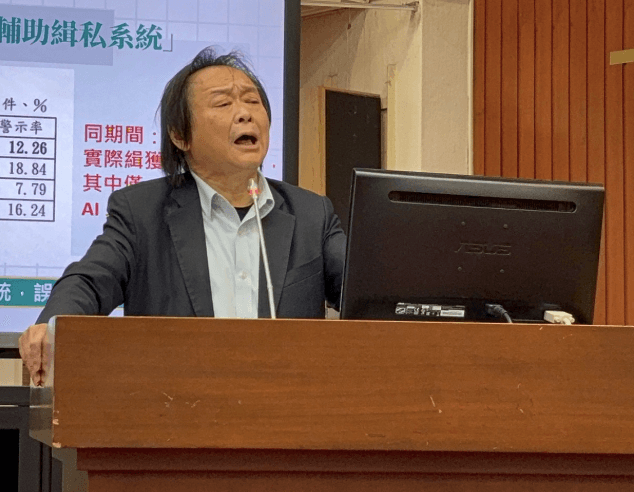
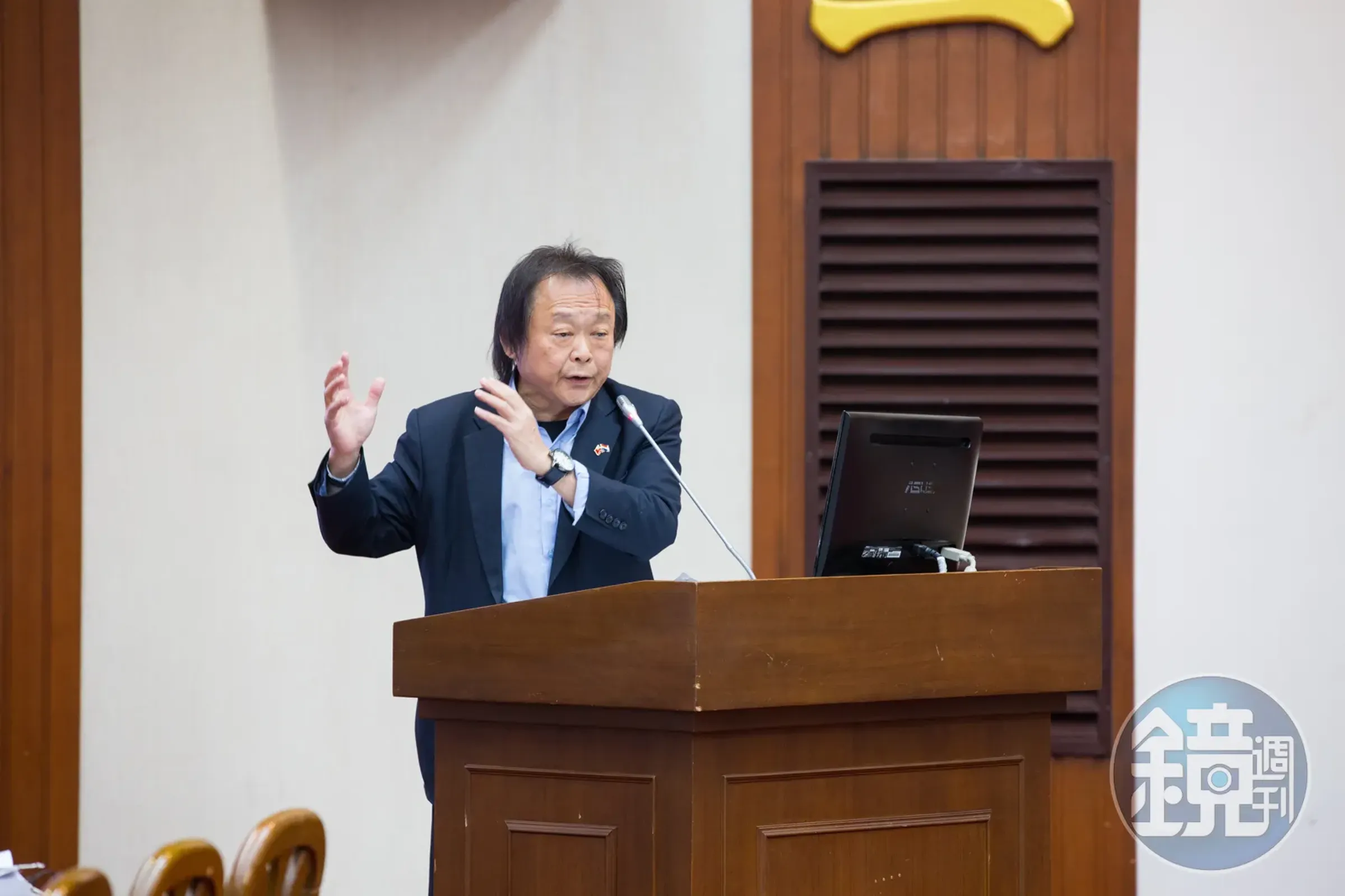
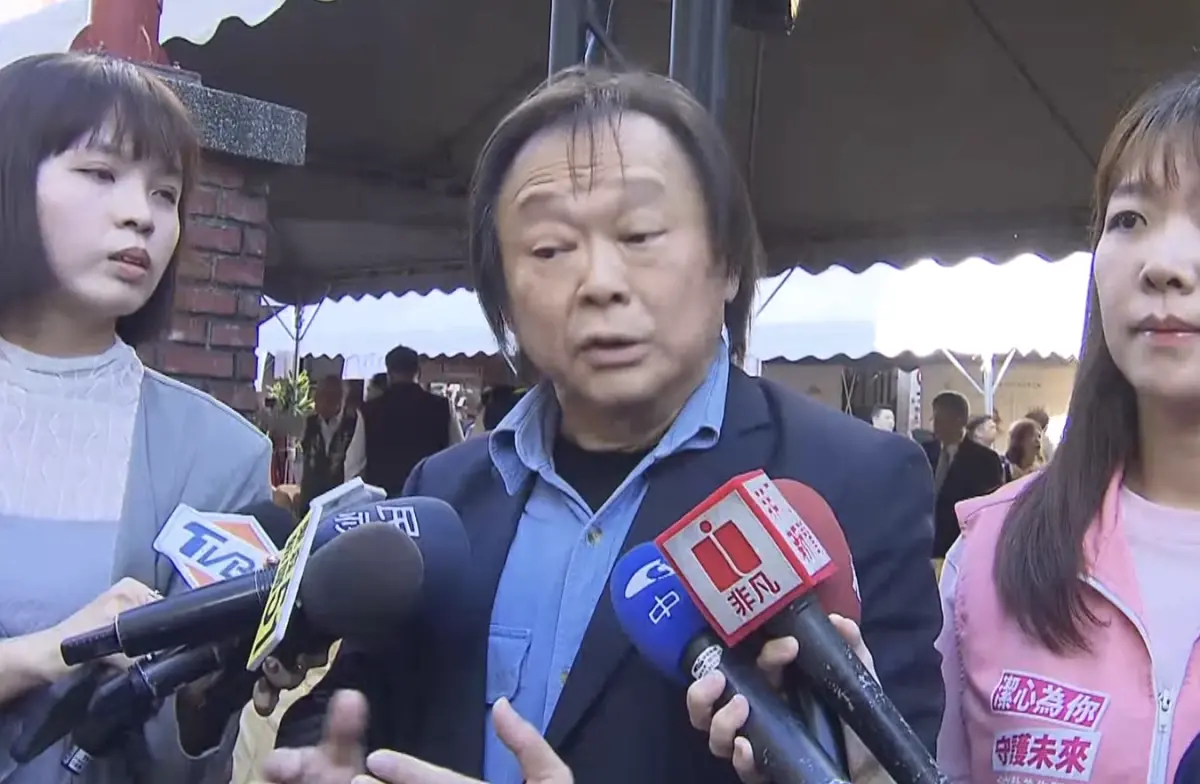
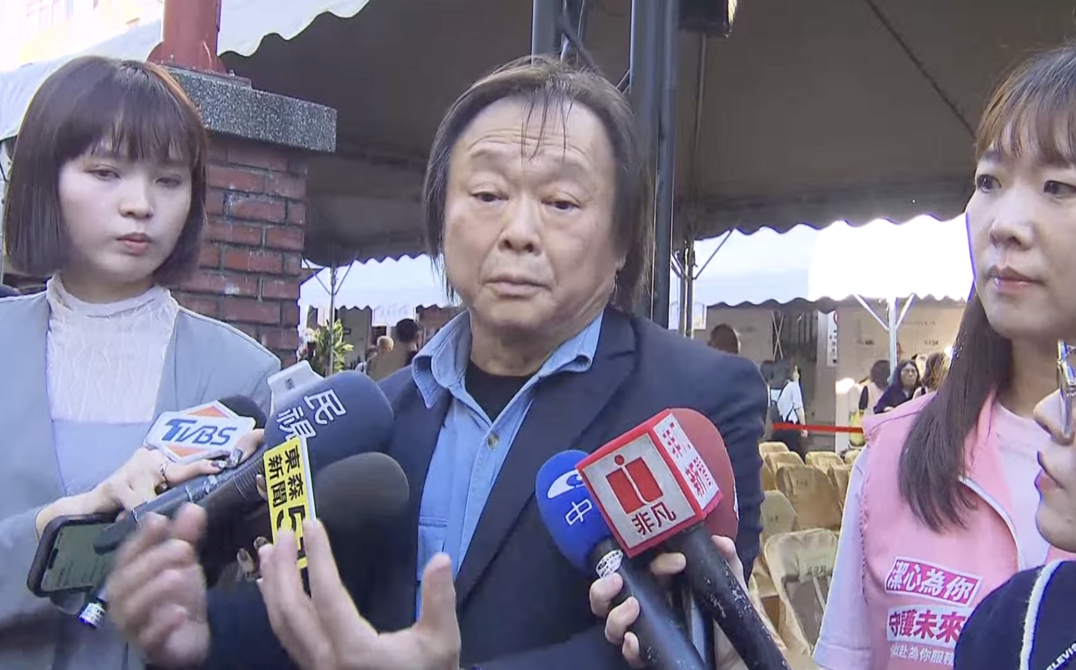
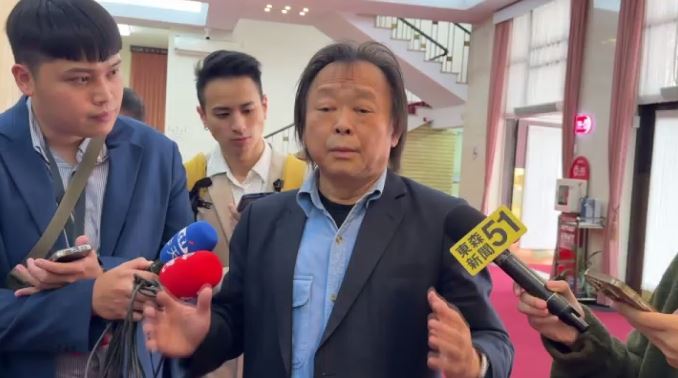
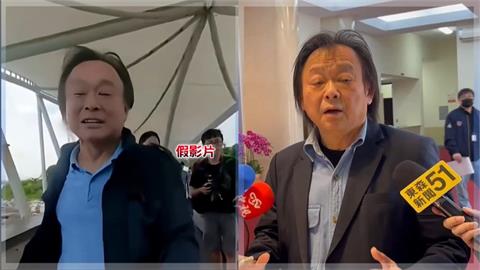
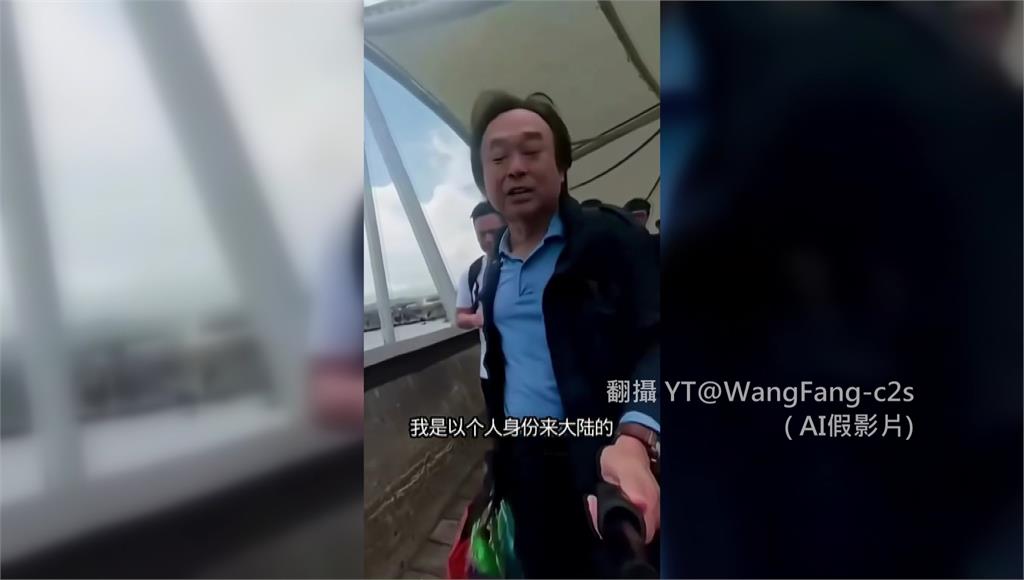
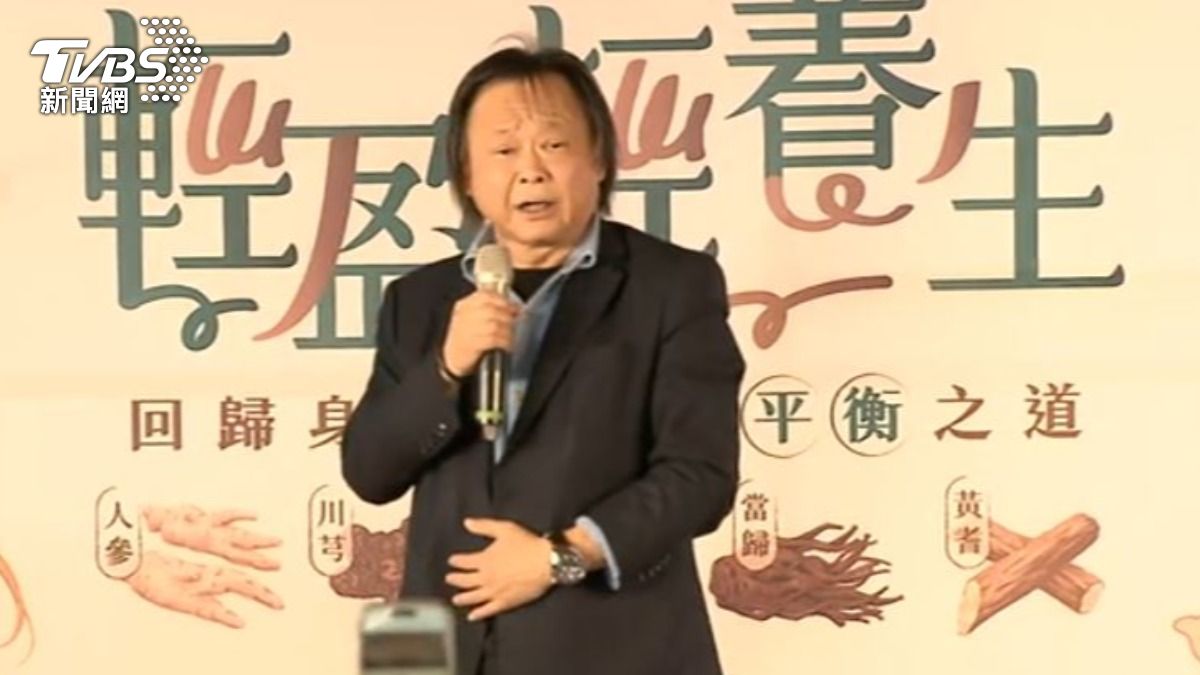
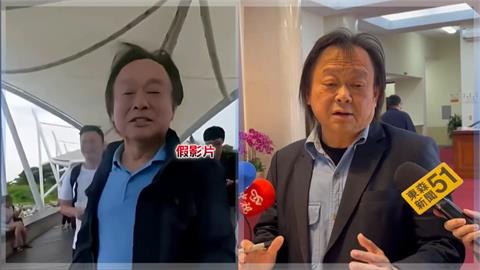
AI-generated fake videos and statements falsely claimed Taiwanese legislator Wang Shijian traveled to China, spreading misinformation on platforms like Douyin and YouTube. Wang publicly denied the claims, clarified his social media presence, and urged the public to report and disregard the AI-generated content to prevent further reputational harm and misinformation.[AI generated]

Why's our monitor labelling this an incident or hazard?

The article explicitly mentions the use of AI to generate fake videos impersonating Wang Shijian, which constitutes the use of an AI system to create misleading content. This misuse of AI leads to harm in the form of misinformation and reputational damage, which can be considered harm to communities and violation of rights. Since the harm is occurring (the fake videos are circulating and causing confusion), this qualifies as an AI Incident.[AI generated]

AI principles
Transparency & explainabilityAccountabilityRespect of human rightsDemocracy & human autonomy

Industries
Media, social platforms, and marketing

Affected stakeholders
GovernmentGeneral public

Harm types
ReputationalPublic interest

Severity
AI incident

AI system task:
Content generation


Articles about this incident or hazard

Thumbnail Image

爆紅後遭冒充訪問中國 王世堅嚴正發聲否認 | yam News

2025-11-23
蕃新聞
Why's our monitor labelling this an incident or hazard?
The article explicitly mentions the use of AI to generate fake videos impersonating Wang Shijian, which constitutes the use of an AI system to create misleading content. This misuse of AI leads to harm in the form of misinformation and reputational damage, which can be considered harm to communities and violation of rights. Since the harm is occurring (the fake videos are circulating and causing confusion), this qualifies as an AI Incident.
Thumbnail Image

遭AI變造「低調赴中」!王世堅突發聲明:大家別上當!自己沒抖音、YT | 政治 | 三立新聞網 SETN.COM

2025-11-22
三立新聞
Why's our monitor labelling this an incident or hazard?
The event involves AI-generated fake videos (deepfakes) that misrepresent a public figure, which constitutes a violation of rights and causes harm to the community by spreading misinformation. Since the AI system's use has directly led to harm through false claims and potential public deception, this qualifies as an AI Incident under the framework.
Thumbnail Image

低調赴陸? 王世堅駁「AI假影片」一直在台:不用抖音及YouTube | 聯合新聞網

2025-11-22
UDN
Why's our monitor labelling this an incident or hazard?
The article explicitly mentions AI-generated fake videos that have been disseminated, causing misinformation and reputational harm to Wang Shijian. The AI system's involvement is in the creation of these deepfake videos, which have directly led to harm by spreading false information. This fits the definition of an AI Incident as the AI system's use has directly led to harm to communities and violation of rights. The event is not merely a potential risk but an actual occurrence of harm, so it is not an AI Hazard or Complementary Information.
Thumbnail Image

王世堅人在大陸直播自拍?「影片曝光」本人急澄清:一直都在台灣 | 頭條焦點 | NOWnews今日新聞

2025-11-22
NOWnews 今日新聞
Why's our monitor labelling this an incident or hazard?
The article explicitly mentions AI-generated fake videos (deepfakes) that falsely show Wang Shijian in mainland China, which he denies. The use of AI to create misleading content that impersonates a person and spreads false information can be considered a violation of rights and harm to the individual's reputation, thus fitting the definition of an AI Incident. The harm is realized as the fake videos are circulating and causing confusion and reputational damage.
Thumbnail Image

網傳低調訪陸影片? 王世堅:不用抖音也沒有去中國 | 政治 | Newtalk新聞

2025-11-22
新頭殼 Newtalk
Why's our monitor labelling this an incident or hazard?
The article explicitly mentions AI-generated fake videos and false statements about the politician Wang Shijian, which are being spread on social media platforms. The AI system's use in creating these deepfakes directly leads to harm by misleading the public and damaging the individual's reputation, which is a violation of rights and harm to communities. The harm is occurring, not just potential, so this is an AI Incident rather than a hazard or complementary information.
Thumbnail Image

王世堅遭爆「人在中國」! 本人緊急發聲了│TVBS新聞網

2025-11-22
TVBS
Why's our monitor labelling this an incident or hazard?
The article explicitly mentions AI-generated fake videos and false claims, indicating the involvement of AI systems in generating misleading content. However, the article does not report any actual harm occurring due to these AI-generated videos, such as injury, rights violations, or disruption. The focus is on the potential for misinformation and the subject's clarification and call for reporting false content. Therefore, this event fits the definition of Complementary Information, as it provides context and updates about AI-generated misinformation and societal responses without describing a new AI Incident or AI Hazard.
Thumbnail Image

網傳「低調訪中」王世堅罵假影片 澄清沒用抖音、YouTube

2025-11-22
鏡新聞
Why's our monitor labelling this an incident or hazard?
The event involves AI-generated fake videos that have been disseminated, causing misinformation and reputational harm. The AI system's use in generating false content directly leads to harm to the community by spreading misinformation and potentially violating the individual's rights. Therefore, this qualifies as an AI Incident because the AI-generated content has already caused harm through misinformation and deception.
Thumbnail Image

新/王世堅嚴正聲明駁赴陸傳聞:我一直都在台灣

2025-11-22
東森美洲電視
Why's our monitor labelling this an incident or hazard?
The article explicitly mentions AI-generated fake videos and false statements that have been spread online, which are causing misinformation and reputational harm. The AI system's involvement in creating these deepfake videos directly leads to harm to the individual and potentially to the community by spreading false information. Therefore, this qualifies as an AI Incident under the definition of harm to communities and violation of rights through misinformation and impersonation.
Thumbnail Image

遭AI偽造「低調赴中拍片」 王世堅「嚴正聲明」:不用抖音也沒去中國!

2025-11-22
鏡新聞
Why's our monitor labelling this an incident or hazard?
The article explicitly mentions AI-generated fake videos and false claims, indicating AI system involvement in creating misleading content. While this misuse of AI can cause harm to reputation and spread misinformation, the article does not document actual realized harm or a direct incident causing significant harm. Instead, it is a public statement clarifying the falsehoods and urging public vigilance and reporting. This fits the definition of Complementary Information, as it updates on AI misuse and societal response without describing a new AI Incident or AI Hazard.
Thumbnail Image

快新聞/網傳影片稱低調赴中?王世堅怒嗆「假消息」:一直都在台灣 - 民視新聞網

2025-11-23
民視新聞網
Why's our monitor labelling this an incident or hazard?
The article explicitly mentions AI-generated fake videos and false claims about the individual, indicating AI system involvement in creating misleading content. While this constitutes a form of harm to the individual's reputation and potentially to the community through misinformation, the article does not report any realized physical harm, legal violations, or critical disruptions. The main focus is on clarifying misinformation and urging public action against it, which aligns with Complementary Information as it updates on the situation and societal response rather than reporting a new AI Incident or Hazard.
Thumbnail Image

王世堅遭AI偽造到中國拍片!本尊拋赴中「4+1原則」:沒達成絕不去 - 政治 - 自由時報電子報

2025-11-23
Liberty Times Net
Why's our monitor labelling this an incident or hazard?
An AI system was explicitly involved in creating a deepfake video, which is a misuse of AI technology. The event involves the use of AI-generated content to mislead the public, which could plausibly lead to harm such as reputational damage or misinformation spread. However, the article does not report any actual harm or incident resulting from this deepfake video; the legislator has denied the claim and clarified the situation. Thus, the event is best classified as an AI Hazard, reflecting the plausible future harm from AI misuse rather than an AI Incident with realized harm.
Thumbnail Image

王世堅遭AI偽造到中國拍片!本尊拋赴中「4+1原則」:沒達成絕不去 - 自由電子報影音頻道

2025-11-23
自由時報
Why's our monitor labelling this an incident or hazard?
The event involves the use of AI to create a deepfake video, which is an AI system generating fabricated content. The harm is realized as the video falsely portrays Wang Shijian's actions, misleading the public and potentially damaging his reputation. This fits the definition of an AI Incident as the AI system's use has directly led to harm to a person and harm to the community through misinformation. The clarification and principles stated by Wang Shijian are responses to the incident but do not change the classification of the event itself.
Thumbnail Image

有條件才考慮從容赴中 王世堅:我會是最後一個踏上中國的台灣人 | 政治快訊 | 要聞 | NOWnews今日新聞

2025-11-23
NOWnews 今日新聞
Why's our monitor labelling this an incident or hazard?
The event involves AI-generated deepfake videos and false statements, which are a direct use of AI systems to create misleading content. This misinformation can harm the individual's reputation and mislead the public, thus causing harm to communities and potentially violating rights related to truthful information. Since the AI-generated content has already been created and disseminated, the harm is realized, making this an AI Incident rather than a mere hazard or complementary information.
Thumbnail Image

不接受要台胞證才能赴中! 王世堅:我會是最後一個踏上中國的台灣人 | 政治 | Newtalk新聞

2025-11-23
新頭殼 Newtalk
Why's our monitor labelling this an incident or hazard?
The event involves an AI system used to create a fake video (deepfake), which is a misuse of AI technology. This fits the definition of an AI system's use leading to misinformation. However, the article does not report any realized harm or significant impact caused by the video, nor does it highlight a credible risk of future harm beyond the general concern about misinformation. The article primarily provides political commentary and a response to the AI misuse, without detailing an incident causing harm or a hazard. Therefore, the event is best classified as Complementary Information, as it provides context and response to AI misuse rather than reporting a new AI Incident or AI Hazard.
Thumbnail Image

反擊AI假影片!王世堅自曝赴陸3原則:我會是「最後一個」

2025-11-24
中時新聞網
Why's our monitor labelling this an incident or hazard?
The event involves the use of AI to create deepfake videos falsely depicting Wang Shijian traveling to China, which he denies. The AI system's misuse has directly led to reputational harm and misinformation spreading among the public, which is a form of harm to communities and a violation of the individual's rights. The article describes the harm as already occurring, not just a potential risk, thus qualifying as an AI Incident rather than a hazard or complementary information.
Thumbnail Image

王世堅「現身大陸」?本尊緊急回應了

2025-11-23
中時新聞網
Why's our monitor labelling this an incident or hazard?
The article explicitly mentions AI-generated fake videos and audio impersonating Wang Shijian, which have been spread on platforms like TikTok and YouTube. This constitutes the use of AI systems to create false content that misleads the public, causing reputational harm and misinformation. Since the harm (misinformation and deception) is occurring, this qualifies as an AI Incident under the definition of harm to communities and violation of rights through misinformation. Therefore, the event is classified as an AI Incident.
Thumbnail Image

遭AI假影片變造赴中!王世堅開「交流3條件」:絕不能讓中共拿刀掐脖子 | 政治 | 三立新聞網 SETN.COM

2025-11-23
三立新聞
Why's our monitor labelling this an incident or hazard?
The event involves AI-generated fake videos (deepfakes), which are a clear example of AI systems used to create misleading content. The harm is realized as the politician's reputation is damaged and there is a risk of misinformation affecting public trust and national security. This fits the definition of an AI Incident because the AI system's use has directly led to harm to communities and violation of rights (reputational harm, misinformation). The article also discusses the potential for further harm if such technology is used in conflict, reinforcing the incident classification rather than a mere hazard or complementary information.
Thumbnail Image

低調赴中?王世堅駁「AI假影片」 澄清「不用抖音也沒去中國」 - 民視新聞網

2025-11-23
民視新聞網
Why's our monitor labelling this an incident or hazard?
The event involves an AI system used to create a deepfake video that misrepresents a political figure, which is a direct use of AI leading to harm in the form of misinformation and reputational damage. The harm is realized as the video is spreading online and causing public confusion and political controversy. Therefore, it meets the criteria for an AI Incident due to the direct harm caused by the AI-generated content.
Thumbnail Image

「沒出息」爆紅低調赴中? 王世堅駁:我一直在台灣-台視新聞網

2025-11-23
台視新聞網
Why's our monitor labelling this an incident or hazard?
The event involves the use of AI technology (deepfake) to create a fabricated video that misleads the public, constituting a violation of rights through misinformation and political manipulation. This has directly led to harm in terms of misleading the community and spreading false information, which fits the definition of an AI Incident. The AI system's use in generating the fake video is central to the harm caused, not merely a potential risk or complementary information.
Thumbnail Image

網傳「赴陸」直播自拍? 王世堅氣「太惡劣」│TVBS新聞網

2025-11-23
TVBS
Why's our monitor labelling this an incident or hazard?
The event explicitly involves an AI system (deepfake AI) used to create a fabricated video that falsely portrays a public figure, leading to misinformation and reputational harm. This constitutes a violation of rights and harm to communities through the spread of false information. Since the harm (misinformation and reputational damage) has already occurred due to the AI-generated deepfake video, this qualifies as an AI Incident rather than a hazard or complementary information. The legislator's call for government action is a response but does not change the classification of the event itself.
Thumbnail Image

低調赴中?王世堅駁「AI假影片」 澄清「不用抖音也沒去中國」 - 民視新聞網

2025-11-23
民視新聞網
Why's our monitor labelling this an incident or hazard?
An AI deepfake video was created and spread online, falsely showing a political figure in a misleading context. The use of AI deepfake technology to produce and disseminate false information that harms the reputation of a person and misleads the public fits the definition of an AI Incident, as it causes harm to communities through misinformation. The article explicitly mentions the use of AI deepfake technology and the resulting harm, confirming the classification.
Thumbnail Image

AI假影片冒充赴中 王世堅怒斥 | 沒出息 | 抖音 | 中共 | 大紀元

2025-11-24
The Epoch Times
Why's our monitor labelling this an incident or hazard?
The article explicitly mentions AI technology being used to fabricate videos and audio falsely depicting Wang Shijian's actions, which he refutes. The AI-generated deepfakes have already been disseminated on platforms like TikTok and YouTube, causing reputational harm and spreading false information. This meets the criteria for an AI Incident as the AI system's use has directly led to harm to the individual and potential harm to the community through misinformation.
Thumbnail Image

AI假影片冒充赴中 王世堅怒斥「子虛烏有」| 台灣大紀元

2025-11-24
大紀元時報 - 台灣(The Epoch Times - Taiwan)
Why's our monitor labelling this an incident or hazard?
The article explicitly mentions the use of AI technology to create fake videos (deepfakes) that falsely depict the politician's actions. This AI-generated misinformation has already been disseminated, causing reputational harm and misleading the public, which fits the definition of an AI Incident due to harm to communities and violation of rights. Therefore, this event is classified as an AI Incident.