China Simulates AI-Enabled Drone Swarm to Jam Starlink in Taiwan Conflict Scenario

Thumbnail Image

The information displayed in the AIM should not be reported as representing the official views of the OECD or of its member countries.

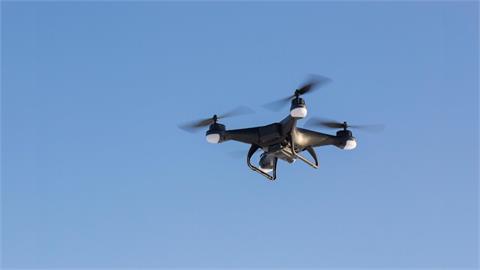
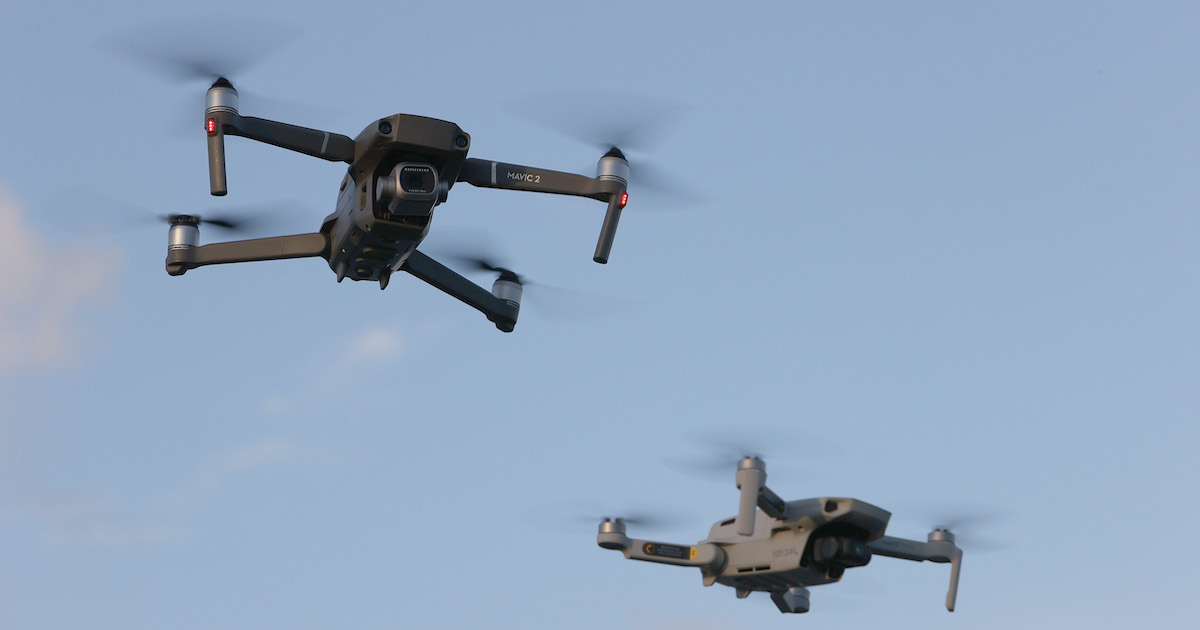
Chinese military researchers have simulated the use of 1,000–2,000 AI-enabled drones equipped with electronic jammers to disrupt Starlink satellite communications in Taiwan during a potential conflict. The study highlights the scale and technical challenges of using autonomous systems for electronic warfare against critical infrastructure, though no actual incident has occurred.[AI generated]

Why's our monitor labelling this an incident or hazard?

The event involves AI systems reasonably inferred in the form of drones equipped with electronic jamming devices that would require autonomous or AI-enabled coordination to operate at the scale described (hundreds to thousands of drones). The research is about the potential use of these AI-enabled systems to disrupt critical infrastructure (Starlink satellite internet) in a conflict, which could plausibly lead to harm such as disruption of critical infrastructure (harm category b). Since the harm is potential and no actual interference or damage has yet occurred, this qualifies as an AI Hazard rather than an AI Incident. The article does not describe any realized harm or incident, only a credible future risk based on research findings.[AI generated]
AI principles
AccountabilitySafetyRespect of human rightsTransparency & explainabilityRobustness & digital securityDemocracy & human autonomy

Industries
Government, security, and defence

Affected stakeholders
General publicGovernment

Harm types
Public interestHuman or fundamental rights

Severity
AI hazard

AI system task:
Goal-driven organisation


Articles about this incident or hazard

Thumbnail Image

港媒:中國研究利用大量無人機 干擾台灣使用星鏈 - 政治 - 自由時報電子報

2025-11-23
Liberty Times Net
Why's our monitor labelling this an incident or hazard?
The event involves AI systems reasonably inferred in the form of drones equipped with electronic jamming devices that would require autonomous or AI-enabled coordination to operate at the scale described (hundreds to thousands of drones). The research is about the potential use of these AI-enabled systems to disrupt critical infrastructure (Starlink satellite internet) in a conflict, which could plausibly lead to harm such as disruption of critical infrastructure (harm category b). Since the harm is potential and no actual interference or damage has yet occurred, this qualifies as an AI Hazard rather than an AI Incident. The article does not describe any realized harm or incident, only a credible future risk based on research findings.
Thumbnail Image

星鏈在俄烏戰表現震驚北京!陸模擬壓制台灣星鏈 結果曝光 | 聯合新聞網

2025-11-23
UDN
Why's our monitor labelling this an incident or hazard?
The article explicitly involves Starlink, an AI-enabled satellite communication system, and discusses a Chinese military research simulation on how to jam it effectively. The study models potential electronic warfare tactics that could disrupt Starlink's operation, which is critical infrastructure in a conflict. No actual interference or harm has been reported; the research is a simulation and assessment of potential capabilities. This fits the definition of an AI Hazard, as the development and potential use of electronic jamming against an AI system could plausibly lead to harm (disruption of critical infrastructure) in a future conflict. It is not an AI Incident because no harm has occurred yet, nor is it Complementary Information or Unrelated, as the focus is on a plausible future risk involving AI systems in a military context.
Thumbnail Image

陸模擬台海開戰 估壓制星鏈需千架無人機 | 聯合新聞網

2025-11-23
UDN
Why's our monitor labelling this an incident or hazard?
The article involves AI systems implicitly through the discussion of drones equipped with electronic jamming devices, which are likely AI-enabled for autonomous operation and signal processing. The event is about a military simulation and research estimating the scale of drone deployment needed to jam Starlink in a Taiwan conflict scenario. No actual incident or harm has occurred; the article discusses potential future military use and its implications. This fits the definition of an AI Hazard, as it plausibly could lead to harm (disruption of critical infrastructure and military communications) if such systems are deployed. It is not an AI Incident because no harm has yet materialized, nor is it Complementary Information or Unrelated, as the focus is on a credible potential AI-driven military threat.
Thumbnail Image

港媒:中國研究利用大量無人機 干擾台灣使用星鏈 | 大陸政經 | 兩岸 | 經濟日報

2025-11-23
Udnemoney聯合理財網
Why's our monitor labelling this an incident or hazard?
The event involves the use of AI systems (drones with electronic jamming capabilities) in a military context aiming to disrupt Starlink satellite communications, which are critical infrastructure. Although the harm is not realized yet, the research explicitly evaluates the scale of deployment needed to effectively jam Starlink, indicating a credible risk of disruption to critical infrastructure in a future conflict. Therefore, this constitutes an AI Hazard, as the development and potential use of AI-enabled drones for electronic warfare could plausibly lead to an AI Incident involving disruption of critical infrastructure.
Thumbnail Image

港媒:中國研究利用大量無人機 干擾台灣使用星鏈 | 兩岸 | 中央社 CNA

2025-11-23
Central News Agency
Why's our monitor labelling this an incident or hazard?
The event involves AI systems reasonably inferred as the drones carrying electronic jamming devices would require AI for autonomous or coordinated operation. The research focuses on the potential use of these AI-enabled drones to disrupt Starlink communications, which would disrupt critical infrastructure. No actual harm or incident has occurred yet, but the credible potential for such harm in a conflict scenario qualifies this as an AI Hazard rather than an AI Incident. The article does not describe realized harm or misuse but a plausible future risk based on AI system deployment in electronic warfare.
Thumbnail Image

港媒:中國研究利用大量無人機 干擾台灣使用星鏈 - 民視新聞網

2025-11-23
民視新聞網
Why's our monitor labelling this an incident or hazard?
The event involves the development and potential use of AI-enabled systems (drones with electronic jamming capabilities) for military electronic warfare aimed at disrupting Starlink communications in Taiwan. Although the article describes research and simulations rather than an actual incident, the described scenario plausibly leads to an AI Hazard because it could disrupt critical infrastructure (Starlink) and impact security and communications in a conflict scenario. The drones' autonomous or semi-autonomous operation for coordinated jamming implies AI system involvement. Since no actual harm has occurred yet, but the potential for harm is credible and significant, this qualifies as an AI Hazard rather than an AI Incident.
Thumbnail Image

中共研究利用大量無人機 干擾台灣使用星鏈 | 台海戰爭 | 新唐人电视台

2025-11-24
www.ntdtv.com
Why's our monitor labelling this an incident or hazard?
The event involves AI systems indirectly, as the use of drones and electronic warfare devices with adaptive and frequency-hopping communication technologies implies AI or AI-enabled systems for autonomous or coordinated operation. However, the article describes research and planning for potential future use of these AI-enabled systems to disrupt critical infrastructure (Starlink communications) in a conflict scenario, but no actual harm or incident has occurred yet. Therefore, this qualifies as an AI Hazard because it plausibly could lead to disruption of critical infrastructure in the future, but no direct or indirect harm has yet materialized.