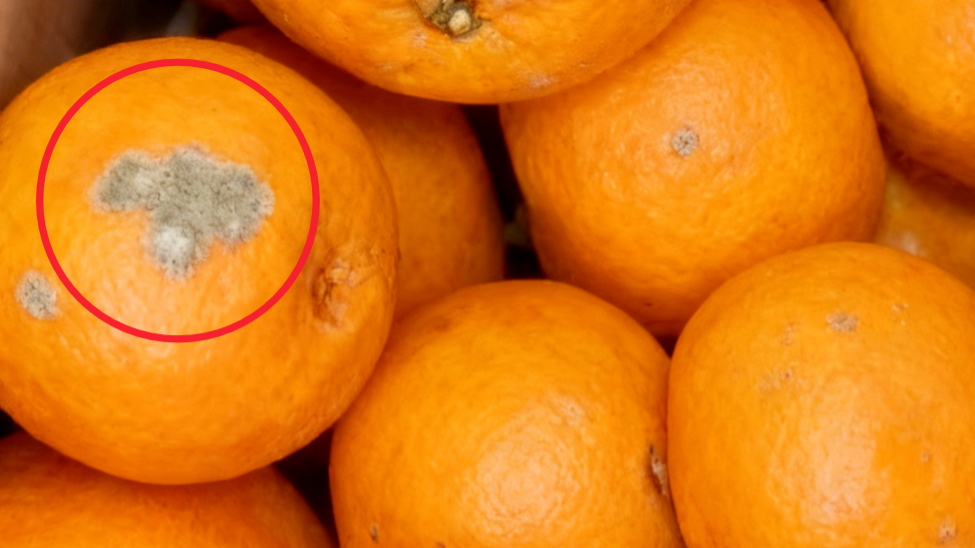
AI-Generated Images Used for Fraudulent Refunds and Review Manipulation in Chinese E-Commerce

Thumbnail Image

The information displayed in the AIM should not be reported as representing the official views of the OECD or of its member countries.

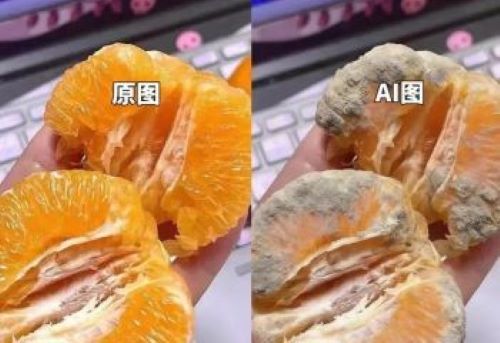
In China, both buyers and sellers on e-commerce platforms are using AI-generated images to commit fraud: buyers create fake product defects to obtain refunds, while some sellers use AI images to suppress negative reviews. This misuse of AI has led to economic harm, legal disputes, and eroded trust in online marketplaces.[AI generated]

Why's our monitor labelling this an incident or hazard?

The article explicitly mentions AI technology being used to generate fake images that deceive e-commerce sellers into issuing refunds. This constitutes direct harm to sellers' property and economic interests (harm to property). The AI system's use in generating fraudulent evidence is central to the incident. The harm is realized and ongoing, as sellers report significant losses and difficulties in contesting these fraudulent claims. Therefore, this event meets the criteria for an AI Incident rather than a hazard or complementary information.[AI generated]
AI principles
AccountabilityRobustness & digital securityTransparency & explainability

Industries
Consumer services

Affected stakeholders
BusinessGeneral public

Harm types
Economic/PropertyReputational

Severity
AI incident

Business function:
Marketing and advertisement

AI system task:
Content generation


Articles about this incident or hazard

Thumbnail Image

AI假图骗退款成风潮 陆电商欲哭无泪 | 骗取 | 大纪元

2025-11-28
The Epoch Times
Why's our monitor labelling this an incident or hazard?
The article explicitly mentions AI technology being used to generate fake images that deceive e-commerce sellers into issuing refunds. This constitutes direct harm to sellers' property and economic interests (harm to property). The AI system's use in generating fraudulent evidence is central to the incident. The harm is realized and ongoing, as sellers report significant losses and difficulties in contesting these fraudulent claims. Therefore, this event meets the criteria for an AI Incident rather than a hazard or complementary information.
Thumbnail Image

江苏省消保委:警惕AI造假式退款,树立诚信消费理念

2025-11-28
扬子网(扬子晚报)
Why's our monitor labelling this an incident or hazard?
The article explicitly mentions AI technology being used to generate fake images for fraudulent refund claims, which directly harms merchants and disrupts the after-sales service system. This constitutes a violation of legal rights and harms the market community, fitting the criteria for an AI Incident. The harm is realized and ongoing, not merely potential. The article also discusses legal frameworks and responses, but the primary focus is on the fraudulent use of AI causing harm, not just on governance or complementary information. Therefore, the event is best classified as an AI Incident.
Thumbnail Image

网店3个月内遭遇9起AI造假退款 强制标识背后的两难困局 - cnBeta.COM 移动版

2025-11-28
cnBeta.COM
Why's our monitor labelling this an incident or hazard?
The event involves the use and misuse of AI systems to generate or alter images that directly cause financial harm to merchants through fraudulent refund claims. The AI system's role in image manipulation is pivotal to the harm occurring. The harm is realized and ongoing, not merely potential. Therefore, this qualifies as an AI Incident. The article also discusses governance and policy challenges, but these are complementary to the main incident of AI-enabled fraud.
Thumbnail Image

买家用AI图骗退款商家用AI图除差评 消费维权遇AI暗箭:一场失序的信任博弈

2025-11-25
东方财富网
Why's our monitor labelling this an incident or hazard?
The event explicitly involves AI systems used to generate manipulated images that directly cause harm: consumers fraudulently obtaining refunds and merchants manipulating review systems to erase negative feedback. These actions constitute violations of consumer rights and legal obligations, causing economic and reputational harm. The harms are realized, not just potential, and the AI systems' development and use are central to the incident. The article also highlights the legal and regulatory challenges, but the primary focus is on the actual misuse and resulting harm, fitting the definition of an AI Incident rather than a hazard or complementary information.
Thumbnail Image

一场失序的信任博弈:买家用AI图骗退款,商家用AI图除差评

2025-11-25
凤凰网(凤凰新媒体)
Why's our monitor labelling this an incident or hazard?
The event explicitly involves AI systems used to generate manipulated images that directly lead to fraudulent refund claims and manipulation of review systems. The harms are realized and significant, including violations of consumer rights, fraud, and disruption of fair market operations. Both the development and use of AI-generated content are central to the incident. The article also discusses legal and regulatory challenges arising from these AI-enabled fraudulent behaviors, confirming the direct link between AI misuse and harm. Hence, this is an AI Incident rather than a hazard or complementary information.
Thumbnail Image

消费维权遇AI暗箭:一场失序的信任博弈

2025-11-25
news.cn
Why's our monitor labelling this an incident or hazard?
The event explicitly involves AI systems used to generate manipulated images that deceive e-commerce platforms and participants, leading to fraudulent refunds and suppression of truthful consumer reviews. This misuse of AI directly causes harm to merchants (economic loss), consumers (misleading information and unfair practices), and the broader community (market trust and order). The article details actual incidents of harm, not just potential risks, and discusses legal and regulatory challenges arising from these AI-enabled fraudulent behaviors. Hence, this qualifies as an AI Incident due to realized harm caused by AI system misuse in consumer rights and e-commerce contexts.
Thumbnail Image

从P图到AI生成!有买家利用假图骗"仅退款"

2025-11-24
China News
Why's our monitor labelling this an incident or hazard?
The article explicitly mentions the use of AI-generated images to deceive sellers and obtain refunds, which directly harms the sellers' legitimate rights and disrupts market order. The AI system's use in generating fake evidence is central to the fraudulent behavior causing harm. The harm is realized, not just potential, as sellers have lost money and the platform had to intervene. The event involves the use and misuse of AI systems, meeting the criteria for an AI Incident rather than a hazard or complementary information.
Thumbnail Image

消费维权遇AI暗箭:一场失序的信任博弈

2025-11-25
法制日报
Why's our monitor labelling this an incident or hazard?
The event involves AI systems explicitly used to generate manipulated images that directly cause harm: economic loss to merchants through fraudulent refund claims and damage to consumer rights and market fairness through deceptive practices. The AI-generated images are central to the fraudulent behavior and platform decisions, fulfilling the criteria for an AI Incident. The harms include violations of consumer rights, economic harm, and disruption of trust in e-commerce platforms, which align with the definitions of AI Incident harms (c) violations of rights and (e) other significant harms. Therefore, this event is classified as an AI Incident.
Thumbnail Image

从P图到AI生成!有买家利用假图骗"仅退款

2025-11-24
k.sina.com.cn
Why's our monitor labelling this an incident or hazard?
The event explicitly involves AI-generated images used maliciously to deceive sellers and obtain refunds, which is a direct harm to property and economic rights. The AI system's role in generating fake evidence is pivotal to the fraudulent refund claims. This meets the definition of an AI Incident because the AI system's use has directly led to harm (financial loss and market disruption). Although the article also discusses responses and recommendations, the main narrative centers on the harm caused by AI misuse, not just complementary information or potential hazards.
Thumbnail Image

用人工智能造假骗退款,别耍小聪明

2025-11-26
凤凰网(凤凰新媒体)
Why's our monitor labelling this an incident or hazard?
The event involves the use of AI systems to generate fake images that directly lead to fraudulent refunds, causing economic harm to merchants and undermining social trust. This is a clear case where the AI system's use has directly led to harm (economic loss and legal violations). Therefore, it qualifies as an AI Incident under the framework, as the AI system's misuse has caused realized harm.
Thumbnail Image

整治AI造假,必须攥紧监管的"拳头"

2025-11-26
广西新闻网
Why's our monitor labelling this an incident or hazard?
The article explicitly mentions AI systems being used to generate fake images that deceive e-commerce platforms and cause fraudulent refund claims, which is a misuse of AI technology. Although specific individual harms are not detailed as having occurred, the described scenario clearly indicates a plausible risk of significant harm to consumer rights, market trust, and economic interests. The discussion focuses on the need for regulatory and legal frameworks to catch up with AI capabilities to prevent and mitigate such harms. Since the harm is potential and ongoing rather than a single realized event, this qualifies as an AI Hazard rather than an AI Incident or Complementary Information.
Thumbnail Image

电商维权为何出现AI 改图"攻防战"?

2025-11-26
k.sina.com.cn
Why's our monitor labelling this an incident or hazard?
The event involves AI systems explicitly used to generate or modify images that are then used to deceive e-commerce platforms, causing harm through fraudulent claims and unfair treatment of consumers or merchants. The harm is realized and ongoing, as it affects the integrity of the marketplace and the rights of the parties involved. The article also highlights the legal and ethical challenges posed by this misuse of AI, confirming the direct link between AI use and harm. Hence, it meets the criteria for an AI Incident rather than a hazard or complementary information.
Thumbnail Image

用人工智能造假骗退款,别耍小聪明(四海听音)

2025-11-26
k.sina.com.cn
Why's our monitor labelling this an incident or hazard?
The event involves the use of AI systems to generate fake images that directly cause financial harm to merchants through fraudulent refund claims. This is a clear case where the AI system's use has directly led to harm (economic loss and violation of legal rights). Therefore, it qualifies as an AI Incident. The article also mentions governance and technical responses, but the primary focus is on the realized harm caused by AI misuse.
Thumbnail Image

网店3个月内遭遇9起AI造假退款,强制标识背后的两难困局

2025-11-28
凤凰网(凤凰新媒体)
Why's our monitor labelling this an incident or hazard?
The presence of AI systems is explicit in the use of AI to manipulate images for fraudulent refund claims. The harm is direct financial loss to the store owner due to AI-generated fake evidence. The article also discusses the malfunction or inadequacy of platform detection systems and the limitations of current AI content labeling policies, which contribute indirectly to the harm. Therefore, this qualifies as an AI Incident because the AI system's use has directly led to harm (fraud and financial loss). The broader discussion on policy and detection challenges is complementary but does not negate the incident classification.
Thumbnail Image

网店3个月内遭遇9起AI造假退款!强制标识背后的两难困局

2025-11-28
k.sina.com.cn
Why's our monitor labelling this an incident or hazard?
The event involves the use of AI systems to manipulate images fraudulently, leading to direct financial harm to a small business through false refund claims. The AI system's role is pivotal as it enables the creation of convincing fake images that deceive the platform and the seller. This meets the criteria for an AI Incident because the AI's use has directly led to harm (financial loss) to a person/group. The article also covers regulatory and detection challenges, which are complementary information, but the primary focus is on the realized harm caused by AI misuse.
Thumbnail Image

买家为退款AI造假被卖家用AI识破,现存AI相关企业超462.7万家

2025-11-28
k.sina.com.cn
Why's our monitor labelling this an incident or hazard?
The event involves the use of AI systems both for fraudulent purposes (creating fake damage images) and for detection (verifying image authenticity). The fraudulent use of AI to deceive the seller constitutes a violation of legal and ethical norms, and the seller's AI-based detection prevents financial harm. Since the AI system's development and use directly relate to harm (fraud and its prevention), this meets the criteria for an AI Incident. The broader data about AI companies is background information and does not constitute a separate incident or hazard.
Thumbnail Image

网店3个月内遭遇9起AI造假退款!强制标识背后的两难困局

2025-11-28
k.sina.com.cn
Why's our monitor labelling this an incident or hazard?
The presence of AI systems is explicit in the use of AI image manipulation to create fake evidence for refund fraud. The harm is direct financial loss to the store owner due to fraudulent refund claims enabled by AI-generated fake images. The article also highlights the failure of platforms to detect or act on these AI-generated fakes effectively, which is part of the AI system's use leading to harm. Although the article discusses policy and governance challenges, the main focus is on the realized harm caused by AI misuse, making this an AI Incident rather than a hazard or complementary information.