China's AI-Driven Censorship and Surveillance Target Human Rights

Thumbnail Image

The information displayed in the AIM should not be reported as representing the official views of the OECD or of its member countries.

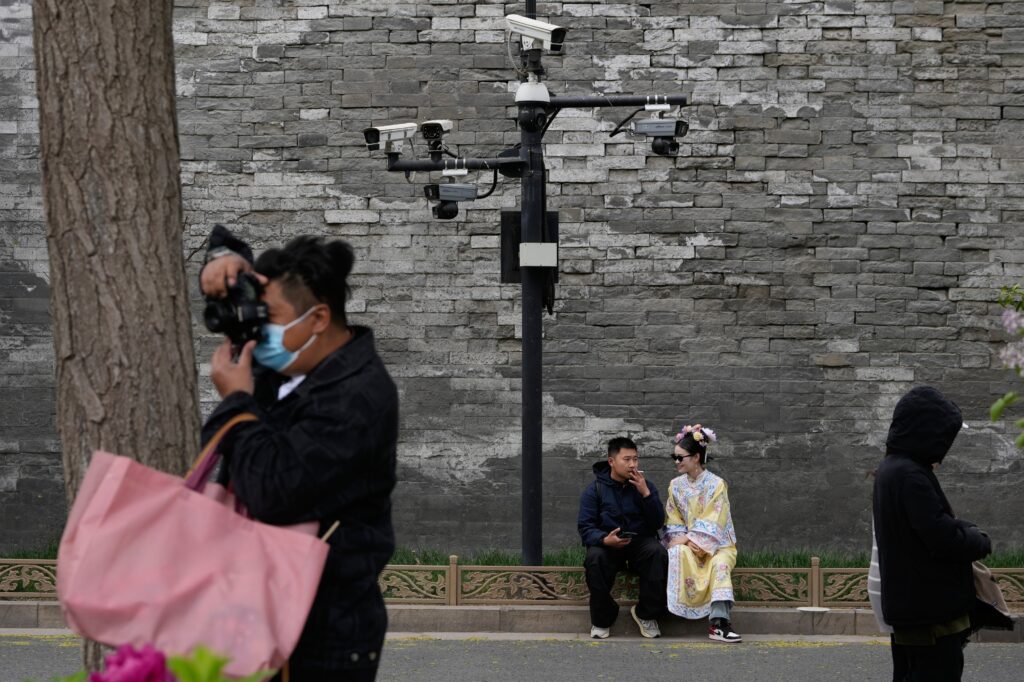
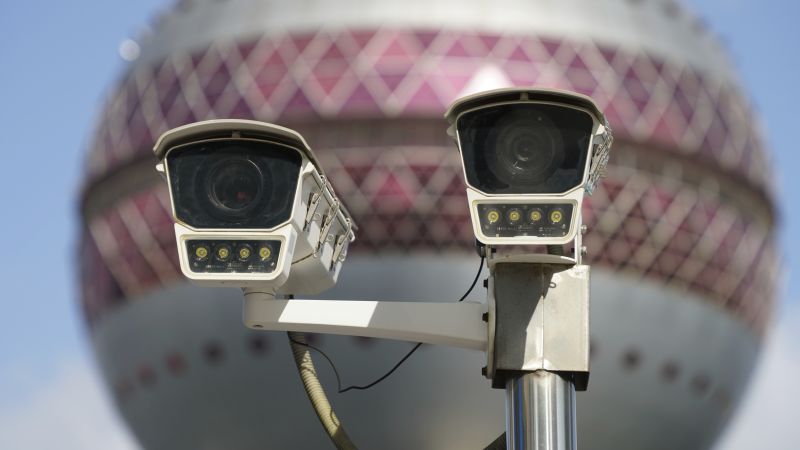
The Chinese government is using AI, including large language models and surveillance systems, to intensify censorship, monitor citizens, and suppress dissent, especially among ethnic minorities. These AI tools automate content control, enable predictive policing, and are being developed in minority languages, leading to widespread human rights violations and potential export abroad.[AI generated]

Why's our monitor labelling this an incident or hazard?

The event involves AI systems explicitly described as large language models and AI censorship tools developed and used by the Chinese government and tech companies to monitor and control minority language communications. The use of these AI systems directly leads to violations of human rights, including surveillance, censorship, and suppression of minority groups' communications, fulfilling the criteria for harm under the AI Incident definition. The article details ongoing use and impact, not just potential risks, confirming it as an AI Incident rather than a hazard or complementary information.[AI generated]

AI principles
Respect of human rightsPrivacy & data governanceTransparency & explainabilityDemocracy & human autonomyFairnessAccountability

Industries
Government, security, and defenceDigital security

Affected stakeholders
General public

Harm types
Human or fundamental rightsPublic interest

Severity
AI incident

Business function:
ICT management and information securityCompliance and justice

AI system task:
Event/anomaly detectionForecasting/prediction


Articles about this incident or hazard

Thumbnail Image

Australian think tank warns that China is developing AI surveillance systems in minority languages

2025-12-03
중앙일보
Why's our monitor labelling this an incident or hazard?
The event involves AI systems explicitly described as large language models and AI censorship tools developed and used by the Chinese government and tech companies to monitor and control minority language communications. The use of these AI systems directly leads to violations of human rights, including surveillance, censorship, and suppression of minority groups' communications, fulfilling the criteria for harm under the AI Incident definition. The article details ongoing use and impact, not just potential risks, confirming it as an AI Incident rather than a hazard or complementary information.
Thumbnail Image

China using AI as 'precision instrument' of repression

2025-12-03
TheRegister.com
Why's our monitor labelling this an incident or hazard?
The report explicitly details how AI systems are used for political censorship, surveillance, repression, and economic exploitation, which are direct violations of human rights and harm to communities. The AI systems censor sensitive content, surveil and repress minority groups, and enable unfair economic practices in fishing, all of which are harms directly linked to AI system use. The involvement of AI in these harms is clear and central to the described events, meeting the criteria for an AI Incident.
Thumbnail Image

China's AI Systems Reshape Human Rights

2025-12-01
Mirage News
Why's our monitor labelling this an incident or hazard?
The report explicitly describes AI systems being used to cause harm by enabling state repression, censorship, and violations of economic and human rights. The AI systems' development and use have directly led to harms such as suppression of dissent, discriminatory policing, and economic exploitation of vulnerable groups. These harms fall under violations of human rights and breaches of legal obligations, meeting the criteria for an AI Incident. The detailed case studies and evidence of ongoing use confirm that these harms are materialized, not merely potential.
Thumbnail Image

Report: 'AI safety' must mean safety from authoritarian abuse | The Strategist

2025-12-01
The Strategist
Why's our monitor labelling this an incident or hazard?
The article clearly involves AI systems, specifically large language models and generative AI used for surveillance, censorship, and control by the Chinese government, which are linked to violations of human rights and harm to communities. However, the article is a report and analysis highlighting ongoing systemic issues and potential risks rather than describing a discrete AI Incident event or a narrowly defined AI Hazard event. It focuses on the broader societal and governance implications and calls for coordinated policy action. Therefore, it fits best as Complementary Information, providing important context and understanding of AI's impact on human rights and governance rather than reporting a new incident or hazard.
Thumbnail Image

How China is using AI to extend censorship and surveillance

2025-12-01
DNyuz
Why's our monitor labelling this an incident or hazard?
The article explicitly mentions AI systems being used to monitor and censor online content, track user behavior, and assist in judicial sentencing recommendations. These uses directly contribute to violations of human rights and harm to communities, such as ethnic minorities under surveillance and political dissidents. The harms are ongoing and realized, not merely potential. Therefore, this event qualifies as an AI Incident due to the direct and indirect harms caused by the development and use of AI systems in censorship, surveillance, and judicial processes in China.
Thumbnail Image

China's censorship and surveillance were already intense. AI is turbocharging those systems

2025-12-04
Yahoo News
Why's our monitor labelling this an incident or hazard?
The article explicitly details the use of AI systems in surveillance cameras, AI-assisted court decisions, and AI-driven censorship and monitoring that have already caused harm by enabling political persecution, suppression of dissent, and violations of rights of minorities and dissidents. The AI systems are not hypothetical or potential but are actively deployed and causing harm. The harms include violations of human rights and harm to communities, fitting the definition of an AI Incident. The involvement of AI is central and pivotal to these harms, as AI enables more pervasive and predictive authoritarian control.
Thumbnail Image

China's censorship and surveillance were already intense. AI is turbocharging those systems | CNN

2025-12-04
CNN
Why's our monitor labelling this an incident or hazard?
The article explicitly details AI systems being used in surveillance, censorship, and judicial processes that directly contribute to violations of human rights and political repression. The AI systems are not hypothetical or potential but are actively deployed and causing harm, including suppression of dissent and monitoring of minority groups. This meets the definition of an AI Incident because the AI's use has directly led to violations of fundamental rights and harm to communities. The involvement of AI in these harms is clear and central to the event described.