UNDP Warns AI May Widen Global Inequality

Thumbnail Image

The information displayed in the AIM should not be reported as representing the official views of the OECD or of its member countries.

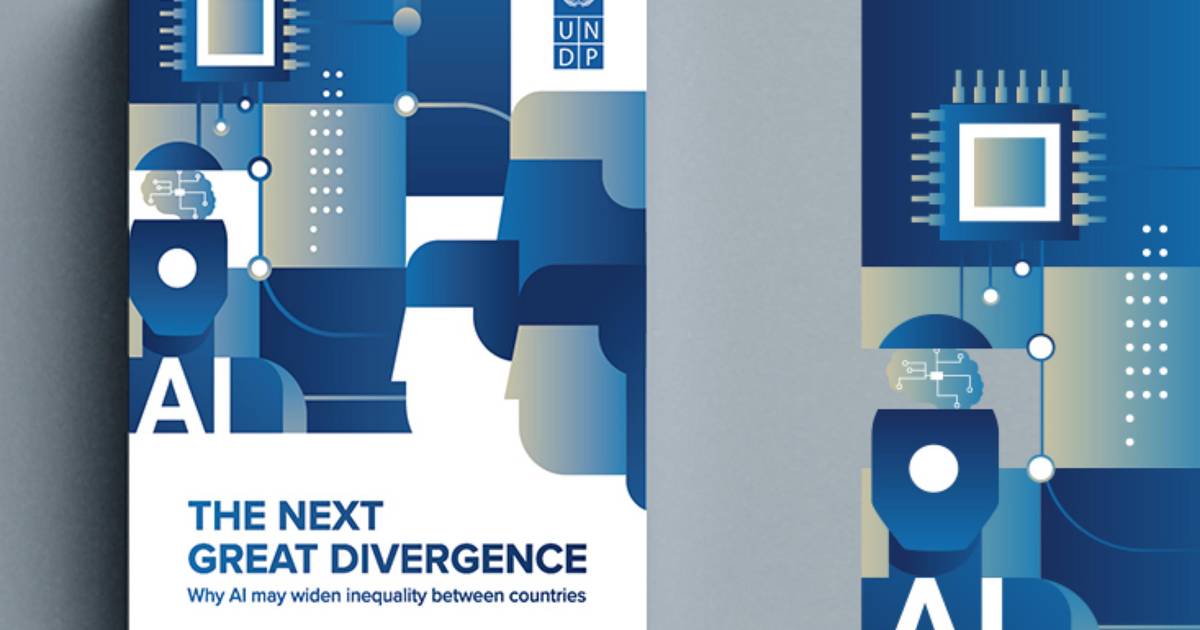
A UNDP report warns that unmanaged AI adoption could exacerbate economic and social inequalities between developed and developing countries, particularly in Asia-Pacific. The report highlights risks of a "great divergence" in growth, skills, and governance, urging urgent policy action to prevent widening global disparities.[AI generated]

Why's our monitor labelling this an incident or hazard?

The article centers on the potential and plausible future harms of AI, such as job losses and increased inequality, rather than describing an actual AI incident or malfunction causing harm. It involves AI systems conceptually, but the harms are prospective and systemic rather than realized events. Therefore, it fits the definition of an AI Hazard, as it outlines credible risks that AI development and use could plausibly lead to significant social and economic harms in the future, especially in vulnerable populations and regions.[AI generated]

AI principles
FairnessHuman wellbeingRespect of human rightsDemocracy & human autonomyAccountability

Industries
Government, security, and defence

Affected stakeholders
General public

Harm types
Economic/PropertyPublic interest

Severity
AI hazard


Articles about this incident or hazard

Thumbnail Image

Artificial Intelligence (AI) Could Accelerate Global Inequality, UN Report Warns

2025-12-02
UrduPoint
Why's our monitor labelling this an incident or hazard?
The article centers on the potential and plausible future harms of AI, such as job losses and increased inequality, rather than describing an actual AI incident or malfunction causing harm. It involves AI systems conceptually, but the harms are prospective and systemic rather than realized events. Therefore, it fits the definition of an AI Hazard, as it outlines credible risks that AI development and use could plausibly lead to significant social and economic harms in the future, especially in vulnerable populations and regions.
Thumbnail Image

Millions Of Jobs At Risk In Asia-Pacific As AI Adoption Surges In Wealthy Nations: UNDP

2025-12-02
UrduPoint
Why's our monitor labelling this an incident or hazard?
The article clearly involves AI systems as it discusses AI adoption, automation, and AI-intensive systems impacting jobs and economies. However, it does not describe any direct or indirect harm that has already occurred due to AI use or malfunction. Instead, it warns about plausible future harms such as job displacement and social inequality resulting from AI adoption disparities. Therefore, this event fits the definition of an AI Hazard, as it plausibly could lead to significant harms but does not report an actual AI Incident. It is not Complementary Information because it is not updating or responding to a past incident but rather providing a forward-looking risk assessment. It is not Unrelated because AI systems and their impacts are central to the discussion.
Thumbnail Image

AI Could Increase Divide Between Rich and Poor States, UN Report Warns

2025-12-02
U.S. News & World Report
Why's our monitor labelling this an incident or hazard?
The article does not report any actual harm or incident caused by AI systems but rather warns about the potential for AI to exacerbate inequality between countries. This constitutes a plausible future harm scenario related to AI's development and use, fitting the definition of an AI Hazard. There is no direct or indirect evidence of realized harm or incident, nor is the article primarily about responses or updates to past incidents, so it is not Complementary Information.
Thumbnail Image

AI threatens to widen inequality among states: UN

2025-12-02
Al Jazeera Online
Why's our monitor labelling this an incident or hazard?
The article does not describe any realized harm caused by AI systems but focuses on the plausible future risk that AI could exacerbate inequality between states, which is a significant societal harm. The involvement of AI is clear as the report centers on AI technology's impact. Since the harm is potential and the article calls for policy responses to mitigate these risks, this event fits the definition of an AI Hazard rather than an Incident or Complementary Information.
Thumbnail Image

AI could accelerate global inequality, UN report warns

2025-12-02
Anadolu Ajansı
Why's our monitor labelling this an incident or hazard?
The article centers on the potential future harms AI could cause if unmanaged, such as widening inequality, job displacement, and data breaches. These are credible risks but have not yet materialized as specific incidents. The AI systems mentioned (e.g., generative AI, AI in public administration) are discussed in terms of their expansion and possible misuse, not actual harm events. Therefore, this qualifies as an AI Hazard because it plausibly could lead to AI incidents in the future if governance and readiness are not improved. It is not Complementary Information since it is not updating or responding to a past incident, nor is it unrelated as it clearly involves AI and its societal impacts.
Thumbnail Image

La IA puede desencadenar una nueva era de desigualdad mundial

2025-12-02
UN News
Why's our monitor labelling this an incident or hazard?
The article explicitly addresses how AI could plausibly lead to increased inequality and related harms in the future if governance and capacity gaps are not addressed. There is no mention of an actual AI system causing direct or indirect harm yet, only a forecast of potential harm. The discussion of risks, vulnerabilities, and the need for governance frameworks aligns with the definition of an AI Hazard, as it plausibly could lead to significant harm but has not yet done so. It is not Complementary Information because it is not updating or responding to a specific past incident, nor is it unrelated as it clearly involves AI and its societal impacts.
Thumbnail Image

Millions of jobs at risk in Asia-Pacific as AI adoption surges in wealthy nations

2025-12-02
UN News
Why's our monitor labelling this an incident or hazard?
The article clearly involves AI systems as it discusses AI adoption, automation, and AI-intensive systems impacting jobs and economies. The harms described are potential and systemic, such as job displacement and inequality, which could plausibly lead to significant social and economic harm. Since no actual harm event has occurred yet but the risks are credible and highlighted by UN economists, this fits the definition of an AI Hazard rather than an Incident. It is not merely complementary information because the focus is on the plausible risks and harms AI could cause in the near future, not just updates or responses to past events.
Thumbnail Image

IA pode aumentar divisão entre países ricos e pobres, alerta relatório da ONU

2025-12-02
UOL notícias
Why's our monitor labelling this an incident or hazard?
The article discusses a credible potential future harm from AI—widening inequality between countries—but does not report any actual harm or incident caused by AI systems. The AI involvement is in the potential impact of AI technologies on economic and social factors. Therefore, this qualifies as an AI Hazard, as the AI system's development and use could plausibly lead to significant harm in the future, but no incident has yet occurred.
Thumbnail Image

AI boom could widen inequality worldwide, with Asia most at risk: UN agency report

2025-12-02
CNA
Why's our monitor labelling this an incident or hazard?
The article discusses the potential for AI to widen inequality between countries, which is a plausible future harm stemming from the development and use of AI systems. However, it does not report any actual harm or incident caused by AI at this time. The focus is on a broad societal and economic risk identified by a UN agency, making this a credible AI Hazard rather than an AI Incident or Complementary Information. There is no direct or indirect harm currently realized, only a warning about plausible future harm.
Thumbnail Image

AI could increase divide between rich and poor states, UN report warns

2025-12-02
bdnews24.com
Why's our monitor labelling this an incident or hazard?
The article discusses a credible risk that AI could plausibly lead to significant harms in the future, such as widening economic inequality and social instability between countries. This fits the definition of an AI Hazard, as it involves plausible future harm stemming from AI development and use. There is no indication of realized harm or incident in the article, nor is it primarily about responses or updates to past incidents, so it is not an AI Incident or Complementary Information. It is not unrelated because it clearly involves AI and its societal impacts.
Thumbnail Image

IA pode aumentar divisão entre países ricos e pobres, alerta relatório da ONU

2025-12-02
Terra
Why's our monitor labelling this an incident or hazard?
The article discusses a credible warning from a UN report about the potential for AI to widen inequality between countries, which could plausibly lead to significant harms such as economic disparity, social instability, and security challenges. Although no specific harm has yet occurred, the AI system's development and use are identified as factors that could plausibly lead to these harms in the future. Therefore, this qualifies as an AI Hazard rather than an Incident or Complementary Information.
Thumbnail Image

IA vai aprofundar gap entre países ricos e pobres, revela relatório da ONU

2025-12-02
VEJA
Why's our monitor labelling this an incident or hazard?
The article focuses on the potential future impacts of AI on global inequality and calls for policy responses. It does not describe any specific AI system causing direct or indirect harm at present, nor does it report an event where AI has already led to harm. Therefore, it does not qualify as an AI Incident. Instead, it highlights plausible future risks and the need for mitigation, fitting the definition of an AI Hazard. It is not merely general AI news or product announcements, so it is not Unrelated, nor is it Complementary Information since it does not update or respond to a prior incident or hazard.
Thumbnail Image

IA pode aumentar divisão entre países ricos e pobres, alerta ONU

2025-12-02
Agência Brasil
Why's our monitor labelling this an incident or hazard?
The article discusses a credible future risk posed by AI systems to widen inequality between countries, which could lead to significant harms to communities and social stability. However, no actual harm has yet occurred; the focus is on plausible future impacts and the need for policy measures to mitigate these risks. Therefore, this qualifies as an AI Hazard rather than an AI Incident or Complementary Information.
Thumbnail Image

La IA puede aumentar la brecha entre países ricos y pobres, advierte un informe de la ONU

2025-12-02
Expansión
Why's our monitor labelling this an incident or hazard?
The article centers on a report that warns about the potential for AI to exacerbate disparities between countries, which is a credible risk but not an event where AI has directly or indirectly caused harm yet. There is no mention of a specific AI system malfunctioning or being misused, nor any realized harm. Therefore, this qualifies as an AI Hazard because it describes a plausible future harm scenario related to AI's development and use at a systemic level.
Thumbnail Image

¿Cómo la inteligencia artificial podría agravar las brechas entre ricos y pobres?, esto dice el PNUD

2025-12-02
Vanguardia
Why's our monitor labelling this an incident or hazard?
The article centers on a UNDP report that warns about the potential for AI to increase inequality and social harm if not properly managed. It discusses plausible future harms and systemic risks related to AI use and governance, but does not report any concrete incident of harm caused by AI systems. Therefore, it fits the definition of an AI Hazard, as it describes circumstances where AI could plausibly lead to harm, but no actual harm event is reported.
Thumbnail Image

Inteligência artificial pode ampliar desigualdades entre países pobres e ricos, alerta a ONU

2025-12-02
Publico
Why's our monitor labelling this an incident or hazard?
The article centers on a UN report that outlines plausible future harms from AI, such as widening inequality and surveillance risks, but does not document any realized harm or incident caused by AI. The AI involvement is clear, and the potential for harm is credible and significant, fitting the definition of an AI Hazard. There is no description of a specific AI Incident or complementary information about responses to an incident. Therefore, the event is best classified as an AI Hazard due to the plausible future harms described.
Thumbnail Image

AI could increase divide between rich and poor states, UN report warns | Technology

2025-12-02
Devdiscourse
Why's our monitor labelling this an incident or hazard?
The article discusses the potential future impact of AI on global inequality, emphasizing plausible risks of widening economic and social divides between countries. This fits the definition of an AI Hazard, as it involves the plausible future harm from AI's development and use, but does not describe any realized harm or incident. The AI system involvement is inferred from the broad use of AI technologies affecting economic and social systems. Since no direct or indirect harm has yet occurred, and the focus is on warning and policy recommendations, the classification is AI Hazard.
Thumbnail Image

La IA podría aumentar la brecha entre países ricos y pobres, advierte informe de la ONU | Diario Financiero

2025-12-02
Diario Financiero
Why's our monitor labelling this an incident or hazard?
The article discusses a credible potential future harm from AI—widening inequality between countries—but does not report any actual harm or incident caused by AI systems. The involvement of AI is clear, and the risk is plausible and significant, but no direct or indirect harm has yet occurred. Therefore, this qualifies as an AI Hazard, as it concerns a plausible future harm from AI's development and use at a systemic level.
Thumbnail Image

AI unmanaged could increase inequality between countries, UNDP report warns

2025-12-03
Social News XYZ
Why's our monitor labelling this an incident or hazard?
The article focuses on the potential future risks and inequalities that could arise from AI if not properly managed, which fits the definition of an AI Hazard. There is no description of an actual AI Incident (no realized harm), nor is the article primarily about responses or updates to past incidents (not Complementary Information). It is not unrelated since it clearly involves AI and its societal impacts. Therefore, the event is best classified as an AI Hazard because it plausibly could lead to harms such as increased inequality, job displacement, and data breaches if AI is unmanaged.
Thumbnail Image

Artificial Intelligence (AI) could accelerate global inequality, UN report warns

2025-12-02
Associated Press Of Pakistan
Why's our monitor labelling this an incident or hazard?
The article focuses on the potential future harms of AI related to economic inequality and job displacement, which are plausible risks but have not yet materialized as specific incidents. It involves AI systems in a broad sense but does not report a concrete event of harm or malfunction. Therefore, it fits the definition of an AI Hazard, as it warns about credible risks that AI could plausibly lead to significant societal harm in the future, particularly economic and social inequality in Asia.
Thumbnail Image

ONU alerta que IA pode aprofundar a desigualdade entre países ricos e pobres - News Rondônia

2025-12-02
News Rondonia
Why's our monitor labelling this an incident or hazard?
The article discusses potential future harms stemming from the adoption of AI, specifically the plausible risk that AI could widen inequality between countries. No actual harm has yet occurred as described, but the report highlights credible risks and calls for preventive policy action. Therefore, this qualifies as an AI Hazard because it concerns plausible future harm related to AI systems' development and use at a societal level.
Thumbnail Image

AI Risks Sparking A New Era Of Divergence

2025-12-03
Scoop
Why's our monitor labelling this an incident or hazard?
The article does not report any actual harm caused by AI systems but rather warns about plausible future harms related to AI's uneven adoption and governance across countries. It discusses potential risks like job losses, exclusion, and data breaches that could arise if AI is unmanaged, which fits the definition of an AI Hazard. There is no description of a specific AI Incident or realized harm, nor is the article primarily about responses or updates to past incidents, so it is not Complementary Information. Therefore, the event is best classified as an AI Hazard due to the credible risk of future harm from AI's uneven impact and governance challenges.
Thumbnail Image

Millions of jobs at risk from AI adoption, says UNDP report

2025-12-03
Trade Arabia
Why's our monitor labelling this an incident or hazard?
The article centers on a report warning about the potential negative impacts of AI on employment and inequality, particularly in Asia and the Pacific. It identifies plausible risks such as job displacement, algorithmic bias, and data exclusion, which could lead to harm if unmanaged. However, it does not describe any specific AI system causing direct or indirect harm at present, nor does it report an actual incident or malfunction. The focus is on forecasting and policy recommendations to prevent harm, fitting the definition of an AI Hazard rather than an AI Incident or Complementary Information.
Thumbnail Image

AI May Widen Global Development Gaps, UNDP Warns

2025-12-02
Mirage News
Why's our monitor labelling this an incident or hazard?
The article centers on a report that warns about the plausible future harms AI could cause in widening inequality and other socio-economic risks if not properly managed. It does not report any actual AI-related harm or incident that has occurred, nor does it provide updates or responses to a past incident. The presence of AI systems is implicit in the discussion of AI adoption and impacts, and the risks described are credible and plausible future harms. Therefore, the event fits the definition of an AI Hazard, as it concerns circumstances where AI use could plausibly lead to harm, but no harm has yet been realized or reported.
Thumbnail Image

AI Surge Puts Millions of Asia-Pacific Jobs at Risk

2025-12-02
Mirage News
Why's our monitor labelling this an incident or hazard?
The article clearly involves AI systems as it discusses AI-driven automation and AI's economic impact. The harms described—job displacement, inequality, and exclusion—are potential harms that could plausibly arise from AI use in the region. Since no actual harm has yet occurred or been reported, and the focus is on the risk and potential consequences of AI adoption, this fits the definition of an AI Hazard. The article also includes calls for ethical considerations and inclusive governance to mitigate these risks, reinforcing the forward-looking nature of the concerns rather than reporting an incident.
Thumbnail Image

AI unmanaged could increase inequality between countries, UNDP report warns - Mangalorean.com

2025-12-03
Mangalorean.com
Why's our monitor labelling this an incident or hazard?
The article centers on a report's warning about plausible future harms from AI, such as increased inequality and job displacement, due to uneven AI readiness and governance across countries. No specific AI system malfunction, misuse, or harm has occurred yet. The event describes a credible risk scenario and policy considerations, fitting the definition of an AI Hazard rather than an Incident or Complementary Information.
Thumbnail Image

AI Might Be Causing More Harm Than Good For Some, UN Reports - TechRound

2025-12-02
TechRound
Why's our monitor labelling this an incident or hazard?
The article explicitly references the potential for AI to widen inequality and cause various harms such as job loss, data exclusion, and resource strain, which are plausible future harms linked to AI systems. No actual harm or incident is reported as having occurred yet. The involvement of AI is clear, and the risks are credible and significant, but the harms remain prospective. Hence, the classification as an AI Hazard is appropriate rather than an AI Incident or Complementary Information.
Thumbnail Image

AI threatens to widen inequality among states: UN - RocketNews

2025-12-02
RocketNews | Top News Stories From Around the Globe
Why's our monitor labelling this an incident or hazard?
The article discusses potential future harms from AI's impact on global inequality, which fits the definition of an AI Hazard because it plausibly could lead to significant harm (economic, social, security-related) if unaddressed. There is no indication of realized harm or a specific AI system malfunction or misuse causing direct or indirect harm at this time, so it is not an AI Incident. The report and warnings constitute a credible risk scenario, making this an AI Hazard rather than Complementary Information or Unrelated news.
Thumbnail Image

UNDP report warns that AI could worsen development inequalities

2025-12-03
Developing Telecoms
Why's our monitor labelling this an incident or hazard?
The article describes a credible risk that AI could worsen inequalities and cause various social and economic harms in the future if unmanaged. It does not report any actual harm or incident caused by AI, but rather warns about plausible future harms and governance challenges. Therefore, it fits the definition of an AI Hazard, as it concerns events and circumstances where AI use or development could plausibly lead to harm, but no direct or indirect harm has yet occurred.
Thumbnail Image

Millions of jobs at risk in Asia-Pacific as AI adoption surges in wealthy nations - Media Monitors Network (MMN)

2025-12-02
Media Monitors Network (MMN)
Why's our monitor labelling this an incident or hazard?
The article focuses on the broader socio-economic implications and potential risks of AI adoption in the Asia-Pacific region without detailing any particular AI system causing harm or a concrete incident or hazard. It is a strategic overview and policy recommendation piece rather than a report of an AI Incident or AI Hazard. Therefore, it fits best as Complementary Information, providing context and insight into AI's evolving impact and governance challenges in the region.
Thumbnail Image

UN Report Warns AI May Widen Gap Between Developed And Developing Countries

2025-12-02
Arise News
Why's our monitor labelling this an incident or hazard?
The report focuses on the plausible future harms that AI could cause in widening global inequalities and associated societal risks. It does not describe any specific AI system causing harm or malfunction, nor does it report any realized incident. The AI involvement is in the potential impact of AI adoption and integration, which could plausibly lead to significant harms in the future. Therefore, this qualifies as an AI Hazard, as it warns of credible risks stemming from AI's development and use that could lead to harm but does not document an actual incident.
Thumbnail Image

AI unmanaged could increase inequality between countries, UNDP report warns

2025-12-02
english.news.cn
Why's our monitor labelling this an incident or hazard?
The article focuses on the potential future impacts of AI on inequality and governance disparities between countries, emphasizing the need for policy action and governance to manage risks. It does not report any actual harm or incident caused by AI systems, nor does it describe a specific event where AI use or malfunction led to harm. Therefore, it fits the definition of Complementary Information, as it provides contextual and governance-related insights about AI's societal implications without reporting a new AI Incident or AI Hazard.
Thumbnail Image

La IA promete mucho, pero ¿a quién dejará fuera?

2025-12-02
meganoticias.mx
Why's our monitor labelling this an incident or hazard?
The article focuses on the potential and plausible future harms of AI related to inequality, exclusion, and labor impacts, based on current disparities and projected trends. It does not report any actual incident or harm caused by an AI system at present, but rather warns about risks if no action is taken. Therefore, it fits the definition of an AI Hazard, as it describes circumstances where AI's development and use could plausibly lead to significant harms in the future, but no direct or indirect harm has yet occurred.
Thumbnail Image

Millions of jobs at risk in Asia-Pacific as AI adoption rises in rich countries - news

2025-12-03
The European Times News
Why's our monitor labelling this an incident or hazard?
The article does not describe any specific AI system causing direct or indirect harm at present, nor does it report an event where AI use or malfunction has led to injury, rights violations, or other harms. Instead, it presents a credible warning about the plausible future risks of AI adoption, such as job losses and increased inequality, which could lead to significant societal harm if unaddressed. Therefore, it fits the definition of an AI Hazard, as it highlights plausible future harms stemming from AI development and use in the region.
Thumbnail Image

AI threatens to widen inequality among states: UN - British Caribbean News

2025-12-02
britishcaribbeannews.com
Why's our monitor labelling this an incident or hazard?
The article involves AI systems as it discusses AI technology's impact on global inequality. However, it does not report any direct or indirect harm that has already occurred due to AI use or malfunction. Instead, it focuses on the plausible future risk of AI exacerbating inequality between countries, which fits the definition of an AI Hazard. There is no mention of a specific AI Incident or realized harm, nor is the article primarily about responses or updates to past incidents, so it is not Complementary Information. Therefore, the event is best classified as an AI Hazard due to the credible risk of future harm from AI's unequal impacts.
Thumbnail Image

AI could accelerate global inequality, UN report warns

2025-12-02
anews
Why's our monitor labelling this an incident or hazard?
The article centers on a report that warns about potential future harms from AI, such as increased inequality and job displacement, if governance and digital readiness are insufficient. These are credible risks but no actual harm or incident has occurred yet. The AI involvement is clear, but the harms are prospective rather than realized. Therefore, this qualifies as an AI Hazard because it describes plausible future harms from AI systems' use and integration, not an AI Incident or Complementary Information. It is not unrelated because it directly concerns AI and its societal impacts.
Thumbnail Image

La inteligencia artificial amenaza con una era de desigualdad

2025-12-03
IPS Agencia de Noticias
Why's our monitor labelling this an incident or hazard?
The article primarily presents a broad analysis and warning about the potential future harms of AI related to inequality, environmental impact, and social exclusion. It does not report a concrete event where an AI system has caused actual harm (which would be an AI Incident), nor does it describe a specific imminent risk or near miss (which would be an AI Hazard). Instead, it provides contextual and policy-relevant information about the evolving AI landscape and its societal implications, fitting the definition of Complementary Information. The focus is on understanding and managing risks rather than reporting a realized or immediate AI-related harm.
Thumbnail Image

UN Warns: AI Risks Sparking "Next Great Divergence" In Asia-Pacific Inequality

2025-12-03
Dallas Express
Why's our monitor labelling this an incident or hazard?
The article centers on the potential for AI to exacerbate inequality and cause economic and social harm in the future, particularly in less developed countries within the Asia-Pacific region. It does not report any actual event where AI has directly or indirectly caused harm, nor does it describe a malfunction or misuse of an AI system. Instead, it warns about plausible future harms and calls for ethical deployment and governance. Therefore, it fits the definition of an AI Hazard, as it highlights credible risks that AI could plausibly lead to significant harm if unaddressed.
Thumbnail Image

La IA puede desencadenar una nueva era de desigualdad entre países pobres y ricos - 21NOTICIAS

2025-12-03
21Noticias
Why's our monitor labelling this an incident or hazard?
The article focuses on the potential future risks and inequalities that could arise from AI use and development, especially in the Asia-Pacific region, but does not report any actual harm or incident caused by AI systems. It is a policy and research report summarizing risks and opportunities, serving as a warning and call to action rather than describing a concrete AI Incident or Hazard event. Therefore, it fits best as Complementary Information, providing context and insight into AI's societal implications and governance needs without reporting a specific incident or hazard.
Thumbnail Image

AI Boom Threatens Millions of Jobs Across Asia

2025-12-04
Indian Flash
Why's our monitor labelling this an incident or hazard?
The article does not report an actual AI Incident where harm has already occurred due to AI system use or malfunction. Instead, it outlines a credible and plausible future risk (AI Hazard) that AI-driven automation and economic shifts could lead to widespread job losses and increased inequality across Asia. The involvement of AI systems is clear, as the discussion centers on AI-driven automation and economic impacts. The harms are potential and systemic, fitting the definition of an AI Hazard rather than an Incident or Complementary Information. Therefore, the event is best classified as an AI Hazard.
Thumbnail Image

La ONU alerta que la IA puede ampliar la desigualdad entre países pobres y ricos

2025-12-04
infobae
Why's our monitor labelling this an incident or hazard?
The article involves AI systems in a broad societal context and discusses plausible future harms related to AI's impact on inequality and employment. However, it does not describe a concrete incident or event where AI has directly or indirectly caused harm, nor does it focus on a specific AI hazard event. The main content is a policy and risk assessment report by the UN, serving as a warning and call for governance action. Therefore, it fits best as Complementary Information, providing context and insight into AI's societal implications and risks without reporting a new incident or hazard.
Thumbnail Image

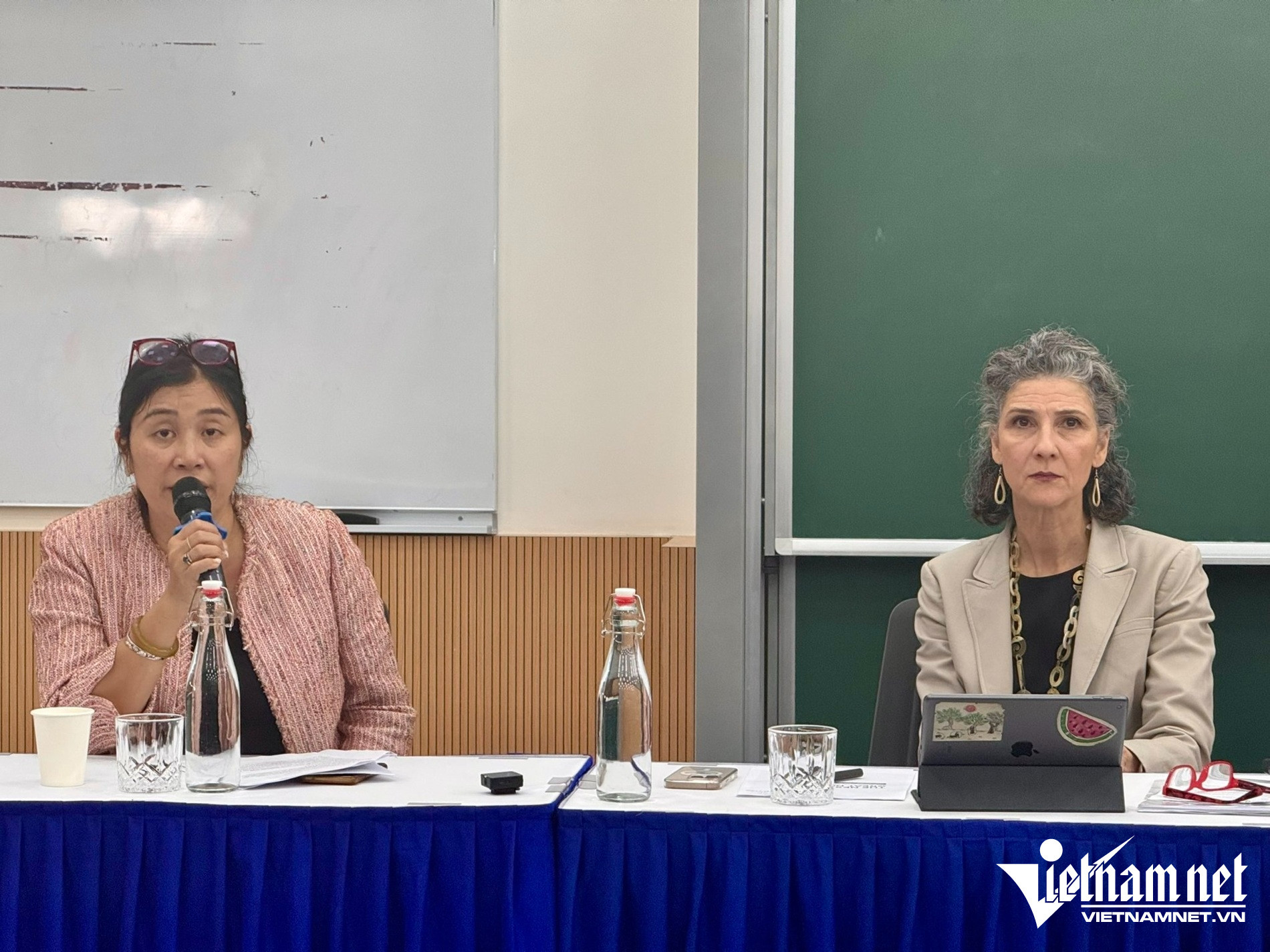
61% Vietnamese people fear job loss or unemployment due to AI

2025-12-05
VietNamNet News
Why's our monitor labelling this an incident or hazard?
The article centers on survey results and policy discussions about AI's potential impact on employment and inequality in Vietnam. While it acknowledges plausible future harms from AI-driven job displacement, it does not describe an actual AI incident or a specific hazard event. The focus is on societal and governance responses, digital infrastructure development, and strategic frameworks to manage AI's effects. Therefore, it fits the definition of Complementary Information, as it enhances understanding of AI's broader societal implications without reporting a new incident or hazard.
Thumbnail Image

New UN report says AI can widen inequality gap between rich and poor countries, although SG is better positioned than others - Singapore News

2025-12-05
The Independent
Why's our monitor labelling this an incident or hazard?
The article discusses the potential for AI to cause widening inequality, which is a plausible future harm related to AI systems' development and use. There is no mention of a specific AI system malfunctioning or causing direct harm, nor is there an incident of realized harm. The focus is on the risk and policy recommendations to address these risks. Therefore, this qualifies as an AI Hazard because it describes a credible risk that AI could plausibly lead to significant harm (widening inequality) in the future.
Thumbnail Image

La Inteligencia Artificial podría aumentar la desigualdad global, advierte la ONU - PasionMóvil

2025-12-04
PasionMovil
Why's our monitor labelling this an incident or hazard?
The article centers on a credible warning from the UN about the potential for AI to exacerbate global inequality and related social harms in the future. This fits the definition of an AI Hazard, as it describes circumstances where AI's development and use could plausibly lead to significant harm (economic, social, and security-related) but does not report any actual harm or incident occurring yet. There is no mention of a specific AI system malfunctioning or causing harm, nor any realized incident. Therefore, the event is best classified as an AI Hazard.
Thumbnail Image

(Yonhap Interview) UNDP urges S. Korea to help bridge global gaps in AI adoption | Yonhap News Agency

2025-12-05
Yonhap News Agency
Why's our monitor labelling this an incident or hazard?
The article does not describe any event where an AI system has directly or indirectly caused harm or where harm is plausibly imminent due to AI system development, use, or malfunction. Instead, it provides a high-level discussion on AI adoption, inequality, and international cooperation, which fits the definition of Complementary Information as it offers context and governance-related insights without reporting a specific AI Incident or AI Hazard.
Thumbnail Image

AI's impact could worsen gaps between world's rich and poor, a UN report says

2025-12-02
WBBH
Why's our monitor labelling this an incident or hazard?
The article primarily presents a broad analysis and warning about the possible negative societal impacts of AI, including economic inequality, exclusion, misinformation, and environmental concerns. These are framed as plausible future harms rather than incidents that have already occurred. There is no description of a concrete event where AI caused injury, rights violations, or other harms. Therefore, the content fits the definition of an AI Hazard, as it plausibly could lead to AI incidents if unaddressed, but no actual incident is reported. It is not Complementary Information because it is not updating or responding to a specific prior incident, nor is it unrelated since it clearly involves AI and its societal impacts.
Thumbnail Image

UN report warns AI could deepen inequality between rich and poor without swift action

2025-12-03
storyboard18.com
Why's our monitor labelling this an incident or hazard?
The article outlines credible risks and plausible future harms from AI systems, including social inequality, exclusion, environmental impact, and misinformation, but does not describe any realized harm or incident caused by AI. It is a forward-looking analysis emphasizing the need for regulatory and infrastructural responses to prevent harm. Therefore, it fits the definition of an AI Hazard, as it highlights circumstances where AI use could plausibly lead to harm if unaddressed.
Thumbnail Image

AI's impact could worsen gaps between world's rich and poor, a UN report says

2025-12-02
Yahoo! Finance
Why's our monitor labelling this an incident or hazard?
The article primarily addresses the potential future impacts and risks of AI on social and economic inequalities, environmental concerns, and cybersecurity threats. It does not report any concrete incident of harm caused by AI, nor does it describe a specific event where AI malfunctioned or was misused leading to harm. Therefore, it fits the definition of an AI Hazard, as it discusses plausible future harms that could arise from AI development and use, but no actual harm has yet occurred according to the article.
Thumbnail Image

AI's impact could worsen gaps between world's rich and poor: UN report

2025-12-02
ETTelecom.com
Why's our monitor labelling this an incident or hazard?
The article centers on a high-level report assessing the broad implications of AI on global inequality and societal risks. It does not describe a particular AI system malfunction, misuse, or harm that has occurred, nor does it report a specific event or incident involving AI causing injury, rights violations, or other harms. The discussion is about potential impacts and the need for governance and infrastructure to mitigate risks. Therefore, it fits the definition of Complementary Information, as it provides important context and analysis relevant to understanding AI's societal effects and governance challenges, without reporting a new AI Incident or AI Hazard.
Thumbnail Image

AI's impact could worsen gaps between world's rich and poor, a UN...

2025-12-02
Daily Mail Online
Why's our monitor labelling this an incident or hazard?
The article primarily addresses the plausible future harms and societal challenges posed by AI, such as worsening inequality, digital exclusion, and ethical concerns. It does not report any actual harm or incident caused by AI systems but rather warns about potential negative outcomes if AI is not managed properly. Therefore, it fits the definition of an AI Hazard, as it describes circumstances where AI's development and use could plausibly lead to harm, but no direct or indirect harm has yet occurred as per the article.
Thumbnail Image

AI's Impact Could Worsen Gaps Between World's Rich And Poor: United Nations

2025-12-02
NDTV
Why's our monitor labelling this an incident or hazard?
The article centers on a high-level report assessing the potential impacts and risks of AI on global inequality, privacy, misinformation, and environmental issues. It does not describe a concrete event involving an AI system that has caused harm (AI Incident), nor does it report a specific near-miss or hazard event involving AI malfunction or misuse (AI Hazard). The content is primarily an overview and policy-oriented discussion, fitting the definition of Complementary Information as it provides context, societal concerns, and governance recommendations related to AI's broader ecosystem and potential risks.
Thumbnail Image

Without Action, AI Will Widen Gap Between World's Rich And Poor: UN Report

2025-12-02
NDTV
Why's our monitor labelling this an incident or hazard?
The article primarily outlines plausible future harms and systemic risks associated with AI deployment and adoption, such as exclusion of disadvantaged groups, environmental impacts, misinformation, and privacy violations. These are potential harms that could arise if AI is not managed properly, but no concrete incident of harm has occurred as described. Therefore, the event fits the definition of an AI Hazard, as it highlights credible risks that AI could plausibly lead to harm in the future, rather than reporting an actual AI Incident or complementary information about responses to a past incident.
Thumbnail Image

AI's Impact Could Worsen Gaps Between World's Rich and Poor, a UN Report Says

2025-12-02
U.S. News & World Report
Why's our monitor labelling this an incident or hazard?
The article centers on a high-level report assessing the potential impacts of AI on global inequality and societal challenges. It does not report any realized harm or incident caused by AI systems, nor does it describe a specific AI system malfunction or misuse leading to harm. The concerns and risks mentioned are potential and general, without a concrete event of harm. Therefore, this is best classified as Complementary Information, as it provides important context and governance-related insights about AI's societal implications without reporting a new AI Incident or AI Hazard.
Thumbnail Image

AI's impact could worsen gaps between rich, poor

2025-12-02
Mehr News Agency
Why's our monitor labelling this an incident or hazard?
The article focuses on a report highlighting the risk that AI could worsen inequality and exclusion, which is a plausible future harm scenario. There is no mention of a specific AI system malfunctioning or causing harm, nor any realized incident. Therefore, this qualifies as an AI Hazard because it plausibly could lead to harm in the future, but no harm has yet occurred or been reported in this article.
Thumbnail Image

AI's impact could worsen gaps between world's rich and poor: UN report

2025-12-02
Business Standard
Why's our monitor labelling this an incident or hazard?
The article primarily addresses the plausible future harms and societal challenges posed by AI, such as worsening inequality, exclusion, and ethical risks, without reporting any concrete event where AI has directly or indirectly caused harm. Therefore, it fits the definition of an AI Hazard, as it highlights credible risks that AI development and deployment could lead to significant harms if not properly managed. It is not an AI Incident because no actual harm has been reported, nor is it Complementary Information since it is not updating or responding to a specific prior incident. It is not unrelated because it clearly involves AI and its societal impacts.
Thumbnail Image

AI's impact could worsen gaps between world's rich and poor, a UN report says - The Boston Globe

2025-12-02
The Boston Globe
Why's our monitor labelling this an incident or hazard?
The article does not describe any specific AI Incident where harm has occurred due to AI system development, use, or malfunction. Instead, it outlines plausible future harms and systemic risks associated with AI adoption and deployment, such as worsening inequality, environmental impacts, and privacy concerns. These constitute potential risks rather than realized incidents. The main focus is on the report's analysis and recommendations, which provide context and understanding of AI's societal implications. Therefore, this is best classified as Complementary Information, as it enhances understanding of AI's broader ecosystem and potential impacts without reporting a concrete incident or hazard event.
Thumbnail Image

AI's impact could worsen gaps between world's rich and poor, a UN report says

2025-12-02
Market Beat
Why's our monitor labelling this an incident or hazard?
The article primarily presents a broad analysis and warning about the potential future impacts of AI on global inequality and societal risks. It does not report a concrete event where an AI system caused harm or malfunctioned, nor does it describe a specific AI hazard event with imminent risk. The content is best classified as Complementary Information because it provides important context, societal and governance considerations, and strategic recommendations related to AI's impact, without detailing a particular incident or hazard.
Thumbnail Image

AI's impact could worsen gaps between world's rich and poor, a UN report says

2025-12-03
Newsday
Why's our monitor labelling this an incident or hazard?
The article primarily addresses the plausible future harms and societal challenges posed by AI, such as widening inequality, exclusion, misinformation, and privacy violations. These are potential harms that could arise from AI development and deployment if not properly managed. There is no description of a concrete event where AI has directly or indirectly caused harm. Therefore, the event fits the definition of an AI Hazard, as it discusses credible risks that AI could plausibly lead to harm in the future, but no actual incident has occurred yet.
Thumbnail Image

AI's impact could worsen gaps between world's rich and poor, a UN report says

2025-12-02
Financial Post
Why's our monitor labelling this an incident or hazard?
The article primarily presents a report outlining potential risks and inequalities associated with AI, including cybersecurity threats and misinformation via deepfakes. These are credible concerns that could plausibly lead to harm, but the article does not describe any realized harm or specific incident caused by AI. Therefore, it fits the definition of an AI Hazard, as it points to plausible future harms stemming from AI use and development, rather than an AI Incident or Complementary Information.
Thumbnail Image

AI's impact could worsen gaps between world's rich and poor, a UN report says

2025-12-02
Castanet
Why's our monitor labelling this an incident or hazard?
The article primarily presents a broad analysis and warning about the potential negative societal impacts of AI, including economic inequality and ethical issues, without detailing any concrete event or incident where AI has caused harm. It discusses plausible future harms and systemic risks but does not report an actual AI Incident or a specific AI Hazard event. Therefore, it fits best as Complementary Information, providing context and insight into AI's societal implications and governance needs rather than reporting a new incident or hazard.
Thumbnail Image

AI could worsen gaps between world's rich and poor, warns UN - Latest News

2025-12-02
Hurriyet Daily News
Why's our monitor labelling this an incident or hazard?
The article does not describe any actual harm caused by an AI system's development, use, or malfunction, but rather warns about plausible future harms related to AI's uneven distribution and impact on global inequality, infrastructure, and environment. This fits the definition of an AI Hazard, as the AI systems' development and deployment could plausibly lead to significant harms if unaddressed. There is no indication of an ongoing incident or realized harm, nor is the article primarily about responses or updates to past incidents, so it is not Complementary Information. It is not unrelated because it clearly involves AI and its societal impacts.
Thumbnail Image

AI's impact could worsen gaps between world's rich and poor, a UN report says

2025-12-02
Winnipeg Sun
Why's our monitor labelling this an incident or hazard?
The article does not report any specific AI incident causing harm but outlines credible risks and inequalities that could plausibly lead to harm in the future, such as exclusion from economic participation and increased cyber threats enabled by AI. Therefore, it fits the definition of an AI Hazard, as it describes circumstances where AI's development and use could plausibly lead to significant harms, including social and economic disparities and cybersecurity risks.
Thumbnail Image

AI's impact could worsen gaps between world's rich and poor, a UN report says

2025-12-02
2 News Nevada
Why's our monitor labelling this an incident or hazard?
The article primarily presents a broad analysis and warning about the possible future harms and inequalities that AI could cause if not properly managed. It does not report any realized harm or incident involving AI systems, nor does it describe a specific AI hazard event such as a near miss or credible threat. The content is best classified as Complementary Information because it provides important context, societal and governance considerations, and strategic recommendations related to AI's impact on society, without detailing a concrete AI Incident or AI Hazard.
Thumbnail Image

UN report warns AI could deepen global inequality without urgent action

2025-12-02
Daily Observer || Daily Newspaper in Bangladesh
Why's our monitor labelling this an incident or hazard?
The report highlights credible risks and challenges posed by AI that could plausibly lead to significant harms such as increased inequality, environmental strain, and ethical/security issues. These are potential harms rather than realized incidents. The AI systems are involved in the discussion as the source of these risks, but no direct or indirect harm has yet occurred as described. Therefore, this qualifies as an AI Hazard, reflecting plausible future harm from AI without current incidents.
Thumbnail Image

El impacto de la IA podría agravar la brecha entre ricos y pobres, según un informe de la ONU

2025-12-03
La Nacion
Why's our monitor labelling this an incident or hazard?
The article primarily presents a broad analysis and warning about the possible future harms and inequalities that AI could cause if not properly managed. It does not report on a concrete event where AI has caused harm or malfunctioned, nor does it describe a specific AI system involved in an incident. The discussion is about plausible future harms and systemic risks, making it an AI Hazard. However, since the article is a high-level report discussing potential impacts and policy recommendations without describing a specific event or imminent risk, it fits best as Complementary Information, providing context and governance-related insights rather than reporting an incident or hazard.
Thumbnail Image

El impacto de la IA podría agravar las brechas entre ricos y pobres, según informe de la ONU

2025-12-02
Chicago Tribune
Why's our monitor labelling this an incident or hazard?
The article primarily presents a broad analysis and warning about the possible future societal and economic harms that AI could cause if not properly managed, such as increased inequality, exclusion, and misuse (e.g., deepfakes, automated cyberattacks). It does not report on a specific event where an AI system has caused actual harm or malfunctioned. Therefore, it fits the definition of an AI Hazard, as it plausibly outlines risks that AI development and deployment could lead to harm in the future, but no incident has yet occurred. It is not Complementary Information because it is not updating or responding to a specific prior incident, nor is it unrelated since it clearly involves AI and its societal impacts.
Thumbnail Image

A new UN report warns AI's impact could worsen gaps between world's rich and poor

2025-12-03
mid-day
Why's our monitor labelling this an incident or hazard?
The article discusses the potential future harms and societal impacts of AI, such as worsening inequality, ethical and privacy concerns, and risks of misinformation and surveillance. These are plausible risks that could lead to AI incidents if not addressed, but no actual harm or incident is reported. The focus is on warning and advising about AI's impact and governance, which fits the definition of an AI Hazard. However, since the report is broad and does not describe a specific AI system malfunction or misuse causing harm, and mainly provides a strategic overview and recommendations, it is best classified as Complementary Information. It provides important context and governance-related insights without reporting a concrete incident or hazard event.
Thumbnail Image

El impacto de la IA podría agravar las brechas entre ricos y pobres del mundo, según un informe de la ONU

2025-12-02
Periódico El Día
Why's our monitor labelling this an incident or hazard?
The article centers on a report that warns about the plausible future harms AI could cause, such as worsening inequality, exclusion, misinformation, and privacy violations. It does not describe any specific AI system malfunction, misuse, or harm that has already occurred. The involvement of AI is clear, and the harms are credible and significant, but they remain potential rather than realized. Hence, this fits the definition of an AI Hazard, as it concerns circumstances where AI use or development could plausibly lead to harm in the future, rather than an AI Incident or Complementary Information.
Thumbnail Image

El impacto de la IA podría agravar la brecha entre ricos y pobres, según un informe de la ONU

2025-12-03
Diario El Día
Why's our monitor labelling this an incident or hazard?
The article centers on a report that warns about the plausible future negative impacts of AI on inequality and social disparities, which fits the definition of an AI Hazard because it could plausibly lead to harm (worsening inequality and exclusion). There is no description of an actual incident or harm caused by AI systems yet, nor is the article primarily about responses or updates to past incidents. Therefore, the event is best classified as an AI Hazard.
Thumbnail Image

La Inteligencia Artificial puede incrementar desigualdades, según un nuevo informe de la ONU - El Diario NY

2025-12-02
El Diario Nueva York
Why's our monitor labelling this an incident or hazard?
The article centers on a report that outlines potential risks and societal impacts of AI, including increased inequality, exclusion, and misuse such as misinformation and cyberattacks. However, it does not describe any concrete event where an AI system directly or indirectly caused harm. Instead, it warns about plausible future harms and calls for governance and investment to mitigate these risks. Therefore, this is best classified as an AI Hazard, reflecting credible potential harms from AI development and use, rather than an AI Incident or Complementary Information.
Thumbnail Image

El impacto de la IA podría agravar las brechas entre ricos y pobres, según informe de la ONU

2025-12-02
Business Insider
Why's our monitor labelling this an incident or hazard?
The article does not report any concrete event where an AI system has directly or indirectly caused harm. Instead, it outlines potential risks and challenges associated with AI, such as exacerbating inequality and environmental resource strain, which are plausible future harms. Therefore, it fits the definition of an AI Hazard, as it describes circumstances where AI use could plausibly lead to harm but no actual harm has yet occurred.
Thumbnail Image

الأمم المتحدة تحذر: الذكاء الاصطناعي يهدد ملايين الوظائف في آسيا

2025-12-02
Albawaba
Why's our monitor labelling this an incident or hazard?
The article discusses the potential future harms of AI on employment and inequality, which are plausible and credible risks stemming from AI's development and use. There is no indication of an actual incident where AI has directly or indirectly caused harm yet. Therefore, this qualifies as an AI Hazard because it highlights credible risks that AI could plausibly lead to significant socioeconomic harm, but no realized harm or incident is reported.
Thumbnail Image

الأمم المتحدة تحذر من خطر جديد محتمل للذكاء الاصطناعي

2025-12-02
قناة العربية
Why's our monitor labelling this an incident or hazard?
The article discusses a credible risk that AI could plausibly lead to significant harms in the future, such as widening inequality and its indirect social consequences. There is no mention of an actual incident or harm that has already occurred due to AI use or malfunction. Therefore, this fits the definition of an AI Hazard, as it concerns plausible future harm stemming from AI development and deployment, rather than an AI Incident or Complementary Information.
Thumbnail Image

لماذا حذرت الأمم المتحدة من الذكاء الاصطناعي وما علاقة الدول الفقيرة ب

2025-12-02
مصراوي.كوم
Why's our monitor labelling this an incident or hazard?
The article discusses a credible warning from the UN about the plausible future harms of AI on global inequality and related social issues. It does not describe any realized harm or incident caused by AI, but rather potential future impacts. Therefore, it fits the definition of an AI Hazard, as it outlines plausible future harms stemming from AI development and use, especially affecting poorer countries and global stability.
Thumbnail Image

الأمم المتحدة.. الذكاء الاصطناعي يعمّق فجوة الأغنياء والفقراء

2025-12-02
العربي الجديد
Why's our monitor labelling this an incident or hazard?
The article explicitly involves AI systems in the context of their development and use impacting global economic inequality and labor markets. It does not report any direct or indirect realized harm caused by AI systems but warns of plausible future harms such as increased poverty, unemployment, and social instability due to AI-driven automation and uneven adoption. The focus is on potential risks and policy recommendations rather than on an actual incident or ongoing harm. Hence, it fits the definition of an AI Hazard, as the AI systems' development and use could plausibly lead to significant harms if unaddressed.
Thumbnail Image

تقرير أممي يحذر: الذكاء الاصطناعي يهدد بتوسيع فجوة التفاوت بين الدول

2025-12-02
العين الإخبارية
Why's our monitor labelling this an incident or hazard?
The article involves AI systems in a broad societal context and highlights plausible future harms that AI could cause in terms of widening inequality and related social issues. Since the harms are potential and not yet realized, and the article focuses on warning and policy recommendations, this fits the definition of an AI Hazard rather than an AI Incident or Complementary Information. There is no indication of an actual AI Incident or ongoing harm, nor is this merely general AI news unrelated to harm potential.
Thumbnail Image

تقرير يحذر من تفاقم الفجوة بين الدول الغنية والفقيرة بفعل الذكاء الاصطناعي - الوئام

2025-12-02
صحيفة الوئام الالكترونية
Why's our monitor labelling this an incident or hazard?
The event involves AI as a factor that could plausibly lead to significant harms in the future, specifically widening economic and social gaps between countries, which could have broad societal impacts. However, no actual harm has yet occurred according to the article, and the focus is on warning and policy recommendations rather than an incident or malfunction. Therefore, this qualifies as an AI Hazard, as it highlights credible potential future harms from AI development and use at a systemic level.
Thumbnail Image

الأمم المتحدة تحذر: الذكاء الاصطناعي يهدد بـ"عصر جديد من التفاوت" العالمي - الوئام

2025-12-02
صحيفة الوئام الالكترونية
Why's our monitor labelling this an incident or hazard?
The article focuses on the potential future harms that could plausibly arise from AI development and deployment, specifically the risk of increased global inequality and associated social issues. This fits the definition of an AI Hazard, as it concerns circumstances where AI development and use could plausibly lead to significant harm (widening inequality, economic and social disruption). There is no indication of an actual AI Incident or realized harm yet, nor is the article primarily about responses or updates to past incidents, so it is not Complementary Information. It is clearly related to AI and its societal impacts, so it is not Unrelated.
Thumbnail Image

الأمم المتحدة تحذّر.. الذكاء الاصطناعي قد يوسّع الفجوة بين الدول الغنية والفقيرة

2025-12-02
صوت بيروت إنترناشونال
Why's our monitor labelling this an incident or hazard?
The article discusses plausible future harms stemming from the development and use of AI systems, specifically the risk that AI could widen global inequalities and cause social and economic harm. However, no actual harm has yet occurred; the report is a warning about potential impacts. Therefore, this constitutes an AI Hazard, as the AI systems' development and deployment could plausibly lead to significant harms if unaddressed.
Thumbnail Image

تقرير للأمم المتحدة: الذكاء الاصطناعي قد يفاقم الفجوة بين الدول المتقدمة والنامية

2025-12-02
annahar.com
Why's our monitor labelling this an incident or hazard?
The article highlights plausible future harms from AI's impact on global inequality but does not report any actual harm or incident caused by AI systems. It is a warning and policy advisory based on anticipated risks rather than a description of an AI incident or hazard event. Therefore, it fits the definition of Complementary Information, providing context and insight into AI's societal implications without reporting a direct or indirect AI incident or hazard.
Thumbnail Image

يزيد عدم المساواة بين الدول .. الأمم المتحدة تحذر من "الذكاء الاصطناعي"

2025-12-02
كتابات
Why's our monitor labelling this an incident or hazard?
The article centers on a UN report highlighting the plausible future risks of AI exacerbating inequality between countries, which could lead to significant societal harms. There is no mention of an actual incident or harm caused by AI systems at present, only warnings and projections. Therefore, this qualifies as an AI Hazard, as the development and use of AI could plausibly lead to significant harms in the future, but no direct or indirect harm has yet occurred.
Thumbnail Image

النجاح في الذكاء الاصطناعي: توسيع الفجوة بين الدول المتقدمة والنامية

2025-12-02
مانكيش نت
Why's our monitor labelling this an incident or hazard?
The article does not mention any particular AI system malfunctioning or causing harm, nor does it describe a concrete event where AI has directly or indirectly led to harm. It focuses on potential future risks and the need for governance and investment to mitigate inequality risks associated with AI. This fits the definition of Complementary Information, as it provides contextual and policy-related insights without reporting a new AI Incident or AI Hazard.
Thumbnail Image

الأمم المتحدة تنبه لتأثير الذكاء الاصطناعي على العدالة الاقتصادية

2025-12-02
مانكيش نت
Why's our monitor labelling this an incident or hazard?
The article focuses on the potential future economic harms that AI could cause globally, such as increasing inequality and related security and migration challenges. However, it does not describe any actual AI system's development, use, or malfunction that has directly or indirectly caused harm. Instead, it is a warning and policy advisory about plausible future risks. Therefore, it fits the definition of an AI Hazard, as it highlights credible risks that AI could plausibly lead to significant harms in the future, but no incident has yet occurred.
Thumbnail Image

الأمم المتحدة تحذر من "الذكاء الاصطناعي" - شفق نيوز

2025-12-02
Shafaq News
Why's our monitor labelling this an incident or hazard?
The article does not describe any specific AI system causing harm or malfunction, nor does it report any realized harm. Instead, it presents a credible warning about potential future harms that AI could cause in terms of increasing inequality between countries. This fits the definition of an AI Hazard, as it plausibly could lead to significant harm in the future but no incident has yet occurred.
Thumbnail Image

تقرير أممي: الذكاء الاصطناعي قد يفاقم الفجوة الدول المتقدمة والنامية

2025-12-02
Asharq News
Why's our monitor labelling this an incident or hazard?
The article does not describe any specific AI system causing direct or indirect harm at present, nor does it report an event where AI malfunction or misuse has led to harm. Instead, it discusses plausible future risks and systemic challenges related to AI adoption and its socio-economic effects globally. Therefore, it fits the definition of an AI Hazard, as it outlines credible potential harms that AI development and deployment could lead to if unaddressed, but no actual incident has occurred yet.
Thumbnail Image

تقرير أممي يحذر من تأثير الذكاء الاصطناعي على العدالة الاقتصادية العالمية

2025-12-02
Medi1 News
Why's our monitor labelling this an incident or hazard?
The article discusses the potential future harms of AI on global economic inequality and related social issues such as security and undocumented migration. It does not describe any realized harm or incident caused by AI, but rather highlights a credible risk that AI could exacerbate disparities. Therefore, it fits the definition of an AI Hazard, as it plausibly could lead to significant harms in the future if unaddressed. There is no indication of an actual AI Incident or complementary information about responses already taken, nor is it unrelated to AI.
Thumbnail Image

الأمم المتحدة.. الذكاء الاصطناعي يعمّق فجوة الأغنياء والفقراء

2025-12-02
العربي الجديد
Why's our monitor labelling this an incident or hazard?
The article centers on the potential economic and social harms that AI could cause globally, particularly widening inequality and job displacement risks. It involves AI systems in the sense of AI-driven automation and technology adoption but does not report any actual incident or harm that has already occurred. Instead, it presents a credible warning about plausible future harms from AI's development and use, fitting the definition of an AI Hazard. There is no direct or indirect harm realized yet, and the article is not merely complementary information since it focuses on the risk itself rather than responses or updates to past events.
Thumbnail Image

هل يدفع الذكاء الاصطناعي اقتصادات دول كاملة نحو الهامش؟

2025-12-05
Aljazeera
Why's our monitor labelling this an incident or hazard?
The article does not report any specific event where an AI system's development, use, or malfunction has directly or indirectly caused harm. Instead, it provides a detailed overview of potential future harms from AI-driven economic shifts and inequality, supported by research and expert opinions. This fits the definition of an AI Hazard, as it outlines credible risks that AI could plausibly lead to significant harms if unaddressed, but no actual incident has occurred yet.
Thumbnail Image

هل يدفع الذكاء الاصطناعي اقتصادات دول كاملة نحو الهامش؟

2025-12-05
Aljazeera
Why's our monitor labelling this an incident or hazard?
The article clearly involves AI systems in the context of their development and use, and it outlines plausible future harms related to economic disruption, social inequality, and exclusion. These harms are potential and systemic rather than specific realized incidents. Therefore, the event fits the definition of an AI Hazard, as it plausibly could lead to AI incidents affecting economies and societies, but no direct or indirect harm from a particular AI system malfunction or misuse is reported.
Thumbnail Image

الذكاء الاصطناعي: هل يعمق الفجوة بين الدول المتقدمة والنامية؟

2025-12-05
القدس
Why's our monitor labelling this an incident or hazard?
The article focuses on the potential future risks and structural challenges posed by AI to global economic equality, which fits the definition of an AI Hazard because it plausibly could lead to harms such as increased poverty and market disruption in developing countries. There is no description of an actual incident or realized harm caused by AI systems, so it is not an AI Incident. It is also not merely complementary information about responses or governance, nor unrelated general AI news. Therefore, the classification as AI Hazard is appropriate.
Thumbnail Image

La IA amenaza con una nueva era de desigualdad global

2025-12-05
DiarioDigitalRD
Why's our monitor labelling this an incident or hazard?
The article centers on the potential risks and future harms of AI, including widening economic and social inequalities and environmental damage, which could plausibly lead to significant harm. It does not report any realized harm or specific event where AI has directly or indirectly caused harm. Therefore, it fits the definition of an AI Hazard, as it warns about credible risks stemming from AI's development and use without describing an actual incident or harm that has occurred.