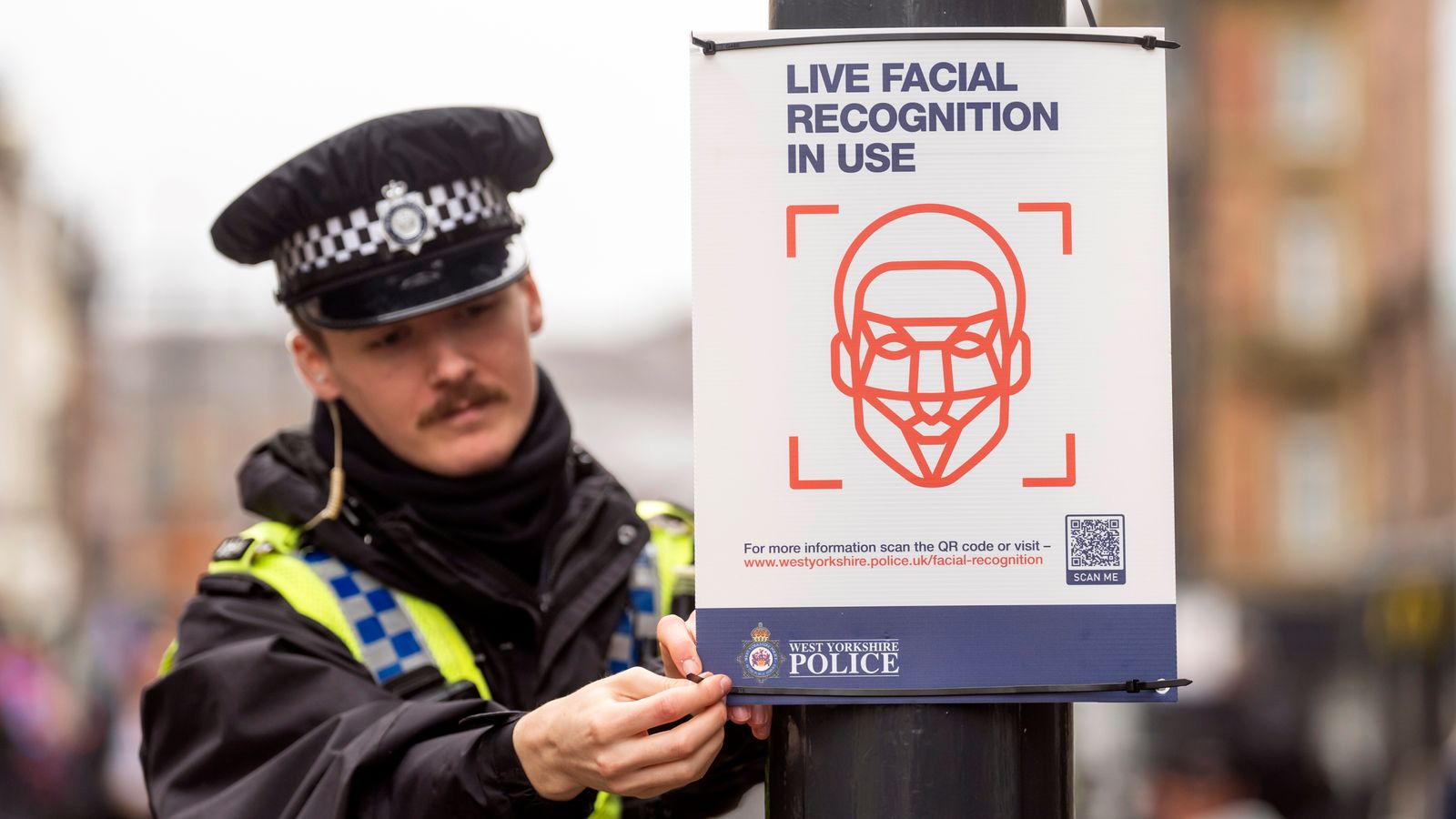
Edmonton Police Trial Facial Recognition Body Cameras, Raising Privacy Concerns

Thumbnail Image

The information displayed in the AIM should not be reported as representing the official views of the OECD or of its member countries.

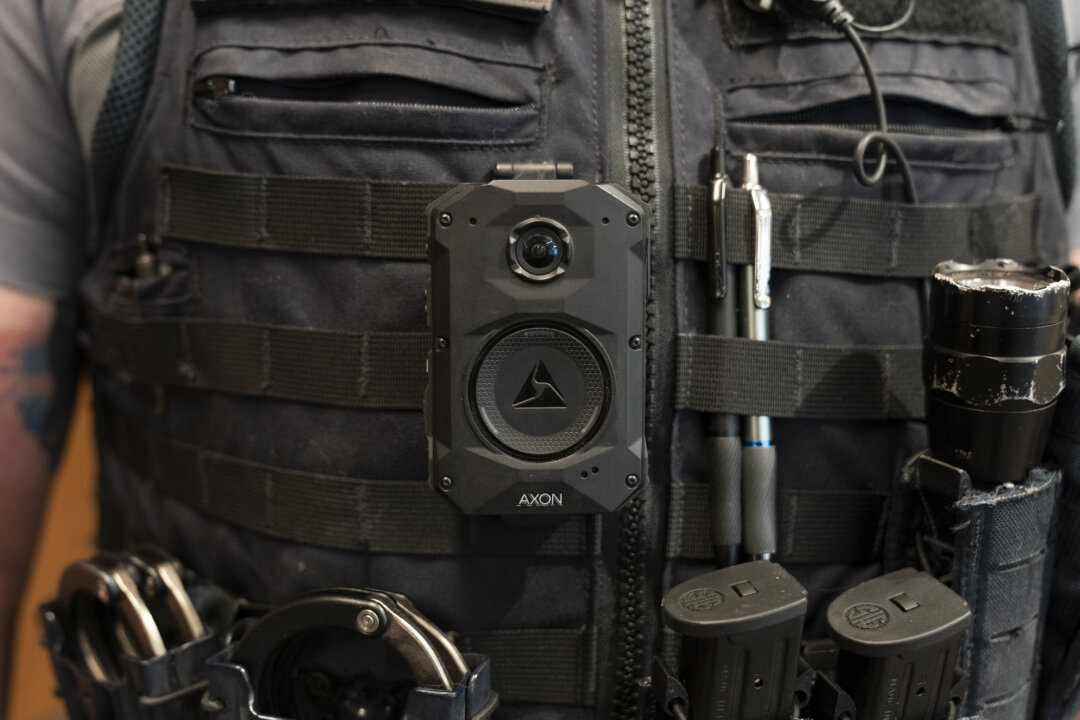
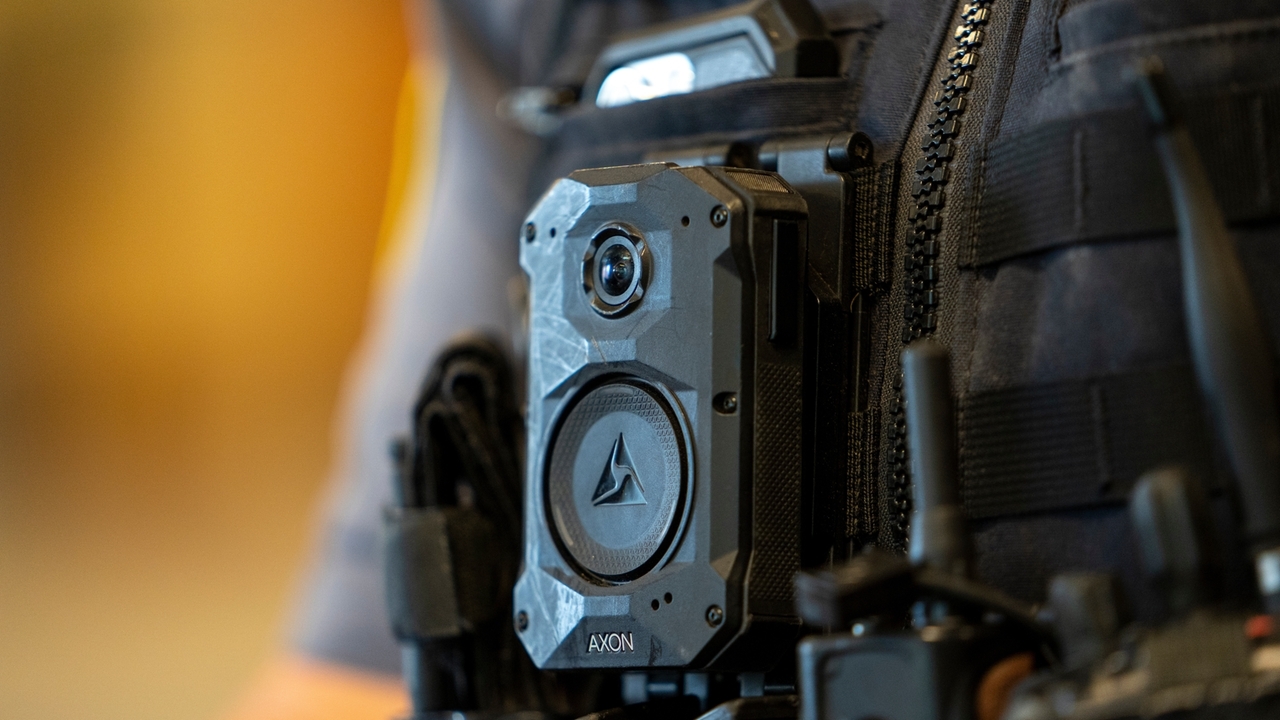
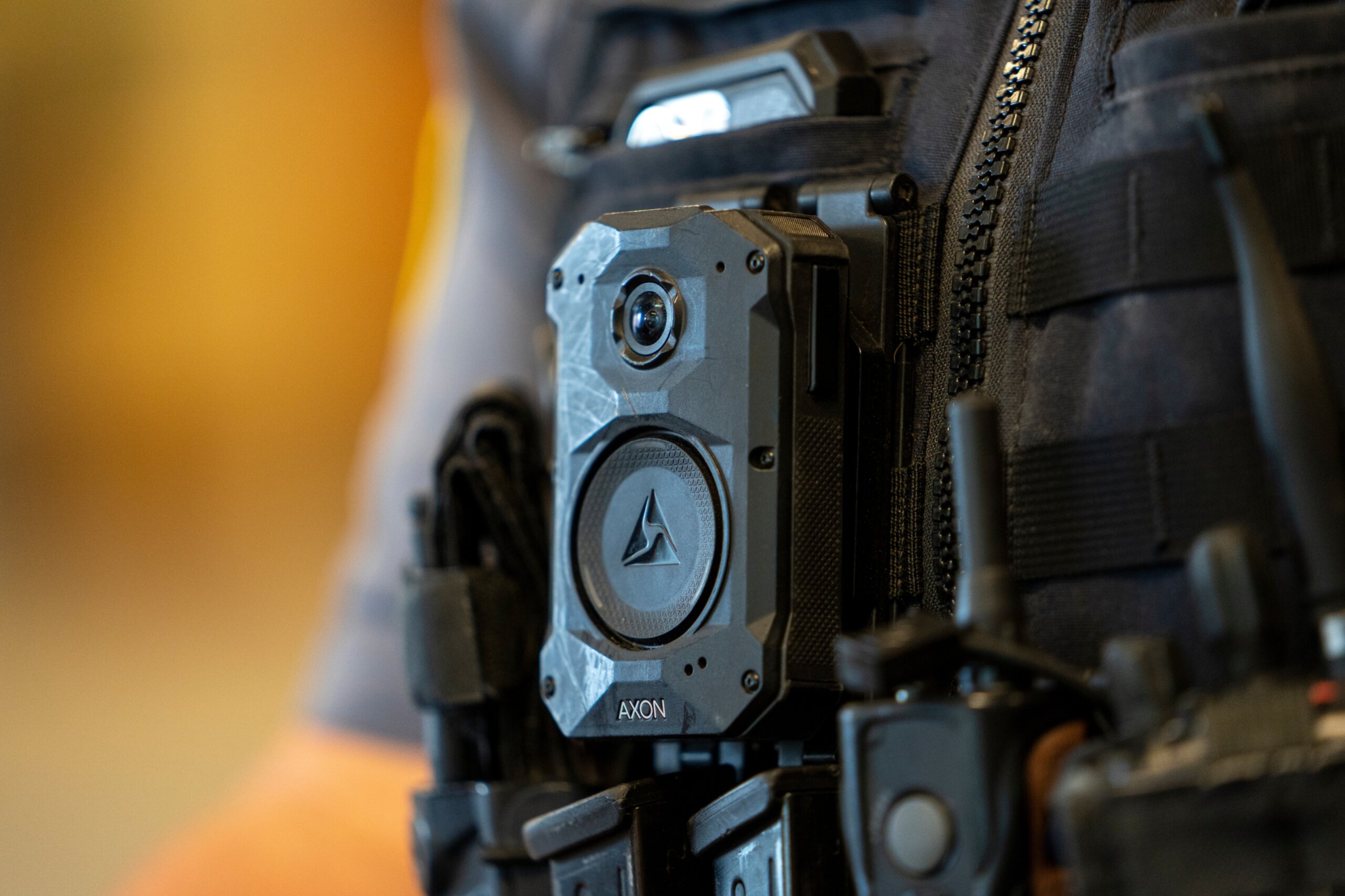
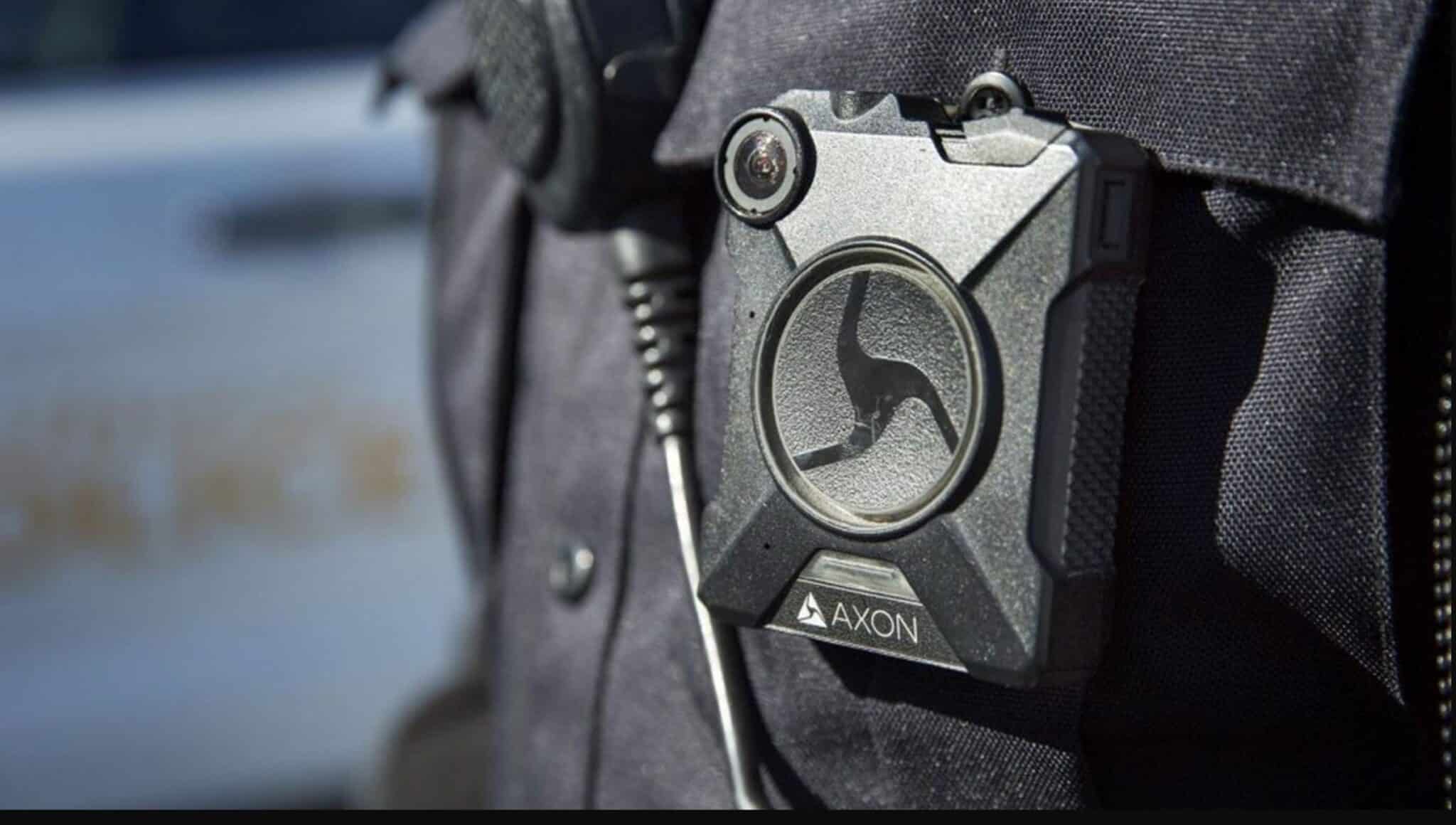
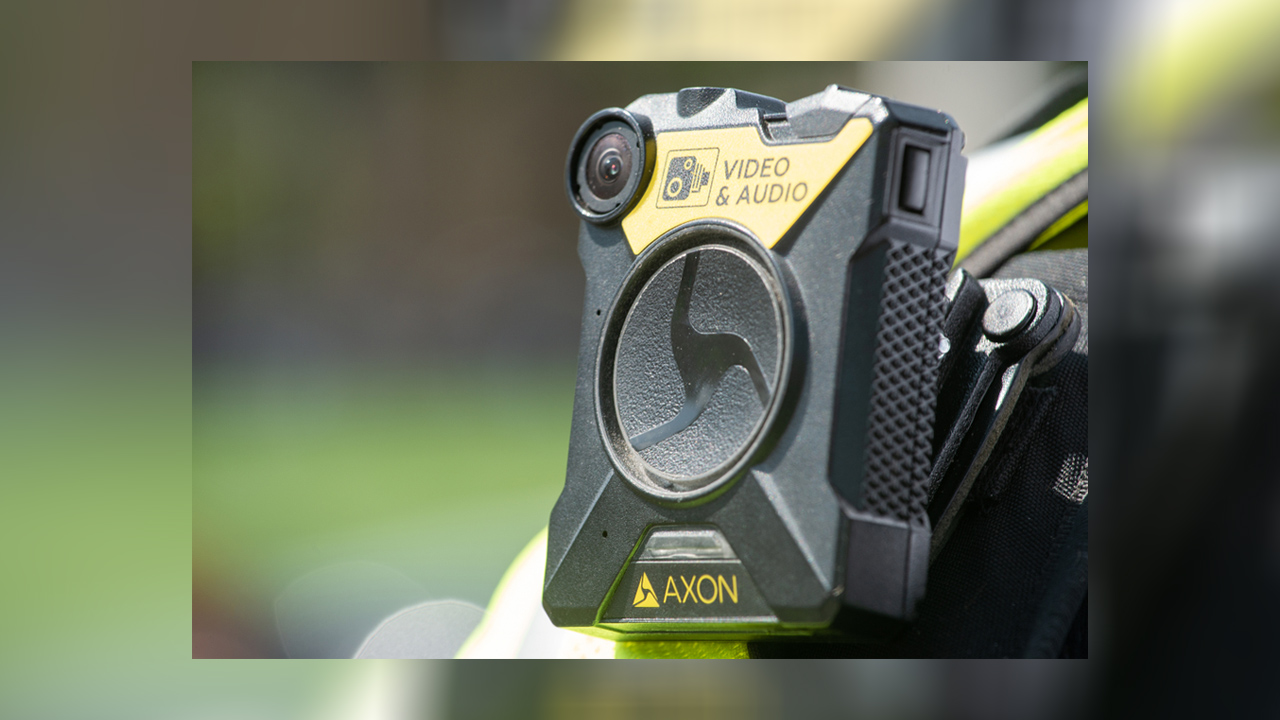
The Edmonton Police Service in Canada has become the first in the world to trial Axon's body cameras equipped with facial recognition technology. Up to 50 officers will use the cameras to identify individuals with outstanding warrants, raising concerns about privacy, potential misidentification, and human rights risks.[AI generated]

Why's our monitor labelling this an incident or hazard?

The event involves AI systems (emotion recognition, facial recognition, biometric analysis) being considered for police use, which could plausibly lead to violations of human rights and civil liberties (harm category c) if deployed without proper safeguards. Since the article focuses on a consultation about potential use and legal frameworks, with no current harm reported, it fits the definition of an AI Hazard. The concerns about erosion of civil liberties and surveillance state risks are credible potential harms. There is no indication of an actual AI Incident or a response to a past incident, so it is not Complementary Information. It is not unrelated because AI systems are central to the discussion.[AI generated]
AI principles
Privacy & data governanceRespect of human rightsFairnessRobustness & digital security

Industries
Government, security, and defence

Affected stakeholders
General public

Harm types
Human or fundamental rightsReputational

Severity
AI hazard

Business function:
Compliance and justice

AI system task:
Recognition/object detection

In other databases

Articles about this incident or hazard

Thumbnail Image

Police plan to use cameras that read emotions to help catch criminals

2025-12-04
Daily Mail Online
Why's our monitor labelling this an incident or hazard?
The event involves AI systems (emotion recognition, facial recognition, biometric analysis) being considered for police use, which could plausibly lead to violations of human rights and civil liberties (harm category c) if deployed without proper safeguards. Since the article focuses on a consultation about potential use and legal frameworks, with no current harm reported, it fits the definition of an AI Hazard. The concerns about erosion of civil liberties and surveillance state risks are credible potential harms. There is no indication of an actual AI Incident or a response to a past incident, so it is not Complementary Information. It is not unrelated because AI systems are central to the discussion.
Thumbnail Image

Facial recognition cameras 'interfere' with human rights, admits Home Office

2025-12-04
Yahoo News UK
Why's our monitor labelling this an incident or hazard?
The event involves the use of an AI system (live facial recognition) whose deployment directly interferes with human rights, notably the right to privacy. The Home Office acknowledges this interference and discusses the need for legal frameworks to justify and regulate it. Since the interference with human rights is occurring or imminent due to the planned expansion, this constitutes an AI Incident under the definition of violations of human rights or breach of obligations intended to protect fundamental rights. The article does not merely discuss potential future harm but acknowledges current and planned use that impacts rights, thus qualifying as an AI Incident rather than a hazard or complementary information.
Thumbnail Image

Met police to access passport and driver photos in huge roll-out of facial recognition technology

2025-12-04
Yahoo
Why's our monitor labelling this an incident or hazard?
The event explicitly involves the use of AI systems (live facial recognition technology) in active law enforcement operations, with direct outcomes such as arrests and identification of offenders. The use of AI to access and match biometric data from large government databases directly impacts individuals' rights and privacy, constituting a violation or at least a significant risk to human rights. The article also references official criticism and legal challenges regarding the lawfulness of the technology's use, reinforcing the classification as an AI Incident. The harms are realized (arrests made, rights concerns raised), not merely potential, so it is not an AI Hazard. The article is not merely about policy or governance responses but reports on active deployment and its consequences, so it is not Complementary Information. Hence, AI Incident is the appropriate classification.
Thumbnail Image

Police to ramp up use of 'out-of-control' facial recognition technology amid privacy warnings

2025-12-04
Sky News
Why's our monitor labelling this an incident or hazard?
Facial recognition technology is an AI system that processes biometric data to identify individuals. Its use by police has directly led to arrests and monitoring of individuals, which involves privacy and human rights concerns. The Equality and Human Rights Commission's description of the police's use as "unlawful" indicates a breach of legal protections and fundamental rights. The scanning of millions of innocent people without consent constitutes a violation of rights and privacy, which fits the definition of harm under (c) violations of human rights or breach of legal obligations. Therefore, this event qualifies as an AI Incident due to realized harm caused by the AI system's use.
Thumbnail Image

Facial recognition to be expanded as views sought to shape new laws

2025-12-04
Evening Standard
Why's our monitor labelling this an incident or hazard?
Facial recognition systems are AI systems as they perform automated recognition and matching of human faces using AI algorithms. The article focuses on a government consultation to expand and regulate their use by police, which is a governance and policy development activity. There is no mention of any harm caused or any incident involving these systems. The article is about shaping laws and seeking views, which is a societal/governance response to AI deployment. Hence, it fits the definition of Complementary Information rather than an Incident or Hazard.
Thumbnail Image

More facial recognition vans not intended to create 'total surveillance society', minister says - Liverpool Echo

2025-12-04
Liverpool Echo
Why's our monitor labelling this an incident or hazard?
The event involves the use of an AI system (live facial recognition) in policing, which is explicitly mentioned. The article describes the use of this AI system and the concerns about its implications, including potential privacy violations and bias, which could plausibly lead to harms such as violations of human rights or discrimination. However, no specific harm or incident is reported as having occurred. The discussion centers on the potential risks and the need for regulation and oversight, making this a case of plausible future harm rather than a realized incident. Therefore, this qualifies as an AI Hazard rather than an AI Incident or Complementary Information.
Thumbnail Image

How to spot a facial recognition camera

2025-12-04
AOL.com
Why's our monitor labelling this an incident or hazard?
The article clearly involves AI systems, specifically facial recognition technology, which is an AI system that processes biometric data to identify individuals. The use of this technology by police has already led to arrests, indicating realized impacts. The article mentions criticisms by the Equality and Human Rights Commission about unlawful use and risks to individual rights, implying violations of human rights or legal obligations. The concerns about discriminatory effects and chilling effects on rights further support this. Therefore, the event involves the use of an AI system that has directly or indirectly led to harms related to rights violations and societal impacts. Although the article also discusses future plans and consultations, the existing use and associated harms qualify it as an AI Incident rather than a hazard or complementary information.
Thumbnail Image

Home Office launches police facial recognition consultation | Compu...

2025-12-04
Computer Weekly
Why's our monitor labelling this an incident or hazard?
The article discusses a government consultation on regulating AI-based facial recognition and related biometric technologies used by police. While these AI systems have potential for rights interference and other harms, the article does not report any realized harm or incident caused by these systems. Instead, it highlights the intention to create clearer rules and principles to govern their use. This fits the definition of Complementary Information, as it provides societal and governance responses to AI-related issues without describing a specific AI Incident or AI Hazard.
Thumbnail Image

Plans unveiled for massive expansion of facial recognition cameras

2025-12-03
Daily Mail Online
Why's our monitor labelling this an incident or hazard?
The event involves the use and planned expansion of an AI system (facial recognition with biometric software) that can directly impact human rights and civil liberties through mass surveillance and data collection. Although the system has already been used to make arrests, the article's main focus is on the government's plans to massively expand the system and the public consultation about its use, highlighting concerns about potential erosion of civil liberties and privacy. There is no specific new incident of harm reported, but the expansion poses a plausible future risk of significant harm to rights and freedoms. Thus, this qualifies as an AI Hazard rather than an AI Incident or Complementary Information.
Thumbnail Image

Edmonton police first in world to test Axon facial recognition body worn video cameras

2025-12-02
Yahoo
Why's our monitor labelling this an incident or hazard?
The event involves the use of an AI system (facial recognition software integrated into body worn cameras) in a controlled testing environment. There is no indication that the AI system has caused any direct or indirect harm, nor that any rights have been violated or harm to communities or individuals has occurred. The trial is a preliminary evaluation to assess feasibility and functionality, with privacy safeguards in place. Therefore, this event does not meet the criteria for an AI Incident or AI Hazard, as no harm or plausible future harm is described. Instead, it provides complementary information about the deployment and testing of AI technology in law enforcement, including governance and privacy considerations.
Thumbnail Image

Live facial recognition cameras planned for every town centre

2025-12-04
Yahoo
Why's our monitor labelling this an incident or hazard?
The event involves AI systems explicitly (facial recognition technology) used by police and potentially other entities. The article discusses the planned expansion and legal framework for these AI systems, highlighting concerns about privacy breaches and potential misidentifications that could harm individuals and communities. No specific harm has yet occurred or been reported, but the plausible future harms are significant and credible, including violations of privacy and human rights. Thus, the event fits the definition of an AI Hazard rather than an AI Incident or Complementary Information. It is not unrelated because it clearly involves AI systems and their societal implications.
Thumbnail Image

New plans to expand police facial recognition

2025-12-04
Yahoo
Why's our monitor labelling this an incident or hazard?
Facial recognition technology is an AI system involved in law enforcement activities. While the article mentions its use and potential expansion, it does not describe any realized harm such as violations of rights, wrongful arrests, or other negative outcomes. The concerns raised are about possible future harms related to surveillance and authoritarianism, but these remain speculative and part of a consultation process. Therefore, this event is best classified as Complementary Information, as it provides context on governance, societal response, and potential future regulation of an AI system without reporting a specific AI Incident or AI Hazard.
Thumbnail Image

Edmonton Police Launch Pilot of Body Cameras Equipped With AI-Powered Facial Recognition

2025-12-03
www.theepochtimes.com
Why's our monitor labelling this an incident or hazard?
The event involves the use of an AI system (facial recognition with machine learning) in police body cameras, which is explicitly mentioned. The deployment is in a pilot phase, and no direct or indirect harm (such as wrongful arrests, privacy violations, or misuse) is reported yet. Therefore, while there is a plausible risk of harm (e.g., misidentification, privacy breaches), the article does not describe any actual harm occurring. This fits the definition of an AI Hazard, as the technology's use could plausibly lead to incidents involving rights violations or other harms in the future.
Thumbnail Image

British Police to Ramp up Facial Recognition to Catch Criminals

2025-12-04
U.S. News & World Report
Why's our monitor labelling this an incident or hazard?
Facial recognition technology is an AI system used by police to identify and arrest criminals, directly impacting individuals' privacy and potentially violating human rights. The article reports actual use leading to arrests and surveillance of millions, indicating realized harm. The concerns about privacy and surveillance reflect violations of rights, which are harms under the AI Incident definition. The mention of regulatory proposals and consultations are complementary information but do not negate the incident classification. Therefore, this event is best classified as an AI Incident.
Thumbnail Image

Facial recognition to be expanded in fresh crime crackdown

2025-12-04
The Independent
Why's our monitor labelling this an incident or hazard?
Facial recognition technology is an AI system used by police forces as described. The article does not report a specific incident of harm but highlights ongoing concerns about unlawful use, privacy violations, and potential rights infringements, especially given the technology's expansion. The government's plan to accelerate deployment and create new laws indicates a significant increase in AI system use with associated risks. Since the article focuses on the potential for future harms and the need for regulation rather than describing a realized harm event, it fits the definition of an AI Hazard rather than an AI Incident or Complementary Information.
Thumbnail Image

Edmonton Police Service partners with U.S. company to test use of facial-recognition bodycams | CBC News

2025-12-03
CBC News
Why's our monitor labelling this an incident or hazard?
The event explicitly involves the use of an AI system (facial-recognition-enabled bodycams) in active policing operations. The AI system's use is directly linked to potential harms including privacy violations, racial bias, and mass surveillance concerns, which are violations of human rights and harm to communities. The trial is ongoing, but the AI system is already in use and influencing police operations, which meets the criteria for an AI Incident rather than a mere hazard or complementary information. The article details realized use and societal concerns, not just potential future risks or responses, thus classifying it as an AI Incident.
Thumbnail Image

Police facial recognition cameras to be ramped up on our streets - 'wild west' warning - The Mirror

2025-12-04
Mirror
Why's our monitor labelling this an incident or hazard?
The event involves the use of an AI system (facial recognition technology) in policing, which has directly led to arrests and law enforcement actions, thus causing realized impacts on individuals and communities. There are documented concerns about accuracy and bias affecting minority groups, which constitute violations of rights and potential harm to communities. The unlawful status of current policies and the risk of chilling effects on protests further indicate breaches of rights. Therefore, this qualifies as an AI Incident due to the direct and ongoing harms linked to the AI system's use in law enforcement.
Thumbnail Image

Facial recognition tech could be expanded for police across the UK

2025-12-04
Metro
Why's our monitor labelling this an incident or hazard?
Facial recognition technology is an AI system used by police to identify suspects and missing persons. The article focuses on plans to expand its use nationally, highlighting potential benefits and concerns. However, it does not describe any specific incident where the AI system caused direct or indirect harm (such as privacy violations, wrongful arrests, or misuse). The harms discussed are potential and subject to public consultation and legal safeguards. Therefore, this event represents a plausible future risk associated with AI use, fitting the definition of an AI Hazard rather than an AI Incident or Complementary Information. It is not unrelated because it clearly involves AI and its societal implications.
Thumbnail Image

British police to ramp up facial recognition to catch criminals

2025-12-04
ThePrint
Why's our monitor labelling this an incident or hazard?
The event involves the use and planned expansion of an AI system (facial recognition) by police forces, which could plausibly lead to violations of privacy and human rights, constituting potential harm. However, no concrete harm or incident is described as having already occurred. The article mainly discusses societal concerns, regulatory proposals, and the broader implications of the technology's use. Therefore, this is best classified as Complementary Information, as it provides context and governance-related updates about AI use and its societal impact without reporting a specific AI Incident or AI Hazard.
Thumbnail Image

British police to ramp up facial recognition to catch criminals | Technology

2025-12-04
Devdiscourse
Why's our monitor labelling this an incident or hazard?
Facial recognition technology is an AI system used by police forces, and its use has led to arrests, indicating realized impacts. However, the article does not describe any specific incident of harm such as wrongful arrests, discrimination, or legal violations directly caused by the AI system. Instead, it focuses on the expansion plans, public concerns about privacy, and proposed regulatory oversight. This fits the definition of Complementary Information, as it updates on societal and governance responses to AI use and provides context on its impacts without reporting a new AI Incident or AI Hazard.
Thumbnail Image

Edmonton police first to to test facial recognition body cams from Axon | Biometric Update

2025-12-03
Biometric Update
Why's our monitor labelling this an incident or hazard?
Facial recognition body cameras are AI systems that process biometric data to identify individuals. The event involves the use of such AI systems in a trial phase without any reported harm or misuse. The trial is limited and designed to assess feasibility and functionality, with privacy considerations being addressed proactively. No direct or indirect harm has occurred yet, but the deployment of facial recognition technology in policing carries plausible risks of privacy violations, misidentification, and potential human rights concerns if broadly implemented without safeguards. Hence, the event represents a plausible future risk scenario (AI Hazard) rather than an AI Incident or Complementary Information.
Thumbnail Image

Edmonton Becomes First in Canada to Test Facial Recognition Body Cameras in Police Pilot Program

2025-12-03
Reclaim The Net
Why's our monitor labelling this an incident or hazard?
The event involves an AI system (facial recognition integrated into police body cameras) actively used in a real-world setting. While no specific harm (such as wrongful arrests or privacy breaches) is reported yet, the deployment of this technology in public policing plausibly risks violations of human rights and harm to communities through surveillance and loss of anonymity. The article highlights concerns about discretion and societal impact, indicating credible potential for harm. Since harm is not yet realized but plausible, this fits the definition of an AI Hazard rather than an AI Incident. It is not merely complementary information because the main focus is on the pilot's deployment and its implications, not on responses or updates to past incidents. It is not unrelated because the AI system and its potential impacts are central to the event.
Thumbnail Image

Facial recognition to be expanded after new police vans in Leeds City Centre

2025-12-04
Yorkshire Evening Post
Why's our monitor labelling this an incident or hazard?
The event involves an AI system (live facial recognition) actively used by police, which can impact human rights and privacy. However, no direct or indirect harm has been reported yet; the article centers on consultation and regulatory proposals to prevent misuse and protect rights. Therefore, it does not qualify as an AI Incident (no realized harm) or AI Hazard (no specific plausible future harm event described beyond general concerns). It is best classified as Complementary Information because it provides important context on governance, oversight, and societal responses to AI use in law enforcement.
Thumbnail Image

Edmonton police first in world to test Axon facial recognition body worn video cameras

2025-12-02
Edmonton Sun
Why's our monitor labelling this an incident or hazard?
The event involves the use of an AI system (facial recognition technology) in a real-world law enforcement context. However, the article describes the start of a trial or proof of concept without reporting any realized harm or incidents resulting from the use of this technology. There is no indication of injury, rights violations, or other harms occurring yet. The event represents a new deployment and testing phase, which could plausibly lead to future harms (e.g., privacy violations, misidentification), but no harm has materialized at this stage. Therefore, it qualifies as an AI Hazard due to the plausible risk of harm from the use of facial recognition in policing, but not an AI Incident yet.
Thumbnail Image

Canadian police department becomes first to trial body cameras equipped with facial recognition technology

2025-12-03
therecord.media
Why's our monitor labelling this an incident or hazard?
The event involves the use of an AI system (facial recognition technology) in a law enforcement context, which is explicitly described. Although no direct harm has been reported so far, the deployment raises credible concerns about potential privacy violations, inaccuracies, and discrimination, which could plausibly lead to harms such as violations of human rights and harm to communities. Since the trial is ongoing and no actual harm has been documented yet, this situation fits the definition of an AI Hazard rather than an AI Incident. The article also includes contextual information about regulatory and privacy concerns, but the primary focus is on the deployment and its potential risks rather than on responses or updates to past incidents.
Thumbnail Image

Police could use passport photos in facial recognition roll-out

2025-12-04
thetimes.com
Why's our monitor labelling this an incident or hazard?
Facial recognition technology is an AI system. The government's plan to roll out this technology for police use, combined with privacy campaigners' warnings about authoritarian surveillance, indicates a credible risk of violations of human rights and privacy. Since the rollout is planned and the legal framework is under consultation, no actual harm has yet occurred, but the potential for harm is plausible. Thus, this event qualifies as an AI Hazard rather than an AI Incident or Complementary Information.
Thumbnail Image

Facial recognition cameras planned for 'every town centre' under major new plans | Chronicle Live

2025-12-04
Chronicle Live
Why's our monitor labelling this an incident or hazard?
Facial recognition technology is an AI system used by police forces, and its use has contributed to arrests, which implies realized law enforcement impacts. However, the article does not report new or specific incidents of harm such as unlawful arrests, injuries, or rights violations directly caused by the AI system. Instead, it focuses on the expansion plans, public consultation, and regulatory proposals, as well as ongoing debates about legality and privacy. This fits the definition of Complementary Information, as it provides updates on governance, societal responses, and the broader AI ecosystem without describing a new AI Incident or AI Hazard.
Thumbnail Image

UK Facial Recognition Rollout

2025-12-04
Euro Weekly News Spain
Why's our monitor labelling this an incident or hazard?
The event involves the use and planned expansion of AI systems (live facial recognition technology) by police forces, which is explicitly described. Although no specific harm has yet been reported, the article outlines credible concerns about potential harms including privacy violations, wrongful identification, and mass surveillance affecting millions of people. These potential harms align with violations of human rights and harm to communities as defined in the framework. Since the harms are plausible but not yet realized, this situation fits the definition of an AI Hazard rather than an AI Incident. The article also discusses societal and governance responses (consultation, safeguards), but the main focus is on the potential risks of the technology's expanded use, not on responses to past incidents. Therefore, the classification is AI Hazard.
Thumbnail Image

The sinister rise of facial-recognition Britain

2025-12-04
Spectator USA
Why's our monitor labelling this an incident or hazard?
The event involves the use and planned expansion of facial recognition AI systems by the UK government, which directly implicates privacy rights and risks misidentification harms. While the article reports ongoing surveillance and government plans, it does not document a new specific incident of harm caused by AI but rather warns of the plausible future harms from expanded deployment. The presence of AI systems is explicit, and the potential for violations of rights and harm to communities is credible and significant. Hence, the classification as an AI Hazard is appropriate rather than an AI Incident or Complementary Information.
Thumbnail Image

British police to ramp up facial recognition to catch criminals

2025-12-04
وكالة أنباء البحرين
Why's our monitor labelling this an incident or hazard?
Facial recognition technology is an AI system used by police to identify suspects. The article reports on its use and expansion, including arrests made, but does not describe any harm or incident resulting from the AI system's malfunction or misuse. The mention of a proposed oversight body indicates a governance response. Therefore, this is Complementary Information providing context and updates on AI use and governance, rather than reporting an AI Incident or Hazard.
Thumbnail Image

UK tucks biometric bias reports deep into police facial recognition plan | Biometric Update

2025-12-04
Biometric Update
Why's our monitor labelling this an incident or hazard?
The article explicitly involves AI systems (facial recognition algorithms) used by UK police, and discusses their development, use, and oversight. While it mentions bias and demographic performance differences in one algorithm, it does not report any direct or indirect harm resulting from these AI systems. The focus is on the government's consultation and regulatory proposals to address potential harms and improve oversight. This fits the definition of Complementary Information, as it provides updates and context on AI governance and societal responses rather than describing a specific AI Incident or an imminent AI Hazard.
Thumbnail Image

Facial recognition to be expanded as views sought to shape new laws

2025-12-04
The Irish News
Why's our monitor labelling this an incident or hazard?
Facial recognition is an AI system used by police forces, and its use has led to arrests and identification of offenders, indicating prior AI Incidents may exist. However, this article focuses on a consultation to regulate and expand its use, discussing potential safeguards and public concerns rather than reporting a new harm or malfunction. There is no direct or indirect harm newly reported here, nor a plausible future harm event described beyond existing debates. The main narrative is about governance and policy development, fitting the definition of Complementary Information.
Thumbnail Image

Commissioner Issues Live Facial Recognition Statement

2025-12-04
Mirage News
Why's our monitor labelling this an incident or hazard?
The article does not report any realized harm or incident caused by the use or malfunction of facial recognition AI systems. Instead, it discusses a consultation process aimed at shaping future regulation and oversight, which is a governance and policy response. There is no indication of direct or indirect harm occurring or a plausible imminent risk of harm from AI systems in this context. Therefore, this is best classified as Complementary Information, as it provides important context and updates on governance related to AI technologies without describing an AI Incident or AI Hazard.
Thumbnail Image

UK Gov Vows Boost in Facial Recognition, Biometrics

2025-12-04
Mirage News
Why's our monitor labelling this an incident or hazard?
The event involves AI systems (facial recognition and biometrics) used by police forces, but the article does not describe any realized harm or incident caused by these systems. It primarily reports on a government consultation aimed at expanding and regulating their use, which is a governance and policy response. There is no direct or indirect harm reported, nor a plausible immediate risk of harm described as occurring or imminent. Therefore, this is best classified as Complementary Information, providing context and updates on AI governance and societal responses rather than an AI Incident or AI Hazard.
Thumbnail Image

UK Government launches consultation to widen police use of facial recognition - The Global Herald

2025-12-04
The Global Herald
Why's our monitor labelling this an incident or hazard?
Facial recognition technology is an AI system used by police forces, and its use has led to arrests, indicating AI involvement. However, the article does not report any new harm or violation caused by the AI system; instead, it discusses a government consultation aimed at expanding and regulating its use. The concerns raised by civil liberties groups are about potential future harms but are not describing an immediate or realized incident. The main focus is on the consultation and regulatory process, which fits the definition of Complementary Information as it relates to governance and societal response to AI deployment.
Thumbnail Image

UK launches consultation on wider police use of facial recognition - The Global Herald

2025-12-04
The Global Herald
Why's our monitor labelling this an incident or hazard?
Facial recognition technology is an AI system used by police forces, so AI system involvement is clear. The event concerns the development and use of these AI systems and the government's plans to regulate and expand their deployment. However, the article does not report any realized harm (such as rights violations, health harm, or community harm) directly caused by the AI system, nor does it describe a credible imminent risk of harm. Instead, it centers on a consultation process and societal/governance responses to the technology's use. Therefore, this event fits the definition of Complementary Information, as it provides important context and governance developments related to AI systems without describing a new AI Incident or AI Hazard.
Thumbnail Image

Equalities impact assessment: consultation on a new legal framework for law enforcement use of biometrics, facial recognition and similar technologies

2025-12-04
GOV.UK
Why's our monitor labelling this an incident or hazard?
The event involves AI systems (facial recognition and biometric technologies) and their use by law enforcement, but it does not describe any realized harm or incident. Instead, it focuses on assessing potential risks, mitigating bias, and establishing a legal framework and oversight to prevent misuse and discrimination. This fits the definition of Complementary Information, as it provides governance and policy context, updates on testing and mitigation, and plans for future regulation, rather than reporting an AI Incident or AI Hazard.
Thumbnail Image

Consultation on a new legal framework for law enforcement use of biometrics, facial recognition and similar technologies (accessible)

2025-12-04
GOV.UK
Why's our monitor labelling this an incident or hazard?
The article centers on a consultation process aimed at creating a legal framework to regulate law enforcement's use of facial recognition and related biometric AI technologies. While it acknowledges existing concerns about privacy, bias, and public trust, it does not describe any realized harm or specific incident involving AI systems. Nor does it report a near-miss or credible imminent risk of harm from AI use. The content is primarily about governance, oversight, and policy development, which fits the definition of Complementary Information as it provides context and updates on societal and governance responses to AI technologies. Therefore, it is not an AI Incident or AI Hazard, but Complementary Information.
Thumbnail Image

Government pledges to ramp up facial recognition and biometrics

2025-12-04
GOV.UK
Why's our monitor labelling this an incident or hazard?
The event involves AI systems (facial recognition and biometrics) used by law enforcement, which are explicitly mentioned. However, the article does not describe any realized harm or incident resulting from these AI systems. Instead, it discusses a government consultation to regulate and expand their use, aiming to balance benefits and safeguards. This fits the definition of Complementary Information, as it provides context, governance responses, and societal engagement related to AI systems without reporting a new AI Incident or AI Hazard.
Thumbnail Image

Options assessment: Consultation on a new legal framework for law enforcement use of biometrics, facial recognition and similar technologies

2025-12-04
GOV.UK
Why's our monitor labelling this an incident or hazard?
The event involves AI systems explicitly (facial recognition and similar biometric technologies) and concerns their use by law enforcement. However, it does not describe any actual harm or incident caused by these AI systems. Instead, it is a policy consultation aimed at establishing a legal and regulatory framework to govern and oversee the use of these AI systems to ensure safe, fair, and proportionate use. The document discusses potential risks, public concerns, and the need for oversight but does not report any direct or indirect harm or malfunction. Therefore, it does not qualify as an AI Incident or AI Hazard. It is best classified as Complementary Information because it provides important context on governance and societal responses to AI use in law enforcement, which supports understanding and future risk management.
Thumbnail Image

Facial recognition could be expanded as views sought to shape new laws

2025-12-04
Chelmsford Times
Why's our monitor labelling this an incident or hazard?
Facial recognition technology is an AI system used by police for identification and law enforcement purposes. The article describes its deployment and the government's efforts to regulate it, reflecting concerns about privacy and rights. No actual harm or violation resulting from the AI system's use is reported; rather, the article centers on consultation and future safeguards to prevent misuse. Therefore, this is not an AI Incident or AI Hazard but a case of Complementary Information providing context on governance and societal response to AI use in policing.
Thumbnail Image

Police to ramp up use of 'out-of-control' facial recognition tech

2025-12-04
Greatest Hits Radio
Why's our monitor labelling this an incident or hazard?
Facial recognition technology is an AI system used by police for law enforcement purposes. While the article mentions its current use leading to arrests and concerns about unlawful deployment and rights violations, it does not describe a specific event where harm has directly or indirectly occurred due to the AI system. Instead, it focuses on the government's plans to regulate and expand its use, the consultation process, and the societal debate around privacy and civil liberties. This fits the definition of Complementary Information, as it provides context, updates on governance responses, and ongoing societal reactions without reporting a new AI Incident or AI Hazard.
Thumbnail Image

British officials seek to expand facial recognition technology use

2025-12-04
therecord.media
Why's our monitor labelling this an incident or hazard?
The event involves an AI system (facial recognition technology) and its use by law enforcement, but it does not describe any realized harm or incident resulting from the AI system. The article centers on the government's plans to expand use and create a legal framework, as well as public consultation and privacy concerns. This fits the definition of Complementary Information, as it provides context, governance response, and societal reaction to the AI system's deployment without reporting a new AI Incident or AI Hazard.
Thumbnail Image

Facial recognition will 'create no-go areas for minorities'

2025-12-04
thetimes.com
Why's our monitor labelling this an incident or hazard?
Facial recognition is an AI system used here in live deployment by police, leading to an arrest (a direct outcome). The research highlights behavioural changes among minorities, suggesting potential harm to communities and possibly violations of rights. Since the AI system's use has directly led to law enforcement action and raises concerns about harm to minority groups, this qualifies as an AI Incident under the framework, as it involves harm to communities and potential rights violations.
Thumbnail Image

Home Office admits facial recognition tech issue with black and Asian subjects

2025-12-05
The Guardian
Why's our monitor labelling this an incident or hazard?
Facial recognition technology is an AI system that analyzes images to identify individuals. The reported higher false positive rates for black and Asian people indicate a malfunction or bias in the AI system's outputs, leading to discriminatory harm. This harm affects fundamental rights and can cause social and legal consequences for misidentified individuals. The event documents realized harm due to the AI system's biased performance, not just potential harm. The Home Office's acknowledgment and planned mitigation do not negate the fact that harm has occurred. Hence, the event meets the criteria for an AI Incident rather than a hazard or complementary information.
Thumbnail Image

Facial recognition could make towns 'no-go areas for minorities'

2025-12-05
Daily Mail Online
Why's our monitor labelling this an incident or hazard?
The event involves the use of live facial recognition AI systems by police, which have demonstrably caused harm by disproportionately affecting ethnic minorities, leading to avoidance of public spaces and raising concerns about civil liberties and discrimination. The bias in the AI system's accuracy and its impact on minority communities constitute harm to communities and potential violations of rights. The article reports on realized harms and ongoing use, not just potential risks, thus qualifying as an AI Incident rather than a hazard or complementary information.
Thumbnail Image

Police Admit AI Surveillance Panopticon Still Has Issues With "Some Demographic Groups"

2025-12-05
Futurism
Why's our monitor labelling this an incident or hazard?
The article explicitly mentions an AI system (facial recognition technology) used by police that has a measurable bias resulting in higher false positive rates for certain demographic groups, specifically Black and Asian people. This bias leads to misidentifications that can harm individuals and communities, constituting violations of rights and harm to communities. The harm is realized, not just potential, as the system is already in operational use and misidentifications have occurred. The involvement of the AI system in causing these harms is direct, as the false matches stem from the AI's outputs. Hence, this event meets the criteria for an AI Incident.
Thumbnail Image

UK cops to scale facial recognition despite privacy backlash

2025-12-05
TheRegister.com
Why's our monitor labelling this an incident or hazard?
The event involves the development and planned use of AI systems (facial recognition and biometric technologies) by police at a significantly greater scale. Although no direct harm has yet been reported, the article details credible concerns about privacy violations and mass surveillance that could plausibly lead to violations of human rights and harm to communities. The government's push for a statutory framework to enable broader deployment indicates a credible risk of future AI-related harms. Hence, this qualifies as an AI Hazard rather than an AI Incident or Complementary Information.
Thumbnail Image

More missing children than transparency in UK police live facial recognition watchlists | Biometric Update

2025-12-05
Biometric Update
Why's our monitor labelling this an incident or hazard?
The article clearly involves AI systems (live facial recognition) used by police forces. The inclusion of minors on watchlists raises serious concerns about potential violations of privacy and children's rights, which are harms under the framework. However, the article does not report actual realized harm or incidents of rights violations or injury but focuses on concerns, calls for regulation, and the potential for harm. The Home Office's proposed legal framework and oversight body are governance responses but do not change the primary nature of the event. Therefore, this event is best classified as an AI Hazard because the use of AI systems in this way could plausibly lead to incidents involving rights violations and privacy harms, especially for vulnerable children, but such harms are not confirmed as having occurred yet.
Thumbnail Image

The sinister rise of facial-recognition Britain | The Spectator Australia

2025-12-05
The Spectator Australia
Why's our monitor labelling this an incident or hazard?
Facial recognition technology is an AI system that processes live video feeds to identify individuals. The article explicitly states that millions of innocent people have been scanned, and false positives could lead to misidentification and harassment, which constitutes harm to individuals and communities and violations of rights. The deployment and use of this AI system by the government is directly linked to these harms. The expansion of this technology without proper democratic consent and safeguards further exacerbates the risk and actual occurrence of harm. Hence, this is an AI Incident rather than a hazard or complementary information, as the harms are ongoing and realized.
Thumbnail Image

Home Office begins consultation on police forces' use of facial recognition | UKAuthority

2025-12-05
UKAuthority
Why's our monitor labelling this an incident or hazard?
The article centers on a government consultation about the use and regulation of facial recognition AI technology by police. It does not describe any actual harm, malfunction, or misuse of the AI system that has occurred. Instead, it discusses potential safeguards, oversight, and the intended expansion of the technology's use. This fits the definition of Complementary Information, as it provides context and governance responses related to AI systems without reporting a specific AI Incident or AI Hazard.
Thumbnail Image

Canadian Police testing once controversial AI-powered facial recognition body cameras - The Times of India

2025-12-07
The Times of India
Why's our monitor labelling this an incident or hazard?
The event involves an AI system (facial recognition AI integrated into body cameras) used by police for scanning individuals on a high-risk list. The system's use is in a pilot phase with retroactive analysis, so no direct harm (such as wrongful arrests or violations) has been reported yet. The concerns raised by privacy advocates and experts about accuracy issues, potential bias against darker-skinned individuals, and the impact on marginalized communities indicate plausible future harm, including violations of human rights and harm to communities. Since the harm is potential and the system is under testing without real-time alerts or direct consequences yet, this fits the definition of an AI Hazard rather than an AI Incident.
Thumbnail Image

Opinion: Edmontonians shouldn't be test subjects for face-tracking bodycams

2025-12-04
Yahoo
Why's our monitor labelling this an incident or hazard?
The article centers on the planned deployment of AI facial recognition on police body cameras and the associated risks and ethical concerns. While it involves an AI system and discusses plausible future harms such as privacy violations, bias, and chilling effects on rights, it does not describe any realized harm or incident. Therefore, it fits the definition of an AI Hazard, as the event could plausibly lead to an AI Incident but no harm has yet occurred or been reported. It is not Complementary Information because it is not an update or response to a past incident, nor is it unrelated since it clearly involves AI and potential harms.
Thumbnail Image

AI-Powered Police Body Cameras, Once Taboo, Get Tested on Canadian City's 'Watch List' of Faces

2025-12-07
U.S. News & World Report
Why's our monitor labelling this an incident or hazard?
The article explicitly involves an AI system—facial recognition integrated into police body cameras—used in real-world policing. The system is currently being tested (pilot phase) and has not yet caused direct harm or violations but raises credible concerns about privacy, ethical risks, and potential discriminatory outcomes. The AI's use could plausibly lead to violations of human rights and privacy, which are recognized harms under the framework. Since no realized harm is reported, and the focus is on the potential risks and societal concerns, this event fits the definition of an AI Hazard rather than an AI Incident or Complementary Information. It is not unrelated because the AI system and its implications are central to the report.
Thumbnail Image

AI-Powered Police Body Cameras, Once Taboo, Get Tested on Canadian City's 'Watch List' of Faces

2025-12-07
Inc.
Why's our monitor labelling this an incident or hazard?
The AI system (facial recognition) is explicitly mentioned and is in active use (pilot project). The concerns raised relate to plausible future harms such as privacy violations and societal risks, but no actual harm or incident is reported. Therefore, this event fits the definition of an AI Hazard, as the use of the AI system could plausibly lead to harms like violations of rights or privacy, but no direct or indirect harm has yet been documented.
Thumbnail Image

AI-powered police body cameras, once taboo, get tested on Canadian city's 'watch list' of faces

2025-12-08
Newsday
Why's our monitor labelling this an incident or hazard?
The article explicitly involves an AI system—facial recognition technology integrated into police body cameras. The system is being used in real-world conditions to identify individuals on a watch list, which directly relates to law enforcement and public safety. However, the article does not report any realized harm such as wrongful arrests, privacy breaches, or rights violations at this stage. Instead, it focuses on the potential risks, ethical concerns, and societal implications of deploying this technology without sufficient oversight or public debate. Given the credible concerns about bias, privacy, and misuse, and the fact that the pilot is ongoing without reported incidents of harm, the event fits the definition of an AI Hazard, where the AI system's use could plausibly lead to an AI Incident in the future if not properly managed.
Thumbnail Image

AI-powered police body cameras, once taboo, get tested on Canadian city's 'watch list' of faces - WTOP News

2025-12-07
WTOP
Why's our monitor labelling this an incident or hazard?
The event involves an AI system (facial recognition integrated into police body cameras) being used in a real-world pilot. While no direct harm has been reported yet, the article discusses significant concerns about potential harms including privacy violations, biased outcomes, and ethical issues. The pilot's deployment and the societal risks it poses indicate a credible risk of future harm. Therefore, this qualifies as an AI Hazard rather than an AI Incident, as the harms are plausible but not yet realized. The article does not focus on responses or updates to past incidents, so it is not Complementary Information. It is clearly related to AI systems and their societal impact, so it is not Unrelated.
Thumbnail Image

AI-powered police body cameras, once taboo, get tested on Canadian city's 'watch list' of faces

2025-12-07
WBOC TV-16
Why's our monitor labelling this an incident or hazard?
The article explicitly involves an AI system (facial recognition integrated into police body cameras) used in a real-world pilot. The system's use is intended to identify individuals on a watch list, which directly relates to law enforcement and public safety. However, the article does not report any realized harm such as wrongful arrests, privacy breaches, or other direct consequences. Instead, it focuses on concerns about potential harms, including ethical issues, bias, privacy risks, and lack of transparency. Given these concerns and the plausible risk of harm if the technology is deployed widely without sufficient safeguards, the event fits the definition of an AI Hazard rather than an AI Incident. It is not Complementary Information because the article's main focus is the pilot project and its implications, not a response or update to a prior incident. It is not Unrelated because the AI system and its potential impacts are central to the report.
Thumbnail Image

Edmonton police failed to get approval for FRT trial: Alberta privacy commissioner | Biometric Update

2025-12-05
Biometric Update
Why's our monitor labelling this an incident or hazard?
The event involves the use of an AI system—facial recognition technology integrated into body-worn cameras—actively deployed in a public trial. The police's failure to obtain prior approval and the concerns about surveillance without consent constitute a violation of privacy rights, a form of harm to human rights under the framework. The AI system's use directly leads to potential or actual harm by scanning individuals without their knowledge, which is a breach of privacy and public trust. The article describes the trial as ongoing and already live, indicating realized use rather than just potential risk. Hence, this is an AI Incident rather than a hazard or complementary information.
Thumbnail Image

Opinion: Edmontonians shouldn't be test subjects for face-tracking bodycams

2025-12-04
Edmonton Journal
Why's our monitor labelling this an incident or hazard?
The article discusses a planned deployment of AI facial recognition technology, which could plausibly lead to harms such as violations of privacy and human rights if implemented without proper safeguards. Since no harm has yet occurred, and the event is about a proposed pilot, this constitutes an AI Hazard rather than an AI Incident. The article does not provide updates or responses to past incidents, so it is not Complementary Information. It is directly related to AI systems and their potential impact, so it is not Unrelated.
Thumbnail Image

AI-powered body cameras, once taboo, tested in Canada

2025-12-07
The Columbian
Why's our monitor labelling this an incident or hazard?
The AI system (facial recognition in body cameras) is explicitly mentioned and is being used in a live test. The concerns raised relate to potential privacy violations and ethical risks, which could plausibly lead to violations of human rights or harm to communities if misused or if the technology is flawed. However, since no actual harm or incident has been reported, and the focus is on the pilot project and the debate around it, this qualifies as an AI Hazard rather than an AI Incident or Complementary Information. It is not unrelated because AI is central to the event.
Thumbnail Image

AI-powered police body cameras, once taboo, get tested on Canadian city's 'watch list' of faces

2025-12-07
Eagle-Tribune
Why's our monitor labelling this an incident or hazard?
The AI system (facial recognition) is explicitly mentioned and is being used in a live pilot project by police. While the technology's use is controversial and raises ethical concerns, the article does not describe any actual harm or incident caused by the AI system so far. Therefore, this event represents a plausible risk of harm due to the nature and application of the AI system, qualifying it as an AI Hazard rather than an AI Incident. It is not merely complementary information because the main focus is on the deployment and its potential risks, not on responses or updates to past incidents.
Thumbnail Image

Facial Recognition Body Cams: Canadian City Police Launches World-First Test - WinBuzzer

2025-12-07
WinBuzzer
Why's our monitor labelling this an incident or hazard?
The event involves the use of an AI system (facial recognition) in a law enforcement context, which directly affects individuals' privacy and fundamental rights. The deployment without regulatory approval and the privacy commissioner's objections indicate a breach of legal frameworks protecting privacy rights. The system's operation, even in 'Silent Mode,' implicates human rights concerns and potential violations. Although no immediate physical harm or confrontations are reported, the infringement on privacy and the bypassing of oversight mechanisms constitute a violation of rights under applicable law. Therefore, this event meets the criteria for an AI Incident due to the realized breach of privacy rights and legal obligations linked to the AI system's use.
Thumbnail Image

AI-powered police body cameras, once taboo, get tested on Canadian city's 'watch list' of faces

2025-12-07
Access WDUN
Why's our monitor labelling this an incident or hazard?
The article explicitly involves an AI system—facial recognition integrated into police body cameras—used in a real-world pilot. The system's use is intended to identify individuals on a watch list, which implicates privacy and human rights concerns. However, the article does not report any actual harm or incidents resulting from the AI's deployment so far. Instead, it focuses on the potential risks, ethical debates, and societal implications of this technology's use in policing. Given the credible concerns about privacy violations, bias, and lack of transparency, the event plausibly could lead to harms such as violations of rights or societal harm if expanded or misused. Thus, it fits the definition of an AI Hazard rather than an AI Incident or Complementary Information.
Thumbnail Image

Axon Tests Facial-Recognition Body Cameras In Canada As Debate Grows Over AI Policing Tools

2025-12-07
Dallas Express
Why's our monitor labelling this an incident or hazard?
The article explicitly involves an AI system (facial-recognition AI integrated into body cameras) being tested in a real-world policing context. No direct harm or incident has been reported yet; the pilot is limited, with no live alerts and matches reviewed later, and the system is still under evaluation. However, the known risks of facial recognition technology—such as accuracy issues, potential bias, privacy concerns, and ethical implications—combined with the lack of comprehensive public oversight, mean that the AI system's use could plausibly lead to harms such as violations of rights or wrongful police actions. Thus, the event fits the definition of an AI Hazard rather than an AI Incident. It is not Complementary Information because the article focuses on the pilot's initiation and the associated risks, not on responses or updates to a prior incident. It is not Unrelated because the AI system and its potential impacts are central to the report.
Thumbnail Image

EFF warns Edmonton police that facial recognition on bodycams is too dangerous

2025-12-08
Cybernews
Why's our monitor labelling this an incident or hazard?
Facial recognition technology is an AI system used here in bodycams by police. The pilot program's use of this AI system could plausibly lead to harms including violations of human rights (privacy, freedom of assembly), misidentification causing harm to individuals, and community harm through surveillance and chilling effects on protests. Since the article does not report actual harm yet but highlights credible risks and warnings, this event fits the definition of an AI Hazard rather than an AI Incident. The EFF's warnings and the nature of the technology's deployment support the classification as a plausible future harm scenario.
Thumbnail Image

Canadian Police testing once controversial AI-powered facial recognition body cameras | Gadgets Now

2025-12-08
Gadget Now
Why's our monitor labelling this an incident or hazard?
The article explicitly involves an AI system—facial recognition AI integrated into police body cameras. The system is in active use during a pilot program, representing use of AI. While ethical concerns and potential harms (e.g., racial bias, privacy violations, community tensions) are discussed, no actual harm or incidents have been reported so far. The AI system's involvement could plausibly lead to violations of rights or harm to communities if deployed widely or without sufficient safeguards. Since the harms are potential and not realized, the event fits the definition of an AI Hazard rather than an AI Incident. It is not Complementary Information because the article focuses on the pilot program and its implications, not on responses or updates to a prior incident. It is not Unrelated because the AI system and its potential impacts are central to the report.
Thumbnail Image

Canada PD pilot program tests bodycams equipped with facial recognition technology

2025-12-08
Police1
Why's our monitor labelling this an incident or hazard?
The article explicitly mentions the use of an AI system (facial recognition technology integrated into body cameras) in a law enforcement context. Although the program is a pilot and no direct harm has been reported yet, the technology's nature and application in policing inherently carry risks of human rights violations, such as misidentification, privacy breaches, or discriminatory impacts. The AI system's development and use in this context could plausibly lead to an AI Incident in the future. Since no actual harm has occurred yet, the event is best classified as an AI Hazard rather than an AI Incident.