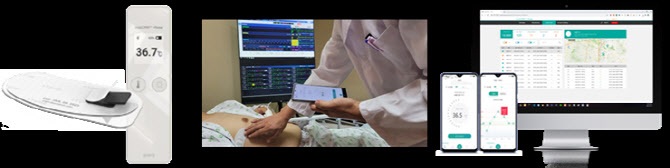
AI Wearable System Enables Early Fever Detection in Cancer Patients

Thumbnail Image

The information displayed in the AIM should not be reported as representing the official views of the OECD or of its member countries.

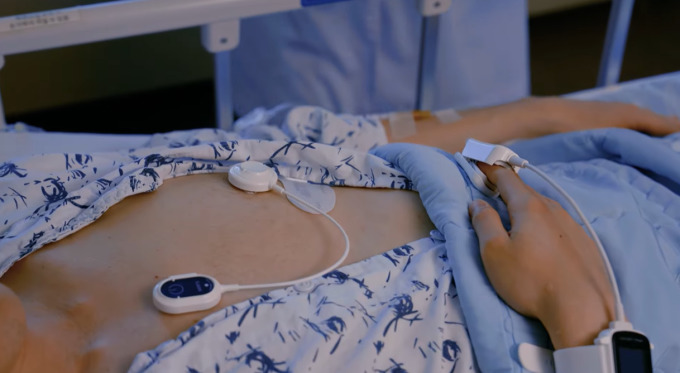
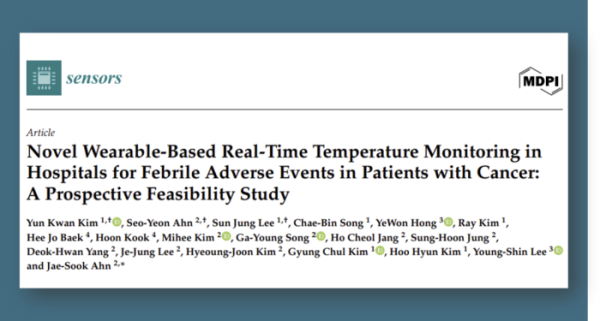
Seers Technology, in collaboration with Hwasun Chonnam National University Hospital, clinically validated its AI-powered wearable temperature patch and monitoring platform, 'Think,' for early fever detection in high-risk cancer patients in South Korea. The system enabled real-time monitoring, allowing earlier intervention and improved patient outcomes, as published in the journal Sensors.[AI generated]

Why's our monitor labelling this an incident or hazard?

The event involves the use of an AI system for continuous health monitoring and early detection of critical symptoms in vulnerable patients. The AI system's use has directly led to improved early detection of fever, which is crucial for timely treatment and preventing severe health outcomes. This constitutes a direct positive impact on patient health, fitting the definition of an AI Incident as it involves harm prevention in a medical context through AI use.[AI generated]

Industries
Healthcare, drugs, and biotechnology

Severity
AI incident

Business function:
Monitoring and quality control

AI system task:
Event/anomaly detection


Articles about this incident or hazard

Thumbnail Image

씨어스테크놀로지, 씽크+자사 웨어러블 체온계 연동..."암환자 발열 조기감지 유효성 입증"

2025-12-03
팜이데일리
Why's our monitor labelling this an incident or hazard?
The event involves the use of an AI system for continuous health monitoring and early detection of critical symptoms in vulnerable patients. The AI system's use has directly led to improved early detection of fever, which is crucial for timely treatment and preventing severe health outcomes. This constitutes a direct positive impact on patient health, fitting the definition of an AI Incident as it involves harm prevention in a medical context through AI use.
Thumbnail Image

씨어스테크놀로지, 암환자 '발열 조기 감지' 유효성 입증

2025-12-03
핀포인트뉴스
Why's our monitor labelling this an incident or hazard?
The event involves the use of an AI system (wearable AI temperature monitoring and AI platform) in a clinical setting to detect fever early in high-risk cancer patients. The AI system's use directly leads to improved health outcomes by enabling earlier treatment, which prevents harm such as progression to sepsis. Therefore, this qualifies as an AI Incident because the AI system's use has directly led to harm prevention and improved patient health, which falls under injury or harm to health of persons.
Thumbnail Image

씨어스테크놀로지, '씽크' 웨어러블 체온계 연동..."암환자 '발열 조기감지' 유효성 입증"

2025-12-03
뉴스핌
Why's our monitor labelling this an incident or hazard?
The event involves the use of an AI system in a healthcare setting for monitoring patient vital signs and early detection of fever, which is a positive clinical application. There is no reported injury, violation, or disruption caused by the AI system. Instead, the article highlights the successful validation and effectiveness of the AI system in improving patient care. Therefore, this is not an AI Incident or AI Hazard. It is not merely unrelated because it involves AI in a real-world application, but since it reports on clinical validation and benefits without harm or risk, it fits best as Complementary Information, providing context and updates on AI deployment in healthcare.
Thumbnail Image

씨어스테크놀로지, '씽크'에 자사 웨어러블 체온계 연동

2025-12-03
한스경제
Why's our monitor labelling this an incident or hazard?
The wearable AI temperature patch and monitoring platform constitute an AI system as they perform continuous, real-time physiological data analysis and prediction to detect early fever onset. The system's use has directly led to improved clinical decision-making and earlier intervention, which prevents harm to patients by reducing the risk of severe complications such as sepsis. Since the AI system's use has directly influenced health outcomes and prevented injury or harm, this qualifies as an AI Incident under the definition of harm to health of persons or groups of people.
Thumbnail Image

[BioS]씨어스, '씽크' 암환자 발열 조기감지 "유효성 첫 검증"

2025-12-03
이투데이
Why's our monitor labelling this an incident or hazard?
The article explicitly mentions the use of a wearable AI system for continuous temperature monitoring and early fever detection in high-risk cancer patients. The AI system's use has directly led to clinical benefits by enabling earlier detection of fever, which can prevent severe complications such as sepsis. This constitutes a direct positive impact on patient health, thus fitting the definition of an AI Incident as it involves AI use leading to injury or harm prevention (harm to health). Although the article focuses on positive outcomes, the event qualifies as an AI Incident because it documents realized health-related impacts from AI system use in a clinical context.
Thumbnail Image

씨어스테크놀로지 "씽크, 암환자 발열 조기감지 유효성 입증"

2025-12-03
데일리한국
Why's our monitor labelling this an incident or hazard?
The wearable AI system '씽크' continuously monitors patient temperature and successfully detects early fever with high accuracy, enabling faster clinical decisions and interventions. This constitutes direct involvement of an AI system in improving health outcomes, which fits the definition of an AI Incident as it has directly led to harm reduction (injury or harm to health) by preventing delayed fever detection in vulnerable patients. The article reports realized benefits rather than potential risks or general information, so it is classified as an AI Incident.