Kohler Smart Toilet's AI Health Analysis Raises Privacy Concerns Over Misleading Encryption Claims

Thumbnail Image

The information displayed in the AIM should not be reported as representing the official views of the OECD or of its member countries.

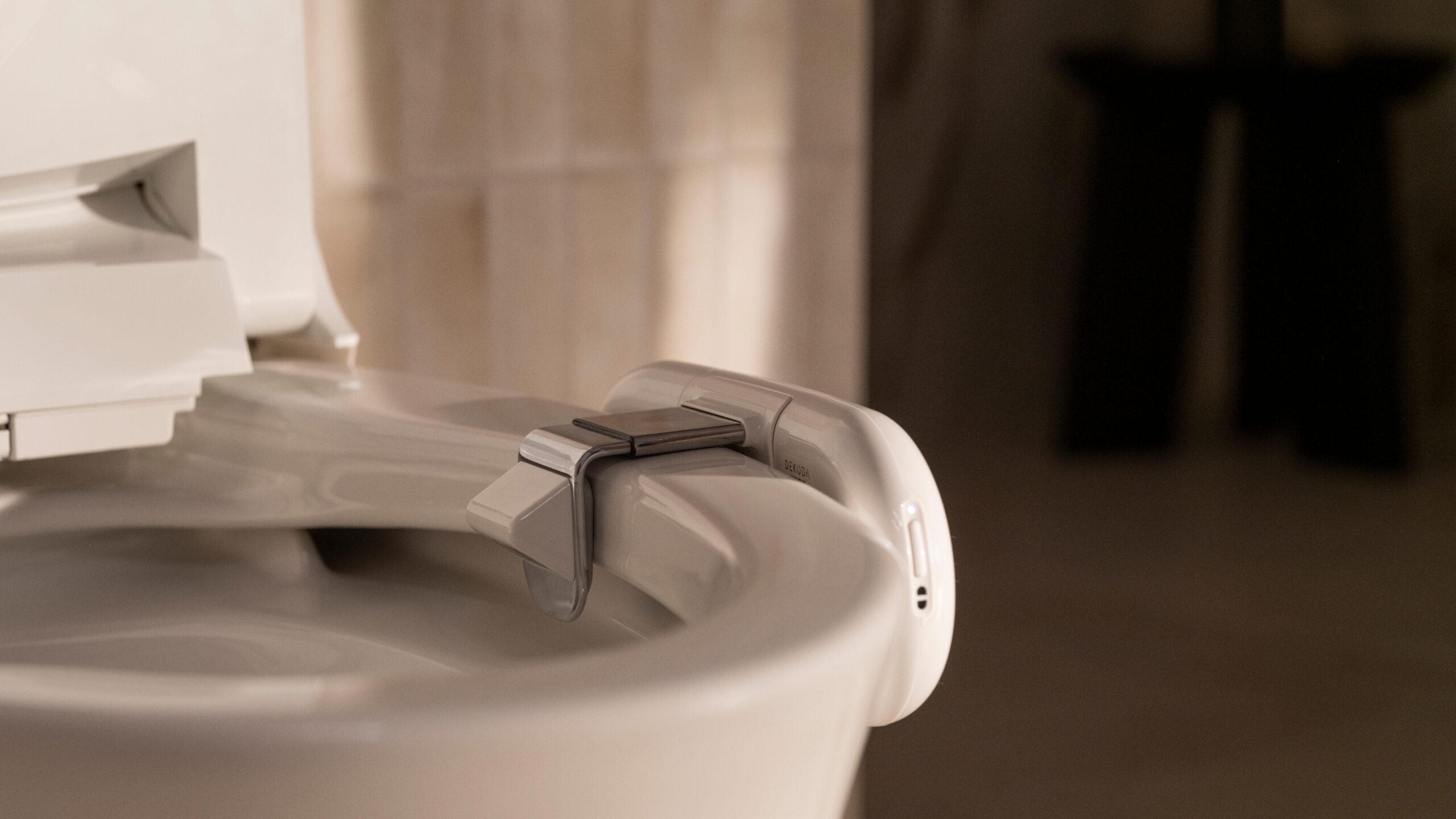
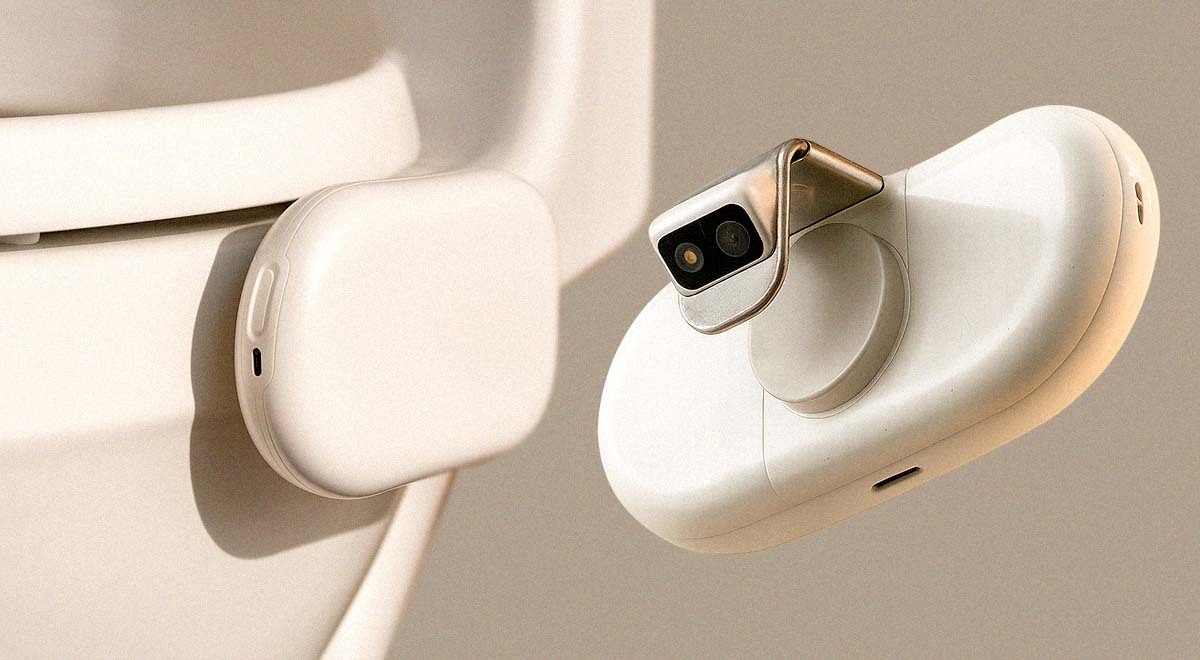
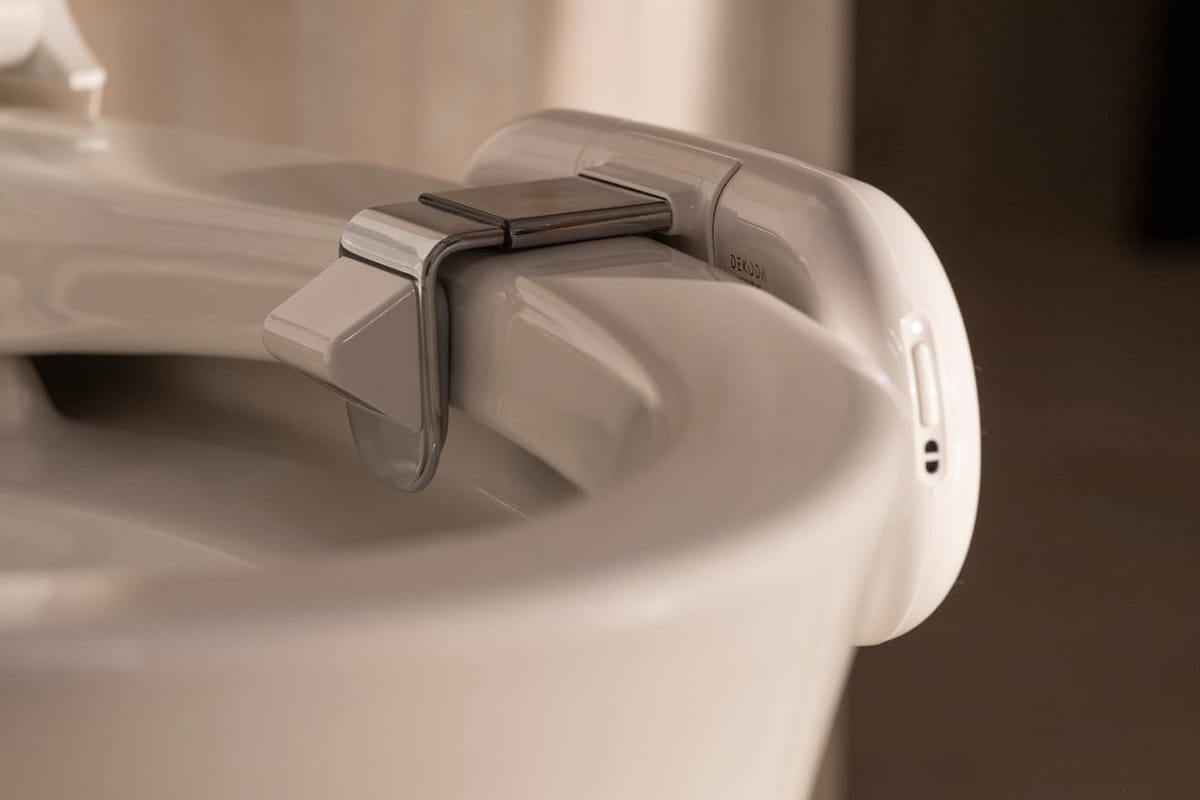
Kohler's Dekoda smart toilet uses AI to analyze users' waste for health insights, but the company misled customers by claiming "end-to-end encryption" while retaining access to sensitive data. This has resulted in privacy violations and sparked outrage over the potential misuse of personal health information.[AI generated]

Why's our monitor labelling this an incident or hazard?

The event describes the use of an AI system analyzing health data, with privacy and data security concerns due to misleading encryption claims and data access by the company. While the AI system is involved and there is a plausible risk of privacy harm, no actual harm or incident has been reported. Therefore, this qualifies as an AI Hazard because the development and use of the AI system could plausibly lead to harm related to privacy violations, but no direct harm has been documented yet.[AI generated]
AI principles
Privacy & data governanceTransparency & explainabilityAccountabilityRespect of human rightsRobustness & digital security

Industries
Consumer productsHealthcare, drugs, and biotechnology

Affected stakeholders
Consumers

Harm types
Human or fundamental rights

Severity
AI hazard

AI system task:
Forecasting/prediction


Articles about this incident or hazard

Thumbnail Image

Using Kohler's Poop-Analysis Camera? Double Check This Key Privacy Setting First

2025-12-04
CNET
Why's our monitor labelling this an incident or hazard?
The article discusses Kohler's AI-powered toilet camera and its data encryption and usage policies, highlighting privacy concerns and clarifying misconceptions about encryption. While the AI system processes sensitive health data, there is no evidence of actual harm or rights violations occurring. The company's data practices and user consent mechanisms are explained, and the discussion centers on transparency and privacy implications rather than a direct or plausible harm event. Thus, the event does not meet the criteria for an AI Incident or AI Hazard but provides valuable complementary information about AI system governance and user data handling.
Thumbnail Image

Kohler's Poop-Analyzing Toilet Cam Might Also Flush Your Privacy Down the Drain

2025-12-03
PCMag UK
Why's our monitor labelling this an incident or hazard?
The event describes the use of an AI system analyzing health data, with privacy and data security concerns due to misleading encryption claims and data access by the company. While the AI system is involved and there is a plausible risk of privacy harm, no actual harm or incident has been reported. Therefore, this qualifies as an AI Hazard because the development and use of the AI system could plausibly lead to harm related to privacy violations, but no direct harm has been documented yet.
Thumbnail Image

'End-to-end encrypted' smart toilet camera is not actually end-to-end encrypted | TechCrunch

2025-12-03
TechCrunch
Why's our monitor labelling this an incident or hazard?
An AI system is involved as the camera analyzes images to provide health advice, implying AI-based image analysis. The company's incorrect claim about end-to-end encryption misleads users about data privacy, which could plausibly lead to violations of privacy rights or misuse of personal data. However, the article does not report any realized harm or breach, only potential risks and misleading communication. Therefore, this qualifies as an AI Hazard due to plausible future harm from privacy violations and misuse of AI training data, but not an AI Incident since no harm has materialized yet.
Thumbnail Image

Engineer proves that Kohler's smart toilet cameras aren't very private

2025-12-04
Ars Technica
Why's our monitor labelling this an incident or hazard?
The article describes an AI-enabled device (smart toilet camera) that uses machine learning algorithms to provide health insights. The main concern is the misleading use of the term 'end-to-end encryption,' which does not protect user data from access by Kohler itself. Although no actual data breach or misuse has been reported, the potential for privacy violations and misuse of sensitive health data exists, constituting a plausible future harm. Since the harm is not yet realized but could plausibly occur due to the AI system's data processing and the company's practices, this event fits the definition of an AI Hazard rather than an AI Incident. It is not Complementary Information because the article focuses on the privacy risks and misleading claims rather than updates or responses to a prior incident. It is not Unrelated because the AI system and its implications are central to the discussion.
Thumbnail Image

Kohler's "encrypted" smart toilet watches you poop

2025-12-04
Boing Boing
Why's our monitor labelling this an incident or hazard?
An AI system is reasonably inferred here as the smart toilet camera likely uses AI to analyze gut health from images. The misuse of the term 'end-to-end encryption' and the actual data handling practices expose users to privacy risks and potential violations of their rights. The misleading claim about encryption can lead to harm by causing users to underestimate privacy risks. Since the event describes actual data collection and misleading security claims that impact user privacy and rights, it constitutes an AI Incident involving violation of rights (privacy) and misleading practices related to AI system use.
Thumbnail Image

Kohler Dekoda Smart Toilet Sparks Privacy Outrage Over Data Access

2025-12-04
WebProNews
Why's our monitor labelling this an incident or hazard?
The Kohler Dekoda smart toilet uses AI to analyze health data from images of users' waste. The company's misleading claims about encryption and its ability to access and decrypt sensitive data directly violate users' privacy rights, a form of harm under the framework. The involvement of AI in data analysis and training, combined with the company's data access practices, has directly led to realized harm in terms of privacy violations and potential legal breaches. Therefore, this event qualifies as an AI Incident rather than a hazard or complementary information.
Thumbnail Image

Your gut waste may be used to train AI

2025-12-03
Cybernews
Why's our monitor labelling this an incident or hazard?
The article describes an AI system that analyzes sensitive personal health data and states that the company may use this data to train AI models. The company's encryption approach allows it to access and decrypt user data, raising plausible concerns about privacy and data misuse. However, no actual harm or incident is reported. The potential for privacy violations or misuse of sensitive data constitutes a credible risk of harm, fitting the definition of an AI Hazard. The event does not describe a realized harm (incident), nor is it merely complementary information or unrelated news.
Thumbnail Image

Kohler's smart toilet camera faces scrutiny over encryption claims

2025-12-04
SC Media
Why's our monitor labelling this an incident or hazard?
The article describes a smart device employing AI for health analysis and discusses the company's claims about encryption that may mislead users regarding data privacy. However, no actual harm or breach has been reported yet. The concerns relate to potential future risks stemming from inaccurate privacy claims, which could lead to violations of user privacy if data were mishandled or accessed improperly. Therefore, this situation fits the definition of an AI Hazard, as it plausibly could lead to harm but no incident has occurred so far.
Thumbnail Image

Kohler's $600 AI toilet camera sparks major privacy concerns

2025-12-05
TechSpot
Why's our monitor labelling this an incident or hazard?
The article describes an AI system that processes sensitive health data and raises privacy concerns due to misleading encryption claims. While no actual data breach or harm has been reported, the company's practice of decrypting user data and using it for AI training without fully transparent privacy guarantees could plausibly lead to violations of user privacy and rights. This fits the definition of an AI Hazard, as the development and use of the AI system could plausibly lead to harm, but no realized harm is documented in the article.
Thumbnail Image

Kohler steps into privacy doo-doo with its poop-analyzing toilet cam

2025-12-05
PCWorld
Why's our monitor labelling this an incident or hazard?
The event centers on the use of an AI-enabled health monitoring device and the privacy implications of its data handling practices. While the AI system's development and use are involved, and there is a dispute about encryption and data access, there is no evidence of direct or indirect harm occurring to individuals or groups. The discussion focuses on privacy claims, data security, and potential misuse, which are important governance and societal issues related to AI but do not meet the threshold for an AI Incident or AI Hazard. Hence, it fits the definition of Complementary Information, providing context and raising awareness about privacy and AI data use without describing a specific harm or credible future harm event.
Thumbnail Image

Kohler's 'End-to-End Encrypted' Smart Toilet Camera Isn't Actually Very Private

2025-12-05
PetaPixel
Why's our monitor labelling this an incident or hazard?
An AI system is involved as the images collected by the smart toilet camera are used to train AI models. The company's claim of 'end-to-end encryption' is misleading because data is decrypted on their servers, allowing access to user images. This raises plausible concerns about privacy violations and misuse of personal data, which could lead to harm such as breaches of privacy rights. However, the article does not report any actual data breaches or misuse causing harm. Thus, the event is best classified as an AI Hazard, reflecting the credible risk of harm from the AI system's use and data handling practices, rather than an AI Incident where harm has already occurred.
Thumbnail Image

Kohler's Smart Toilet Camera Not Actually End-to-End Encrypted

2025-12-05
404 Media
Why's our monitor labelling this an incident or hazard?
The event involves an AI system (the Dekoda camera and its health data analysis AI) that collects and processes sensitive personal data. The company falsely claims end-to-end encryption, but actually has access to the data, which is a violation of user privacy rights. This misrepresentation and the potential exposure of sensitive health data constitute a breach of obligations intended to protect fundamental rights. The AI system's use and the company's handling of data directly lead to this harm. Hence, it meets the criteria for an AI Incident under violations of human rights or breach of obligations protecting fundamental rights.