Deepfake Videos Impersonate Malaysian Border Agency Chief, Spread Misinformation

Thumbnail Image

The information displayed in the AIM should not be reported as representing the official views of the OECD or of its member countries.

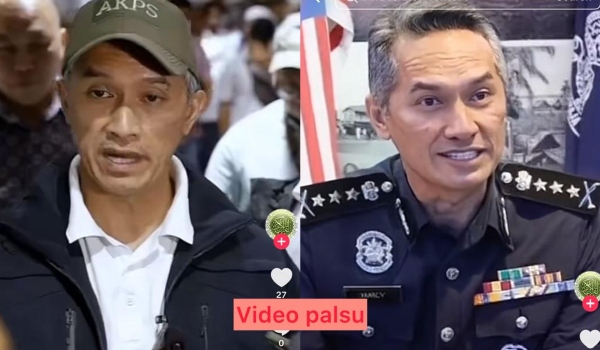
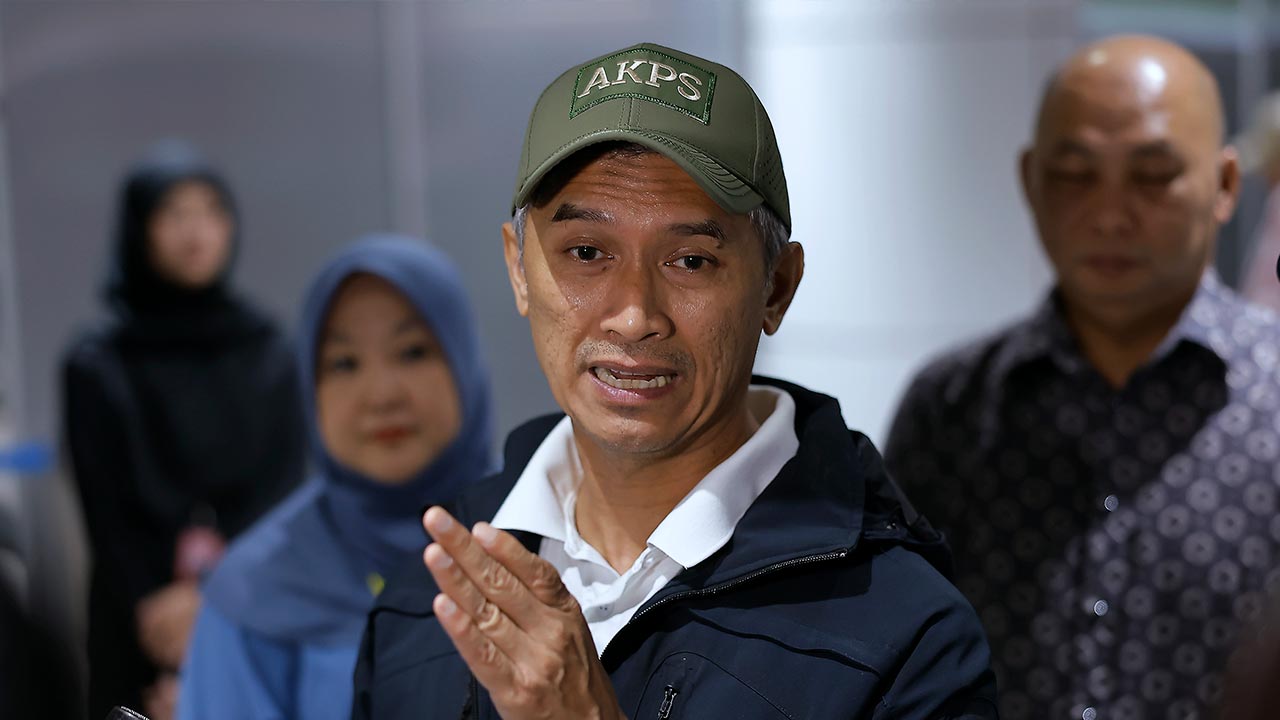
AI-generated deepfake videos impersonating the Director-General of Malaysia's Border Control Agency (AKPS) circulated on TikTok, falsely claiming his support for certain aid programs. AKPS confirmed the videos are fake, warned the public against AI-based misinformation, and announced potential legal action against those responsible.[AI generated]

Why's our monitor labelling this an incident or hazard?

The event explicitly involves AI technology (deepfake) used to create false videos that impersonate a public official, leading to misinformation and potential harm to the public and the official's reputation. The harm is realized as the videos have circulated and caused confusion, meeting the criteria for an AI Incident. The agency's response and warning further confirm the harm has occurred and is being addressed.[AI generated]
AI principles
AccountabilityTransparency & explainabilityDemocracy & human autonomyRobustness & digital security

Industries
Media, social platforms, and marketingGovernment, security, and defence

Affected stakeholders
GovernmentGeneral public

Harm types
ReputationalPublic interest

Severity
AI incident

AI system task:
Content generation


Articles about this incident or hazard

Thumbnail Image

Dua video mirip Ketua Pengarah AKPS disahkan palsu

2025-12-07
Sinar Harian
Why's our monitor labelling this an incident or hazard?
The event explicitly involves AI technology (deepfake) used to create false videos that impersonate a public official, leading to misinformation and potential harm to the public and the official's reputation. The harm is realized as the videos have circulated and caused confusion, meeting the criteria for an AI Incident. The agency's response and warning further confirm the harm has occurred and is being addressed.
Thumbnail Image

2 video tular palsu dikesan tiru identiti Ketua Pengarah AKPS

2025-12-07
Buletin TV3
Why's our monitor labelling this an incident or hazard?
The use of AI-generated deepfake videos to impersonate a public official and spread false information constitutes a direct harm to communities by misleading the public and potentially causing reputational damage. Since the videos have already circulated and caused concern, this qualifies as an AI Incident due to realized harm from AI misuse (deepfake technology).
Thumbnail Image

Dua video tular mirip Ketua Pengarah AKPS sokong bantuan disahkan palsu

2025-12-07
Portal Berita
Why's our monitor labelling this an incident or hazard?
The event explicitly involves the use of AI (deepfake technology) to create false videos impersonating a public official, which have been disseminated and could mislead the public. This constitutes harm to communities by spreading misinformation and undermining trust, fulfilling the criteria for an AI Incident. The agency's confirmation and warning indicate the harm is realized, not just potential. Therefore, the event is classified as an AI Incident.
Thumbnail Image

AKPS nafi video deepfake ketua pengarah sokong bantuan

2025-12-07
thesun.my
Why's our monitor labelling this an incident or hazard?
The event involves AI systems explicitly through the use of deepfake technology to create fake videos impersonating a public official. This use of AI has directly led to misinformation and potential deception of the public, which is a harm to communities and could undermine public trust. Therefore, this qualifies as an AI Incident because the AI system's use has directly caused harm through fraudulent content dissemination.
Thumbnail Image

AKPS nafi ketulenan video tular ketua pengarah 'beri sokongan' pemberian bantuan

2025-12-07
Astro Awani
Why's our monitor labelling this an incident or hazard?
The event clearly involves an AI system (deepfake technology) used maliciously to create fake videos impersonating a public official, which is a misuse of AI. Although no direct harm such as injury or rights violation has been reported yet, the potential for fraud and misinformation is significant. Since the harm is plausible but not yet realized, this qualifies as an AI Hazard rather than an AI Incident. The focus is on warning and legal response to prevent harm, not on harm that has already occurred.