AI-Based Smart Traffic Signal System Deployed to Prevent Construction Site Accidents at Busan Port

Thumbnail Image

The information displayed in the AIM should not be reported as representing the official views of the OECD or of its member countries.

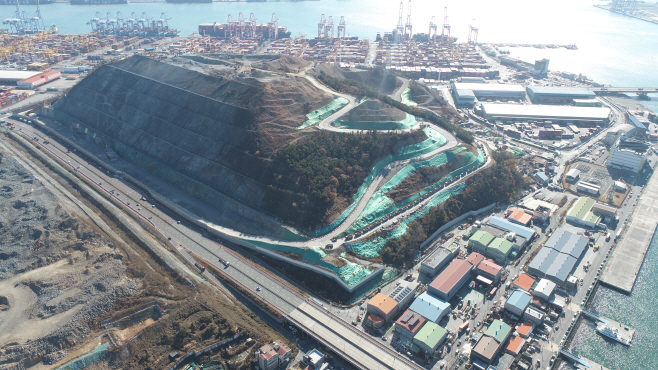
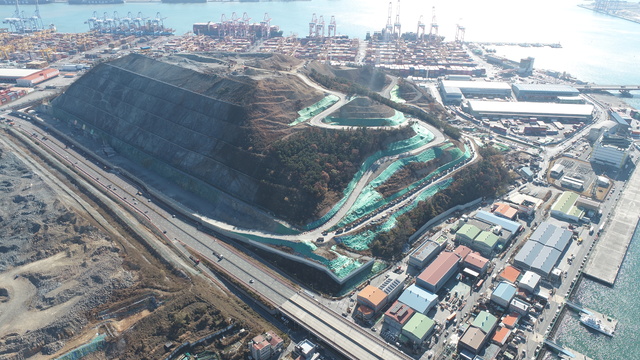
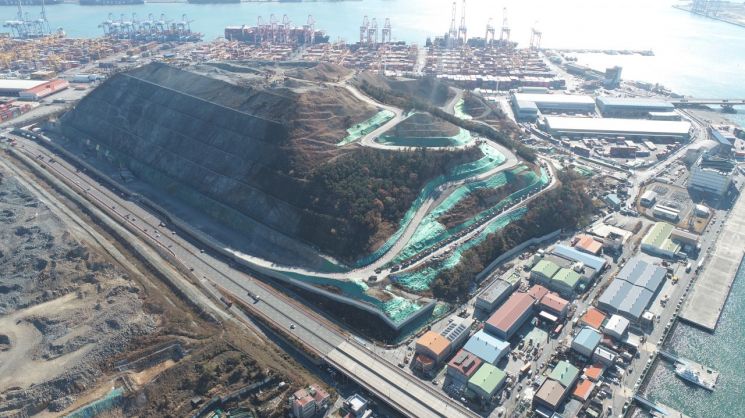
Busan Port Authority has implemented an AI-based smart traffic signal system at a hazardous construction site in Busan, South Korea. The system uses AI cameras to detect vehicles and automatically control traffic signals, significantly reducing collision risks and enhancing worker safety in areas with poor visibility and frequent heavy truck traffic.[AI generated]

Why's our monitor labelling this an incident or hazard?

An AI system (AI cameras and algorithmic traffic signal control) is explicitly mentioned as being used to manage traffic signals in a hazardous construction environment. The system's use directly contributes to reducing the risk of vehicle collisions and industrial accidents, which are harms to the health and safety of people (harm category a). Since the AI system is actively deployed and functioning to prevent harm, this qualifies as an AI Incident rather than a hazard or complementary information.[AI generated]
Industries
Government, security, and defenceMobility and autonomous vehicles

Severity
AI incident

Business function:
Monitoring and quality control

AI system task:
Recognition/object detectionGoal-driven organisation


Articles about this incident or hazard

Thumbnail Image

공사현장에도 'AI 신호수'... 부산항만공사, 건설현장에 AI기반 스마트 교통신호체계 도입

2025-12-08
아시아경제
Why's our monitor labelling this an incident or hazard?
An AI system (AI cameras and algorithmic traffic signal control) is explicitly mentioned as being used to manage traffic signals in a hazardous construction environment. The system's use directly contributes to reducing the risk of vehicle collisions and industrial accidents, which are harms to the health and safety of people (harm category a). Since the AI system is actively deployed and functioning to prevent harm, this qualifies as an AI Incident rather than a hazard or complementary information.
Thumbnail Image

부산항만공사, 건설현장에 AI 기반 스마트 교통신호체계 도입

2025-12-08
데일리중앙
Why's our monitor labelling this an incident or hazard?
The AI system is explicitly mentioned as being used to detect vehicles and control traffic signals in real time to reduce collision risks in a dangerous construction environment. This use of AI directly contributes to preventing harm to workers, fulfilling the criteria for an AI Incident as it involves the use of an AI system that has directly led to harm prevention (injury or harm to persons).
Thumbnail Image

부산항만공사, 건설현장에 AI 교통체계 도입

2025-12-08
국토일보
Why's our monitor labelling this an incident or hazard?
An AI system is explicitly involved, as the traffic signal system uses AI cameras to detect vehicles and control signals automatically. The system's use aims to prevent collisions and enhance safety, addressing a direct risk of harm to people at the construction site. However, the article does not report any actual harm or incident caused by the AI system; rather, it describes a safety enhancement measure. Therefore, this is not an AI Incident but a deployment of AI to mitigate potential harm. Since no harm or malfunction is reported, and the system is intended to reduce risk, this event does not qualify as an AI Hazard either. It is a positive application of AI technology without any indication of harm or plausible future harm. Hence, it is best classified as Complementary Information about AI deployment and safety improvement.
Thumbnail Image

부산항만공사, AI 기반 스마트 교통신호체계 도입

2025-12-08
아시아투데이
Why's our monitor labelling this an incident or hazard?
The event involves the use of an AI system (AI-based smart traffic signals with AI cameras) that directly contributes to reducing the risk of collisions and enhancing safety at a construction site. Since the AI system's use is intended to prevent harm (accidents) and is actively controlling traffic signals to manage vehicle movements, it is directly linked to preventing injury or harm to people, which fits the definition of an AI Incident. The article reports the system's deployment and operational use, implying realized safety benefits rather than just potential risks or future hazards.
Thumbnail Image

BPA, AI 교통안전 도입에 보안 최우수상까지 | 아주경제

2025-12-08
아주경제
Why's our monitor labelling this an incident or hazard?
The AI system is explicitly mentioned as being used for real-time vehicle detection and traffic signal control to prevent accidents, which is a beneficial application. There is no report of any injury, harm, violation, or disruption caused by the AI system, nor any plausible future harm indicated. The article focuses on the successful implementation and awards received, which fits the definition of Complementary Information as it provides context and updates on AI deployment and governance in safety-critical infrastructure.
Thumbnail Image

부산항만공사, 신항 배후단지 공사현장에 AI 기반 스마트 교통신호체계 도입

2025-12-08
브릿지경제
Why's our monitor labelling this an incident or hazard?
An AI system is explicitly involved, as AI cameras detect vehicles and control traffic signals in real time. The system's use directly aims to prevent harm (industrial accidents) by reducing collision risks in a dangerous construction area. Since the AI system's deployment is intended to prevent injury or harm to people and improve safety, this qualifies as an AI Incident under the definition of harm to health and safety resulting from the use of an AI system.
Thumbnail Image

부산항만공사, 건설현장에 AI 기반 '스마트 교통신호체계' 도입

2025-12-08
skyedaily.com
Why's our monitor labelling this an incident or hazard?
An AI system is explicitly involved, as the smart traffic system uses AI cameras to detect vehicles and control signals automatically. The system's use aims to prevent harm to workers by reducing collision risks, which relates to injury or harm to people. Since the AI system's deployment directly contributes to preventing harm, this qualifies as an AI Incident involving the use of AI to mitigate injury risks in a critical operational environment.
Thumbnail Image

BPA, 건설현장에 AI 교통신호체계 도입···'산재 예방'

2025-12-08
대한전문건설신문
Why's our monitor labelling this an incident or hazard?
An AI system is explicitly involved, as AI cameras detect vehicles and control traffic signals automatically. The system's use aims to prevent harm to workers by reducing collision risks, which relates to injury or harm to people. Since the AI system's use directly contributes to preventing harm, this qualifies as an AI Incident under the definition of harm to health of persons due to AI system use.
Thumbnail Image

부산항만공사, 건설현장에 AI 교통신호로 안전도 높인다

2025-12-08
한스경제
Why's our monitor labelling this an incident or hazard?
An AI system is explicitly involved, as AI cameras detect vehicles and control traffic signals in real time. The system's use aims to reduce accident risks and improve safety, which addresses potential harm to persons (injury or harm to health). However, the article does not report any actual accidents or injuries occurring due to the AI system or its malfunction; rather, it describes a preventive safety measure. Therefore, this event represents a plausible risk reduction scenario rather than an incident where harm has occurred. It is not merely general AI news or a product launch, as it involves concrete AI application with safety implications. Hence, it qualifies as Complementary Information, providing context on AI deployment to improve safety and prevent harm at a critical infrastructure construction site.