South Korea Imposes Labeling Rules on AI-Generated Deceptive Ads

Thumbnail Image

The information displayed in the AIM should not be reported as representing the official views of the OECD or of its member countries.

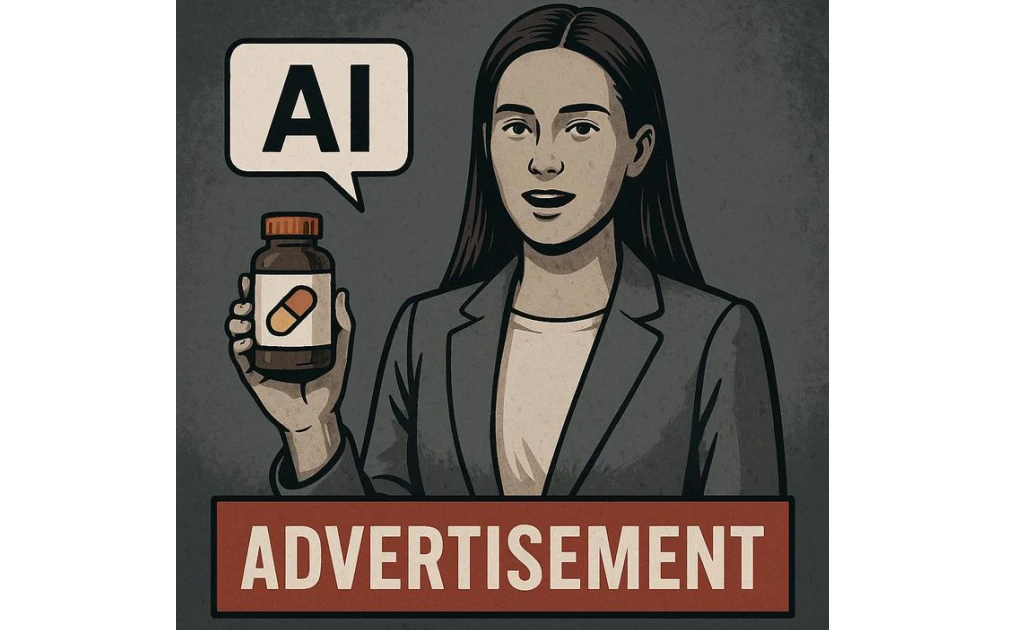
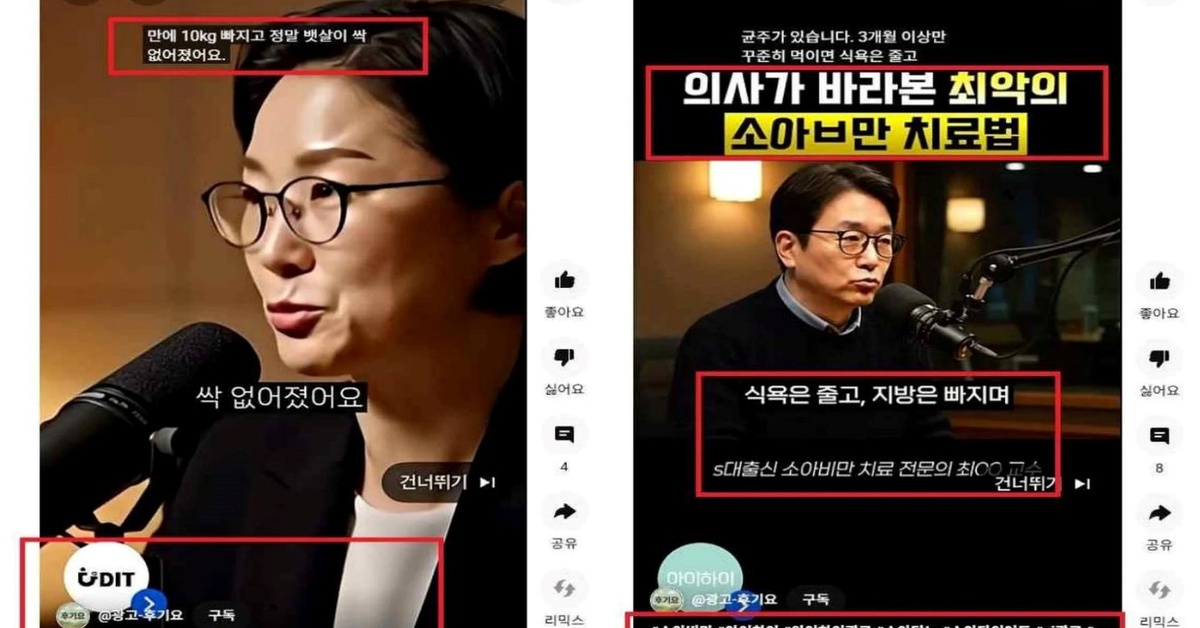
South Korea will require all AI-generated advertisements to be labeled from 2026, following a surge in deceptive ads using deepfake technology to impersonate experts and celebrities. The government aims to protect consumers, especially the elderly, by increasing enforcement, removing misleading content, and imposing heavy fines on violators.[AI generated]

Why's our monitor labelling this an incident or hazard?

The event involves the use and misuse of AI systems to generate deceptive advertisements and deepfake content that have directly led to harm to consumers and communities through misinformation and exploitation. The harms include consumer deception, market disruption, and violations of rights (e.g., privacy and protection from exploitation). The government's regulatory actions and enhanced enforcement are responses to these realized harms. Therefore, this qualifies as an AI Incident because AI-generated content has already caused significant harm, and the article details these harms and the official response.[AI generated]
AI principles
Transparency & explainabilityAccountability

Industries
Media, social platforms, and marketing

Affected stakeholders
Consumers

Harm types
Economic/Property

Severity
AI incident

Business function:
Marketing and advertisement

AI system task:
Content generation


Articles about this incident or hazard

Thumbnail Image

Hàn Quốc siết chặt quản lý quảng cáo dùng trí tuệ nhân tạo

2025-12-11
TUOI TRE ONLINE
Why's our monitor labelling this an incident or hazard?
The event involves the use and misuse of AI systems to generate deceptive advertisements and deepfake content that have directly led to harm to consumers and communities through misinformation and exploitation. The harms include consumer deception, market disruption, and violations of rights (e.g., privacy and protection from exploitation). The government's regulatory actions and enhanced enforcement are responses to these realized harms. Therefore, this qualifies as an AI Incident because AI-generated content has already caused significant harm, and the article details these harms and the official response.
Thumbnail Image

Hàn Quốc siết kiểm soát quảng cáo tạo bởi AI

2025-12-11
cafef.vn
Why's our monitor labelling this an incident or hazard?
The article involves AI systems (deepfake technology generating fake images/videos for ads) and addresses harms related to deceptive advertising that can mislead consumers, which is a violation of consumer rights and can cause harm to communities. However, the article mainly discusses the introduction of new regulations and enforcement measures to address this problem rather than reporting a specific AI Incident or a direct harm event. Therefore, it fits best as Complementary Information, providing context on societal and governance responses to AI-related harms.
Thumbnail Image

Hàn Quốc yêu cầu các nhà quảng cáo dán nhãn sản phẩm do AI tạo ra

2025-12-11
VietnamPlus
Why's our monitor labelling this an incident or hazard?
The event involves AI systems generating deceptive advertisements that have already caused harm to consumers by spreading misleading information and fraudulent promotions, which is a violation of consumer rights and harms communities. The government's regulatory response is aimed at addressing these realized harms. Since the AI-generated ads are actively causing harm, this qualifies as an AI Incident. The article does not merely discuss potential future harm or general AI developments but focuses on concrete harms caused by AI-generated deceptive ads and the regulatory measures to address them.