OpenAI Warns of High Cybersecurity Risks from Next-Gen AI Models

Thumbnail Image

The information displayed in the AIM should not be reported as representing the official views of the OECD or of its member countries.

OpenAI has warned that its upcoming AI models could pose significant cybersecurity risks, including enabling zero-day exploits and advanced digital intrusions. The company is implementing enhanced security measures, tiered access, and a new advisory council to mitigate potential misuse as AI capabilities rapidly advance.[AI generated]

Why's our monitor labelling this an incident or hazard?

The article explicitly mentions AI systems (OpenAI's models) and their increasing capabilities that could plausibly lead to serious cybersecurity harms, such as zero-day exploits and complex intrusion operations. Since no actual incident of harm has occurred yet but the risk is credible and clearly articulated, this qualifies as an AI Hazard rather than an AI Incident. The focus is on potential future harm and mitigation efforts, not on realized harm.[AI generated]

AI principles
Robustness & digital securitySafetyAccountability

Industries
Digital securityIT infrastructure and hosting

Affected stakeholders
BusinessGovernmentGeneral public

Harm types
Economic/PropertyReputationalPublic interest

Severity
AI hazard

Business function:
Research and development

AI system task:
Content generation


Articles about this incident or hazard

Thumbnail Image

OpenAI warns new models pose 'high' cybersecurity risk

2025-12-11
Economic Times
Why's our monitor labelling this an incident or hazard?
The article explicitly mentions AI systems (OpenAI's models) and their increasing capabilities that could plausibly lead to serious cybersecurity harms, such as zero-day exploits and complex intrusion operations. Since no actual incident of harm has occurred yet but the risk is credible and clearly articulated, this qualifies as an AI Hazard rather than an AI Incident. The focus is on potential future harm and mitigation efforts, not on realized harm.
Thumbnail Image

OpenAI boosts cyber defenses as AI capabilities rapidly advance By Investing.com

2025-12-10
Investing.com
Why's our monitor labelling this an incident or hazard?
The article explicitly discusses the development and use of AI systems with advanced cybersecurity capabilities that could potentially be misused to cause harm, such as creating zero-day exploits or aiding intrusion operations. While these capabilities have not yet resulted in any reported harm, the plausible future risk of such harms justifies classification as an AI Hazard. The company's measures to prevent misuse and support defenders further indicate awareness of potential risks rather than an ongoing incident. Thus, the event fits the definition of an AI Hazard, not an AI Incident or Complementary Information.
Thumbnail Image

OpenAI warns new models pose 'high' cybersecurity risk By Reuters

2025-12-10
Investing.com
Why's our monitor labelling this an incident or hazard?
The event involves AI systems (OpenAI's models) and discusses their potential to cause cybersecurity harm in the future, which fits the definition of an AI Hazard. There is no indication that any harm has already occurred, so it is not an AI Incident. The article is not merely complementary information because it centers on the credible risk posed by the AI models, not just on responses or updates. Therefore, the classification is AI Hazard.
Thumbnail Image

OpenAI Warns New Models Pose "High" Cybersecurity Risk

2025-12-10
NDTV
Why's our monitor labelling this an incident or hazard?
The event involves the development and potential use of AI systems with capabilities that could plausibly lead to significant cybersecurity harms, such as unauthorized system intrusions or exploitation of vulnerabilities. However, the article does not describe any realized harm or incident caused by these AI models yet; it is a warning about plausible future risks and the company's mitigation efforts. Therefore, this qualifies as an AI Hazard rather than an AI Incident or Complementary Information.
Thumbnail Image

It is code red, OpenAI warns future ChatGPT could pose high cybersecurity risks as it races to beat Google Gemini

2025-12-11
India Today
Why's our monitor labelling this an incident or hazard?
The event involves an AI system (future ChatGPT models) and highlights potential cybersecurity risks that could plausibly lead to harm, such as enabling advanced hacking or intrusion operations. Since no actual harm or incident has occurred, but credible warnings about future risks are presented, this fits the definition of an AI Hazard. The article focuses on risk management and mitigation plans rather than reporting a realized incident or harm, so it is not an AI Incident or Complementary Information. It is not unrelated because it clearly involves AI and potential harm.
Thumbnail Image

OpenAI Warns New Models Pose 'High' Cybersecurity Risk

2025-12-11
Deccan Chronicle
Why's our monitor labelling this an incident or hazard?
The article explicitly discusses the potential cybersecurity risks posed by future AI models, indicating a plausible risk of harm (e.g., cyberattacks) that could arise from their capabilities. However, no actual incident or harm has occurred yet; the focus is on warning and preparing for possible future threats. Therefore, this qualifies as an AI Hazard because it describes a credible risk of harm that could plausibly result from the development and use of advanced AI systems, but no direct or indirect harm has materialized at this point.
Thumbnail Image

OpenAI warns new models pose 'high' cybersecurity risk

2025-12-10
1470 & 100.3 WMBD
Why's our monitor labelling this an incident or hazard?
The article explicitly mentions AI systems (OpenAI's upcoming models) and their potential to cause cybersecurity risks, including developing exploits and assisting in intrusions. Although no direct harm has occurred yet, the credible risk of such harm is clearly articulated. The event focuses on the potential for harm rather than an actual incident, fitting the definition of an AI Hazard. The description of OpenAI's mitigation efforts and advisory group formation further supports that this is a risk being managed rather than a realized harm.
Thumbnail Image

OpenAI flags rising cyber risks from next-gen AI models

2025-12-11
storyboard18.com
Why's our monitor labelling this an incident or hazard?
The article explicitly discusses the potential for advanced AI systems to be misused in ways that could lead to serious cybersecurity incidents, which fits the definition of an AI Hazard because it plausibly could lead to harm (cyberattacks disrupting enterprise and industrial systems). There is no indication that such harm has already occurred, so it is not an AI Incident. The focus on risk management and governance measures supports the classification as an AI Hazard rather than Complementary Information, which would require the main narrative to be about responses to an existing incident. Therefore, this event is best classified as an AI Hazard.
Thumbnail Image

OpenAI warns next-gen AI models could pose high cybersecurity risks; readies defences

2025-12-11
The Indian Express
Why's our monitor labelling this an incident or hazard?
The article explicitly mentions AI systems (next-generation AI models) and their potential misuse leading to serious cybersecurity risks, including remote exploits and enterprise compromises, which align with plausible future harms. Although no realized harm is reported, the credible risk of AI-enabled cyberattacks and espionage campaigns is highlighted, fitting the definition of an AI Hazard. The article also describes ongoing and planned mitigation efforts, but these do not negate the plausible future harm. Hence, the event is best classified as an AI Hazard.
Thumbnail Image

OpenAI admits new models likely to pose 'high' cybersecurity risk

2025-12-11
TechRadar
Why's our monitor labelling this an incident or hazard?
The event involves AI systems (future OpenAI LLMs) whose development and potential misuse could plausibly lead to significant cybersecurity harms, such as exploitation and espionage. However, no actual harm or incident has occurred yet; the article focuses on potential risks and mitigation strategies. Therefore, this qualifies as an AI Hazard because it describes credible future risks stemming from AI system capabilities and their possible malicious use, without reporting any realized harm or incident.
Thumbnail Image

OpenAI Says Its Next AI Models Could Create 'High' Cyber Threats

2025-12-11
english
Why's our monitor labelling this an incident or hazard?
The article explicitly mentions AI systems with advanced cybersecurity capabilities that could be misused to cause harm, such as deploying zero-day exploits and breaking into enterprise operations. Although no specific harm has yet occurred, the credible risk of significant cybersecurity incidents caused by these AI models is clearly articulated. Therefore, this constitutes an AI Hazard because the development and potential misuse of these AI systems could plausibly lead to serious harm. The article also includes information about safety measures and industry responses, but the main focus is on the potential threat posed by the AI models, not on a realized incident or solely on complementary information.
Thumbnail Image

OpenAI flags high cyber risk from advanced ChatGPT models as it accelerates development to outpace Google Gemini

2025-12-12
The Financial Express
Why's our monitor labelling this an incident or hazard?
The article explicitly states that the advanced AI models could plausibly lead to new cybersecurity threats in the future, such as aiding attackers in discovering vulnerabilities and planning attacks. No actual harm or incident has occurred yet; the concerns are anticipatory and preventive. The involvement of AI is clear, as the models' capabilities are central to the risk. Hence, this fits the definition of an AI Hazard, as it plausibly could lead to an AI Incident but has not yet done so.
Thumbnail Image

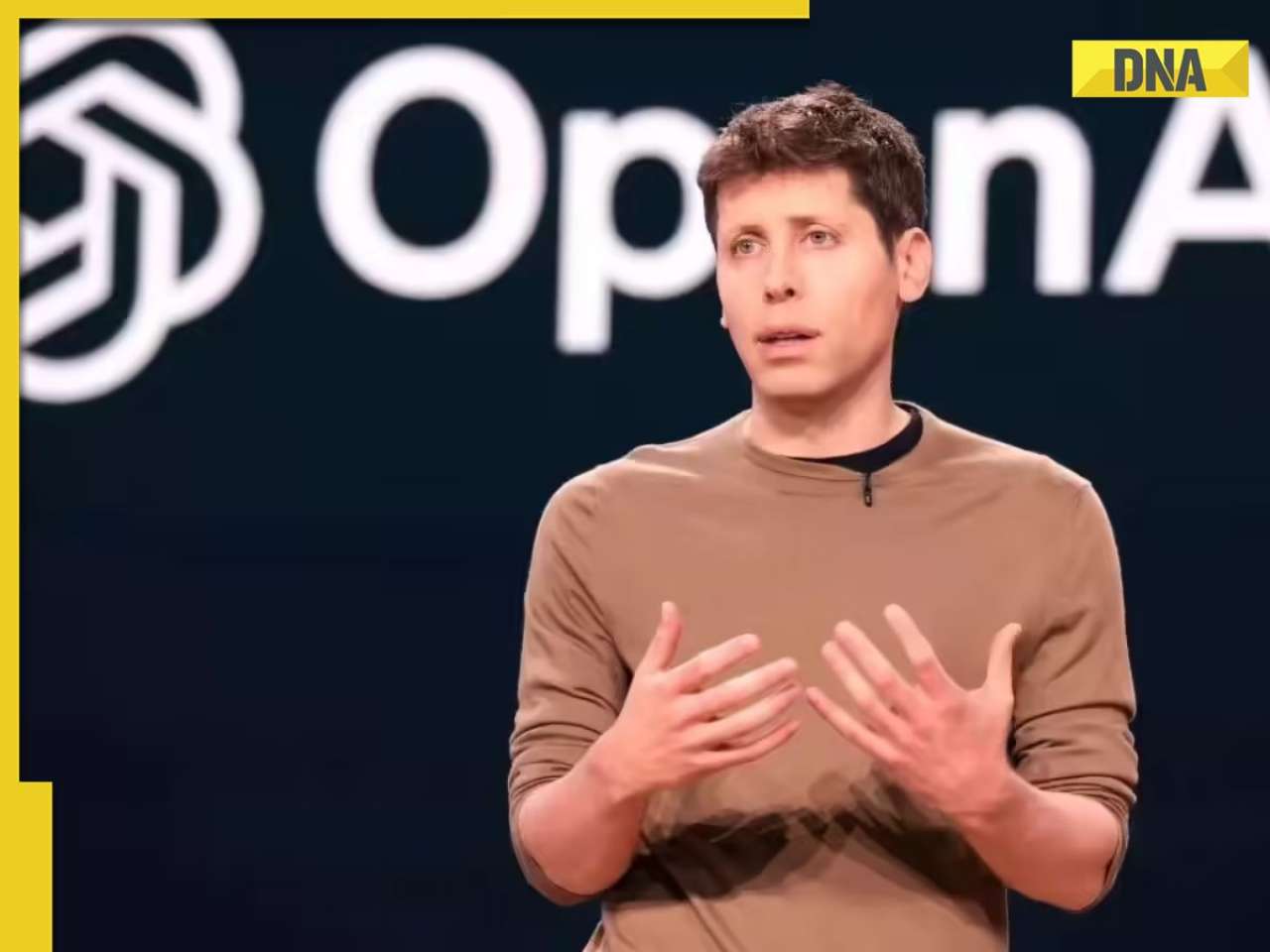
BIG Alert! Sam Altman's OpenAI issues warning against new AI models due to THIS reason

2025-12-11
Daily News and Analysis (DNA) India
Why's our monitor labelling this an incident or hazard?
The article clearly involves AI systems and their development and use. The harms described (cyberattacks, industrial espionage, ransomware) fall under disruption of critical infrastructure and harm to communities. However, these harms are presented as potential future risks rather than events that have already occurred. Therefore, the event qualifies as an AI Hazard because it plausibly could lead to an AI Incident but no actual incident is reported. The article also discusses responses and regulatory needs, but the main focus is on the plausible future harm from AI misuse in cybersecurity, not on complementary information or unrelated news.
Thumbnail Image

OpenAI flags rising cyber threats as AI models get more powerful

2025-12-11
Digit
Why's our monitor labelling this an incident or hazard?
The event involves AI systems and their development and use, specifically the potential for AI to be used offensively in cyberattacks. However, the harms described are prospective and have not yet materialized. The article focuses on the plausible future risks (AI Hazard) posed by increasingly capable AI models in cybersecurity offense, as well as the corresponding defensive measures being developed. There is no indication of an actual AI Incident occurring, nor is the article primarily about responses or updates to past incidents, so it does not qualify as Complementary Information. Therefore, the classification is AI Hazard.
Thumbnail Image

OpenAI warns upcoming AI models may pose "high" cybersecurity risk - Profit by Pakistan Today

2025-12-11
Profit by Pakistan Today
Why's our monitor labelling this an incident or hazard?
The article explicitly discusses the potential for upcoming AI models to be used maliciously in cybersecurity attacks, such as generating zero-day exploits or aiding complex intrusions. This represents a plausible future harm stemming from the development and use of AI systems. Since no actual incident or harm has been reported yet, but the risk is credible and clearly articulated, the event fits the definition of an AI Hazard rather than an AI Incident or Complementary Information.
Thumbnail Image

Malware Risks Make OpenAI Add Security Layers to AI Models

2025-12-11
MediaNama
Why's our monitor labelling this an incident or hazard?
The article centers on the plausible future risks posed by advanced AI models capable of cyberattack-related tasks and OpenAI's corresponding mitigation strategies. While it references existing malicious uses of AI tools by threat actors, it does not report a specific AI Incident caused by OpenAI's models. Instead, it outlines a credible AI Hazard scenario where the AI's capabilities could lead to cyber harms if misused. The main focus is on the potential for harm and the company's efforts to prevent it, fitting the definition of an AI Hazard rather than an Incident or Complementary Information. It is not unrelated because AI systems and their misuse risks are explicitly discussed.
Thumbnail Image

OpenAI Warns Next-Generation AI Models Pose High Cybersecurity Risks - Blockonomi

2025-12-11
Blockonomi
Why's our monitor labelling this an incident or hazard?
The article explicitly mentions AI systems (OpenAI's advanced models, GPT-5.1-Codex-Max, Aardvark agent) and their capabilities related to cybersecurity, including offensive uses (zero-day exploits, intrusion operations) that could lead to harm. Although no actual incident of harm is reported, the warning about potential misuse and the rapid advancement in AI capabilities to exploit security vulnerabilities establish a credible risk of future AI incidents. The article also discusses mitigation and defensive measures, but the primary focus is on the plausible threat posed by these AI systems. Hence, the event is best classified as an AI Hazard.
Thumbnail Image

OpenAI Enhances Defensive Models to Mitigate Cyber-Threats

2025-12-11
Infosecurity Magazine
Why's our monitor labelling this an incident or hazard?
The event involves AI systems (advanced language models like GPT-5.1-Codex-Max) whose capabilities could plausibly lead to serious cyber incidents such as intrusion operations and zero-day exploits. The article focuses on the potential misuse of these AI systems for harmful cyber activities, which aligns with the definition of an AI Hazard. Since no actual harm or incident is reported, but credible warnings and preparations for future risks are emphasized, the classification as an AI Hazard is appropriate.
Thumbnail Image

OpenAI Cybersecurity Risks: 5 Alarming Threats Raised by Next-Generation AI Models

2025-12-12
TechGenyz
Why's our monitor labelling this an incident or hazard?
The article clearly involves AI systems, specifically advanced AI models capable of generating exploits and automating cyberattacks. However, it does not describe any actual harm or incident caused by these AI systems; rather, it warns about potential future risks and outlines mitigation efforts. Therefore, the event qualifies as an AI Hazard because it plausibly could lead to AI Incidents involving cybersecurity harms, but no such incident has yet occurred or been reported. The formation of the Frontier Risk Council and defensive measures are responses to this hazard, but the main focus remains on the potential threat rather than a realized incident or complementary information about a past event.
Thumbnail Image

OpenAI warns its next-gen AI models could become hacker tools - Cryptopolitan

2025-12-11
Cryptopolitan
Why's our monitor labelling this an incident or hazard?
The article centers on the plausible future harms that advanced AI models could cause in cybersecurity, such as enabling attackers to develop zero-day exploits and conduct damaging attacks on critical infrastructure. This fits the definition of an AI Hazard, as the development and potential use of these AI systems could plausibly lead to significant harm. Although the article mentions past security breaches at OpenAI, the main focus is on the future risks and mitigation strategies rather than a realized incident. Therefore, the event is best classified as an AI Hazard rather than an AI Incident or Complementary Information.
Thumbnail Image

OpenAI Admits Its Next AI Systems Create Serious Cybersecurity Threats

2025-12-11
Technology Org
Why's our monitor labelling this an incident or hazard?
The article explicitly states that the next-generation AI models could independently create functional zero-day exploits and enable complex attacks on critical digital infrastructure, which are serious harms if realized. Although no incident of actual harm is reported, the credible risk of such AI-driven cyberattacks qualifies as a plausible future harm. The involvement is in the development and potential use of AI systems with dual-use capabilities. OpenAI's mitigation plans further confirm the recognition of this hazard. Hence, this is best classified as an AI Hazard rather than an AI Incident or Complementary Information.
Thumbnail Image

Technology News Today - The Latest in Tech, AI & Startup News, December 10, 2025 - Tech Startups

2025-12-11
Tech News | Startups News
Why's our monitor labelling this an incident or hazard?
OpenAI explicitly mentions the development and use of advanced AI systems that could craft remote exploits and plan operations causing real-world disruption, which fits the definition of an AI system's use potentially leading to harm. Since the harm is not yet realized but plausibly could occur, this is an AI Hazard. The article does not describe any actual incident of harm caused by AI but warns of credible future risks and outlines mitigation efforts, consistent with the AI Hazard classification.
Thumbnail Image

OpenAI Braces for AI Models That Could Breach Defenses

2025-12-11
DataBreachToday
Why's our monitor labelling this an incident or hazard?
The event involves AI systems (future AI models) whose development and use could plausibly lead to significant cybersecurity harms, including enabling advanced cyberattacks. Since no realized harm or incident has occurred yet, but credible risks are clearly articulated, this qualifies as an AI Hazard. The article also details OpenAI's responses and risk management strategies, but the primary focus is on the potential for harm rather than a past incident or complementary information about a resolved issue. Therefore, the classification is AI Hazard.
Thumbnail Image

OpenAI warns new models pose high cybersecurity risk

2025-12-11
Head Topics
Why's our monitor labelling this an incident or hazard?
The article explicitly discusses the potential for future cybersecurity harms due to the capabilities of new AI models, which fits the definition of an AI Hazard. There is no indication that any harm has already occurred, so it cannot be classified as an AI Incident. The focus is on the plausible risk and mitigation strategies, not on a realized incident or complementary information about past events. Hence, the classification as AI Hazard is appropriate.
Thumbnail Image

OpenAI Warns High Cybersecurity Risk In AI Models

2025-12-11
The Cyber Express
Why's our monitor labelling this an incident or hazard?
The article explicitly involves AI systems (OpenAI's advanced models) and discusses their development and use. It focuses on the plausible future cybersecurity harms these AI models could cause, such as creating zero-day exploits or aiding intrusions, which fits the definition of an AI Hazard. There is no report of actual harm or incident caused by these AI models at this time, so it does not qualify as an AI Incident. The detailed description of mitigation strategies and governance efforts supports the assessment of a credible risk rather than realized harm. Therefore, the event is an AI Hazard.
Thumbnail Image

Weaponized AI risk is 'high,' warns OpenAI - here's the plan to stop it

2025-12-12
ZDNet
Why's our monitor labelling this an incident or hazard?
The article explicitly involves AI systems (advanced AI models like ChatGPT and GPT-5.1-Codex-Max) and their use and misuse in cybersecurity contexts. It describes how AI can be weaponized to cause harm such as cyberattacks and intrusion operations, which are harms to critical infrastructure and security. Although no realized harm is detailed, the credible and high-level risk of severe harm is emphasized, fitting the definition of an AI Hazard. The article also covers OpenAI's preparedness and mitigation efforts, but the main focus is on the potential for harm rather than a realized incident or complementary information about past incidents. Therefore, the event is best classified as an AI Hazard.
Thumbnail Image

Un jefe de OpenAI revela los 3 empleos que van a desaparecer por culpa de la IA: miles de puestos están en peligro

2025-12-12
Hipertextual
Why's our monitor labelling this an incident or hazard?
The article involves AI systems as it discusses their use in automating tasks in specific job sectors. However, it does not describe any actual harm or incident resulting from AI use, only the plausible future displacement of jobs. This constitutes a credible risk of harm (job loss) due to AI deployment but no concrete incident has occurred yet. Therefore, the event is best classified as an AI Hazard, reflecting the plausible future harm AI could cause in employment sectors as predicted by an expert.
Thumbnail Image

OpenAI Plans to Offer AI Models' Enhanced Capabilities to Cyberdefense Workers | PYMNTS.com

2025-12-12
PYMNTS.com
Why's our monitor labelling this an incident or hazard?
The event involves AI systems (OpenAI's advanced models) and their development and use in cybersecurity contexts. While the AI models could plausibly be used maliciously (e.g., developing zero-day exploits), the article does not report any realized harm or incident resulting from these AI systems. Instead, it focuses on preparedness, risk mitigation, and planned support for cyberdefense workers. Therefore, this constitutes an AI Hazard due to the credible potential for harm, but not an AI Incident since no harm has occurred yet. It is not Complementary Information because the article is not updating or responding to a past incident but discussing ongoing and future risks and plans. It is not Unrelated because AI systems and their risks are central to the content.
Thumbnail Image

As Capabilities Advance Quickly OpenAI Warns of High Cybersecurity Risk of Future AI Models

2025-12-12
Security Boulevard
Why's our monitor labelling this an incident or hazard?
The article explicitly involves AI systems (advanced AI models) and their development and use, which could plausibly lead to significant cybersecurity harms such as exploitation and network intrusions. Since the harms are potential and not yet realized, and the article centers on warnings and risk management strategies rather than describing an actual harmful event, this qualifies as an AI Hazard. The discussion of planned security measures and governance does not shift the classification to Complementary Information because the main focus is on the credible risk posed by future AI capabilities.
Thumbnail Image

OpenAI lays out its plan for major advances in AI cybersecurity features

2025-12-12
SC Media
Why's our monitor labelling this an incident or hazard?
The event involves the development and planned use of AI systems with significant cybersecurity capabilities that could plausibly lead to misuse or harm in the future, such as automating cyberattacks or exploiting vulnerabilities. However, the article does not report any realized harm or incident resulting from these AI systems. Instead, it focuses on OpenAI's strategies to prevent misuse and enhance defense, as well as expert opinions on the current threat level. Therefore, this constitutes an AI Hazard, as the described AI capabilities could plausibly lead to an AI Incident in the future if misused, but no incident has yet occurred.
Thumbnail Image

OpenAI turns to red teamers to prevent malicious ChatGPT use as company warns future models could pose 'high' security risk

2025-12-12
channelpro
Why's our monitor labelling this an incident or hazard?
The article explicitly involves AI systems (OpenAI's advanced language models) and their development and use. It focuses on the potential for these AI models to be misused maliciously in cyber attacks, which could lead to serious harm to cybersecurity and critical infrastructure. Although no actual incident of harm is described, the credible warnings and OpenAI's own statements about the high risk of future models causing significant security breaches meet the criteria for an AI Hazard. The article also describes governance and mitigation efforts, but the primary focus is on the plausible future harm from AI misuse in cybersecurity, not on a realized incident or complementary information about past events.
Thumbnail Image

OpenAI advierte que sus nuevos modelos de IA podrían presentar mayor riesgo de ciberseguridad

2025-12-11
infobae
Why's our monitor labelling this an incident or hazard?
The article clearly involves AI systems (OpenAI's advanced models) and discusses their development and use with respect to cybersecurity capabilities. Although no actual harm has been reported, the warning about the models' potential to create zero-day exploits and facilitate complex intrusions constitutes a plausible risk of harm to critical infrastructure and enterprise networks. This fits the definition of an AI Hazard, as the event describes circumstances where AI could plausibly lead to an AI Incident involving disruption of critical infrastructure or harm to organizations. The article focuses on the potential risks and mitigation strategies rather than an actual incident, so it is not an AI Incident or Complementary Information. It is not unrelated because it directly concerns AI system risks and their implications.
Thumbnail Image

OpenAI activa las alarmas con sus próximos modelos de IA: son una gran amenaza para la seguridad

2025-12-11
Hipertextual
Why's our monitor labelling this an incident or hazard?
The event involves AI systems (OpenAI's advanced models) whose use or misuse could plausibly lead to significant harms such as cyberattacks and data breaches, which fall under harm categories (a) injury or harm to persons (via cybercrime consequences) and (e) other significant harms. Since the article focuses on the potential for harm rather than describing a realized harm event, it fits the definition of an AI Hazard. The article also mentions ongoing mitigation efforts, but the main focus is on the credible risk posed by these AI models if misused by hackers.
Thumbnail Image

"Un alto riesgo para la ciberseguridad": Esta es la advertencia de OpenAI sobre nuevos modelos de IA

2025-12-11
FayerWayer
Why's our monitor labelling this an incident or hazard?
The article explicitly discusses AI systems (future OpenAI models) that could be used to generate complex cyberattacks, which would constitute harm to critical infrastructure if realized. Although no incident has occurred yet, the credible risk of such attacks is acknowledged by OpenAI itself, indicating a plausible pathway to an AI Incident. The focus is on potential future harm and mitigation efforts, not on an actual realized harm. Hence, the event fits the definition of an AI Hazard rather than an AI Incident or Complementary Information.
Thumbnail Image

OpenAI agrega protecciones en capas a medida que la IA de frontera alcanza mayor capacidad

2025-12-11
Urban Tecno
Why's our monitor labelling this an incident or hazard?
The event involves AI systems (frontier AI models and the Aardvark security agent) and their development and use in cybersecurity contexts. However, the article does not report any realized harm or incident caused by these AI systems. Instead, it discusses plausible future risks and the company's efforts to prevent potential AI-related harms through layered protections, monitoring, and governance. Therefore, this qualifies as an AI Hazard, as the AI systems' capabilities could plausibly lead to incidents (e.g., development of exploits), but no incident has occurred yet.
Thumbnail Image

サム・アルトマンが「ストレスフルな仕事」と語る役職をOpenAIが募集中

2026-01-05
gizmodo.jp
Why's our monitor labelling this an incident or hazard?
The article does not describe a new event where AI systems have directly or indirectly caused harm (AI Incident) nor does it describe a new plausible risk event (AI Hazard). Instead, it details OpenAI's internal governance and risk management efforts, including the hiring of a key role to oversee safety and preparedness. It also references past known issues and complaints but does not report new harm or imminent risk. Therefore, this is best classified as Complementary Information, providing context and updates on societal and governance responses to AI-related challenges.
Thumbnail Image

OpenAI CEO、AIモデルに深刻なセキュリティの課題があることを認める

2026-01-07
マイナビニュース
Why's our monitor labelling this an incident or hazard?
The article explicitly involves AI systems (AI models) and their development and use. It highlights security vulnerabilities discovered by AI that could be exploited by attackers, which could plausibly lead to harms such as breaches of security or other malicious activities. Since no actual harm or incident is reported, but a credible risk is acknowledged by a leading AI figure, this fits the definition of an AI Hazard. The article focuses on the potential threat and the need for mitigation, not on an incident or realized harm, so it is not an AI Incident or Complementary Information. It is not unrelated because it directly concerns AI security risks.