Daejeon Deploys AI-Driven Ultrasonic Sensors to Detect Black Ice and Enhance Road Safety

Thumbnail Image

The information displayed in the AIM should not be reported as representing the official views of the OECD or of its member countries.

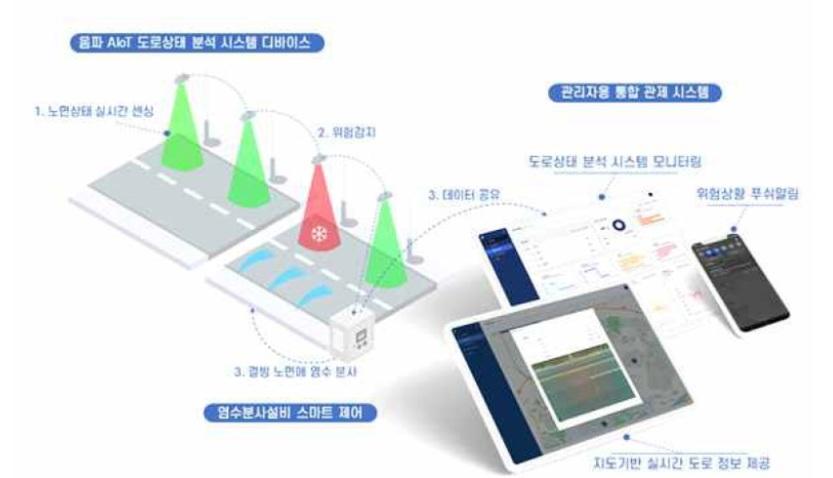
Daejeon, South Korea, has launched a pilot platform using AI-analyzed ultrasonic sensors to detect hazardous road conditions like black ice in real time. Installed at six high-risk locations, the system enables rapid response and aims to prevent traffic accidents by providing early warnings and automating safety measures.[AI generated]

Why's our monitor labelling this an incident or hazard?

An AI system is explicitly involved, analyzing ultrasonic signals to detect hazardous road conditions. The use of this AI system directly contributes to preventing harm to people by enabling early detection and response to black ice, a major cause of winter traffic accidents. Since the AI system's use is linked to reducing injury risk and improving safety, this qualifies as an AI Incident under the definition of harm to health of persons resulting from the use of an AI system.[AI generated]
Industries
Mobility and autonomous vehicles

Severity
AI incident

Business function:
Monitoring and quality control

AI system task:
Event/anomaly detection


Articles about this incident or hazard

Thumbnail Image

"음파 신호로 블랙아이스 찾는다" 대전시, 스마트 도로 관리 | 연합뉴스

2025-12-15
연합뉴스
Why's our monitor labelling this an incident or hazard?
An AI system is explicitly involved, analyzing ultrasonic signals to detect hazardous road conditions. The use of this AI system directly contributes to preventing harm to people by enabling early detection and response to black ice, a major cause of winter traffic accidents. Since the AI system's use is linked to reducing injury risk and improving safety, this qualifies as an AI Incident under the definition of harm to health of persons resulting from the use of an AI system.
Thumbnail Image

"음파로 겨울철 블랙아이스 잡는다"···대전서 시범 운영

2025-12-16
경향신문
Why's our monitor labelling this an incident or hazard?
The system explicitly uses AI to analyze ultrasonic sensor data for detecting hazardous road conditions, which directly relates to AI system use. However, the article describes a pilot deployment aimed at preventing harm rather than an incident where harm has occurred. Since the AI system's use could plausibly prevent or cause harm in the future but no harm is reported as having occurred, this qualifies as an AI Hazard rather than an AI Incident. It is not merely complementary information because the focus is on the system's deployment and its potential to impact safety, not on responses or updates to past incidents.
Thumbnail Image

'겨울 도로 위 암살자' 블랙아이스, 음파 신호로 찾는다 | 한국일보

2025-12-16
한국일보
Why's our monitor labelling this an incident or hazard?
An AI system is explicitly involved, as the acoustic signals are analyzed by AI to classify road conditions. The use of this AI system directly contributes to preventing harm by enabling early detection of dangerous black ice conditions, which are a major cause of traffic accidents. Since the system is operational and intended to reduce injury and harm to people by improving road safety, this qualifies as an AI Incident under the definition of harm to health and safety of persons resulting from the use of an AI system.
Thumbnail Image

대전시, 음파 AloT 센서 기반 스마트 도로 관리 플랫폼 시범 운영 - 전국 | 기사 - 더팩트

2025-12-16
더팩트
Why's our monitor labelling this an incident or hazard?
The event involves the use of an AI system (AIoT sensor with AI analysis) in real-time monitoring and management of road conditions to prevent traffic accidents caused by hazards like black ice. The AI system's use directly aims to reduce injury or harm to people by enabling timely interventions. Since the AI system is actively deployed and used to manage real-world risks that can cause harm, this qualifies as an AI Incident under the definition of harm to health of persons resulting from the use of an AI system.
Thumbnail Image

대전시 음파 센서로 겨울철 블랙아이스 잡는다 - 내외일보

2025-12-15
내외일보
Why's our monitor labelling this an incident or hazard?
The event involves an AI system actively used for road safety monitoring and hazard detection, which could plausibly prevent injury or harm to people by enabling early warnings and responses to dangerous road conditions. However, the article does not report any actual harm or malfunction caused by the AI system, nor any violation of rights or other harms. The focus is on the deployment and expected benefits of the AI system, making it a case of potential harm prevention rather than an incident or hazard of harm caused by AI. Thus, it is best classified as Complementary Information, providing context on AI deployment and its societal safety benefits without describing an AI Incident or AI Hazard.
Thumbnail Image

음파 센서로 겨울철 블랙아이스 잡는다

2025-12-15
데일리한국
Why's our monitor labelling this an incident or hazard?
The event involves an AI system explicitly described as analyzing ultrasonic sensor data to detect hazardous road conditions like black ice, which is a major cause of winter traffic accidents. The AI's role in real-time detection and classification of road safety levels directly supports preventing injury or harm to people, fulfilling the criteria for an AI Incident. The system is in active use and has a direct impact on safety management, not merely a potential or future risk, nor is it just complementary information about AI. Hence, it is classified as an AI Incident.
Thumbnail Image

음파 센서로 블랙아이스 잡는다...터널 입구, 급커브에 위험 경고 | 중앙일보

2025-12-16
중앙일보
Why's our monitor labelling this an incident or hazard?
The event involves the use of an AI system (AI analyzing ultrasonic sensor data) in a safety-critical application to detect hazardous road conditions that directly threaten human life and health. The AI system's use is intended to prevent injury or harm by providing real-time warnings and enabling timely interventions. Since the AI system is actively used to mitigate a known hazard that causes injury (black ice leading to traffic accidents), and the article describes its deployment and operational use, this qualifies as an AI Incident due to the direct link between AI use and harm prevention in a critical infrastructure context (road safety).
Thumbnail Image

대전시, '음파'로 도로 위 블랙아이스 잡는다

2025-12-16
뉴스핌
Why's our monitor labelling this an incident or hazard?
The ultrasonic sensor system uses AI to analyze road conditions and detect black ice, a hazardous condition that can cause accidents and injuries. The system's deployment in high-risk areas and its integration with response mechanisms (e.g., alerts, de-icing) directly addresses a safety hazard, thereby preventing injury or harm to people. Since the AI system's use is directly linked to managing a physical safety risk and preventing harm, this event meets the criteria for an AI Incident under harm category (a) injury or harm to persons.
Thumbnail Image

대전시, 음파 기반 AIoT 도로관리 플랫폼 시범 운영

2025-12-16
pressian.com
Why's our monitor labelling this an incident or hazard?
An AI system is explicitly involved as it analyzes ultrasonic sensor data to classify road surface conditions, including hazardous black ice. The system's use directly contributes to preventing harm by enabling early detection and response to dangerous road conditions, which can reduce traffic accidents and injuries. Therefore, the event involves the use of an AI system that directly leads to harm prevention, qualifying it as an AI Incident under the definition of harm to health and safety of people.