Japan Develops AI-Powered Drones to Track Bears for Public Safety

Thumbnail Image

The information displayed in the AIM should not be reported as representing the official views of the OECD or of its member countries.

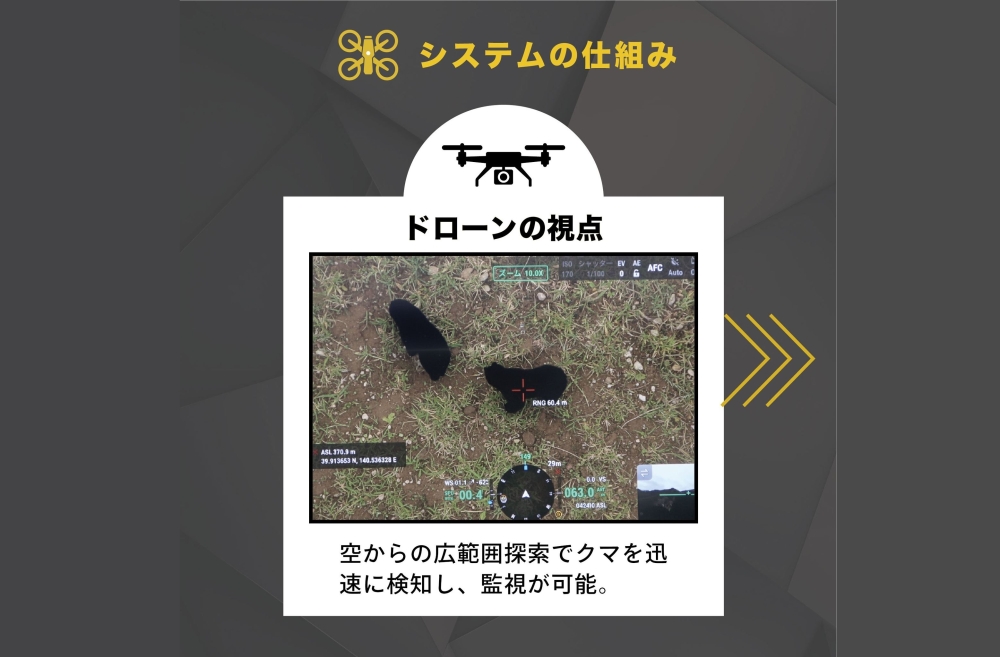
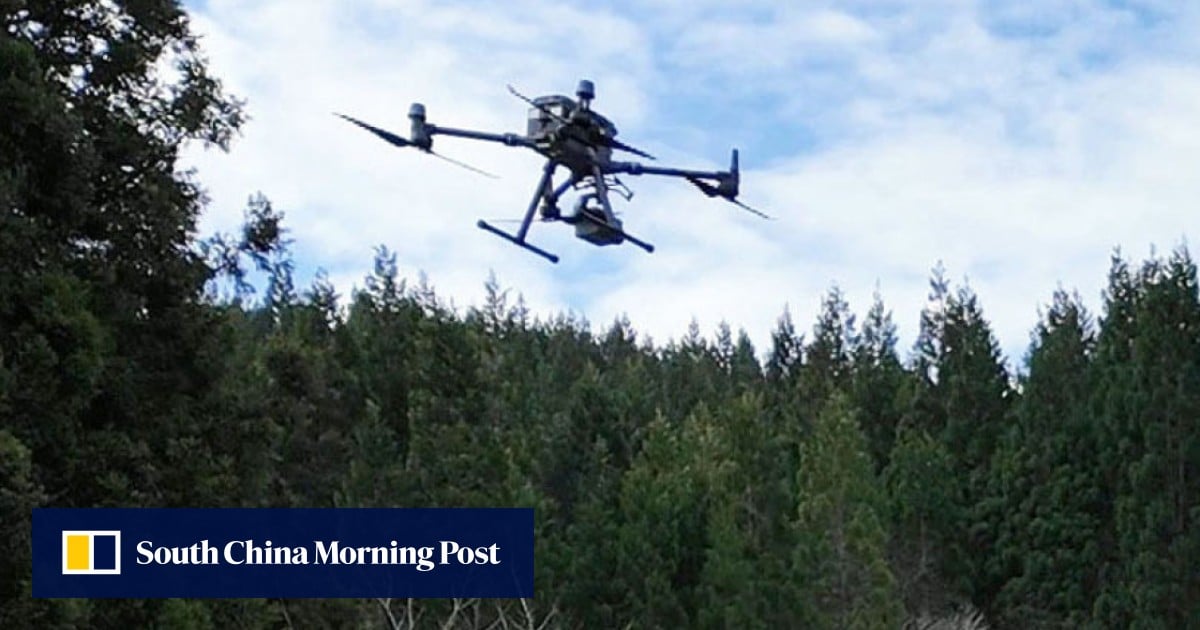
D-Academy Tohoku in Akita Prefecture, Japan, is developing an AI-powered drone system to identify and autonomously track bears amid rising bear-related incidents. The system, expected by 2026, aims to enhance public safety by providing early detection and real-time location data to authorities and residents.[AI generated]

Why's our monitor labelling this an incident or hazard?

The article clearly involves an AI system used for detection and tracking of bears, which is intended to prevent harm to humans and animals by enabling early warning and response. Since the system is not yet deployed and no harm has occurred, but the AI system's use could plausibly lead to prevention of harm or, conversely, if malfunctioning, could lead to harm, this qualifies as an AI Hazard. There is no indication of realized harm or incident at this stage, so it is not an AI Incident. The article is not merely complementary information about past incidents or governance responses, nor is it unrelated to AI systems.[AI generated]
Industries
Government, security, and defenceRobots, sensors, and IT hardware

Severity
AI hazard

Business function:
Monitoring and quality controlCitizen/customer service

AI system task:
Recognition/object detection


Articles about this incident or hazard

Thumbnail Image

Bear aware: Japanese drone school develops AI system to track animals

2025-12-20
South China Morning Post
Why's our monitor labelling this an incident or hazard?
The AI system is explicitly mentioned as analyzing images to detect bears and enabling autonomous tracking. However, there is no report of any injury, violation of rights, disruption, or harm caused by the system. The system is still under development and expected to be available next year, so no harm has occurred yet. While the system could plausibly lead to benefits or risks in the future, the article does not indicate any credible or imminent risk of harm. Therefore, this event is best classified as Complementary Information, as it provides context on AI development and potential applications without describing an incident or hazard.
Thumbnail Image

Japan drone school developing AI bear detection system

2025-12-20
The Straits Times
Why's our monitor labelling this an incident or hazard?
The article details the creation of an AI-powered drone system designed to detect bears and prevent harmful encounters, which is a proactive safety measure. Since the system is not yet deployed and no harm has occurred, it does not qualify as an AI Incident. There is no indication of plausible future harm caused by the AI system itself; instead, it aims to reduce harm. The event is primarily about the development and intended use of AI technology, without any realized or potential harm from the AI system. Thus, it fits best as Complementary Information, providing context on AI applications and their societal benefits.
Thumbnail Image

Bearly hidden: Japan's drone school pioneers AI eyes to spot and track elusive bears from above

2025-12-21
Malay Mail
Why's our monitor labelling this an incident or hazard?
The article clearly involves an AI system used for detection and tracking of bears, which is intended to prevent harm to humans and animals by enabling early warning and response. Since the system is not yet deployed and no harm has occurred, but the AI system's use could plausibly lead to prevention of harm or, conversely, if malfunctioning, could lead to harm, this qualifies as an AI Hazard. There is no indication of realized harm or incident at this stage, so it is not an AI Incident. The article is not merely complementary information about past incidents or governance responses, nor is it unrelated to AI systems.
Thumbnail Image

Japan drone school developing AI bear detection system

2025-12-21
Kyodo News+
Why's our monitor labelling this an incident or hazard?
The article details the development and future deployment of an AI-powered drone system intended to reduce harm by early detection of bears, which could plausibly prevent injury or harm to people and animals. Since no actual harm or incident has occurred yet, and the system is not yet in operational use, this qualifies as an AI Hazard due to the plausible future risk mitigation and potential impact. There is no indication of realized harm or incident, so it is not an AI Incident. It is more than just complementary information because it focuses on the development and potential use of the AI system with implications for safety.
Thumbnail Image

Japanese Drone School Develops AI-Powered System to Track Bears

2025-12-21
Head Topics
Why's our monitor labelling this an incident or hazard?
The article clearly involves an AI system (AI-powered drones with autonomous tracking capabilities). The system is currently in development and not yet deployed, so no direct or indirect harm has occurred. The AI system's intended use is to enhance safety and reduce harm, not to cause it. Therefore, this event does not qualify as an AI Incident. However, because the AI system could plausibly lead to harm in the future if it malfunctions or is misused (e.g., incorrect identification leading to unnecessary culling or public panic), it fits the definition of an AI Hazard. The article does not focus on responses to past incidents or broader governance issues, so it is not Complementary Information. It is not unrelated as it clearly involves AI and potential impacts.