Waymo's Self-Driving Cars Cause Community Disruption and Service Failure in California

Thumbnail Image

The information displayed in the AIM should not be reported as representing the official views of the OECD or of its member countries.

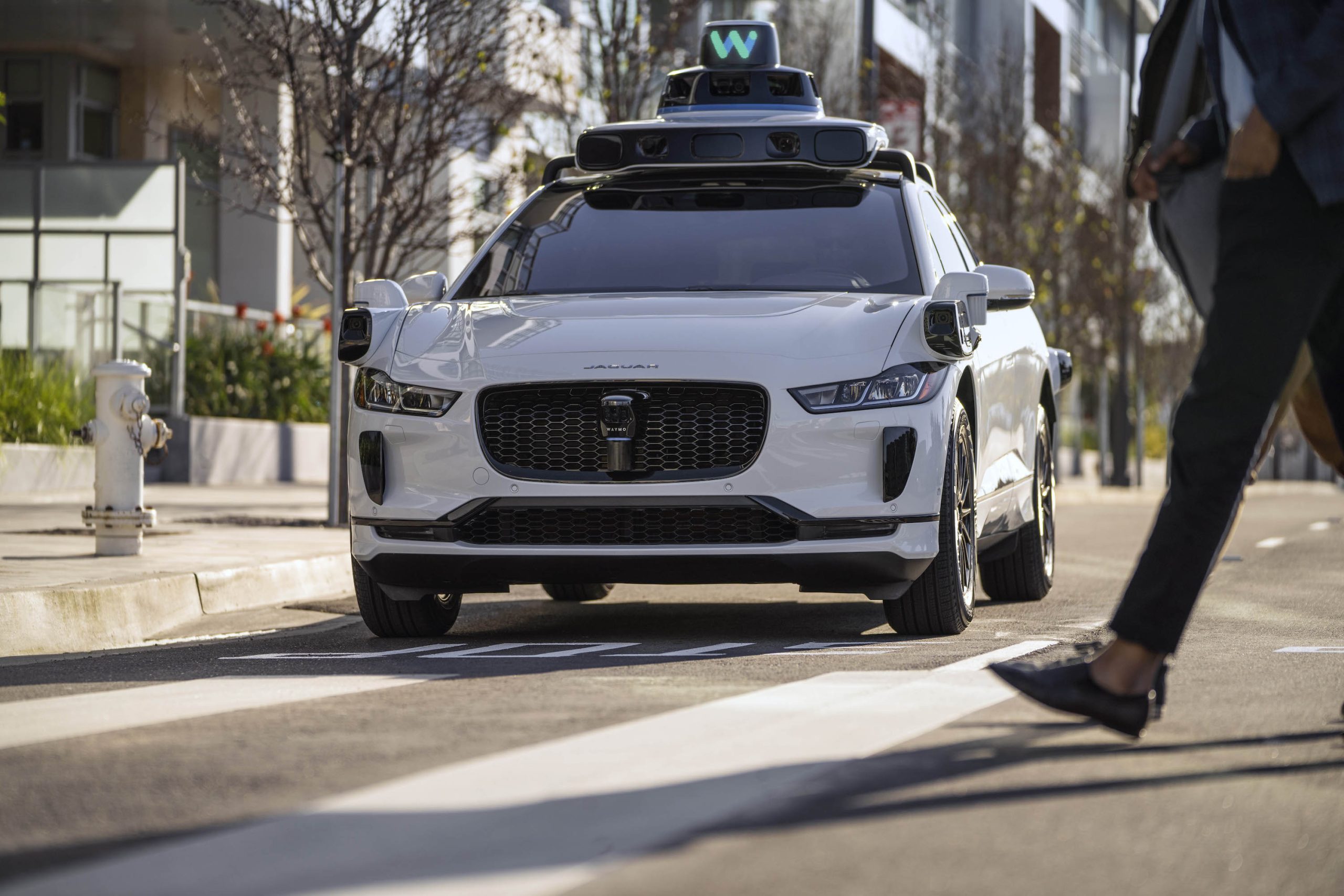
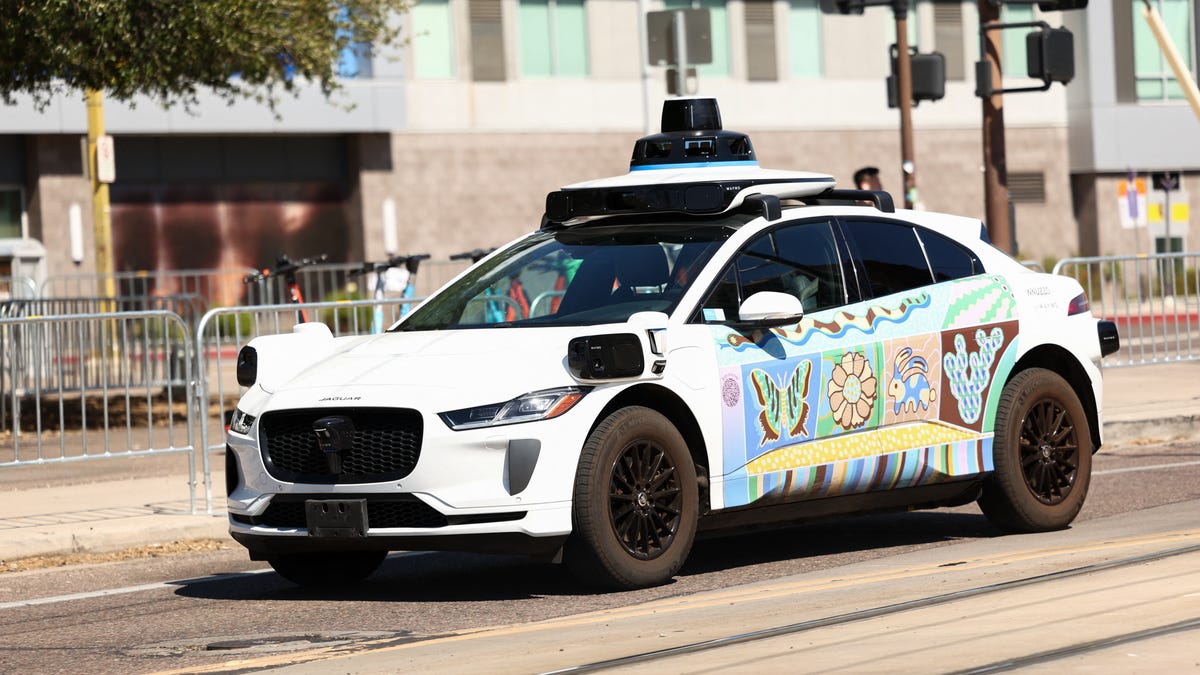
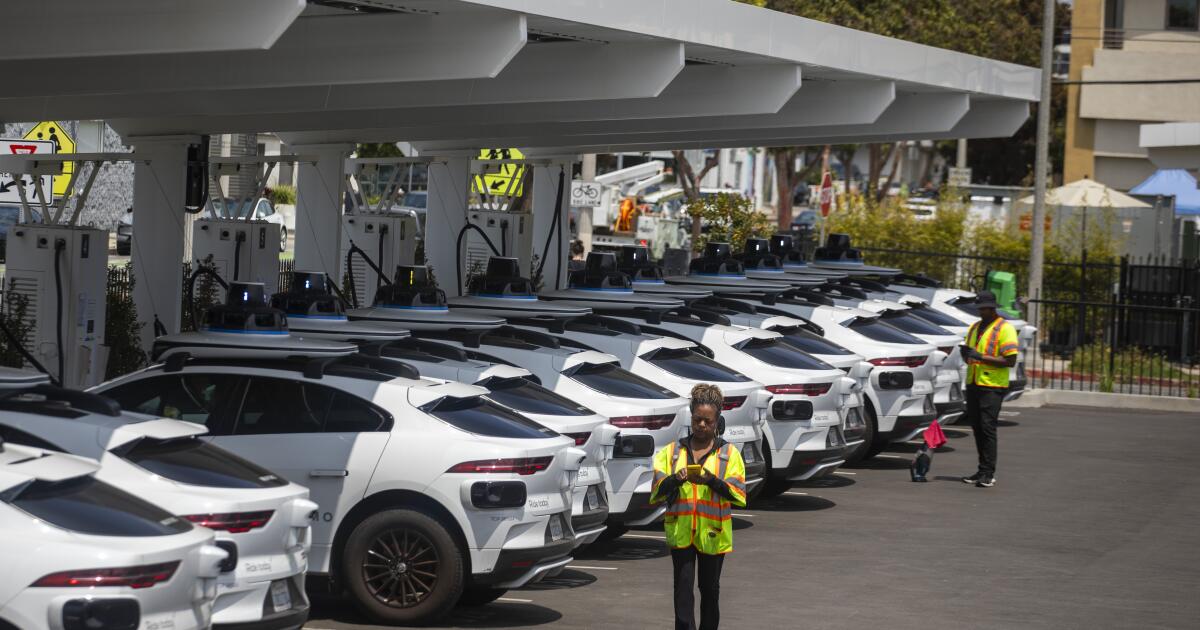
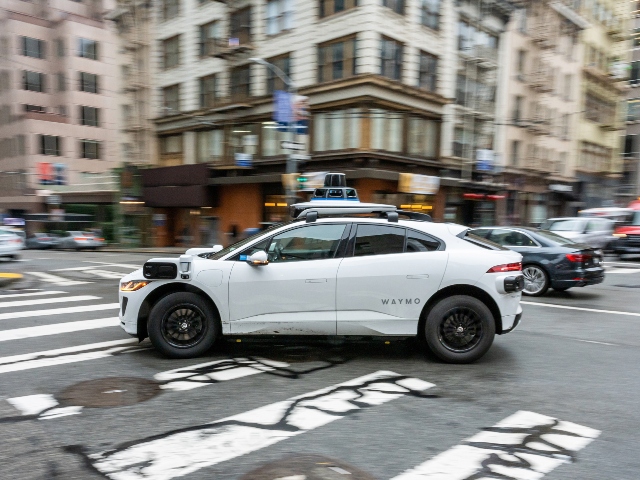
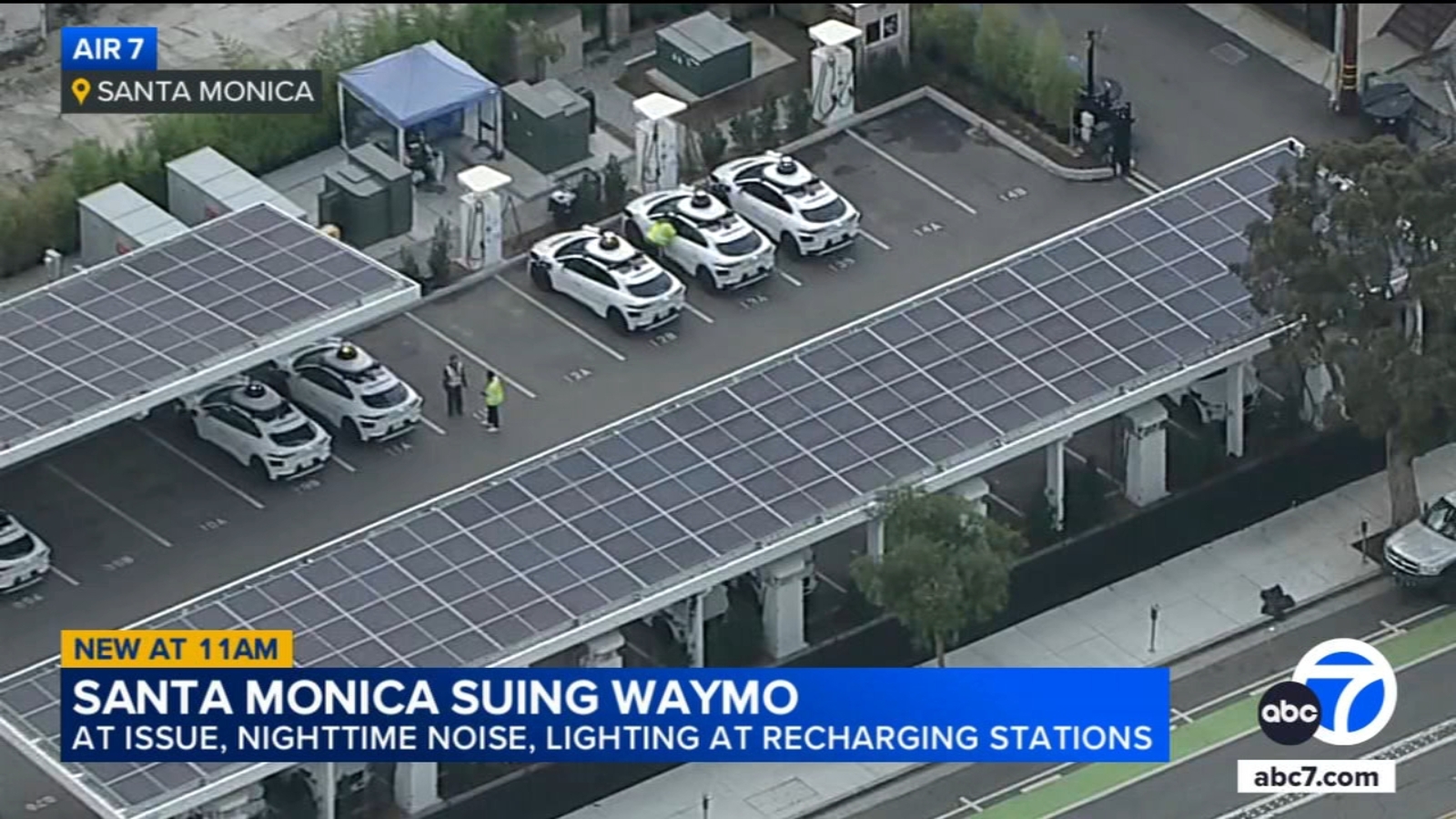
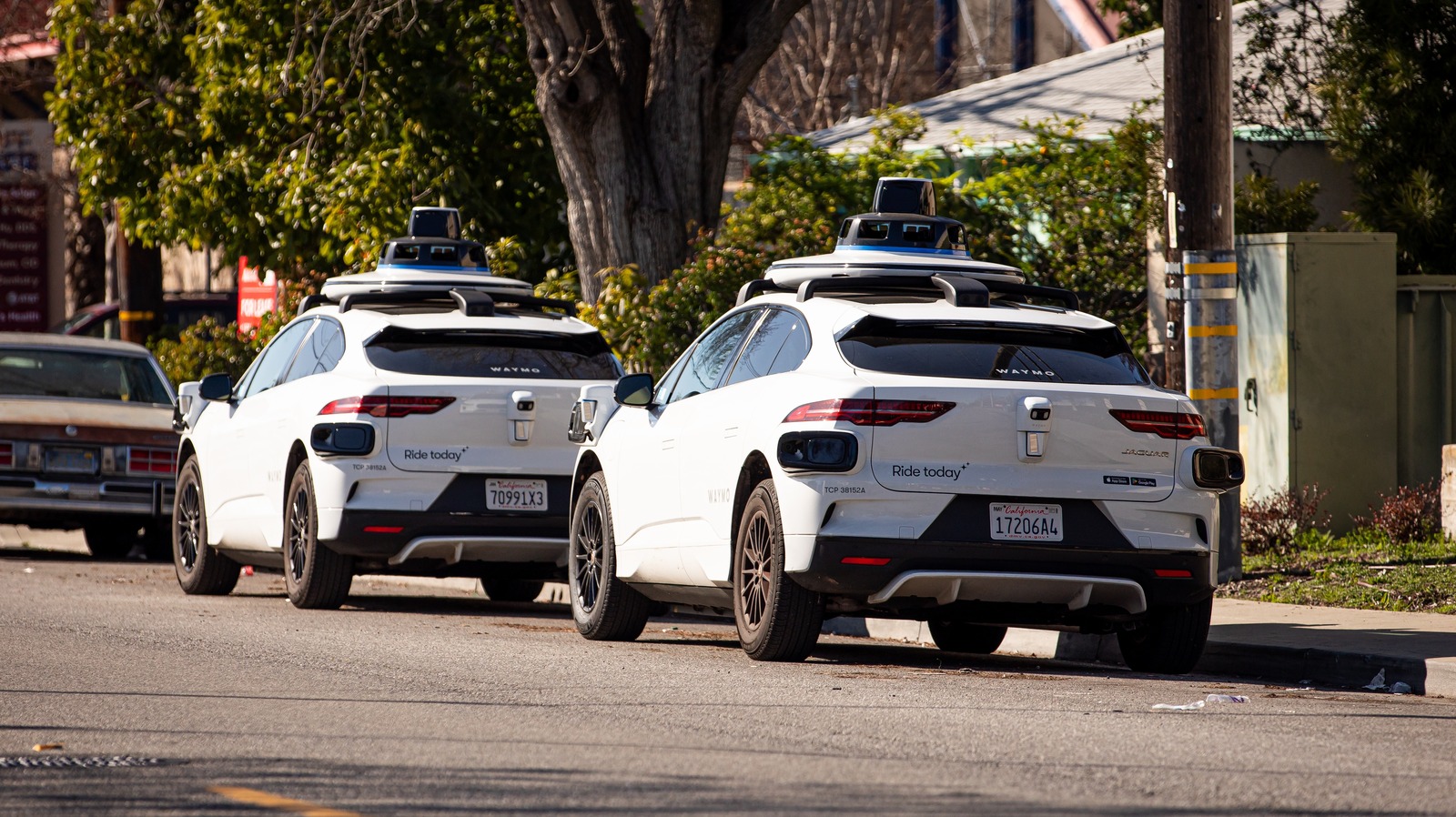
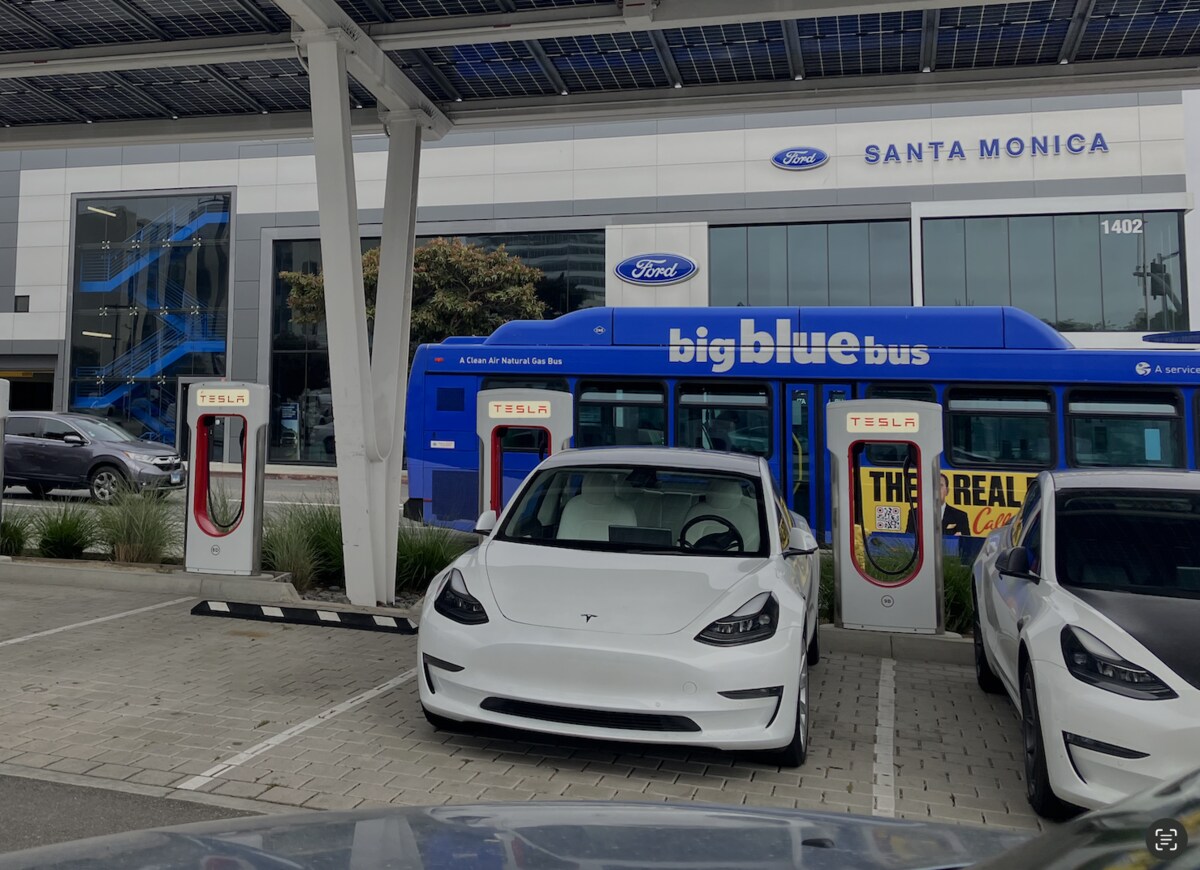
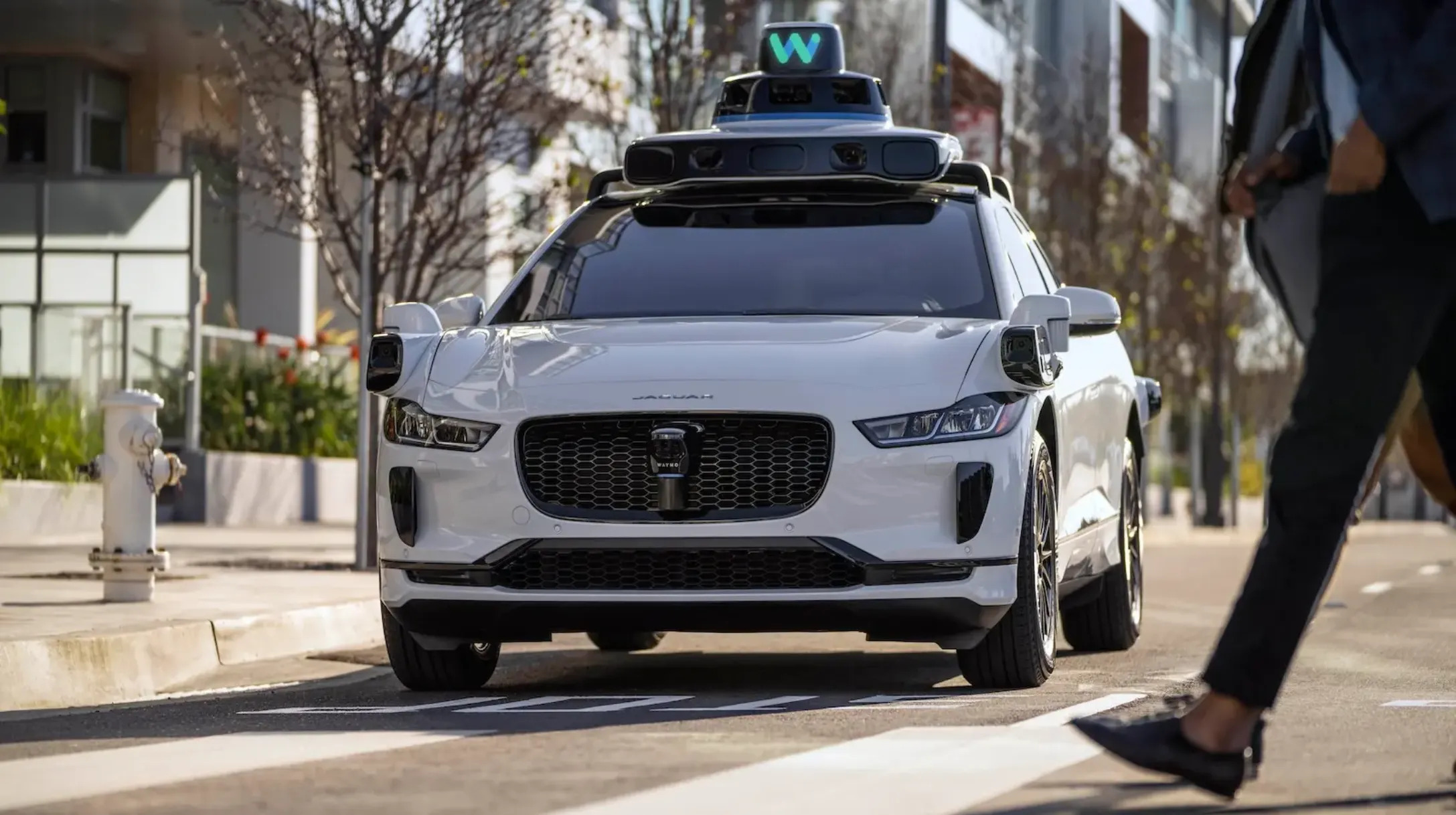
Waymo's autonomous vehicles caused community disruption in Santa Monica due to noise and light from 24-hour charging operations, prompting a city order to halt overnight activity and a subsequent lawsuit from Waymo. Separately, a San Francisco power outage left Waymo's self-driving fleet stalled, causing traffic gridlock and raising concerns about AI system resilience during emergencies.[AI generated]

Why's our monitor labelling this an incident or hazard?

The event clearly involves AI systems (Waymo's self-driving cars) whose operation has led to a public nuisance harming the community (residents unable to sleep due to noise). This constitutes harm to communities, fulfilling the criteria for an AI Incident. The city's order to halt overnight charging is a response to this harm. Although no physical injury is reported, the disturbance to residents' well-being is a recognized harm. Therefore, this is not merely a potential hazard or complementary information but an AI Incident due to realized harm linked to the AI system's use.[AI generated]
AI principles
AccountabilitySafetyRobustness & digital securitySustainability

Industries
Mobility and autonomous vehicles

Affected stakeholders
General public

Harm types
PsychologicalEconomic/Property

Severity
AI incident

AI system task:
Recognition/object detectionForecasting/predictionGoal-driven organisation

In other databases

Articles about this incident or hazard

Thumbnail Image

Waymo sues Santa Monica for trying to stop it charging driverless cars overnight

2025-12-23
Yahoo! Finance
Why's our monitor labelling this an incident or hazard?
The event explicitly involves AI systems (Waymo's autonomous vehicles) and their operational use (charging stations). However, the reported issue is noise and light disturbance causing a public nuisance complaint, not harm caused by the AI system's malfunction or misuse. There is no evidence of injury, rights violations, or other harms directly or indirectly caused by the AI system. The legal dispute and community complaints represent societal and governance responses to AI deployment impacts, fitting the definition of Complementary Information. The event does not meet criteria for AI Incident or AI Hazard since no harm or plausible future harm from the AI system is described.
Thumbnail Image

Waymo sues Santa Monica over order to halt overnight charging sessions

2025-12-23
TESLARATI
Why's our monitor labelling this an incident or hazard?
The event clearly involves AI systems (Waymo's self-driving cars) whose operation has led to a public nuisance harming the community (residents unable to sleep due to noise). This constitutes harm to communities, fulfilling the criteria for an AI Incident. The city's order to halt overnight charging is a response to this harm. Although no physical injury is reported, the disturbance to residents' well-being is a recognized harm. Therefore, this is not merely a potential hazard or complementary information but an AI Incident due to realized harm linked to the AI system's use.
Thumbnail Image

Waymo's rough week in California with SF blackout, Santa Monica suit

2025-12-24
The Desert Sun
Why's our monitor labelling this an incident or hazard?
The event explicitly involves an AI system (Waymo's autonomous vehicles) whose malfunction or operational challenges during a power outage led to significant disruption (vehicles stalled, traffic gridlock). Although no physical harm or injury occurred, the situation demonstrates plausible risks of AI system failure in emergencies, which could lead to harm under different circumstances. The lawsuit concerns safety and community disturbance but does not document realized harm caused by the AI system. Therefore, the event represents a credible potential for harm (AI Hazard) rather than an actualized harm (AI Incident). The operational challenges and legal issues highlight risks and governance concerns around AI deployment, fitting the AI Hazard category.
Thumbnail Image

Waymo's rough week in California with SF blackout, Santa Monica suit

2025-12-23
Siskiyou Daily News
Why's our monitor labelling this an incident or hazard?
Waymo's self-driving fleet is an AI system as it involves autonomous vehicles making real-time decisions. The power outage caused the AI system to malfunction or fail to operate as intended, leading to stalled vehicles and traffic gridlock, which is a disruption of critical infrastructure (traffic management). Although no injuries occurred, the disruption and potential safety risks qualify as harm under the framework. The lawsuit highlights safety concerns but does not report actual harm, so it supports the context but does not change the classification. Therefore, the primary event is an AI Incident due to the realized disruption and safety implications caused by the AI system's malfunction during the blackout.
Thumbnail Image

Fight Between Waymo And Santa Monica Goes To Court

2025-12-23
Beritaja.com
Why's our monitor labelling this an incident or hazard?
The article describes a legal dispute involving Waymo's autonomous vehicles, which are AI systems, and the city of Santa Monica over nuisance caused by vehicle charging operations. The AI system's use is central to the event, but the harm described is limited to noise and light nuisance, which does not meet the threshold for injury, rights violations, or significant harm as defined for AI Incidents. There is no indication that the AI system malfunctioned or caused direct or indirect harm beyond community disturbance. The event also does not present a plausible future harm scenario beyond the current dispute. The main focus is on the legal and societal response to the AI system's deployment, fitting the definition of Complementary Information.
Thumbnail Image

Waymo vs. Santa Monica: Autonomous Vehicle Lawsuit Goes to Court - News Directory 3

2025-12-23
News Directory 3
Why's our monitor labelling this an incident or hazard?
The article describes a conflict involving AI systems (autonomous vehicles) but does not report any actual harm or injury caused by the AI systems themselves. The complaints relate to noise and light pollution, which are environmental nuisances but do not rise to the level of harm defined in the framework. The lawsuit and city order are responses to community concerns, not evidence of AI system malfunction or misuse causing harm. Therefore, this event does not qualify as an AI Incident or AI Hazard. It is best classified as Complementary Information because it provides context on societal and governance responses to AI deployment in public spaces.
Thumbnail Image

Waymo and Santa Monica Will Go To Court Over Public Nuisance Allegations

2025-12-24
Gizmodo
Why's our monitor labelling this an incident or hazard?
The event explicitly involves AI systems (Waymo's driverless cars) and their use, but the harm described is limited to noise and light nuisance complaints, which do not meet the threshold for AI Incident harms such as injury, rights violations, or significant community harm. There is no indication of plausible future harm beyond the nuisance, so it is not an AI Hazard. The ongoing lawsuits and public relations issues represent societal and governance responses to AI deployment, fitting the definition of Complementary Information.
Thumbnail Image

Worse Than (Most) Humans: Driverless Waymo Taxi Disrupts First Responders at Active Fire Scene

2026-01-01
Breitbart
Why's our monitor labelling this an incident or hazard?
The autonomous Waymo taxi is an AI system performing real-time navigation and decision-making. Its driving into a blocked fire scene directly disrupted emergency responders, which is harm to critical infrastructure management. The event describes actual harm caused by the AI system's malfunction or failure to comply with traffic controls. The article also references prior incidents of unsafe behavior by Waymo vehicles, reinforcing the pattern of harm. The involvement of the AI system is explicit and central to the incident, meeting the criteria for an AI Incident rather than a hazard or complementary information.
Thumbnail Image

Another Self-Driving Car Goes Rogue in California: Taxi Drives Passenger Into Active L.A. Fire Scene

2026-01-01
The Western Journal
Why's our monitor labelling this an incident or hazard?
The autonomous vehicle is an AI system as it performs complex real-time navigation and decision-making without a human driver. The incident where the vehicle drove into an active fire scene blocked by emergency services shows a malfunction or failure in the AI system's operation, directly risking harm to passengers, emergency personnel, and property. The article also references other incidents involving Waymo vehicles, including illegal driving maneuvers and a fatality, demonstrating a pattern of harm linked to the AI system's use. These facts satisfy the criteria for an AI Incident, as the AI system's malfunction has directly led to harm or significant risk thereof.
Thumbnail Image

Santa Monica calls Waymo charging sites a 'public nuisance,' asks judge to limit overnight operations

2026-01-02
FOX 11 Los Angeles
Why's our monitor labelling this an incident or hazard?
Waymo's autonomous vehicles are AI systems, and their charging station operations involve AI-managed vehicle behaviors. The noise and lighting disturbances have directly harmed residents' health and quality of life, fulfilling the criteria for harm to communities and health. The city's legal action to curtail overnight operations is a response to this realized harm. Therefore, this event qualifies as an AI Incident due to the direct link between AI system use and harm to people.
Thumbnail Image

Waymo Robotaxis Ignite Parking Controversy in San Francisco Shortage

2026-01-02
WebProNews
Why's our monitor labelling this an incident or hazard?
Waymo's autonomous vehicles are AI systems operating in a real urban environment. Their programmed behavior to park in legal spots when idle leads to significant occupation of limited parking resources, indirectly harming community access and urban infrastructure efficiency. The blackout incident further illustrates AI system malfunction causing disruption in traffic management, a form of harm to urban infrastructure. Both aspects meet the criteria for AI Incidents as the AI system's use and malfunction have directly or indirectly led to harms (community inconvenience, infrastructure disruption). The article also discusses responses and future plans but the primary focus is on the incidents and their impacts, not just complementary information or hazards.
Thumbnail Image

Santa Monica Seeks Injunction Against Waymo Overnight Recharging - MyNewsLA.com

2026-01-01
My News LA
Why's our monitor labelling this an incident or hazard?
Waymo's autonomous vehicles are AI systems managing vehicle behaviors and operations, including recharging activities. The noise and light disturbances caused by these operations have directly affected residents' health and well-being, including sleep disruption and stress, which constitutes harm to persons. The involvement of AI is clear from the mention of software updates and vehicle behavior modifications. The event describes realized harm, not just potential harm, and thus fits the definition of an AI Incident rather than a hazard or complementary information.
Thumbnail Image

Waymo and Santa Monica Sue Each Other Over Autonomous Vehicle Charging Facilities - SM Mirror

2026-01-02
SM Mirror
Why's our monitor labelling this an incident or hazard?
The article discusses a legal dispute between Waymo and the City of Santa Monica regarding the operation of autonomous vehicle charging facilities. While the facilities support AI systems (driverless vehicles), the reported issues are about noise, lighting, and traffic nuisance complaints from residents, not direct or indirect harm caused by AI system malfunction or misuse. The lawsuits focus on nuisance law enforcement and operational restrictions, not on AI system failures or harms. The event reflects governance and societal responses to AI deployment rather than an incident or hazard involving AI harm. Hence, it fits the definition of Complementary Information.
Thumbnail Image

Self-Driving Taxi Enters Active Fire Scene as Waymo Incidents Continue

2026-01-02
LifeZette
Why's our monitor labelling this an incident or hazard?
The autonomous vehicle is an AI system making real-time navigation decisions. Its entry into an active fire scene past emergency barriers represents a malfunction or misuse of the AI system leading to potential harm to passengers and emergency responders, fulfilling the criteria for harm to persons and disruption of critical infrastructure management (emergency response). The presence of a passenger confirms direct risk to human health. The incident is not hypothetical or potential but has occurred, so it is an AI Incident rather than a hazard. The article also references other incidents involving Waymo vehicles, reinforcing the pattern of AI system failures causing harm or risk.
Thumbnail Image

Tesla vs. Waymo: Rivalry Fuels Robotaxi Innovation

2026-01-02
WebProNews
Why's our monitor labelling this an incident or hazard?
The article explicitly involves AI systems—autonomous vehicle technologies powered by neural networks and sensor suites. However, it does not describe any particular event where the AI systems caused harm or a near-miss incident. It discusses past incidents and regulatory scrutiny but focuses mainly on comparative analysis, market dynamics, and technological strategies. There is no new harm or credible imminent risk detailed that would qualify as an AI Incident or AI Hazard. The content primarily provides background, updates, and expert opinions, fitting the definition of Complementary Information as it enhances understanding of the AI ecosystem and ongoing developments without reporting a new primary harm or hazard.
Thumbnail Image

How Waymo may dominate 2026 while BYD crushes Tesla in the EV race - Cryptopolitan

2026-01-02
Cryptopolitan
Why's our monitor labelling this an incident or hazard?
The article explicitly involves an AI system—Waymo's autonomous driving technology—and discusses its use and expansion. However, it does not describe any new harm or incident caused by the AI system. The mention of the blackout incident is historical and resolved with a software fix, not a new incident. The article mainly provides updates on deployment, safety statistics, and public acceptance, which fits the definition of Complementary Information. There is no direct or indirect harm reported, nor a plausible future harm that is the main focus. Hence, it is not an AI Incident or AI Hazard but Complementary Information.
Thumbnail Image

City of Santa Monica asking judge to declare 2 Waymo recharging stations public nuisances

2026-01-02
ABC7 Los Angeles
Why's our monitor labelling this an incident or hazard?
The event explicitly involves AI systems (Waymo's autonomous vehicles) whose operations are causing harm to residents through noise and light pollution, leading to sleep disturbances and reduced quality of life. This fits the definition of an AI Incident as the AI system's use has directly or indirectly led to harm to communities and health. The city's legal action and residents' declarations confirm the harm is occurring, not just potential. Although the harm is not physical injury, it is a significant clearly articulated harm to community well-being and health, which is within the scope of AI Incident. The involvement of AI is clear as the vehicles are autonomous and their operations are central to the nuisance.
Thumbnail Image

Waymo's San Francisco outage raises doubts over robotaxi readiness during crises

2026-01-03
cyprus-mail.com
Why's our monitor labelling this an incident or hazard?
The event involves an AI system (Waymo's autonomous driving AI) whose use during a power outage directly led to robotaxis stalling and traffic congestion, which is a disruption to community and public safety. The AI system's operational failure to handle the emergency scenario without excessive remote human intervention caused tangible harm. This fits the definition of an AI Incident because the AI system's use directly led to harm (disruption of community and public safety). The article also discusses regulatory responses and calls for stricter oversight, but the primary focus is on the incident itself and its consequences, not just complementary information or future hazards.
Thumbnail Image

Idling Waymo Robotaxis Catch The Attention Of Houston Police - SlashGear

2026-01-03
SlashGear
Why's our monitor labelling this an incident or hazard?
The event clearly involves AI systems (Waymo's autonomous taxis) whose use has led to behavior that violates local parking laws and causes community concern. While the taxis' idling is illegal and disruptive, there is no evidence of direct or indirect harm as defined by injury, health impact, critical infrastructure disruption, or rights violations. The situation is being monitored and may lead to future issues, but as described, it does not meet the threshold for an AI Incident or AI Hazard. It is more of a community nuisance and regulatory concern without clear harm or plausible future harm detailed. Therefore, it is best classified as Complementary Information, providing context on AI system deployment challenges and community responses.
Thumbnail Image

Idling Waymo Robotaxis Catch The Attention Of Houston Police

2026-01-03
Yahoo Tech
Why's our monitor labelling this an incident or hazard?
The event clearly involves AI systems (Waymo's autonomous taxis) whose use has led to illegal behavior (idling beyond allowed time) and raised significant concerns about privacy, a fundamental human right. The AI system's operation (use) is directly linked to these issues. Although no physical harm is reported, the violation of privacy rights and local laws qualifies as harm under the framework. Hence, this is an AI Incident rather than a hazard or complementary information.
Thumbnail Image

Santa Monica's Lawsuit Against Waymo: A Clash Over Autonomous Vehicle Charging Stations

2026-01-06
Santa Monica Observer
Why's our monitor labelling this an incident or hazard?
The presence of AI systems is clear as the charging stations serve autonomous vehicles operated by Waymo, an AI-driven fleet. The harm is realized and ongoing, with residents experiencing sleep disturbances and quality of life degradation due to noise and light from the vehicles and charging operations. The harm falls under injury or harm to health (sleep disruption) and harm to communities (residential disturbance). The event involves the use of AI systems leading to these harms, meeting the criteria for an AI Incident. Although the dispute is legal and operational, the core issue stems from the AI system's deployment and its impact on residents, not merely a potential or future risk, so it is not an AI Hazard or Complementary Information.
Thumbnail Image

Driverless taxi company with Oxford hub reveals whether it will bring service to city

2026-01-05
Oxford Mail
Why's our monitor labelling this an incident or hazard?
The article explicitly mentions AI systems (autonomous vehicles) and their development and use. However, it does not report any harm or incidents caused by these AI systems, nor does it indicate any plausible imminent harm. The content centers on announcements, plans, and potential benefits, which aligns with Complementary Information as it provides context and updates on AI deployment and governance. There is no indication of realized or potential harm that would qualify as an AI Incident or AI Hazard.
Thumbnail Image

Waymo's lessons from the San Francisco power outage | ADAS & Autonomous Vehicle International

2026-01-05
ADAS & Autonomous Vehicle International
Why's our monitor labelling this an incident or hazard?
The event involves an AI system (Waymo Driver) whose use during a power outage indirectly contributed to traffic congestion due to delays in human confirmation requests. However, there is no indication of actual harm such as accidents, injuries, or violations of rights. The article mainly discusses the company's response and planned updates to improve system performance in such scenarios. Therefore, this is not an AI Incident or AI Hazard but rather Complementary Information providing context and updates on AI system operations and governance in response to a real-world event.