Google DeepMind Co-Founder Warns AI May Eliminate Remote Jobs

Thumbnail Image

The information displayed in the AIM should not be reported as representing the official views of the OECD or of its member countries.

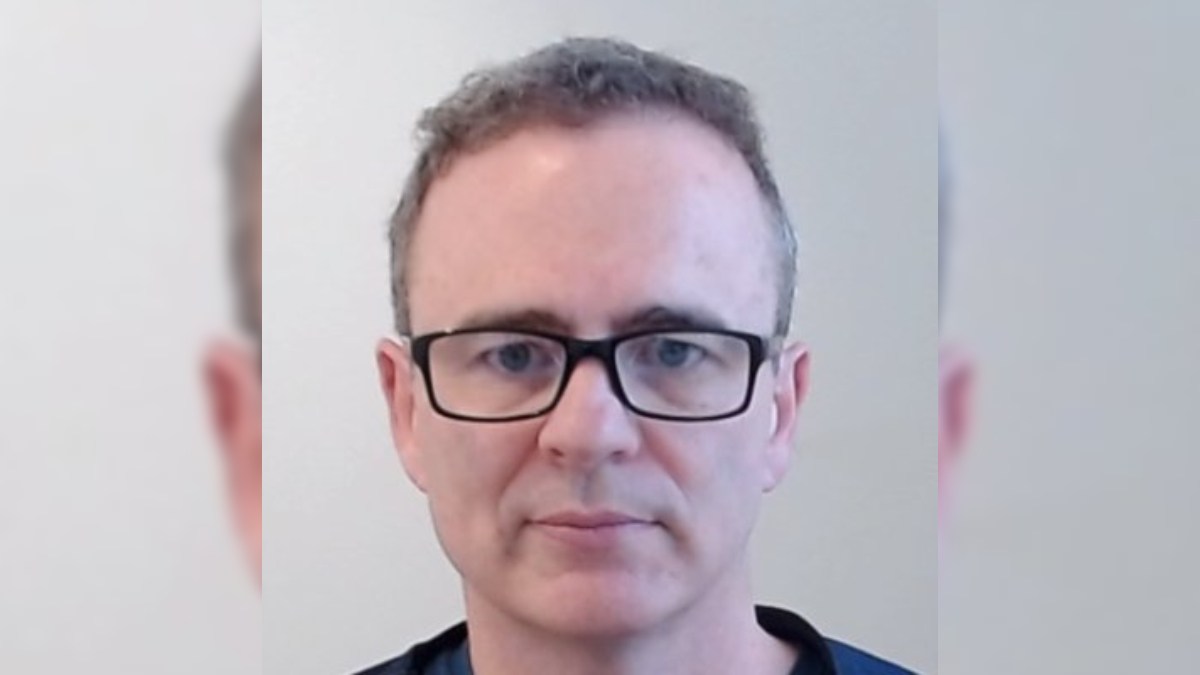
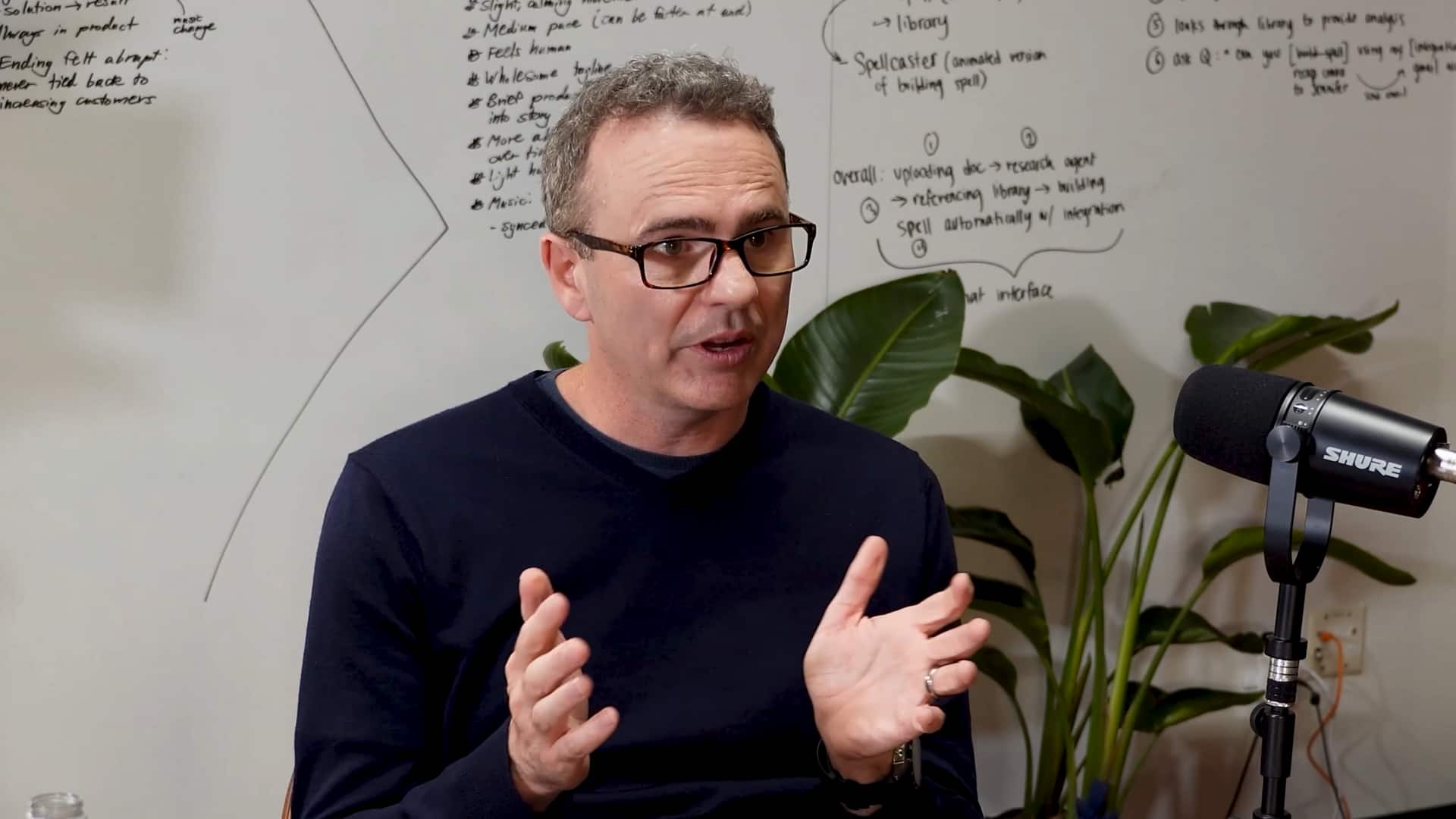
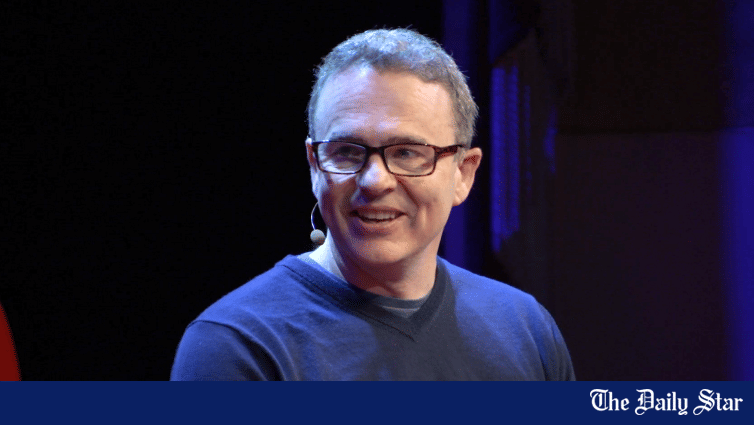
Shane Legg, co-founder of Google DeepMind, warns that advancing AI could eliminate many remote, computer-based jobs within the next decade. He argues that as AI surpasses human capabilities in cognitive tasks, work-from-home roles are particularly at risk, potentially leading to significant economic and employment disruption.[AI generated]

Why's our monitor labelling this an incident or hazard?

The article involves AI systems conceptually and discusses their future capabilities and impacts, but no actual harm or incident has occurred yet. The potential for AI to disrupt remote jobs and economic structures is a credible risk, making this a discussion of plausible future harm. Therefore, it fits the definition of an AI Hazard rather than an AI Incident or Complementary Information, as it focuses on potential future harm rather than responses or past events.[AI generated]
AI principles
Human wellbeing

Industries
Business processes and support services

Affected stakeholders
Workers

Harm types
Economic/Property

Severity
AI hazard


Articles about this incident or hazard

Thumbnail Image

AI going to kill all remote jobs, work from home will no longer exist: Google DeepMind co-founder

2025-12-26
India Today
Why's our monitor labelling this an incident or hazard?
The article involves AI systems conceptually and discusses their future capabilities and impacts, but no actual harm or incident has occurred yet. The potential for AI to disrupt remote jobs and economic structures is a credible risk, making this a discussion of plausible future harm. Therefore, it fits the definition of an AI Hazard rather than an AI Incident or Complementary Information, as it focuses on potential future harm rather than responses or past events.
Thumbnail Image

Google DeepMind Co-Founder, Shane Legg, Says AI Could End Remote Work

2025-12-26
Mashable India
Why's our monitor labelling this an incident or hazard?
The article features Shane Legg's forecast that AI could eliminate many remote cognitive jobs and reshape the economy, which is a plausible future risk but not a realized harm or incident. There is no description of an AI system malfunction, misuse, or harm occurring now or in the past. The content is primarily a speculative expert opinion on AI's potential societal effects, fitting the category of Complementary Information as it informs about broader AI ecosystem implications without reporting a specific AI Incident or Hazard.
Thumbnail Image

AI will end work-from-home, says Google DeepMind Co-Founder Shane Legg

2025-12-27
The Financial Express
Why's our monitor labelling this an incident or hazard?
The article involves AI systems in the context of their future use and impact on employment, specifically remote cognitive jobs. However, it does not report any direct or indirect harm that has already occurred due to AI, nor does it describe a specific event where AI caused injury, rights violations, or other harms. Instead, it presents a forecast and warning about plausible future disruptions and economic changes resulting from AI advancements. Therefore, it fits the definition of an AI Hazard, as it plausibly leads to significant future harm but does not describe an actual incident or realized harm.
Thumbnail Image

AI will end remote jobs and work-from-home culture, warns Google DeepMind co-founder

2025-12-26
Digit
Why's our monitor labelling this an incident or hazard?
The event involves AI systems in the context of their future capabilities and potential economic and social impacts. The co-founder predicts that AI could replace many remote jobs, which implies a plausible risk of harm to employment and economic roles. Since no actual harm has yet occurred and the article focuses on a credible future risk scenario, this fits the definition of an AI Hazard. It is not an AI Incident because no realized harm or incident is reported. It is not Complementary Information because it is not an update or response to a past incident, nor is it unrelated as it directly concerns AI's societal impact.
Thumbnail Image

Can AI replace you? DeepMind co-founder suggests rule to assess

2025-12-28
NewsBytes
Why's our monitor labelling this an incident or hazard?
The content centers on a theoretical rule to evaluate job replacement potential by AI, which is a discussion about plausible future impacts rather than an event involving actual harm or malfunction of an AI system. There is no direct or indirect harm described, nor is there a specific AI system malfunction or misuse leading to harm. Therefore, this is best classified as Complementary Information, as it contributes to understanding AI's societal implications without reporting an incident or hazard.
Thumbnail Image

AI will end remote jobs: bleak warning shatters work-from-home dream

2025-12-27
punemirror.com
Why's our monitor labelling this an incident or hazard?
The article discusses the potential for AI systems to replace many remote jobs in the future, which could plausibly lead to significant harm in terms of job loss and economic disruption. However, no actual harm or incident has yet occurred; the harm is projected and speculative. Therefore, this qualifies as an AI Hazard because it describes a credible risk of future harm stemming from AI development and deployment, but does not report a realized AI Incident or complementary information about responses or updates.
Thumbnail Image

AI will kill remote jobs, end work-from-home, says Google DeepMind co-founder Shane Legg

2025-12-29
The Indian Express
Why's our monitor labelling this an incident or hazard?
The article involves AI systems in the context of their future use and impact on jobs, specifically remote cognitive jobs. However, it only presents forecasts and warnings about potential future harm (job losses, workforce reduction) without any current realized harm or incident. Therefore, it fits the definition of an AI Hazard, as it plausibly could lead to significant harm in the future but does not describe an actual AI Incident or complementary information about responses or updates.
Thumbnail Image

AI will eliminate remote jobs: Google DeepMind co-founder

2025-12-29
The Daily Star
Why's our monitor labelling this an incident or hazard?
The article involves AI systems conceptually, as it discusses AI's capabilities and potential effects on employment. However, it does not describe any realized harm or incident caused by AI, only a forecast of possible future disruption. Therefore, it fits the definition of an AI Hazard, as it plausibly could lead to significant economic and social harm in the future due to job displacement, but no actual incident has occurred yet.
Thumbnail Image

RIP Work From Home? Google DeepMind Co-Founder Explains How AI May Replace Remote Jobs

2025-12-29
NDTV Profit
Why's our monitor labelling this an incident or hazard?
The article involves an AI system conceptually, as it discusses AI's evolving capabilities to perform cognitive tasks and replace human jobs. However, no actual harm has yet occurred; the event is a prediction about potential future impacts. Therefore, it fits the definition of an AI Hazard, as it plausibly could lead to significant harm (job displacement) in the future, but no incident has yet materialized.
Thumbnail Image

Google DeepMind co-founder outlines 'laptop rule' to assess if AI can replace jobs

2025-12-29
storyboard18.com
Why's our monitor labelling this an incident or hazard?
The article focuses on expert opinion and conceptual frameworks regarding AI's potential to replace cognitive jobs and its societal impact. It does not describe any actual AI system causing harm, nor does it report an event where AI has led or could imminently lead to harm. The discussion is forward-looking and advisory, without detailing a specific AI Incident or AI Hazard. Therefore, it fits best as Complementary Information, providing context and insight into AI's broader implications rather than reporting a concrete incident or hazard.