AI-Generated Evidence Submitted in Chinese Court Case

Thumbnail Image

The information displayed in the AIM should not be reported as representing the official views of the OECD or of its member countries.

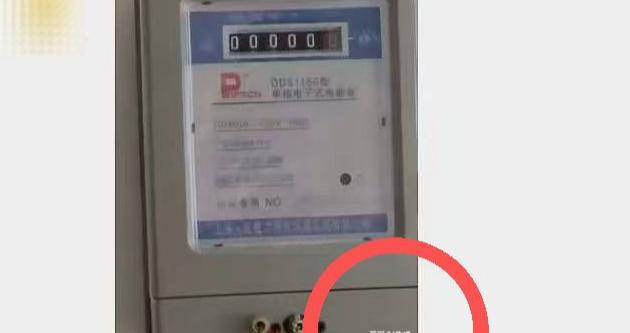
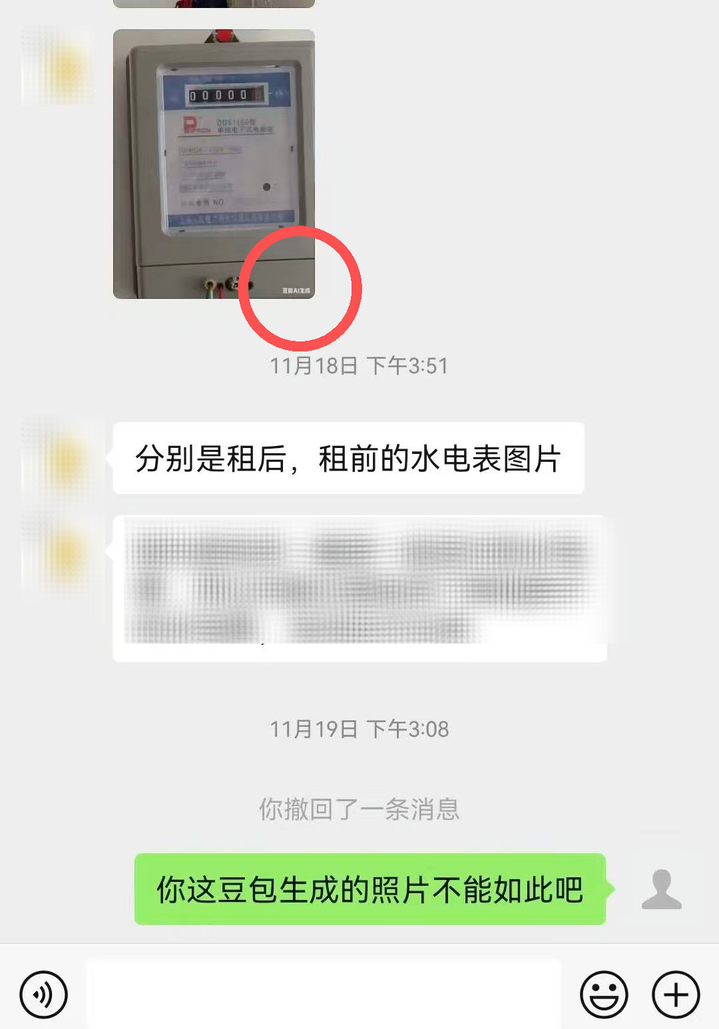
In Hubei, China, a plaintiff's representative used an AI image generator to create fake photographic evidence in a rental dispute, submitting images with visible AI watermarks to the court. The forgery was detected by the judge, leading to legal admonishment and the rejection of the falsified evidence, highlighting risks of AI misuse in legal proceedings.[AI generated]

Why's our monitor labelling this an incident or hazard?

The event involves the use of an AI system to generate forged photographic evidence submitted in a legal proceeding. This AI-generated fake evidence misled the court and disrupted the judicial process, which is a violation of legal rights and judicial order. The harm is realized and directly linked to the AI system's use in fabricating evidence. Hence, it meets the criteria for an AI Incident due to violation of legal rights and harm to the judicial system.[AI generated]
AI principles
FairnessRespect of human rightsTransparency & explainabilityDemocracy & human autonomyAccountability

Industries
Government, security, and defence

Affected stakeholders
General public

Harm types
Public interest

Severity
AI incident

Business function:
Compliance and justice

AI system task:
Content generation


Articles about this incident or hazard

Thumbnail Image

向法庭出示伪造证据,右下角有AI水印!法官:从没这么无语过

2025-12-28
南方网
Why's our monitor labelling this an incident or hazard?
The event involves the use of an AI system to generate forged photographic evidence submitted in a legal proceeding. This AI-generated fake evidence misled the court and disrupted the judicial process, which is a violation of legal rights and judicial order. The harm is realized and directly linked to the AI system's use in fabricating evidence. Hence, it meets the criteria for an AI Incident due to violation of legal rights and harm to the judicial system.
Thumbnail Image

评论 1

2025-12-28
guancha.cn
Why's our monitor labelling this an incident or hazard?
An AI system was explicitly involved in generating forged photographic evidence used in a legal dispute, which directly led to harm by undermining the judicial process and violating legal rights and obligations. The AI-generated fake evidence was submitted as part of the litigation, constituting a misuse of AI technology that caused a violation of law and judicial order. Therefore, this qualifies as an AI Incident because the AI system's use directly led to a breach of legal obligations and harm to the judicial system's integrity.
Thumbnail Image

原告出示证据 右下角写着"AI生成" 谎言难自圆

2025-12-28
中华网科技公司
Why's our monitor labelling this an incident or hazard?
An AI system was explicitly involved in generating fake evidence (photos with an AI-generated watermark). The use of this AI-generated content directly led to a violation of legal obligations and disrupted the judicial process, which qualifies as a breach of applicable law protecting fundamental rights and legal order. Therefore, this event meets the criteria of an AI Incident because the AI system's use directly caused harm to legal rights and judicial integrity.
Thumbnail Image

原告向法官出示证据显示AI水印 谎言难自圆

2025-12-29
中华网科技公司
Why's our monitor labelling this an incident or hazard?
The event explicitly involves an AI system used to generate fake evidence (photos with an AI watermark) that was submitted in court, constituting a misuse of AI technology. This misuse directly harms the judicial process and violates legal obligations, which fits the definition of an AI Incident under violations of law protecting fundamental rights and legal order. The harm is realized as it affects the integrity of the judicial process and the administration of justice. Hence, the classification as AI Incident is appropriate.
Thumbnail Image

女子用AI生成照片伪造证据没去水印 法院判了 谎言难自圆

2025-12-29
中华网科技公司
Why's our monitor labelling this an incident or hazard?
The event explicitly involves the use of an AI system to generate fake photos used as evidence in a court case, which is a direct misuse of AI technology leading to harm in the form of violation of legal rights and disruption of judicial integrity. The court's response and legal sanctions further confirm the recognition of harm caused by AI misuse. Therefore, this qualifies as an AI Incident because the AI system's use directly led to a violation of legal obligations and harm to the judicial process.
Thumbnail Image

向法庭出示伪造证据,右下角有AI水印......法官:从没这么无语过

2025-12-28
扬子网(扬子晚报)
Why's our monitor labelling this an incident or hazard?
The event involves the use of an AI system to generate forged photographic evidence submitted in a legal proceeding. This use of AI directly caused a violation of legal obligations and disrupted judicial processes, which qualifies as harm under the framework (violation of applicable law and judicial order). The AI-generated evidence was pivotal in the incident, as it was the forged material that led to the legal issue. Hence, this is an AI Incident rather than a hazard or complementary information.
Thumbnail Image

原告向法官出示证据 照片右下角竟带有"豆包AI"水印!

2025-12-28
华商网
Why's our monitor labelling this an incident or hazard?
An AI system was explicitly involved in generating fake photographic evidence (photos with an AI watermark). The AI-generated evidence was used in a legal proceeding, constituting misuse of AI technology to falsify evidence, which is a violation of legal rights and judicial order. This misuse directly led to harm in the form of undermining the integrity of the judicial process and violating legal obligations. Therefore, this qualifies as an AI Incident because the AI system's use directly caused harm related to breach of legal rights and judicial order.
Thumbnail Image

向法庭出示AI伪造证据,右下角赫然还有AI水印,法官:......

2025-12-28
华龙网
Why's our monitor labelling this an incident or hazard?
The event explicitly involves the use of an AI system to generate forged photographic evidence submitted in a court case. The AI-generated evidence was used in a legal proceeding, leading to a violation of legal rights and disruption of judicial order, which fits the definition of harm under violations of human rights or breach of legal obligations. The AI system's use in fabricating evidence directly caused this harm. Hence, this is an AI Incident rather than a hazard or complementary information.
Thumbnail Image

女子向法官出示证据,右下角写着"豆包AI生成",法官:不予采信,已构成伪造重要证据,对其予以训诫!

2025-12-27
k.sina.com.cn
Why's our monitor labelling this an incident or hazard?
An AI system was explicitly involved in generating fabricated photographic evidence ('豆包AI生成' watermark indicates AI generation). The AI-generated evidence was used in a legal proceeding, constituting misuse of AI technology to falsify evidence, which directly harmed the integrity of the judicial process and violated legal obligations. The court's rejection of the evidence and admonishment of the party confirms the harm occurred. Therefore, this qualifies as an AI Incident due to the direct involvement of AI in causing harm through forgery and legal rights violation.
Thumbnail Image

女子向法官出示证据,右下角竟赫然带有"豆包AI"水印...

2025-12-28
k.sina.com.cn
Why's our monitor labelling this an incident or hazard?
The event explicitly involves an AI system used to generate fake photographic evidence ('豆包AI生成' watermark), which was submitted in a legal proceeding. This misuse of AI led to a direct harm: the distortion of judicial evidence and potential obstruction of justice, which is a violation of legal rights and judicial order. The court's identification and handling of this misuse confirms the AI system's role in causing harm. Hence, this qualifies as an AI Incident due to the direct involvement of AI in producing falsified evidence that harms legal processes and violates law.
Thumbnail Image

"原告出示证据,右下角显示AI生成"

2025-12-28
新浪财经
Why's our monitor labelling this an incident or hazard?
An AI system was explicitly involved in generating fake photographic evidence, which was used in a legal proceeding. The use of AI-generated fake evidence directly led to a violation of legal rights and judicial integrity, constituting harm under the category of violations of human rights or breach of legal obligations. The court's response and the exposure of the AI-generated evidence confirm that the AI system's use caused direct harm in this context. Therefore, this event qualifies as an AI Incident.
Thumbnail Image

向法庭出示伪造证据,右下角有AI水印......法官:从没这么无语过

2025-12-28
k.sina.com.cn
Why's our monitor labelling this an incident or hazard?
The event explicitly mentions the use of AI technology to generate fake evidence in a legal proceeding, which is a misuse of an AI system. The harm caused is a violation of legal obligations and disruption of judicial order, which falls under violations of applicable law intended to protect fundamental rights and legal processes. Since the AI system's use directly led to this harm, this qualifies as an AI Incident.
Thumbnail Image

女子向法官出示证据,图片赫然带有"AI生成"水印,法院训诫!

2025-12-28
k.sina.com.cn
Why's our monitor labelling this an incident or hazard?
The event explicitly involves the use of AI technology to create forged evidence in a court case, which directly harms the legal process and violates laws protecting judicial integrity. The AI system's use in fabricating evidence led to a breach of legal obligations and disrupted the judicial process. The court's response confirms the harm occurred and the AI system's role was pivotal in causing this harm. Hence, it meets the criteria for an AI Incident rather than a hazard or complementary information.
Thumbnail Image

"原告出示证据,右下角显示AI生成"

2025-12-28
k.sina.com.cn
Why's our monitor labelling this an incident or hazard?
The event explicitly involves an AI system used to generate fake evidence (AI-generated photos) that was submitted in a court case, constituting a misuse of AI technology. This misuse directly led to a violation of legal and judicial rights, disrupting the judicial process and undermining the integrity of the legal system. Therefore, it meets the criteria for an AI Incident as the AI system's use directly caused harm in the form of legal rights violations and disruption of judicial order.
Thumbnail Image

女子向法官出示证据,图片竟带有"AI生成"水印

2025-12-28
k.sina.com.cn
Why's our monitor labelling this an incident or hazard?
The event involves the use of an AI system to generate fake images (evidenced by the 'AI generated' watermark) that were submitted as evidence in a court case. This use of AI directly caused harm by undermining the legal process and violating laws against evidence forgery, which is a breach of legal rights and obligations. The court's response and legal consequences further confirm the recognition of harm caused by the AI-generated evidence. Hence, it meets the criteria for an AI Incident due to direct harm caused by the AI system's use.
Thumbnail Image

法治观察:伪造证据虚构法条编造案例,当AI入侵司法,我们该怎么办

2025-12-29
k.sina.com.cn
Why's our monitor labelling this an incident or hazard?
The article explicitly mentions the use of generative AI to create fake photos with watermarks, fabricated legal statutes, and invented judicial cases that were submitted as evidence or legal references in court. This use of AI has directly led to misinformation and attempts to deceive judicial authorities, which constitutes harm to the legal process and potentially violates legal rights. The courts' need to expend additional effort to verify such AI-generated fabrications also indicates a disruption and increased cost in judicial operations. Since the harm is realized and directly linked to AI system use, this event is classified as an AI Incident.
Thumbnail Image

靠AI伪证打官司?诉讼诚信容不得任何"技术捷径" | 荔枝时评

2025-12-29
k.sina.com.cn
Why's our monitor labelling this an incident or hazard?
The event explicitly involves an AI system generating fake evidence used in a legal dispute, which was detected and excluded by the court. The misuse of AI in fabricating evidence directly harms the judicial process and public trust, constituting a violation of legal rights and judicial integrity. The article describes realized harm (judicial deception and potential miscarriage of justice) caused by the AI-generated fake evidence, meeting the criteria for an AI Incident. The article also discusses broader societal challenges and responses, but the core event is a realized harm caused by AI misuse in a legal context.
Thumbnail Image

离谱!女子把豆包生成的照片当证据给了法官

2025-12-27
news.bjd.com.cn
Why's our monitor labelling this an incident or hazard?
The event explicitly involves the use of an AI system (an AI image generator) to create fake photographic evidence submitted in a legal case. This misuse directly led to harm by attempting to undermine judicial integrity and obstruct justice, which falls under violations of legal obligations and rights. The court's response and legal consequences further confirm the seriousness of the harm caused. Hence, this qualifies as an AI Incident.