AI System PANDA Enables Early Detection of Pancreatic Cancer in China

Thumbnail Image

The information displayed in the AIM should not be reported as representing the official views of the OECD or of its member countries.

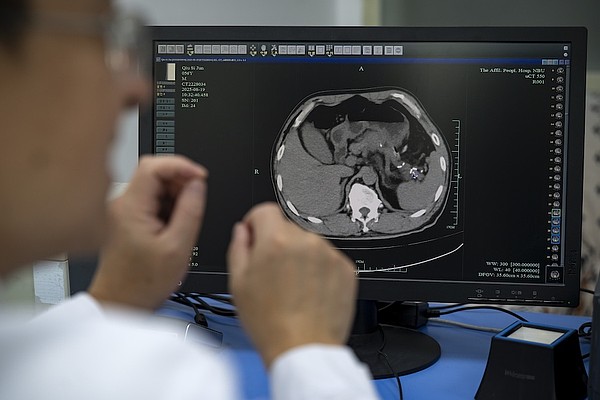
In China, the AI tool PANDA, developed by Alibaba's Damo Academy, is being used in hospitals to analyze routine CT scans and detect pancreatic cancer early, even without contrast. This has led to earlier interventions and saved lives, though it has also caused some false positives and unnecessary follow-ups.[AI generated]

Why's our monitor labelling this an incident or hazard?

The AI system PANDA is explicitly described as analyzing medical imaging to detect pancreatic cancer early, leading to early interventions that save lives. This constitutes direct involvement of an AI system in a health-related outcome, fulfilling the criteria for an AI Incident under harm to health (a). Although the article also discusses challenges such as false positives and resource constraints, the primary narrative is about realized health benefits from the AI system's use, not just potential risks or future hazards. Hence, it is not an AI Hazard or Complementary Information. It is not unrelated because the AI system is central to the event and its outcomes.[AI generated]
AI principles
SafetyRobustness & digital security

Industries
Healthcare, drugs, and biotechnology

Affected stakeholders
Consumers

Harm types
Economic/PropertyPsychological

Severity
AI incident

AI system task:
Recognition/object detection


Articles about this incident or hazard

Thumbnail Image

In China, A.I. Is Finding Deadly Tumors That Doctors Might Miss

2026-01-02
DNYUZ
Why's our monitor labelling this an incident or hazard?
The AI system PANDA is explicitly described as analyzing medical imaging to detect pancreatic cancer early, leading to early interventions that save lives. This constitutes direct involvement of an AI system in a health-related outcome, fulfilling the criteria for an AI Incident under harm to health (a). Although the article also discusses challenges such as false positives and resource constraints, the primary narrative is about realized health benefits from the AI system's use, not just potential risks or future hazards. Hence, it is not an AI Hazard or Complementary Information. It is not unrelated because the AI system is central to the event and its outcomes.
Thumbnail Image

In China, A.I. Is Finding Deadly Tumors That Doctors Might Miss

2026-01-02
The New York Times
Why's our monitor labelling this an incident or hazard?
The article explicitly mentions an AI system (PANDA) used in a hospital setting to analyze CT scans and detect pancreatic cancer early. The AI system's use directly led to the identification of tumors that were not initially detected by doctors, enabling timely surgical intervention and improved patient outcomes. This constitutes direct involvement of AI in preventing harm to health, fulfilling the criteria for an AI Incident. While there are some risks of false positives, the article focuses on realized benefits and saved lives rather than potential future harm, so it is not an AI Hazard. The article is not merely complementary information or unrelated, as it documents actual use and impact of an AI system causing significant health-related outcomes.
Thumbnail Image

PANDA: una IA china que detecta cáncer de páncreas sin usar contraste

2026-01-02
Cadena SER
Why's our monitor labelling this an incident or hazard?
The AI system PANDA is explicitly mentioned and is used in a clinical setting to detect pancreatic cancer from CT scans without contrast. Its use has directly led to early diagnosis and treatment, which is a clear health benefit and harm prevention. Since the AI system's use has directly influenced patient outcomes by identifying cancers earlier than conventional methods, this qualifies as an AI Incident under the definition of injury or harm to health (in this case, prevention of harm). Although the harm prevented is positive, the AI's role in health outcomes is pivotal and material. Therefore, this event is best classified as an AI Incident.
Thumbnail Image

En China, la IA está detectando tumores mortales que los médicos podrían pasar por alto

2026-01-02
Clarin
Why's our monitor labelling this an incident or hazard?
The article explicitly mentions an AI system (PANDA) used in a hospital setting to analyze CT scans and detect pancreatic cancer earlier than traditional methods. This AI system's use has directly led to the identification of cancer cases that were previously undetected, thus preventing harm or death. The involvement of the AI system in the medical diagnosis process and its direct influence on patient health outcomes qualifies this as an AI Incident under the framework, as it relates to injury or harm to health (in this case, prevention of harm). Although the AI system is beneficial here, the framework includes incidents where AI use leads to health-related outcomes, whether positive or negative. Hence, this is an AI Incident.
Thumbnail Image

AI Tool in China Catching Early Pancreatic Cancer

2026-01-02
Newser
Why's our monitor labelling this an incident or hazard?
PANDA is an AI system designed to detect pancreatic cancer from CT scans. Its use has directly led to false alarms causing patient anxiety and unnecessary follow-up tests, which constitute harm to health. Although the system also provides benefits, the realized harm from false positives meets the criteria for an AI Incident. The involvement is in the use of the AI system, and the harm is direct and materialized, not just potential. Hence, the event is classified as an AI Incident.
Thumbnail Image

En China, la IA está detectando tumores mortales que los médicos podrían pasar por alto

2026-01-02
El Diario
Why's our monitor labelling this an incident or hazard?
The article explicitly mentions the AI system PANDA analyzing CT scans and detecting pancreatic cancer cases that were not initially flagged by human radiologists. The AI's role in early detection has directly influenced medical decisions leading to tumor removal and improved patient outcomes, which is a clear case of AI system use leading to health-related harm prevention. This fits the definition of an AI Incident because the AI system's use has directly led to a significant impact on health, preventing injury or death. Although the impact is positive, the framework includes injury or harm to health, and here the AI system's involvement is pivotal in preventing harm, which qualifies as an AI Incident under the framework's scope of harms and benefits related to health.
Thumbnail Image

Una IA consigue detectar tumores mortales que los médicos pasaban por alto

2026-01-02
Antena3
Why's our monitor labelling this an incident or hazard?
The article explicitly mentions an AI system developed and deployed in a clinical setting that analyzes CT scans to detect pancreatic cancer. The AI system's outputs have directly influenced medical diagnosis by detecting tumors that doctors had overlooked, which relates to injury or harm to health (harm a) but in this case, the AI helps prevent harm by early detection. Since the AI system's use has materially affected patient health outcomes, this qualifies as an AI Incident under the definition, as the AI system's use has directly led to a significant health impact. Although the impact is positive, the definition of AI Incident includes events where AI use leads to injury or harm, and here the AI system is involved in health-related outcomes. Given the AI system's pivotal role in detecting deadly tumors that were missed, this is an AI Incident involving health-related outcomes.
Thumbnail Image

In China, AI is finding deadly tumours that doctors might miss - The Times of India

2026-01-03
The Times of India
Why's our monitor labelling this an incident or hazard?
The AI system PANDA is explicitly mentioned and is used in clinical practice to analyze CT scans for pancreatic cancer detection. Its use has directly led to early detection of deadly tumors, which is a positive health impact (harm to health avoided or mitigated). However, the system also causes false positives, leading to unnecessary callbacks and invasive testing, which can be considered harm to health due to anxiety, potential physical harm from invasive procedures, and financial costs. Since the AI system's use has directly led to realized health impacts (both positive and negative), this qualifies as an AI Incident under the definition of injury or harm to health of persons. The article does not merely discuss potential future harm or general AI developments but reports on actual use and outcomes, so it is not a hazard or complementary information. Hence, the classification is AI Incident.
Thumbnail Image

In China, AI is finding deadly tumors that doctors might miss | Chattanooga Times Free Press

2026-01-03
timesfreepress.com
Why's our monitor labelling this an incident or hazard?
The AI system PANDA is explicitly mentioned and is used in a clinical setting to analyze medical imaging for early cancer detection. Its use has directly led to the identification of pancreatic cancer cases that were not initially detected by doctors, enabling early intervention and treatment. This constitutes direct involvement of an AI system in a health-related outcome, fulfilling the criteria for an AI Incident due to realized harm prevention and health impact. Although there are concerns about false positives, the article focuses on the realized benefits and actual use of the AI system in patient care, not just potential risks. Therefore, this event qualifies as an AI Incident.
Thumbnail Image

In China, AI is finding deadly tumors that doctors might miss - The Boston Globe

2026-01-03
BostonGlobe.com
Why's our monitor labelling this an incident or hazard?
The AI system PANDA is explicitly mentioned and is used in a clinical setting to analyze medical imaging for cancer detection. Its use has directly led to the identification of early-stage pancreatic cancer cases, enabling timely treatment and likely saving lives, which constitutes injury or harm prevention to persons. Although there are false positives causing some unnecessary follow-ups, the primary impact is positive health outcomes. This fits the definition of an AI Incident because the AI system's use has directly led to significant health-related outcomes (harm prevention). The article does not describe a hazard or potential future harm, nor is it merely complementary information or unrelated news.
Thumbnail Image

AI is finding deadly tumours that doctors might miss

2026-01-03
Oman Observer
Why's our monitor labelling this an incident or hazard?
The AI system PANDA is explicitly mentioned and is used in clinical trials to analyze CT scans and flag potential pancreatic cancer cases that doctors might otherwise miss. The system's use has directly led to early detection and treatment of deadly tumors, which is a clear case of injury or harm to health being prevented or mitigated through AI. Since the AI system's use has directly influenced health outcomes, this qualifies as an AI Incident under the definition of harm to health caused by the use of an AI system.
Thumbnail Image

China: Alibaba's AI model detecting deadly cancers that doctors fail to spot in tests

2026-01-05
Firstpost
Why's our monitor labelling this an incident or hazard?
The AI system PANDA is explicitly mentioned and is used to analyze medical imaging to detect pancreatic cancer. Its use has directly led to early diagnosis and treatment, which is a clear case of harm prevention and health benefit. Since the AI system's use has directly influenced patient outcomes by detecting deadly cancers that doctors initially failed to spot, this qualifies as an AI Incident under the definition of injury or harm to health (a), but in this case, the AI system prevented harm or mitigated it. The definition of AI Incident includes events where AI use leads to injury or harm; here, the AI system's involvement is in preventing harm, but since the event involves the AI system's use in a health context with direct impact on patient outcomes, it is best classified as an AI Incident reflecting the AI system's role in health-related outcomes. The event does not describe a hazard or potential harm but actual use and impact. It is not complementary information because the main focus is on the AI system's direct role in diagnosis and patient health outcomes, not on governance or responses to prior incidents.
Thumbnail Image

Alibaba's AI detects deadly cancers before symptoms appear

2026-01-05
NewsBytes
Why's our monitor labelling this an incident or hazard?
The PANDA system is an AI system as it uses machine learning to analyze medical imaging data to detect cancer. Its use has directly led to health benefits by identifying deadly cancers before symptoms appear, enabling early treatment and potentially saving lives. This constitutes a positive AI Incident involving injury or harm to health being addressed through AI intervention, as the AI system's use has directly influenced health outcomes.
Thumbnail Image

Una IA detecta cáncer de páncreas antes de los síntomas

2026-01-05
gacetadesalud.com
Why's our monitor labelling this an incident or hazard?
The article explicitly mentions an AI system (Panda) used in a hospital setting to analyze CT scans and detect pancreatic cancer earlier than traditional methods. The AI system's use directly influenced patient outcomes by enabling early diagnosis and treatment, which is a direct impact on health. This fits the definition of an AI Incident as the AI system's use has directly led to a significant health-related outcome, preventing harm and saving lives. Therefore, the event is classified as an AI Incident.
Thumbnail Image

媒体整版报道阿里胰腺癌早筛AI模型 AI应用赛道投资机遇凸显

2026-01-07
新浪网
Why's our monitor labelling this an incident or hazard?
The AI system (DAMO PANDA) is explicitly described as aiding doctors in detecting pancreatic cancer early, which is a beneficial use of AI improving health outcomes. There is no mention or implication of harm, malfunction, or potential for harm. The article also covers broader AI application developments and investment opportunities, which are informative and contextual rather than reporting any incident or hazard. Hence, the article fits the definition of Complementary Information, providing supporting data and context about AI systems and their ecosystem without describing any harm or plausible future harm.
Thumbnail Image

《纽约时报》中国报道引爆美国舆论:中美已走上不同的AI道路

2026-01-07
新浪网
Why's our monitor labelling this an incident or hazard?
The article explicitly mentions an AI system (PANDA) used in medical diagnosis that has directly led to improved health outcomes by detecting early pancreatic cancer cases that would otherwise be missed. This constitutes an AI Incident because the AI system's use has directly led to harm prevention and health benefits, which falls under injury or harm to health (a). The article does not describe potential or future harm but actual realized impact. Therefore, the event is an AI Incident.
Thumbnail Image

阿里巴巴:AI模型筛出24例胰腺癌,超18万张CT片分析-股票频道-和讯网

2026-01-06
和讯网
Why's our monitor labelling this an incident or hazard?
The AI system is explicitly mentioned as analyzing medical imaging data to detect cancer cases, which directly impacts patient health by enabling early diagnosis. This constitutes the use of an AI system leading to a positive health-related outcome, which falls under the definition of an AI Incident as it involves injury or harm to health (in this case, the AI helps prevent harm by early detection). Although the article does not mention any malfunction or harm caused by the AI, the involvement of the AI system in health diagnosis and its direct influence on health outcomes qualifies it as an AI Incident rather than a hazard or complementary information.
Thumbnail Image

媒体整版报道阿里胰腺癌早筛AI模型 AI应用赛道投资机遇凸显

2026-01-07
sc.stock.cnfol.com
Why's our monitor labelling this an incident or hazard?
The AI system described is explicitly involved in medical diagnosis and has been used to detect cancer cases, which is a direct use of AI. However, the article highlights positive outcomes (early detection of cancer) without mentioning any injury, harm, violation of rights, or other negative consequences. There is no indication of malfunction or misuse leading to harm. Therefore, this is not an AI Incident or AI Hazard. The article mainly provides information about the AI system's application and investment opportunities, which fits the definition of Complementary Information as it enhances understanding of AI developments and their impacts without reporting harm or plausible harm.
Thumbnail Image

外媒:中美已走上不同的AI道路 解决实际问题

2026-01-07
military.china.com
Why's our monitor labelling this an incident or hazard?
The event involves an AI system explicitly mentioned as being used in a medical context to detect pancreatic cancer early. The AI system's use has directly led to harm prevention and health benefits for patients, which fits the definition of an AI Incident involving injury or harm to health (a). Since the AI system's deployment has already resulted in saved lives and improved health outcomes, this is a realized harm prevention scenario, qualifying as an AI Incident rather than a hazard or complementary information.
Thumbnail Image

外媒:中美已走上不同AI道路 解决实际问题

2026-01-07
news.china.com
Why's our monitor labelling this an incident or hazard?
The AI system is explicitly mentioned and is used in a medical diagnostic context to detect pancreatic cancer early. The AI's involvement has directly led to harm prevention and health benefits by identifying fatal tumors that were not visible to doctors through conventional means. This fits the definition of an AI Incident because the AI system's use has directly led to injury or harm prevention to persons, which is a form of harm to health. Although the harm is positive (life-saving), the framework includes injury or harm to health, and the AI's role is pivotal in this outcome. Therefore, this event qualifies as an AI Incident.
Thumbnail Image

AI模型立功了!"癌症之王"早期筛查效果喜人 花费仅百元

2026-01-07
tech.ifeng.com
Why's our monitor labelling this an incident or hazard?
The article explicitly describes an AI system (DAMO PANDA) analyzing CT images to detect early pancreatic cancer cases that human doctors missed, leading to successful surgeries. This is a clear example of an AI system's use leading directly to health benefits and harm prevention (early cancer detection and treatment). Therefore, it qualifies as an AI Incident under the definition of an event where AI use has directly led to injury or harm prevention to persons (health benefit). Although the article focuses on positive outcomes, the definition of AI Incident includes events where AI use leads to injury or harm, and by extension, its prevention or mitigation is part of the incident context. The article does not describe any potential or future harm but actual realized impact. Hence, the classification is AI Incident.
Thumbnail Image

2026-01-07
guancha.cn
Why's our monitor labelling this an incident or hazard?
The event involves an AI system explicitly mentioned (the DAMO PANDA AI model) used in a medical context to detect pancreatic cancer early. The AI system's use has directly led to health benefits by enabling early diagnosis and treatment, which is a form of injury or harm prevention to persons. Since the AI system's deployment has already resulted in real-world health outcomes, this qualifies as an AI Incident under the definition of causing injury or harm to health (in this case, preventing harm). The article does not describe potential or future harm but actual realized impact through AI use.
Thumbnail Image

AI模型立功了!"癌症之王"早期筛查效果喜人 花费仅百元

2026-01-07
finance.eastmoney.com
Why's our monitor labelling this an incident or hazard?
The event involves an AI system explicitly mentioned (DAMO PANDA AI model) used in medical diagnosis. The AI system's use has directly led to health benefits by detecting early pancreatic cancer cases that human doctors missed, enabling early treatment. This fits the definition of an AI Incident because the AI system's use has directly led to harm prevention and improved health outcomes (harm to health avoided or mitigated). Although the article focuses on positive outcomes, it still qualifies as an AI Incident since the AI system's involvement has directly influenced health-related outcomes. The article also discusses broader AI medical applications and policy support, but the core event is the AI system's successful diagnostic use leading to health benefits, which is an AI Incident.
Thumbnail Image

中国AI胰腺癌早筛技术获纽约时报整版报道

2026-01-07
k.sina.com.cn
Why's our monitor labelling this an incident or hazard?
The event involves an AI system explicitly described as analyzing CT scans to detect early pancreatic cancer, which is a direct application of AI in healthcare. The AI system's use has directly led to the identification of early-stage cancer cases that would have otherwise been missed, preventing harm to patients' health. This fits the definition of an AI Incident because the AI system's use has directly led to injury or harm prevention (harm to health) and thus constitutes a positive AI Incident with significant impact. The article does not describe potential or future harm but actual realized health benefits due to AI use, so it is not a hazard or complementary information. It is not unrelated as the AI system is central to the event.
Thumbnail Image

《纽约时报》报道中国AI查胰腺癌花25美元,美国网友吐槽:在美只够停车费

2026-01-07
tech.chinadaily.com.cn
Why's our monitor labelling this an incident or hazard?
The AI system is explicitly mentioned as analyzing CT scans to detect pancreatic cancer early, which doctors might have missed. This early detection has led to timely surgeries, directly preventing harm to patients' health, fulfilling the criteria for an AI Incident under harm to health (a). The article describes realized health benefits, not just potential ones, so this is an AI Incident rather than a hazard. The article does not focus on governance or societal responses primarily, so it is not Complementary Information. It is clearly related to an AI system and its use leading to health benefits, so it is not Unrelated.