AI-Powered Traffic Cameras Reduce Accidents in Brazil

Thumbnail Image

The information displayed in the AIM should not be reported as representing the official views of the OECD or of its member countries.

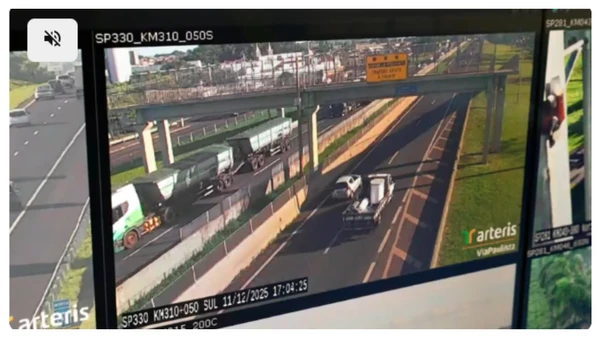
In Brazil, AI-enabled radar cameras have been deployed on highways to automatically detect and flag drivers not wearing seat belts or using cell phones. This technology, used in places like Ribeirão Preto, has led to a 30% reduction in accidents by improving enforcement and identifying risky driving behaviors.[AI generated]

Why's our monitor labelling this an incident or hazard?

An AI system is explicitly involved, as the radar uses AI to analyze images and detect traffic violations automatically. The AI's use directly contributes to reducing harm by identifying risky behaviors that increase accident risk, thus preventing injury or harm to people. The system's outputs lead to enforcement actions that promote safer driving behavior, which is a direct link to harm reduction. Therefore, this qualifies as an AI Incident because the AI system's use has directly led to harm reduction (a positive form of harm mitigation) related to injury prevention on roads. The event does not describe a hazard or merely complementary information, but an active use of AI causing a direct impact on public safety.[AI generated]
Industries
Mobility and autonomous vehiclesGovernment, security, and defence

Severity
AI incident

Business function:
Monitoring and quality control

AI system task:
Recognition/object detection


Articles about this incident or hazard

Thumbnail Image

Radar com IA flagra motoristas sem cinto e usando celular

2026-01-05
Olhar Digital
Why's our monitor labelling this an incident or hazard?
An AI system is explicitly involved, as the radar uses AI to analyze images and detect traffic violations automatically. The AI's use directly contributes to reducing harm by identifying risky behaviors that increase accident risk, thus preventing injury or harm to people. The system's outputs lead to enforcement actions that promote safer driving behavior, which is a direct link to harm reduction. Therefore, this qualifies as an AI Incident because the AI system's use has directly led to harm reduction (a positive form of harm mitigation) related to injury prevention on roads. The event does not describe a hazard or merely complementary information, but an active use of AI causing a direct impact on public safety.
Thumbnail Image

Nova lei do radar: Fiscalização inédita crava multa gravíssima a motoristas por 2 atitudes muito comuns

2026-01-05
TV Foco
Why's our monitor labelling this an incident or hazard?
The event involves the use of AI systems (intelligent radar cameras with AI capabilities) in real-world law enforcement to detect traffic violations. The AI system's use directly contributes to identifying behaviors that increase the risk of accidents and harm to drivers and passengers, thus relating to harm to health and safety. Since the AI system's outputs lead to enforcement actions that aim to reduce injury risk, and the AI is actively used in this context, this qualifies as an AI Incident due to the direct involvement of AI in managing safety-related infractions and preventing harm.
Thumbnail Image

Novos radares com IA flagram uso de celular e falta de cinto de segurança a até 300km/h

2026-01-05
Correio
Why's our monitor labelling this an incident or hazard?
The article explicitly mentions AI systems analyzing high-resolution images in real time to detect traffic violations, which directly impacts road safety by reducing accidents and enforcing laws. The AI system's outputs lead to human verification and subsequent enforcement actions, showing a clear causal link between AI use and harm prevention (reduction of accidents and traffic infractions). The involvement of AI in real-time detection and decision support for law enforcement fits the definition of an AI system. The resulting reduction in accidents and enforcement of traffic laws constitutes harm prevention and improved safety, which aligns with harm to health and communities. Hence, this is an AI Incident due to the direct role of AI in reducing harm and enforcing safety.
Thumbnail Image

Radares com IA já conseguem identificar e multar uso de celular no volante | Exame

2026-01-05
Exame
Why's our monitor labelling this an incident or hazard?
The event involves an AI system explicitly described as analyzing traffic infractions in real time and enabling enforcement actions that have directly led to a 30% reduction in accidents, which is a clear health and safety impact. The AI system's use in monitoring and fining drivers for dangerous behaviors like cellphone use while driving and not wearing seat belts directly relates to harm to people and public safety. Therefore, this is an AI Incident because the AI system's use has directly led to a significant impact on injury and harm to people (reducing accidents).
Thumbnail Image

Radares com IA aprimoram fiscalização e ajudam a reduzir acidentes

2026-01-06
TecMundo: Tudo sobre Tecnologia, Entretenimento, Ciência e Games
Why's our monitor labelling this an incident or hazard?
The event involves the use of AI systems (intelligent radars with AI algorithms trained to detect traffic violations) in active operation. The AI system's use has directly led to a reduction in accidents, which is a clear harm reduction (injury or harm to health). Therefore, this qualifies as an AI Incident because the AI system's use has directly led to a positive impact on human safety by reducing traffic accidents and related harms.
Thumbnail Image

Como funciona o radar com IA contra celular e falta de cinto?

2026-01-07
Canaltech
Why's our monitor labelling this an incident or hazard?
The event involves the use of AI systems in traffic enforcement to detect behaviors that increase the risk of accidents and harm to drivers and others on the road. The AI system's use in identifying these infractions directly supports the prevention of injury or harm to people, fulfilling the criteria for an AI Incident. Although the AI does not autonomously issue fines, its role in detecting violations that lead to enforcement actions and potentially reduce traffic accidents is pivotal. Therefore, this qualifies as an AI Incident due to the direct link between AI use and harm prevention in public safety.