EPA Rules xAI Illegally Powered AI Data Centers, Causing Pollution in Memphis

Thumbnail Image

The information displayed in the AIM should not be reported as representing the official views of the OECD or of its member countries.

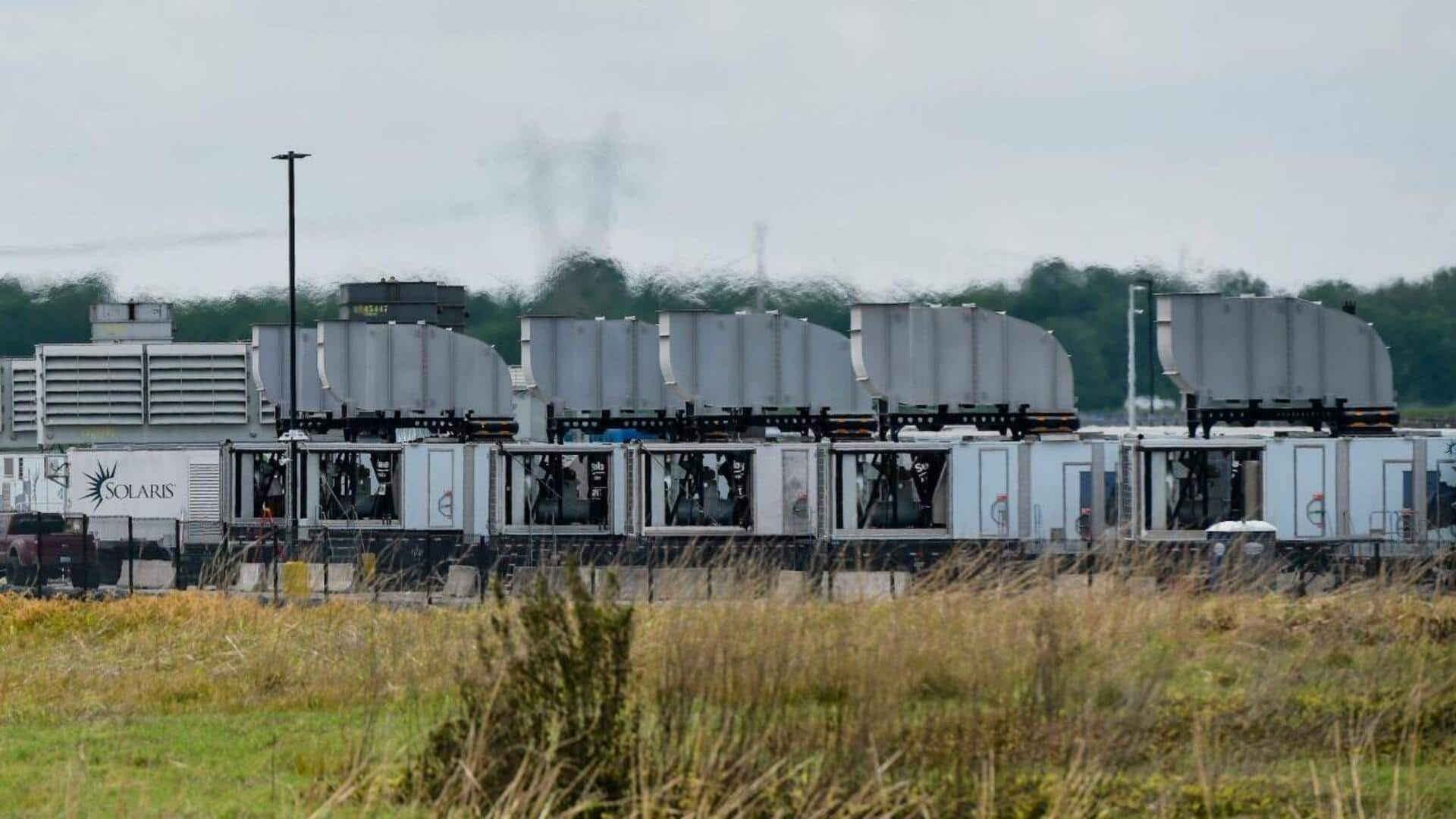
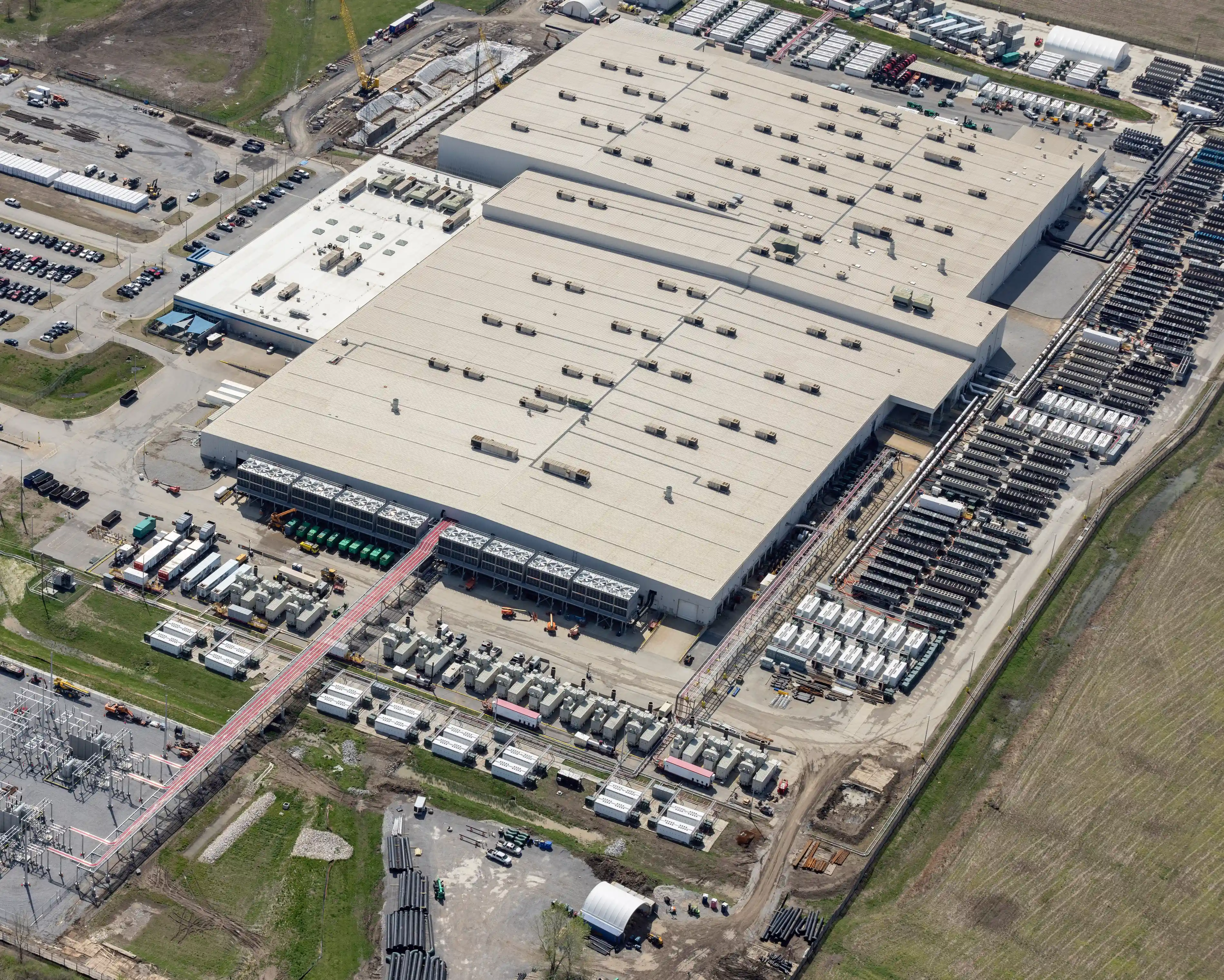
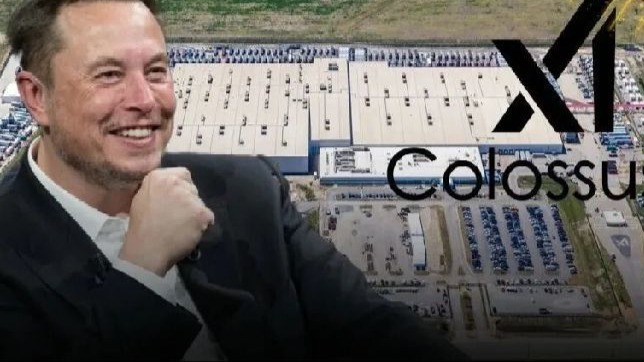
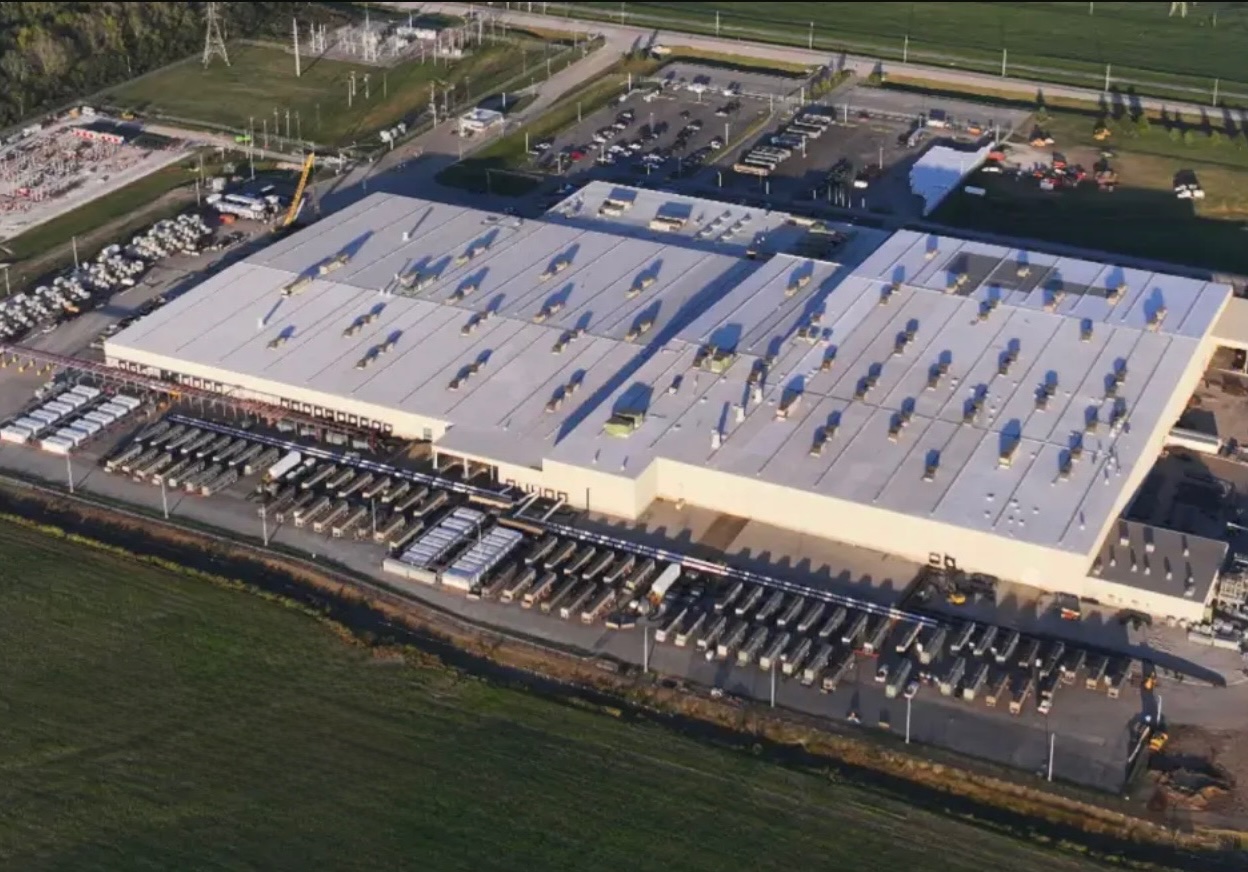
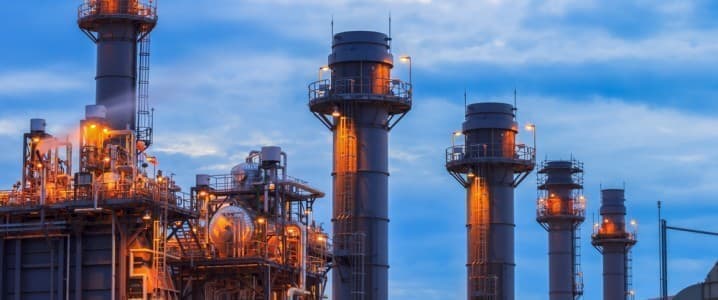
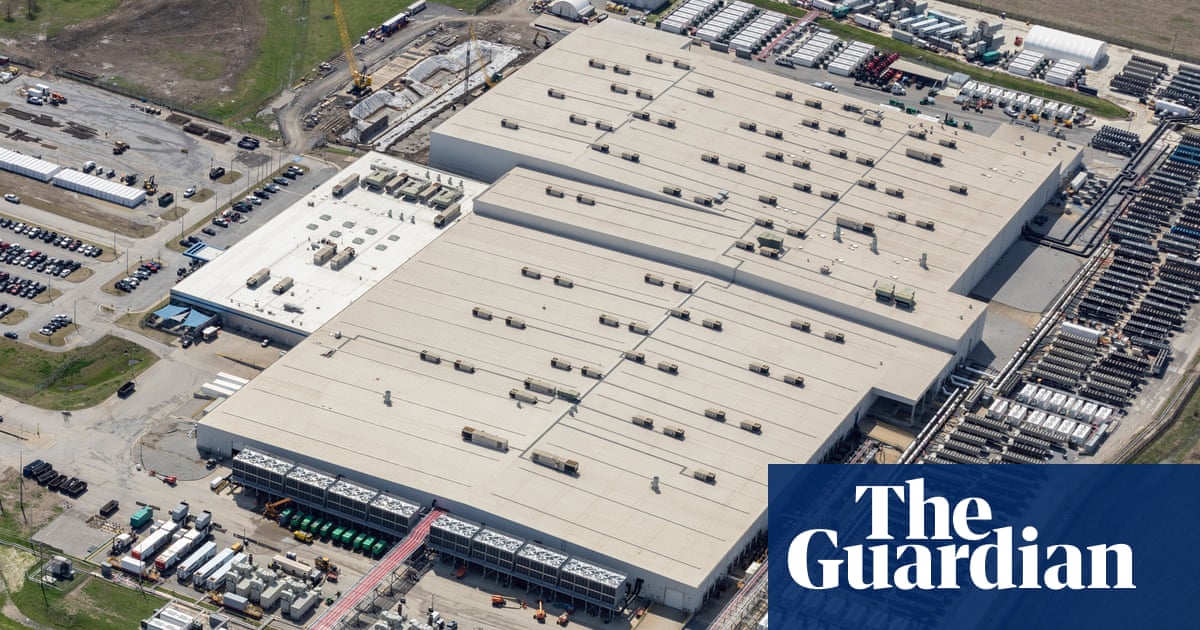
Elon Musk's xAI operated dozens of methane gas turbines without proper permits to power its AI data centers in Memphis, Tennessee. The EPA ruled this illegal, citing increased air pollution and health risks to local communities. The turbines powered AI supercomputers, directly linking AI operations to environmental harm.[AI generated]

Why's our monitor labelling this an incident or hazard?

The event explicitly involves AI systems (xAI's supercomputers running AI models like Grok) requiring large-scale power generation. The illegal use of methane gas turbines to power these AI data centers has directly led to increased air pollution, which harms the health of local communities, fulfilling the criteria for harm to health (a). The EPA ruling confirms the illegality and environmental harm, and the involvement of AI systems is clear as the turbines power AI supercomputers. Thus, this is an AI Incident because the AI system's use has directly led to health and environmental harm through the associated infrastructure's illegal operation and pollution.[AI generated]
AI principles
AccountabilitySustainabilitySafetyRespect of human rights

Industries
IT infrastructure and hostingEnergy, raw materials, and utilities

Affected stakeholders
General public

Harm types
EnvironmentalPhysical (injury)

Severity
AI incident

Business function:
Research and development


Articles about this incident or hazard

Thumbnail Image

Elon Musk's xAI datacenter generating extra electricity illegally, regulator rules

2026-01-16
the Guardian
Why's our monitor labelling this an incident or hazard?
The event explicitly involves AI systems (xAI's supercomputers running AI models like Grok) requiring large-scale power generation. The illegal use of methane gas turbines to power these AI data centers has directly led to increased air pollution, which harms the health of local communities, fulfilling the criteria for harm to health (a). The EPA ruling confirms the illegality and environmental harm, and the involvement of AI systems is clear as the turbines power AI supercomputers. Thus, this is an AI Incident because the AI system's use has directly led to health and environmental harm through the associated infrastructure's illegal operation and pollution.
Thumbnail Image

EPA updates turbine regulations. How it could impact xAI power options

2026-01-16
USA TODAY
Why's our monitor labelling this an incident or hazard?
The event involves an AI company (xAI) but concerns updated EPA regulations on gas turbines used for power generation, not the AI systems themselves. There is no indication that AI systems caused or contributed to any harm, nor that the turbines are AI-enabled or autonomous systems posing a plausible future risk. The article mainly reports on regulatory changes, legal appeals, and community reactions related to environmental impacts of turbine emissions. This fits the definition of Complementary Information, as it provides context and governance updates relevant to AI infrastructure but does not describe an AI Incident or AI Hazard.
Thumbnail Image

EPA rules Elon Musk's xAI Memphis data centre used illegal power - Tech Digest

2026-01-16
Tech Digest
Why's our monitor labelling this an incident or hazard?
The AI system (the Colossus supercomputer training an AI chatbot) is explicitly mentioned and is central to the event. The illegal use of methane gas turbines to power the AI data centers has led to environmental pollution and health harms to local communities, fulfilling the criteria for harm to health and environment. The EPA ruling confirms the violation and the associated risks. Although the AI system itself is not malfunctioning, its operation is directly linked to the harmful environmental impact caused by the illegal power sources. This constitutes an AI Incident because the AI system's use has directly led to harm (environmental and health) through its power consumption practices.
Thumbnail Image

EPA Rules Against xAI in Memphis Natural Gas Their Case as Residents Push Back Over Turbine Usage in Southaven, Mississippi - 512 Pixels

2026-01-17
512 Pixels
Why's our monitor labelling this an incident or hazard?
The article involves an AI company (xAI) whose data centers are powered by natural gas turbines that have been operated in violation of EPA regulations, causing environmental harm. While the turbines power AI systems, the harm is due to pollution from turbine operation, not from the AI system's development, use, or malfunction. The AI system itself is not directly or indirectly causing the harm; rather, the harm stems from the company's infrastructure operations. The article also mentions community and regulatory responses, including lawsuits and public meetings, which are governance and societal responses to the situation. Thus, the event is best classified as Complementary Information, as it provides important context about the AI ecosystem and regulatory environment but does not describe a direct or plausible AI-related harm incident or hazard.
Thumbnail Image

EPA closes loophole that cloud slow xAI's rapid expansion in Memphis area

2026-01-17
CNBC
Why's our monitor labelling this an incident or hazard?
The article describes how xAI's AI operations rely on gas-burning turbines that have caused increased air pollution, leading to health harms in the local community. The AI system (Grok models and apps) is explicitly mentioned, and the harm (worsened air pollution affecting health) is directly linked to the AI company's use of these turbines. The EPA's regulatory action is a response to this harm. Since the AI system's use has directly or indirectly led to harm to health and communities, this event meets the criteria for an AI Incident rather than a hazard or complementary information.
Thumbnail Image

Elon Musk's xAI faces tougher road building out data centers after EPA rule update

2026-01-17
democraticunderground.com
Why's our monitor labelling this an incident or hazard?
The article focuses on a regulatory change impacting the environmental permitting process for AI data center infrastructure. While the AI system (xAI's data center) is involved, there is no direct or indirect harm caused by the AI system reported. The event does not describe an AI Incident or a plausible AI Hazard but rather a governance and regulatory update affecting AI development. Therefore, it fits the definition of Complementary Information as it provides context and updates on societal and governance responses related to AI infrastructure expansion.
Thumbnail Image

xAI illegally operated natural gas turbines at Colossus centers: EPA

2026-01-17
NewsBytes
Why's our monitor labelling this an incident or hazard?
The event describes the illegal operation of gas turbines powering AI data centers, leading to increased harmful emissions that affect community health and environment. The turbines are essential for running AI supercomputers, so the AI system's operation is directly linked to the harm caused by pollution. The EPA's ruling and community opposition highlight the realized harm to health and environment, fitting the definition of an AI Incident involving indirect harm caused by AI system use. The harm is materialized, not just potential, and involves violation of environmental and health rights, thus meeting the criteria for AI Incident rather than AI Hazard or Complementary Information.
Thumbnail Image

Epa Rules That Xai's Natural Gas Generators Were Illegally Used

2026-01-17
Breaking News, Latest News, US and Canada News, World News, Videos
Why's our monitor labelling this an incident or hazard?
The turbines power AI data centers, which are integral to AI system operation. The illegal operation of these turbines caused environmental harm (ozone and particulate emissions) in a polluted region, which is a harm to communities and the environment. The AI system's use (data centers) is directly linked to this harm via the turbines' operation. Hence, this is an AI Incident due to indirect harm caused by AI system use leading to environmental damage and regulatory violation.
Thumbnail Image

Elon Musk's xAI faces tougher data center rules after EPA ends 'portable turbine' loophole - Cryptopolitan

2026-01-17
Cryptopolitan
Why's our monitor labelling this an incident or hazard?
The article describes how xAI's AI systems (Grok chatbot and image generator) rely on a data center powered by turbines that emitted pollution causing health harms to local residents. The turbines were initially operated without proper permits due to a regulatory loophole, which the EPA has now closed. The harm to health and environment is directly linked to the AI system's use (its data center operations). This meets the criteria for an AI Incident because the AI system's use has indirectly led to injury or harm to a group of people (local residents) through environmental pollution. The regulatory and community responses further confirm the harm's significance.
Thumbnail Image

xAI's Data Center May Have Acted Illegally as EPA Clarifies Turbine Loophole

2026-01-17
PCMag UK
Why's our monitor labelling this an incident or hazard?
The article describes environmental and health harms caused by methane turbine emissions at an AI data center, which indirectly supports AI system operation. However, the harm stems from the turbines' pollution, not from the AI system's malfunction, misuse, or outputs. The AI system (Grok) is mentioned as powered by the data center but is not itself causing harm. The EPA's regulatory clarification and potential legal actions are governance responses to environmental harms linked to AI infrastructure. Therefore, this is Complementary Information providing context on environmental and regulatory challenges related to AI data centers, not a direct AI Incident or plausible AI Hazard.
Thumbnail Image

EPA Rule Clarification Hits a Significant Source of Grok’s Electricity

2026-01-18
Gizmodo
Why's our monitor labelling this an incident or hazard?
The event involves the use of AI systems (Grok AI and related products) that depend on data centers powered by gas turbines. The turbines were operated without proper permits, violating environmental laws and causing or risking harm to air quality and public health. The EPA's clarification confirms the violation and the environmental harm. Since the AI system's operation is directly linked to the use of these turbines, which cause harm to the environment and communities, this qualifies as an AI Incident under the definition of harm to property, communities, or the environment caused directly or indirectly by AI system use. The event is not merely a potential risk but involves realized regulatory violations and environmental harm, so it is not an AI Hazard or Complementary Information.
Thumbnail Image

EPA Rules Elon Musk's xAI Violated Clean Air Act with Unpermitted Turbines

2026-01-19
WebProNews
Why's our monitor labelling this an incident or hazard?
The article explicitly involves an AI system (xAI's Colossus supercomputer) whose operation required energy supplied by natural gas turbines. The turbines were operated without proper permits, leading to increased pollution and health risks in local communities, which is a direct harm linked to the AI system's use. The EPA ruling confirms the violation of environmental laws due to the AI system's energy infrastructure. This meets the criteria for an AI Incident as the AI system's use directly caused harm to communities and the environment through regulatory breaches and pollution.
Thumbnail Image

Elon Musk's xA is Under Fire for Illegal Use of Turbines in Colossus 2 -- EPA Rules

2026-01-19
International Business Times UK
Why's our monitor labelling this an incident or hazard?
The event describes the operation of an AI training supercomputer (Colossus) that requires substantial power, leading to the use of methane gas turbines operated without proper permits. This has caused environmental pollution with known health impacts (asthma, respiratory diseases) on the local community. The EPA's ruling and community activism confirm the harm is realized and linked to the AI system's operation. The turbines' illegal use and resulting pollution constitute harm to health and environment directly connected to the AI system's use. Hence, this is an AI Incident rather than a hazard or complementary information.
Thumbnail Image

EPA shuts down xAI's off-grid turbine loophole at Musk's Colossus data center in Memphis

2026-01-19
TechSpot
Why's our monitor labelling this an incident or hazard?
The article involves AI systems indirectly through the data center powering AI products, and the turbines are used to meet AI computational demands. The turbines' emissions pose environmental harm risks, but no direct or indirect harm caused by AI system malfunction or misuse is reported. The EPA's regulatory action is a governance response addressing environmental compliance, not a new incident or hazard caused by AI. The event enhances understanding of AI infrastructure's environmental impact and regulatory landscape, fitting the definition of Complementary Information.
Thumbnail Image

EPA: Elon's methane-powered xAI datacenter illegally generating electricity

2026-01-19
Boing Boing
Why's our monitor labelling this an incident or hazard?
The event describes harm to health and the environment caused by the use of methane gas turbines at an AI company's datacenter. The turbines are integral to powering the AI system's infrastructure, and their illegal operation has led to increased pollution and health risks in a vulnerable community. This constitutes harm to health and communities directly linked to the AI system's use, meeting the criteria for an AI Incident. The involvement of the AI company and the turbines powering the AI datacenter establish the presence of an AI system and its use leading to harm.
Thumbnail Image

馬斯克證實xAI Colossus 2啟用!伺服器.電源供應台廠齊受惠-台視新聞網

2026-01-19
台視新聞網
Why's our monitor labelling this an incident or hazard?
The article describes the deployment and scaling of an AI system's compute infrastructure without any indication of harm or risk. It does not report any incident or hazard related to the AI system's operation or development. The focus is on business growth and infrastructure expansion, which falls under general AI ecosystem updates rather than incidents or hazards. Therefore, this is Complementary Information as it provides context and updates about AI infrastructure development without describing any harm or plausible harm.
Thumbnail Image

新浪AI热点小时报丨2026年01月18日10时_今日实时AI热点速递

2026-01-18
k.sina.com.cn
Why's our monitor labelling this an incident or hazard?
The article does not report any realized harm or direct incident caused by AI systems, nor does it describe a credible imminent risk of harm from AI. It includes opinion pieces, regulatory updates, market analysis, and discussions on AI governance and trends, which fall under providing context and updates to the AI ecosystem. Therefore, it fits the definition of Complementary Information rather than an AI Incident or AI Hazard.
Thumbnail Image

空污爭議升溫 EPA堵漏洞 xAI資料中心擴建遭遇新阻力 | 鉅亨網 - 美股雷達

2026-01-17
news.cnyes.com
Why's our monitor labelling this an incident or hazard?
The event involves an AI company (xAI) expanding its data center, which supports AI system operations. The issue concerns regulatory compliance related to environmental pollution caused by the data center's power generation equipment. However, the event does not describe any realized harm caused by the AI system itself, nor does it indicate a malfunction or misuse of the AI system leading to harm. Instead, it focuses on a regulatory update that could prevent potential environmental harm from the data center's emissions. Therefore, this is a plausible future risk scenario related to AI infrastructure but no direct or indirect harm has yet occurred. The main focus is on the regulatory response to potential environmental impacts associated with AI system infrastructure expansion, making it an AI Hazard rather than an Incident or Complementary Information.
Thumbnail Image

马斯克旗下 xAI 孟菲斯数据中心被裁定非法自发电

2026-01-17
cnBeta.COM
Why's our monitor labelling this an incident or hazard?
The event involves an AI system (xAI's data centers supporting AI operations) whose operation depends on power generated by methane gas turbines. These turbines emit pollutants harmful to human health and the environment, causing realized harm to local communities, especially historically marginalized groups. The EPA ruling confirms the turbines' operation is illegal and harmful, directly linking the AI system's energy use to environmental and health harms. This meets the definition of an AI Incident because the AI system's use indirectly leads to violations of health and environmental rights and harms to communities. The event is not merely a potential hazard or complementary information but a concrete incident with regulatory and community impact.
Thumbnail Image

用于Grok的"Colossus 2"超级计算机已投入运行

2026-01-17
tech.ifeng.com
Why's our monitor labelling this an incident or hazard?
The article involves an AI system (Grok) supported by the Colossus 2 supercomputer, which qualifies as an AI system due to its role in training a large language model. However, the reported harm is a regulatory violation concerning environmental compliance related to power generation for the data center, not harm caused by the AI system's outputs or malfunction. There is no direct or indirect link to injury, rights violations, or other harms caused by the AI system itself. The regulatory ruling and operational details serve as governance and societal response information, fitting the definition of Complementary Information rather than an Incident or Hazard.
Thumbnail Image

外媒:美国新规堵住漏洞 xAI数据中心扩张遇阻

2026-01-18
环球网
Why's our monitor labelling this an incident or hazard?
The article explicitly involves an AI company (xAI) operating AI systems (Grok model and AI applications) supported by data centers using natural gas turbines that have caused increased air pollution, a form of harm to communities and environment. The regulatory update addresses this harm, confirming its occurrence. Furthermore, xAI's AI-generated content allegedly includes violent and pornographic deepfakes targeting vulnerable groups, leading to investigations for potential human rights violations. These constitute direct or indirect harms caused by AI system use and infrastructure. Hence, the event meets the criteria for an AI Incident due to realized environmental harm and potential rights violations linked to AI system development and use.
Thumbnail Image

马斯克xAI孟菲斯超算被曝违规排污

2026-01-18
ai.zol.com.cn
Why's our monitor labelling this an incident or hazard?
The event involves an AI system (the Colossus supercomputer supporting AI chatbot operations) whose operation has led to environmental harm through unauthorized emissions from natural gas turbines. The violation of environmental regulations and the resulting pollution is a direct harm to the environment caused by the AI system's use and operation. Therefore, this qualifies as an AI Incident under the definition of harm to the environment caused directly or indirectly by the AI system's use.
Thumbnail Image

马斯克官宣Colossus 2上线 全球首个吉瓦级AI超算

2026-01-18
finance.sina.com.cn
Why's our monitor labelling this an incident or hazard?
The event involves an AI system (Colossus 2) explicitly described as powering an AI chatbot, thus meeting the AI system criterion. The environmental regulatory violation due to the operation of natural gas turbines supplying power to the AI data center constitutes harm to the environment, fulfilling the harm criterion for an AI Incident. The harm is directly linked to the AI system's use and infrastructure operation. Hence, the event is classified as an AI Incident.
Thumbnail Image

马斯克点火全球最大超算,首个1GW狂飙奇点!6万亿Grok 5在训

2026-01-18
tech.ifeng.com
Why's our monitor labelling this an incident or hazard?
The article involves AI systems explicitly, focusing on the development and use of massive AI supercomputers (AI systems) for training large models. Although no direct incident of harm has occurred, the described energy consumption and infrastructure demands plausibly threaten critical infrastructure (electric grid) and community well-being (rising electricity prices, opposition to data centers). This fits the definition of an AI Hazard, as the AI systems' use could plausibly lead to significant harms. There is no indication of an actual AI Incident or complementary information about a past incident; rather, the article warns about potential future harms from AI infrastructure expansion.
Thumbnail Image

马斯克最大算力中心建成了:全球首个GW级超算集群,再创世界纪录

2026-01-18
tech.ifeng.com
Why's our monitor labelling this an incident or hazard?
The event involves a large-scale AI system (Colossus 2 supercomputer) used for AI model training, which is explicitly described. The AI system's use leads to a significant increase in electricity demand, which is causing strain on the power grid, potentially leading to rolling blackouts affecting millions. This constitutes indirect harm to communities and disruption of critical infrastructure due to the AI system's operation. Although the cluster is not directly within the affected grid area, the article frames the increased AI compute demand as a contributing factor to grid stress and potential harm. Hence, this qualifies as an AI Incident due to indirect harm and infrastructure disruption caused by the AI system's use.
Thumbnail Image

马斯克官宣Colossus 2上线 全球首个吉瓦级AI超算

2026-01-18
快科技
Why's our monitor labelling this an incident or hazard?
The article explicitly mentions the AI system (Colossus 2) and its use in powering an AI chatbot, confirming AI system involvement. The environmental regulatory violation is a harm to the environment caused indirectly by the AI system's operation (energy consumption and turbine use). This constitutes harm (environmental harm) linked to the AI system's use, meeting the criteria for an AI Incident. The harm is realized (regulatory violation and environmental impact), not just potential. Hence, the classification is AI Incident.
Thumbnail Image

马斯克点火全球最大超算,首个1GW狂飙奇点!6万亿Grok 5在训_手机网易网

2026-01-18
m.163.com
Why's our monitor labelling this an incident or hazard?
The article explicitly involves AI systems, specifically large-scale AI training supercomputers and models (Colossus 2 and Grok 5). It discusses their development and use, focusing on the unprecedented scale of AI infrastructure and energy consumption. Although no direct injury, rights violation, or operational disruption has yet occurred, the article presents credible concerns and evidence that the massive energy demands of these AI systems could plausibly lead to harms such as electricity shortages, increased costs for residents, and environmental stress. These potential harms align with the definition of AI Hazard, as the AI systems' development and use could plausibly lead to significant harm to communities and the environment. The article does not describe any realized harm or incident caused by AI malfunction or misuse, so it is not an AI Incident. It is also not merely complementary information or unrelated news, as the focus is on the risks posed by the AI systems' scale and energy use.
Thumbnail Image

马斯克官宣Colossus 2上线 全球首个吉瓦级AI超算 - cnBeta.COM 移动版

2026-01-18
cnBeta.COM
Why's our monitor labelling this an incident or hazard?
The Colossus 2 is an AI system (a large-scale AI supercomputer) whose operation has directly led to environmental harm through violation of environmental regulations by running natural gas turbines improperly. This constitutes harm to the environment (d) as defined in the framework. The involvement of the AI system's use and operation in causing this harm qualifies the event as an AI Incident rather than a hazard or complementary information.
Thumbnail Image

马斯克最大算力中心建成了:全球首个GW级超算集群,再创世界纪录_手机网易网

2026-01-18
m.163.com
Why's our monitor labelling this an incident or hazard?
The event involves a large-scale AI system (Colossus 2 supercomputing cluster) used for AI model training, which is explicitly described. The use of this AI system has directly contributed to a significant increase in electricity demand, which is causing or will cause harm to communities via rolling blackouts and power supply disruptions. The harm is indirect but clearly linked to the AI system's operation and its energy consumption. The article also mentions mitigation efforts like battery storage but does not negate the harm. Therefore, this qualifies as an AI Incident due to indirect harm to communities caused by the AI system's use.
Thumbnail Image

马斯克Colossus 2上线 全球首个吉瓦级AI超算

2026-01-19
mnw.cn
Why's our monitor labelling this an incident or hazard?
The event involves an AI system (Colossus 2 powering an AI chatbot) and its large-scale deployment, which is relevant to AI infrastructure. However, the reported harm is an environmental regulatory violation due to power generation methods, not a direct or indirect harm caused by the AI system's operation or outputs. There is no evidence of injury, rights violations, or other harms caused by the AI system itself. The article focuses on the environmental compliance issue and the scale of AI infrastructure, which fits the definition of Complementary Information as it provides supporting context and governance-related updates without describing a new AI Incident or Hazard.
Thumbnail Image

EPA封堵xAI孟菲斯巨型数据中心"离网燃机"监管漏洞 - cnBeta.COM 移动版

2026-01-19
cnBeta.COM
Why's our monitor labelling this an incident or hazard?
The event involves AI systems (xAI's large AI models and data center) and their associated infrastructure (gas turbines) whose operation causes environmental harm through emissions. The EPA's regulatory action addresses this harm by closing a loophole that previously allowed non-compliance. The harm is environmental pollution (harm to environment and communities), directly linked to the AI system's use (powering AI compute). Therefore, this is an AI Incident due to realized harm caused by the AI system's operation and the regulatory response to mitigate it.
Thumbnail Image

Elon Musk's xAI brings 1GW Colossus 2 AI training cluster online

2026-01-18
TESLARATI
Why's our monitor labelling this an incident or hazard?
The article focuses on the announcement and description of a large AI training cluster and related funding and development plans. There is no indication of any realized harm, violation, or incident caused by the AI system, nor any credible risk or hazard described. It is a general AI-related news update about infrastructure and product development, which fits the definition of Complementary Information rather than an AI Incident or AI Hazard.
Thumbnail Image

US Regulator Ruling xAI Broke Clean Air Law With Gas Turbines Signals Tougher Scrutiny of AI Data Center Power Use - Tekedia

2026-01-20
Tekedia
Why's our monitor labelling this an incident or hazard?
The event involves the use of AI systems insofar as the gas turbines power AI data centers running large AI models, which is reasonably inferred from the description. The harm arises from the illegal operation of methane gas turbines causing air pollution, which harms human health and communities, especially vulnerable populations near the facilities. This constitutes harm (a) injury or harm to health and (d) harm to communities/environment. The AI system's role is indirect but pivotal because the turbines' operation is driven by the AI infrastructure's energy needs. The event describes realized harm and regulatory enforcement, not just potential harm, so it qualifies as an AI Incident rather than a hazard or complementary information. The focus is on the unlawful operation of power generation supporting AI systems and the resulting environmental and health harms, meeting the criteria for an AI Incident.
Thumbnail Image

EPA Rules xAI Illegally Operated Gas Turbines at Memphis Data Centers, Closing Loophole That Allowed Year-long Pollution Without Permits - WinBuzzer

2026-01-20
WinBuzzer
Why's our monitor labelling this an incident or hazard?
The key point is that the harmful emissions come from natural gas turbines, which are not AI systems. The turbines' operation without permits caused environmental and health harms, but these harms are not caused by AI system development, use, or malfunction. The AI company's involvement is indirect and relates to its infrastructure choices rather than AI technology itself. The article does not describe any AI system malfunction, misuse, or risk leading to harm. Instead, it focuses on regulatory violations and environmental justice issues linked to pollution from turbines. Therefore, the event does not meet the criteria for AI Incident or AI Hazard but provides important complementary information about the broader context of AI infrastructure and its environmental impact.
Thumbnail Image

Is Elon Musk's AI Supercomputer Poisoning This Black Historic Neighborhood in Memphis?

2026-01-20
theroot.com
Why's our monitor labelling this an incident or hazard?
The event clearly involves an AI system (the AI supercomputer powering the Grok AI Chatbot). The use of this AI system's infrastructure (the supercomputer powered by polluting turbines) is directly linked to harm to health and communities through environmental pollution and associated health risks. This constitutes harm to property, communities, and health (criteria a and d). The involvement of unpermitted emissions also suggests violations of legal obligations. Therefore, this qualifies as an AI Incident because the AI system's use has directly led to significant harm and legal violations in the community.
Thumbnail Image

Elon Musk's xAI Data Center Sparks Environmental Legal Battle | OilPrice.com

2026-01-20
OilPrice.com
Why's our monitor labelling this an incident or hazard?
The event involves the use of AI systems (large language models) that require substantial energy consumption, leading to environmental harm through illegal emissions from unpermitted methane gas turbines. The EPA ruling and community activism highlight that the AI system's operation has directly contributed to harm to the environment and communities, fulfilling the criteria for an AI Incident. The harm is realized, not just potential, and the AI system's development and use are central to the incident. Hence, it is not merely a hazard or complementary information but an AI Incident.
Thumbnail Image

EPA Rules Against XAI's Unauthorized Data Center Turbines, Exposing Big Tech Loopholes | Today Headline

2026-01-21
Today Headline
Why's our monitor labelling this an incident or hazard?
The article explicitly links the AI system's (large language models) energy consumption to the illegal use of unpermitted methane turbines causing environmental harm. The EPA ruling confirms regulatory violations and harm to air quality, which affects community health and environment. The AI system's development and use directly led to this harm through its massive energy needs and the company's illegal actions to meet them. This fits the definition of an AI Incident as the AI system's use has directly led to harm to communities and the environment.
Thumbnail Image

Residents call on state, local leaders after ruling on gas turbines

2026-01-21
WREG.com
Why's our monitor labelling this an incident or hazard?
The article explicitly mentions gas turbines used by xAI, a company known for AI-related operations, and the turbines' operation without permits has led to harmful air pollution affecting residents' health. The pollutants released cause injury or harm to health (criterion a) and harm to communities and environment (criterion d). The AI system's use in operating these turbines is reasonably inferred given the context and the company's profile. Therefore, this event qualifies as an AI Incident due to direct harm caused by the AI system's use and regulatory non-compliance.
Thumbnail Image

Elon's rapid AI rollout faces new hurdles after federal regulators demand

2026-01-21
TechRadar
Why's our monitor labelling this an incident or hazard?
The event involves AI systems indirectly through the infrastructure supporting AI data centers, specifically the use of portable gas turbines to power large AI GPU installations. However, the article focuses on regulatory changes and environmental compliance rather than any direct or indirect harm caused by AI system development, use, or malfunction. There is no indication of injury, rights violations, or other harms caused by AI systems themselves. The main narrative is about a governance response to environmental risks associated with AI infrastructure, making this Complementary Information rather than an AI Incident or Hazard.
Thumbnail Image

EPA pokes Musk over using unpermitted turbines for AI

2026-01-22
Yahoo
Why's our monitor labelling this an incident or hazard?
The event explicitly involves an AI company (xAI) whose operations depend on methane gas turbines that have been used without proper environmental permits, leading to pollution that harms community health and the environment. The EPA's intervention and environmental groups' challenges confirm that harm is occurring or has occurred. The AI system's development and use indirectly cause harm through reliance on unpermitted turbines emitting harmful pollutants. This fits the definition of an AI Incident as the AI system's use has directly or indirectly led to harm to health and communities.
Thumbnail Image

EPA pokes Musk over using unpermitted turbines for AI

2026-01-22
POLITICO
Why's our monitor labelling this an incident or hazard?
The article centers on environmental regulatory issues concerning gas turbines used to power AI data centers operated by xAI. While the turbines' emissions pose health and environmental risks, these harms stem from the turbines' operation and regulatory non-compliance, not from the AI system's development, use, or malfunction. The AI system (xAI's data centers) is indirectly involved as the turbines power them, but the article does not report any direct or indirect harm caused by the AI system itself. Instead, it discusses regulatory responses, policy clarifications, and environmental group actions, which align with the definition of Complementary Information. There is no indication of an AI Incident or AI Hazard as defined, since the harm is environmental and regulatory, not caused by AI system malfunction or misuse, nor is there a plausible future harm directly linked to AI system operation.