GA-ASI Demonstrates Autonomous Air Interception with MQ-20 Avenger

Thumbnail Image

The information displayed in the AIM should not be reported as representing the official views of the OECD or of its member countries.

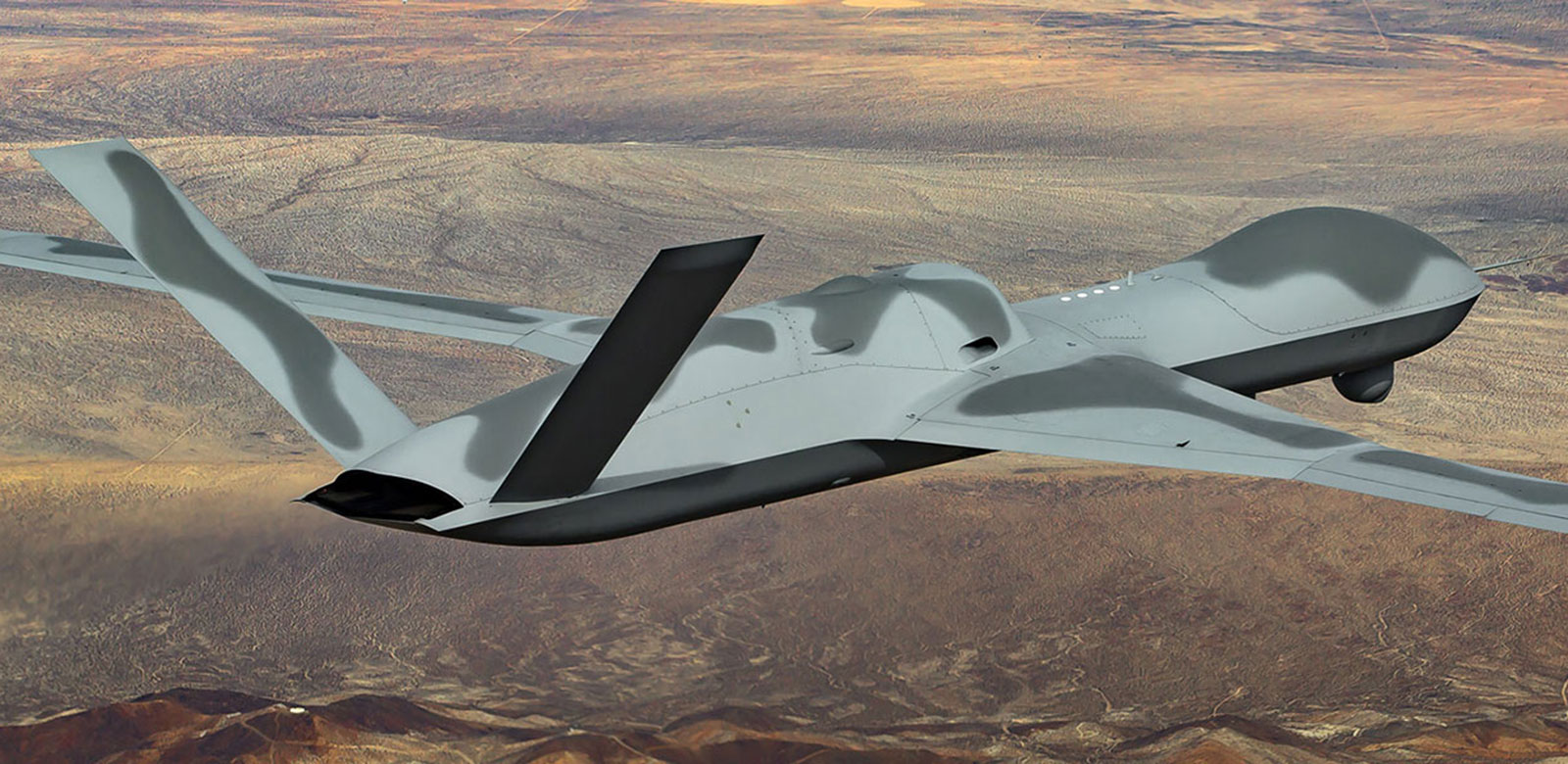
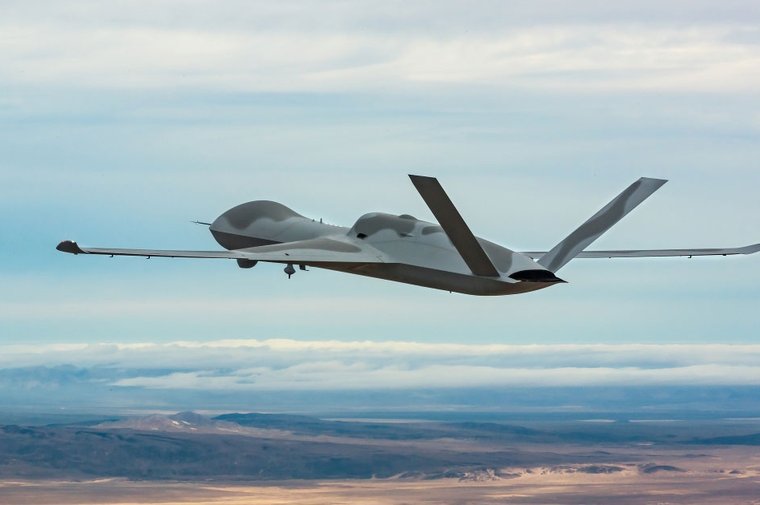
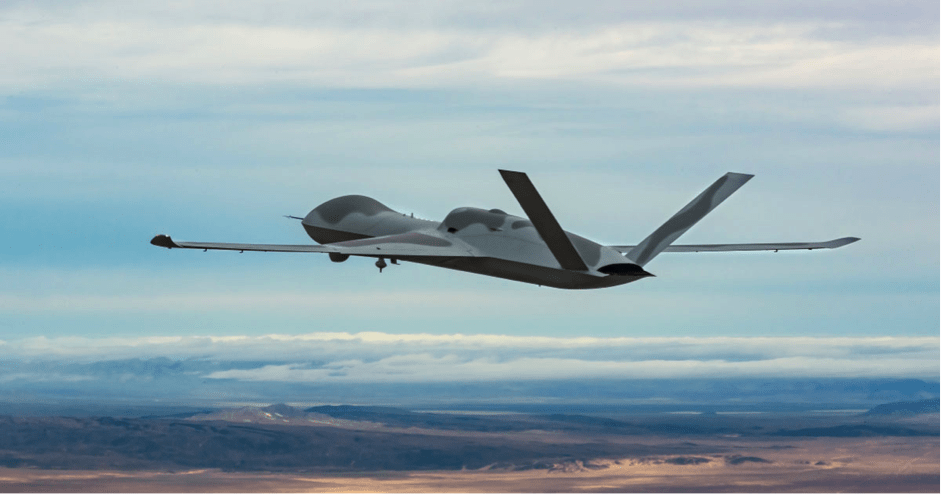
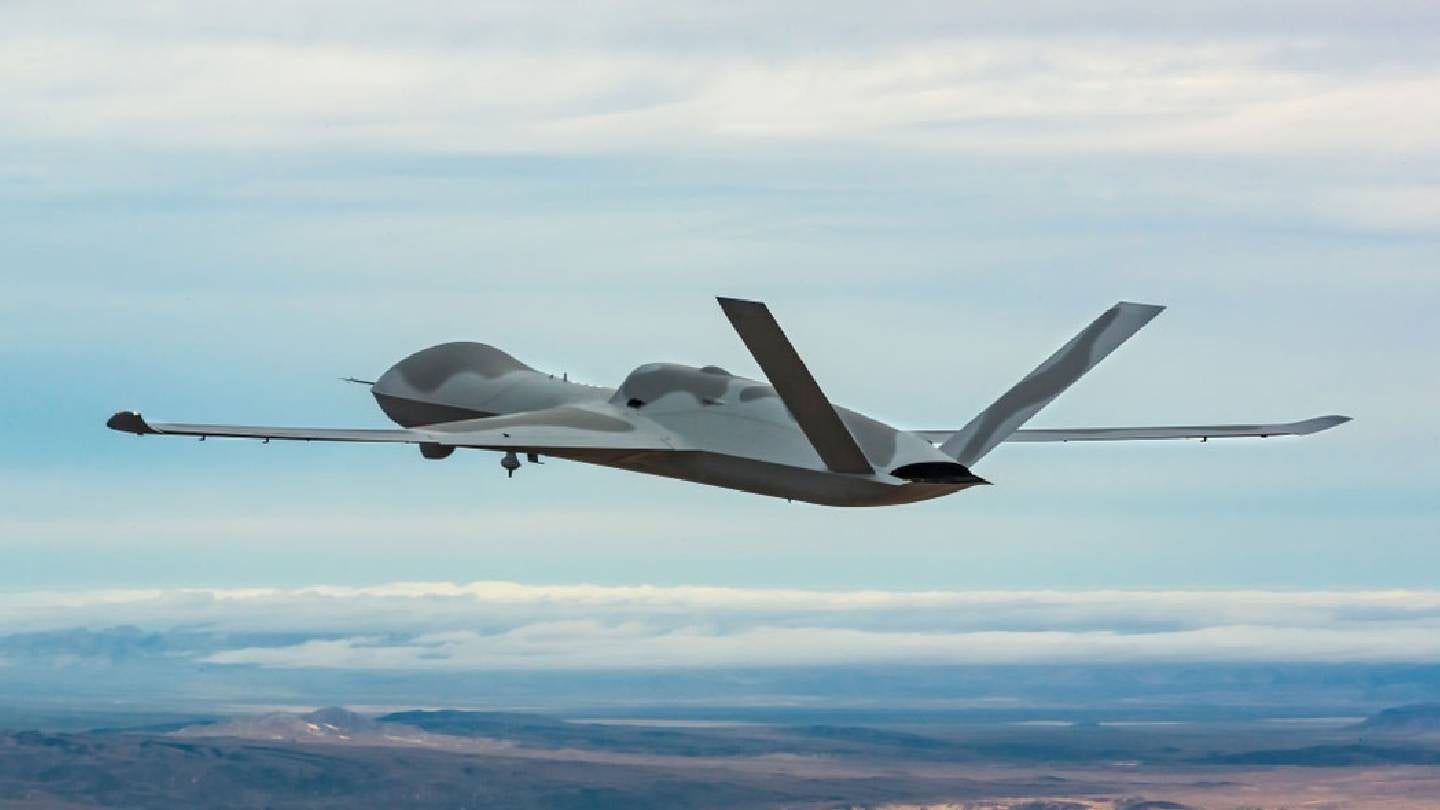
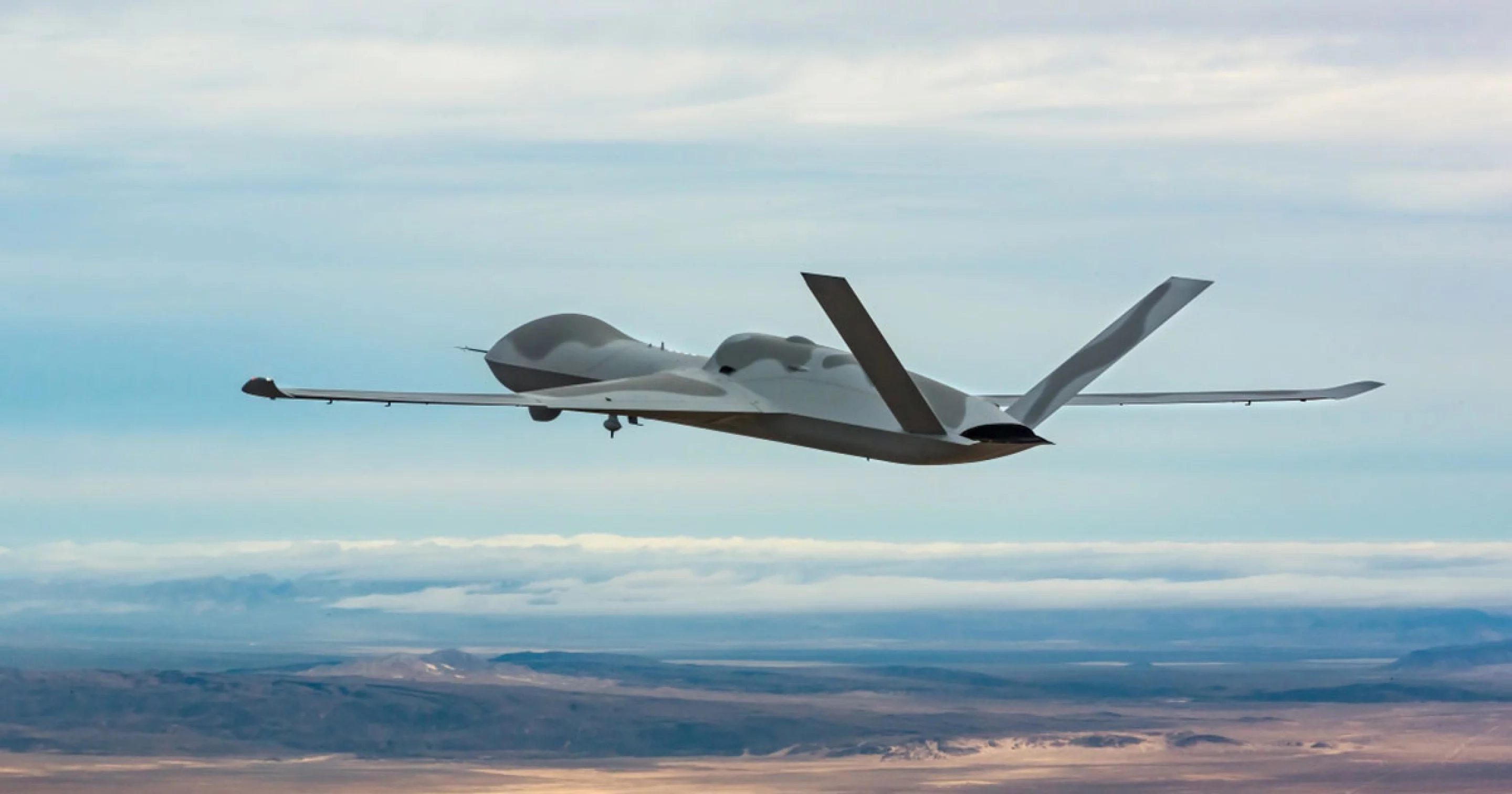
General Atomics Aeronautical Systems, Inc. (GA-ASI) conducted a demonstration in San Diego where its MQ-20 Avenger jet, equipped with advanced AI autonomy software, performed autonomous air interception maneuvers. The AI system independently identified, tracked, and simulated engagement of targets, highlighting the potential risks of autonomous weapon systems if deployed operationally.[AI generated]

Why's our monitor labelling this an incident or hazard?

The MQ-20 Avenger is an AI system with advanced autonomous decision-making capabilities demonstrated in a military context. Although the weapon firing was simulated and no actual harm occurred, the autonomous system's ability to independently identify, track, and engage targets without human intervention presents a plausible risk of harm in future operational use. This fits the definition of an AI Hazard, as the development and demonstration of such autonomous lethal capabilities could plausibly lead to incidents involving injury, violation of rights, or harm to communities. There is no indication that harm has already occurred, so it is not an AI Incident. The article is not primarily about governance or responses, so it is not Complementary Information. Therefore, the classification is AI Hazard.[AI generated]
AI principles
AccountabilitySafetyRespect of human rightsDemocracy & human autonomy

Industries
Government, security, and defenceRobots, sensors, and IT hardware

Severity
AI hazard

Business function:
Research and development

AI system task:
Recognition/object detectionGoal-driven organisation


Articles about this incident or hazard

Thumbnail Image

IRW-News: ACCESS Newswire: GA-ASI führt mit MQ-20 Avenger(R) weitere autonome Luftabfangmanöver in unternehmensfinanzierter Demo durch

2026-01-19
onvista
Why's our monitor labelling this an incident or hazard?
The MQ-20 Avenger is an AI system with advanced autonomous decision-making capabilities demonstrated in a military context. Although the weapon firing was simulated and no actual harm occurred, the autonomous system's ability to independently identify, track, and engage targets without human intervention presents a plausible risk of harm in future operational use. This fits the definition of an AI Hazard, as the development and demonstration of such autonomous lethal capabilities could plausibly lead to incidents involving injury, violation of rights, or harm to communities. There is no indication that harm has already occurred, so it is not an AI Incident. The article is not primarily about governance or responses, so it is not Complementary Information. Therefore, the classification is AI Hazard.
Thumbnail Image

Autonome Flugdemonstration: MQ-20 Avenger zeigt fortschrittliche Fähigkeiten

2026-01-19
IT BOLTWISE® x Artificial Intelligence
Why's our monitor labelling this an incident or hazard?
The MQ-20 Avenger is an AI system as it performs autonomous navigation, target detection, and decision-making. The event involves the use and development of this AI system demonstrating autonomous weaponized capabilities. Although the article does not report any actual harm or incident resulting from this demonstration, the autonomous weapon system's existence and demonstrated capabilities plausibly pose risks of harm if deployed or misused, such as injury to persons or violations of human rights. Therefore, this event qualifies as an AI Hazard due to the credible potential for harm inherent in autonomous weapon systems.
Thumbnail Image

IRW-News: ACCESS Newswire: GA-ASI führt mit MQ-20 Avenger(R) weitere autonome Luftabfangmanöver in unternehmensfinanzierter Demo durch

2026-01-19
boerse-online.de
Why's our monitor labelling this an incident or hazard?
The MQ-20 Avenger uses advanced AI autonomy software to perform complex mission tasks including target detection, trajectory planning, and simulated weapon firing without human control. Although the weapon firing was simulated and no actual harm occurred, the autonomous system's capability to independently engage targets demonstrates a credible potential for harm, including injury or death, if such systems are deployed operationally or misused. The event is a demonstration of AI system development and use that could plausibly lead to an AI Incident involving harm to persons or communities. Hence, it qualifies as an AI Hazard rather than an Incident since no actual harm occurred during the demonstration.
Thumbnail Image

GA-ASI führt mit MQ-20 Avenger(R) weitere autonome Luftabfangmanöver in unternehmensfinanzierter Demo durch

2026-01-19
wallstreet:online
Why's our monitor labelling this an incident or hazard?
The MQ-20 Avenger uses AI systems for autonomous flight and target engagement, which are explicitly described. Although the weapon firing was simulated and no actual harm occurred, the demonstration shows the system's capability to autonomously perform lethal actions. The development and use of such autonomous weapon systems pose a plausible risk of future harm, including injury or death, if deployed operationally. Therefore, this event qualifies as an AI Hazard because it plausibly could lead to an AI Incident involving harm to persons or communities if used in real combat scenarios.
Thumbnail Image

IRW-PRESS: ACCESS Newswire: GA-ASI führt mit MQ-20 Avenger(R) weitere autonome Luftabfangmanöver in unternehmensfinanzierter Demo durch

2026-01-19
Börsen-Zeitung
Why's our monitor labelling this an incident or hazard?
The MQ-20 Avenger is an AI system performing autonomous military operations, including target detection and simulated weapon engagement. While the demonstration itself did not result in actual harm, the event highlights the deployment of AI-enabled autonomous weapons systems with lethal capabilities. The use of such AI systems in military applications poses a plausible risk of harm, including injury or death, if deployed operationally. Therefore, this event represents an AI Hazard, as it plausibly could lead to AI Incidents involving harm to persons or communities in future real-world use. There is no indication that harm has yet occurred, so it is not an AI Incident. The article is not merely complementary information or unrelated news, as it focuses on the autonomous AI system's capabilities and potential implications.
Thumbnail Image

GA-ASI führt mit MQ-20 Avenger(R) weitere autonome Luftabfangmanöver in unternehmensfinanzierter Demo durch

2026-01-19
handelsmeldungen.de
Why's our monitor labelling this an incident or hazard?
The MQ-20 Avenger is an AI system with autonomous decision-making capabilities demonstrated in a military context, including simulated weapon engagement. Although no actual harm occurred during the demonstration, the autonomous system's ability to independently identify and engage targets without human intervention presents a credible risk of future harm, such as injury or death and violations of human rights. The event focuses on the development and demonstration of these capabilities, which plausibly could lead to an AI Incident if deployed operationally. Hence, it is classified as an AI Hazard rather than an AI Incident or Complementary Information.
Thumbnail Image

GA-ASI führt mit MQ-20 Avenger(R) weitere autonome Luftabfangmanöver in unternehmensfinanzierter D

2026-01-19
firmenpresse.de
Why's our monitor labelling this an incident or hazard?
The event involves an AI system explicitly described as an autonomous military drone using AI autonomy software to perform complex tasks including simulated weapon engagement. Although no actual harm occurred during the demonstration, the autonomous system's capability to independently target and simulate firing a weapon indicates a credible risk of future harm if deployed operationally. This fits the definition of an AI Hazard, as the development and demonstration of lethal autonomous weapon systems plausibly could lead to injury, violations of rights, or other significant harms. There is no indication that harm has already occurred, so it is not an AI Incident. The article is not merely complementary information or unrelated news, as it focuses on the autonomous system's capabilities and their implications.
Thumbnail Image

GA-ASI und Barzan Holdings unterzeichnen Absichtserklärung

2026-01-19
handelsmeldungen.de
Why's our monitor labelling this an incident or hazard?
The article involves AI systems as it discusses advanced autonomous and AI-enabled software for military unmanned aerial systems and intelligence analysis. However, it only reports a signed agreement to collaborate on development, with no indication of any harm, malfunction, or misuse having occurred. Since the event concerns the potential future development and deployment of AI systems with significant capabilities in combat scenarios, it plausibly could lead to AI-related harms in the future. Therefore, it qualifies as an AI Hazard rather than an AI Incident or Complementary Information. It is not unrelated because it clearly involves AI systems and their development in a defense context.
Thumbnail Image

GA-ASI und Barzan Holdings unterzeichnen Absichtserklärung

2026-01-19
wallstreet:online
Why's our monitor labelling this an incident or hazard?
The article details a planned collaboration to develop AI-enabled combat management software and autonomous systems but does not describe any actual harm, malfunction, or misuse of AI systems. There is no indication that the development or use of these AI systems has directly or indirectly caused injury, rights violations, disruption, or other harms. While the technologies involved have potential risks, the article does not present any realized or imminent harm. Therefore, this event is best classified as Complementary Information, providing context on AI development and strategic partnerships in defense without reporting an AI Incident or AI Hazard.
Thumbnail Image

General Atomics und Barzan Holdings: Partnerschaft für fortschrittliche Gefechtsführungssysteme

2026-01-19
IT BOLTWISE® x Artificial Intelligence
Why's our monitor labelling this an incident or hazard?
The event involves the development and use of AI systems (autonomous unmanned aerial vehicles and advanced data analytics for command and control) in military applications. Although no harm has yet occurred, the nature of these AI systems and their intended use in combat environments plausibly could lead to significant harms such as injury, disruption, or rights violations. The article focuses on the partnership and development efforts without reporting any actual incident or harm, so it does not qualify as an AI Incident. It is not merely complementary information because the main focus is on the development of potentially hazardous AI-enabled military systems. Hence, the classification as AI Hazard is appropriate.
Thumbnail Image

IRW-PRESS: ACCESS Newswire: GA-ASI und Barzan Holdings unterzeichnen Absichtserklärung

2026-01-19
Börsen-Zeitung
Why's our monitor labelling this an incident or hazard?
The event involves the development and intended use of AI-enabled software for military combat systems and unmanned aerial vehicles. These systems have the potential to be used in lethal autonomous weapons or advanced military decision-making, which could plausibly lead to significant harms such as injury, violation of human rights, or disruption of critical infrastructure. Although no harm has yet occurred, the nature of the AI systems being developed and their intended military application constitute a credible risk of future harm. Therefore, this event qualifies as an AI Hazard rather than an AI Incident or Complementary Information, as it describes the development and planned use of AI systems with plausible future harm but no realized harm reported.
Thumbnail Image

IRW-News: ACCESS Newswire: GA-ASI und Barzan Holdings unterzeichnen Absichtserklärung

2026-01-19
boerse-online.de
Why's our monitor labelling this an incident or hazard?
The article explicitly mentions AI-related systems such as unmanned aerial systems with autonomy and advanced data fusion software for situational awareness, which qualify as AI systems. The collaboration aims to develop these systems further for military combat management. While no harm or incident has occurred, the nature of the technology and its military application imply a credible risk of future harm, such as misuse or malfunction leading to injury, disruption, or violations of rights. Since no actual harm is reported, the event is best classified as an AI Hazard rather than an AI Incident. It is not Complementary Information because it does not update or respond to a prior incident, nor is it unrelated as it clearly involves AI systems with potential risks.
Thumbnail Image

GA-ASI und Calidus unterzeichnen Absichtserklärung hinsichtlich gemeinsamer Produktion des MQ-9B und des Gambit Collaborative Combat Aircraft

2026-01-20
wallstreet:online
Why's our monitor labelling this an incident or hazard?
The article explicitly involves AI systems in the form of unmanned aerial vehicles (MQ-9B and Gambit CCA) that rely on AI for operation. While no harm or incident is reported, the collaboration to produce these military AI-enabled systems plausibly leads to future harms such as injury, disruption, or violations of rights due to their combat use. The event is about development and potential production, not about an incident or harm already occurring, so it does not qualify as an AI Incident. It is not merely complementary information because the focus is on the potential for future harm inherent in the production of these AI-enabled military systems. Hence, the classification is AI Hazard.
Thumbnail Image

GA-ASI und Calidus unterzeichnen Absichtserklärung hinsichtlich gemeinsamer Produktion des MQ-9B und des Gambit Collaborative Combat Aircraft

2026-01-20
handelsmeldungen.de
Why's our monitor labelling this an incident or hazard?
The article explicitly involves AI systems (unmanned aerial systems with autonomous capabilities) and their future production, which is relevant to AI ecosystem developments. However, there is no indication of any harm, malfunction, or misuse occurring or imminent. The event is a formal agreement to collaborate on production, which is a preparatory step rather than an incident or hazard. According to the definitions, the mere signing of an MOU for future production of AI-enabled military drones does not constitute an AI Incident or AI Hazard unless harm or plausible harm is described. Thus, the event fits the category of Complementary Information, providing important context about AI system development and strategic partnerships without reporting harm or credible risk of harm at this stage.
Thumbnail Image

IRW-News: ACCESS Newswire: GA-ASI und Calidus unterzeichnen Absichtserklärung hinsichtlich gemeinsamer Produktion des MQ-9B und des Gambit Collaborative Combat Aircraft

2026-01-20
boerse-online.de
Why's our monitor labelling this an incident or hazard?
The article explicitly involves AI systems as it concerns unmanned aerial vehicles with autonomous or semi-autonomous functions, which rely on AI for operation. The event is about the development and production collaboration of these AI-enabled military systems. There is no mention of any actual harm or incident caused by these systems so far. However, the nature of these systems as armed or combat UAVs with AI capabilities means their proliferation could plausibly lead to significant harm, such as injury, disruption, or violations of rights in future conflicts. Hence, the event fits the definition of an AI Hazard rather than an AI Incident or Complementary Information. It is not unrelated because it clearly involves AI systems and their potential impact.
Thumbnail Image

MQ-20 Avenger Drone Demos Autonomous Intercept of Piloted Aircraft

2026-01-22
The Defense Post
Why's our monitor labelling this an incident or hazard?
The MQ-20 Avenger drone is an AI system capable of autonomous decision-making in a military context, including targeting and simulated engagement. The demonstration of autonomous lethal action indicates the development and use of an AI system with potential to cause harm. Although no actual harm occurred during the demonstration, the autonomous weapon system's capability to identify and neutralize targets without human intervention poses a credible risk of future harm, including injury or death, if deployed operationally. Therefore, this event qualifies as an AI Hazard due to the plausible future harm from autonomous lethal use.
Thumbnail Image

GA-ASI Makes Another Autonomous Aerial Intercept in Company-Funded Demo with MQ-20 Avenger(r)

2026-01-19
sUAS News
Why's our monitor labelling this an incident or hazard?
The MQ-20 Avenger's autonomy software qualifies as an AI system due to its ability to process sensor data, make independent decisions, and execute complex mission tasks including simulated weapon firing. The demonstration shows the AI system's capability to autonomously engage targets, which if operationalized, could directly lead to harm (destruction of targets, injury, or death). Although this event is a demonstration and no actual harm occurred, the nature of the AI system and its intended use plausibly could lead to significant harm in the future. Therefore, this event is best classified as an AI Hazard, reflecting the credible risk posed by the development and demonstration of autonomous lethal AI systems.
Thumbnail Image

Avenger jet drone conducts simulated intercept

2026-01-19
UK Defence Journal
Why's our monitor labelling this an incident or hazard?
The MQ-20 Avenger drone uses an AI system for autonomous mission execution, including target detection and intercept solution generation, which fits the definition of an AI system. The event involves the use of this AI system in a simulated intercept mission, demonstrating autonomous decision-making without human control. Although no harm occurred during this test, the nature of the system and its military application imply a credible risk of future harm (e.g., injury, property damage, or violations of rights) if deployed operationally. Since no actual harm or incident is reported, but plausible future harm exists, the event qualifies as an AI Hazard rather than an AI Incident or Complementary Information. It is not unrelated because the AI system and its autonomous use are central to the event.
Thumbnail Image

General Atomics MQ-20 Avenger Drone Completes First Live Autonomous Air-to-Air Intercept Test

2026-01-19
armyrecognition.com
Why's our monitor labelling this an incident or hazard?
The MQ-20 Avenger drone uses AI autonomy software to perform complex air combat tasks including simulated lethal engagement, which qualifies as an AI system. The event involves the use of this AI system in a military context with potential for lethal force. No actual harm or injury occurred during the test, so it is not an AI Incident. However, the demonstrated autonomous lethal capability plausibly could lead to future harms such as injury, violations of human rights, or escalation of conflict, fitting the definition of an AI Hazard. The article focuses on the demonstration and implications of this capability rather than reporting any realized harm or incident.
Thumbnail Image

GA-ASI makes strides with further MQ-20 intercept test success

2026-01-19
shephardmedia.com
Why's our monitor labelling this an incident or hazard?
The MQ-20 Avenger UAV uses AI systems for autonomous mission execution, including tracking and intercepting targets. The event is about a demonstration test, with no reported injury, rights violation, or other harm. However, the development and testing of autonomous weapon systems inherently carry plausible risks of future harm, such as misuse or accidents. Since no harm has materialized, this qualifies as an AI Hazard rather than an AI Incident.
Thumbnail Image

GA-ASI DEMONSTRATES AUTONOMOUS AERIAL INTERCEPT CAPABILITY WITH MQ-20 AVENGER - World Airnews

2026-01-19
World Airnews
Why's our monitor labelling this an incident or hazard?
The MQ-20 Avenger's autonomous system integrates sensing, decision-making, and execution, which qualifies as an AI system. The demonstration shows the AI system functioning as intended in a military context with potential for lethal engagement. However, the event is a controlled demonstration with no reported harm or incident resulting from the AI system's use. There is no indication of injury, property damage, rights violations, or disruption caused by the AI system. While the technology has clear potential for future harm if misused or malfunctioning, the article focuses on a successful test without any harm occurring. Therefore, this event represents an AI Hazard, as the autonomous combat capability could plausibly lead to harm in future operational contexts, but no harm has yet occurred.
Thumbnail Image

GA-ASI conducts MQ-20 avenger autonomy flight with government software

2026-01-19
Army Technology
Why's our monitor labelling this an incident or hazard?
The MQ-20 Avenger drone's autonomy software qualifies as an AI system due to its independent decision-making and complex task execution without human intervention. The simulated weapon firing indicates potential lethal use. Since no actual harm occurred during the test, but the system's capabilities could plausibly lead to harm in future operational use, this event fits the definition of an AI Hazard. The development and demonstration of autonomous weapon systems with lethal potential are recognized as hazards due to their credible risk of causing injury or harm in the future.
Thumbnail Image

GA-ASI and Barzan Holdings Sign MOU

2026-01-19
Northern Ireland News
Why's our monitor labelling this an incident or hazard?
The article explicitly involves AI systems through references to autonomy, multi-source data fusion, and advanced analytics for battle management. There is no mention of any harm or incident caused by these systems so far. The event is about a collaboration agreement to develop AI-enabled defense software, which could plausibly lead to future harms given the military context and potential for autonomous decision-making. This fits the definition of an AI Hazard, as it describes a credible risk of future harm from AI system development and deployment in a sensitive domain. It is not Complementary Information because it is not an update or response to a prior incident, nor is it unrelated since AI involvement is clear and central.
Thumbnail Image

GA-ASI advances Avenger autonomy tests with simulated air-to-air ...

2026-01-19
Flight Global
Why's our monitor labelling this an incident or hazard?
The MQ-20 Avenger's autonomy software qualifies as an AI system due to its ability to process sensor data and make independent decisions to execute complex tasks such as target tracking and simulated weapon firing. Although the event describes a simulation without actual harm, the AI system's use in autonomous lethal engagement represents a credible risk of future harm, including injury or death, if deployed operationally. Therefore, this event is best classified as an AI Hazard, reflecting the plausible future risk posed by the autonomous capabilities demonstrated.
Thumbnail Image

46%无人机适飞空域!做"世界eVTOL之都",上海凭什么? - 21经济网

2026-01-26
21jingji.com
Why's our monitor labelling this an incident or hazard?
The article involves AI systems implicitly through drone operations and intelligent airspace management platforms using AI algorithms for monitoring and control. However, it does not report any actual harm or incidents caused by AI, nor does it describe a plausible imminent risk of harm. Instead, it details policy measures, industry growth, and infrastructure developments that support the safe and efficient use of AI-enabled drones and eVTOL aircraft. This fits the definition of Complementary Information, as it enhances understanding of the AI ecosystem and governance responses without describing a new AI Incident or AI Hazard.
Thumbnail Image

46%无人机适飞空域!做"世界eVTOL之都",上海凭什么?

2026-01-26
东方财富网
Why's our monitor labelling this an incident or hazard?
The article explicitly mentions AI-enabled platforms (e.g., the 'low-altitude sky shepherd platform') that use intelligent algorithms for airspace management and safety regulation, indicating the involvement of AI systems. However, there is no indication of any injury, rights violation, property damage, or other harms caused or plausibly caused by these AI systems. The focus is on policy implementation, industrial promotion, and technological infrastructure development, which aligns with the definition of Complementary Information. There is no report of realized harm (AI Incident) or credible risk of harm (AI Hazard) stemming from AI system malfunction or misuse. Hence, the classification as Complementary Information is appropriate.
Thumbnail Image

中大"大脑"算出火箭"回家"路

2026-01-26
金羊网
Why's our monitor labelling this an incident or hazard?
The event clearly involves an AI system (the onboard trajectory optimization algorithm and computer) used in the autonomous guidance of a rocket. The AI system's development and use are central to the event. However, the article describes a successful test flight with no reported harm, injury, or violation of rights. There is no indication of malfunction or failure causing harm. The AI system's role is pivotal in the operation, but the event is a positive demonstration rather than an incident or hazard. Since no harm occurred and no plausible future harm is indicated, and the article focuses on the technological achievement and its implications, the event is best classified as Complementary Information, providing context and insight into AI applications in aerospace without constituting an incident or hazard.
Thumbnail Image

中大"大脑"算出火箭"回家"路

2026-01-26
ysln.ycwb.com
Why's our monitor labelling this an incident or hazard?
The event clearly involves an AI system (the onboard trajectory optimization algorithm and computer) used in the development and operation of a rocket's autonomous guidance. The AI system's role is central to the event, as it performs real-time autonomous control decisions. However, the article does not describe any harm or risk of harm that has occurred or is imminent due to the AI system's use. Instead, it reports a successful test and technological progress. Since no direct or indirect harm has materialized, and the event is not primarily about potential future harm but about a successful demonstration, it does not meet the criteria for AI Incident or AI Hazard. The article provides valuable complementary information about AI's role in aerospace innovation and the integration of AI in critical systems, fitting the definition of Complementary Information.
Thumbnail Image

"数说"广东"十四五"丨一线探新②:全球唯一"三证"傍身的"空中的士"__新快网

2026-01-28
xkb.com.cn
Why's our monitor labelling this an incident or hazard?
The event involves an AI system: an autonomous passenger drone with AI-based navigation, remote control, and fail-safe mechanisms. The article focuses on the development and commercial operation of this AI system without reporting any actual harm or incidents. Given the nature of autonomous passenger drones, there is a plausible risk that AI system failures or misuse could lead to injury, property damage, or disruption, qualifying this as an AI Hazard. Since no harm has yet occurred, it is not an AI Incident. The article is not merely complementary information because it highlights the operational deployment and scale of an AI system with inherent risks, not just background or governance updates.
Thumbnail Image

《飞行汽车发展报告2.0:迈向空地一体交通新时代》报告发布-国际在线

2026-01-26
auto.cri.cn
Why's our monitor labelling this an incident or hazard?
The article is a general industry report on flying cars, focusing on definitions, development bottlenecks, technology directions, industrial chain status, and commercial models. Although AI-related technologies like intelligent driving and smart control are referenced as part of the technology system, there is no mention of any realized harm, incident, or plausible hazard caused by AI systems. The content is informational and forward-looking without describing any specific AI incident or hazard. Therefore, it fits best as Complementary Information, providing context and understanding of AI-related technological development in flying cars without reporting harm or risk.
Thumbnail Image

自主战斗无人机MQ-20"复仇者"在演习中首获空战击杀战绩

2026-01-26
cnBeta.COM
Why's our monitor labelling this an incident or hazard?
The MQ-20 drone uses AI systems for autonomous target detection, tracking, decision-making, and engagement in a combat exercise. The event reports a successful simulated air-to-air kill, indicating the AI system's direct role in lethal force application. This constitutes realized harm in the context of military operations, fulfilling the criteria for an AI Incident. The autonomous nature of the system and its lethal application are central to the event, not merely potential or future risks, thus excluding classification as an AI Hazard or Complementary Information. The event is not unrelated as it clearly involves an AI system and its operational consequences.