AI Leaders Warn of Job Displacement Risks from Rapid AI Development

Thumbnail Image

The information displayed in the AIM should not be reported as representing the official views of the OECD or of its member countries.

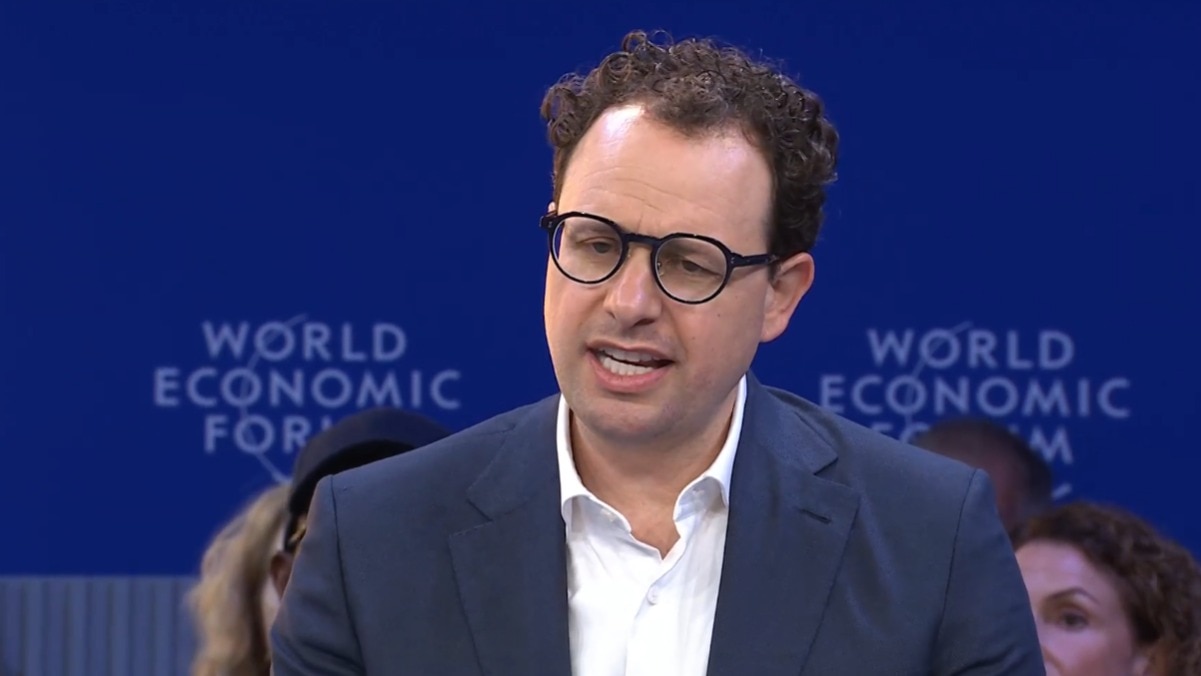
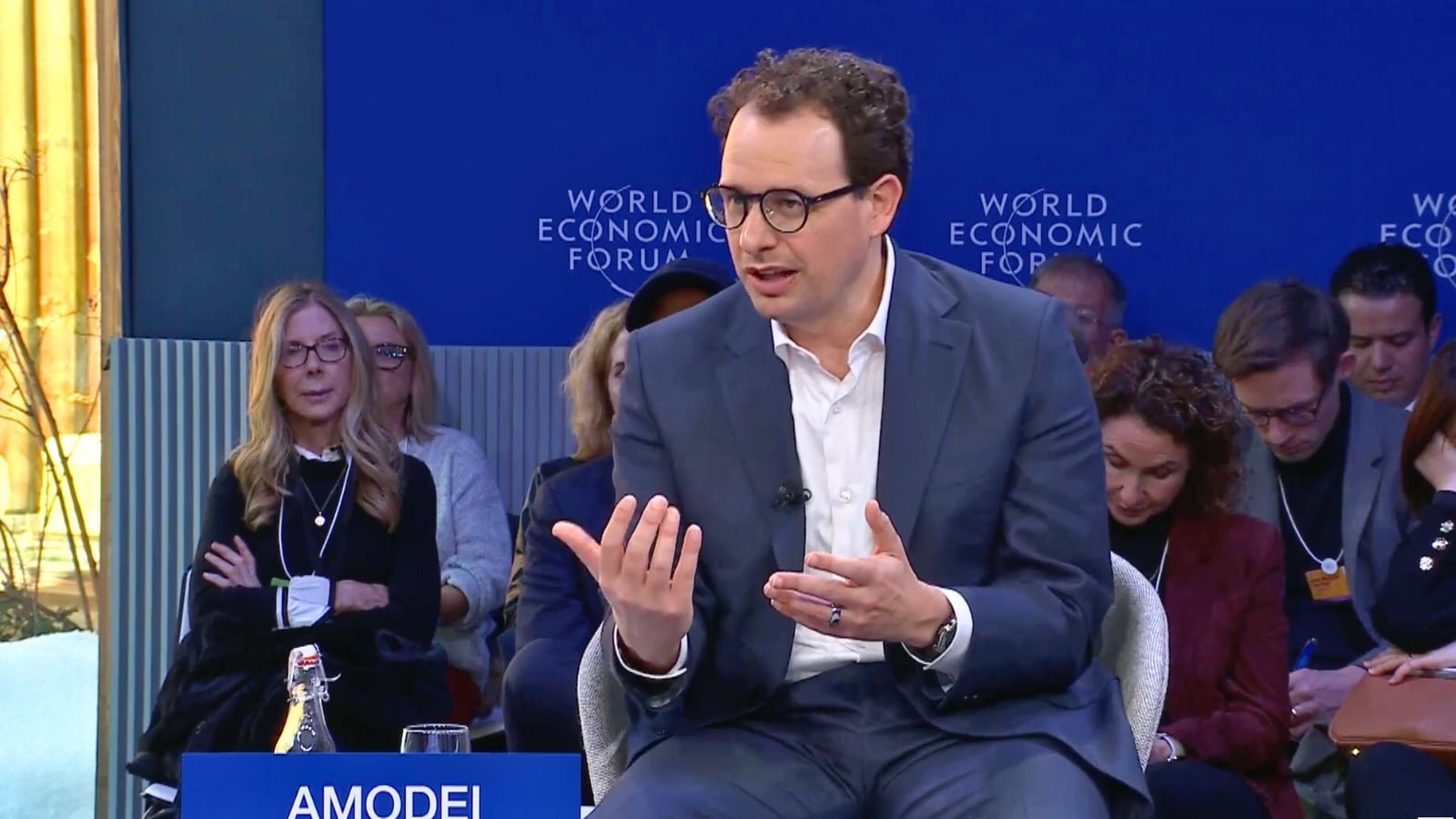
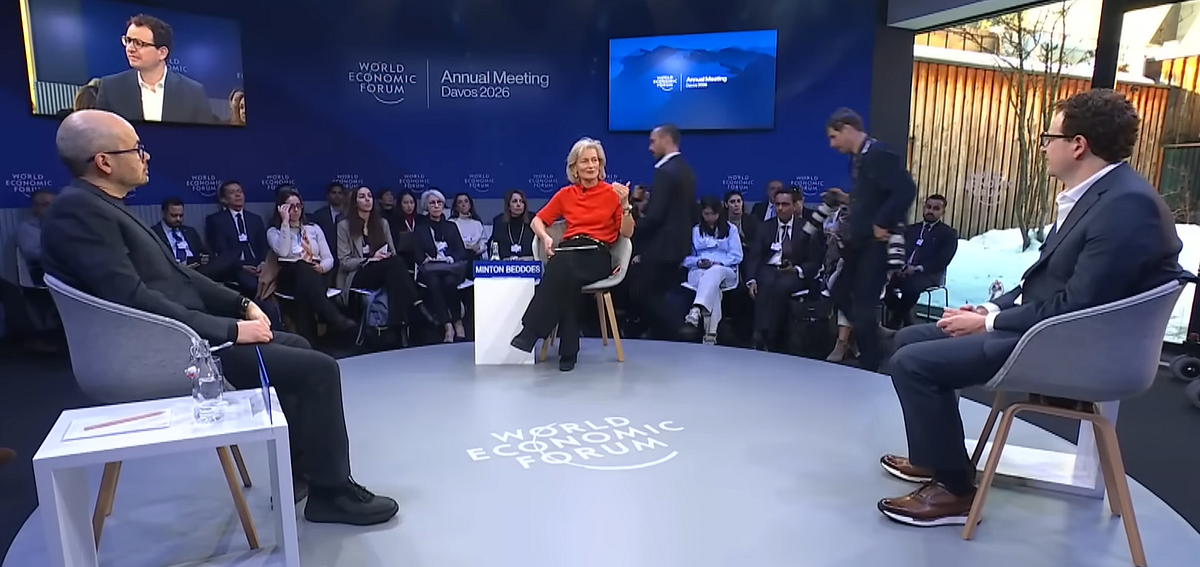
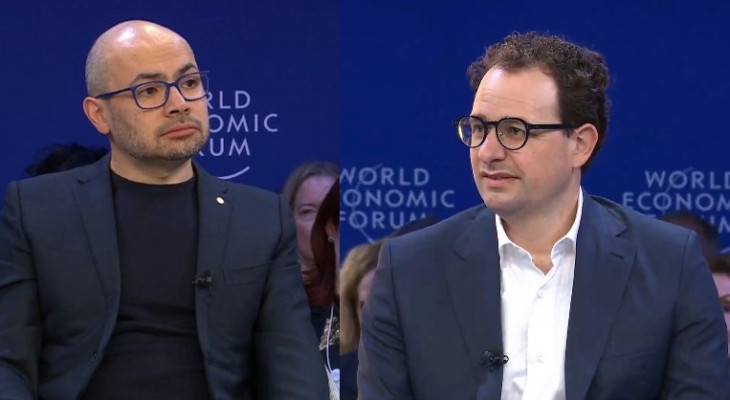
At the World Economic Forum in Davos, CEOs of Google DeepMind and Anthropic warned that rapid AI advancements are beginning to impact junior-level hiring, with potential for widespread job displacement and economic disruption. They urged governments to prepare for significant labor market changes as AI systems approach human-level intelligence.[AI generated]

Why's our monitor labelling this an incident or hazard?

The article involves AI systems as it discusses AI's impact on employment, specifically the reduction of junior roles due to AI capabilities in software and coding. The CEOs' remarks highlight a credible risk that AI development and deployment could lead to significant job displacement, which constitutes a plausible future harm to labor markets and employment. Since no actual harm has yet materialized but the risk is credible and foreseeable, this event qualifies as an AI Hazard rather than an AI Incident or Complementary Information.[AI generated]
AI principles
AccountabilityFairnessHuman wellbeing

Industries
Business processes and support services

Affected stakeholders
Workers

Harm types
Economic/Property

Severity
AI hazard

Business function:
Human resource management


Articles about this incident or hazard

Thumbnail Image

DeepMind and Anthropic CEOs: AI is already coming for junior roles at our companies

2026-01-20
Business Insider
Why's our monitor labelling this an incident or hazard?
The article involves AI systems as it discusses AI's impact on employment, specifically the reduction of junior roles due to AI capabilities in software and coding. The CEOs' remarks highlight a credible risk that AI development and deployment could lead to significant job displacement, which constitutes a plausible future harm to labor markets and employment. Since no actual harm has yet materialized but the risk is credible and foreseeable, this event qualifies as an AI Hazard rather than an AI Incident or Complementary Information.
Thumbnail Image

WEF Davos 2026: Google DeepMind, Anthropic CEOs Debate AGI Timelines And Jobs - BW Businessworld

2026-01-20
BW Businessworld
Why's our monitor labelling this an incident or hazard?
The article involves AI systems as it discusses advanced AI capabilities and their potential impacts. The CEOs warn about possible future job displacement and economic disruption due to AI, which are plausible harms that could arise from AI use. However, no actual harm or incident has occurred yet; the article is focused on predictions, warnings, and the need for preparedness. Therefore, the event is best classified as an AI Hazard, reflecting credible potential future harm from AI systems approaching human-level intelligence and their societal effects.
Thumbnail Image

Anthropic CEO Says Government Should Help Ensure AI's Economic Upside Is Shared

2026-01-20
The Wall Street Journal
Why's our monitor labelling this an incident or hazard?
The article centers on predictions and concerns about the future economic and social consequences of AI, including potential job displacement and inequality, which are plausible future harms. There is no description of an actual AI incident or harm that has occurred, nor is there a report of a specific AI system malfunction or misuse causing harm. The content is primarily a discussion of potential risks and the need for governance and social responsibility, fitting the definition of an AI Hazard. It does not qualify as Complementary Information because it is not updating or responding to a specific past incident, nor is it unrelated since it directly addresses AI's societal impact.
Thumbnail Image

Anthropic CEO fears AI development is exponentially compounding, fearing it could erase entry‑level jobs -- "it will overwhelm our ability to adapt"

2026-01-20
Windows Central
Why's our monitor labelling this an incident or hazard?
The article involves AI systems in the context of their potential impact on employment, which is a recognized societal harm. However, it does not describe any actual incident where AI has caused harm or job loss; rather, it presents expert opinions and predictions about plausible future impacts. Therefore, it fits the definition of an AI Hazard, as it outlines credible risks that AI development and deployment could plausibly lead to significant harm (job displacement) in the near future, but no specific incident has yet occurred.
Thumbnail Image

DeepMind and Anthropic CEOs: AI is already coming for junior roles at our companies

2026-01-20
Business Insider Africa
Why's our monitor labelling this an incident or hazard?
The article involves AI systems as it discusses AI's impact on labor markets and employment, specifically the potential displacement of junior roles due to AI capabilities in software and coding. The harm described is potential future economic and employment disruption, which fits the definition of an AI Hazard because it plausibly could lead to significant harm (unemployment, economic disruption) but has not yet materialized as an incident. The CEOs' statements reflect warnings about plausible future harm and the need for governance responses, but no realized harm or incident is described.
Thumbnail Image

Deepmind and Anthropic CEOs expect AI to hit entry-level jobs and internships in 2026

2026-01-20
The Decoder
Why's our monitor labelling this an incident or hazard?
The article involves AI systems in the context of their impact on employment, but it does not describe any direct or indirect harm that has already occurred due to AI system use or malfunction. The discussion is about plausible future harm to jobs and internships, which is a credible risk but not yet realized. Therefore, this qualifies as an AI Hazard, as it highlights a plausible future risk of harm from AI systems to employment, rather than an AI Incident or Complementary Information.
Thumbnail Image

Dario Amodei Challenges Jensen Huang's Vision of Global A.I. Integration

2026-01-20
Observer
Why's our monitor labelling this an incident or hazard?
The article centers on expert opinions and policy debates regarding AI technology and its societal and geopolitical implications. It does not report any realized harm or a specific AI incident or hazard but rather discusses potential risks and the need for governance and safety standards. Therefore, it fits the definition of Complementary Information, as it provides supporting context and insights into AI's broader ecosystem and challenges without describing a concrete AI Incident or AI Hazard.
Thumbnail Image

DeepMind and Anthropic CEOs warn AI is already impacting junior roles

2026-01-21
Digit
Why's our monitor labelling this an incident or hazard?
The article involves AI systems as it discusses AI tools reducing the need for junior workers, implying AI's role in automating tasks traditionally done by entry-level employees. The harm described is economic and social (potential job loss and increased unemployment), which qualifies as harm to communities or significant societal harm. However, the article does not describe a specific event where harm has already occurred due to AI use or malfunction but rather anticipates and warns about plausible future impacts. This aligns with the definition of an AI Hazard, as the development and use of AI systems could plausibly lead to significant employment disruption. It is not Complementary Information because the main focus is not on responses or updates to past incidents but on emerging and anticipated impacts. It is not Unrelated because the content is clearly about AI's societal impact.
Thumbnail Image

Anthropic CEO Says AI Could Replace Software Engineers in 6 to 12 Months

2026-01-21
Entrepreneur
Why's our monitor labelling this an incident or hazard?
The article does not describe any realized harm or incident caused by AI systems but rather a plausible future scenario where AI could lead to significant labor market disruption. This fits the definition of an AI Hazard, as the development and use of AI systems could plausibly lead to harm (job loss or economic disruption) in the near future. There is no indication of an actual AI Incident or complementary information about responses or mitigation measures, nor is it unrelated to AI.
Thumbnail Image

Expect AGI Within a Few Years, Says Anthropic CEO -- and Job Losses Too

2026-01-21
Decrypt
Why's our monitor labelling this an incident or hazard?
The article centers on forecasts and warnings about the future impact of AI, especially AGI, on jobs and society. It does not report any concrete event where an AI system has directly or indirectly caused harm or disruption. The harms discussed are prospective and speculative, emphasizing plausible future economic and social challenges rather than realized incidents. Therefore, the event qualifies as an AI Hazard because it plausibly leads to significant harms (job losses, social disruption) due to AI development and deployment, but no actual incident has yet occurred.
Thumbnail Image

Silicon Valley elites could see 50% GDP growth while unemployment...

2026-01-21
New York Post
Why's our monitor labelling this an incident or hazard?
The article involves AI systems as it discusses AI-driven economic growth and job displacement. The harms described (massive unemployment, economic decoupling) are potential future harms that could plausibly arise from AI development and use. Since no actual harm has yet occurred, and the focus is on a forecasted risk and regulatory response, this fits the definition of an AI Hazard rather than an AI Incident. It is not Complementary Information because it is not updating or responding to a past incident, nor is it unrelated as it directly concerns AI's societal impact.
Thumbnail Image

AI Could Replace Software Engineers Within A Year, Warns Anthropic CEO Dario Amodei

2026-01-21
thedailyjagran.com
Why's our monitor labelling this an incident or hazard?
The article does not describe any realized harm or incident caused by AI systems, nor does it report a specific event where AI use led to injury, rights violations, or other harms. Instead, it presents a prediction and discussion about the rapid advancement of AI in software engineering and its possible future effects on jobs. This constitutes a plausible future risk or transformation but not an immediate or realized harm. Therefore, it fits the category of Complementary Information, as it provides context and insight into AI's evolving role and potential societal impact without describing a concrete AI Incident or Hazard.
Thumbnail Image

Anthropic made about $10 billion in 2025 revenue, according to CEO Dario Amodei

2026-01-21
Trending Topics
Why's our monitor labelling this an incident or hazard?
The article does not describe any specific AI Incident where harm has occurred due to AI system development, use, or malfunction. Instead, it outlines potential risks and hazards associated with AI, such as misuse and economic disruption, which could plausibly lead to harm in the future. It also includes discussion of governance and risk management approaches. Therefore, the event fits the definition of an AI Hazard, as it highlights credible potential harms from AI development and deployment without reporting actual incidents of harm.
Thumbnail Image

AI will write codes like humans within a year, says Anthropic CEO

2026-01-21
Digit
Why's our monitor labelling this an incident or hazard?
The content centers on predictions and observations about AI capabilities evolving to perform software engineering tasks autonomously. While this implies a plausible future risk to employment and job security, no concrete harm or incident has occurred yet. The article mainly provides context and perspectives on the evolving AI landscape and its implications for work, which fits the definition of Complementary Information rather than an AI Incident or AI Hazard.
Thumbnail Image

Anthropic CEO says AI will do everything software engineers do in 12 months

2026-01-21
India Today
Why's our monitor labelling this an incident or hazard?
The article primarily provides a forward-looking statement and analysis about AI's evolving role in software engineering. It does not describe any realized harm or incident caused by AI systems, nor does it report a near miss or credible risk event. The content is speculative and contextual, focusing on potential future changes rather than an actual AI Incident or Hazard. Therefore, it fits best as Complementary Information, offering insight into AI's impact on the software industry and workforce without describing a specific harmful event or credible imminent risk.
Thumbnail Image

Software engineering will be 'automatable' in 12 months, says Anthropic CEO Dario Amodei

2026-01-21
The Indian Express
Why's our monitor labelling this an incident or hazard?
The article centers on predictions and observations about AI's increasing role in software engineering, highlighting potential job displacement concerns but without reporting any specific event where AI caused harm or disruption. There is no mention of an AI system malfunctioning or causing injury, rights violations, or other harms. The content is forward-looking and contextual, discussing the evolution and capabilities of AI tools like Anthropic's Claude, which fits the description of Complementary Information rather than an Incident or Hazard.
Thumbnail Image

'H-1B techies will become worthless': Internet reacts to Anthropic CEO's chilling AI prediction

2026-01-21
The Financial Express
Why's our monitor labelling this an incident or hazard?
The article centers on a CEO's prediction about AI's future capabilities and its potential to replace software engineers, which is a forecast rather than a report of an actual harmful event. While the prediction implies possible future economic and labor market disruptions, no current harm or incident caused by AI is described. The discussion includes societal and political reactions, which align with the definition of Complementary Information as it provides supporting context and understanding of AI's impact. There is no mention of AI malfunction, misuse, or direct harm, nor a credible immediate risk event. Hence, the article does not meet the criteria for AI Incident or AI Hazard but rather complements understanding of AI's societal implications.
Thumbnail Image

'We're 6-12 Months Away From AI Doing Everything Software Engineers Do': Anthropic CEO's Terrifying Prediction

2026-01-21
Free Press Journal
Why's our monitor labelling this an incident or hazard?
The event involves AI systems and their development/use, but only in a speculative, predictive context without any current harm or incident. The CEO's warning about AI potentially replacing software engineers is a plausible future risk but does not describe an actual AI Incident or AI Hazard occurring now. It is not a report of an AI system malfunction or misuse causing harm, nor does it describe a credible imminent hazard with specific risk. Therefore, it fits best as Complementary Information, providing context and insight into AI's evolving capabilities and societal implications without reporting a concrete incident or hazard.
Thumbnail Image

Good luck trying to change the subject, everyone at Davos is talking about AI

2026-01-21
Morning Brew
Why's our monitor labelling this an incident or hazard?
The content focuses on general discourse and viewpoints about AI's societal implications and geopolitical dynamics at the World Economic Forum, without detailing any concrete incident or hazard involving AI systems causing or plausibly causing harm. Therefore, it fits the category of Complementary Information as it provides context and insight into the broader AI ecosystem and governance discussions rather than reporting a specific AI Incident or AI Hazard.
Thumbnail Image

Anthropic CEO's chilling prediction: Dario Amodei says 'we're 6-12 months away' from AI doing what software engineers do

2026-01-21
Hindustan Times
Why's our monitor labelling this an incident or hazard?
The article discusses a forecast about AI's future capabilities and its potential impact on employment, specifically software engineering. There is no mention of any realized harm, incident, or malfunction caused by AI systems. The content is speculative and does not describe an actual event where AI caused harm or a plausible immediate hazard. Therefore, it fits the category of Complementary Information as it provides context and insight into AI's evolving role and societal implications without reporting a specific incident or hazard.
Thumbnail Image

The Threshold: Dario Amodei and Demis Hassabis on the Edge of AGI

2026-01-22
Medium
Why's our monitor labelling this an incident or hazard?
The article involves AI systems explicitly, discussing AGI and its development timelines, risks, and societal impacts. However, it does not report any actual incident where AI has directly or indirectly caused harm. Instead, it highlights credible risks and potential harms that could arise from AGI deployment, such as civilizational disruption, misuse, and labor displacement. Therefore, it fits the definition of an AI Hazard, as it plausibly leads to AI Incidents in the future but does not describe a realized harm event. It is not Complementary Information because it is not an update or response to a past incident but a forward-looking risk assessment. It is not Unrelated because it clearly concerns AI systems and their impacts.
Thumbnail Image

AI Leaders Say Human-Level Systems Are Approaching Fast

2026-01-22
Cointribune
Why's our monitor labelling this an incident or hazard?
The article primarily provides an overview of expert perspectives on the accelerating development of AI and its potential disruptive effects on employment and social systems. It does not report any realized harm or incident caused by AI, nor does it describe a specific AI system malfunction or misuse event. The content is forward-looking and discusses plausible future risks and governance challenges, which aligns with a broader contextual or complementary information role rather than an incident or hazard. Therefore, it fits best as Complementary Information, as it informs about societal and governance responses and concerns related to AI progress without detailing a specific AI Incident or AI Hazard.
Thumbnail Image

Anthropic CEO Foresees Imminent Arrival of AGI and Job Reductions | ForkLog

2026-01-22
forklog.media
Why's our monitor labelling this an incident or hazard?
The article involves AI systems and their development, specifically AGI and large language models automating software engineering tasks. The harms discussed—job displacement and degradation of professional work—are potential future harms rather than current incidents. There is no direct or indirect evidence of actual harm having occurred yet. Therefore, the event fits the definition of an AI Hazard, as it plausibly could lead to significant economic and social harm in the near future, but no incident has yet materialized. It is not Complementary Information because it is not updating or responding to a past incident but rather forecasting future risks. It is not Unrelated because it clearly involves AI and its societal implications.
Thumbnail Image

WEF 2026: AGI timelines, AI chips, and a race no one can stop

2026-01-22
Hindustan Times
Why's our monitor labelling this an incident or hazard?
The article primarily addresses the potential future risks and geopolitical challenges related to AI development and deployment, including the possibility of AGI and the implications of AI chip sales to China. While these issues represent credible concerns that could plausibly lead to AI incidents in the future, no actual harm or incident is reported. The discussion is centered on expert opinions, policy considerations, and the strategic environment rather than on a concrete event involving AI system malfunction or misuse causing harm. Therefore, this qualifies as an AI Hazard, reflecting plausible future risks rather than realized harm or incident.
Thumbnail Image

Anthropic CEO warns AI could replace most software engineers within a year

2026-01-22
Firstpost
Why's our monitor labelling this an incident or hazard?
The article does not report any realized harm or incident caused by AI systems but rather presents a credible warning about the potential for AI to replace human software engineers soon. This constitutes a plausible future harm related to labor rights and employment, as AI taking over software engineering jobs could lead to significant social and economic impacts. Since no actual harm has yet occurred, and the focus is on the potential future impact of AI, this event fits the definition of an AI Hazard rather than an AI Incident or Complementary Information.
Thumbnail Image

AI could take over most coding tasks within a year, Anthropic CEO warns

2026-01-22
storyboard18.com
Why's our monitor labelling this an incident or hazard?
The event involves AI systems (e.g., Anthropic's Claude) increasingly performing coding tasks, which is a clear AI system involvement. However, the article only presents a forecast and discussion about potential future impacts on employment and productivity, without any realized harm or direct incidents. Therefore, it describes a plausible future risk related to AI's impact on jobs but does not document an actual AI Incident or immediate harm. It also does not primarily focus on responses, governance, or updates to past incidents, so it is not Complementary Information. Hence, the classification is AI Hazard, reflecting the credible potential for AI to disrupt software engineering employment soon.
Thumbnail Image

Anthropic CEO warns software engineering careers may vanish soon, says we can deal with it

2026-01-23
India Today
Why's our monitor labelling this an incident or hazard?
The article involves AI systems explicitly (e.g., Anthropic's Claude model generating code) and discusses their use leading to potential job displacement and economic disruption. However, it does not describe a specific event where harm has already occurred due to AI use or malfunction. Instead, it focuses on warnings and predictions about future impacts, which constitute plausible risks rather than realized incidents. Therefore, this fits the definition of an AI Hazard, as it highlights credible potential harms from AI development and use in the labor market and economy.
Thumbnail Image

AI Is Transforming Jobs: Anthropic Data Reveals - News Directory 3

2026-01-23
News Directory 3
Why's our monitor labelling this an incident or hazard?
The article involves AI systems (e.g., Anthropic's Claude) and their use in workplace tasks, but it focuses on economic and employment trends, predictions, and research findings rather than any specific event where AI caused harm or a near-harm event. There is no description of injury, rights violations, infrastructure disruption, or other harms directly or indirectly caused by AI. The discussion of potential future impacts is general and does not describe a credible imminent risk or hazard event. Therefore, the article fits best as Complementary Information, providing context and analysis about AI's evolving role in employment and economic impact without reporting an AI Incident or AI Hazard.
Thumbnail Image

AnthropicCEO:AI发展未来可能导致10%失业率 政府必须有所作为

2026-01-20
finance.sina.com.cn
Why's our monitor labelling this an incident or hazard?
The event involves AI systems in a broad economic context and discusses potential future harms (large-scale unemployment and social inequality) that could plausibly result from AI development and deployment. Since no actual harm has yet occurred and the article is about forecasting and urging policy responses, this fits the definition of an AI Hazard. It is not an AI Incident because no realized harm is reported, nor is it Complementary Information or Unrelated.
Thumbnail Image

Anthropic及谷歌DeepMind CEO:AI已开始取代公司内部的初级职位

2026-01-21
tech.ifeng.com
Why's our monitor labelling this an incident or hazard?
The event involves AI systems impacting employment, specifically the replacement of entry-level positions by AI within companies. Although the harm (job loss, economic disruption) is not yet fully realized, the CEOs' statements indicate a plausible future risk of significant harm to workers and communities. This fits the definition of an AI Hazard, as the development and use of AI systems could plausibly lead to harms such as unemployment and economic disruption. There is no indication of direct harm already occurring at scale, so it is not an AI Incident. The article is not merely complementary information or unrelated news, as it focuses on the potential for AI to cause harm in the labor market.
Thumbnail Image

Anthropic CEO 达沃斯称"不向中国出售芯片是首要任务"_腾讯新闻

2026-01-21
news.qq.com
Why's our monitor labelling this an incident or hazard?
The article primarily covers high-level perspectives and policy considerations regarding AI development and international competition. It does not report any realized harm or direct or indirect incidents caused by AI systems, nor does it describe a specific event where AI systems malfunctioned or were misused. The mention of not selling chips to China is a strategic stance to mitigate future risks but does not itself constitute an AI hazard or incident. Therefore, the article is best classified as Complementary Information, providing context and governance-related discussion about AI risks and development.
Thumbnail Image

AI冲击初现:科技巨头预警初级岗位缩减

2026-01-21
ai.zol.com.cn
Why's our monitor labelling this an incident or hazard?
The article involves AI systems as it discusses AI's impact on employment, specifically entry-level jobs. The involvement is in the use and deployment of AI systems affecting labor demand. However, the harms described are prospective and not yet realized; the article is a warning and forecast rather than a report of an actual incident or malfunction causing harm. Therefore, it fits the definition of an AI Hazard, as it plausibly could lead to significant harm (job losses, economic disruption) in the future, but no direct or indirect harm has yet occurred as per the article.
Thumbnail Image

達沃斯論壇首日談AI競爭! Anthropic CEO強調 : 別向中國出售高端晶片 | 國際 | Newtalk新聞

2026-01-21
Newtalk新聞
Why's our monitor labelling this an incident or hazard?
The article discusses AI competition, governance, and potential future risks, including geopolitical concerns about AI chip exports and the societal impact of AI on employment. However, it does not describe any realized harm or a specific event where an AI system caused or directly contributed to harm. The focus is on expert opinions, policy discussions, and strategic considerations, which align with Complementary Information as defined. There is no direct or indirect link to an AI Incident or a concrete AI Hazard event in the article.
Thumbnail Image

智通财经APP获悉,人工智能(AI)初创企业Anthropic的首席执行官达里奥・阿莫迪(Dario Amodei)在瑞士达沃斯世界经济论坛上谈到了颠覆性的AI技术、来自大型科技公司的竞争以及潜在的首次公开募股(IPO)计划。阿莫迪表示:"我认为,这项技术的标志性意义在于,它将把我们带入一个拥有极高GDP增长、但同时也可能面临极高失业率和不平等加剧的世界。我们从未有过如此颠覆性的技术。所以,设想我们可能实现5%或10%的GDP增长、但同时也有10%的失业率,这在逻辑上并非不一致,只是从前从未以这种方式发生过。"阿莫迪认为,到2026年或2027年,人类将拥有在大多数领域达到诺贝尔奖得主水平的模型。他的核心逻辑在于"自我改进的循环"。模型现在已经擅长编写代码和进行AI研究,这使得它们能够设计下一代更强的模型。他透露,Anthropic内部的工程师已开始不再亲自写代码,而是转变为模型的"编辑"。他预言,这种由AI驱动的研发加速将比人们想象的更快,甚至在未来6到12个月内就能由模型端到端地完成软件工程师的大部分工作。在谈及AI对劳动力市场的影响时,阿莫迪的预测是,未来1到5年内,一半的入门级白领工作可能会消失。他表示,即使在Anthropic内部,对初级和中级员工的需求也在减少。虽然劳动力市场具有适应性(如农业向工业的转型),但这一次技术进步的指数级速度将压倒社会的适应能力,这可能导致一场前所未有的危机。关于竞争,阿莫迪表示,Anthropic早期做出的正确选择之一,是成为一家专注于企业而非消费者的公司。尽管Anthropic和OpenAI都提供大型语言模型,用于支持聊天机器人和其他人工智能工具,但它们的营收策略有所不同。OpenAI通过ChatGPT瞄准个人客户群体,而Anthropic则主要围绕企业客户构建业务。拥有约30万企业客户的Anthropic在2025年的营收预计将达到80亿美元至100亿美元。凭借Claude系列模型在专业领域的优势,Anthropic得以精准卡位企业级市场。据悉,其Claude系列模型在代码编写、法律起草和财务分析等方面表现出了出色的可靠性,这些领域对于能够实现可衡量的成本节约至关重要。在在谈到与谷歌(GOOGL.US)旗下Gemini的竞争中所具备的实力时,阿莫迪表示:"谷歌和OpenAI在消费者领域激烈竞争,这对他们双方都至关重要。这始终是他们的首要任务,而且他们似乎也更专注于这方面,而非在企业领域发力。"关于Anthropic潜在的IPO计划,阿莫迪表示,他们尚未完全确定未来的具体行动,该公司目前更专注于保持收入增长曲线、改进模型以及销售模型。阿莫迪补充道:"如果我说这是一个资本需求极高的行业,并且私募市场在某个时刻能提供的资金终究有限,这并非什么新观点。"本周早些时候有报道称,Anthropic将进行新一轮融资,目标为筹资250亿美元,公司的对应估值将达到3500亿美元。报道称,投资方包括红杉资本、括新加坡政府投资公司(GIC)以及美国投资机构蔻图资本(Coatue)。此外,微软(MSFT.US)与英伟达(NVDA.US)此前已承诺向Anthropic投资总计至高达150亿美元。上周有报道称,微软已成为Anthropic的最大客户之一,预计每年将花费约5亿美元购买Anthropic的AI技术以支持微软产品。Anthropic也表示,已承诺斥资300亿美元购买微软Azure的计算能力,并额外签约高达十亿瓦特的算力容量。

2026-01-21
finance.stockstar.com
Why's our monitor labelling this an incident or hazard?
The article involves AI systems as it discusses Anthropic's advanced AI models and their capabilities. However, it does not report any realized harm or direct/indirect incidents caused by AI use or malfunction. Instead, it presents predictions and concerns about plausible future impacts on employment and inequality, which constitute potential risks rather than actualized harms. Therefore, the event is best classified as Complementary Information, as it provides important context and insight into AI's evolving role and societal implications without describing a specific AI Incident or Hazard.
Thumbnail Image

Anthropic執行長痛批輝達對中銷售晶片!示警恐反噬美國

2026-01-21
蕃新聞
Why's our monitor labelling this an incident or hazard?
The event involves AI systems indirectly through the discussion of AI chips and their role in enabling advanced AI models. The CEO's warnings highlight plausible future harms (e.g., security risks if AI technology is misused by adversaries), which fits the definition of an AI Hazard. There is no report of realized harm or incident caused by AI systems, only a credible risk of future harm due to policy decisions. The article is primarily about the potential risks and strategic concerns rather than an actual AI Incident or complementary information about responses or updates. Therefore, the classification is AI Hazard.
Thumbnail Image

2026年達沃斯AI論戰:從「白領末日」到「數位核武」的生存競賽 | 鉅亨網 - 科技

2026-01-21
news.cnyes.com
Why's our monitor labelling this an incident or hazard?
The article centers on expert forecasts, geopolitical tensions, economic impacts, and AI safety risks discussed at a major forum. While it references AI systems and their capabilities, the harms described are prospective or systemic risks rather than concrete incidents. There is no report of an actual AI malfunction or misuse causing harm, nor a near-miss event. The discussion of AI as a 'digital nuclear weapon' and job displacement are warnings of plausible future harms, fitting the definition of an AI Hazard. However, since the article mainly provides a broad overview and expert commentary without focusing on a specific event or circumstance that could plausibly lead to an AI Incident, it is best classified as Complementary Information that contextualizes AI risks and governance challenges.
Thumbnail Image

La IA en Davos 2026, lo que han dicho los CEOs de tecnología

2026-01-20
euronews
Why's our monitor labelling this an incident or hazard?
The content is primarily a summary of expert opinions and concerns about AI's future risks and societal impacts, including potential job displacement and geopolitical risks related to AI hardware sales. There is no description of an actual AI Incident or AI Hazard event occurring at the time of the report. The discussion about possible future harms and the need for regulation fits the definition of Complementary Information, as it provides context and insight into the evolving AI ecosystem and governance challenges without reporting a specific incident or hazard event.
Thumbnail Image

El debate que sacudió Davos: la inteligencia artificial podría superar a los humanos en cinco años

2026-01-21
Catamarca Actual
Why's our monitor labelling this an incident or hazard?
The article centers on forecasts and debates about the future capabilities and risks of AI, particularly AGI, without reporting any actual harm or malfunction caused by AI systems. While it mentions plausible risks such as job displacement, bioterrorism, and geopolitical dangers, these are presented as concerns or warnings rather than realized incidents. Therefore, the content fits the definition of Complementary Information, providing context and expert perspectives on AI's evolving landscape and associated challenges, rather than describing an AI Incident or AI Hazard.
Thumbnail Image

Foro de Davos: Interesantes debates alertaron sobre los plazos que impondrá usar IA

2026-01-21
Urgente24 - primer diario online con las últimas noticias de Argentina y el mundo en tiempo real
Why's our monitor labelling this an incident or hazard?
The article does not describe any realized harm or incident caused by AI systems, nor does it report a specific event where AI use or malfunction led to injury, rights violations, or other harms. Instead, it presents expert commentary and warnings about potential future risks and societal impacts, which aligns with providing complementary information about AI developments and governance concerns. Therefore, it fits the category of Complementary Information rather than an AI Incident or AI Hazard.
Thumbnail Image

Los jóvenes serán los primeros afectados en no tener empleo por la IA, la predicción de DeepMind y Anthropic

2026-01-21
infobae
Why's our monitor labelling this an incident or hazard?
The article involves AI systems as it discusses the impact of AI technologies on employment, specifically the use of AI in automating tasks that affect junior-level jobs. The harm described is potential future economic and social harm (job loss, unemployment) due to AI adoption. Since no actual harm has yet occurred or been documented in the article, but credible warnings and early signs are presented, this fits the definition of an AI Hazard. It is not Complementary Information because the article is not updating or responding to a past incident but rather providing new warnings and predictions. It is not an AI Incident because no direct or indirect realized harm is reported yet.
Thumbnail Image

Davos: líderes de la IA advierten por un impacto inminente en el empleo calificado

2026-01-21
LA NACION
Why's our monitor labelling this an incident or hazard?
The article explicitly involves AI systems (generative AI models for code generation and research) and discusses their use and development. While no actual harm has yet occurred, the experts warn of a plausible and imminent risk of mass displacement of skilled workers, including software engineers and office employees, due to AI automation. This fits the definition of an AI Hazard, as the event describes a credible potential for significant harm (employment displacement) caused by AI systems in the near future. There is no indication of realized harm or incident at this time, so it is not an AI Incident. The article is not merely complementary information or unrelated, as it focuses on the plausible future harm from AI.
Thumbnail Image

La Inteligencia Artificial en Davos: declaraciones de líderes sobre cómo transformará la economía y el trabajo

2026-01-21
Perfil
Why's our monitor labelling this an incident or hazard?
The article primarily provides an overview of expert opinions, forecasts, and policy considerations related to AI's economic and social impact. While it mentions plausible future harms such as job losses and social polarization, these are presented as potential risks rather than realized incidents. There is no description of an AI system malfunctioning or causing harm, nor of an incident where AI use led to injury, rights violations, or other harms. Therefore, the content fits best as Complementary Information, offering context and insight into AI's evolving role and associated governance challenges without reporting a concrete AI Incident or Hazard.
Thumbnail Image

Advertencia en Davos: La IA ya no pide permiso en el futuro laboral | Sitios Argentina.

2026-01-22
Sitios Argentina
Why's our monitor labelling this an incident or hazard?
The article primarily presents expert opinions, forecasts, and policy discussions about the future risks and opportunities of AI, including job displacement and autonomous AI agents. These represent plausible future harms and challenges but do not document an actual AI Incident or a specific AI Hazard event. The content is best classified as Complementary Information because it provides context, warnings, and governance perspectives on AI's evolving role without reporting a concrete harmful event or immediate risk.
Thumbnail Image

Dario Amodei: "Ich möchte über die Risiken sprechen, solange wir noch Zeit haben"

2026-01-19
DIE ZEIT
Why's our monitor labelling this an incident or hazard?
The article does not describe any specific AI Incident or AI Hazard event that has occurred or is imminent. Instead, it focuses on warnings, perspectives, and the company's commitment to responsible AI development. This fits the definition of Complementary Information, as it provides context and governance-related responses to AI risks without detailing a concrete incident or hazard.
Thumbnail Image

KI bedroht Einstiegs-Jobs: DeepMind- und Anthropic-CEOs warnen vor Folgen

2026-01-20
Business Insider
Why's our monitor labelling this an incident or hazard?
The article involves AI systems as it discusses the impact of AI development and use on employment, specifically entry-level jobs. Although no actual harm has yet occurred, the CEOs warn of plausible future harms such as job displacement and increased unemployment due to AI automation. This fits the definition of an AI Hazard, as the event describes circumstances where AI use could plausibly lead to significant economic and social harm in the near future. There is no indication of realized harm or incident, nor is the article primarily about responses or updates, so it is not an AI Incident or Complementary Information.
Thumbnail Image

Anthropic-CEO kritisiert NVIDIA trotz Milliardeninvestition

2026-01-21
IT BOLTWISE® x Artificial Intelligence
Why's our monitor labelling this an incident or hazard?
The article involves AI systems indirectly through the discussion of NVIDIA GPUs used for AI model training and deployment, which are critical components in AI development. However, no direct or indirect harm has occurred yet; the concerns are about plausible future risks related to national security and AI technology proliferation. This fits the definition of an AI Hazard, as the event highlights credible potential risks from the development and use of AI systems (via hardware exports) that could plausibly lead to harm in the future. There is no indication of an actual AI Incident or complementary information about mitigation or governance responses, nor is it unrelated to AI.
Thumbnail Image

KI-Chips für China? "Als würde man Nordkorea Atomwaffen geben"

2026-01-21
winfuture.de
Why's our monitor labelling this an incident or hazard?
The event involves the use and development of AI systems, specifically advanced AI chips that enable training of powerful AI models. The article does not report any realized harm but focuses on the potential for future harm due to the increased AI capabilities enabled by the chip exports. The concerns about misuse by authoritarian regimes for disinformation or cyberattacks represent plausible future harms. Therefore, this situation fits the definition of an AI Hazard, as it plausibly could lead to an AI Incident but no incident has yet occurred.
Thumbnail Image

Anthropic-CEO vergleicht KI-Chip-Exporte nach China mit Atomwaffe

2026-01-21
Swiss IT Magazine
Why's our monitor labelling this an incident or hazard?
The event involves AI systems explicitly (Nvidia H200 AI chips and AI models trained on them). The CEO's warning highlights plausible future harms (large-scale disinformation, cyberattacks) that could arise from the use of these AI systems by state actors. No actual harm or incident is reported, only a credible risk of harm. Hence, this qualifies as an AI Hazard rather than an AI Incident. It is not merely complementary information because the main focus is on the potential risks and security implications, not on responses or updates to past events.
Thumbnail Image

Anthropic machte 2025 Umsatz von etwa 10 Milliarden Dollar, so CEO Dario Amodei

2026-01-21
Trending Topics
Why's our monitor labelling this an incident or hazard?
The article discusses AI development, risks, and impacts in a general and forward-looking manner without reporting any realized harm or a specific incident involving AI systems. It focuses on expert perspectives, company growth, and geopolitical considerations, which are informative but do not constitute an AI Incident or AI Hazard. Therefore, it fits best as Complementary Information, providing valuable context and insight into the AI ecosystem and its potential challenges without describing a concrete harmful event or imminent hazard.