China Develops AI-Driven Autonomous Weapons Inspired by Animal Behavior

Thumbnail Image

The information displayed in the AIM should not be reported as representing the official views of the OECD or of its member countries.

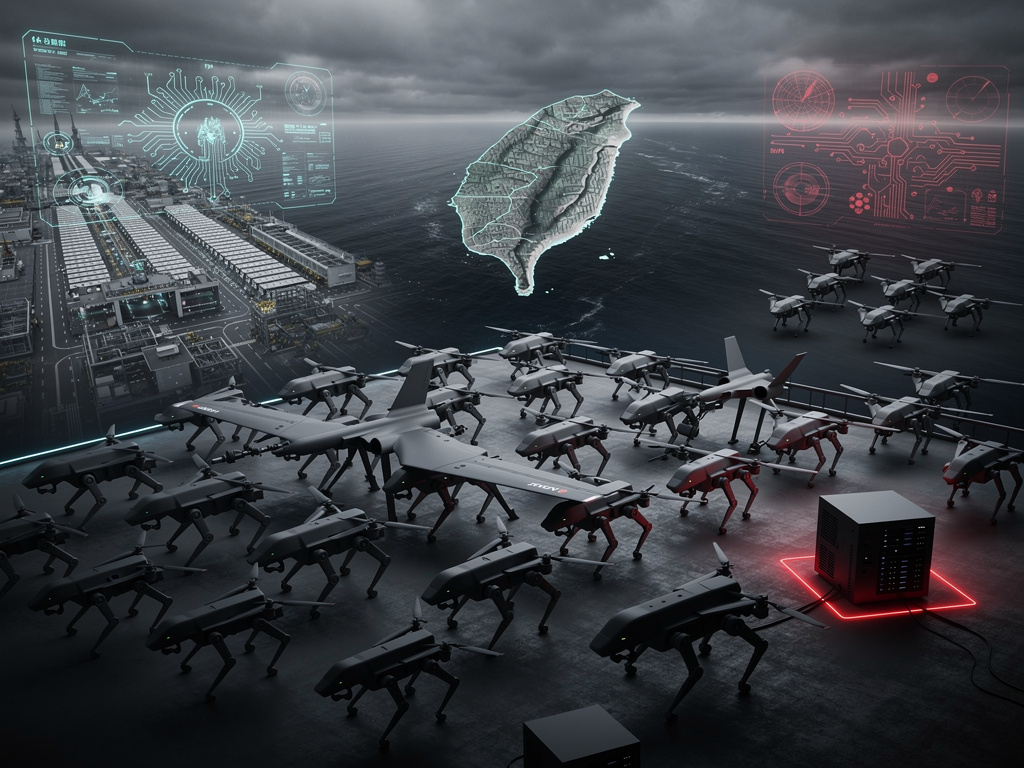
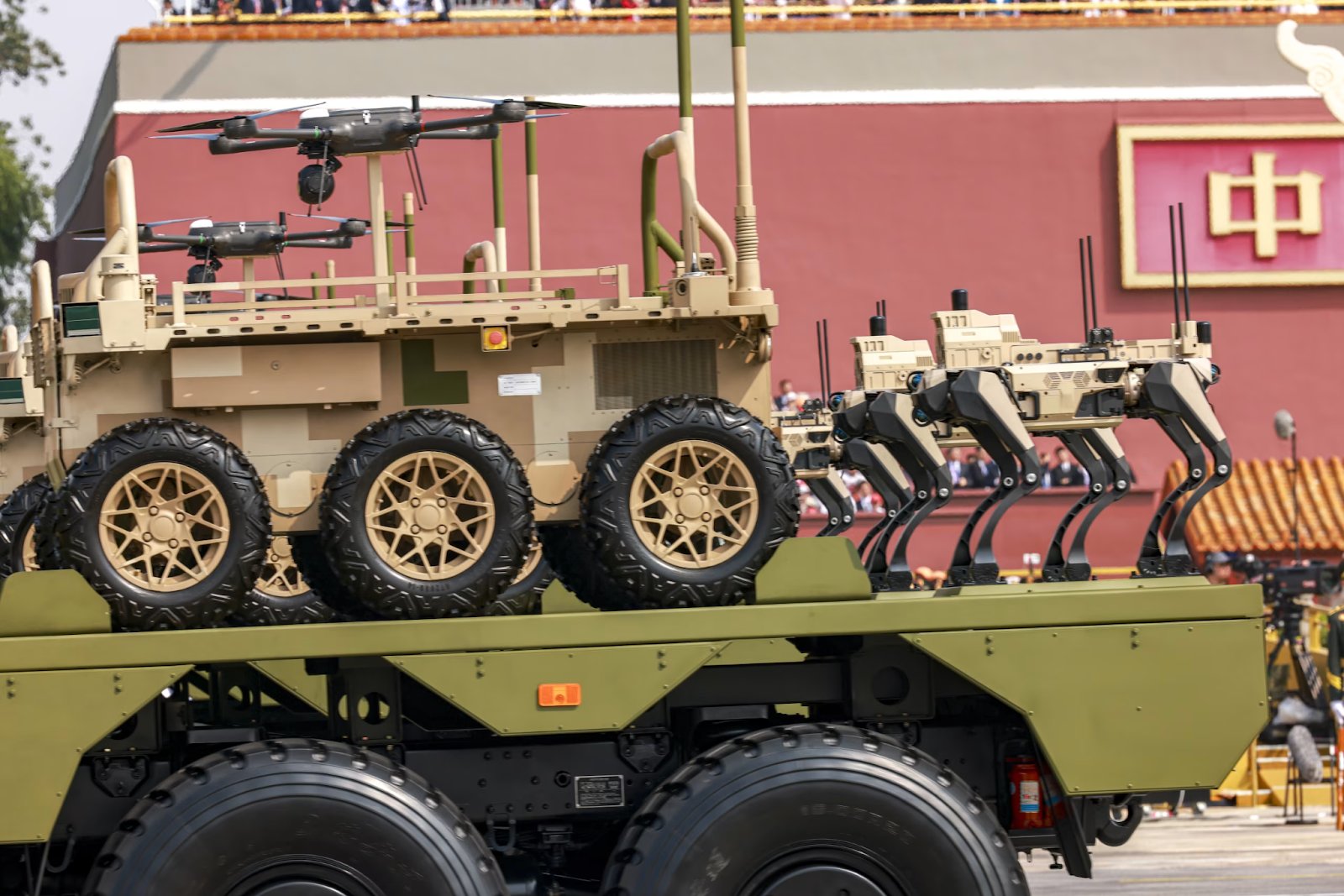
Chinese military engineers have developed AI systems for autonomous drones and robotic weapons that mimic animal behaviors, such as hawks and doves, to enhance combat effectiveness. These AI-controlled swarms, with minimal human oversight, are being actively tested and deployed, raising concerns about autonomous lethal decision-making and potential harm in warfare.[AI generated]

Why's our monitor labelling this an incident or hazard?

The article explicitly discusses AI systems used in autonomous weapons and drone swarms by the Chinese military, which are designed to carry out lethal operations with minimal human input. This clearly involves AI system development and use. The potential and actual deployment of such systems in warfare inherently involves harm to persons and communities, fulfilling the criteria for an AI Incident. Although some described systems are in development or procurement stages, the article indicates that some AI-enabled weapons have been demonstrated and are being actively pursued for battlefield use, implying realized or imminent harm. Hence, this is not merely a hazard or complementary information but an AI Incident due to the direct link to harm through autonomous lethal military applications.[AI generated]
AI principles
Respect of human rightsSafety

Industries
Government, security, and defence

Affected stakeholders
General public

Harm types
Physical (death)Physical (injury)Human or fundamental rights

Severity
AI incident

AI system task:
Goal-driven organisation


Articles about this incident or hazard

Thumbnail Image

China trains AI-controlled weapons with learning from hawks, coyotes

2026-01-25
Hindustan Times
Why's our monitor labelling this an incident or hazard?
The event involves AI systems explicitly described as autonomous weapons and drone swarms controlled by AI, developed and tested by the Chinese military. The article discusses the potential for these AI systems to cause harm in warfare, including lethal outcomes and loss of human control, which fits the definition of an AI Hazard. There is no report of actual harm or incidents caused by these AI systems yet, so it does not meet the criteria for an AI Incident. The article is not merely complementary information because it focuses on the risks and development of these AI weapons, not on responses or updates to past incidents. Therefore, the classification as AI Hazard is appropriate.
Thumbnail Image

China Trains AI-Controlled Weapons With Learning From Hawks, Coyotes

2026-01-25
The Wall Street Journal
Why's our monitor labelling this an incident or hazard?
The article explicitly discusses AI systems used in autonomous weapons and drone swarms by the Chinese military, which are designed to carry out lethal operations with minimal human input. This clearly involves AI system development and use. The potential and actual deployment of such systems in warfare inherently involves harm to persons and communities, fulfilling the criteria for an AI Incident. Although some described systems are in development or procurement stages, the article indicates that some AI-enabled weapons have been demonstrated and are being actively pursued for battlefield use, implying realized or imminent harm. Hence, this is not merely a hazard or complementary information but an AI Incident due to the direct link to harm through autonomous lethal military applications.
Thumbnail Image

China trains AI-controlled weapons with learning from Hawks, Coyotes

2026-01-25
mint
Why's our monitor labelling this an incident or hazard?
The event involves AI systems explicitly described as autonomous weapons and drone swarms with AI-driven decision-making capabilities. The use and development of these AI systems are directly linked to potential and actual harm in military combat, including lethal force application, which constitutes injury or harm to persons and harm to communities. The article reports on actual deployments, patents, and military exercises, indicating realized AI use rather than mere potential. Therefore, this qualifies as an AI Incident rather than a hazard or complementary information. The military AI systems' autonomous lethal capabilities and their deployment in conflict zones meet the definition of an AI Incident due to direct or indirect harm caused or likely to be caused by the AI systems.
Thumbnail Image

Inside China's AI army: Drones learn to hunt and kill like nature's predators - The Times of India

2026-01-25
The Times of India
Why's our monitor labelling this an incident or hazard?
The article explicitly discusses AI systems developed for autonomous military drones and robotic systems capable of lethal actions. While no specific incident of harm has yet occurred, the AI's intended use in warfare and autonomous lethal decision-making presents a credible risk of injury, death, and broader harm to communities and property. The development and deployment of such AI-enabled autonomous weapons systems with minimal human oversight fit the definition of an AI Hazard, as they could plausibly lead to an AI Incident involving injury or harm to persons and disruption of critical infrastructure. The article also notes expert warnings about safety hazards and accountability issues, reinforcing the potential for future harm. Since no actual harm is reported yet, this is not an AI Incident but a clear AI Hazard.
Thumbnail Image

Hawks, Wolves and Algorithms: China's AI Onslaught in Drone Warfare

2026-01-25
WebProNews
Why's our monitor labelling this an incident or hazard?
The article explicitly discusses AI systems embedded in autonomous weapons such as drone swarms and robot dogs used by the PLA, which have been tested and deployed in military exercises and operational scenarios. These AI systems perform complex autonomous decision-making tasks that can directly lead to harm in warfare contexts. The article also mentions risks of safety hazards and uncontrolled decisions by AI weapons, indicating realized or imminent harm potential. The presence of AI systems, their use in military operations, and the direct link to harm in conflict settings meet the criteria for an AI Incident rather than a hazard or complementary information. The article does not merely warn of potential harm but documents active deployment and operational use of AI systems with direct implications for harm.
Thumbnail Image

China's Military Uses Hawk and Wolf Behavior to Train AI Weapon Swarms

2026-01-27
Techloy
Why's our monitor labelling this an incident or hazard?
The event involves AI systems explicitly described as autonomous drones and robots controlled by AI algorithms trained on predator behavior. These systems are used in military combat exercises, which inherently carry risks of injury, harm to people, and disruption related to warfare. The article details active use and scaling of these AI weapon swarms, which directly relate to potential harm to persons and communities through military conflict. Therefore, this qualifies as an AI Incident due to the direct involvement of AI in systems designed and used for lethal autonomous operations with clear potential for harm.
Thumbnail Image

China's Military Labs Build 'Apex Predator' Drones, Robot Packs

2026-01-28
eWEEK
Why's our monitor labelling this an incident or hazard?
The event involves AI systems explicitly described as autonomous drones and robots with AI-driven behaviors for military use, including lethal targeting and swarm tactics. The development and deployment of such autonomous weapons systems pose a credible risk of causing injury, death, and disruption in military conflicts, meeting the criteria for an AI Hazard. Since the article does not report a specific realized harm or incident but focuses on the development and potential use of these systems, it is best classified as an AI Hazard rather than an AI Incident. The mention of AI-generated propaganda and deepfakes also supports the presence of AI systems with potential for harm, reinforcing the hazard classification.